



Plane tree
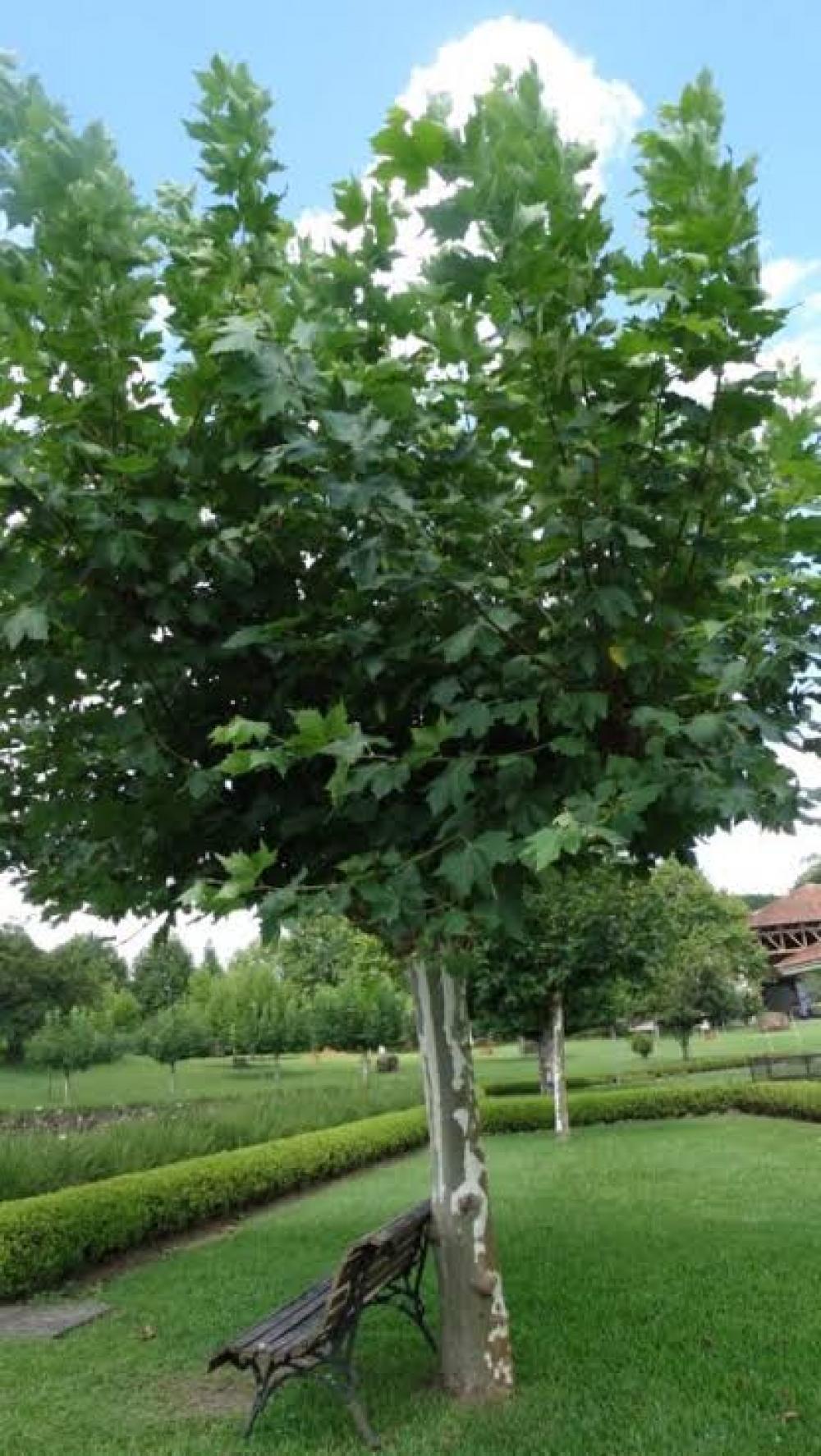
The plane tree is known for its great resilience, imposing stature, and ornamental value, making it a popular choice for streets, parks, and urban areas across various countries. Among the best-known species is *Platanus × acerifolia*—also known as the London plane—a widely cultivated hybrid. The tree can reach great heights and features a distinctive trunk: the bark peels off in plates, creating an irregular pattern of light and greenish hues. Its leaves are large—typically palmate and resembling those of the maple—and its broad canopy provides shade and thermal comfort.
From an environmental perspective, the plane tree plays a vital role in urban forestry by creating shaded areas, improving the microclimate, and enhancing the landscape. Its canopy helps reduce direct solar radiation on the ground and urban structures, while the presence of vegetation improves the environmental quality of public spaces. Due to its vigorous growth, planting decisions must take into account available space, soil characteristics, and proximity to sidewalks, buildings, and infrastructure networks.
Scientifically, the genus *Platanus* belongs to the Platanaceae family and comprises deciduous tree species—meaning they shed their leaves at a specific time of year. Reproduction occurs primarily through seeds, although some species and cultivars can also be propagated vegetatively. Reproductive structures appear in small, globe-shaped clusters that later release seeds. Research on the genus also examines its physiology, growth, environmental adaptation, and response to the pollution and stress found in urban environments.
Beyond its landscape value, the plane tree holds historical, cultural, and educational significance, particularly in regions where it has been widely introduced and cultivated. Observing its transformation throughout the seasons offers insight into natural processes such as leaf renewal, reproduction, and plant adaptation to the environment. Learning about different tree species raises awareness of the importance of urban forestry and demonstrates that each tree can play a significant role in creating more balanced, healthy, and sustainable environments.
From an environmental perspective, the plane tree plays a vital role in urban forestry by creating shaded areas, improving the microclimate, and enhancing the landscape. Its canopy helps reduce direct solar radiation on the ground and urban structures, while the presence of vegetation improves the environmental quality of public spaces. Due to its vigorous growth, planting decisions must take into account available space, soil characteristics, and proximity to sidewalks, buildings, and infrastructure networks.
Scientifically, the genus *Platanus* belongs to the Platanaceae family and comprises deciduous tree species—meaning they shed their leaves at a specific time of year. Reproduction occurs primarily through seeds, although some species and cultivars can also be propagated vegetatively. Reproductive structures appear in small, globe-shaped clusters that later release seeds. Research on the genus also examines its physiology, growth, environmental adaptation, and response to the pollution and stress found in urban environments.
Beyond its landscape value, the plane tree holds historical, cultural, and educational significance, particularly in regions where it has been widely introduced and cultivated. Observing its transformation throughout the seasons offers insight into natural processes such as leaf renewal, reproduction, and plant adaptation to the environment. Learning about different tree species raises awareness of the importance of urban forestry and demonstrates that each tree can play a significant role in creating more balanced, healthy, and sustainable environments.
Tree Catalog
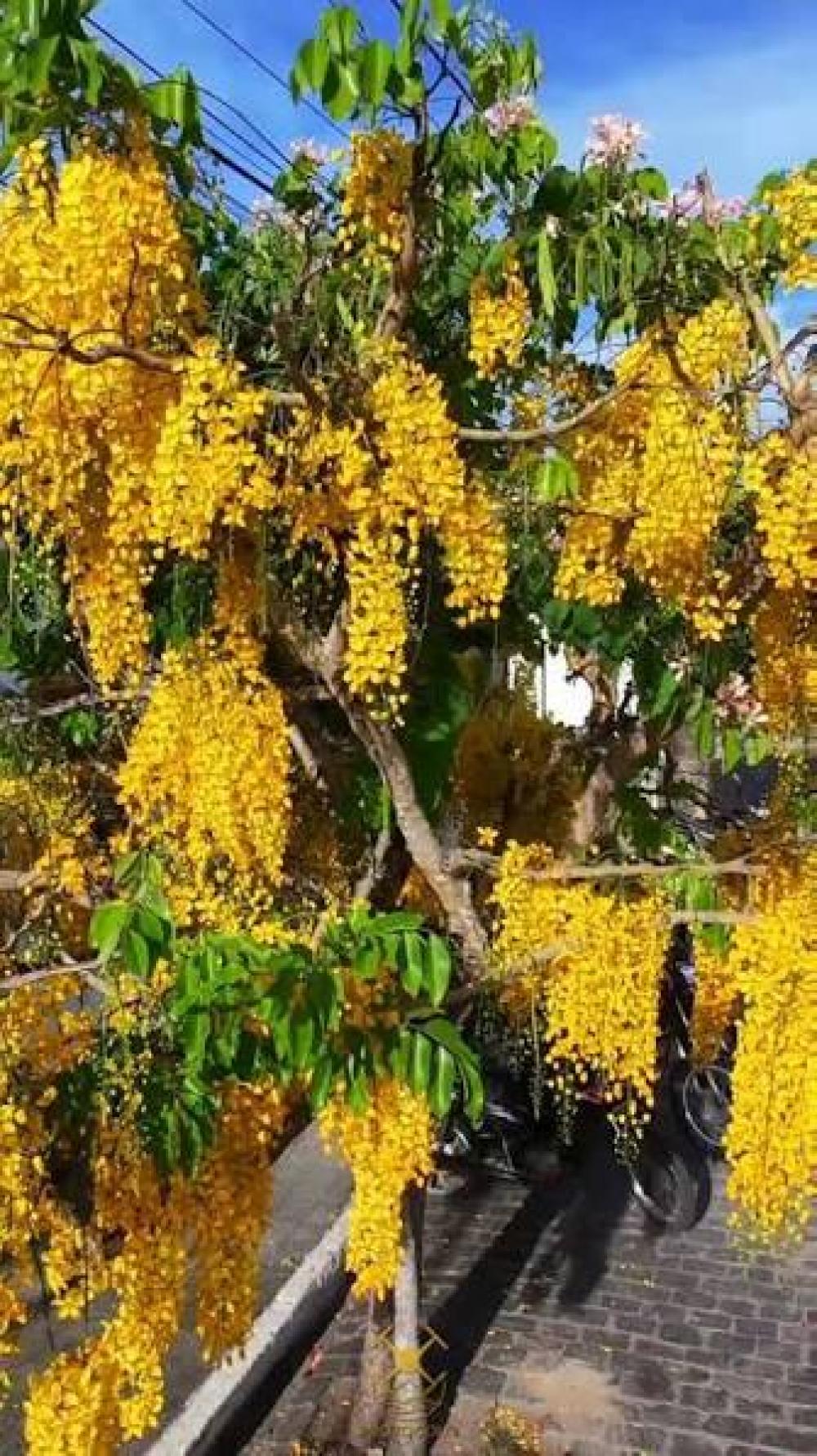
Imperial acacia
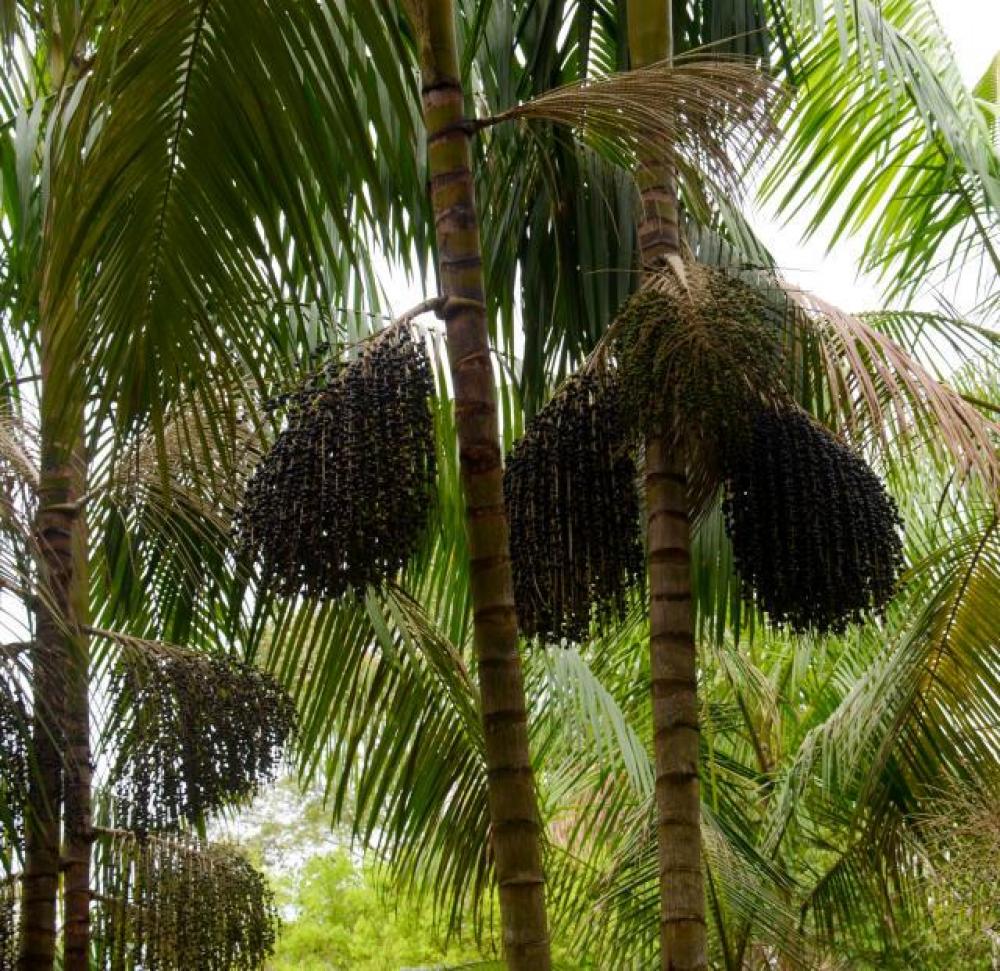
Açaí (Euterpe oleracea)
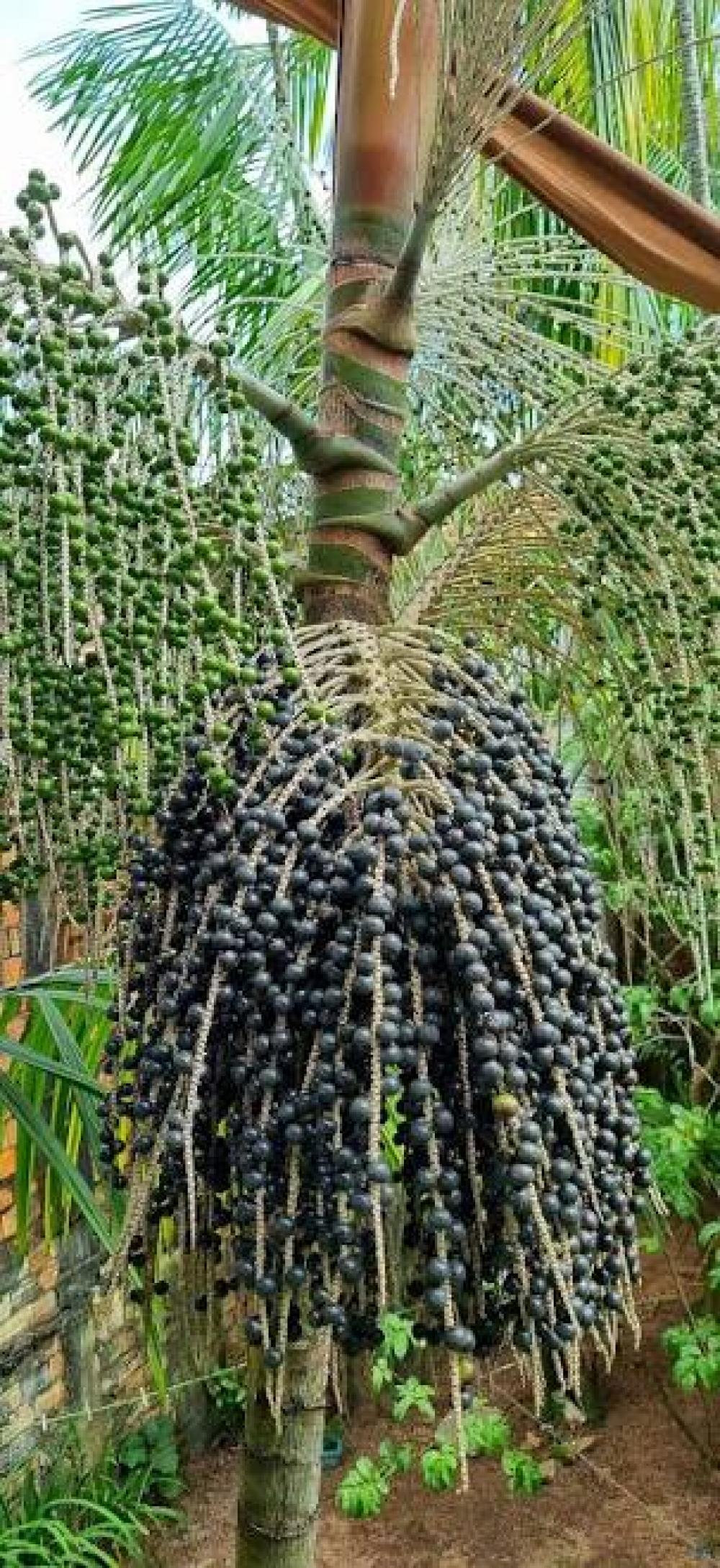
Açaí palm
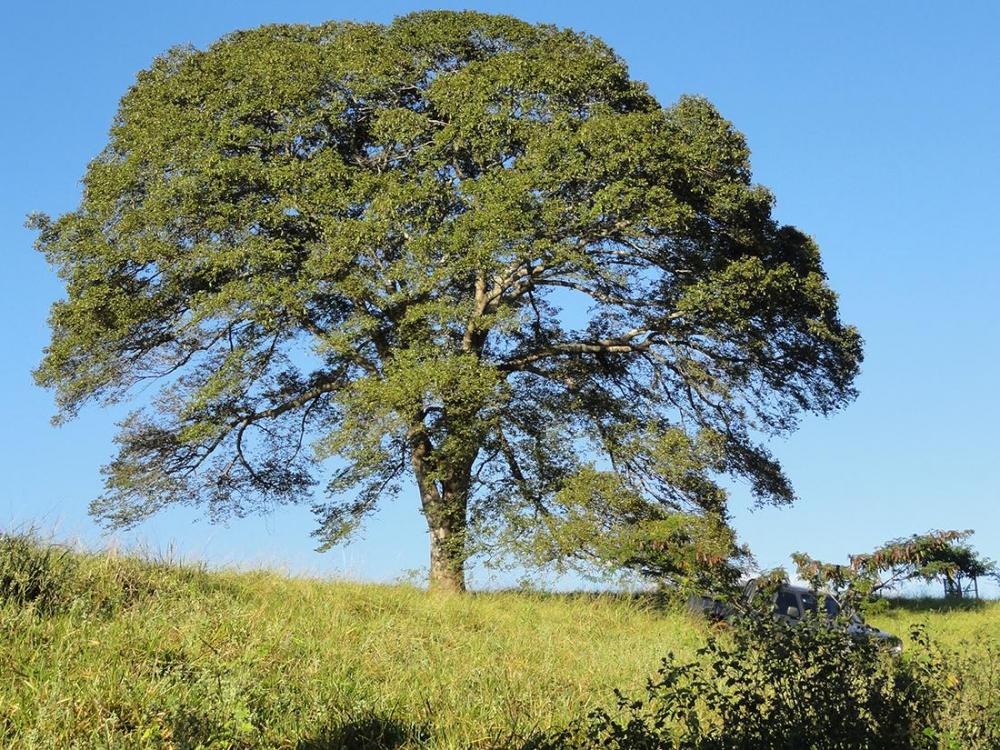

Red Angelim
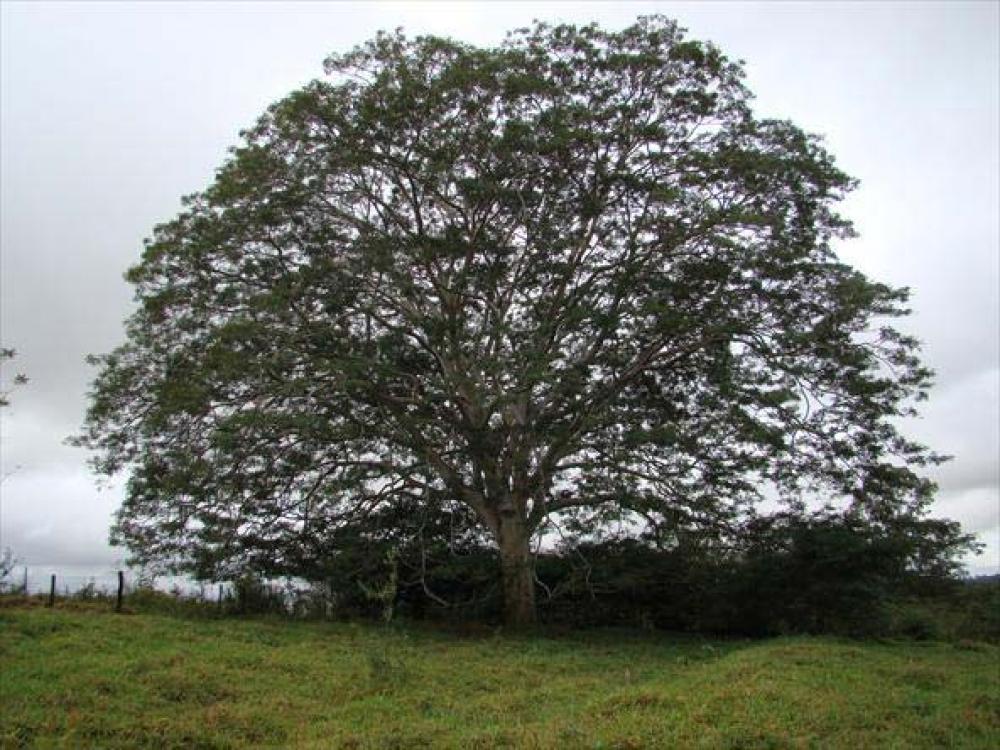
White Angico
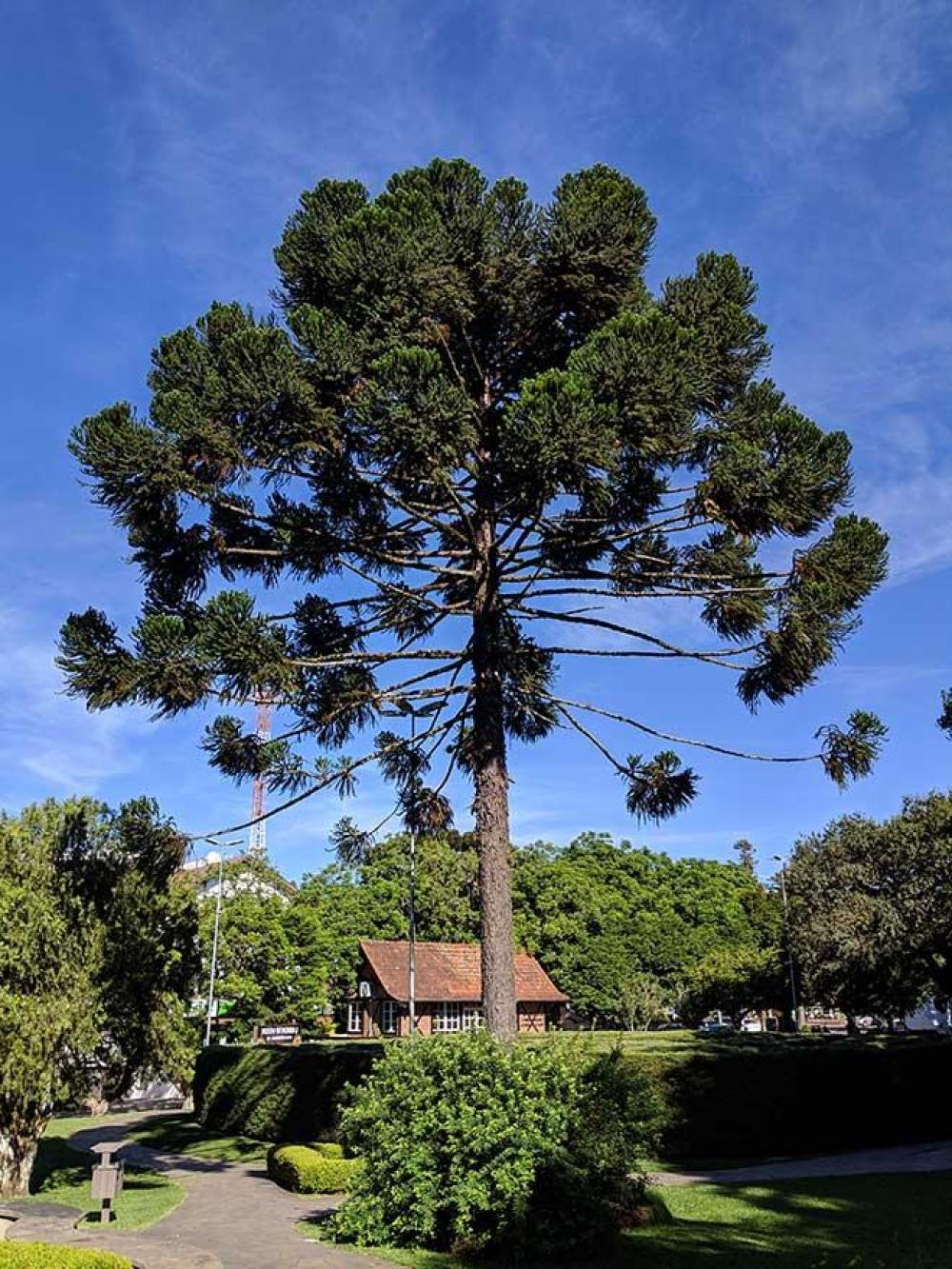
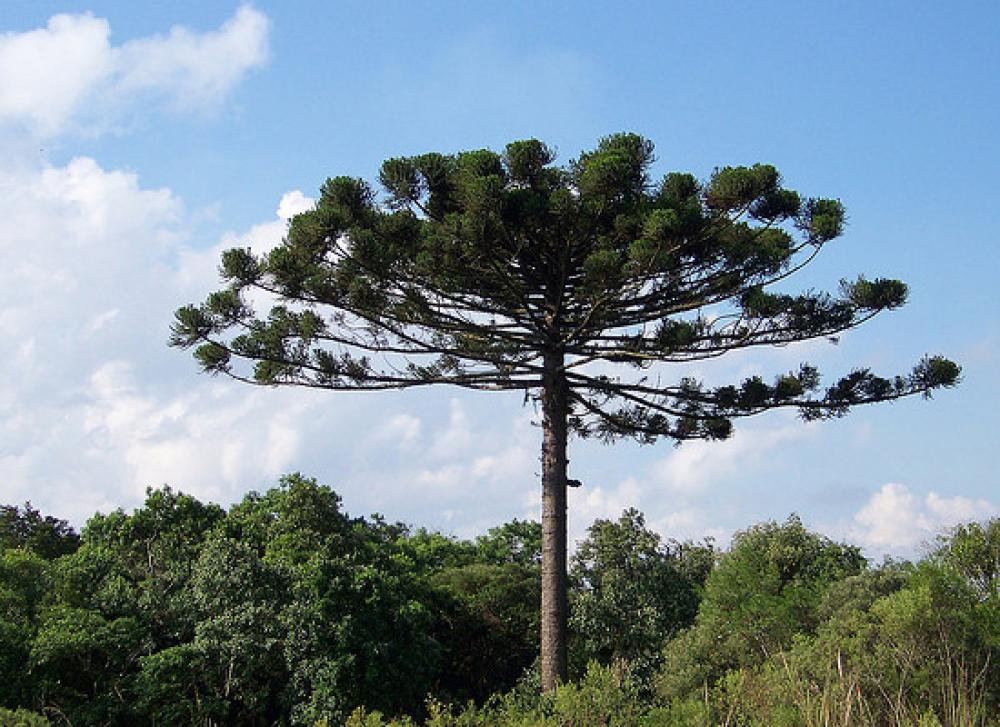
Araucaria, the Paraná pine
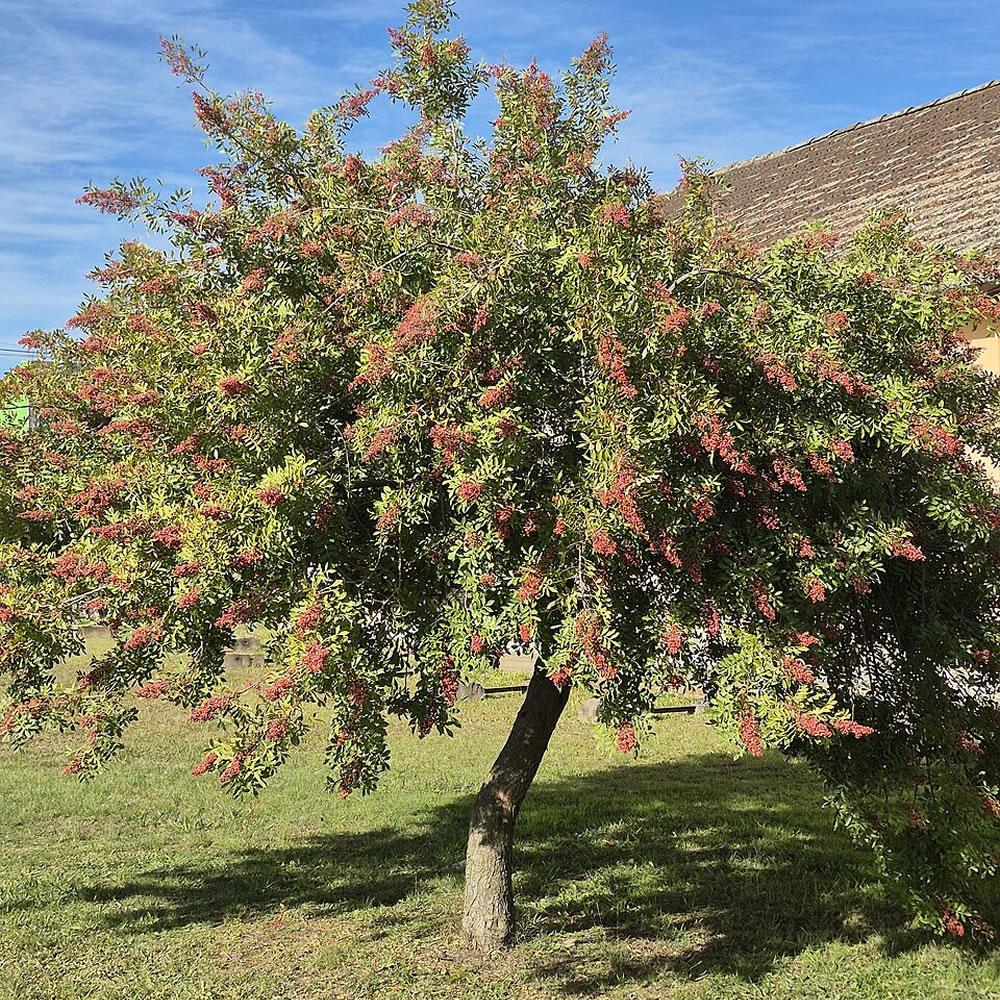
Brazilian peppertree
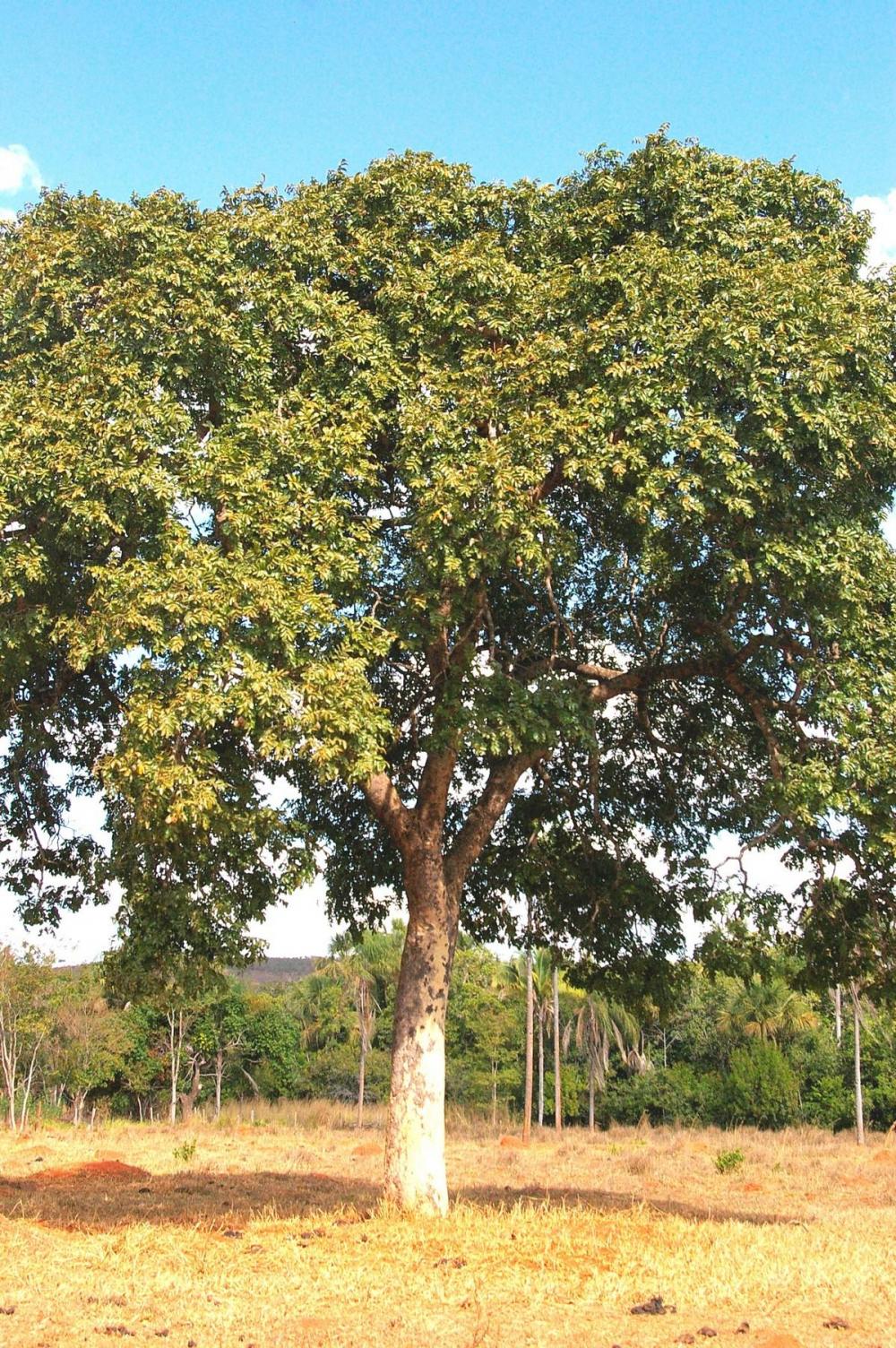
Baru
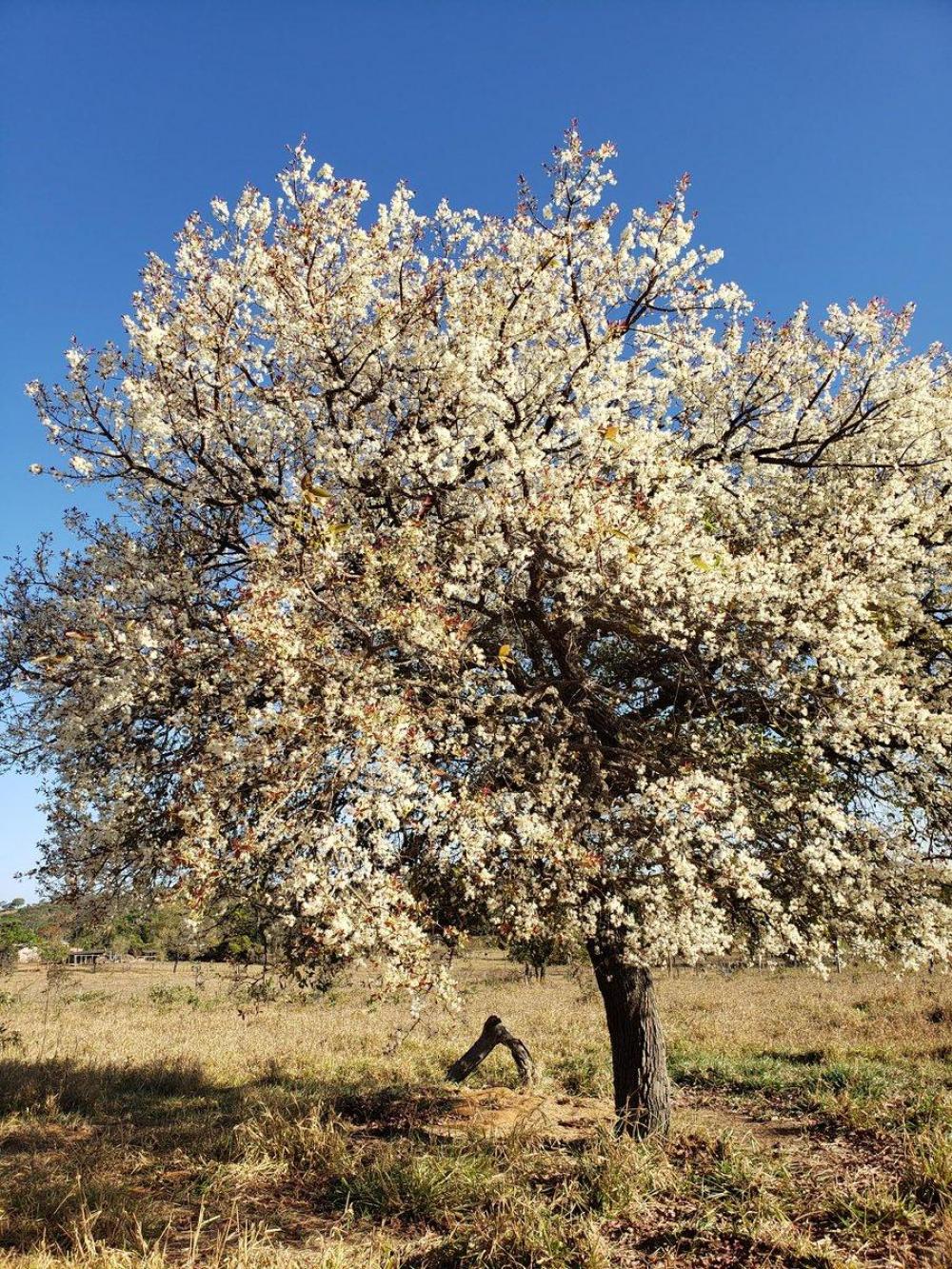
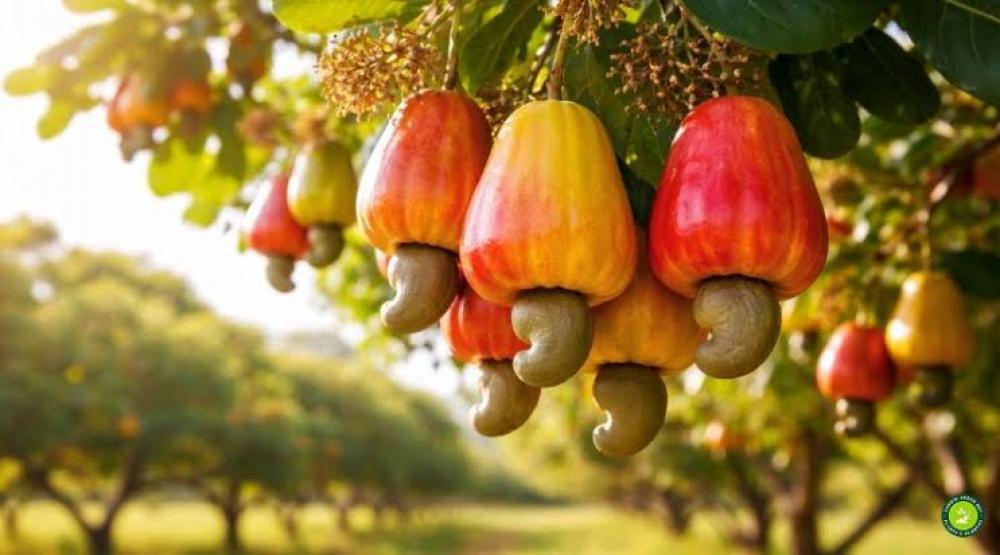
cashew tree
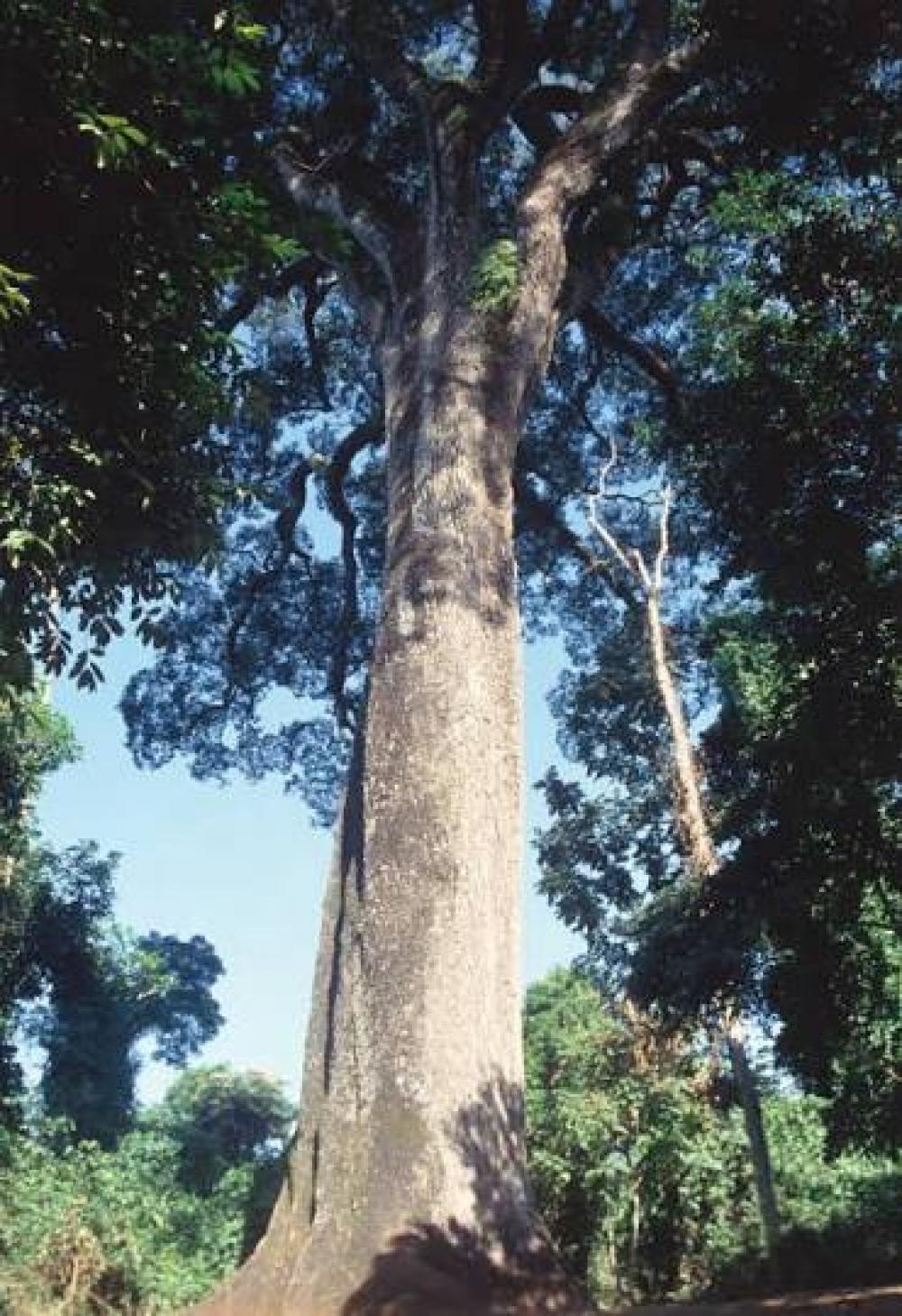
Black Cinnamon
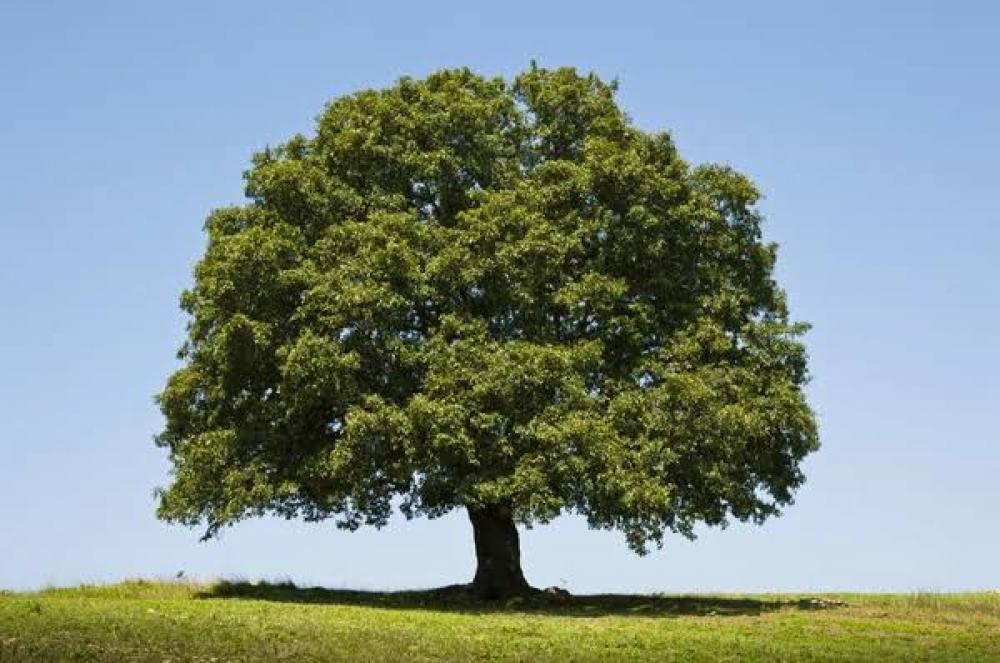
Oak tree
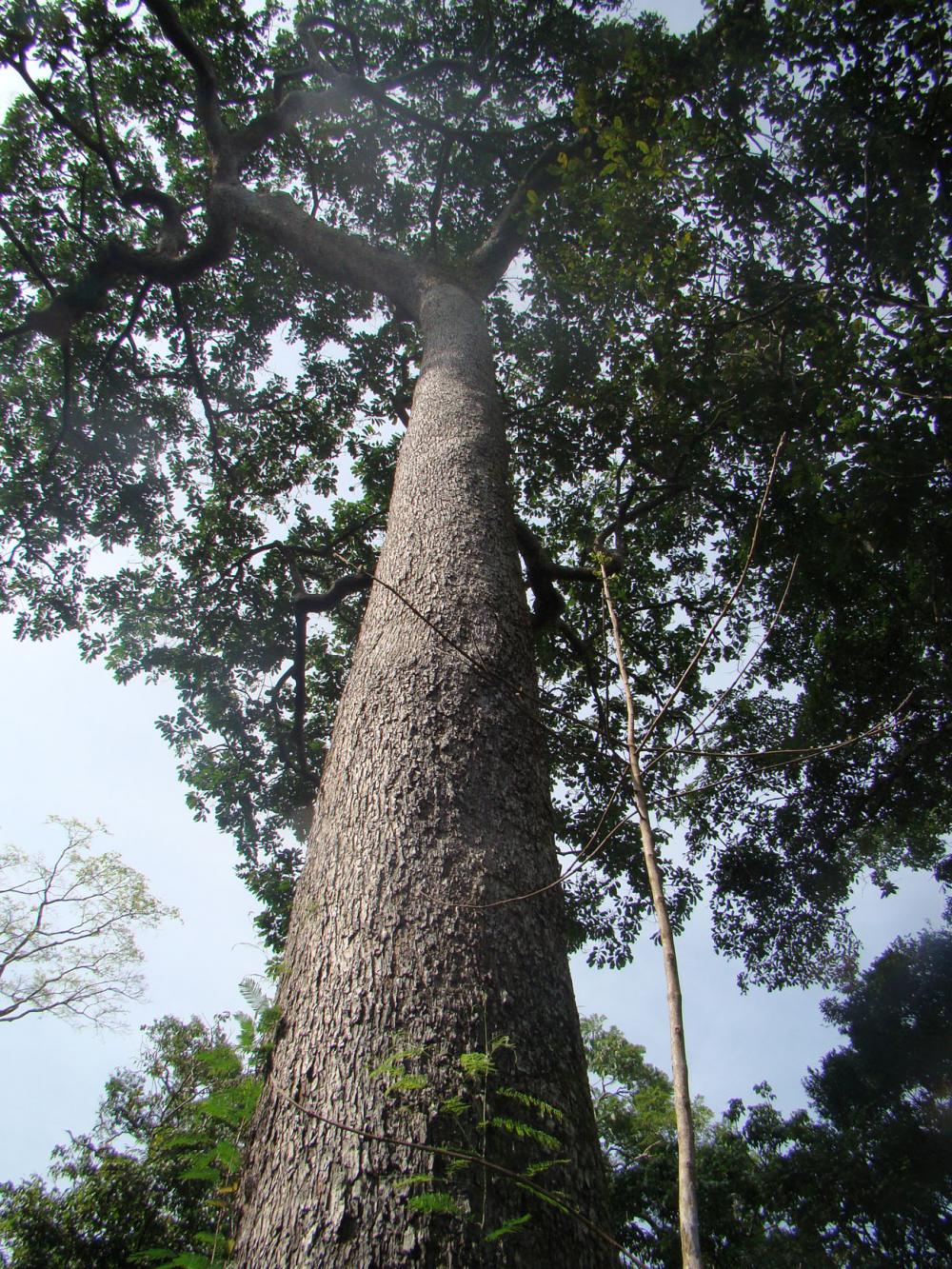
nuez de Brasil
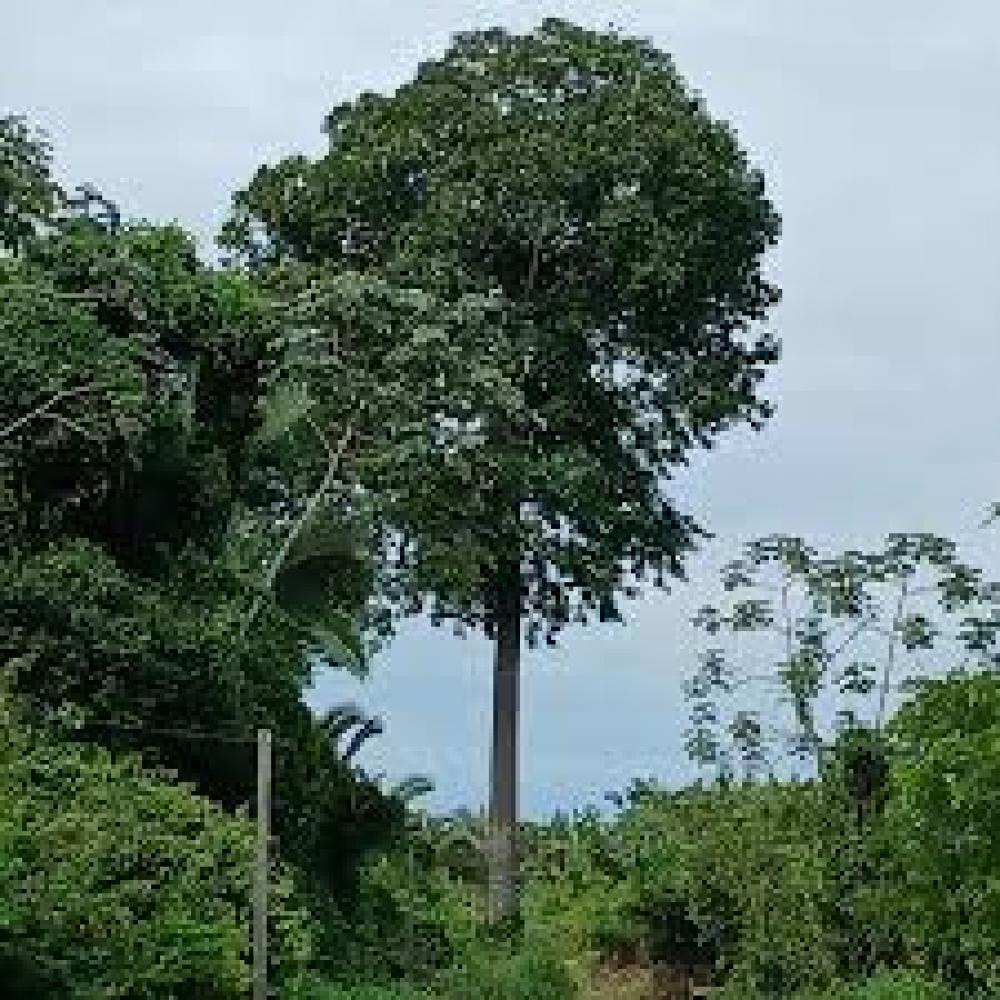
Brazil nut tree
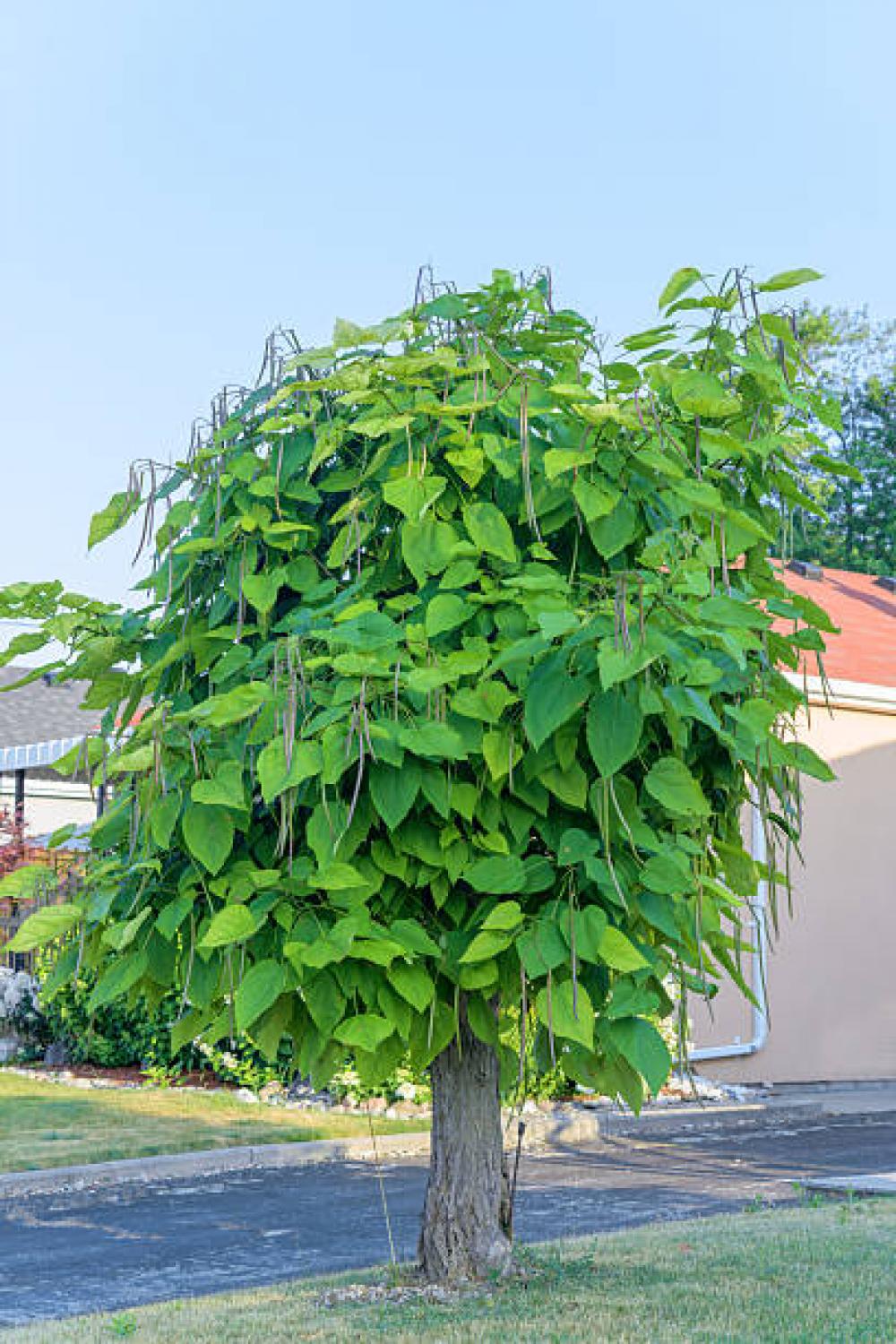
Catalpa
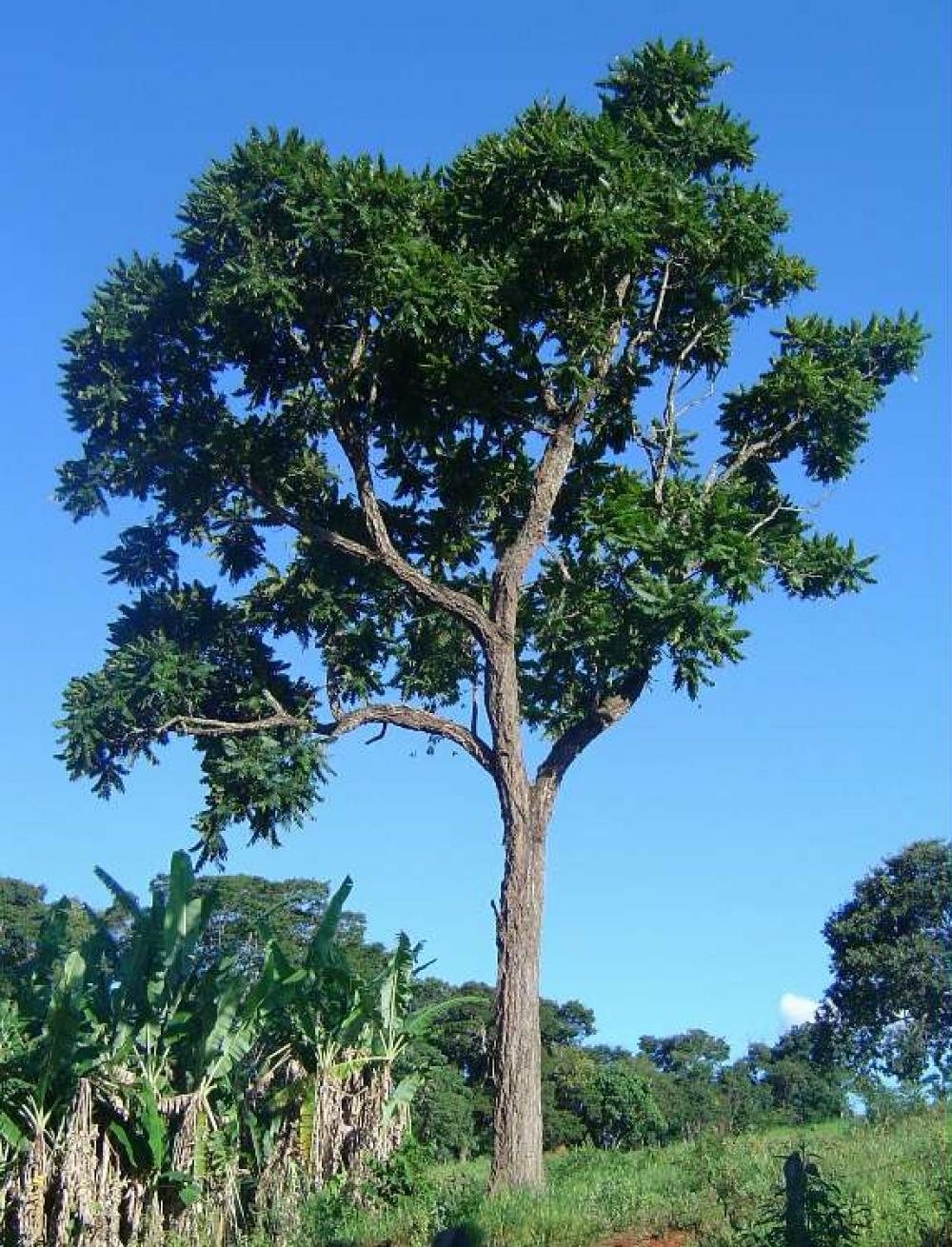
Pink cedar
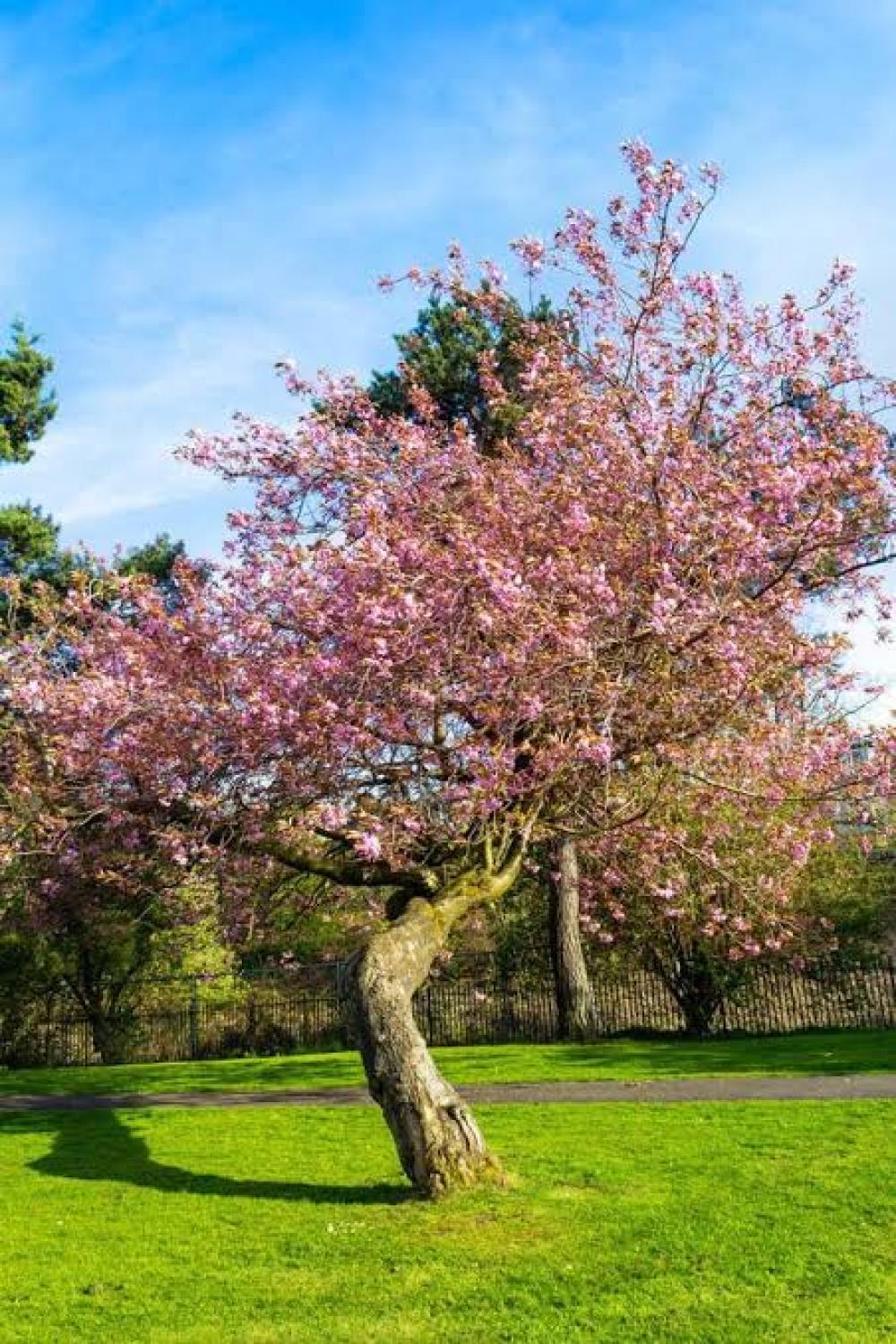
ornamental cherry tree
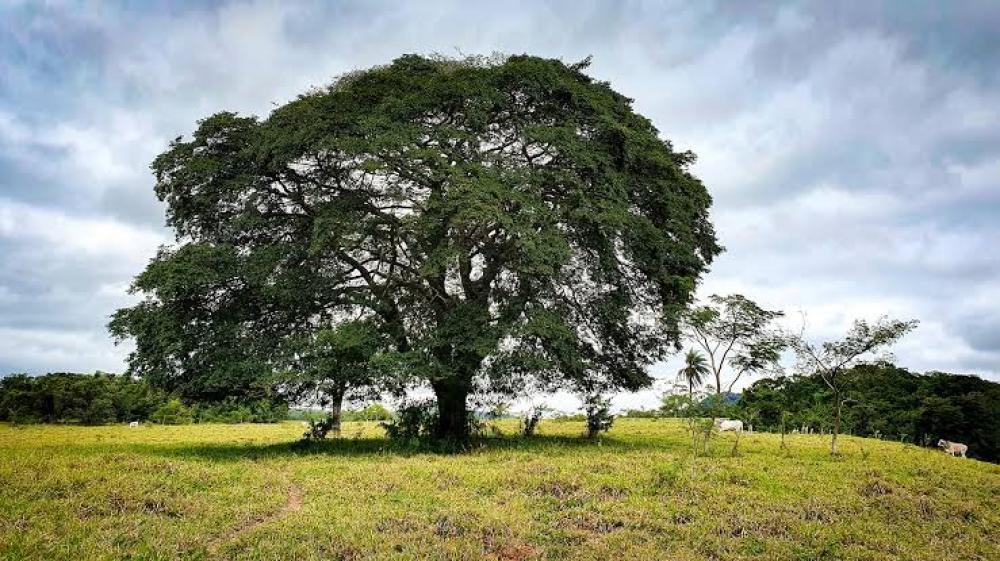
copaiba
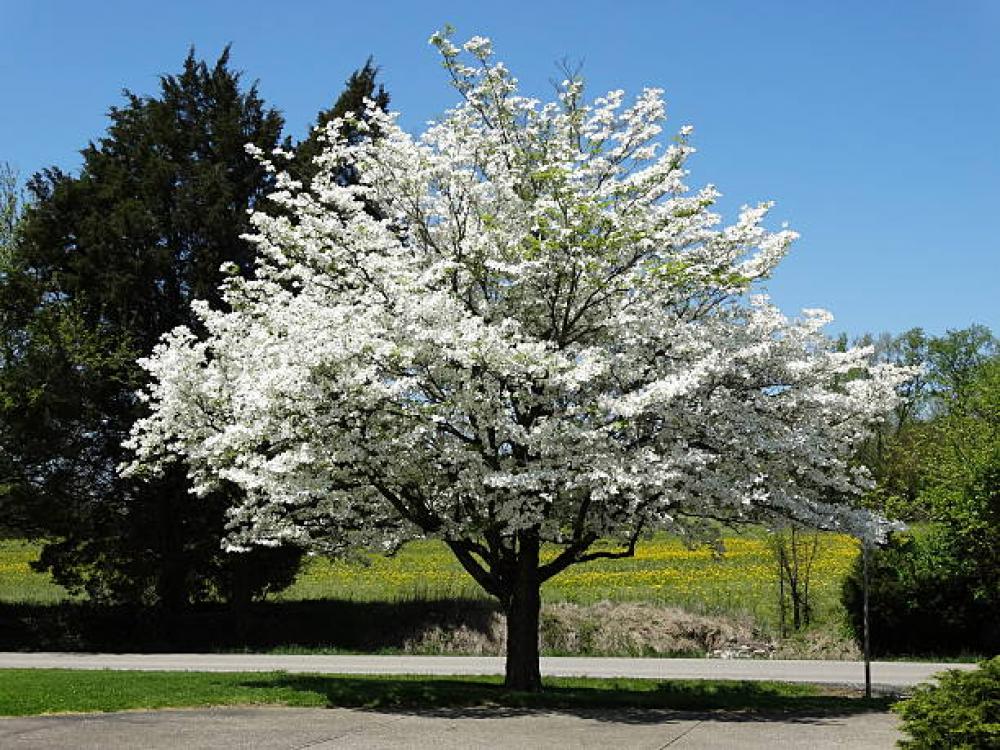
Trees of the genus Cornus
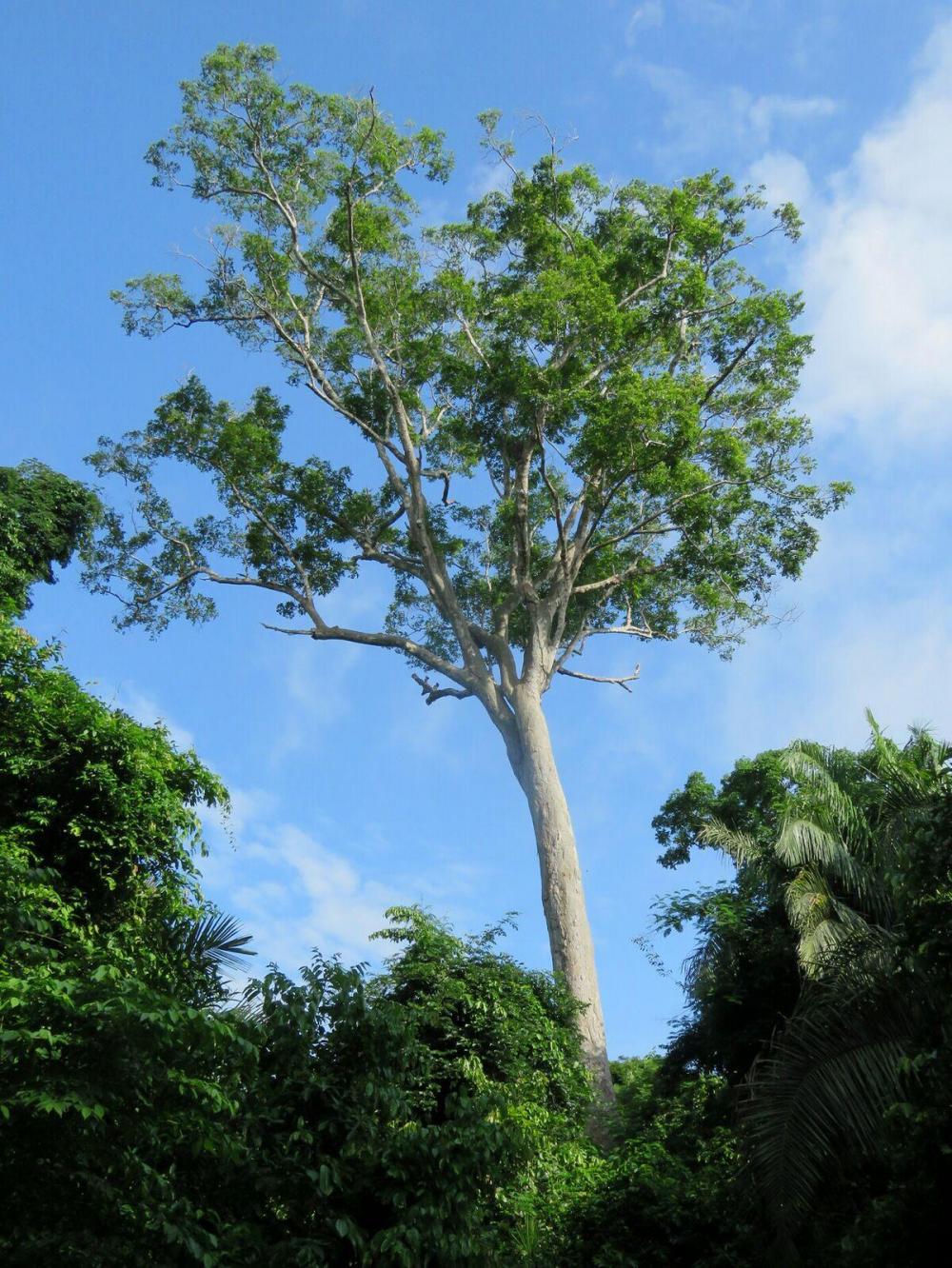
Cumaru
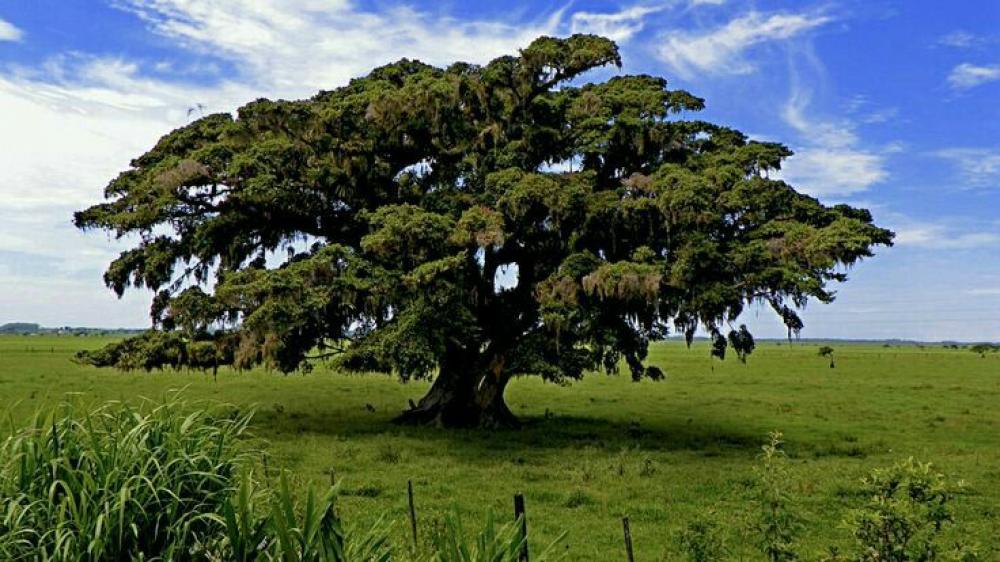
fig tree
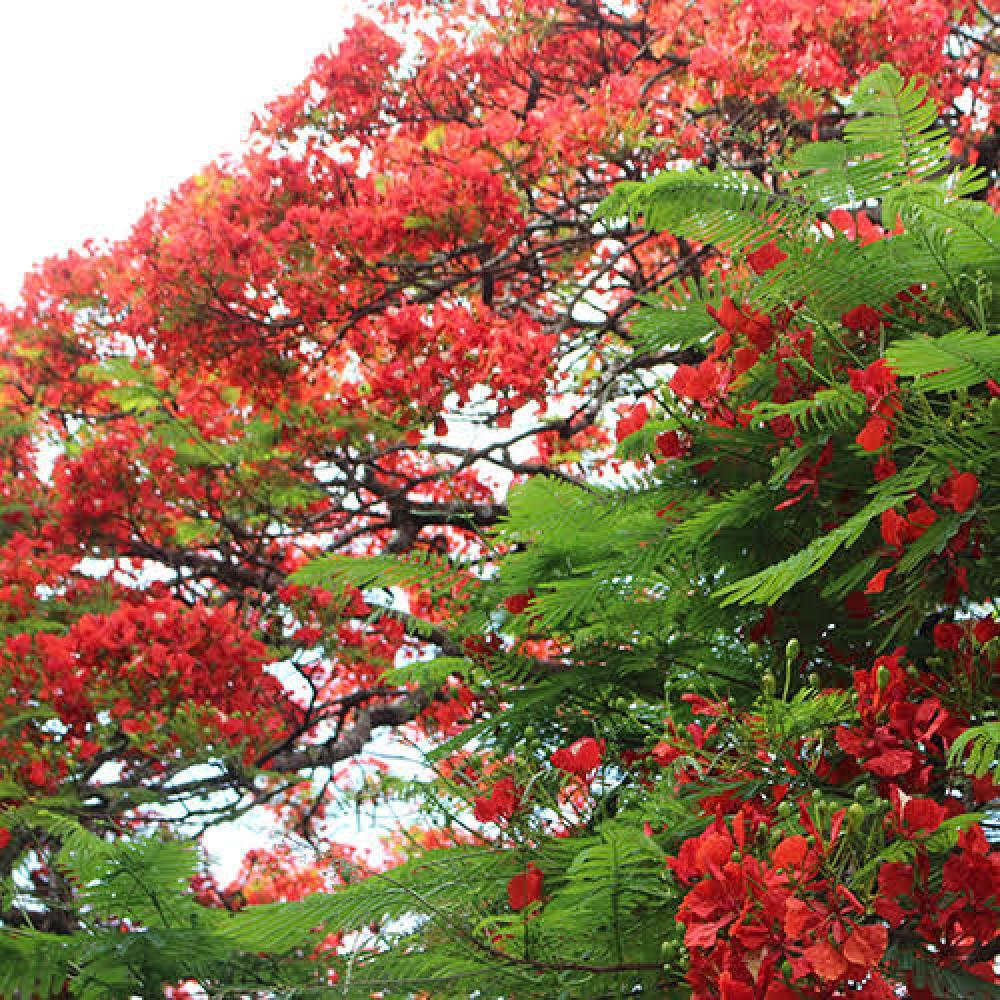
Flamboyant
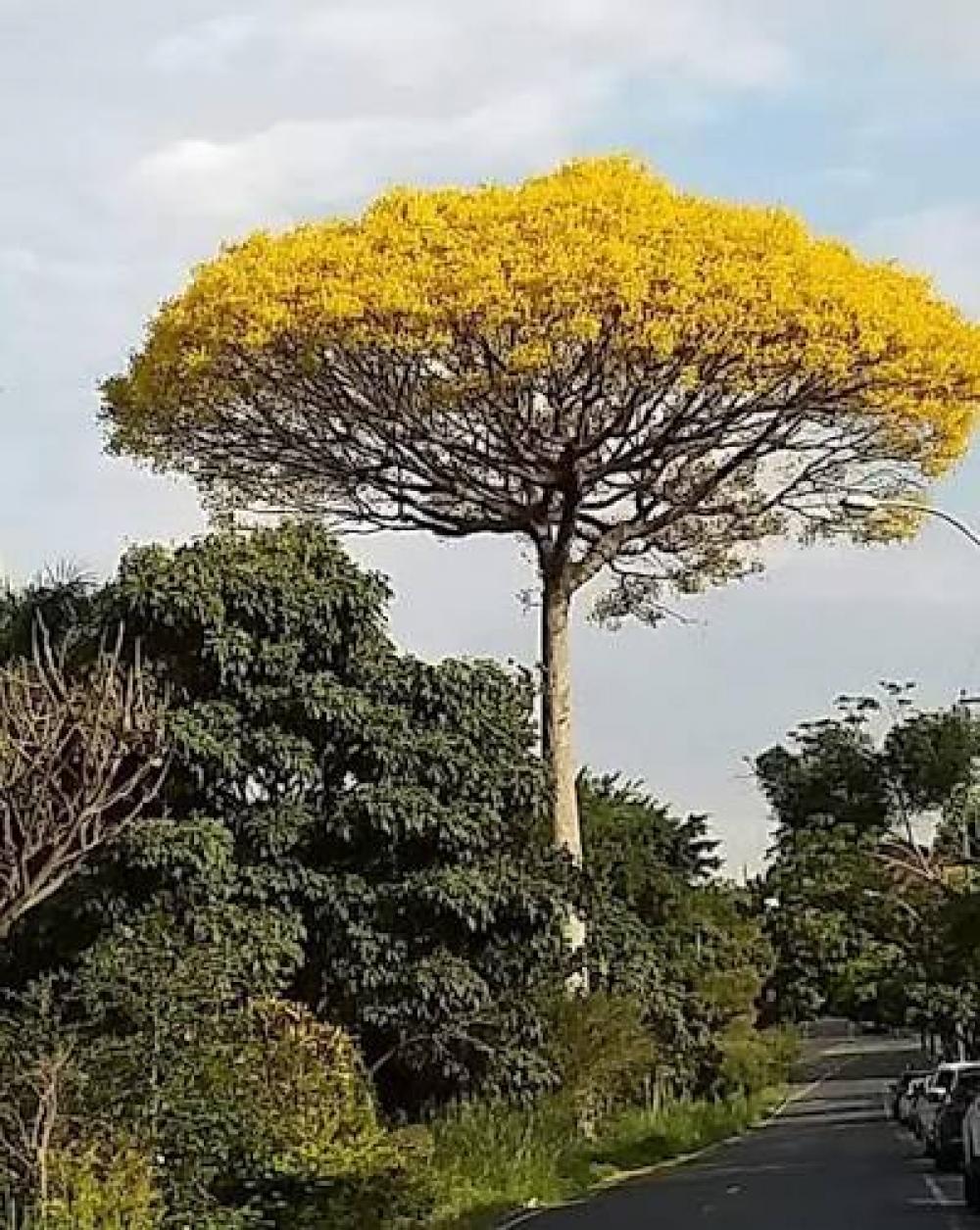
Guapuruvu
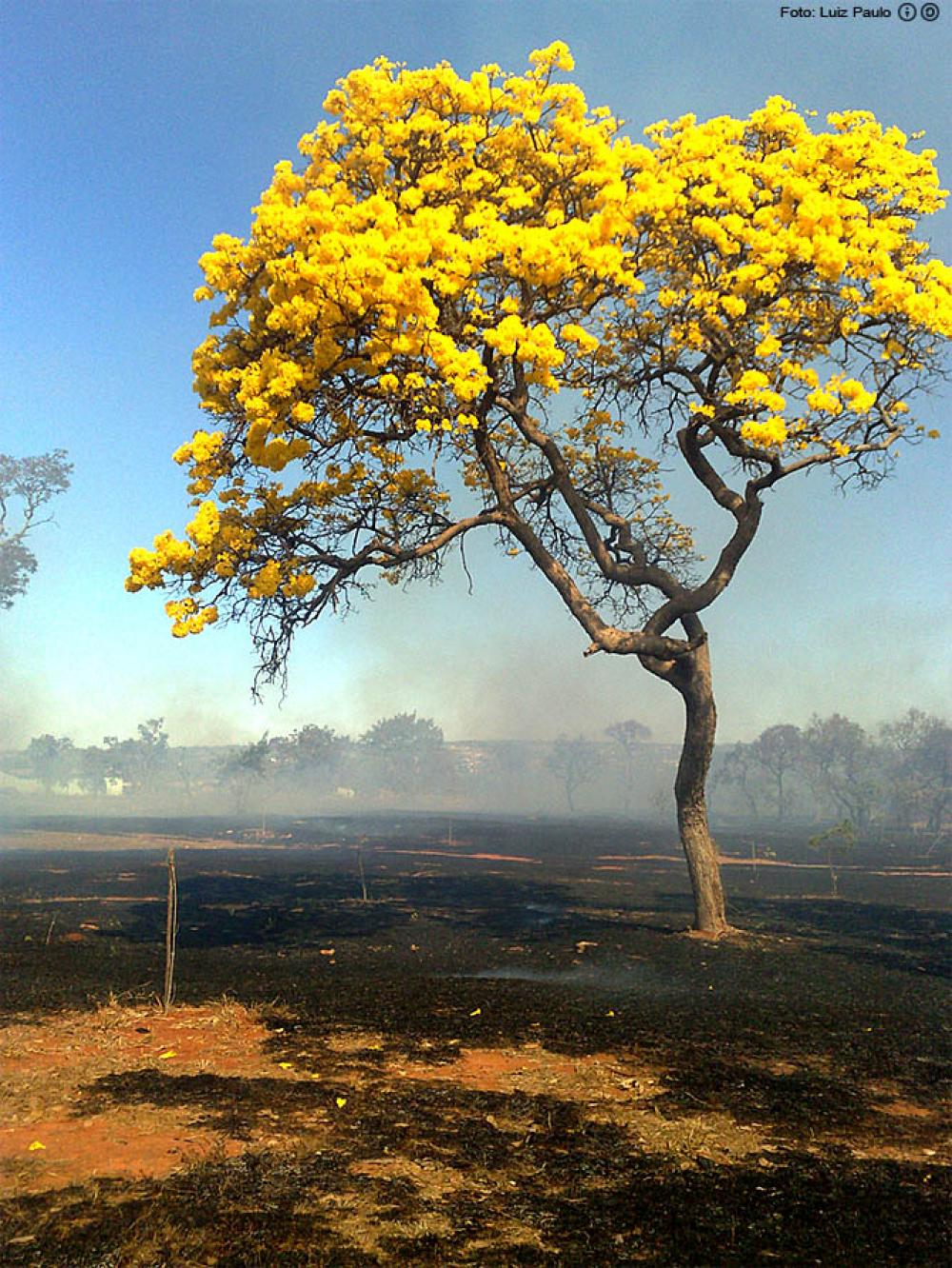
Yellow Ipê

Purple Ipe
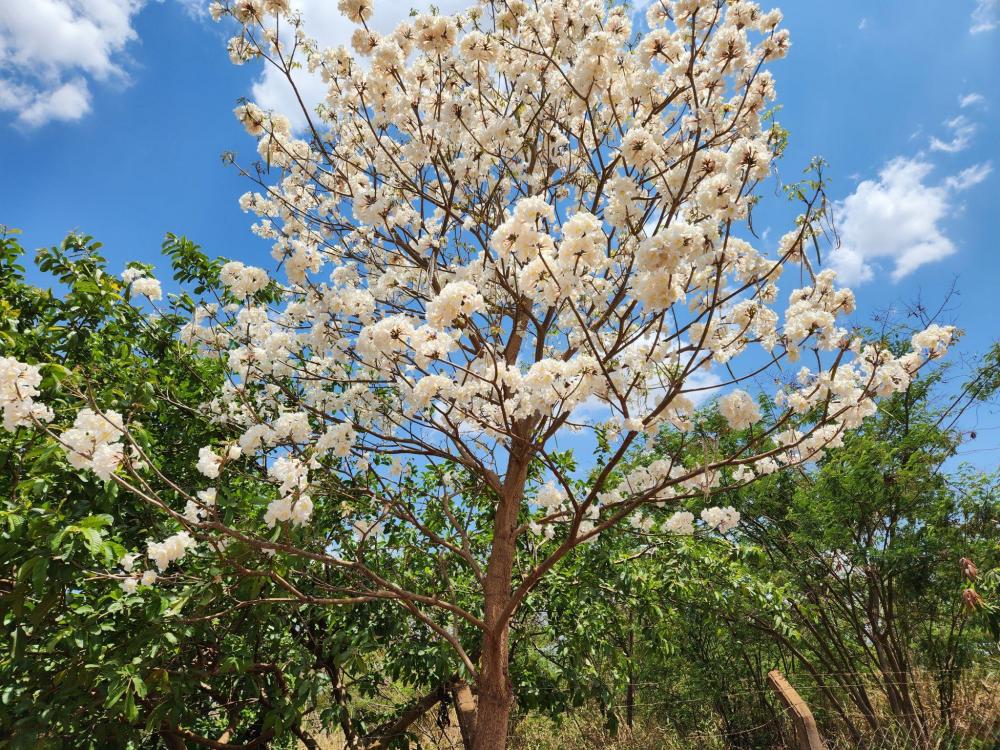
White Ipê
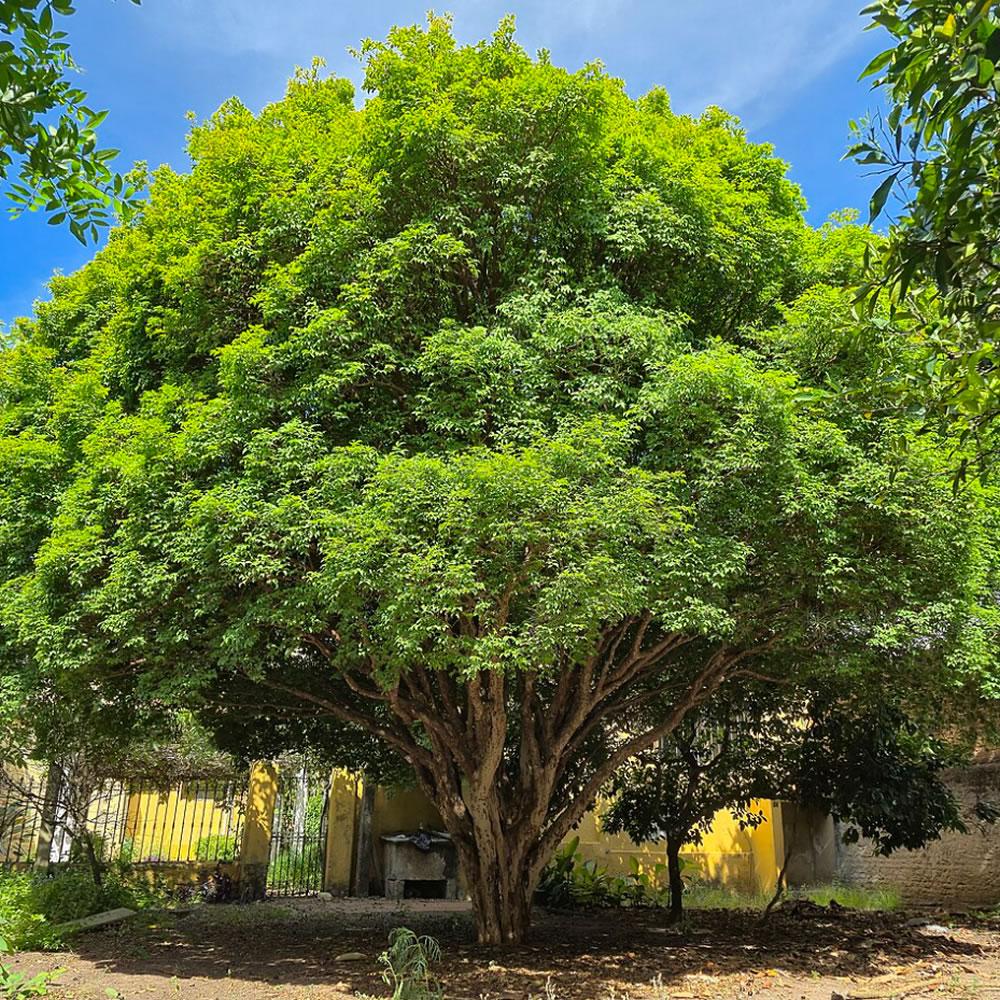
Jabuticaba
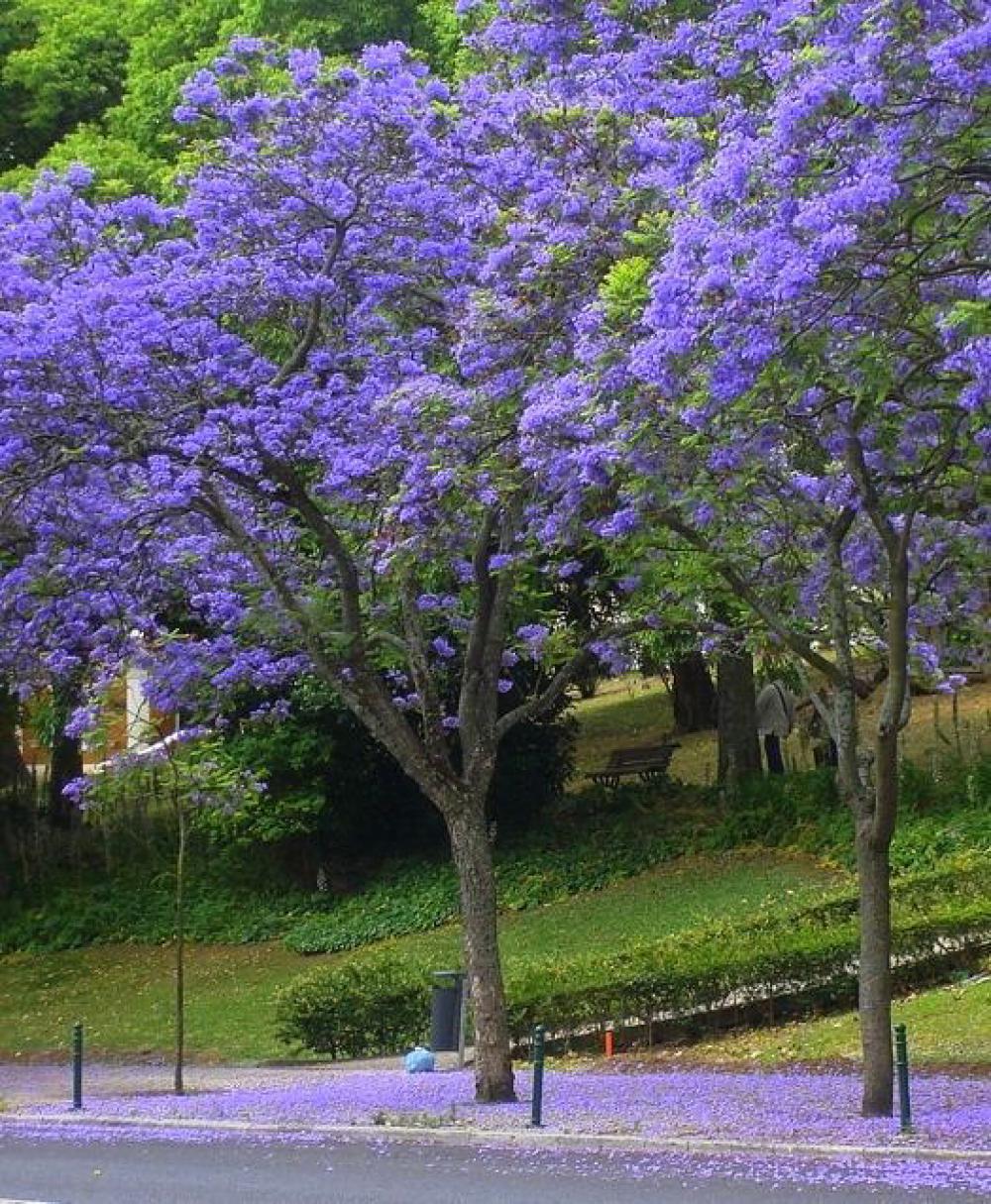
Blue jacaranda
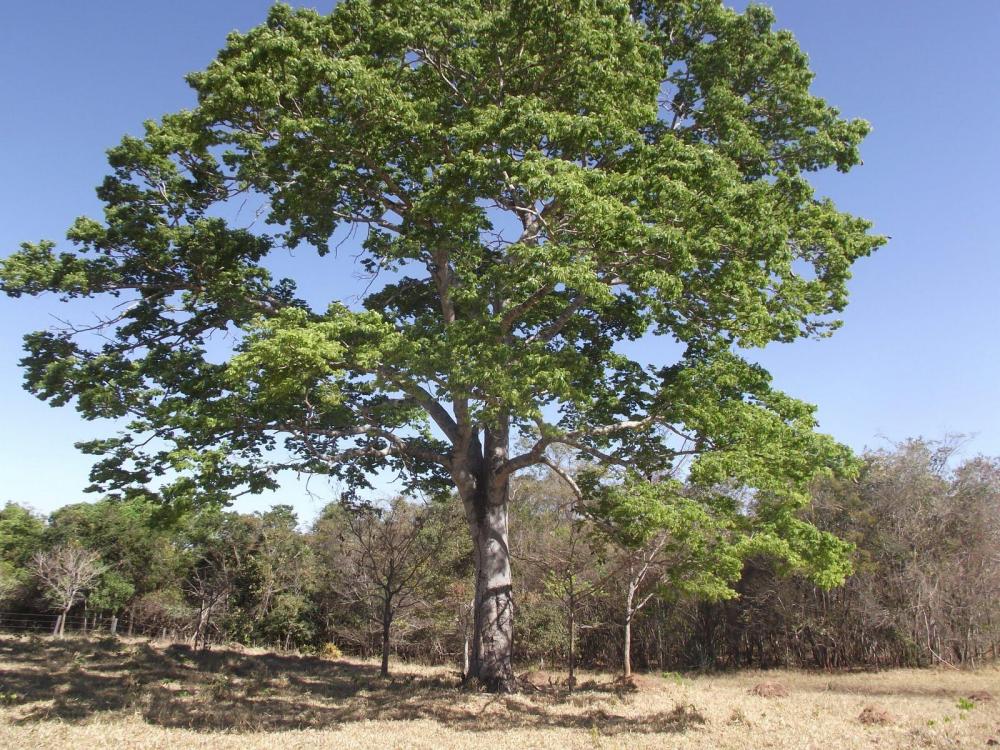
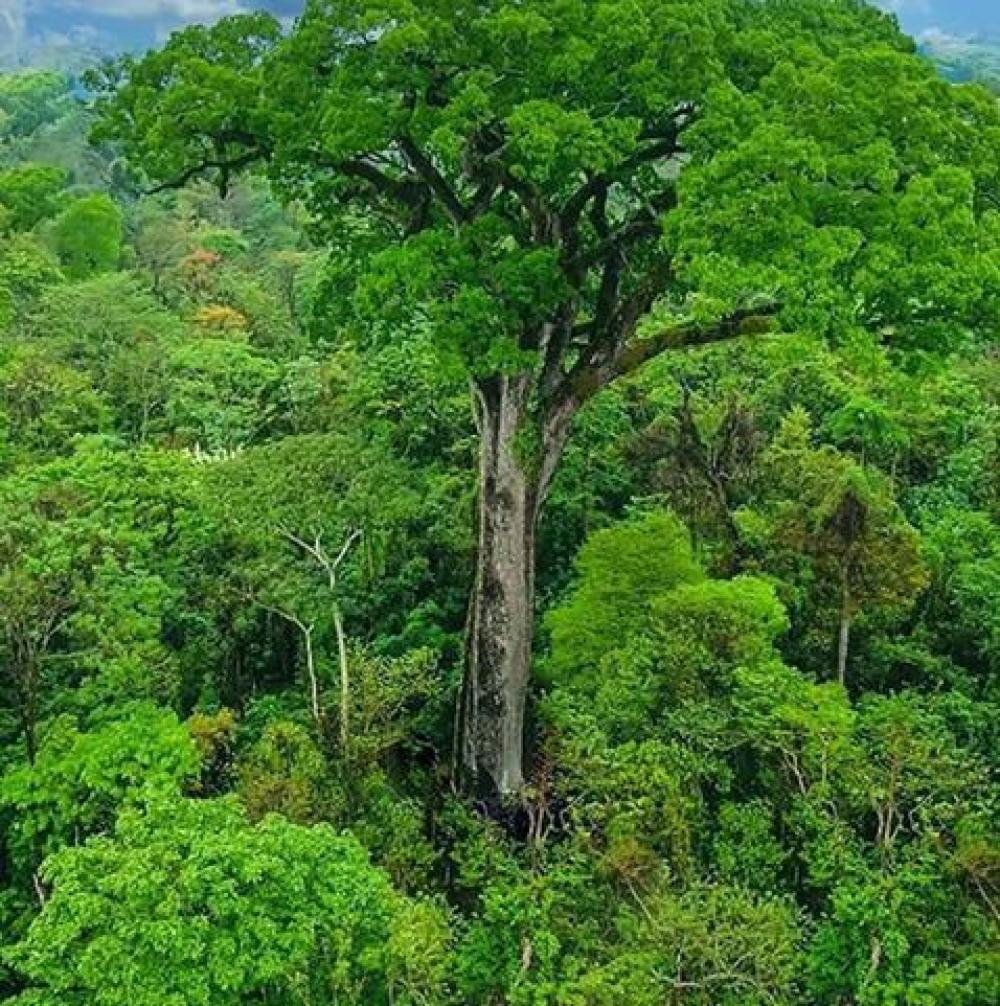
Pink Jequitibá (Cariniana legalis)
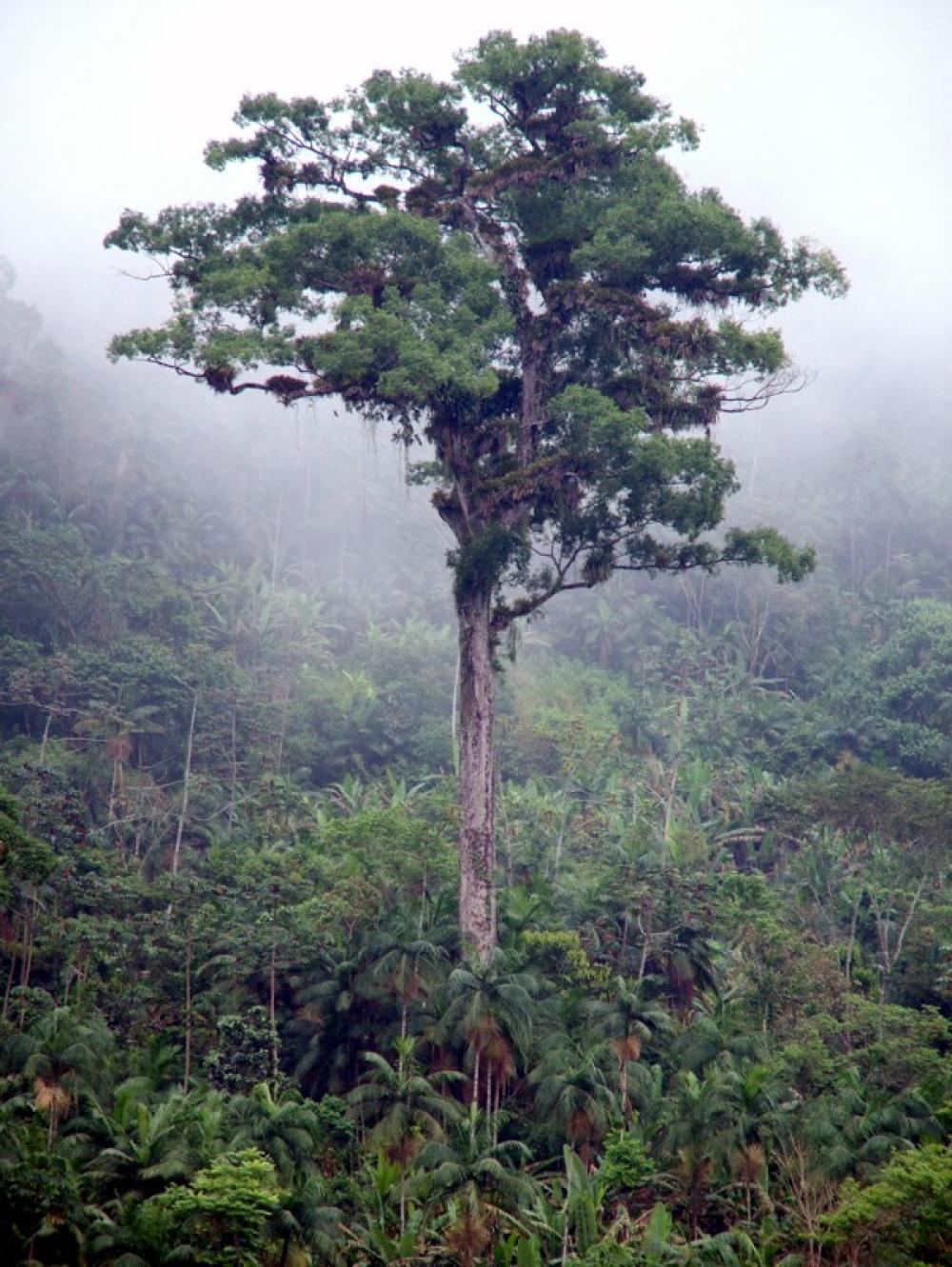
Pink Jequitibá
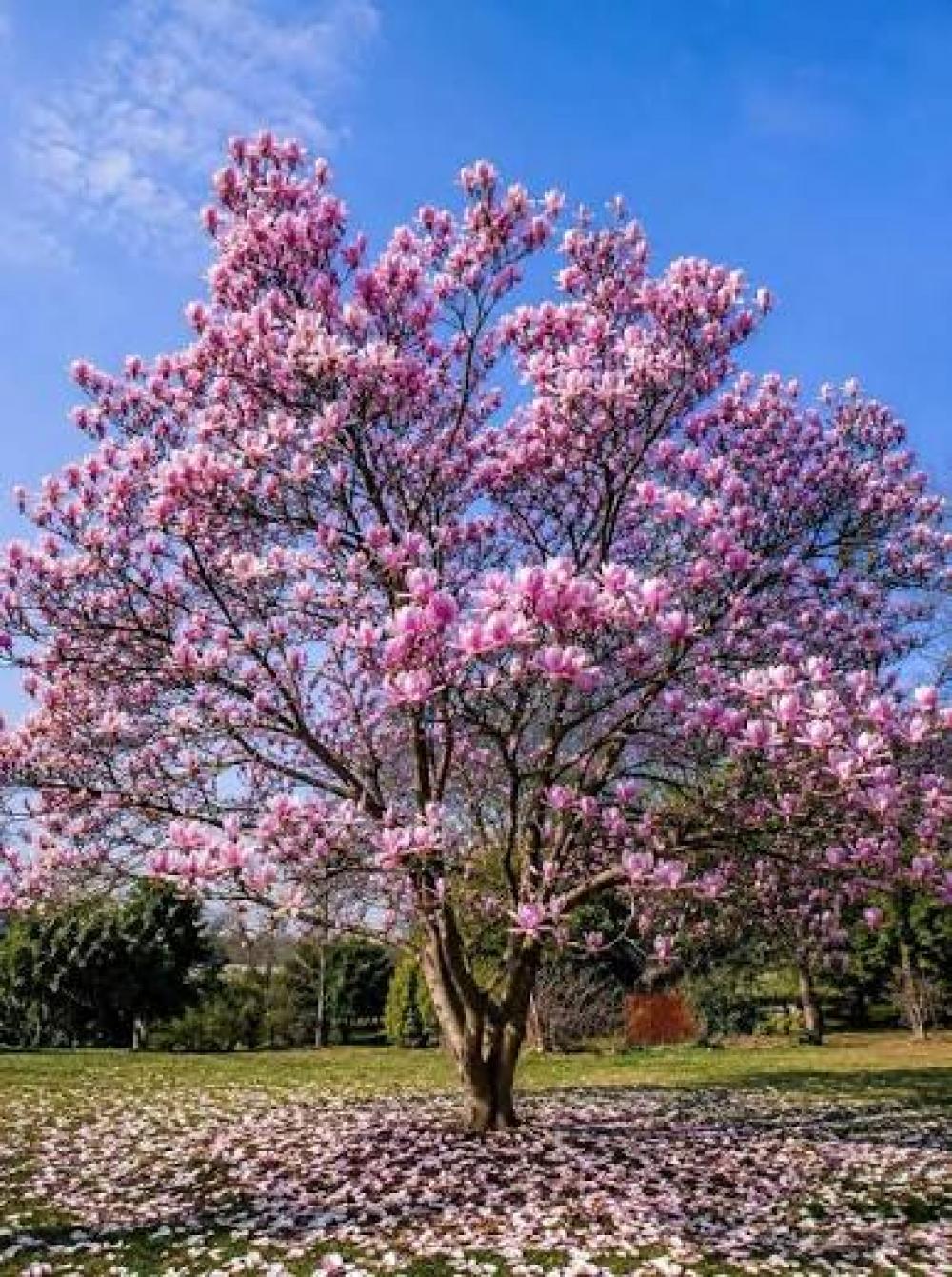
Magnolia
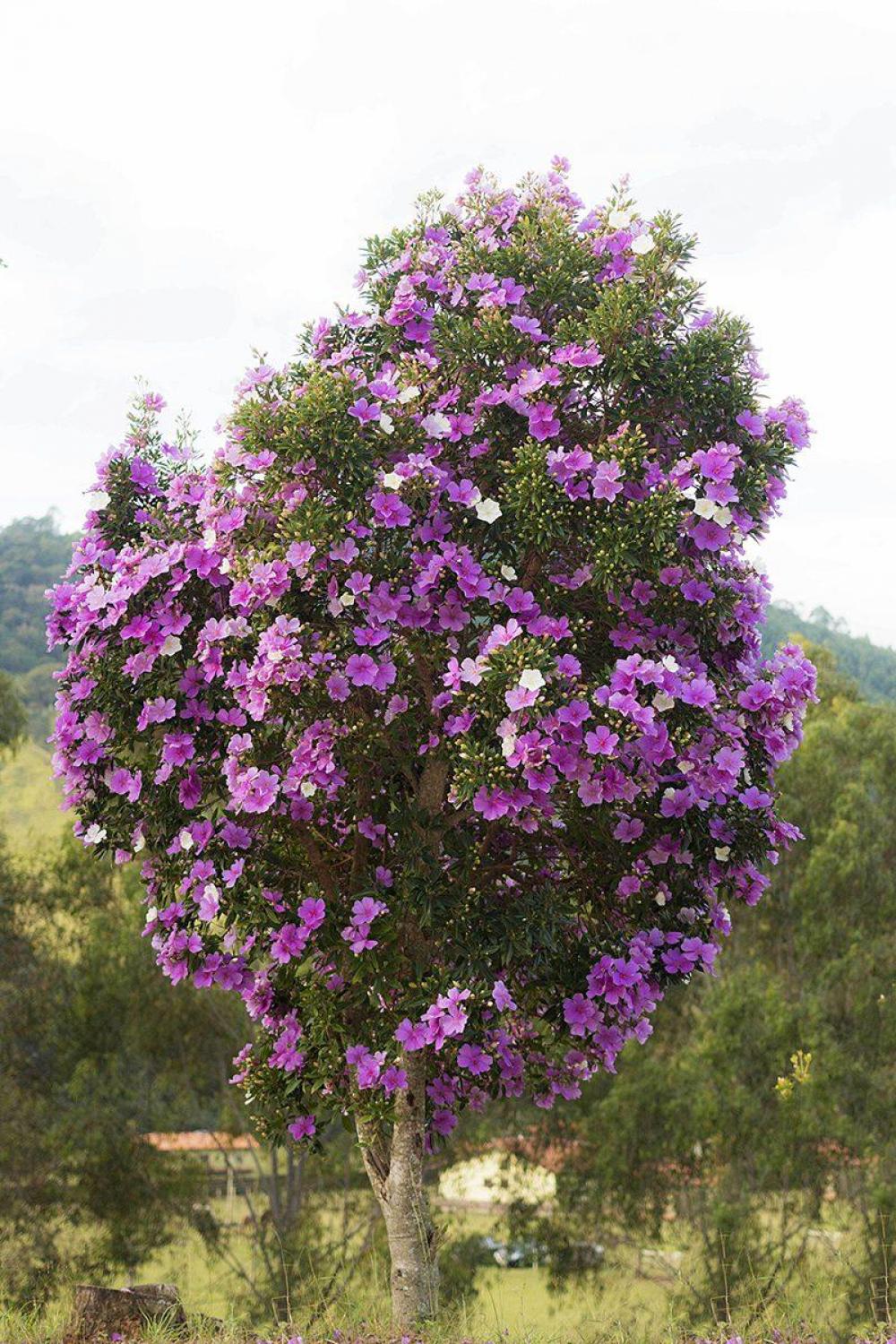
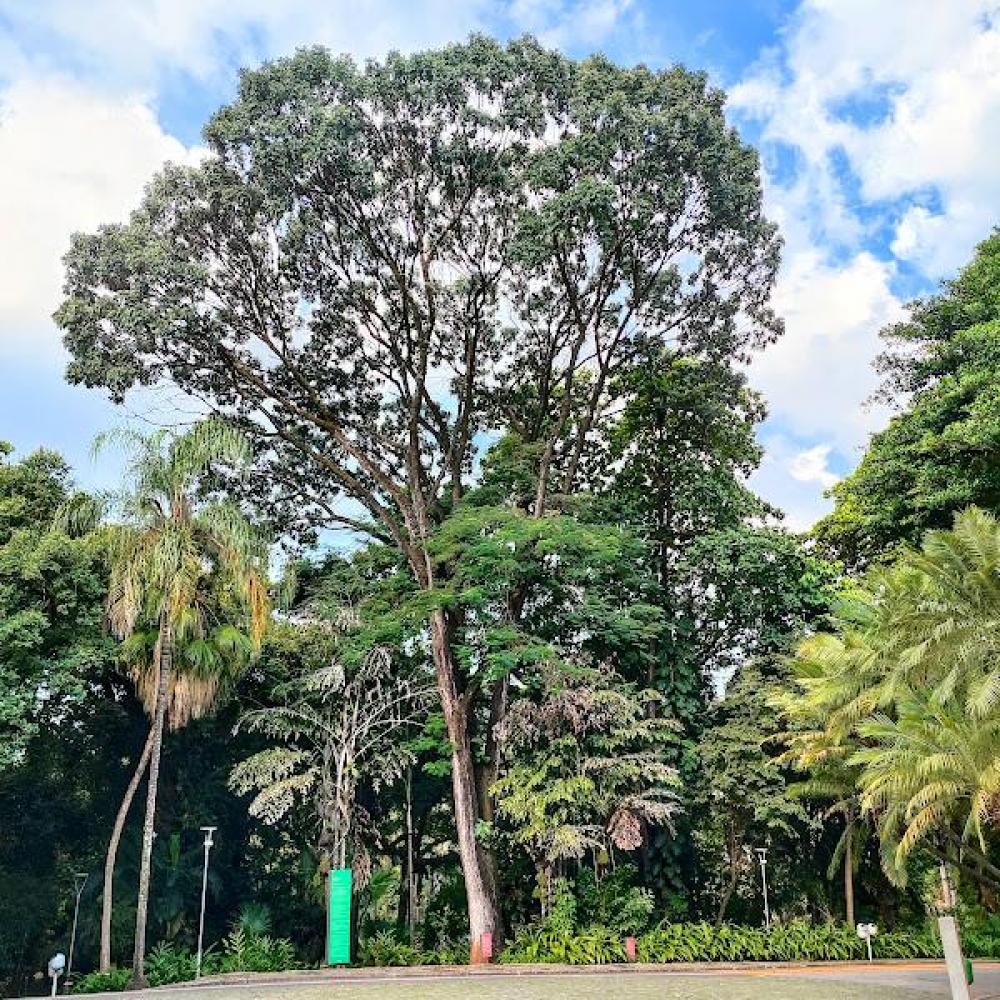
Brazilian Mahogany
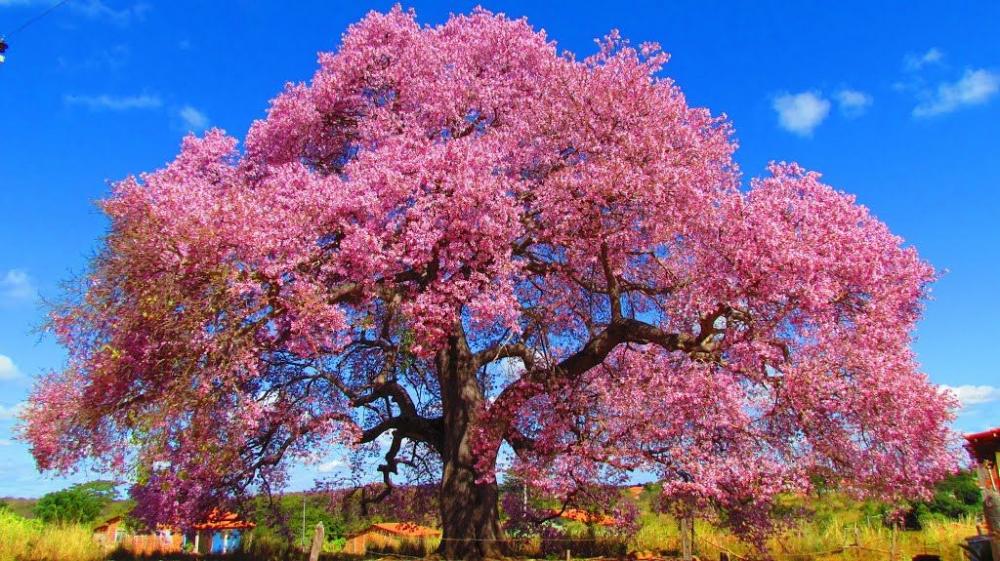
pink silk floss tree
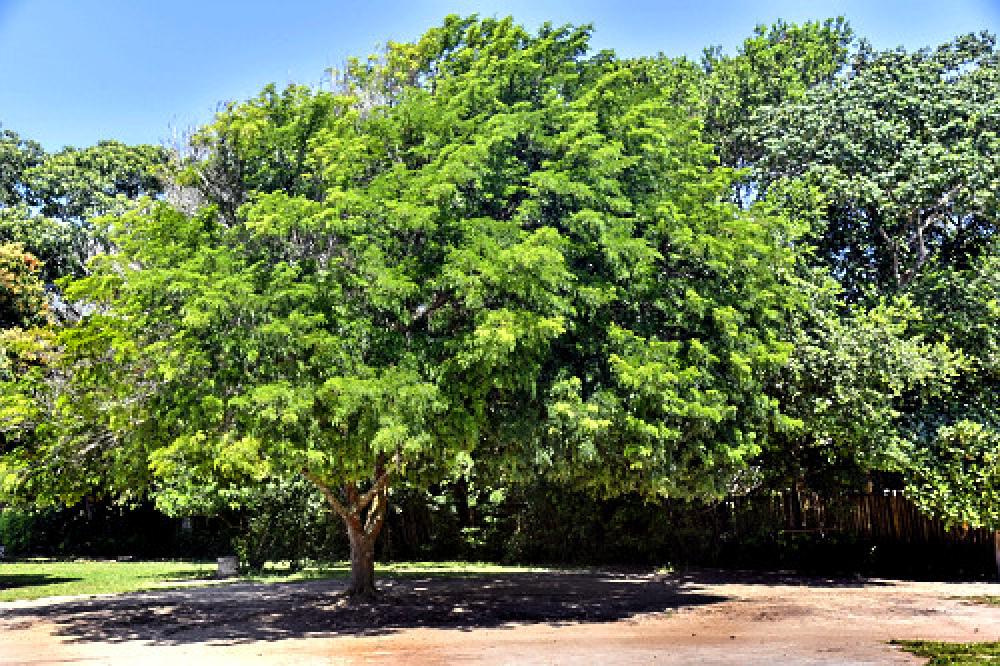
Brazilwood
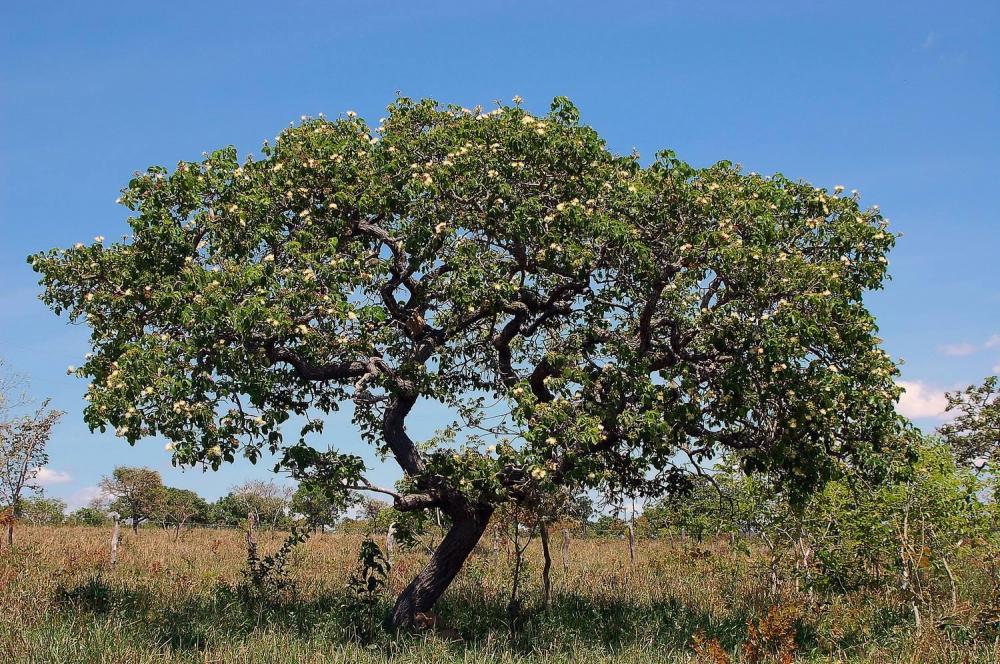
Pequi
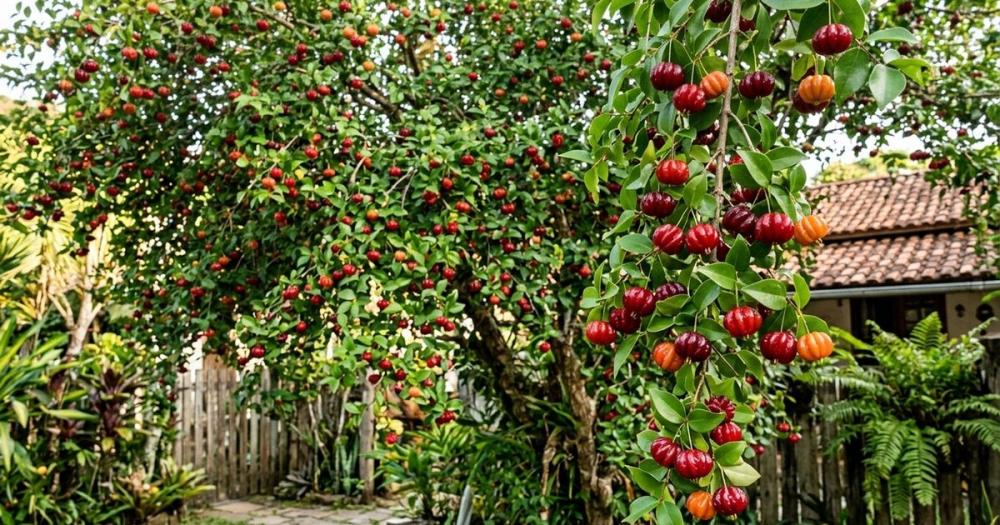
Surinam cherry
Plane tree
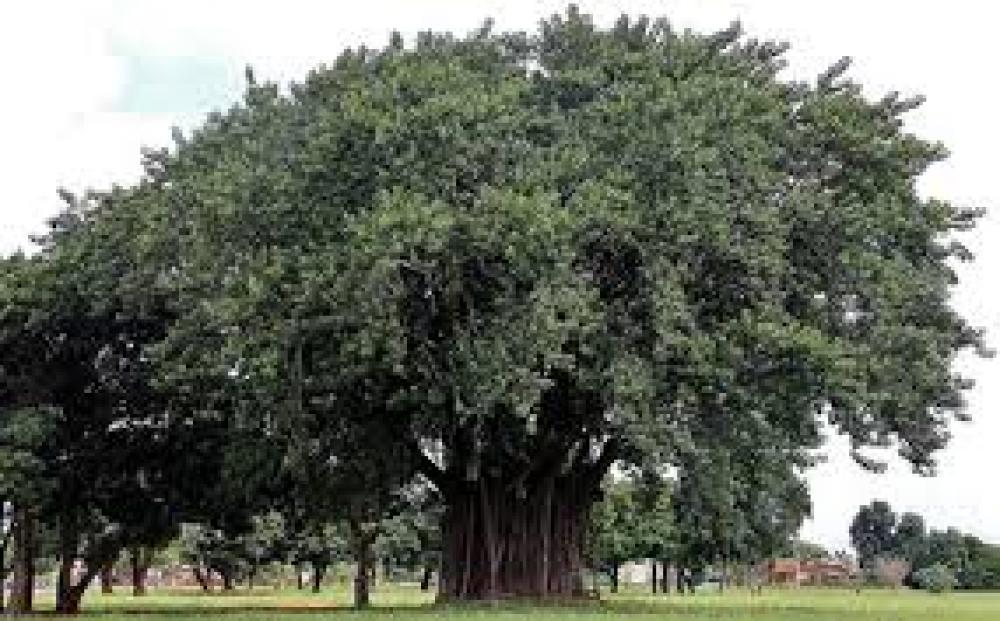
Rubber tree
Sucupira
Linden