



Linden
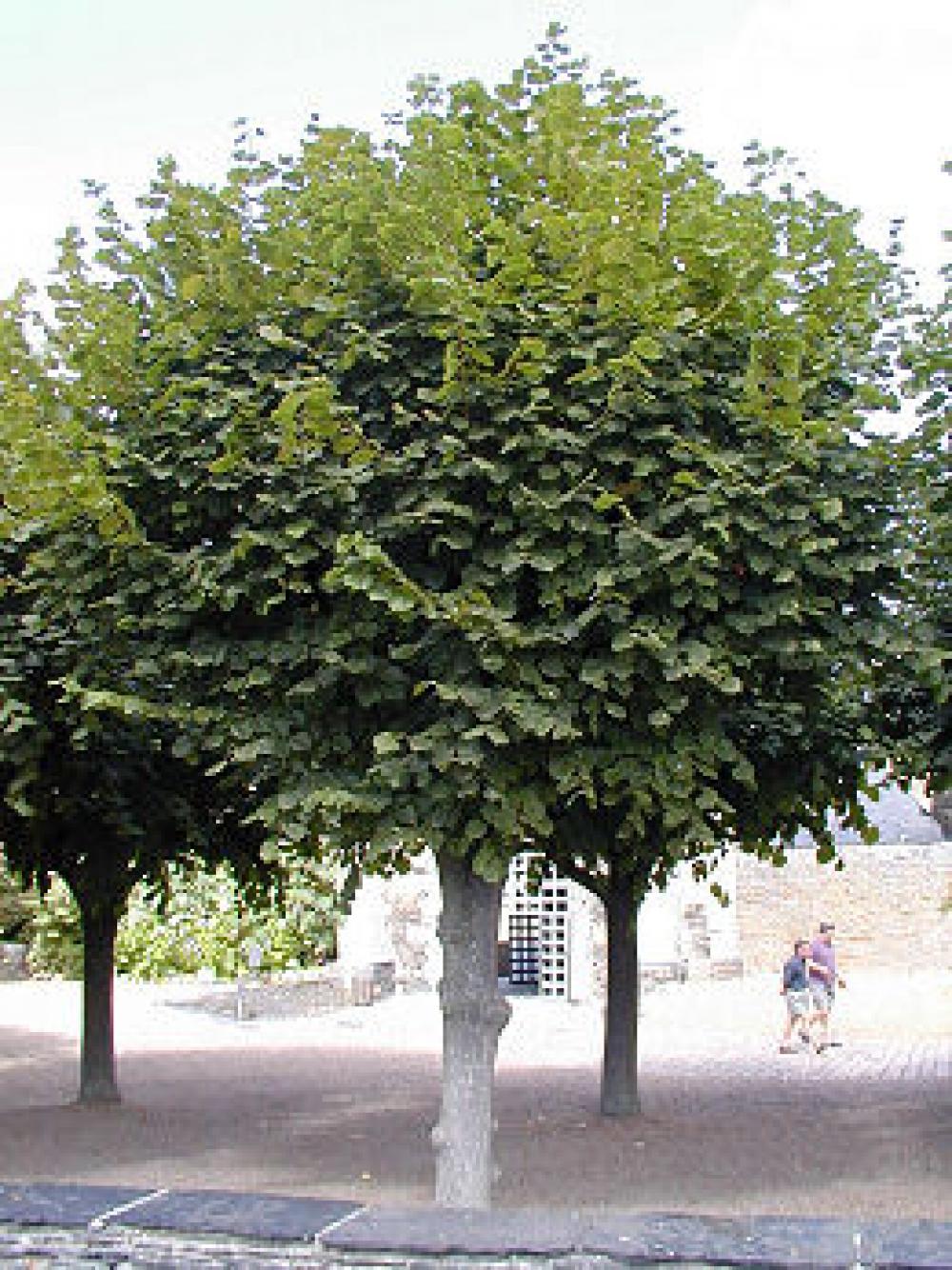
The linden tree is known for its beauty, longevity, and ecological importance, and is highly prized in parks, gardens, and urban areas across temperate regions. The genus *Tilia*, belonging to the Malvaceae family, encompasses several species, such as *Tilia cordata* and *Tilia platyphyllos*. These are medium- to large-sized trees featuring broad, rounded crowns, generally heart-shaped leaves, and small, pale, highly fragrant flowers. During the flowering season, their blossoms attract a variety of insects—especially bees—making the linden a vital species for pollinator nutrition.
From an environmental perspective, the linden contributes to biodiversity and the quality of green spaces by providing shelter and food resources for various organisms. Its crown offers shade and helps make urban environments more pleasant, while also aiding in the capture of airborne particles and the regulation of the microclimate. Given its relatively vigorous growth and expansive crown, planting must be carefully planned based on available space and site conditions.
Scientifically, the genus *Tilia* exhibits fascinating botanical characteristics. Its leaves are simple and alternate, often with serrated margins, while the flowers appear in clusters accompanied by a leaf-like structure called a bract, which assists in wind-driven fruit dispersal. The flowers produce nectar and pollen, making them particularly important for bees and other pollinators. Research also investigates the chemical composition of the flowers and leaves of various linden species, including flavonoids and other natural compounds.
Beyond its ecological value, the linden holds significant cultural and traditional importance, particularly in Europe, where some species have been cultivated for centuries. Its flowers are traditionally used to prepare infusions, although any medicinal use should be undertaken with proper guidance and should not replace proven medical treatments. The presence of linden trees in gardens and landscapes also demonstrates how trees can combine beauty, scientific knowledge, and conservation. Getting to know the linden tree means better understanding the relationships between plants, pollinators, and humans, while valuing urban tree planting and the preservation of biodiversity.
From an environmental perspective, the linden contributes to biodiversity and the quality of green spaces by providing shelter and food resources for various organisms. Its crown offers shade and helps make urban environments more pleasant, while also aiding in the capture of airborne particles and the regulation of the microclimate. Given its relatively vigorous growth and expansive crown, planting must be carefully planned based on available space and site conditions.
Scientifically, the genus *Tilia* exhibits fascinating botanical characteristics. Its leaves are simple and alternate, often with serrated margins, while the flowers appear in clusters accompanied by a leaf-like structure called a bract, which assists in wind-driven fruit dispersal. The flowers produce nectar and pollen, making them particularly important for bees and other pollinators. Research also investigates the chemical composition of the flowers and leaves of various linden species, including flavonoids and other natural compounds.
Beyond its ecological value, the linden holds significant cultural and traditional importance, particularly in Europe, where some species have been cultivated for centuries. Its flowers are traditionally used to prepare infusions, although any medicinal use should be undertaken with proper guidance and should not replace proven medical treatments. The presence of linden trees in gardens and landscapes also demonstrates how trees can combine beauty, scientific knowledge, and conservation. Getting to know the linden tree means better understanding the relationships between plants, pollinators, and humans, while valuing urban tree planting and the preservation of biodiversity.
Tree Catalog
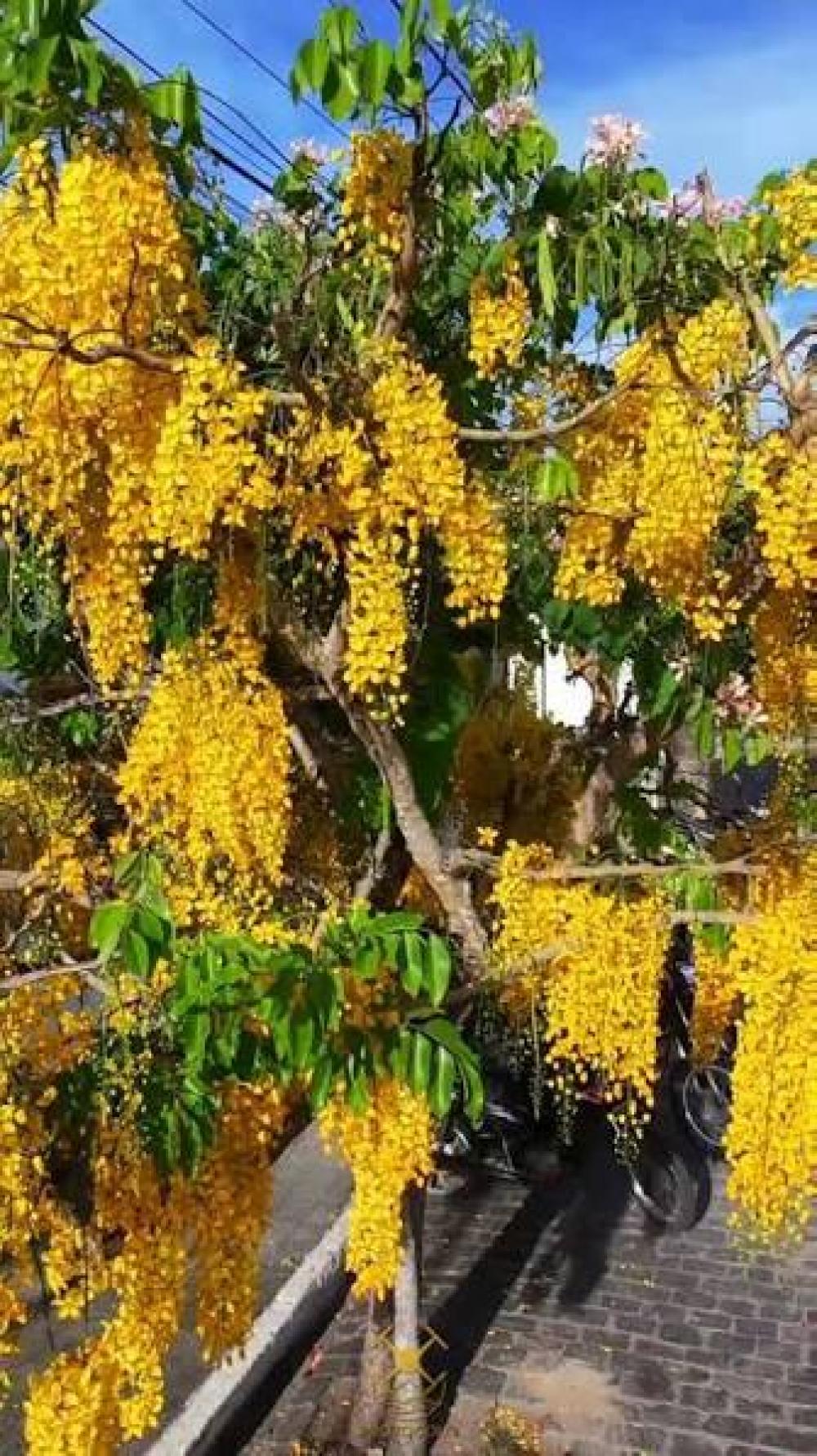
Imperial acacia
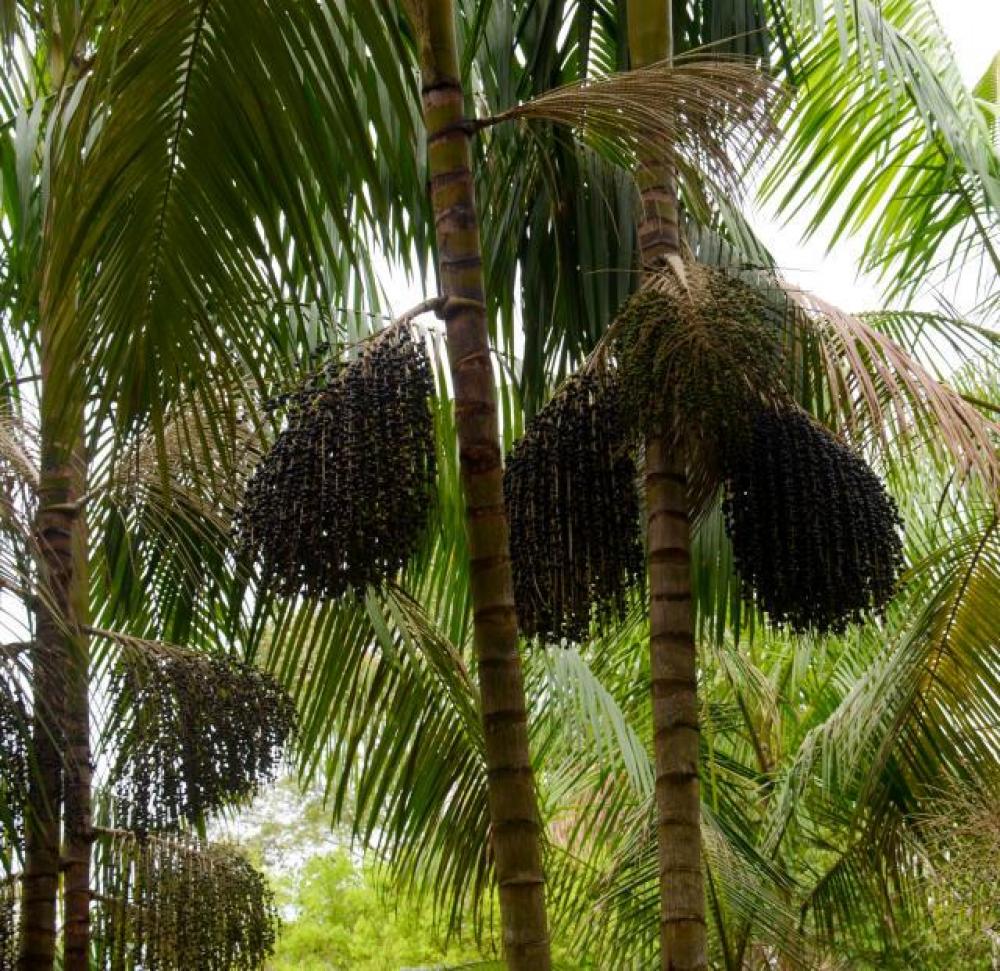
Açaí (Euterpe oleracea)
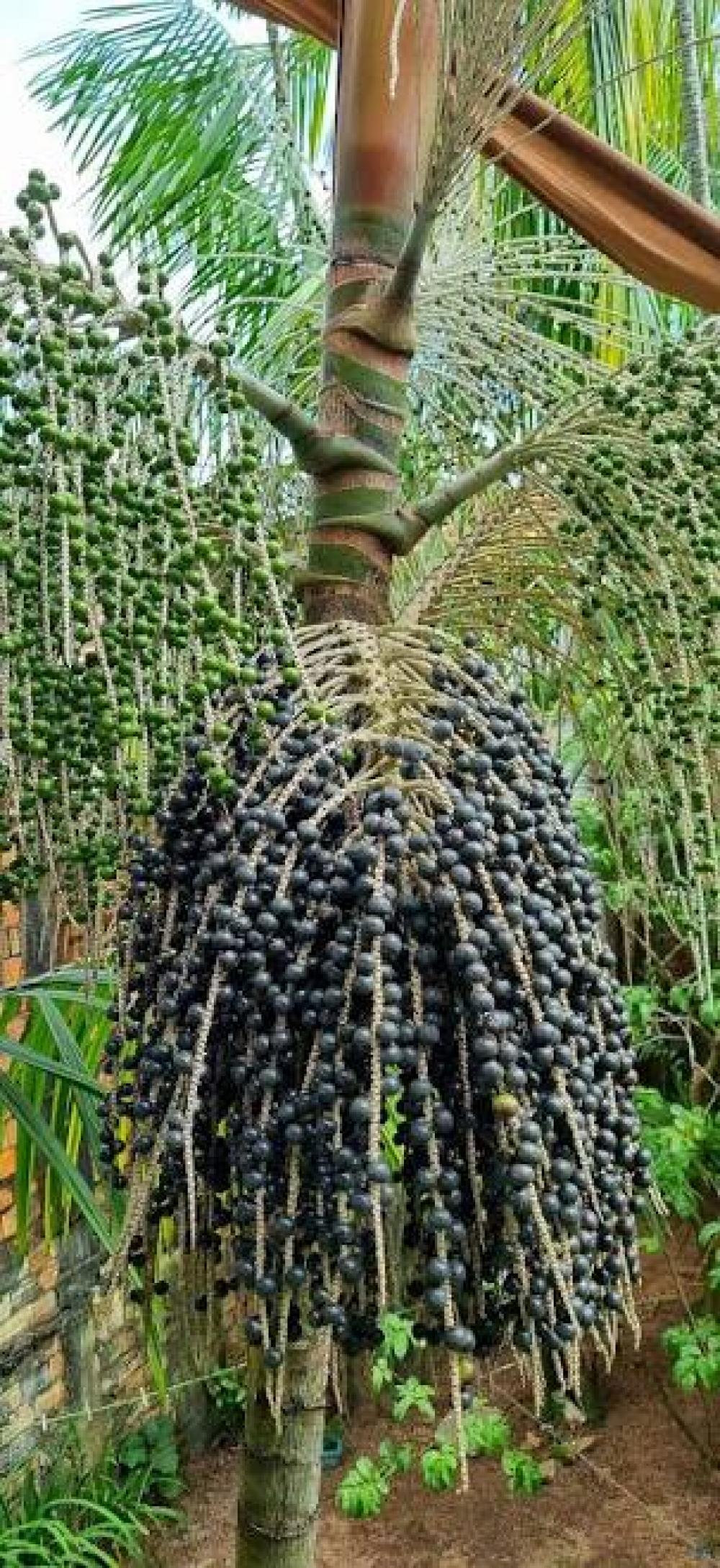
Açaí palm
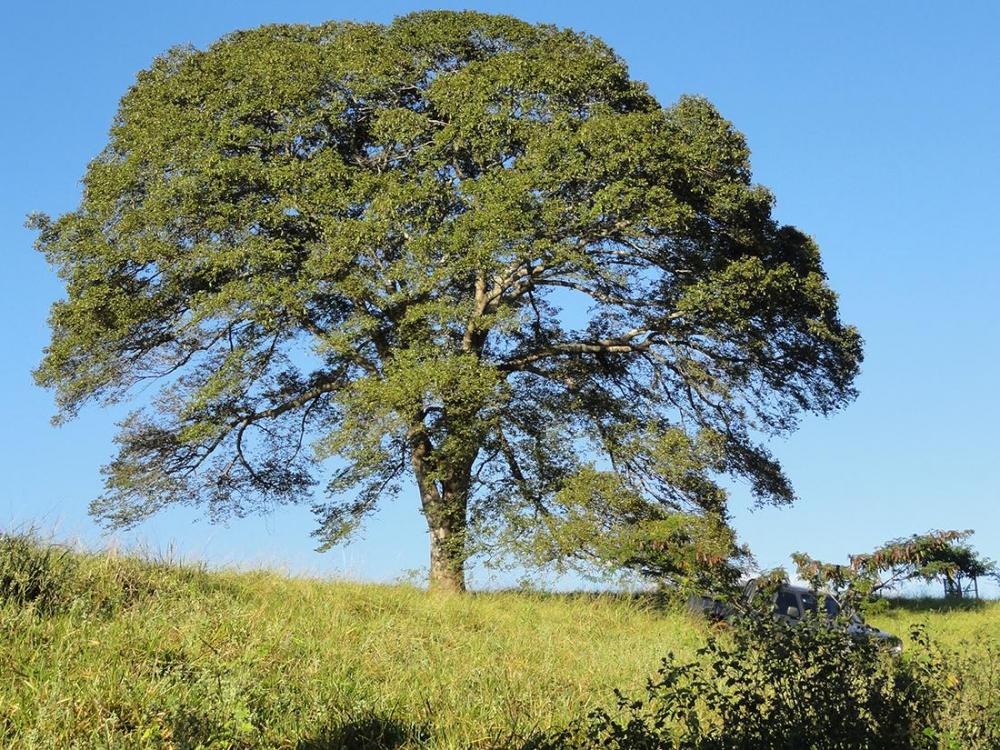

Red Angelim
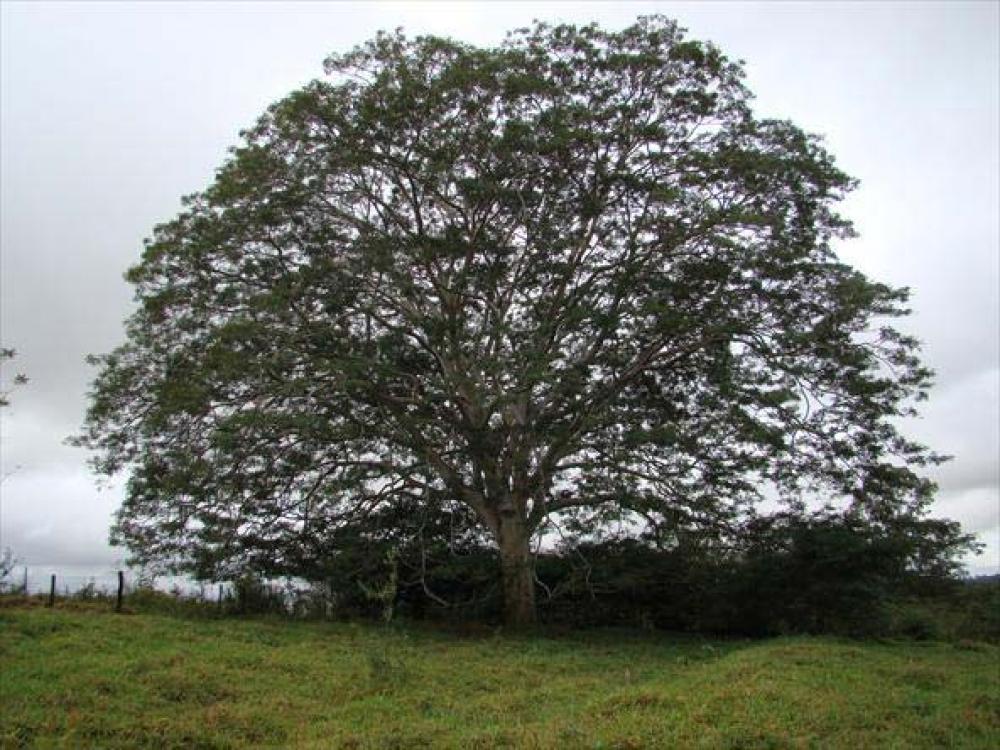
White Angico
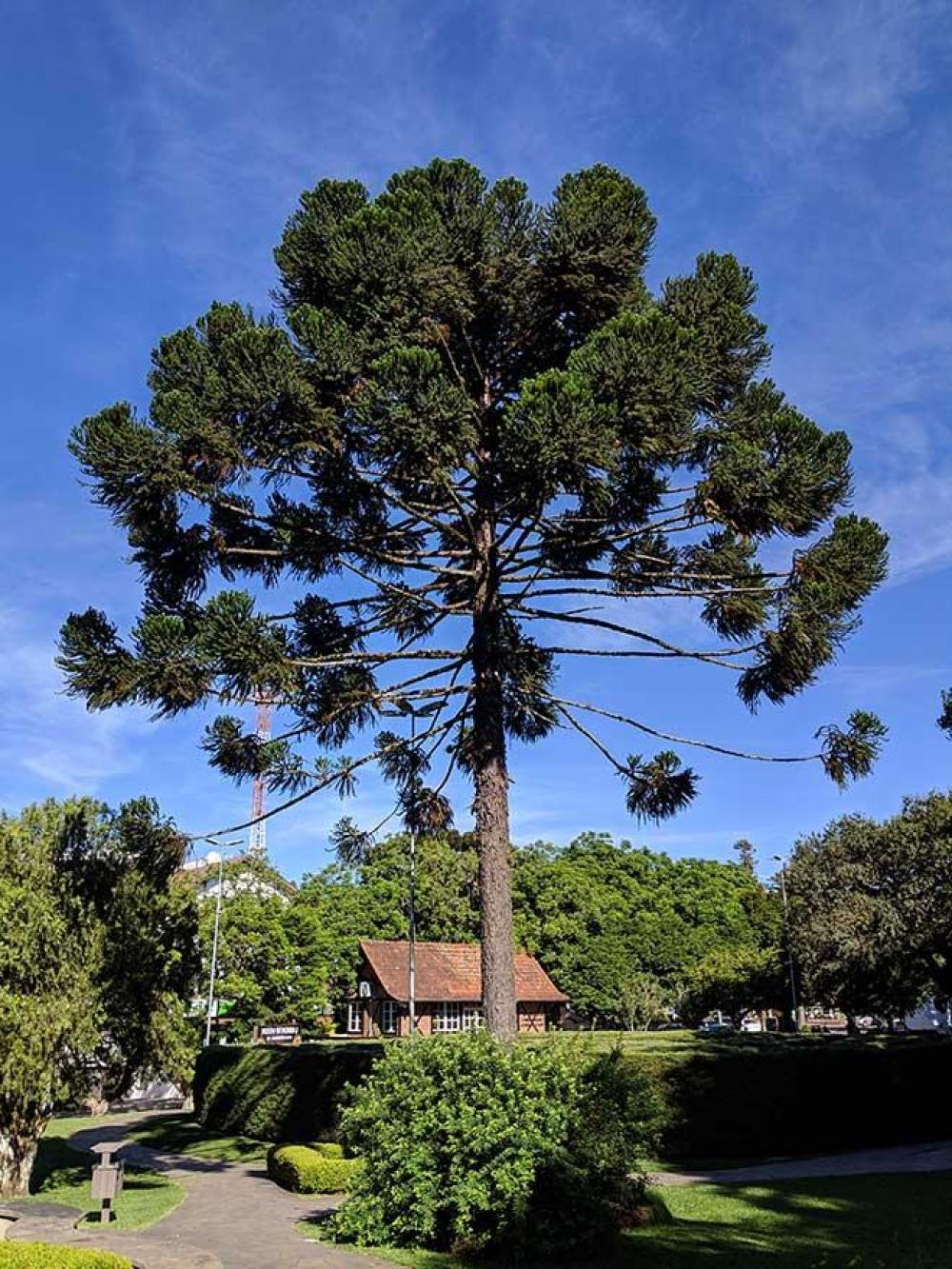
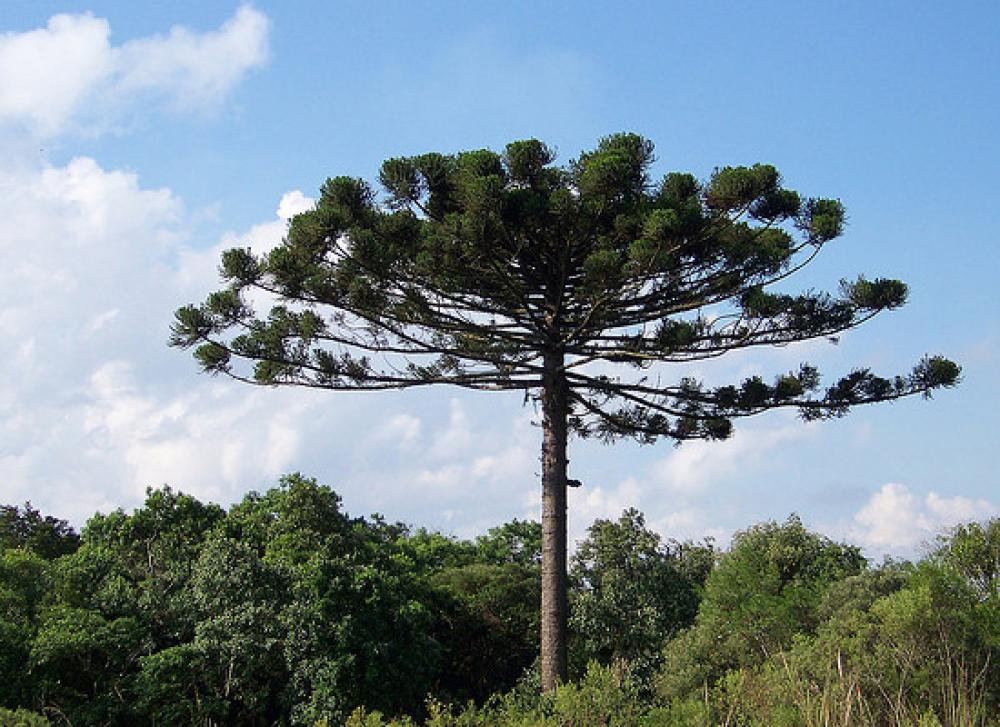
Araucaria, the Paraná pine
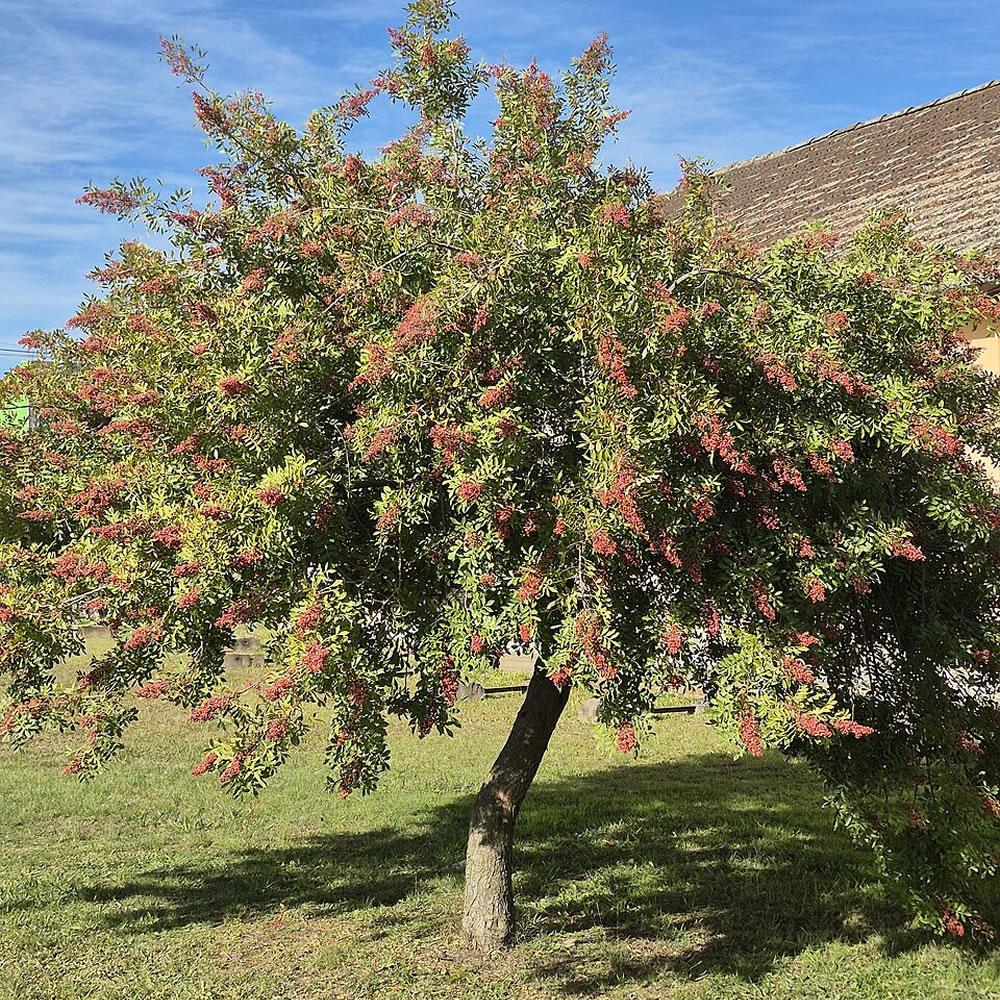
Brazilian peppertree
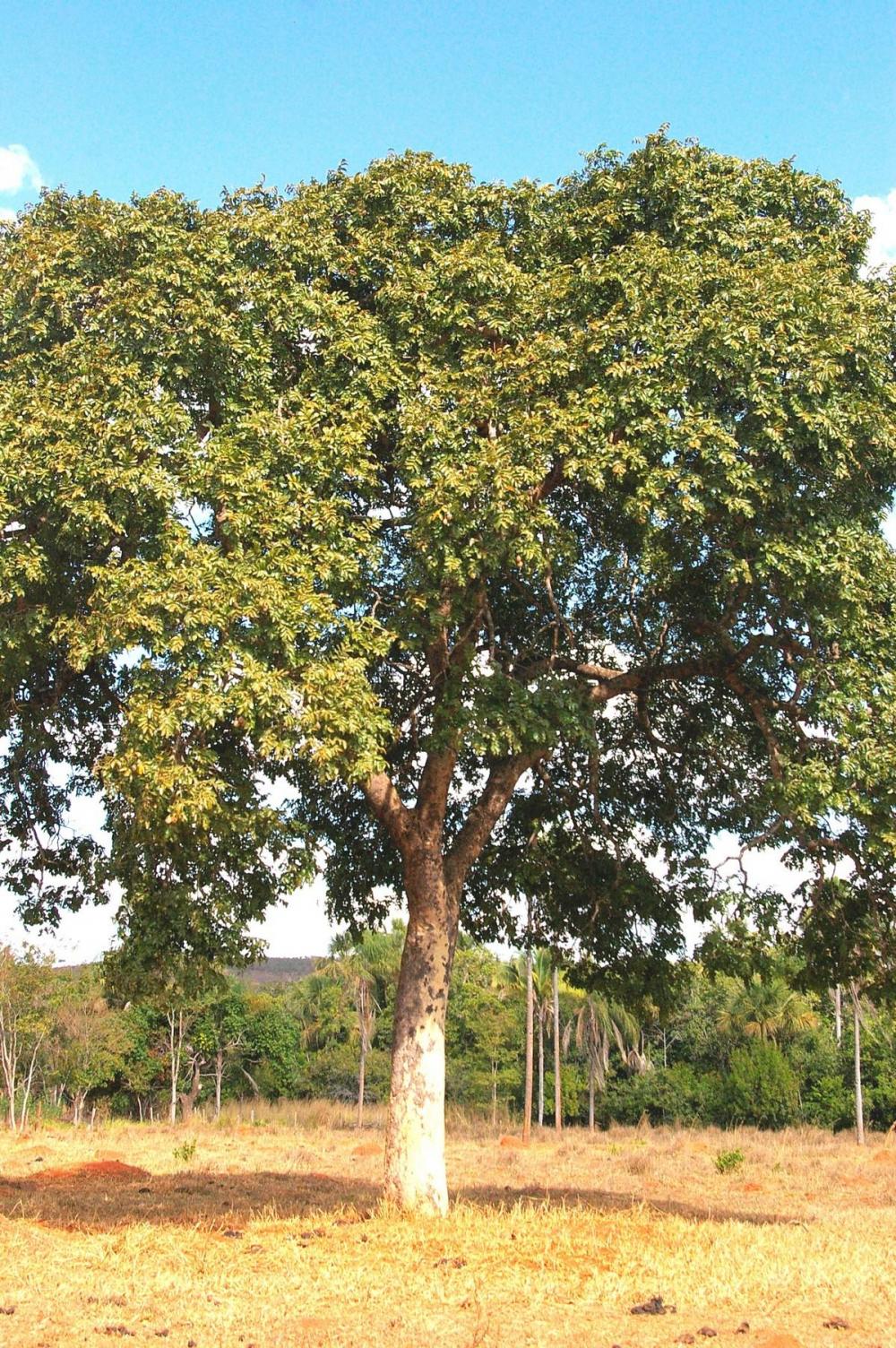
Baru
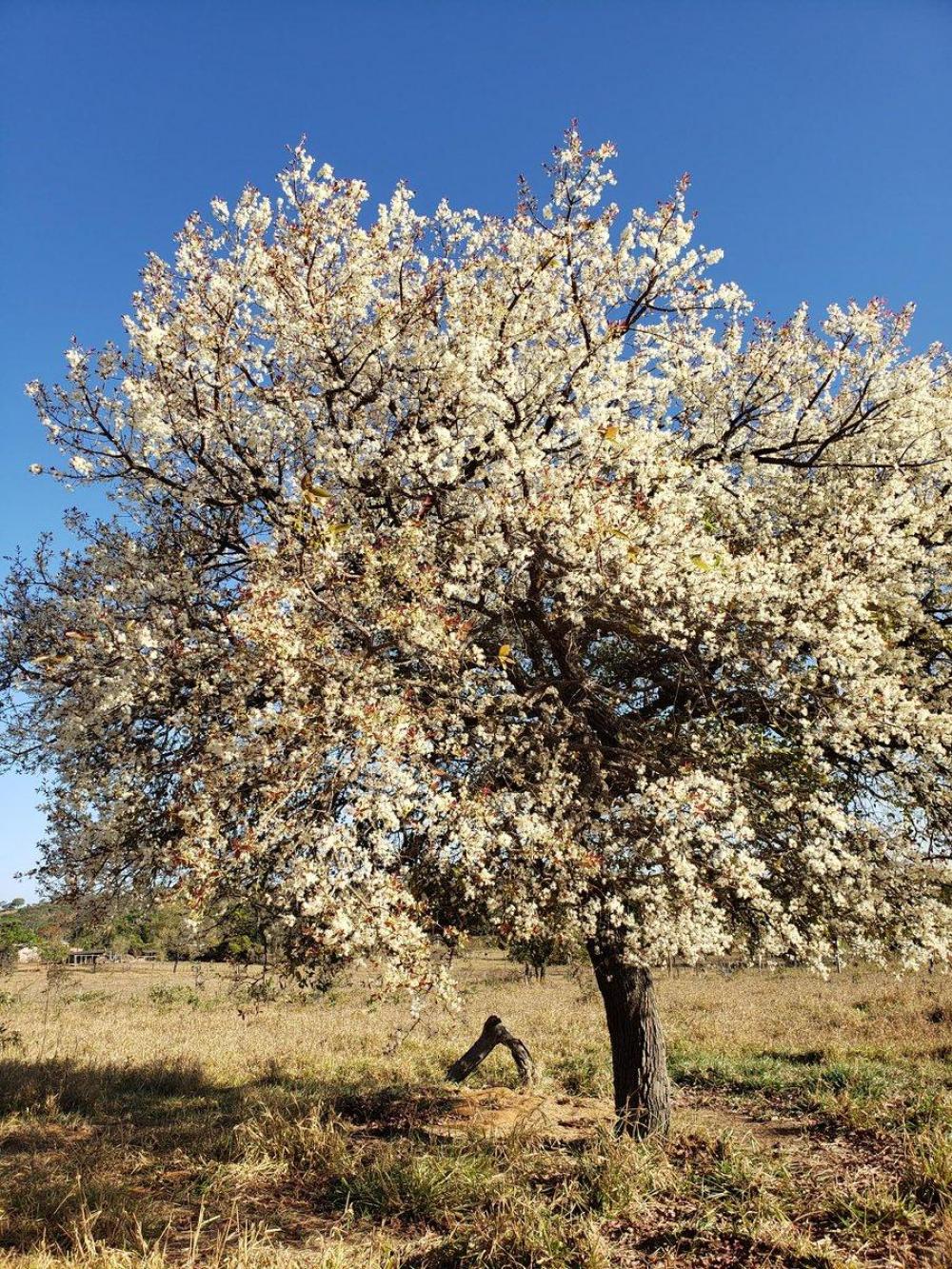
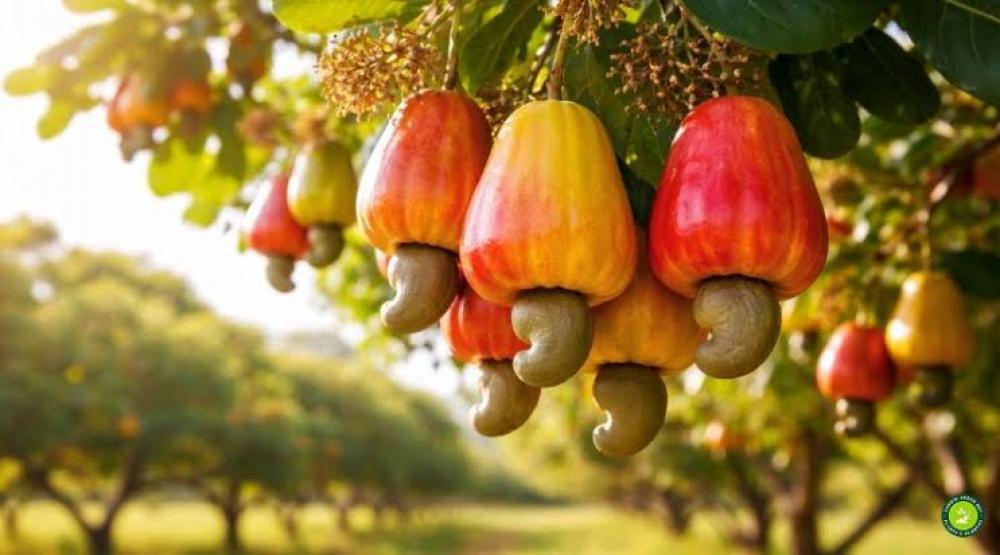
cashew tree
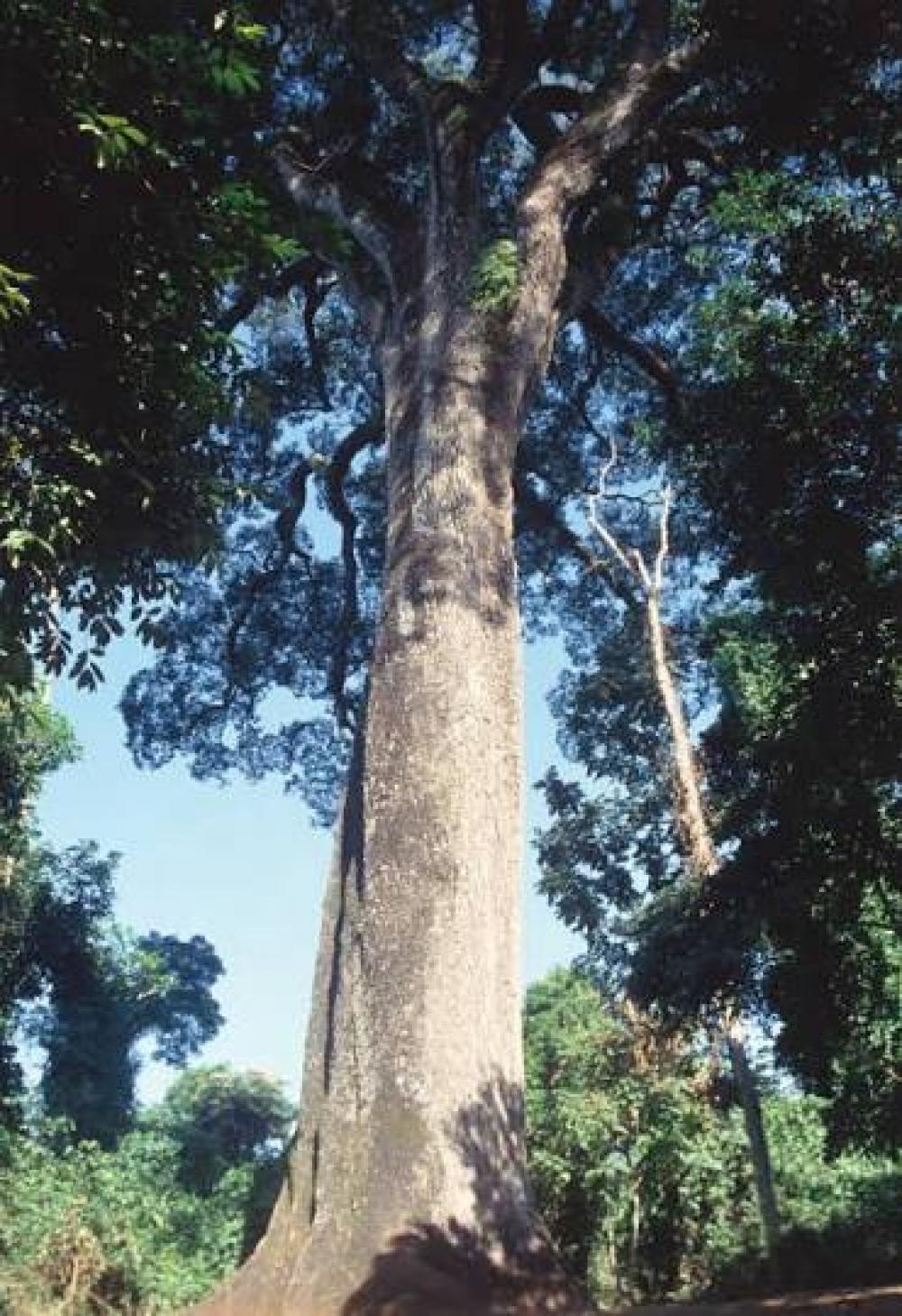
Black Cinnamon
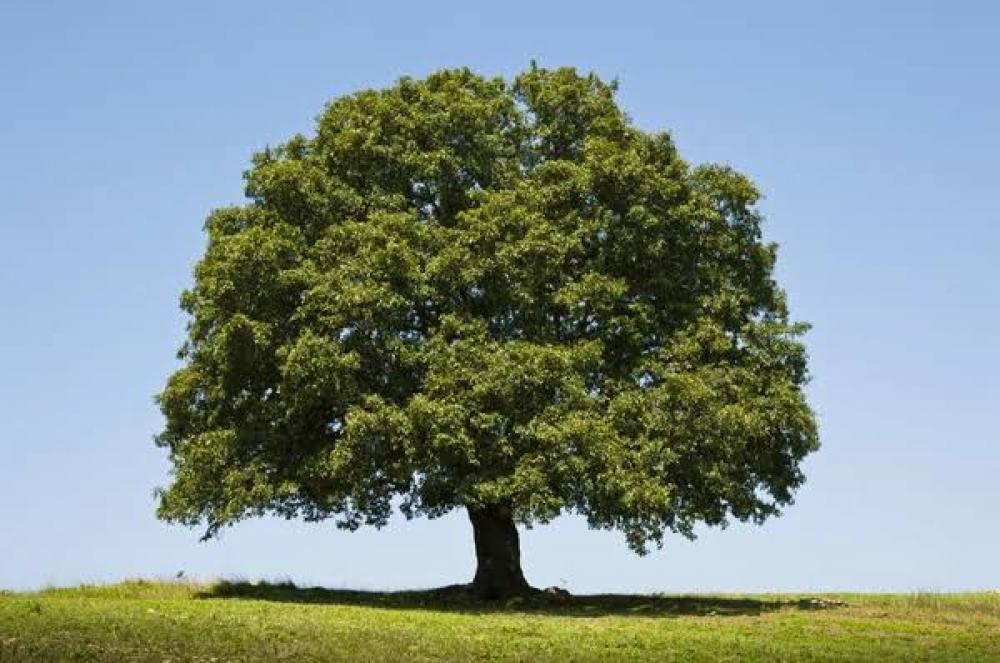
Oak tree
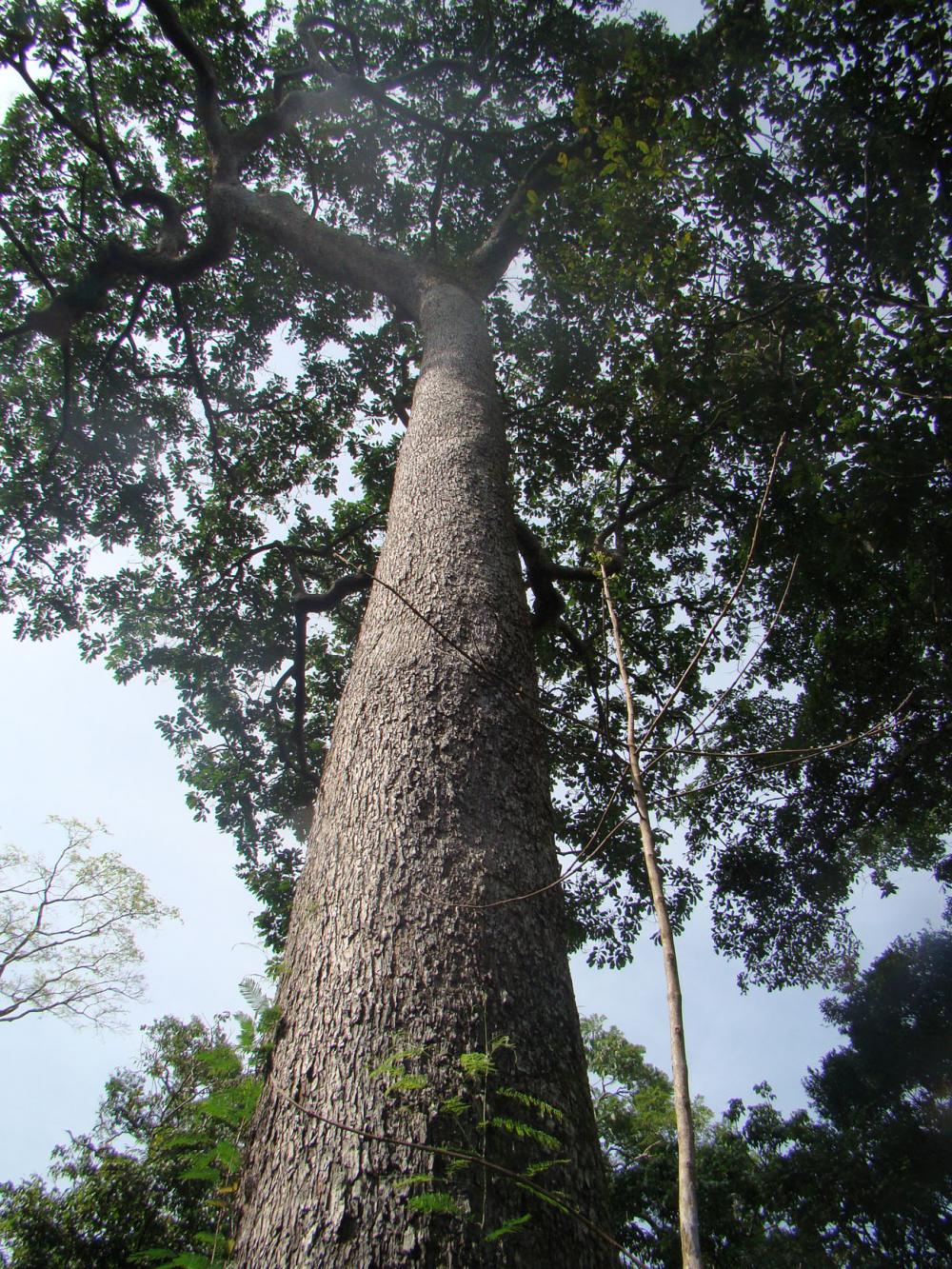
nuez de Brasil
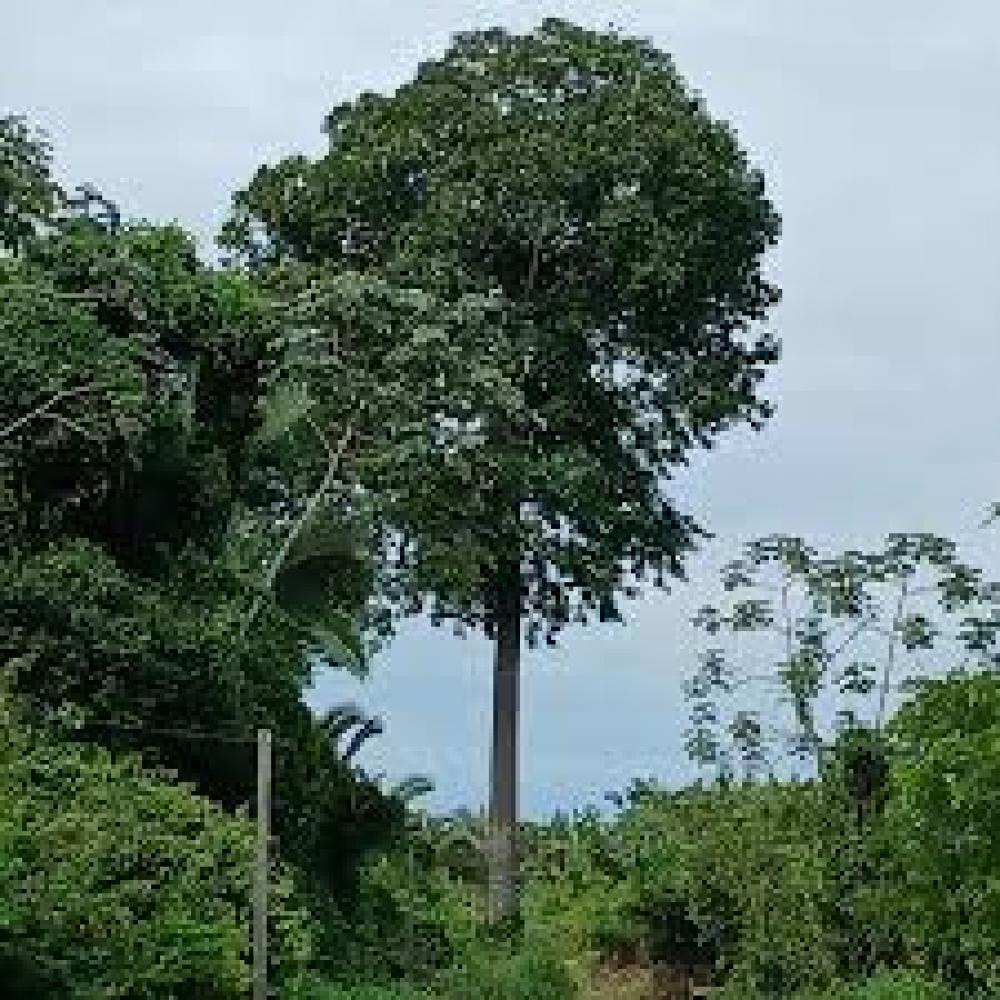
Brazil nut tree
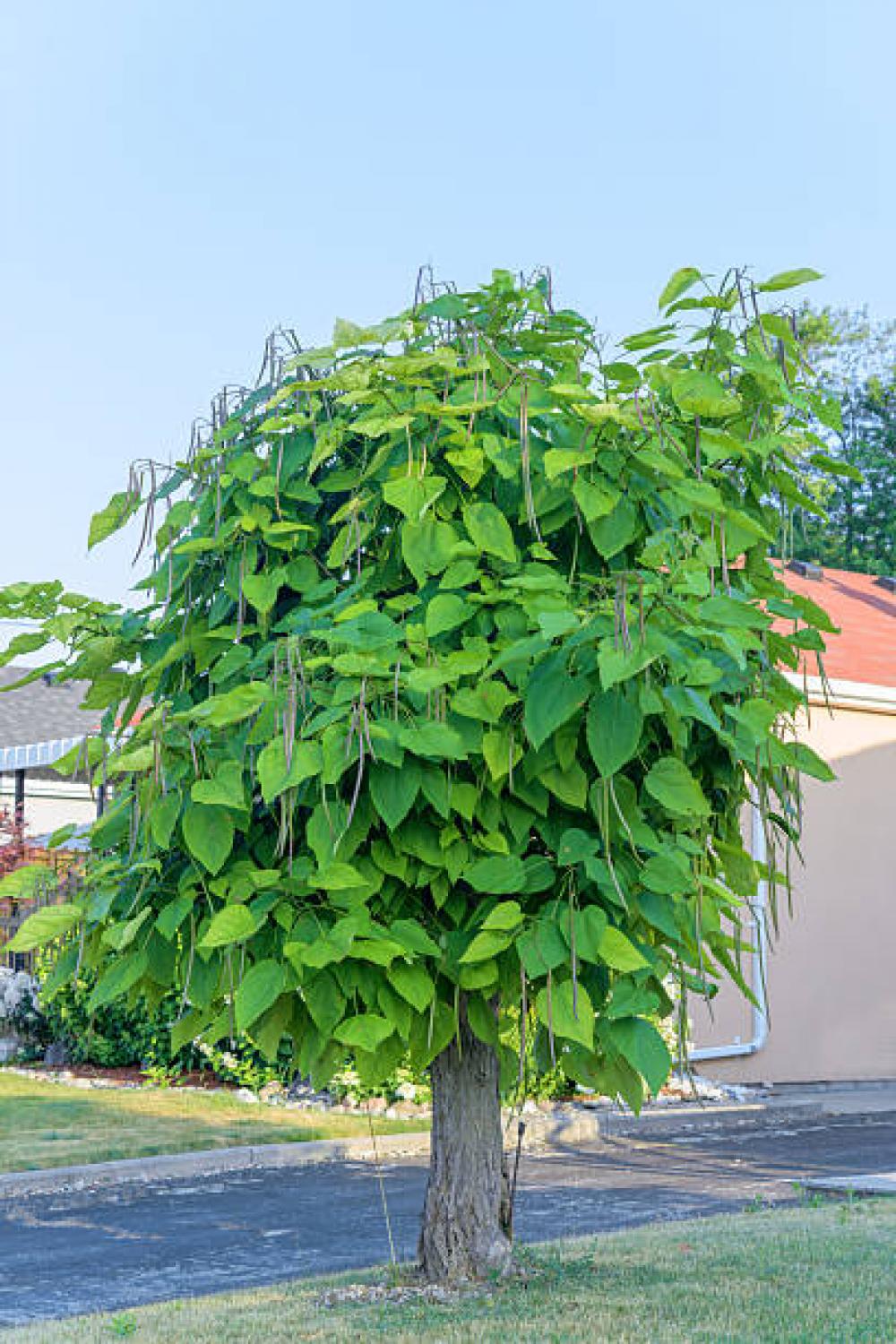
Catalpa
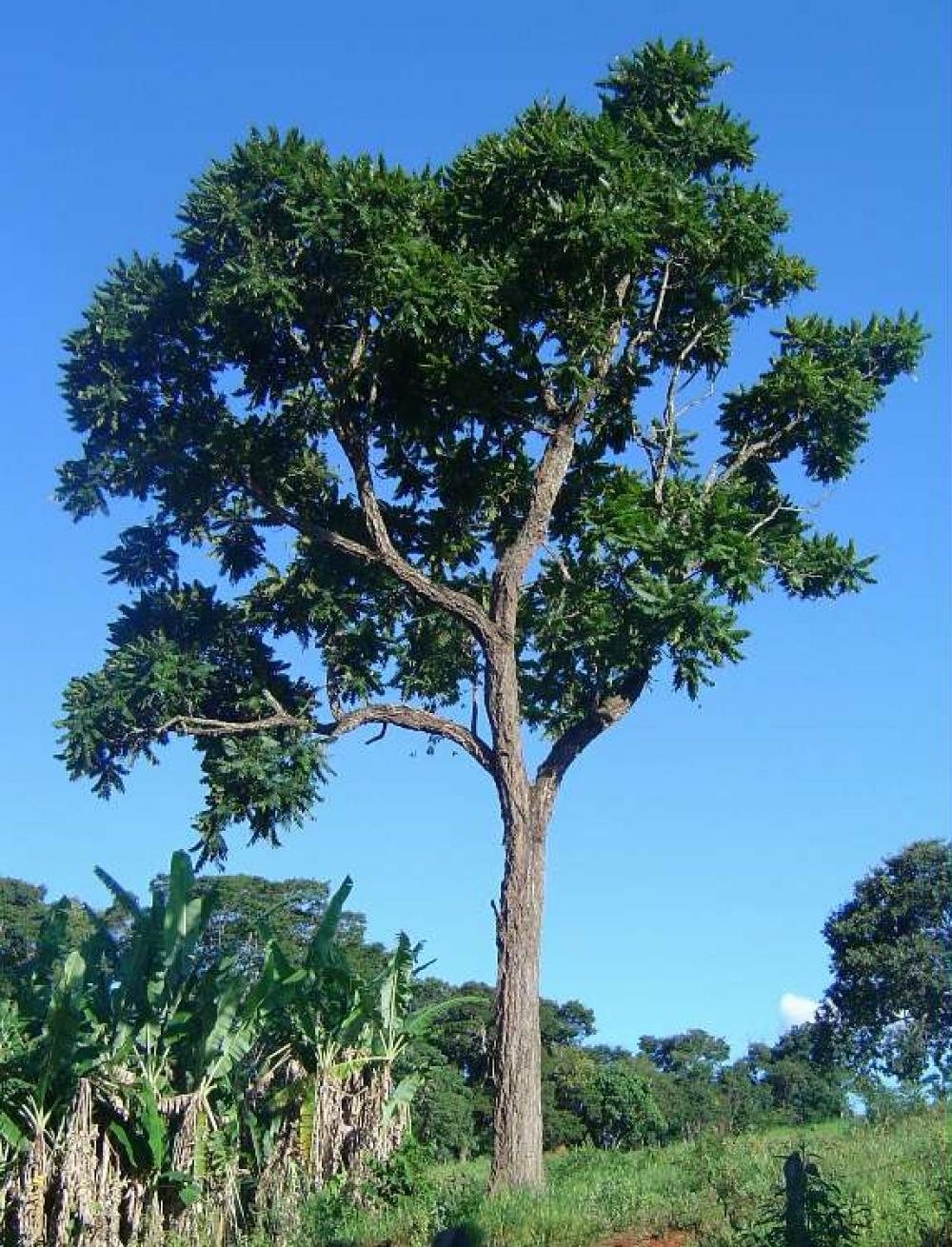
Pink cedar
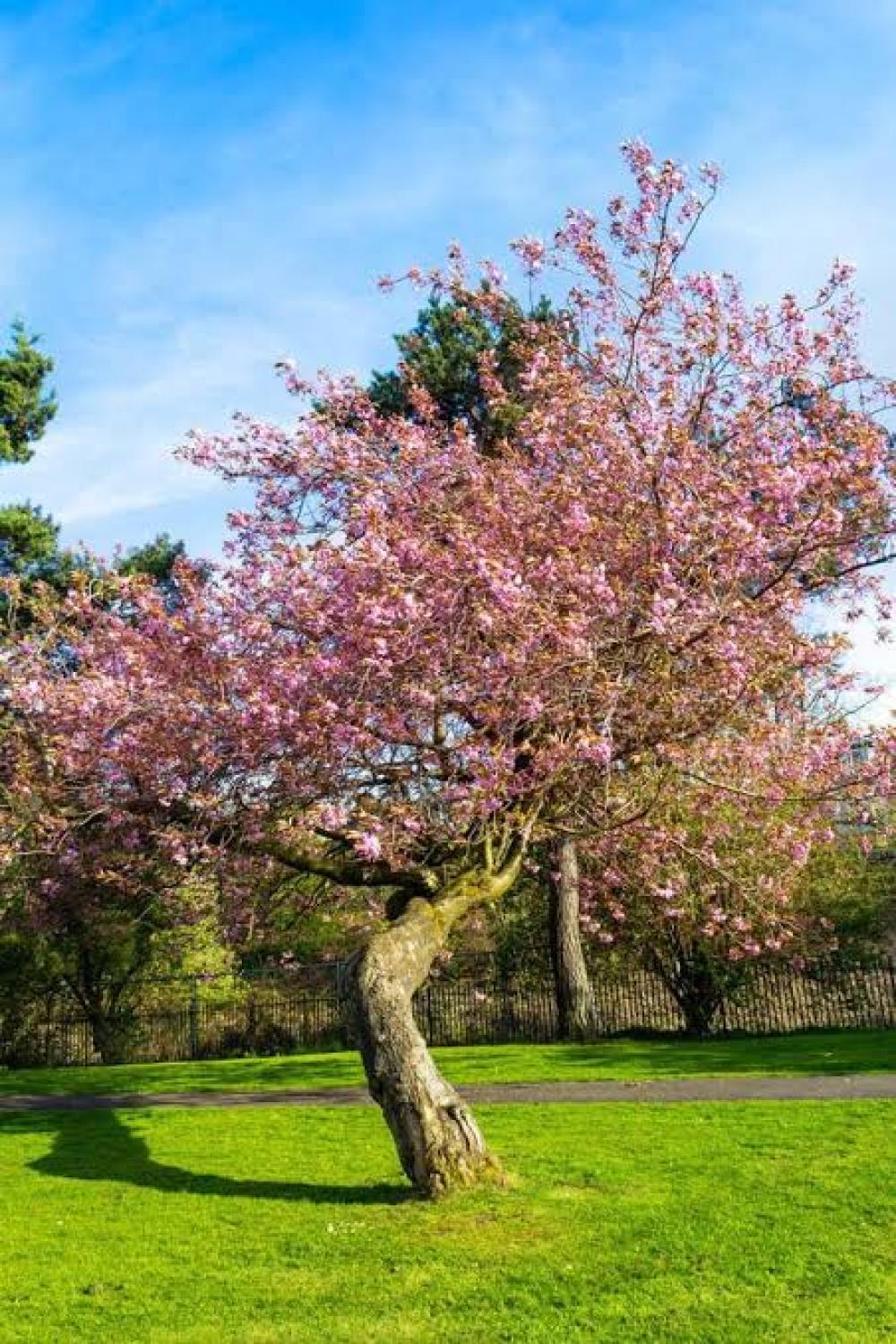
ornamental cherry tree
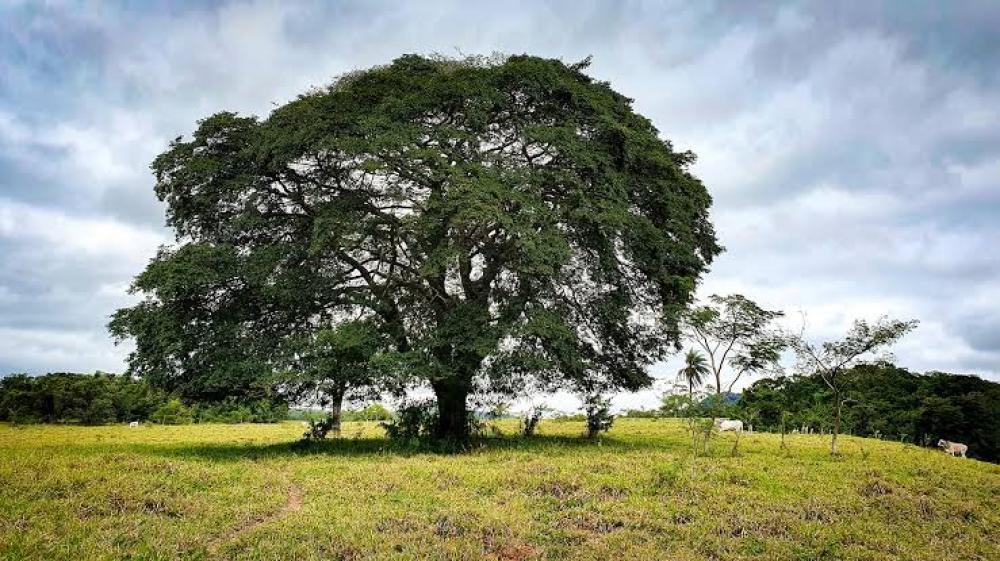
copaiba
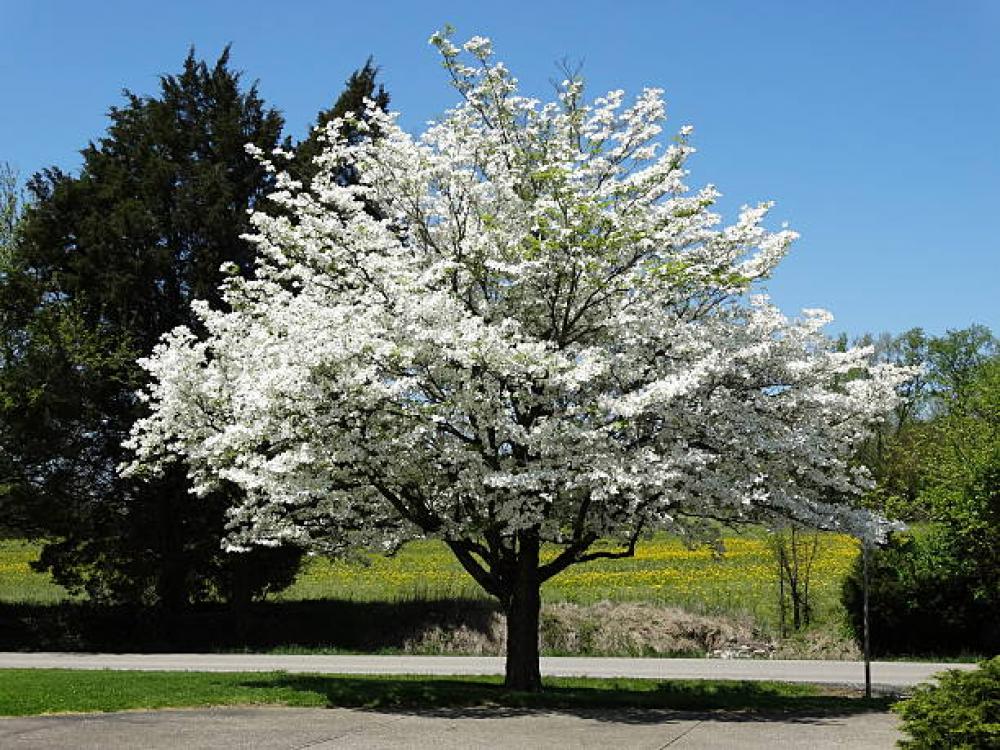
Trees of the genus Cornus
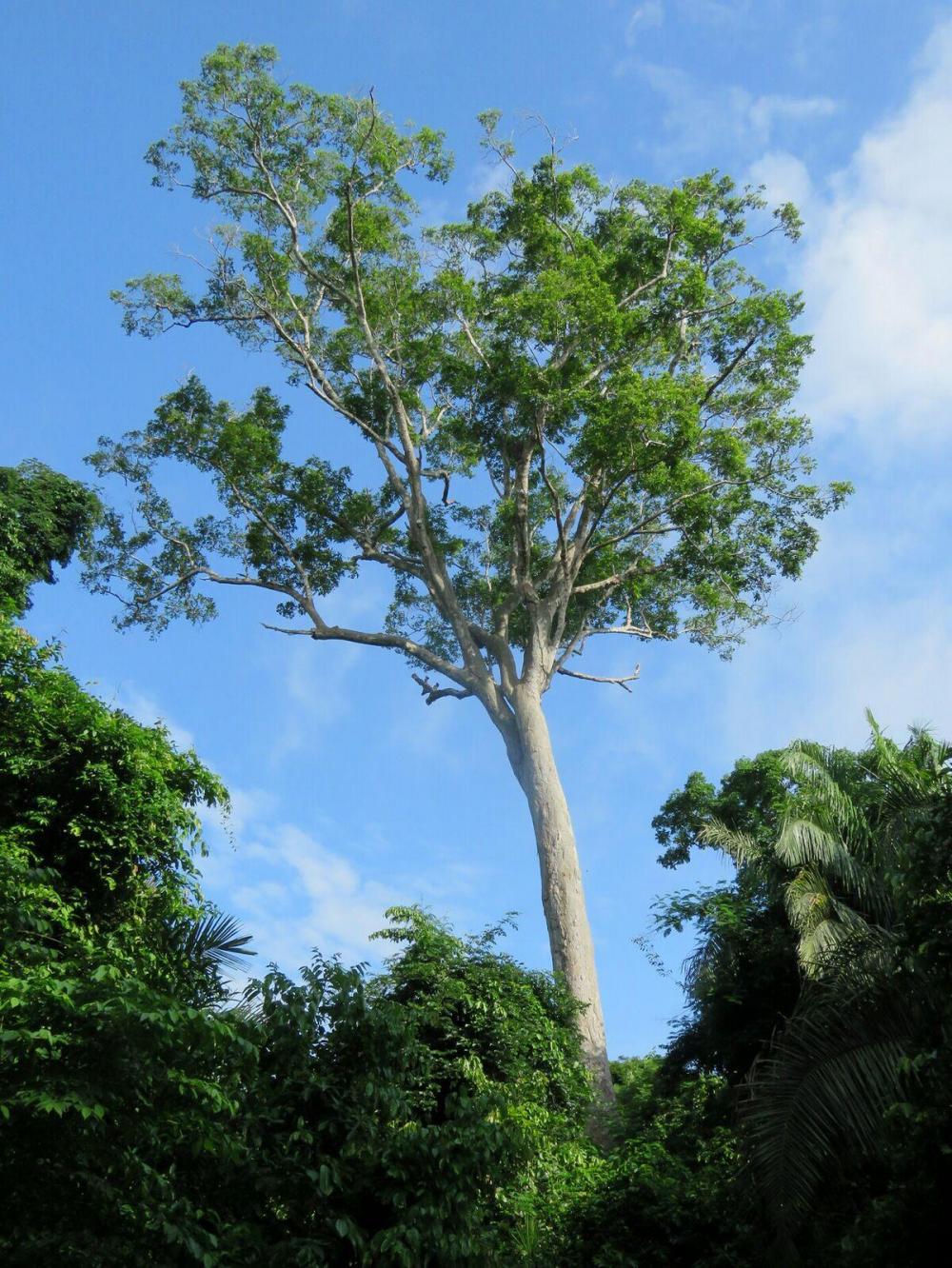
Cumaru
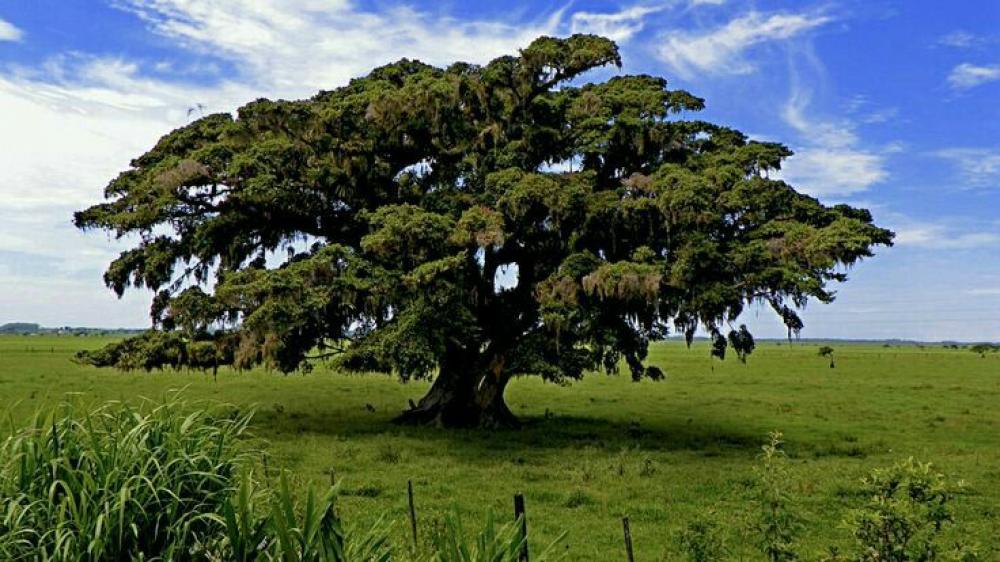
fig tree
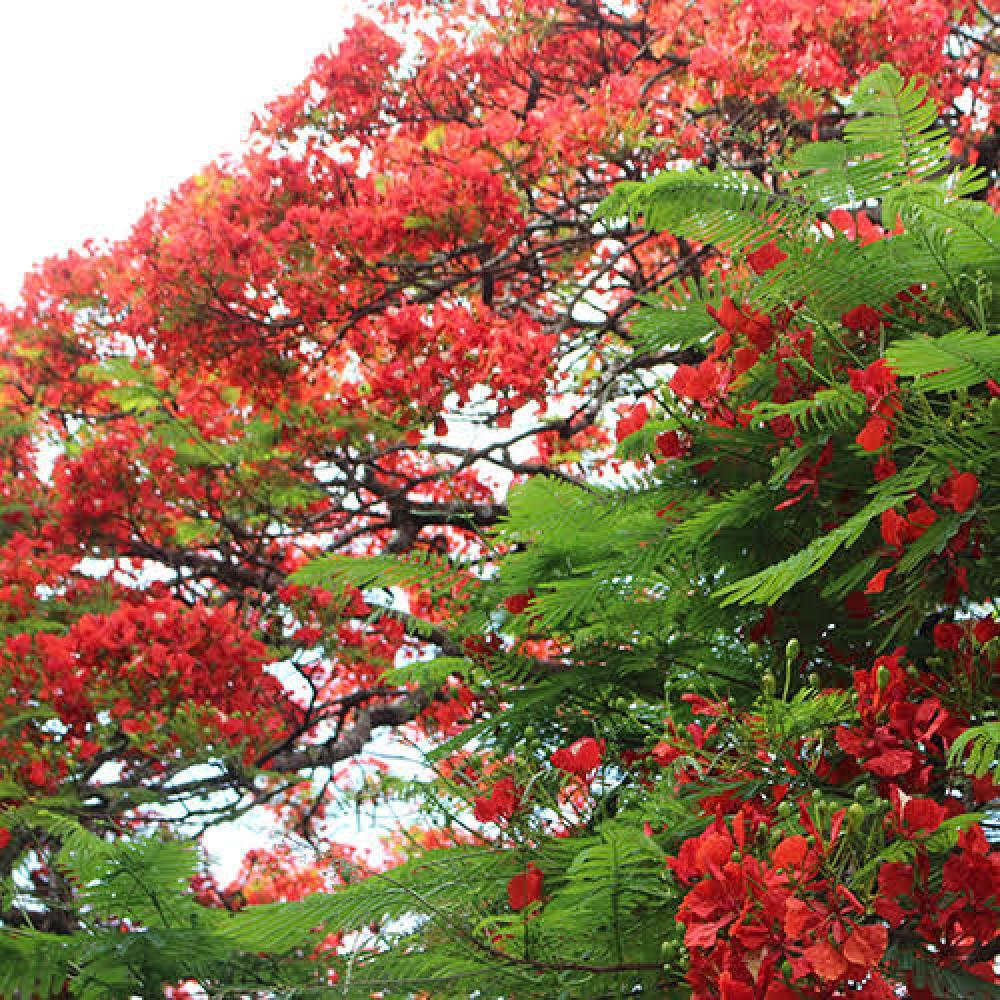
Flamboyant
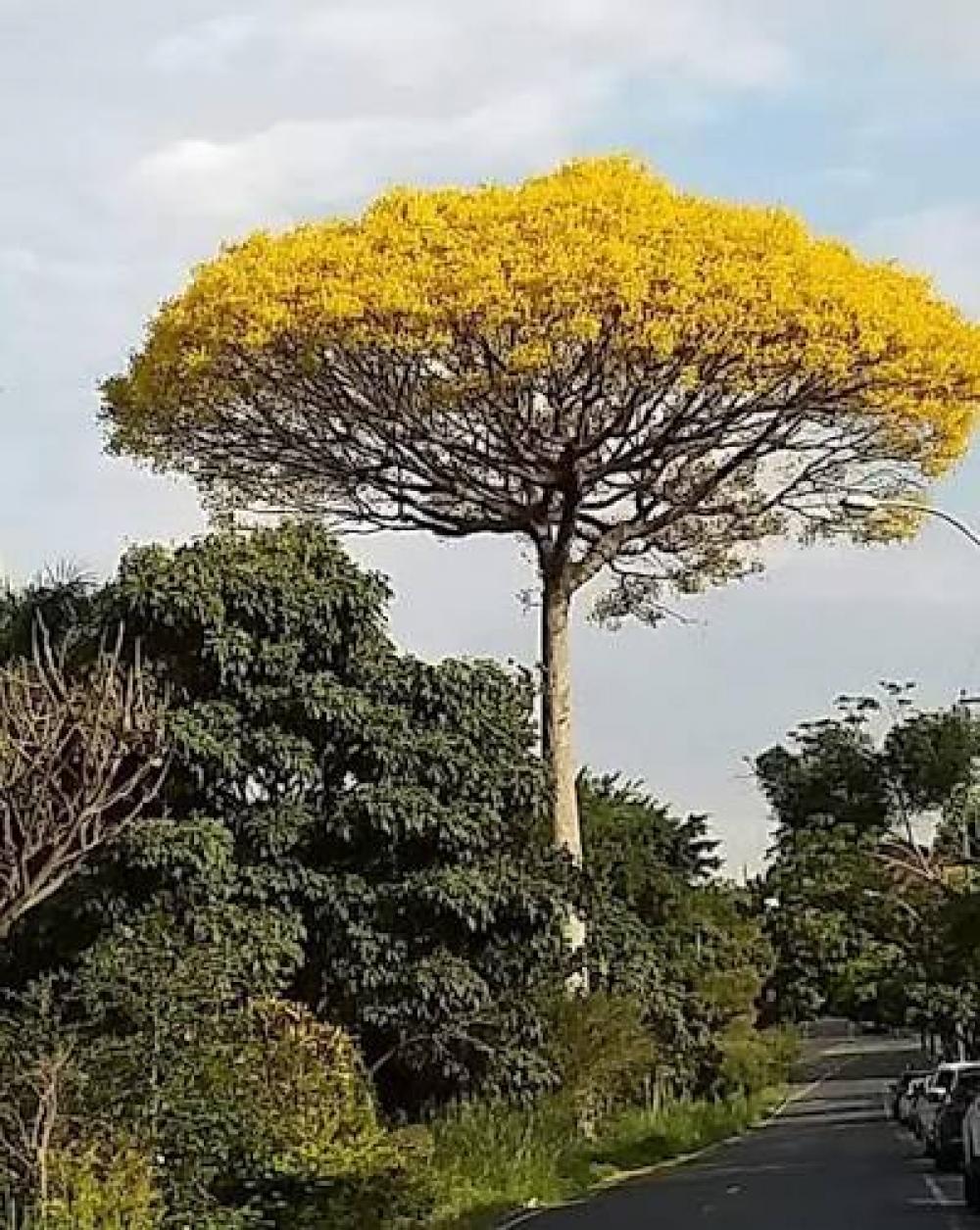
Guapuruvu
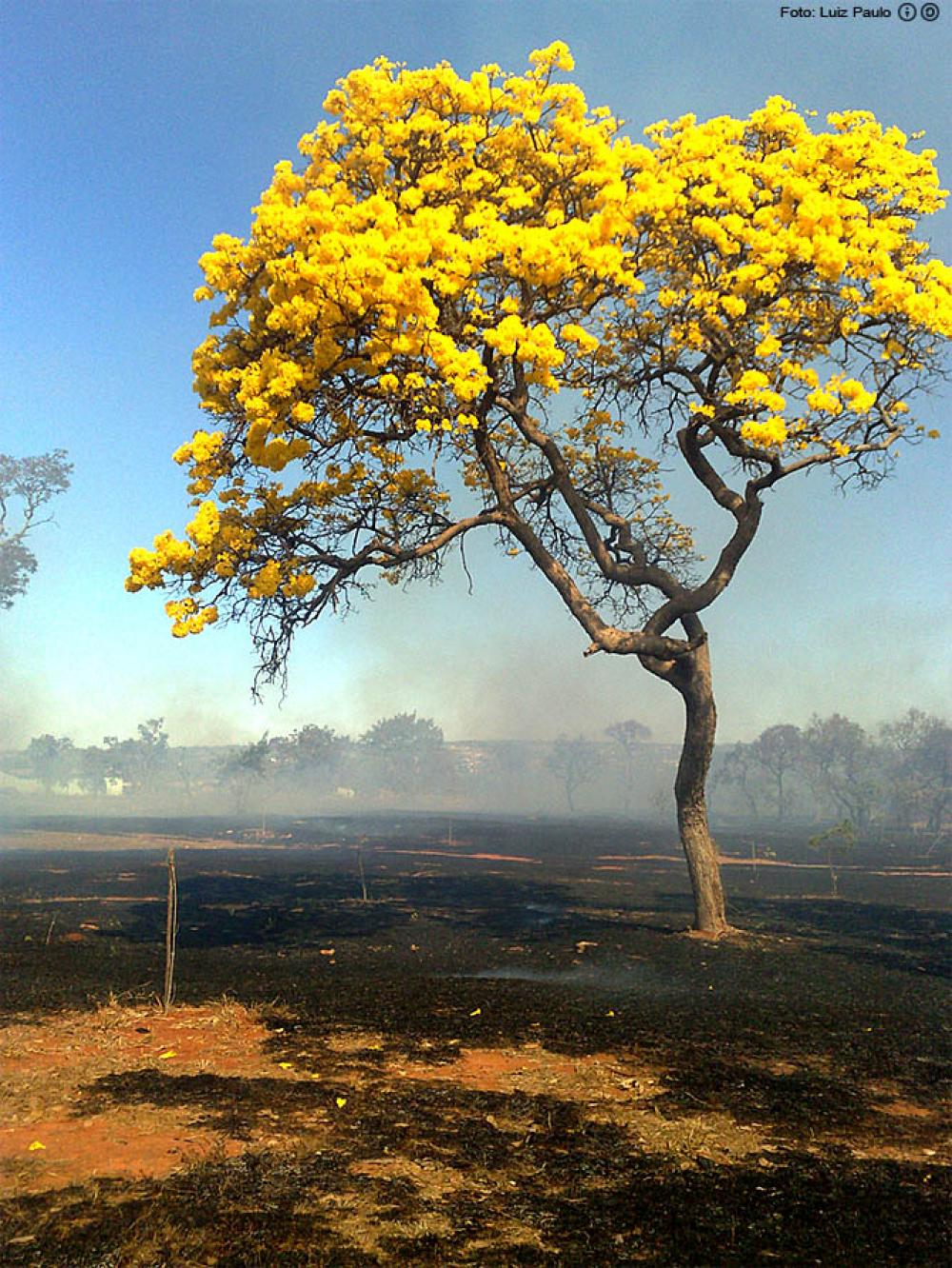
Yellow Ipê

Purple Ipe
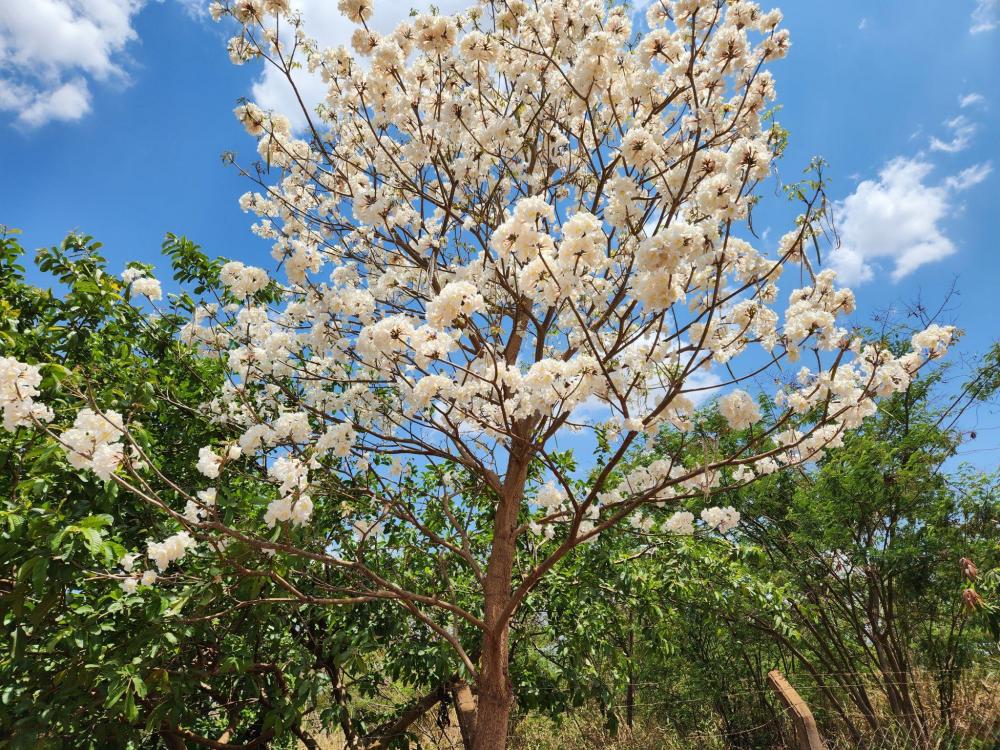
White Ipê
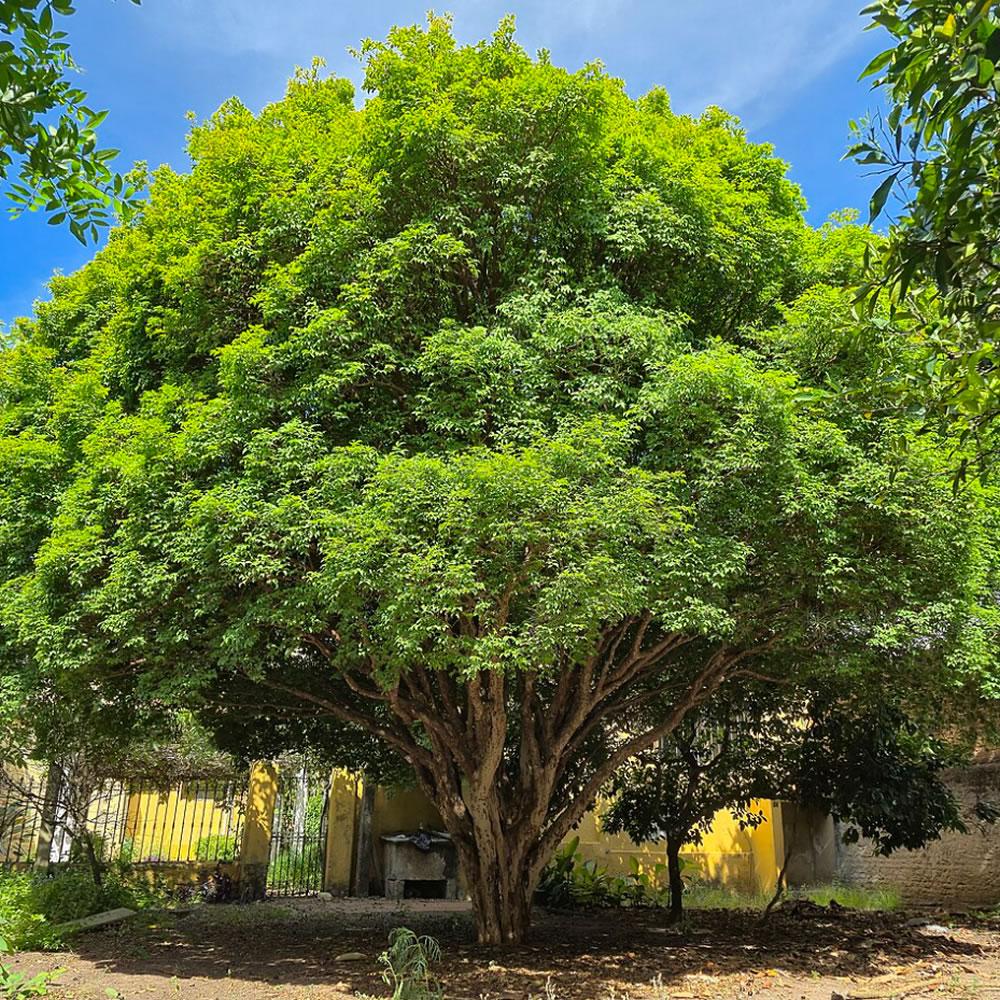
Jabuticaba
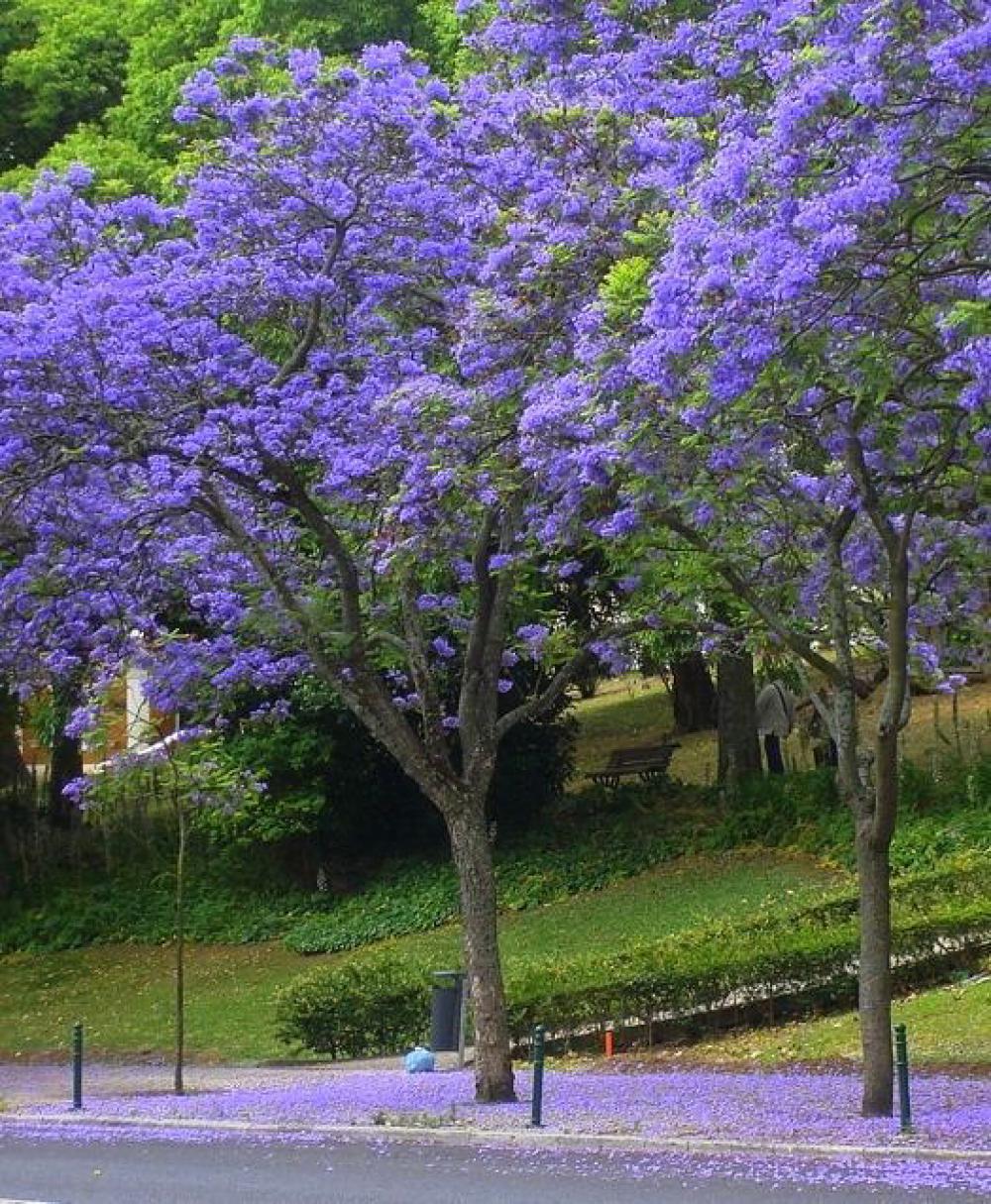
Blue jacaranda
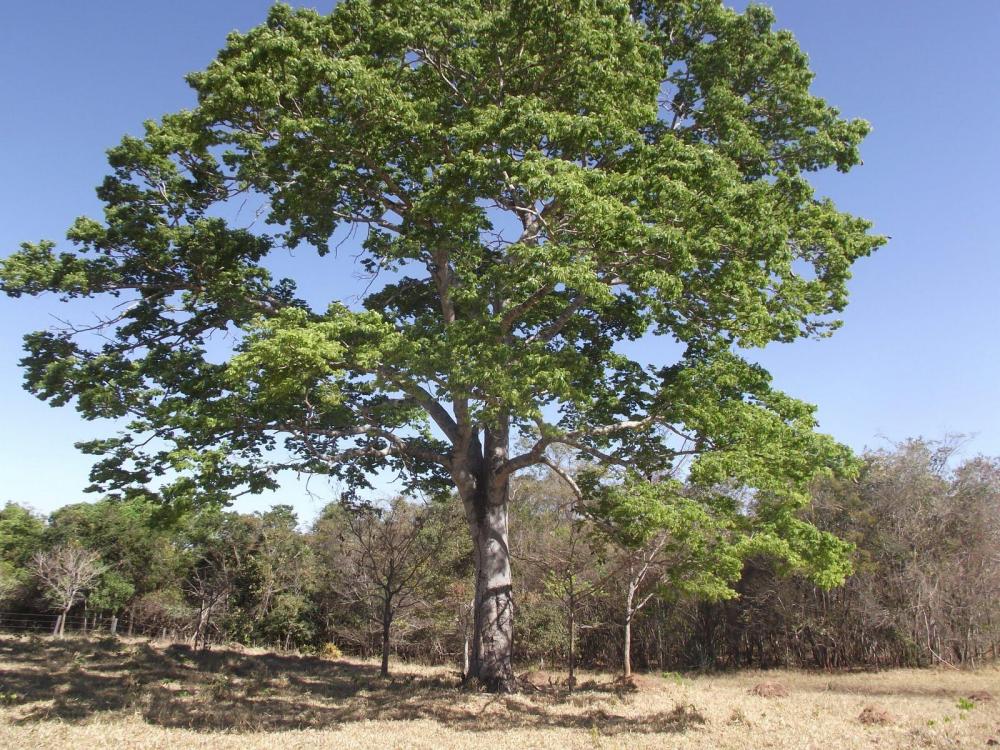

Pink Jequitibá (Cariniana legalis)
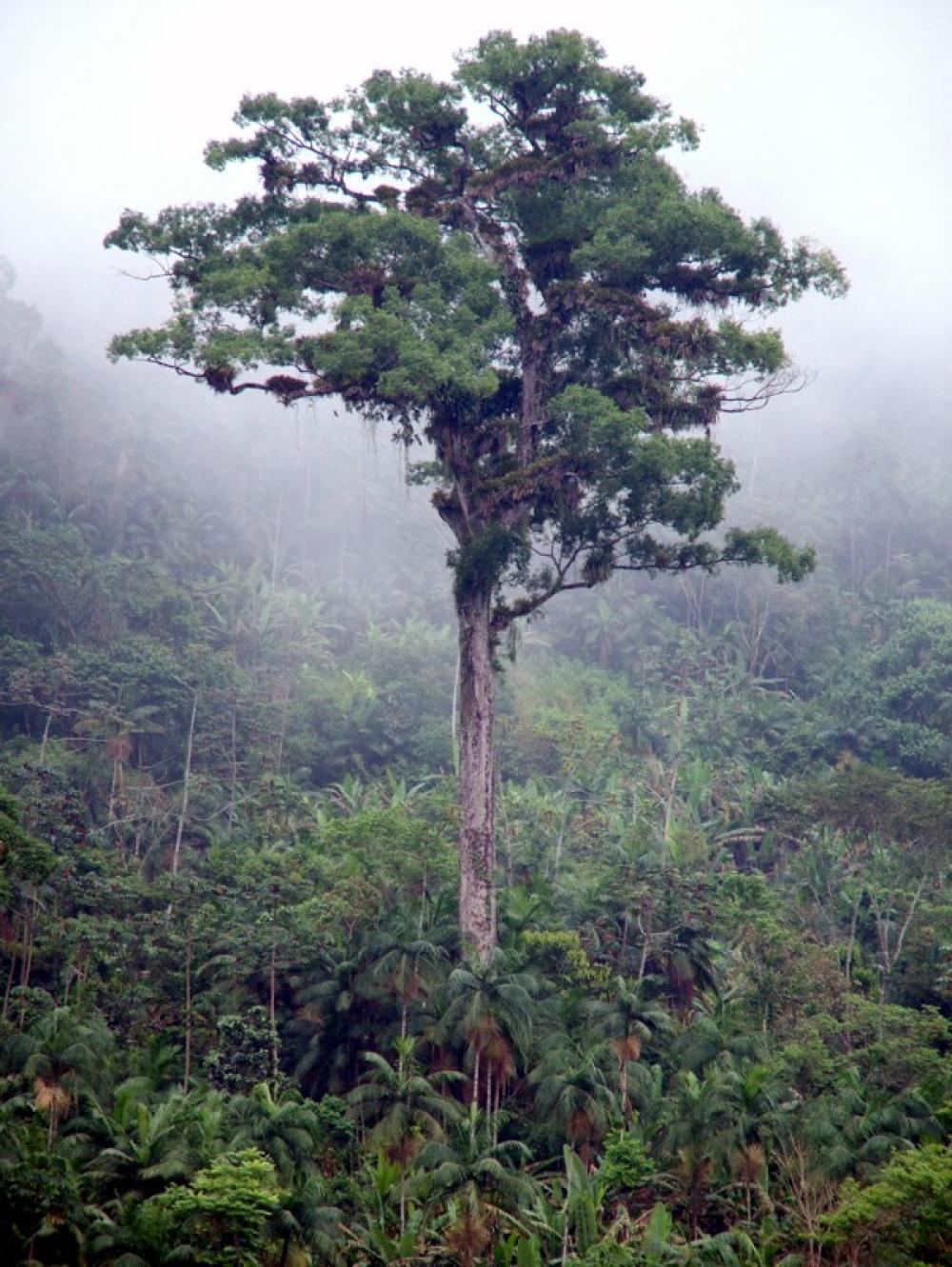
Pink Jequitibá
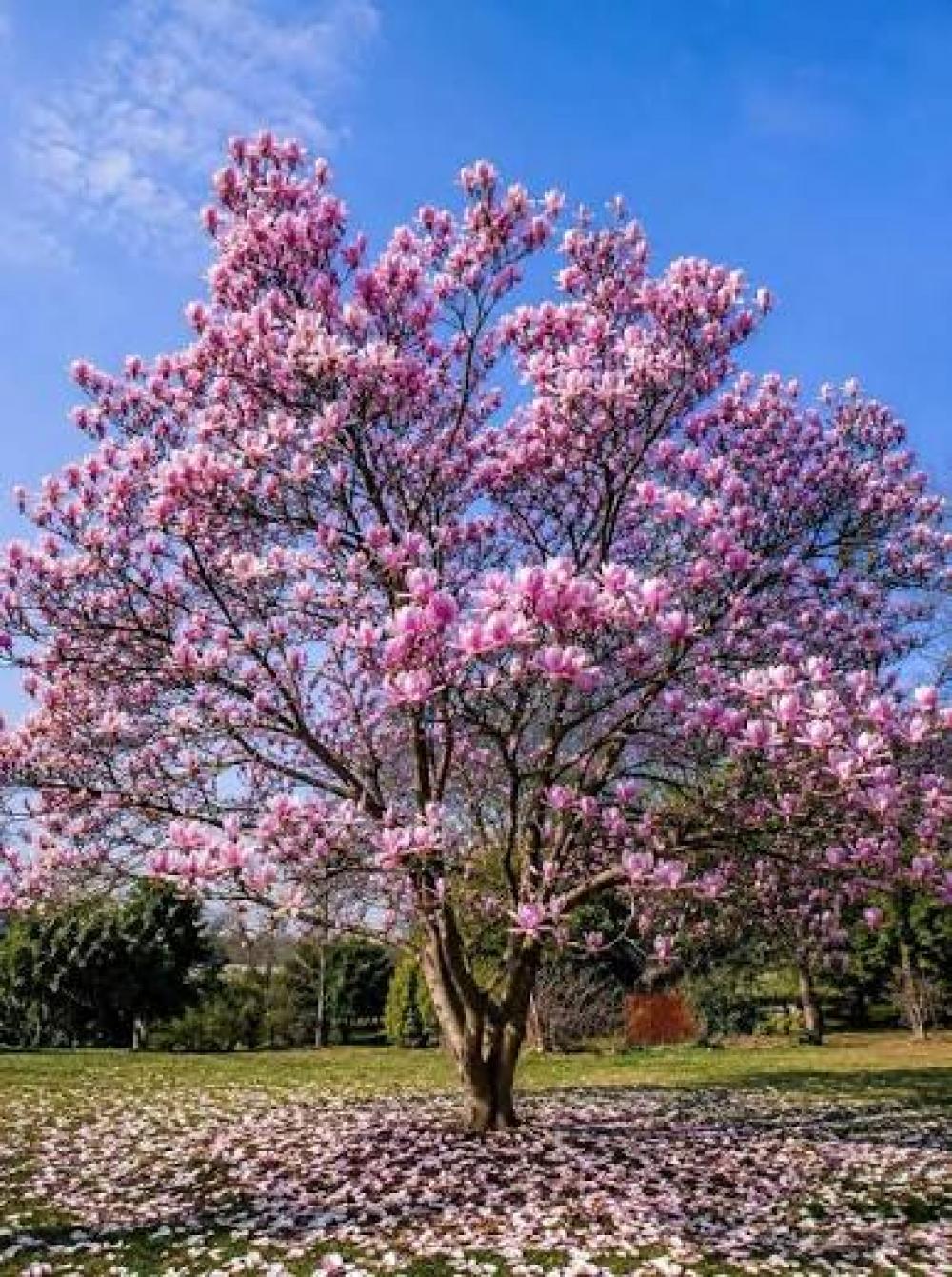
Magnolia
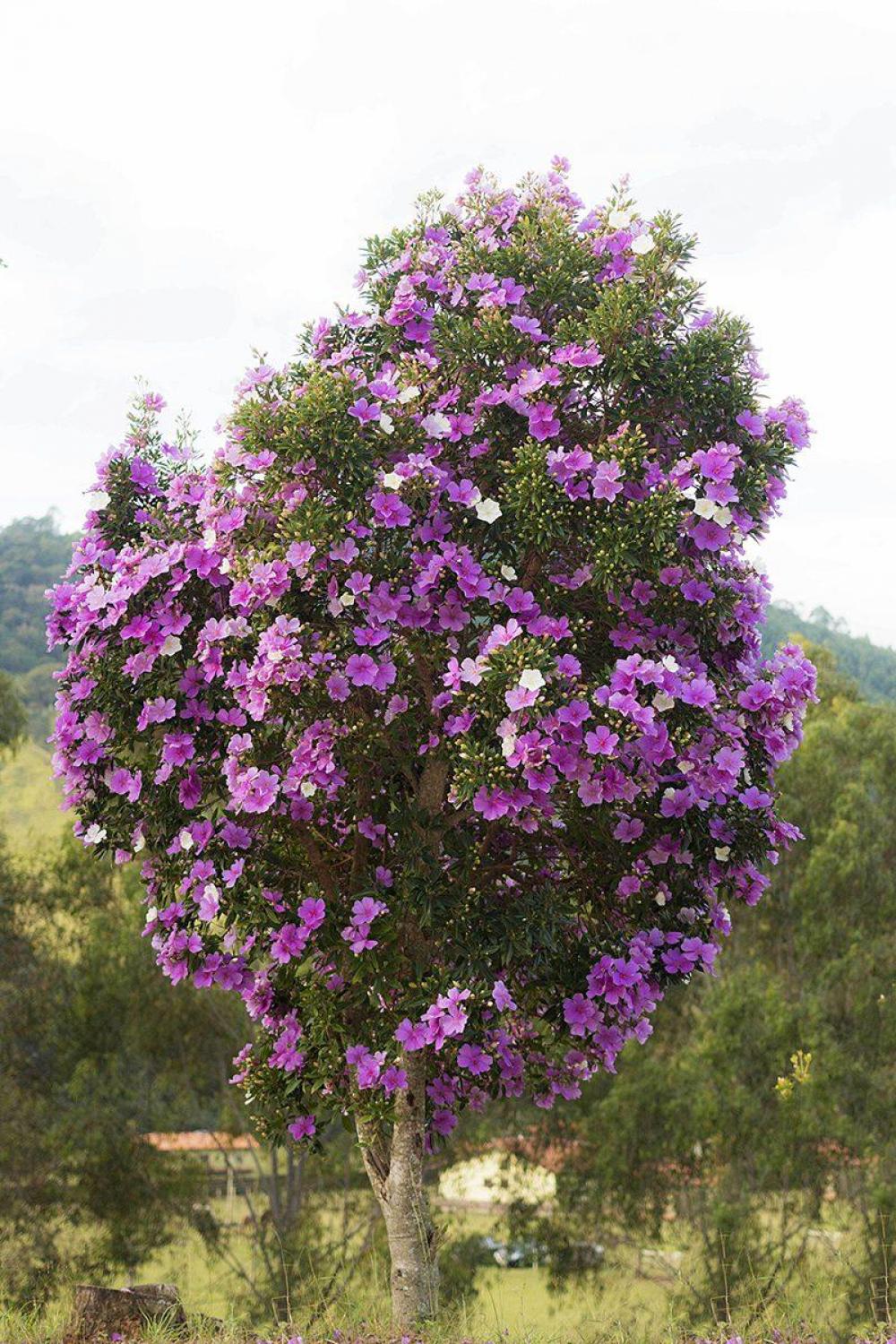
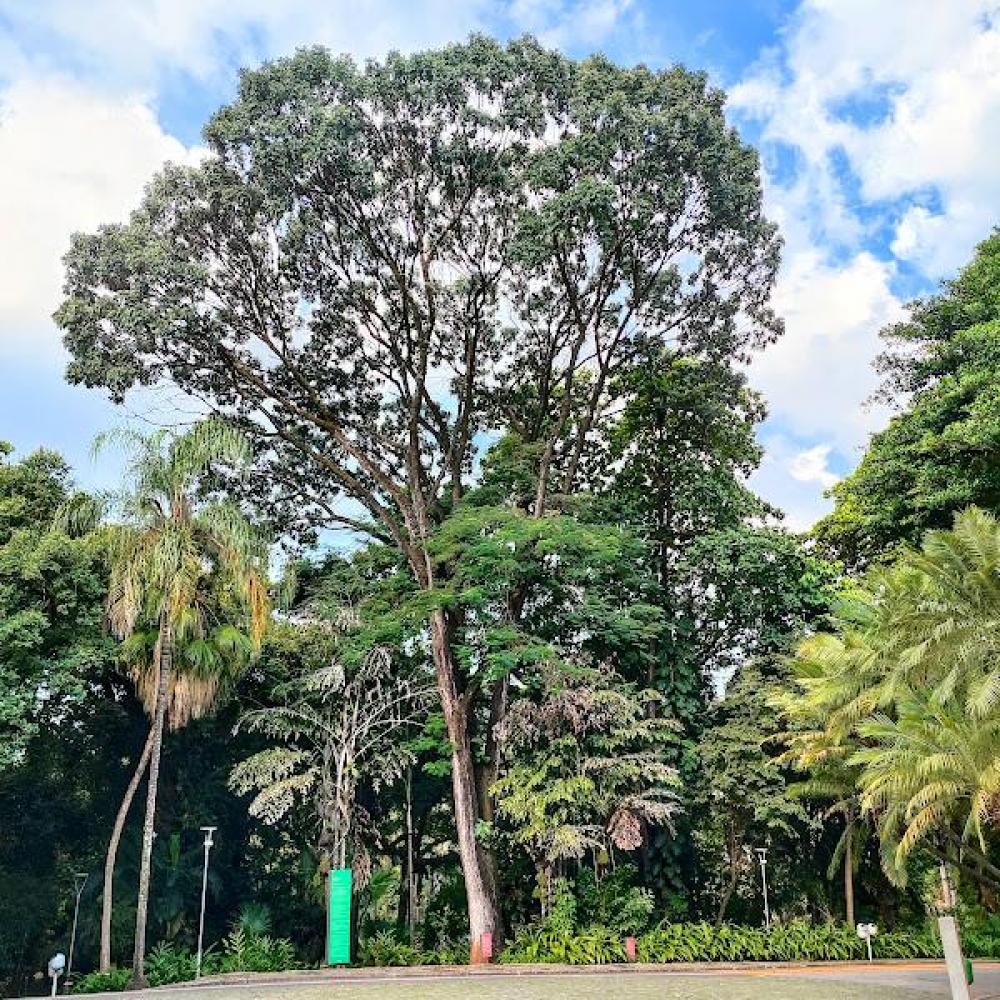
Brazilian Mahogany
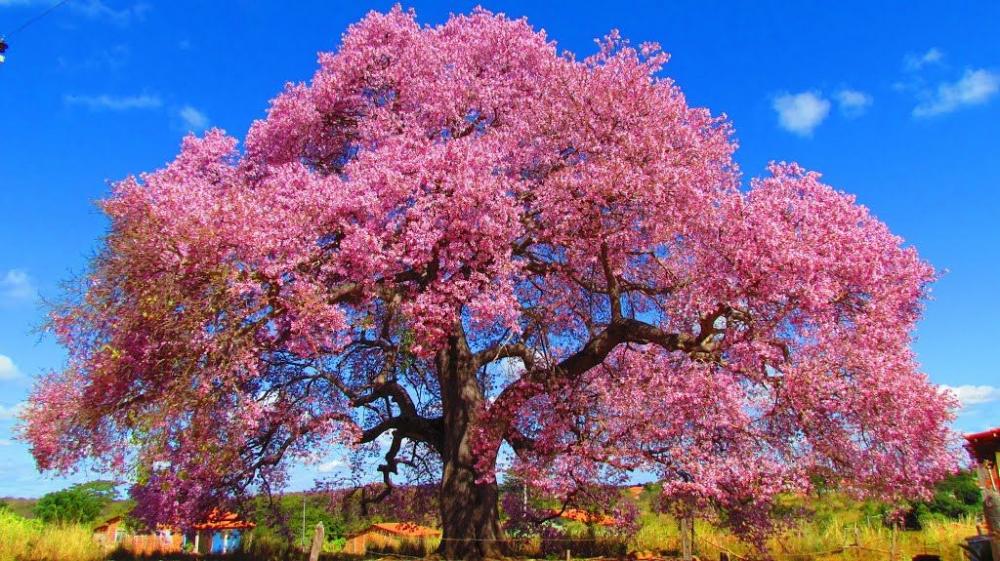
pink silk floss tree
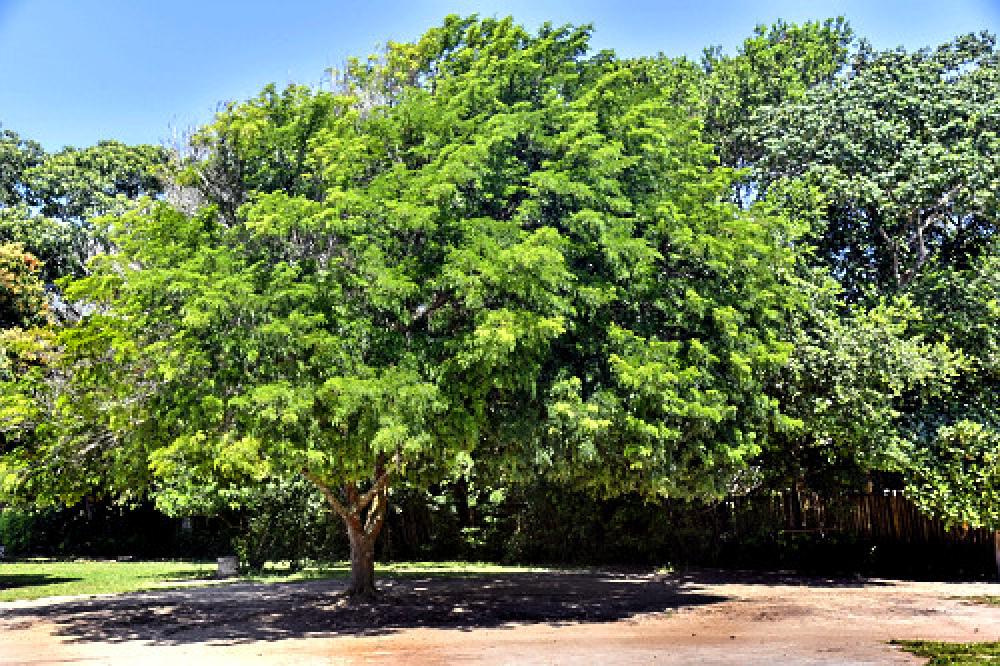
Brazilwood
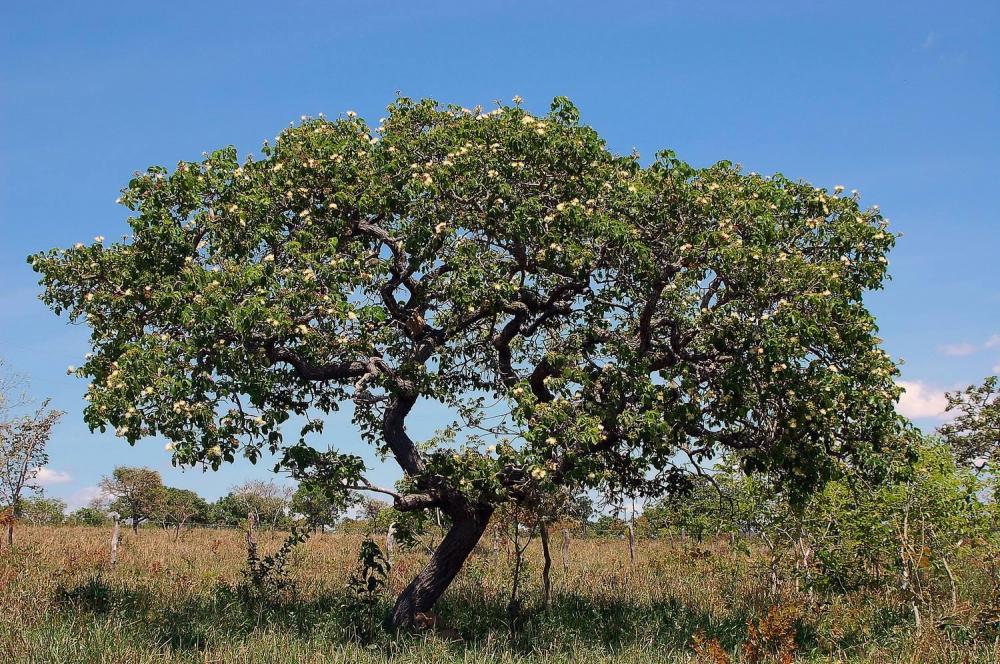
Pequi
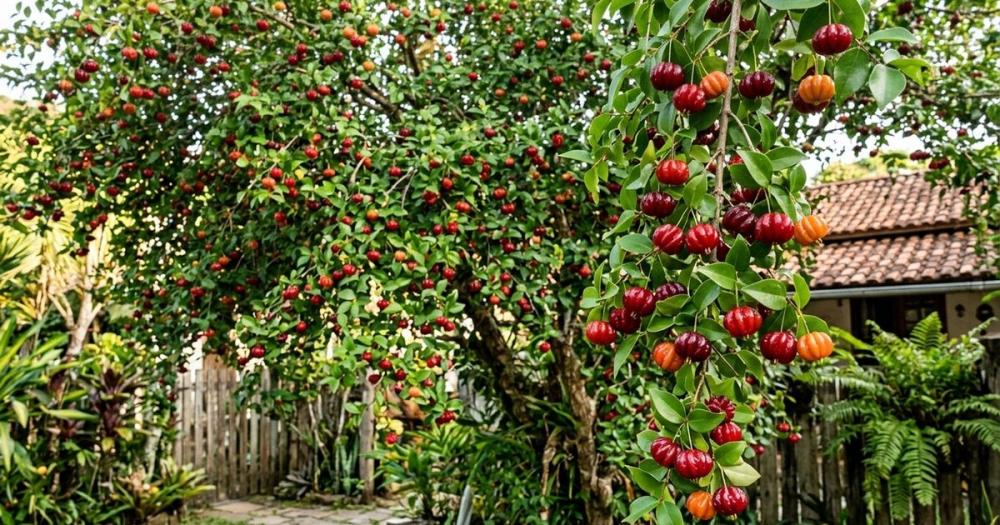
Surinam cherry
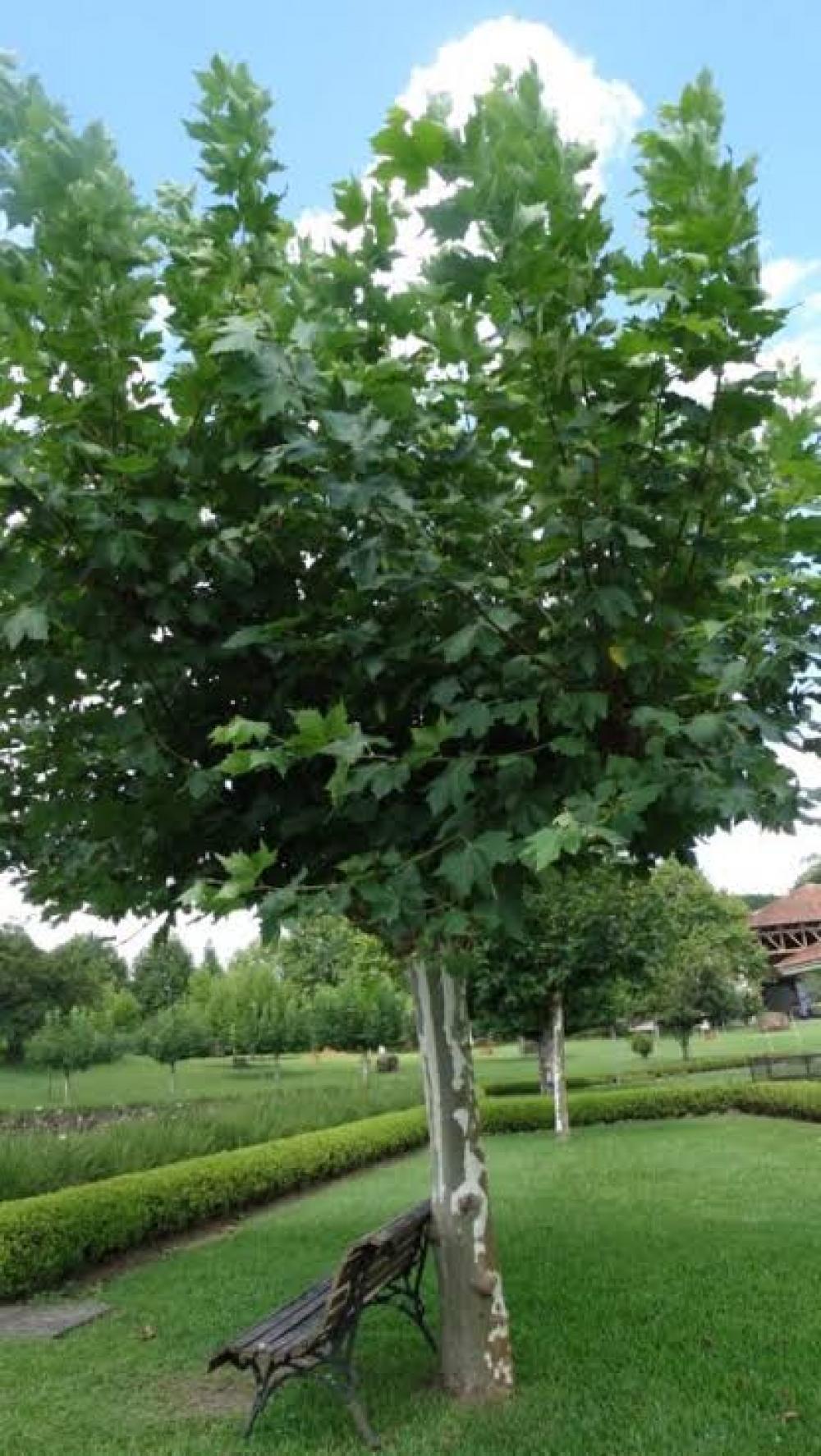
Plane tree
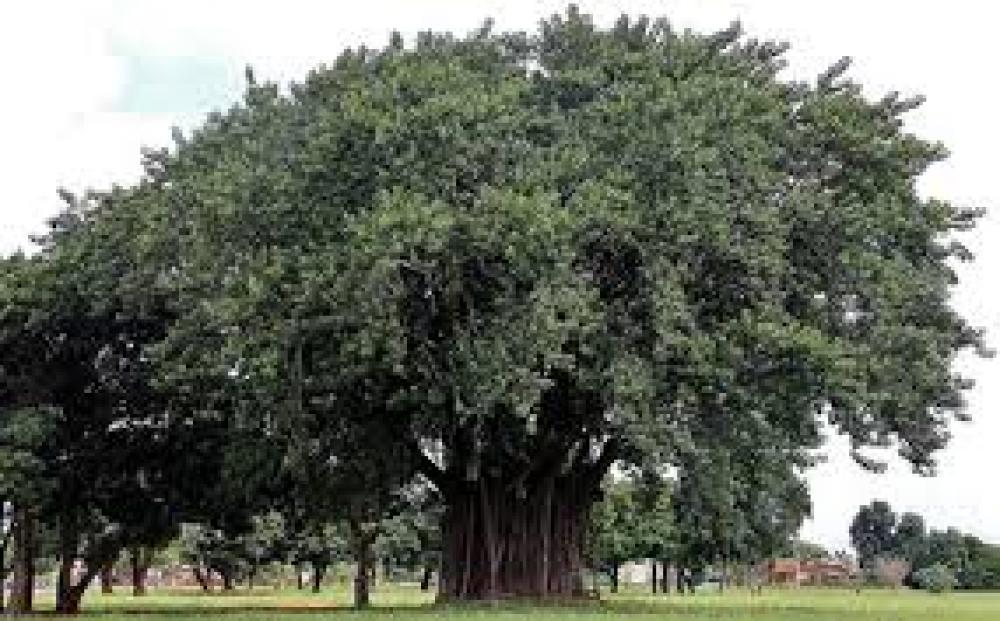
Rubber tree
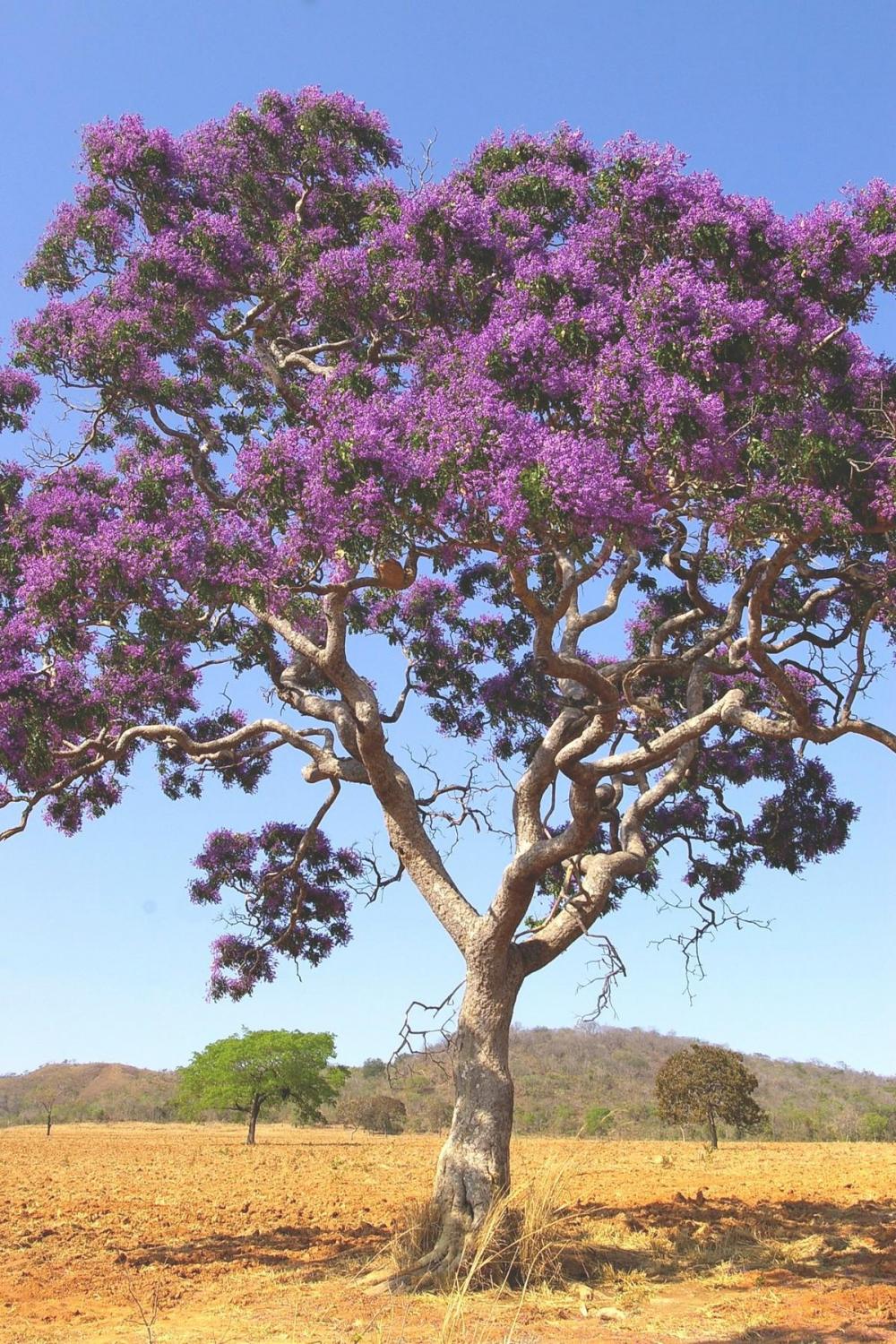
Sucupira
Linden