



Blue jacaranda
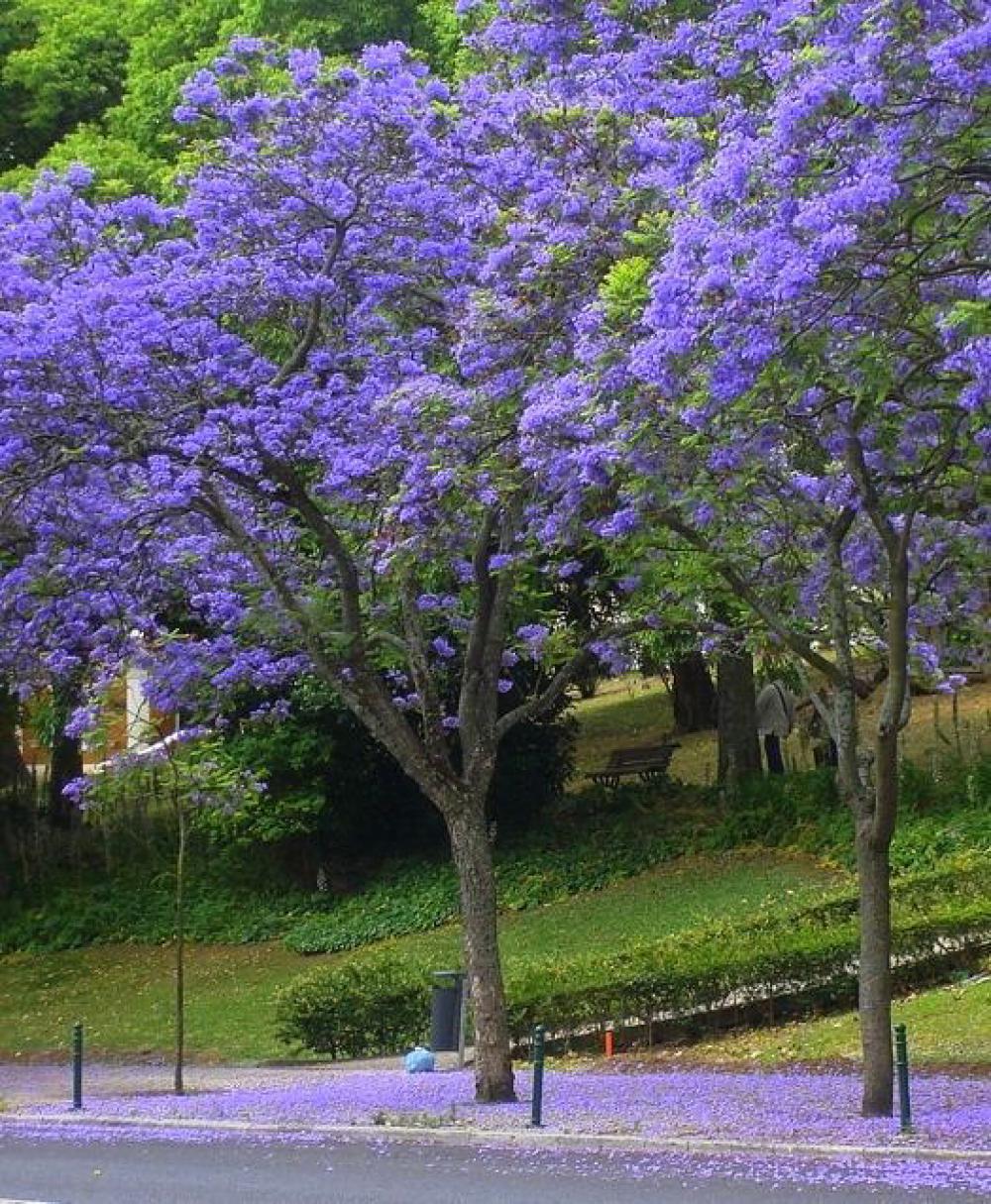
The blue jacaranda (*Jacaranda mimosifolia*) is a tree renowned for its beauty, elegant canopy, and profuse flowering, making it a popular ornamental choice for streets, public squares, parks, gardens, and urban spaces. It belongs to the Bignoniaceae family—the same family as *Handroanthus* (ipês) and catalpas. Native to South America—specifically regions of Argentina, Bolivia, and Paraguay—the blue jacaranda adapts well to various growing conditions. Its delicate, compound leaves resemble those of certain ferns, while its abundant blue-purple or lilac flowers form striking clusters along the branches.
From an environmental perspective, the blue jacaranda plays a significant role in urban forestry and the enhancement of green spaces, largely due to its broad canopy and the visual impact created during its blooming season. Its flowers provide resources for pollinating insects, thereby supporting ecological relationships in both urban and rural environments. The tree also offers shade and can serve as a habitat for small animals. However, given its substantial growth and extensive root system, planting requires careful planning that takes into account the available space, soil characteristics, and the distance from sidewalks, walls, underground pipes, and structures.
From a botanical standpoint, the blue jacaranda exhibits fascinating characteristics. Its leaves are bipinnate—composed of numerous small leaflets—giving the canopy a light, delicate appearance. The tubular flowers grow in clusters (inflorescences) and are adapted for pollination by various insects.
After flowering, the tree produces fruit that develops into woody capsules, typically flattened and rounded. Upon ripening, these capsules split open to release numerous lightweight, winged seeds, which can be carried by the wind, aiding in the species dispersal.
Beyond its landscape and ecological value, the blue jacaranda holds cultural, ornamental, and educational significance, offering an opportunity to observe the various stages of a trees development—from the emergence of leaves and flowers to the formation and dispersal of seeds. Its flowering is highly admired in many cities, where it transforms the landscape with shades of lilac and purplish-blue. The species is also studied for its growth, adaptation, and reproductive characteristics. Learning about the blue jacaranda expands ones understanding of tree diversity and reveals how plants can make environments more beautiful, shaded, balanced, and rich in biodiversity.
From an environmental perspective, the blue jacaranda plays a significant role in urban forestry and the enhancement of green spaces, largely due to its broad canopy and the visual impact created during its blooming season. Its flowers provide resources for pollinating insects, thereby supporting ecological relationships in both urban and rural environments. The tree also offers shade and can serve as a habitat for small animals. However, given its substantial growth and extensive root system, planting requires careful planning that takes into account the available space, soil characteristics, and the distance from sidewalks, walls, underground pipes, and structures.
From a botanical standpoint, the blue jacaranda exhibits fascinating characteristics. Its leaves are bipinnate—composed of numerous small leaflets—giving the canopy a light, delicate appearance. The tubular flowers grow in clusters (inflorescences) and are adapted for pollination by various insects.
After flowering, the tree produces fruit that develops into woody capsules, typically flattened and rounded. Upon ripening, these capsules split open to release numerous lightweight, winged seeds, which can be carried by the wind, aiding in the species dispersal.
Beyond its landscape and ecological value, the blue jacaranda holds cultural, ornamental, and educational significance, offering an opportunity to observe the various stages of a trees development—from the emergence of leaves and flowers to the formation and dispersal of seeds. Its flowering is highly admired in many cities, where it transforms the landscape with shades of lilac and purplish-blue. The species is also studied for its growth, adaptation, and reproductive characteristics. Learning about the blue jacaranda expands ones understanding of tree diversity and reveals how plants can make environments more beautiful, shaded, balanced, and rich in biodiversity.
Tree Catalog
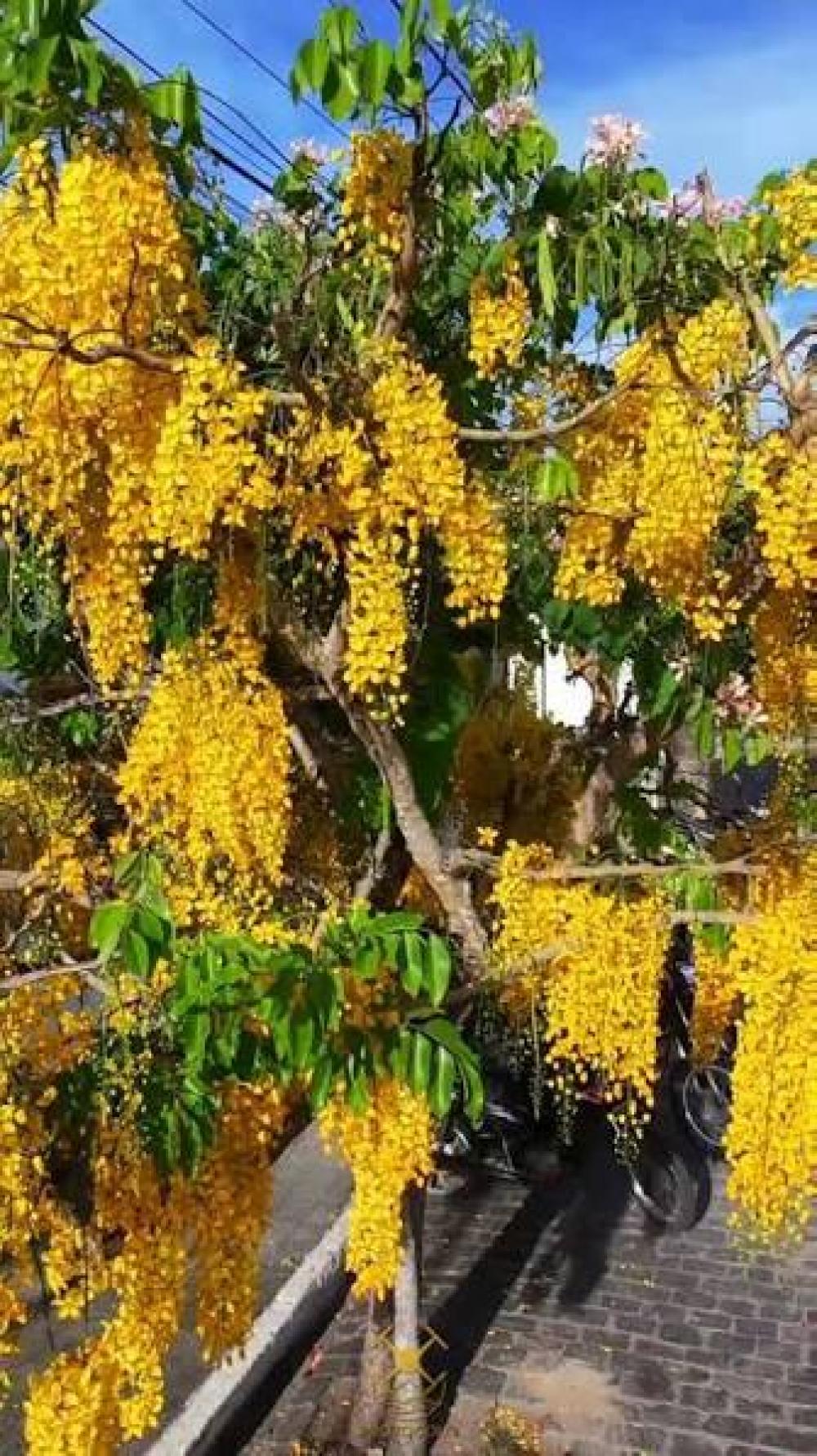
Imperial acacia
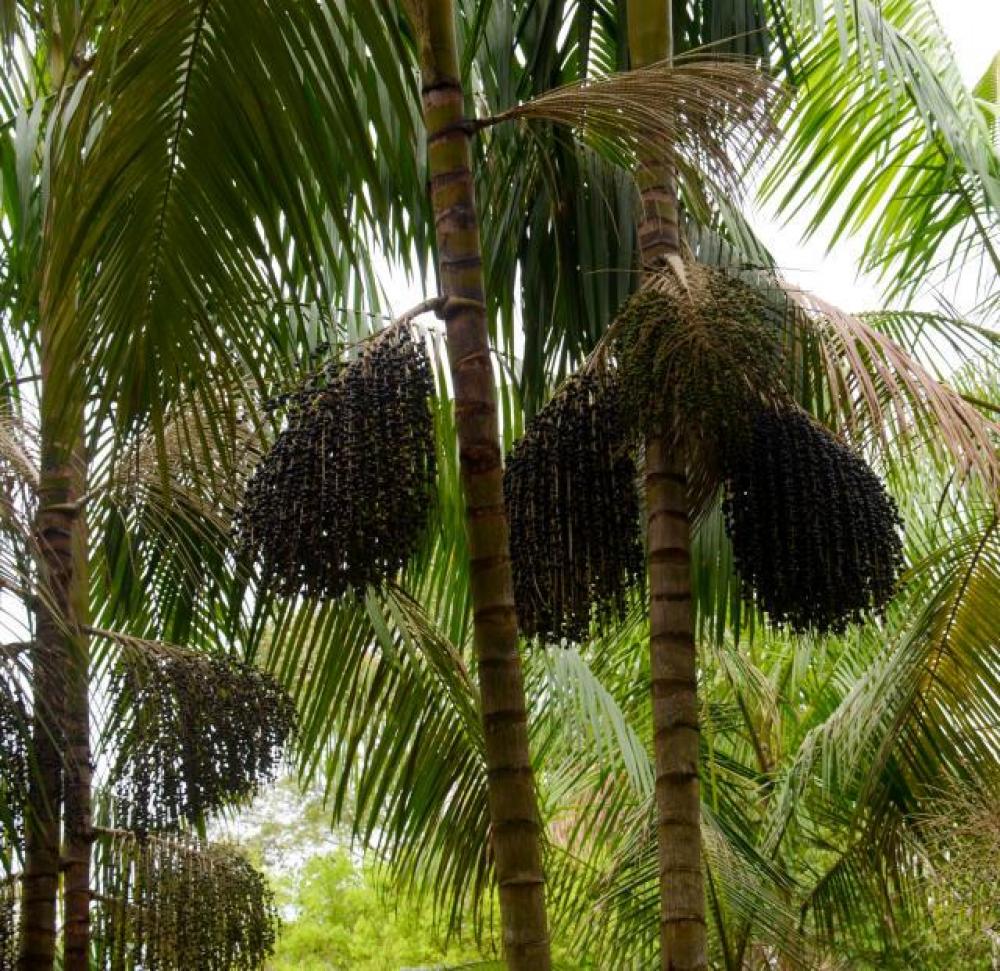
Açaí (Euterpe oleracea)
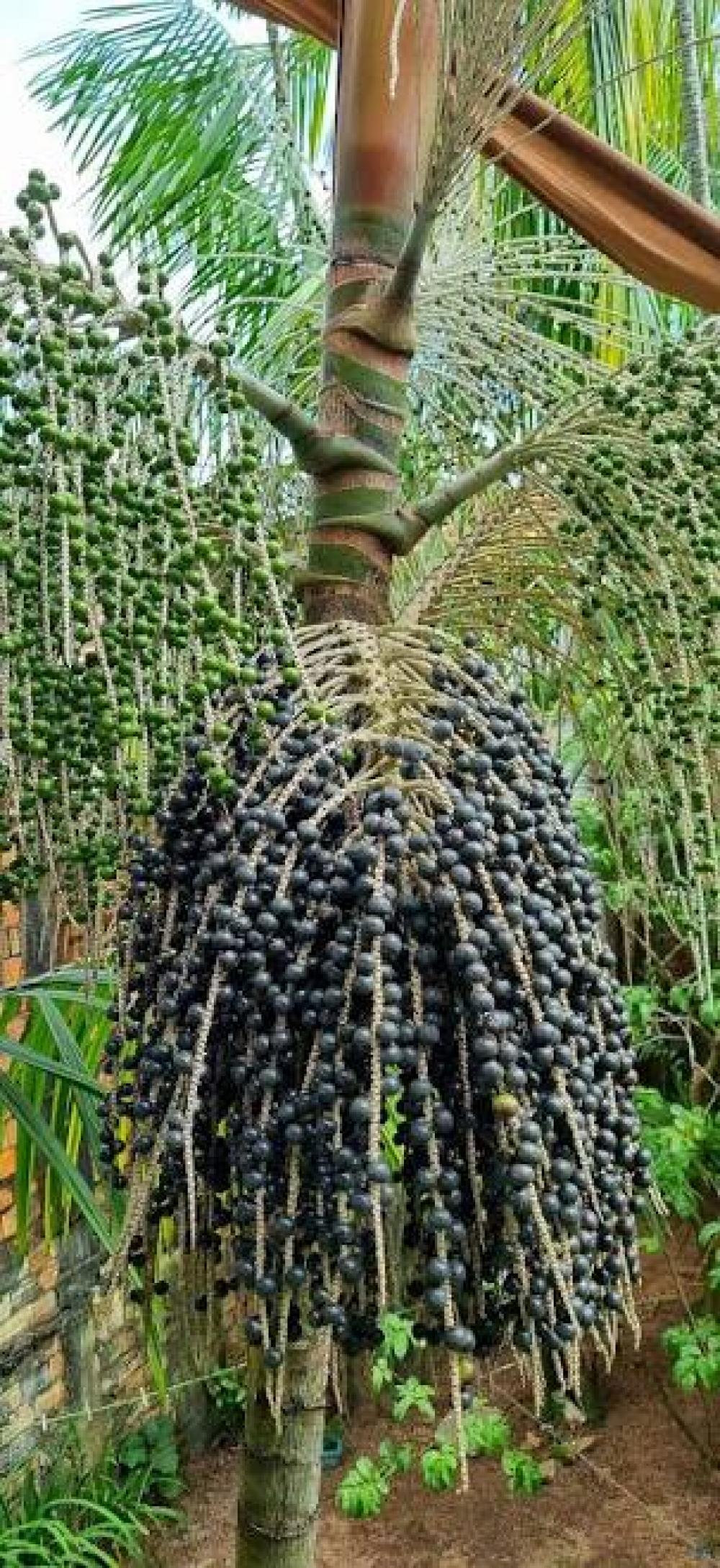
Açaí palm
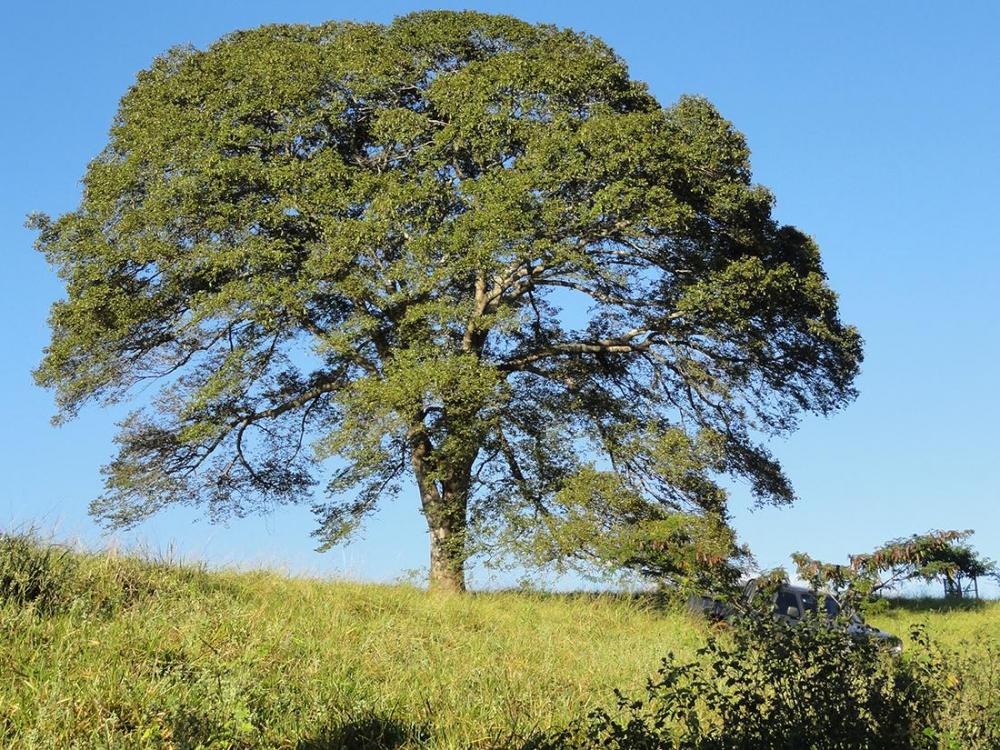

Red Angelim
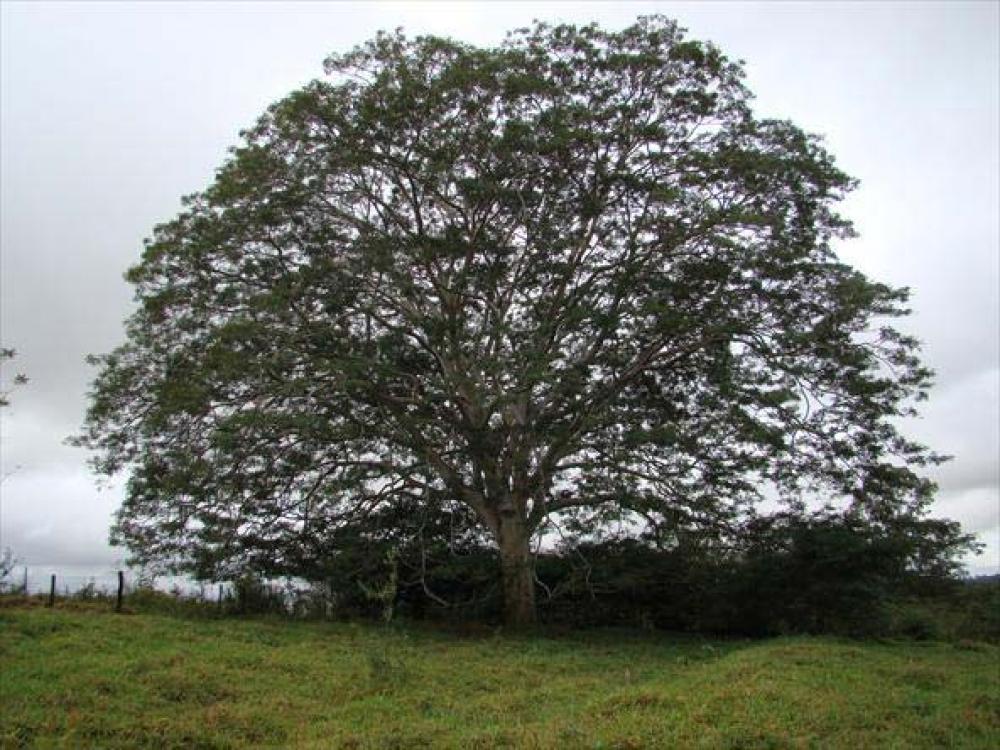
White Angico
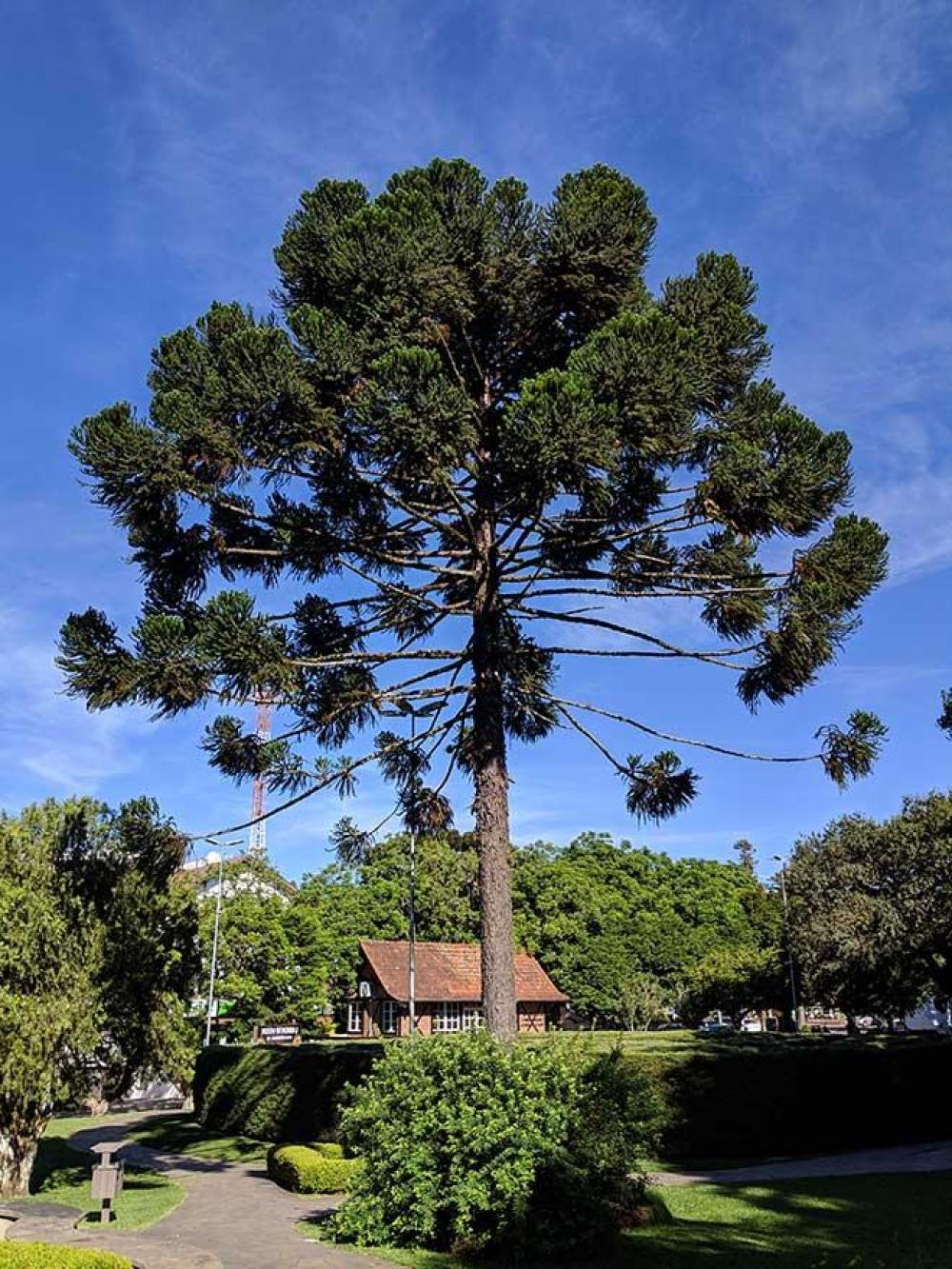
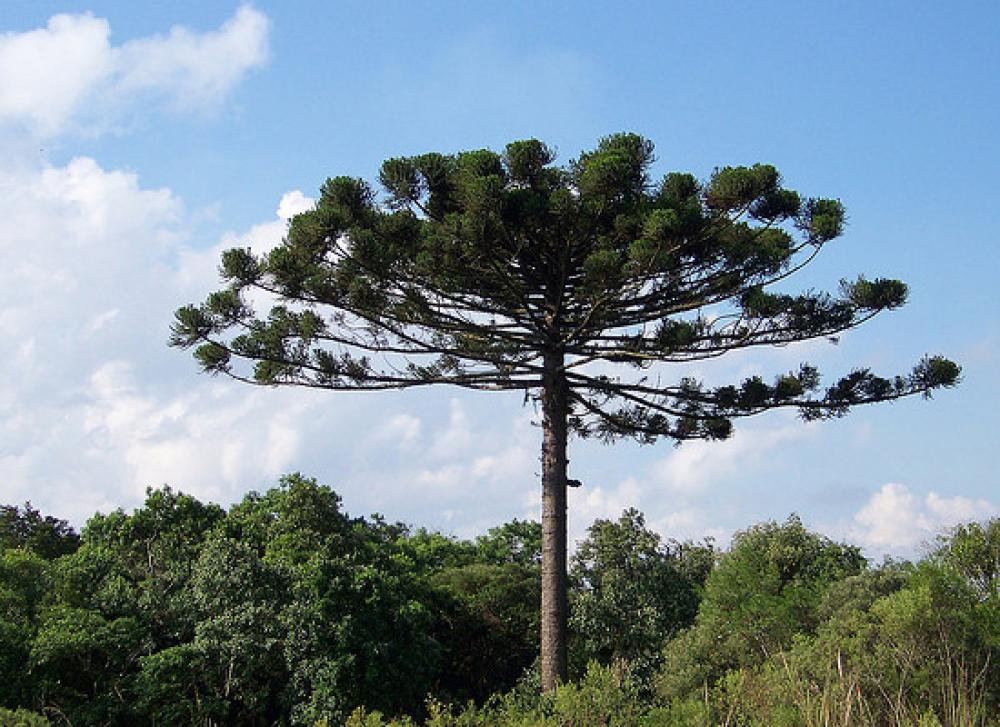
Araucaria, the Paraná pine
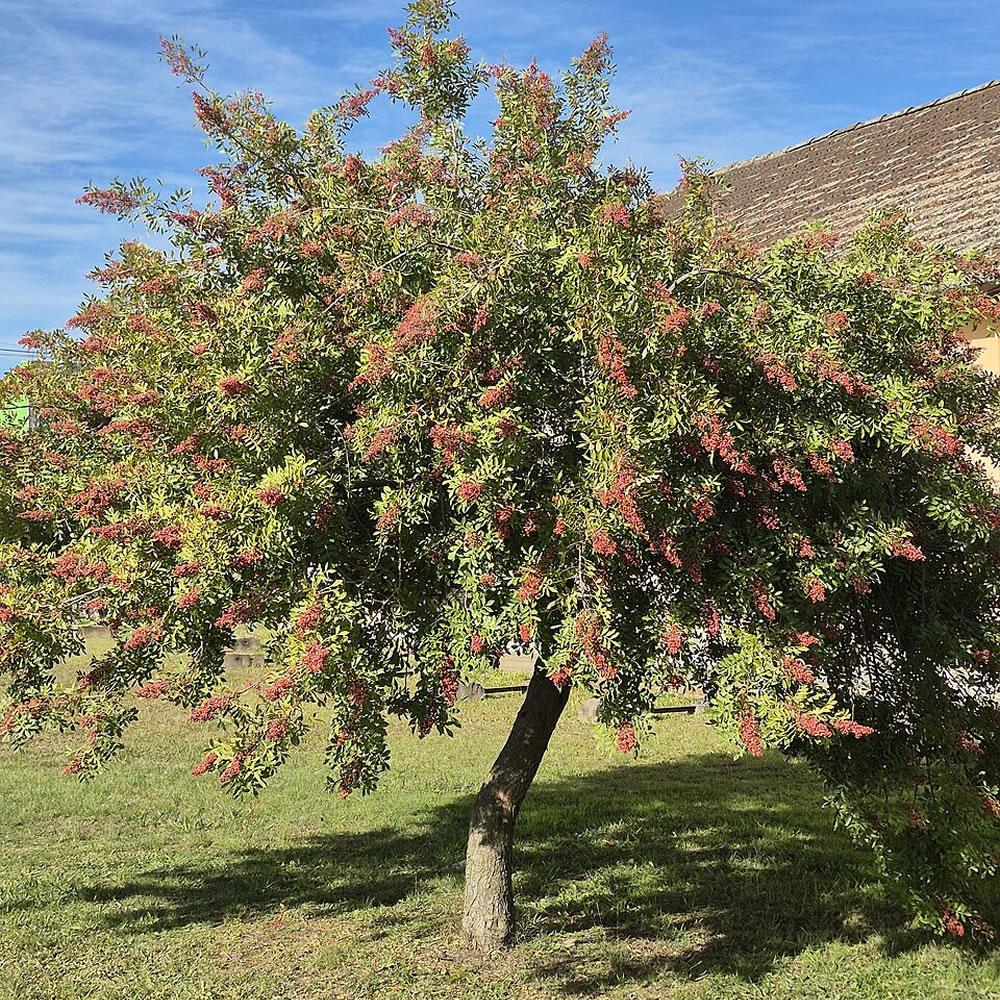
Brazilian peppertree
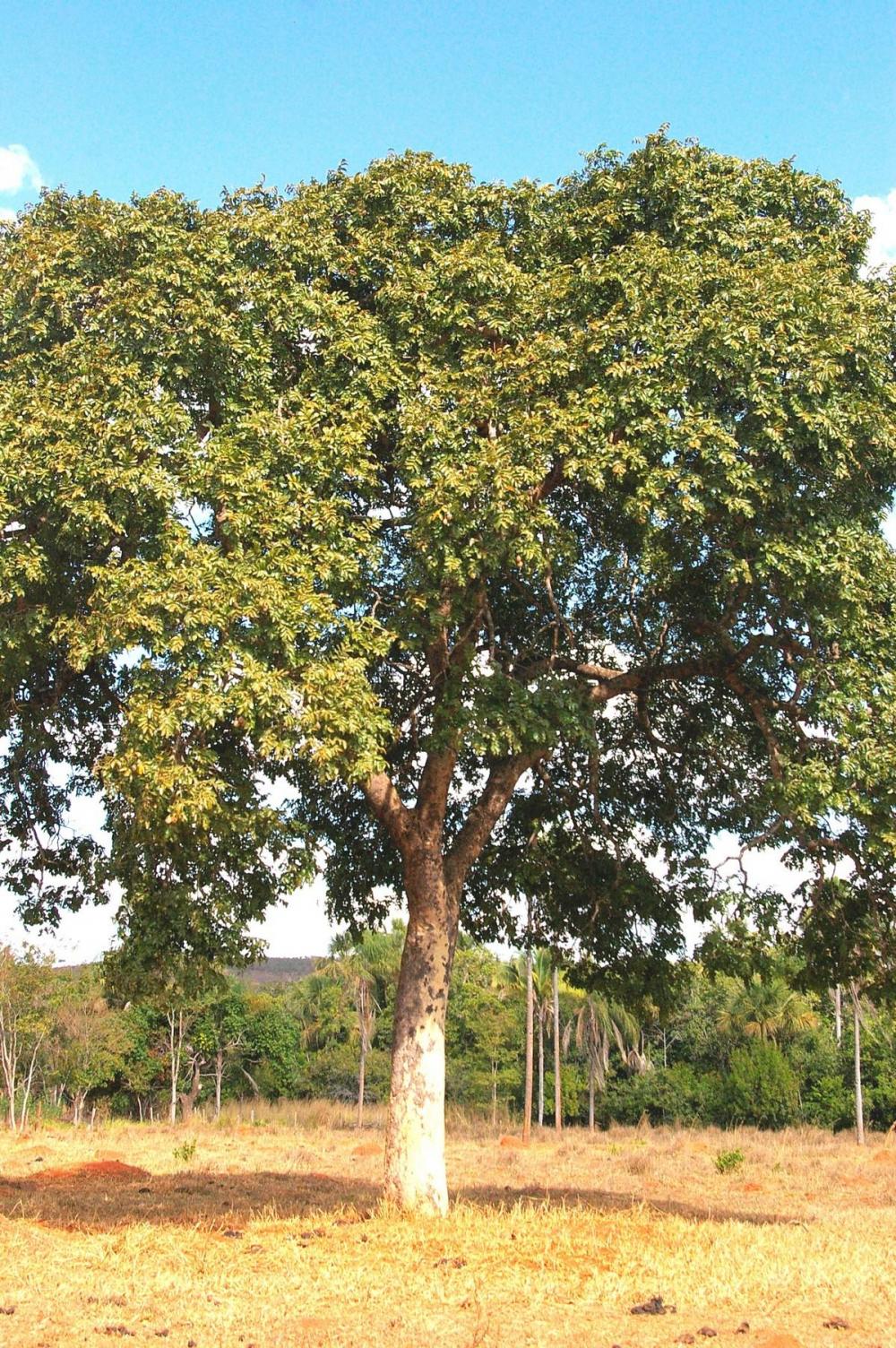
Baru
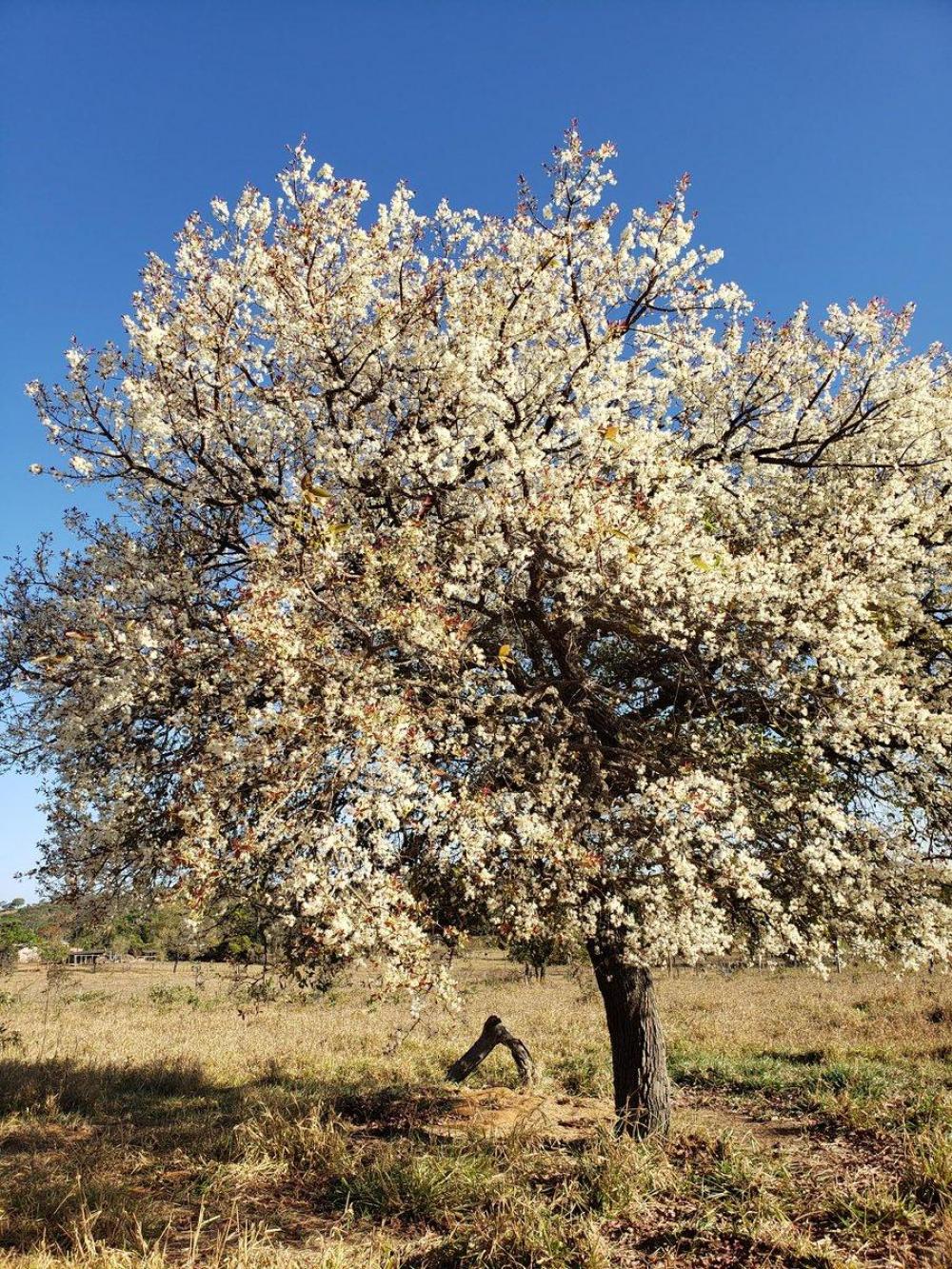
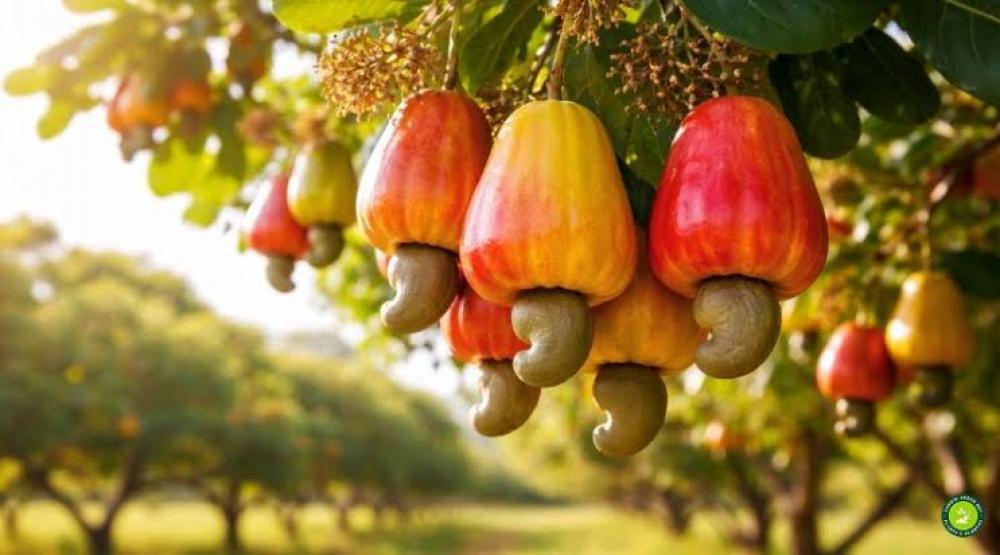
cashew tree
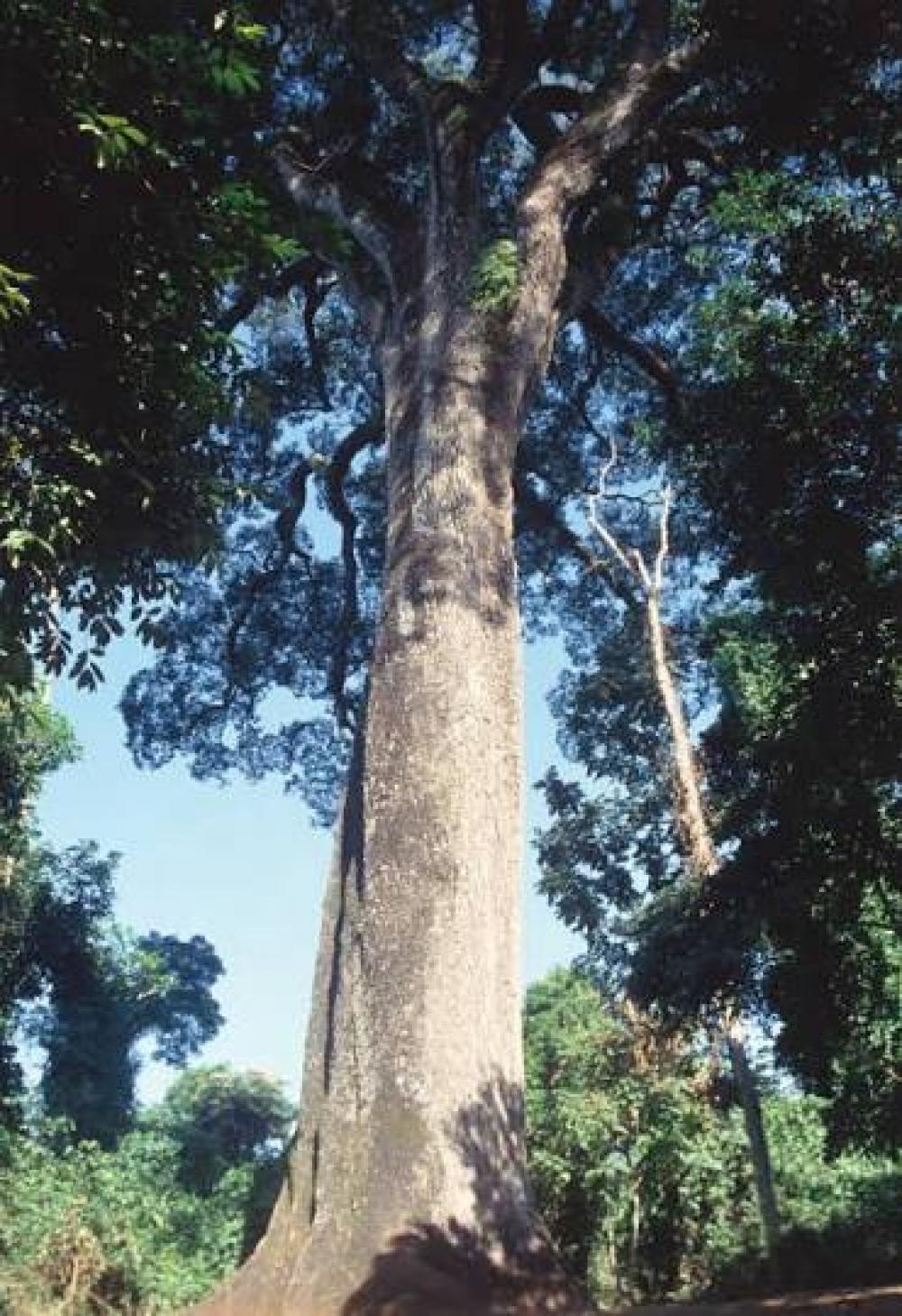
Black Cinnamon
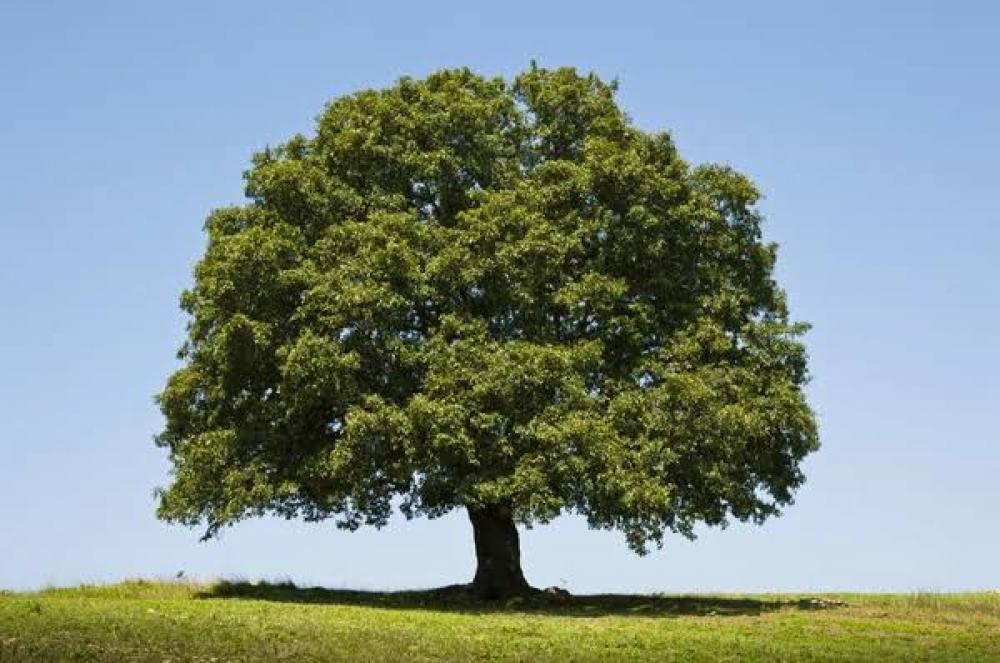
Oak tree
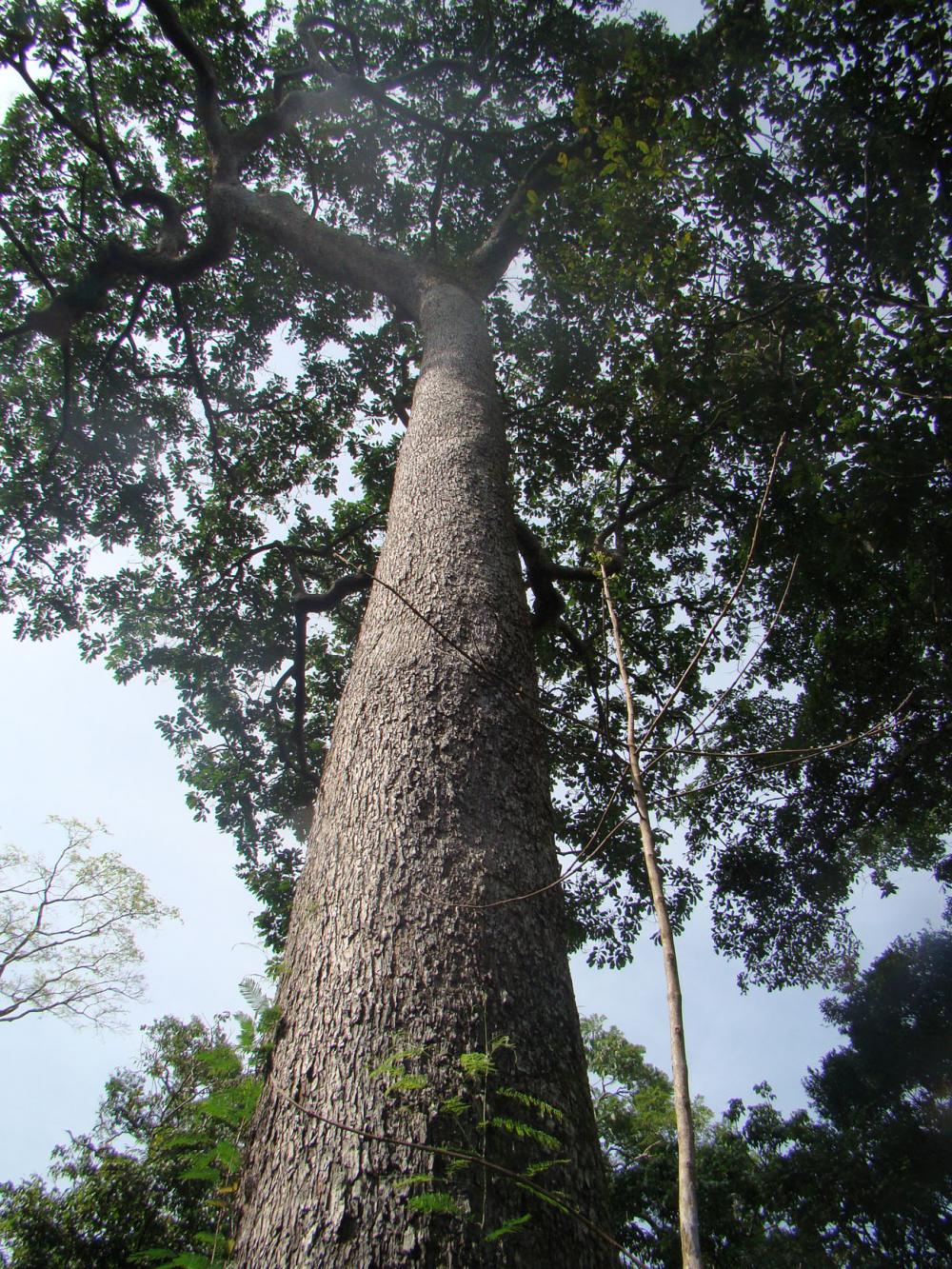
nuez de Brasil
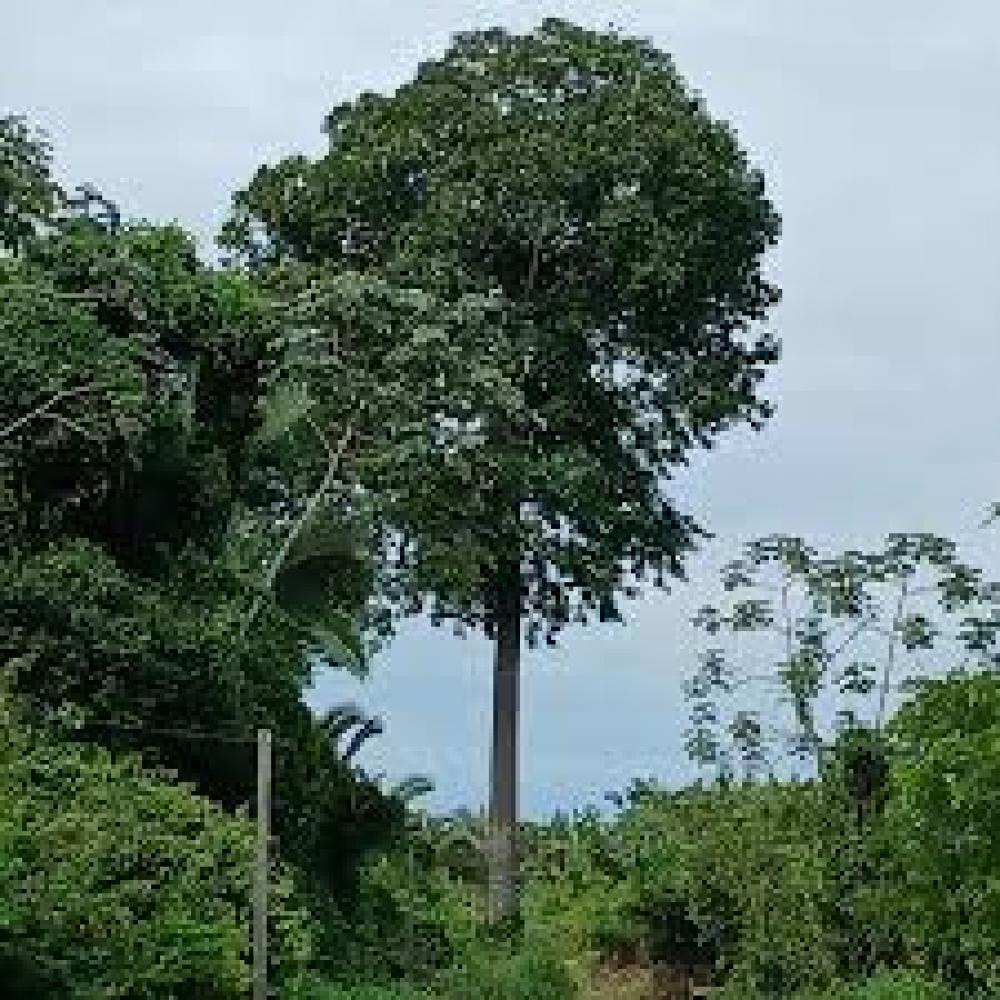
Brazil nut tree
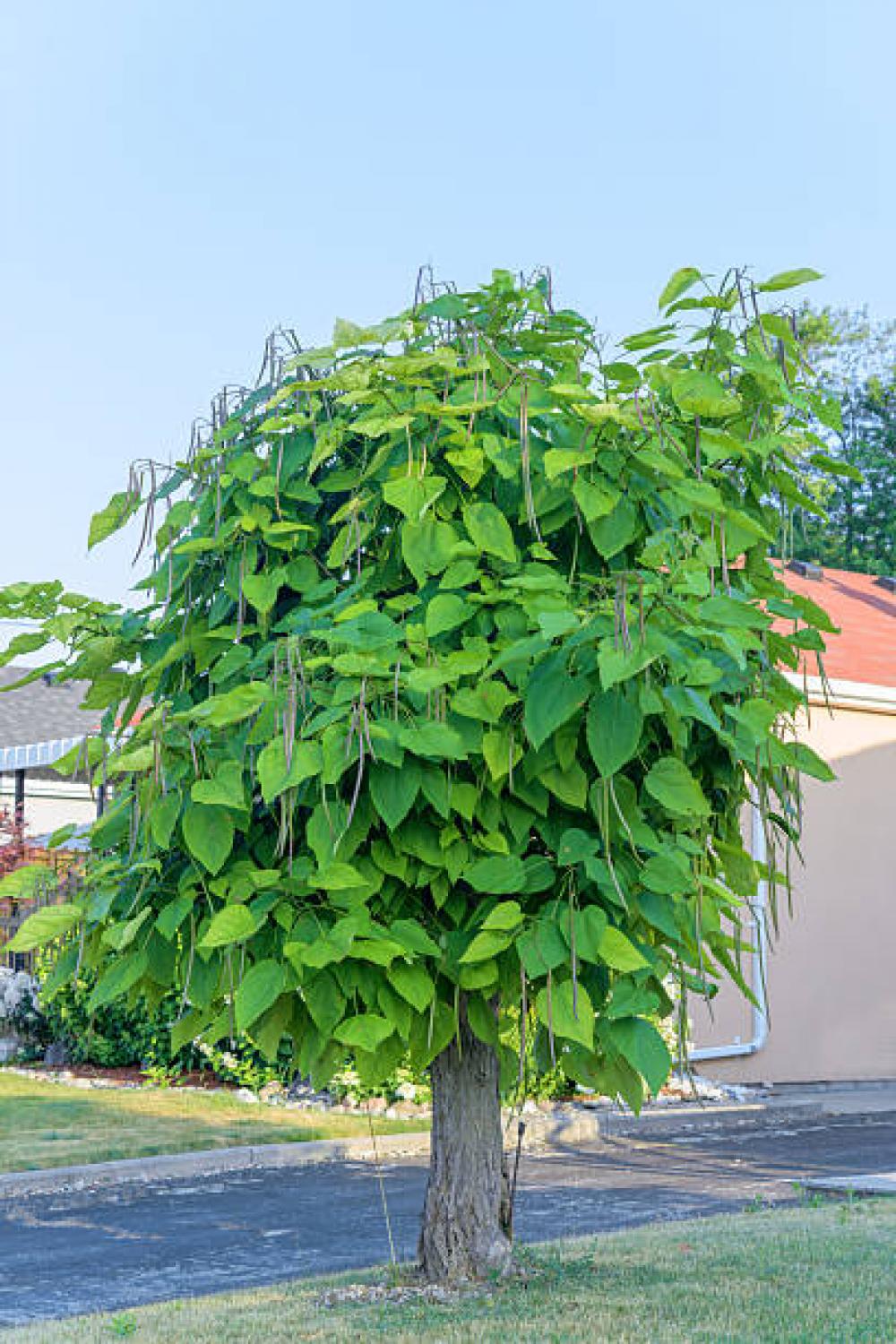
Catalpa
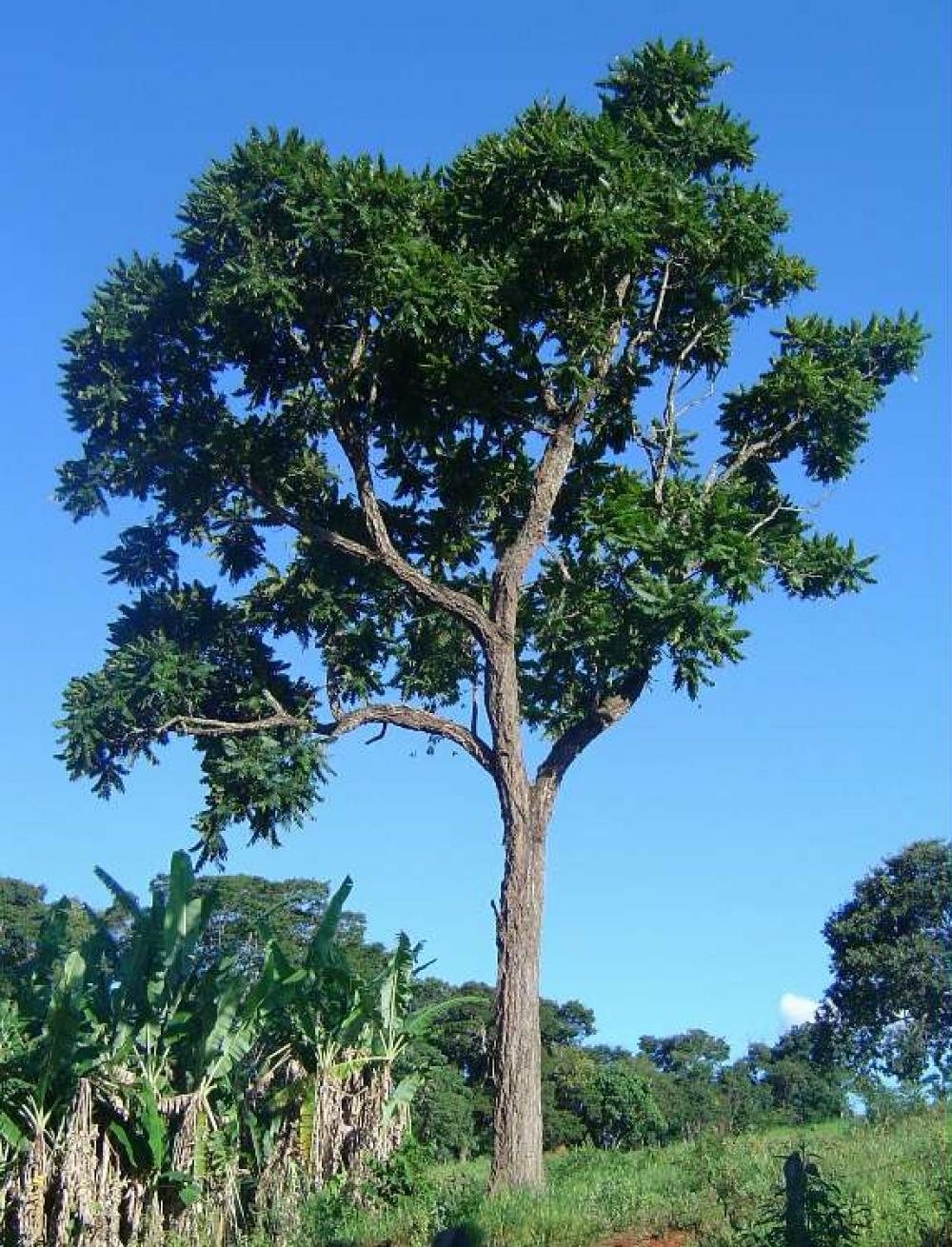
Pink cedar
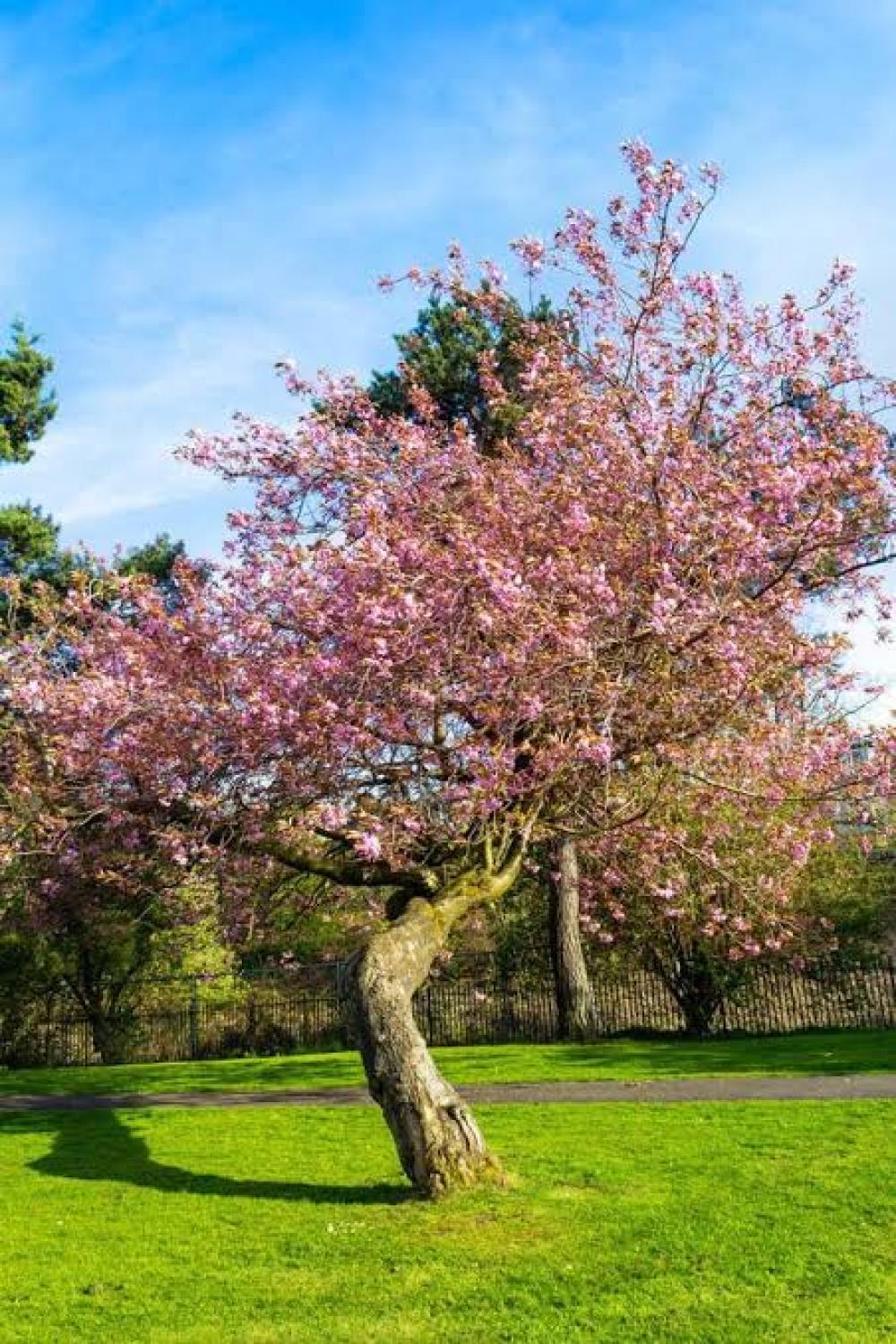
ornamental cherry tree
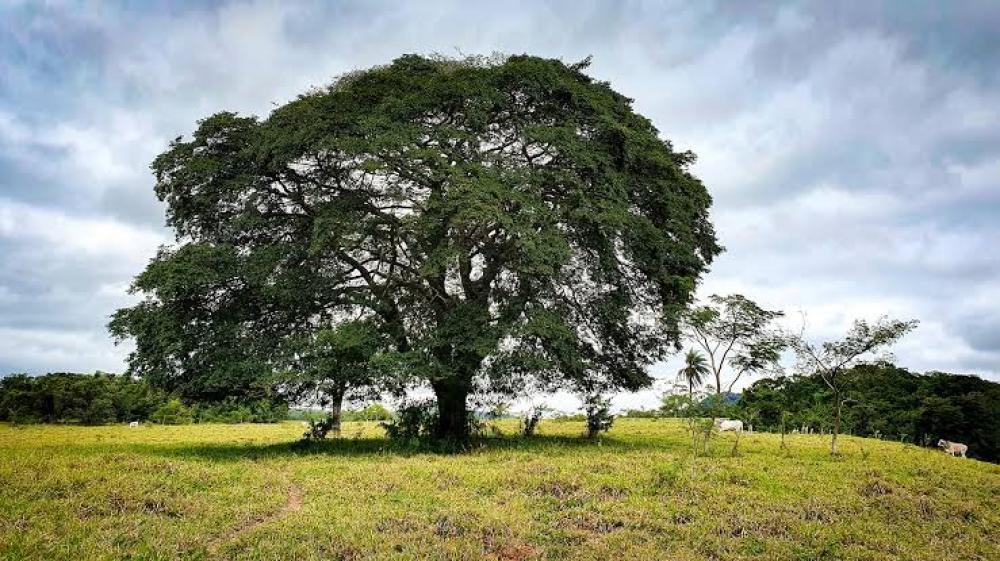
copaiba
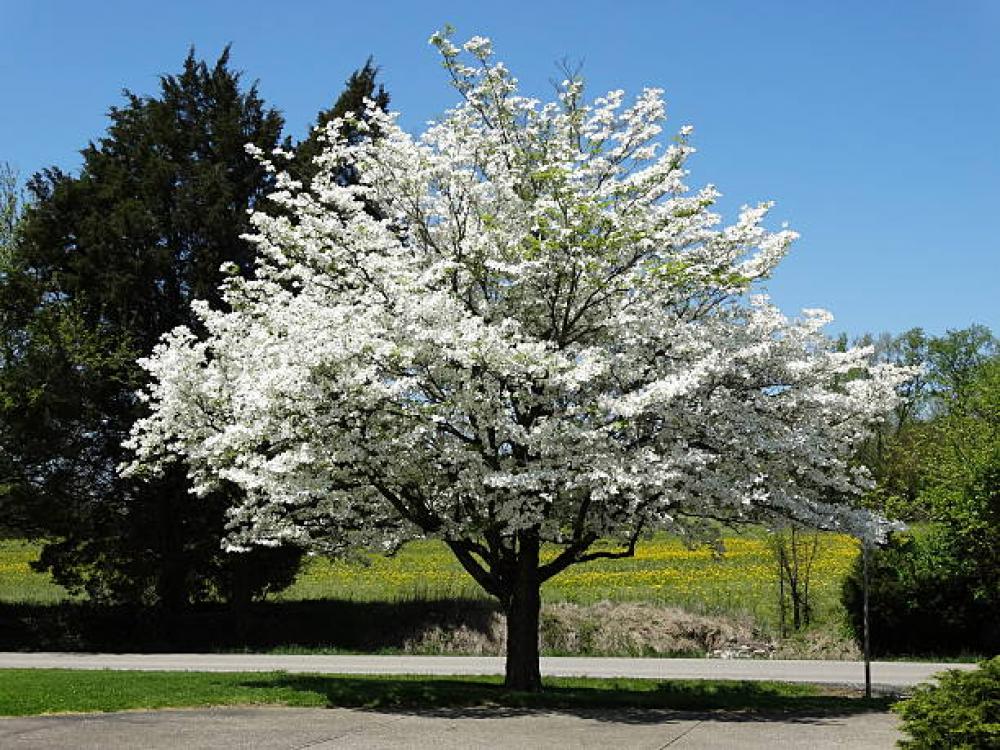
Trees of the genus Cornus
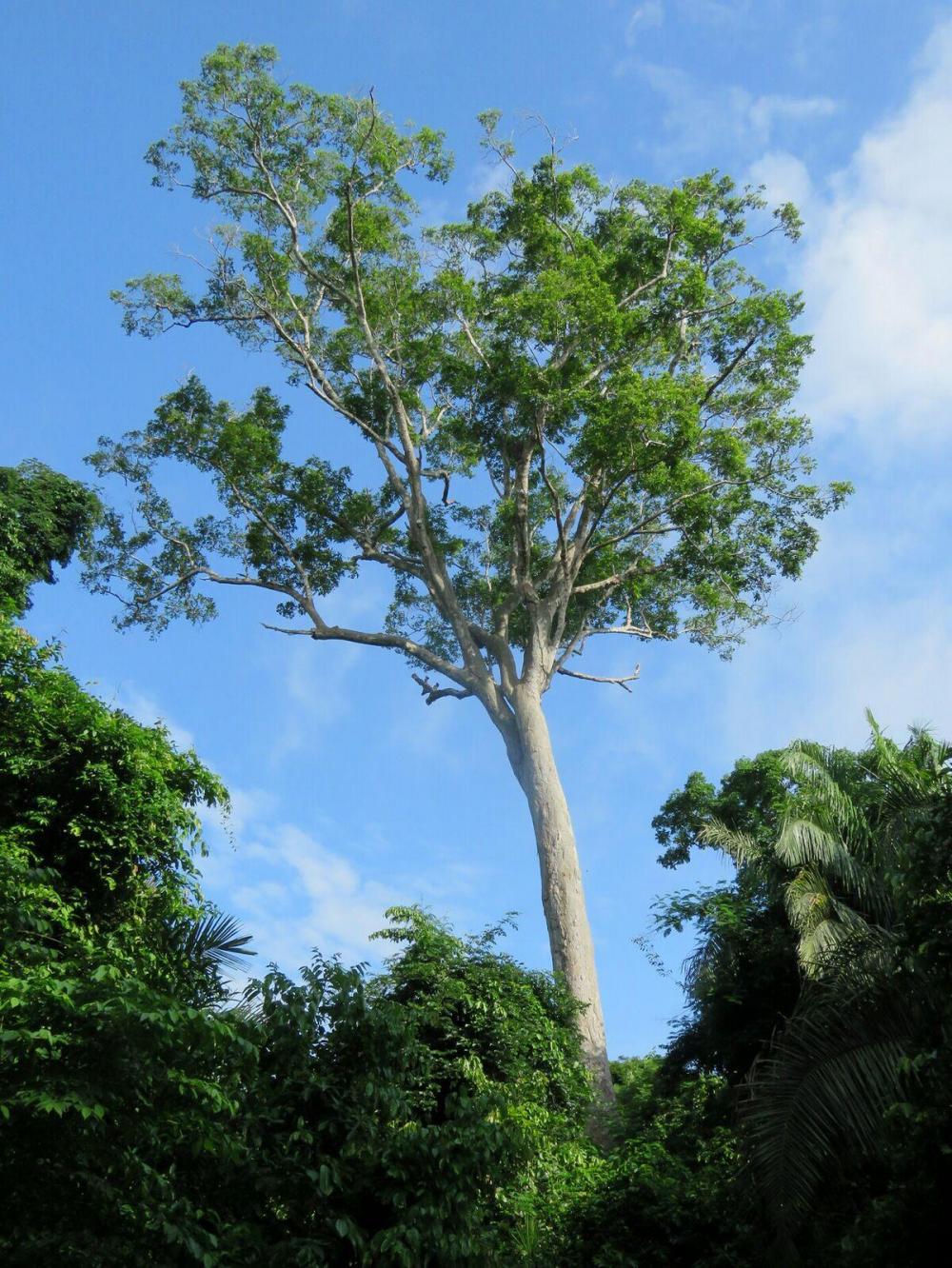
Cumaru
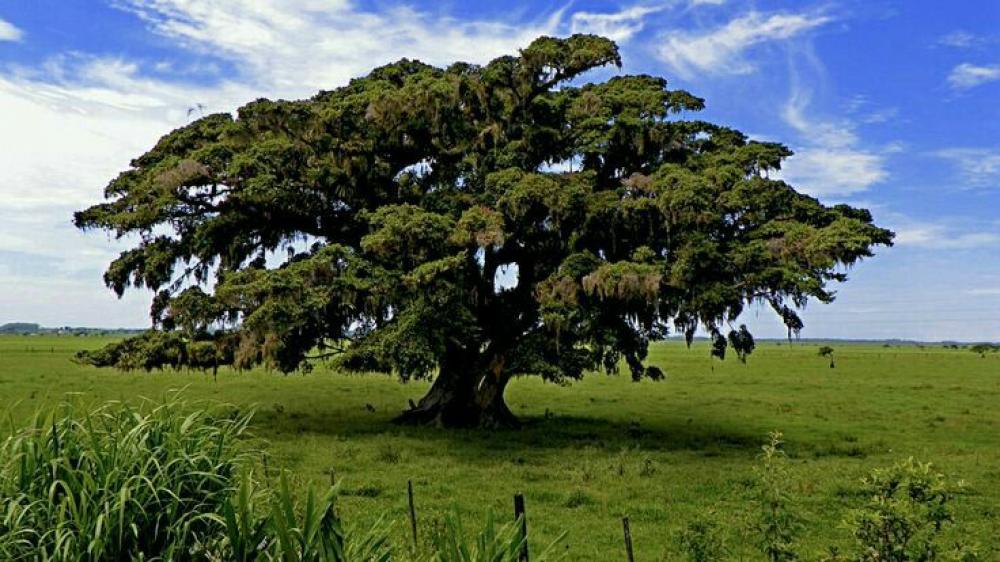
fig tree
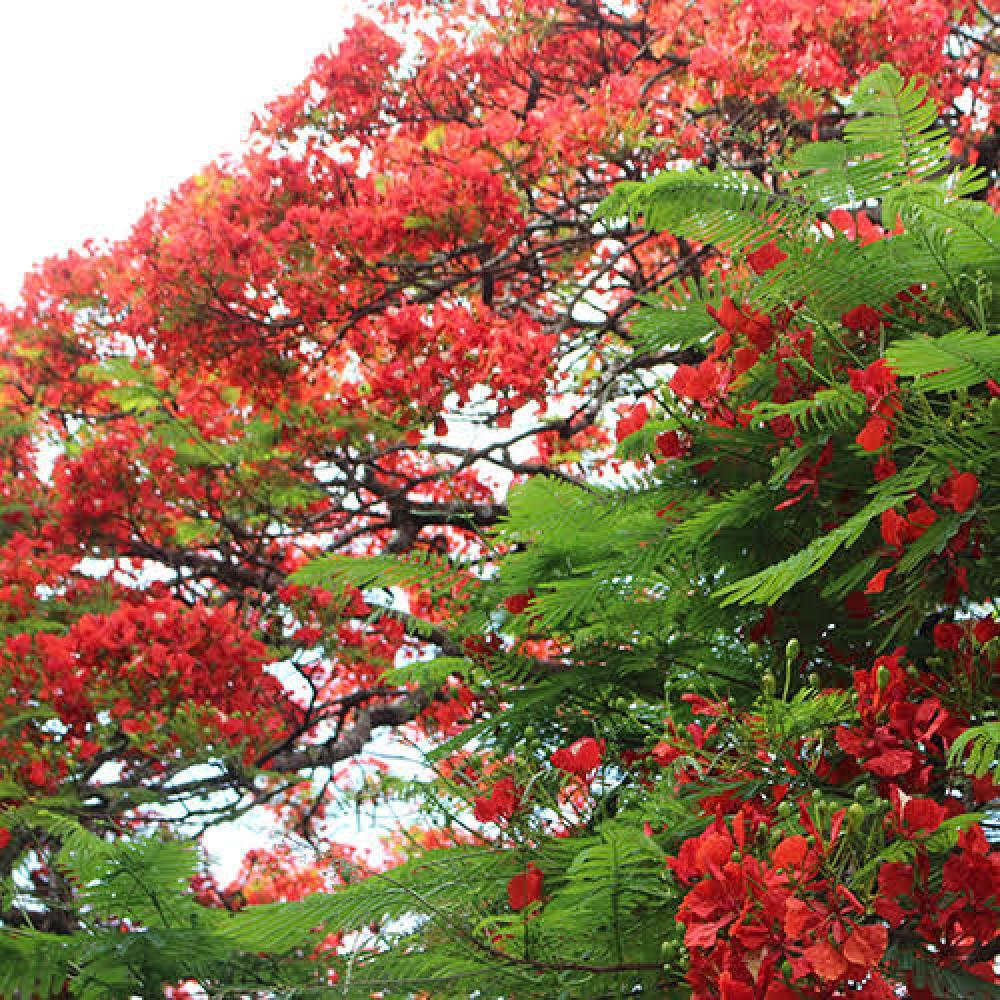
Flamboyant
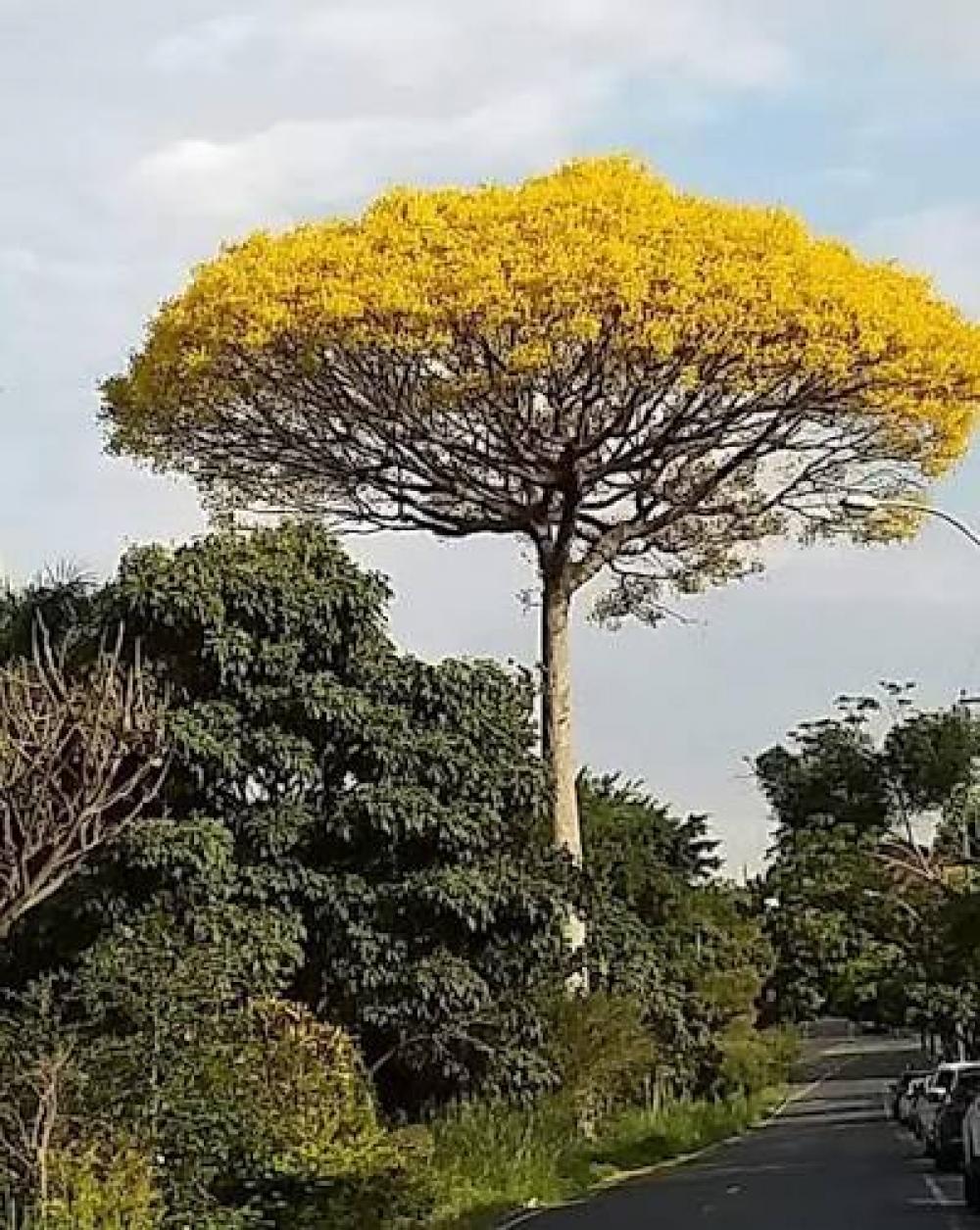
Guapuruvu
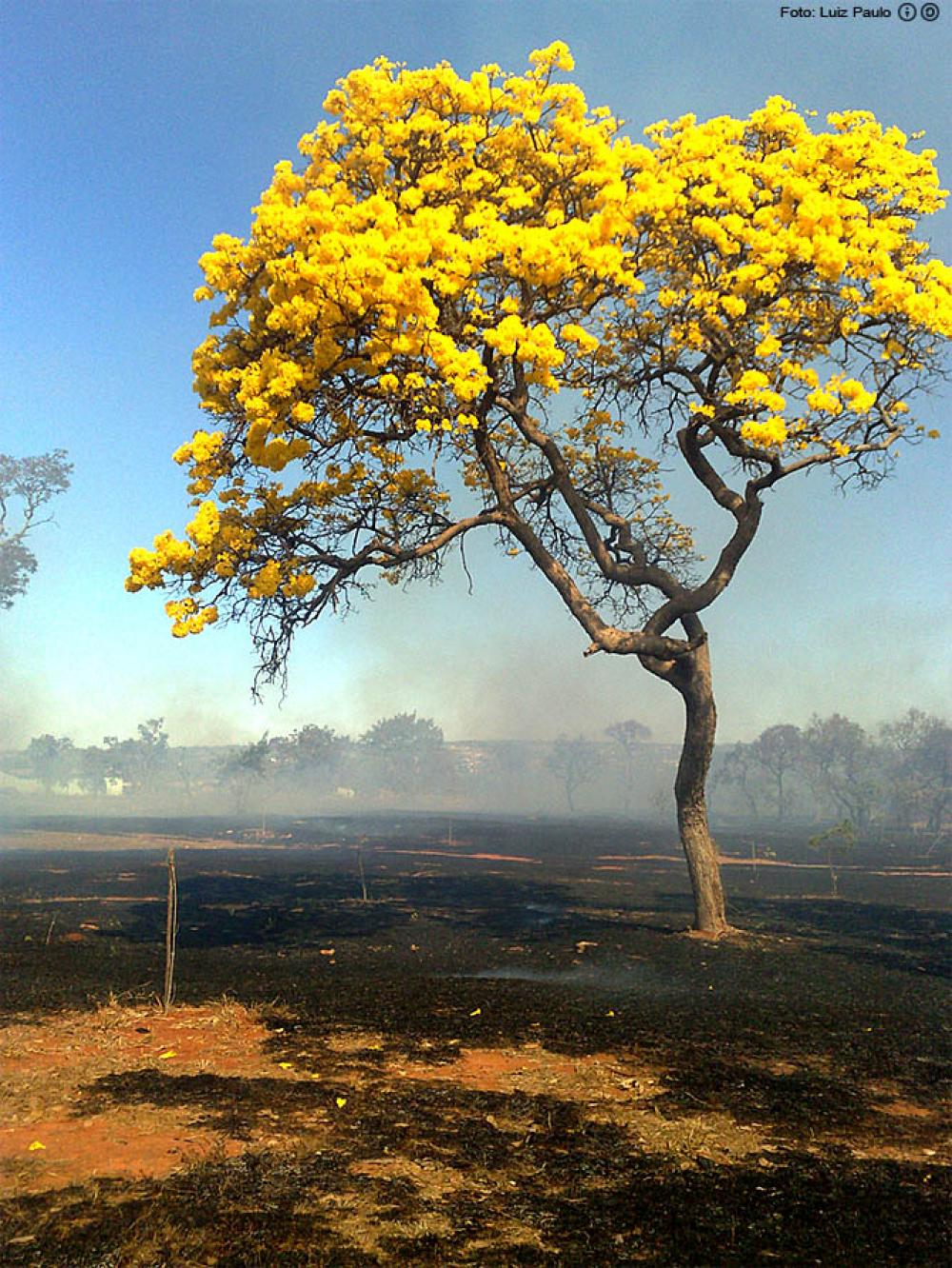
Yellow Ipê
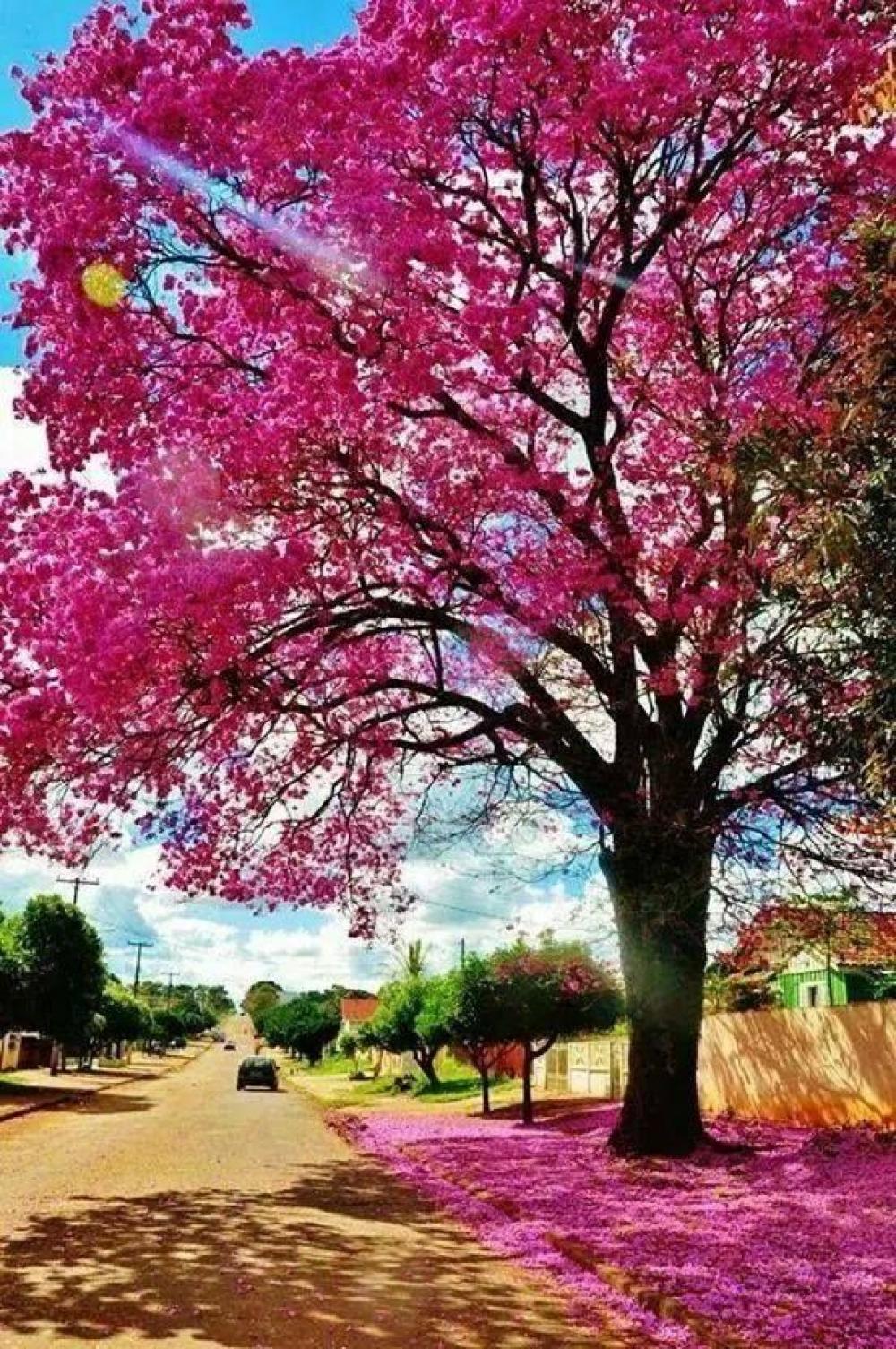
Purple Ipe
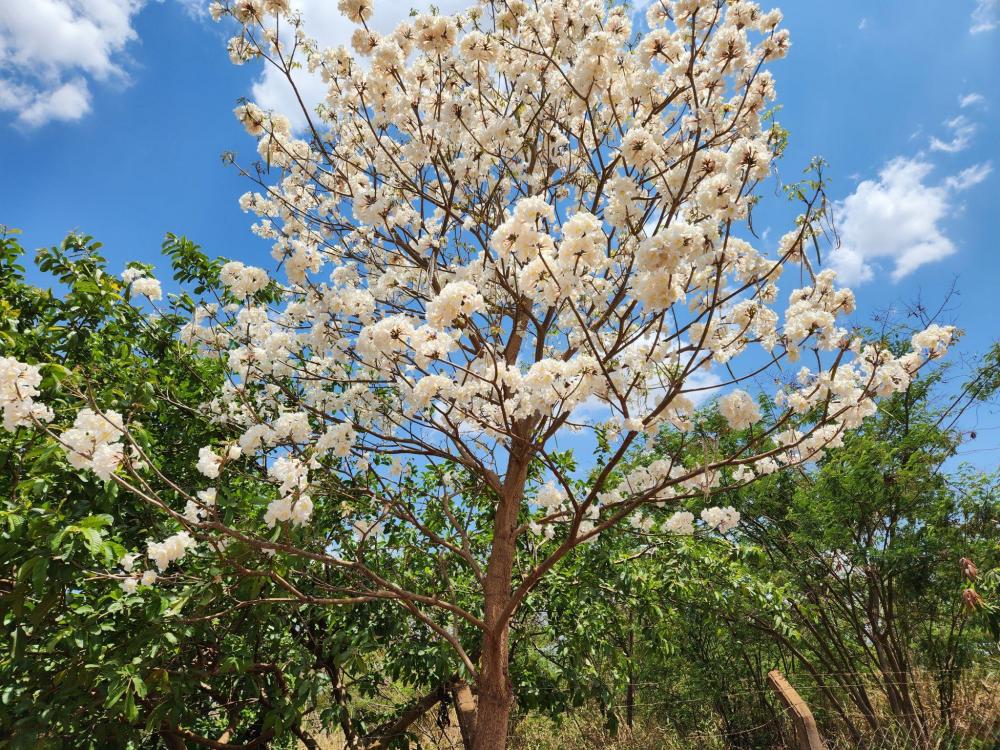
White Ipê
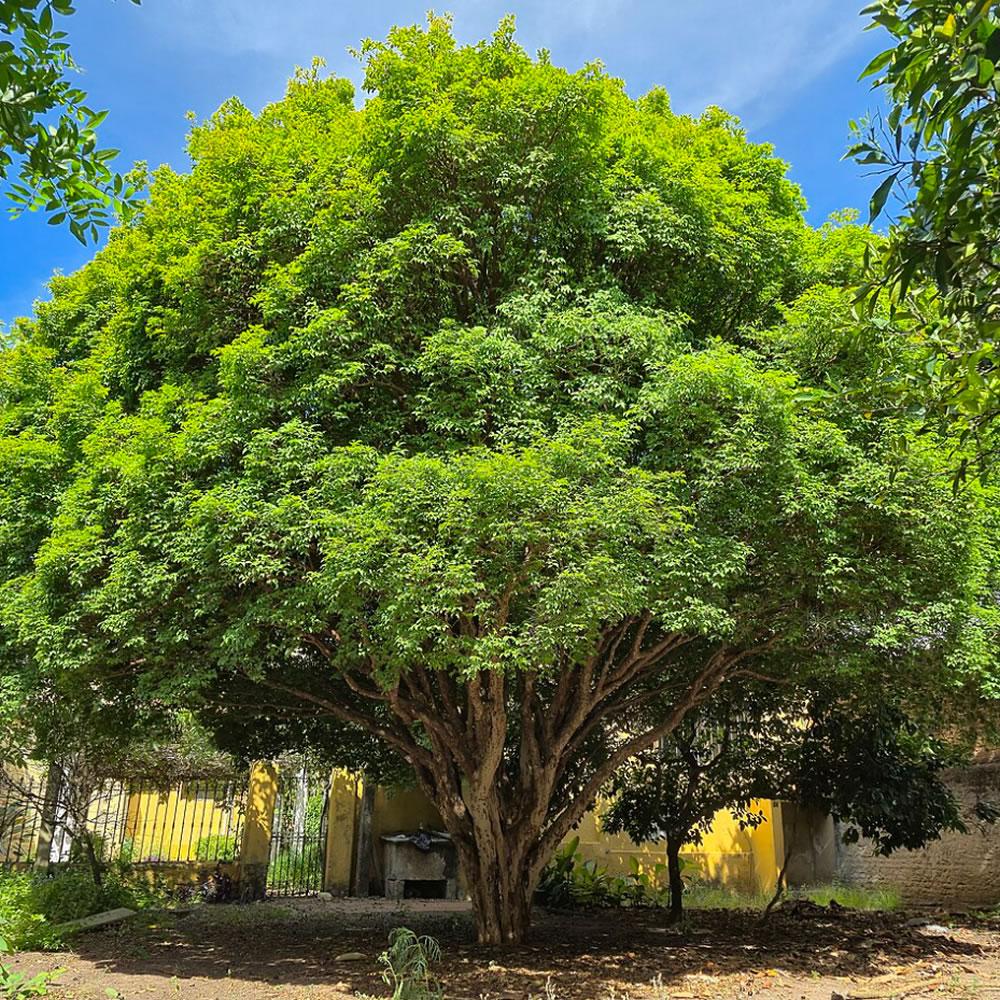
Jabuticaba
Blue jacaranda
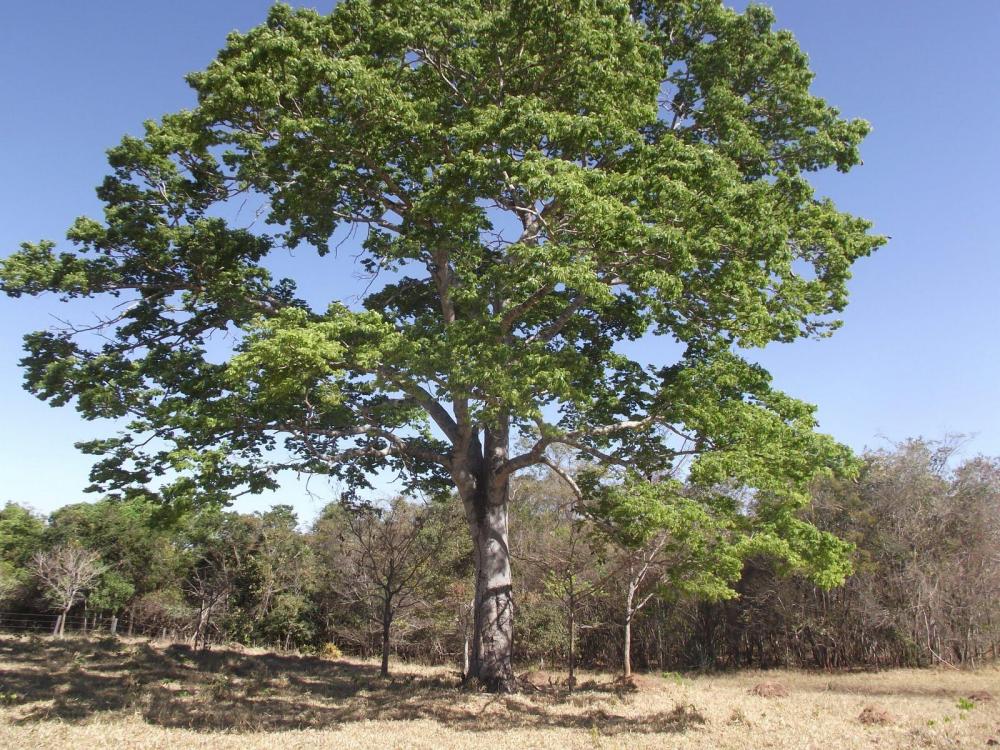
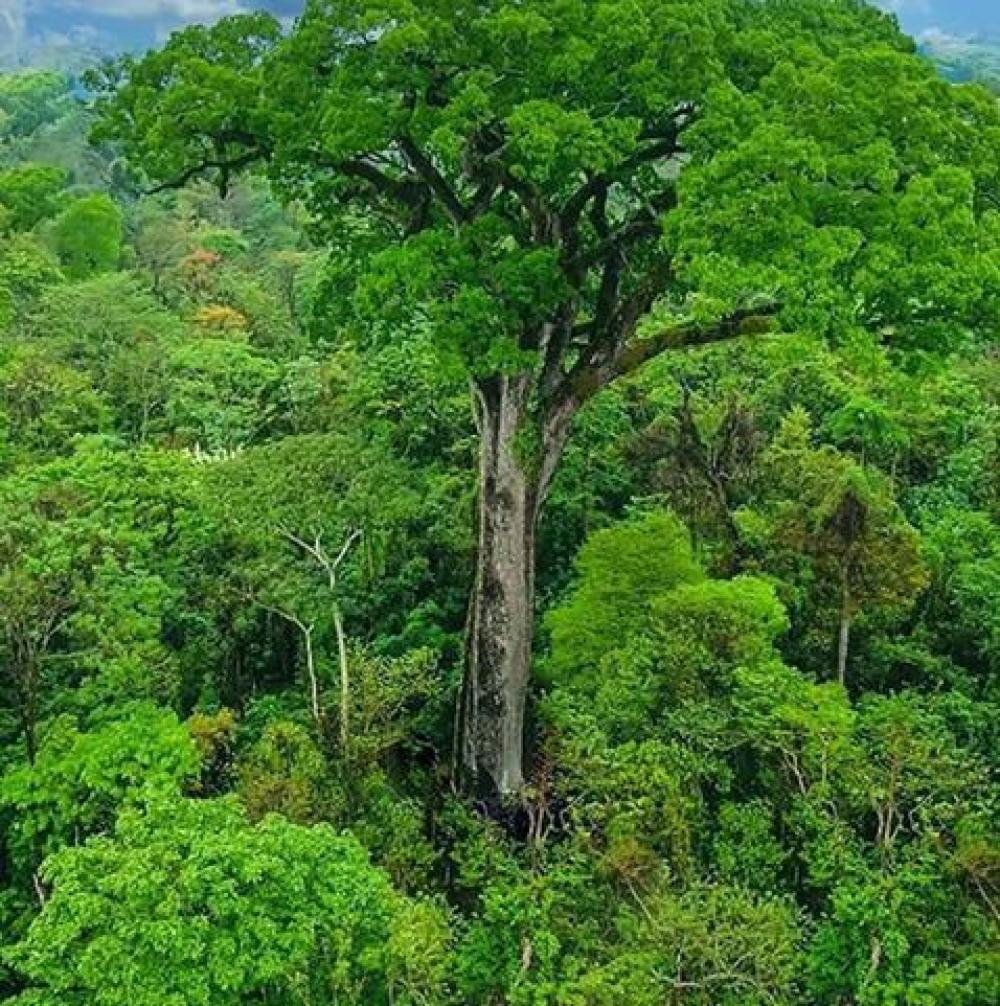
Pink Jequitibá (Cariniana legalis)
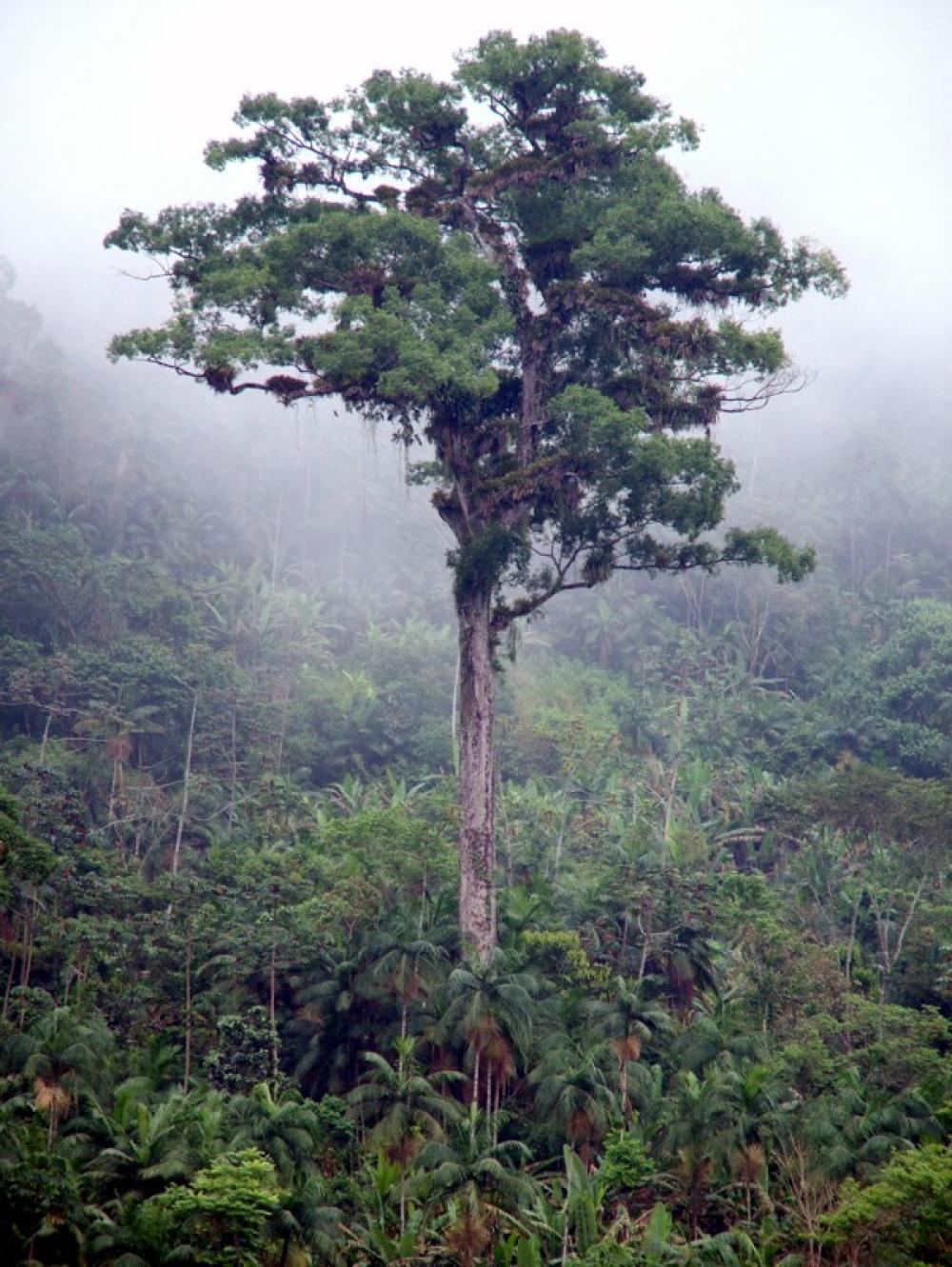
Pink Jequitibá
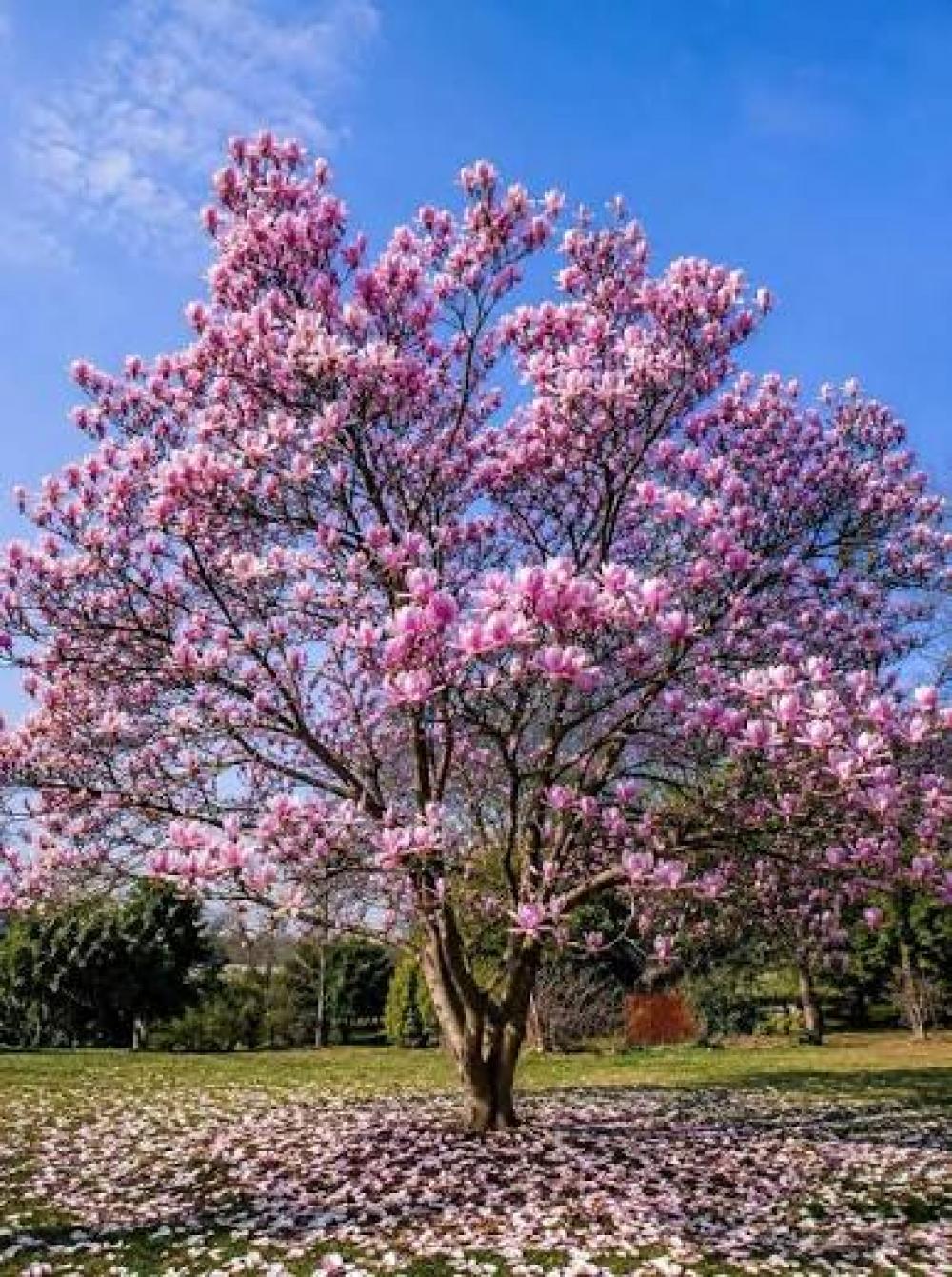
Magnolia
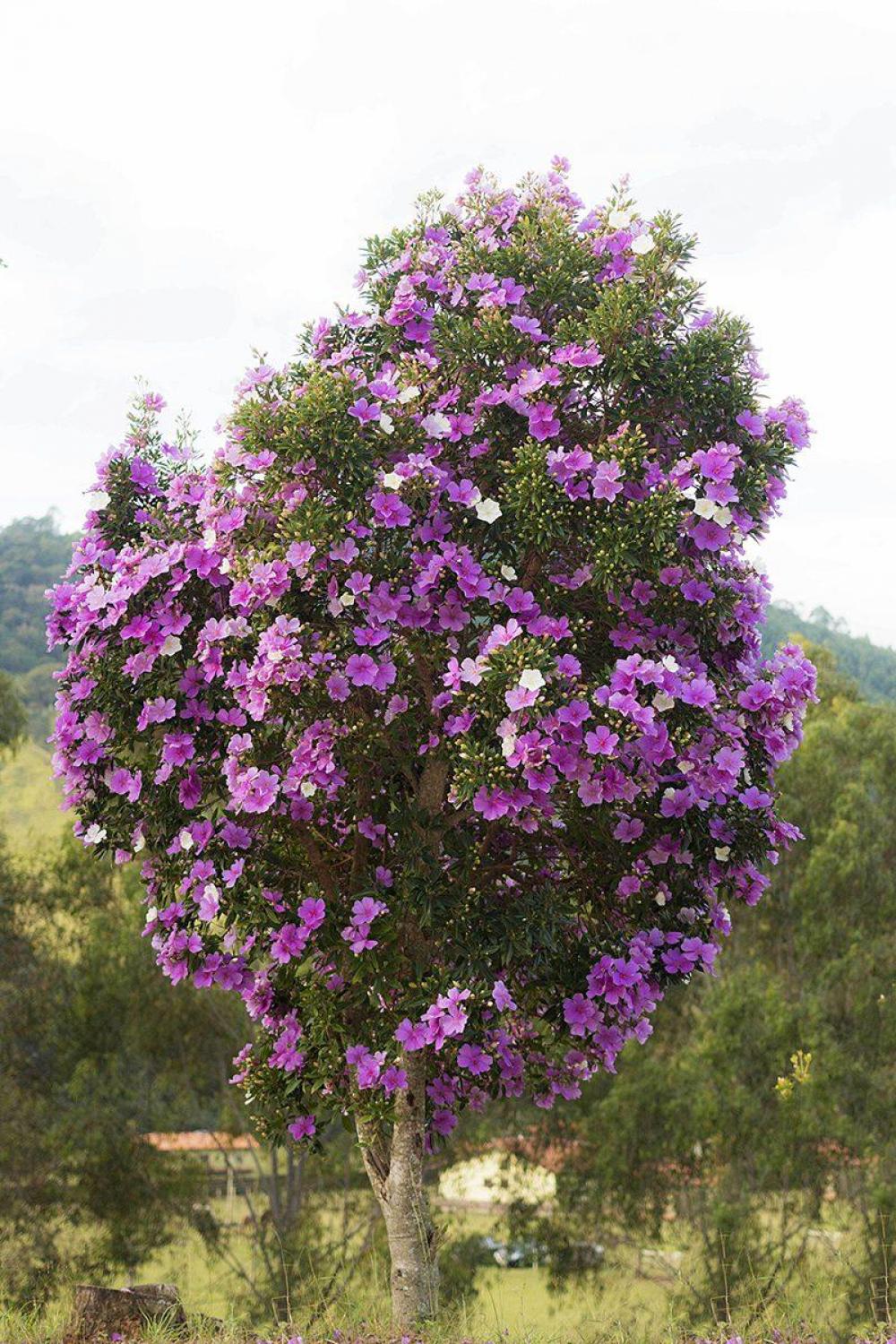
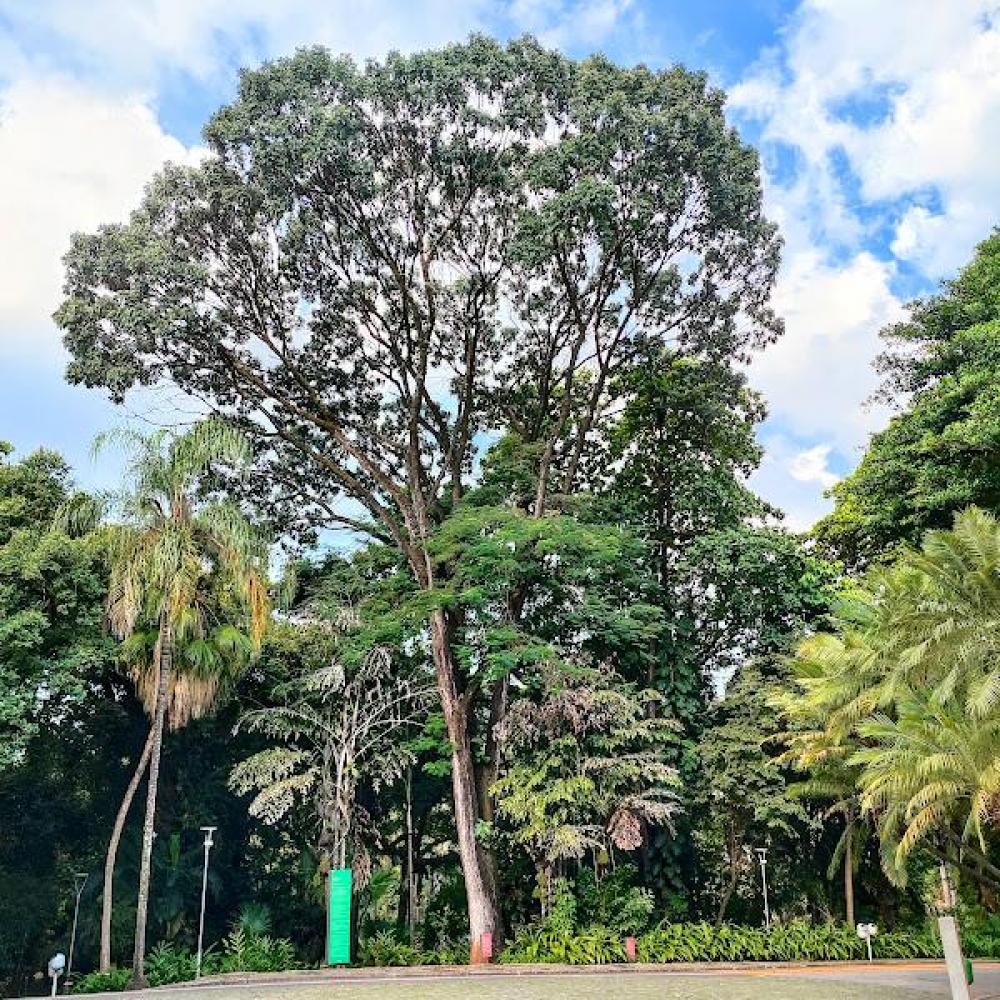
Brazilian Mahogany
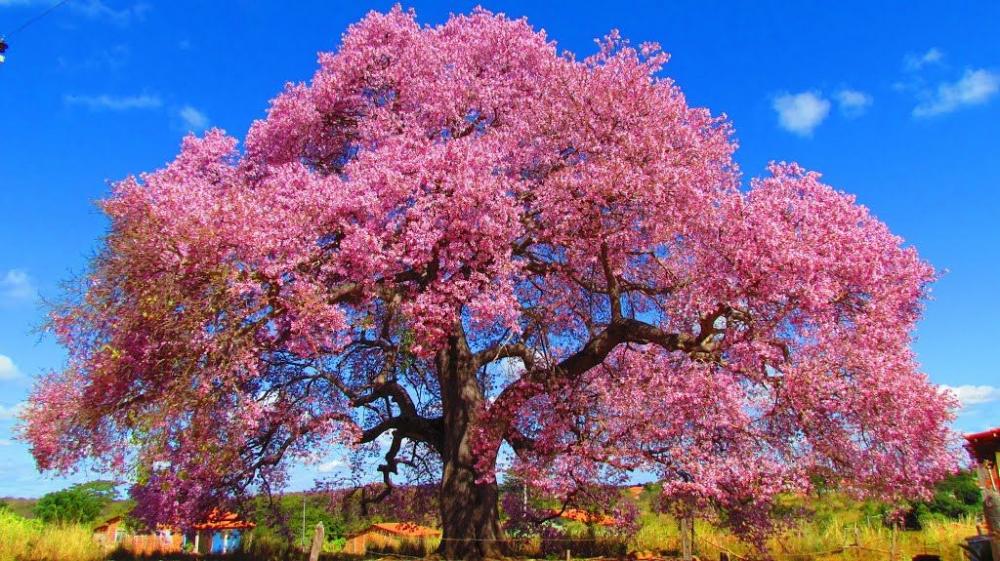
pink silk floss tree
Brazilwood
Pequi
Surinam cherry
Plane tree
Rubber tree
Sucupira
Linden