



Red Angelim
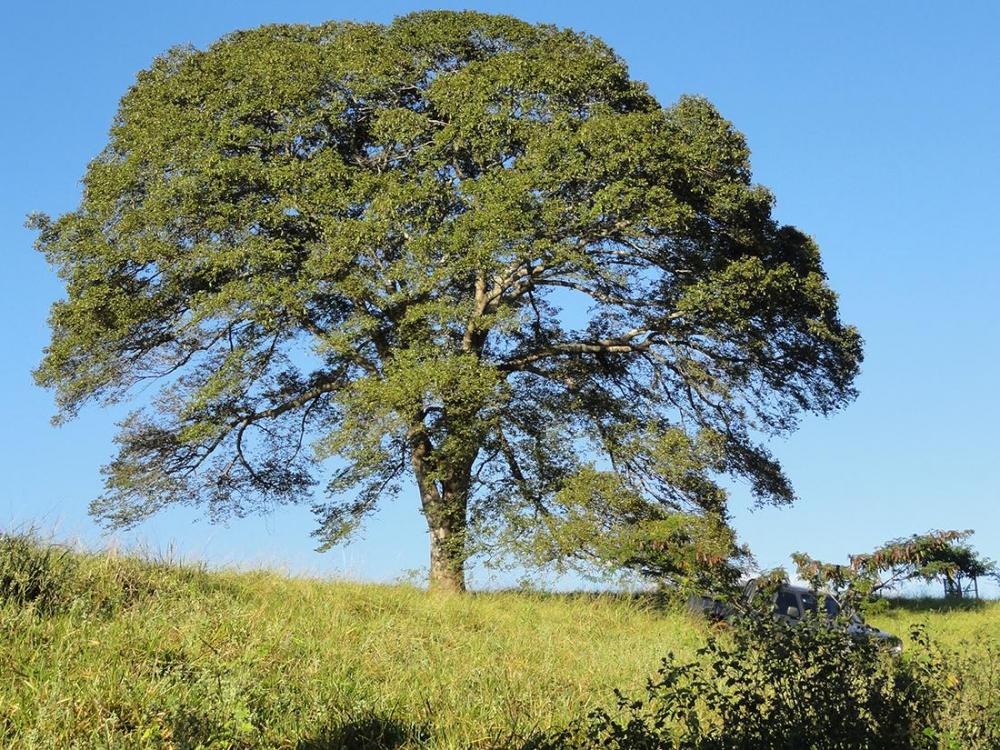
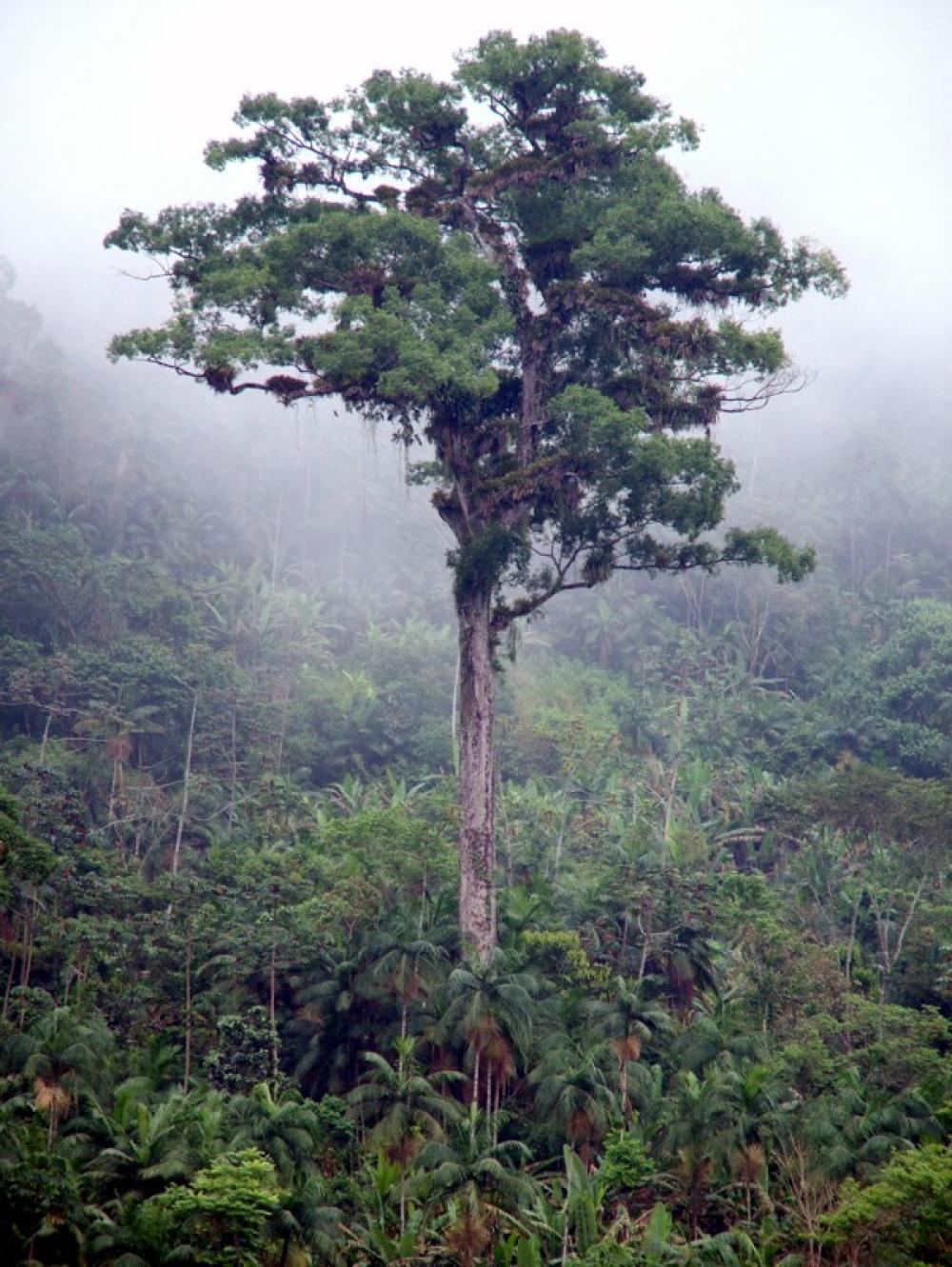
El *angelim-vermelho* (*Dinizia excelsa* Ducke), belonging to the Fabaceae family, is one of the largest trees in the Brazilian Amazon. It is an emerging species from dry land forests and can exceed 60 meters in height, presenting a straight and cylindrical trunk that can exceed 2 meters in diameter.
Its cut, reddish brown color, is one of its most distinctive characteristics. It comes off in large, irregular, woody plaques that often accumulate around the base of the trunk. The species has large and bipinnate leaves, while its small flowers —numerous and white to green in color— appear in inflorescences.
The *red angelim* plays an important ecological role in the forest. As an emerging tree with a large biomass, it contributes significantly to the structure and functioning of the Amazon jungle. Its flowering can occur in an intense and concentrated way, with pollination carried out by bees. Its fruits and seeds are dispersed mainly by the wind.
Its natural distribution is concentrated in the Amazon region, especially in the states of Acre, Amapá, Amazonas, Pará, Rondônia and Roraima, also extending to areas of Guayanas. The species is mainly associated with dry land forests and large arboreal areas.
The wood of *angelim-vermelho* is very heavy, hard, resistant and naturally durable; These characteristics have converted the species into an important wood of traditional use in civil and naval construction, as well as in the manufacture of bridges, posts, pillars, stakes, beams and other structures that require high resistance.
Majestic and resilient, the *angelim-red* symbolizes the strength and grandeur of the Amazon jungle. Their presence demonstrates the importance of preserving large native trees, which store carbon, sustain biodiversity and help maintain the balance of ecosystems for future generations.
Its cut, reddish brown color, is one of its most distinctive characteristics. It comes off in large, irregular, woody plaques that often accumulate around the base of the trunk. The species has large and bipinnate leaves, while its small flowers —numerous and white to green in color— appear in inflorescences.
The *red angelim* plays an important ecological role in the forest. As an emerging tree with a large biomass, it contributes significantly to the structure and functioning of the Amazon jungle. Its flowering can occur in an intense and concentrated way, with pollination carried out by bees. Its fruits and seeds are dispersed mainly by the wind.
Its natural distribution is concentrated in the Amazon region, especially in the states of Acre, Amapá, Amazonas, Pará, Rondônia and Roraima, also extending to areas of Guayanas. The species is mainly associated with dry land forests and large arboreal areas.
The wood of *angelim-vermelho* is very heavy, hard, resistant and naturally durable; These characteristics have converted the species into an important wood of traditional use in civil and naval construction, as well as in the manufacture of bridges, posts, pillars, stakes, beams and other structures that require high resistance.
Majestic and resilient, the *angelim-red* symbolizes the strength and grandeur of the Amazon jungle. Their presence demonstrates the importance of preserving large native trees, which store carbon, sustain biodiversity and help maintain the balance of ecosystems for future generations.
Tree Catalog
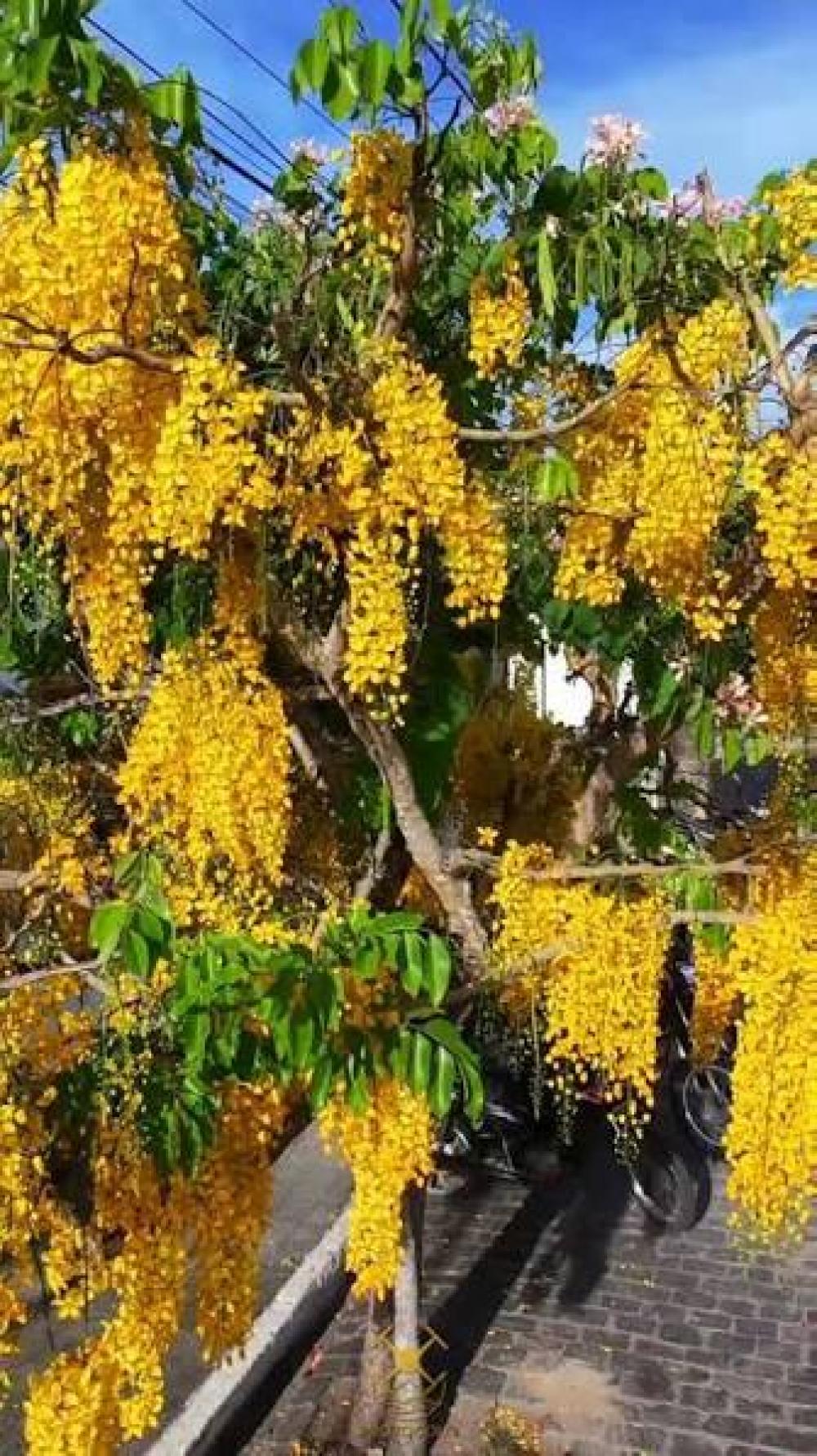
Imperial acacia
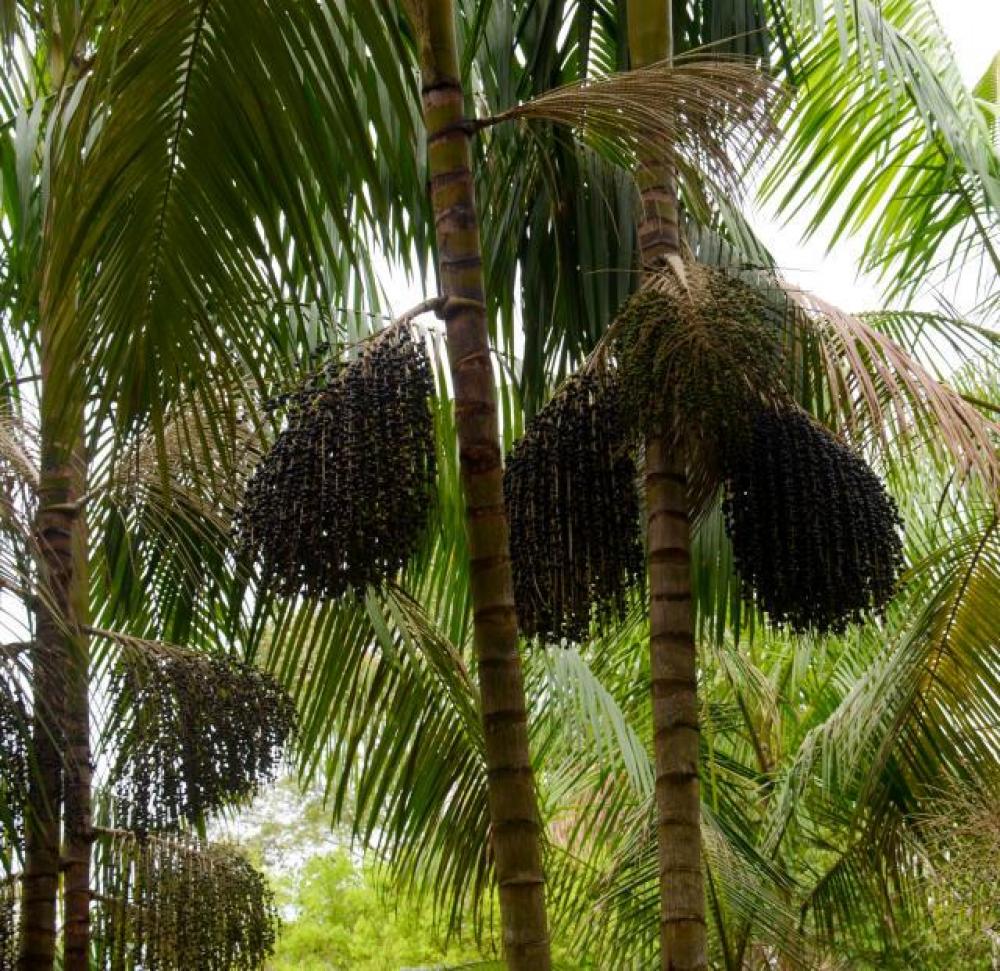
Açaí (Euterpe oleracea)
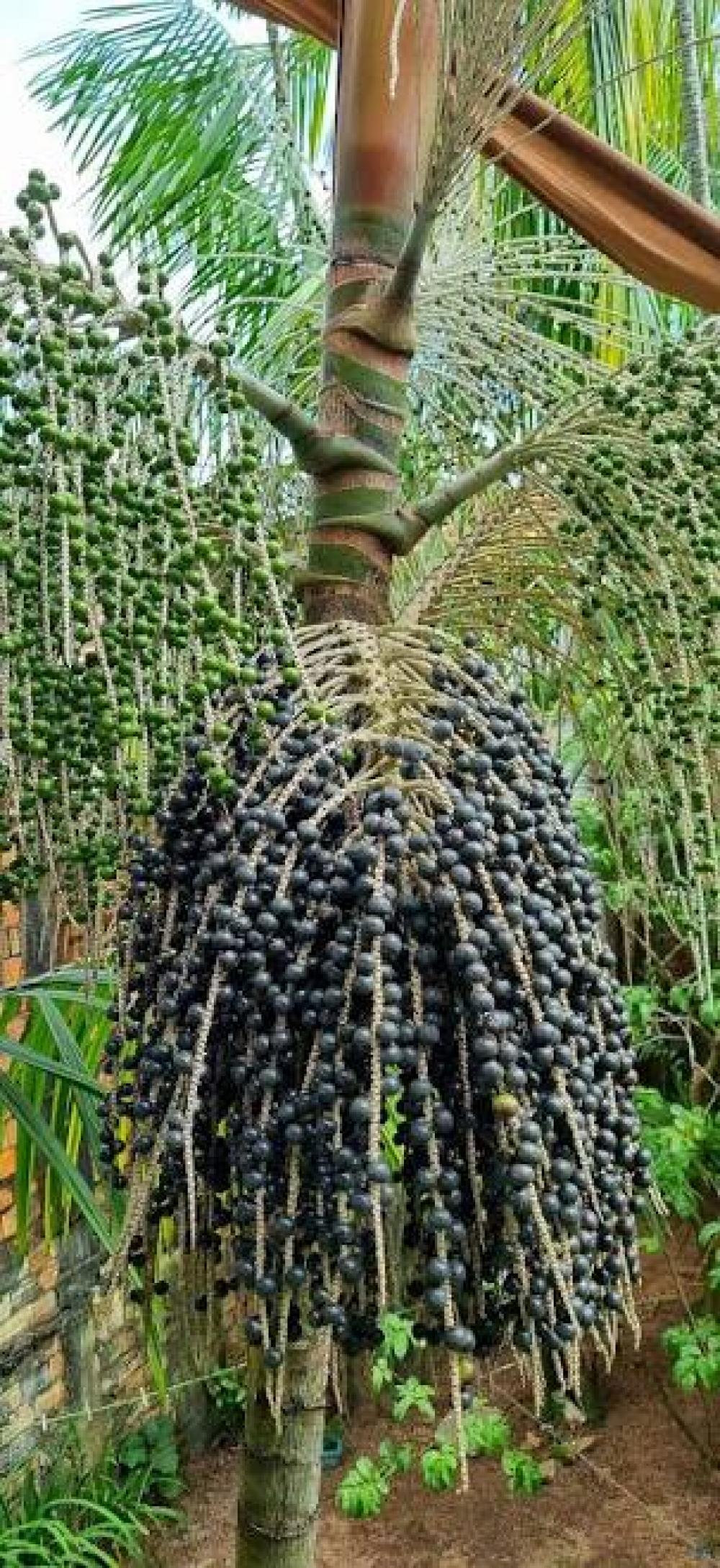
Açaí palm
Red Angelim
White Angico
Araucaria, the Paraná pine
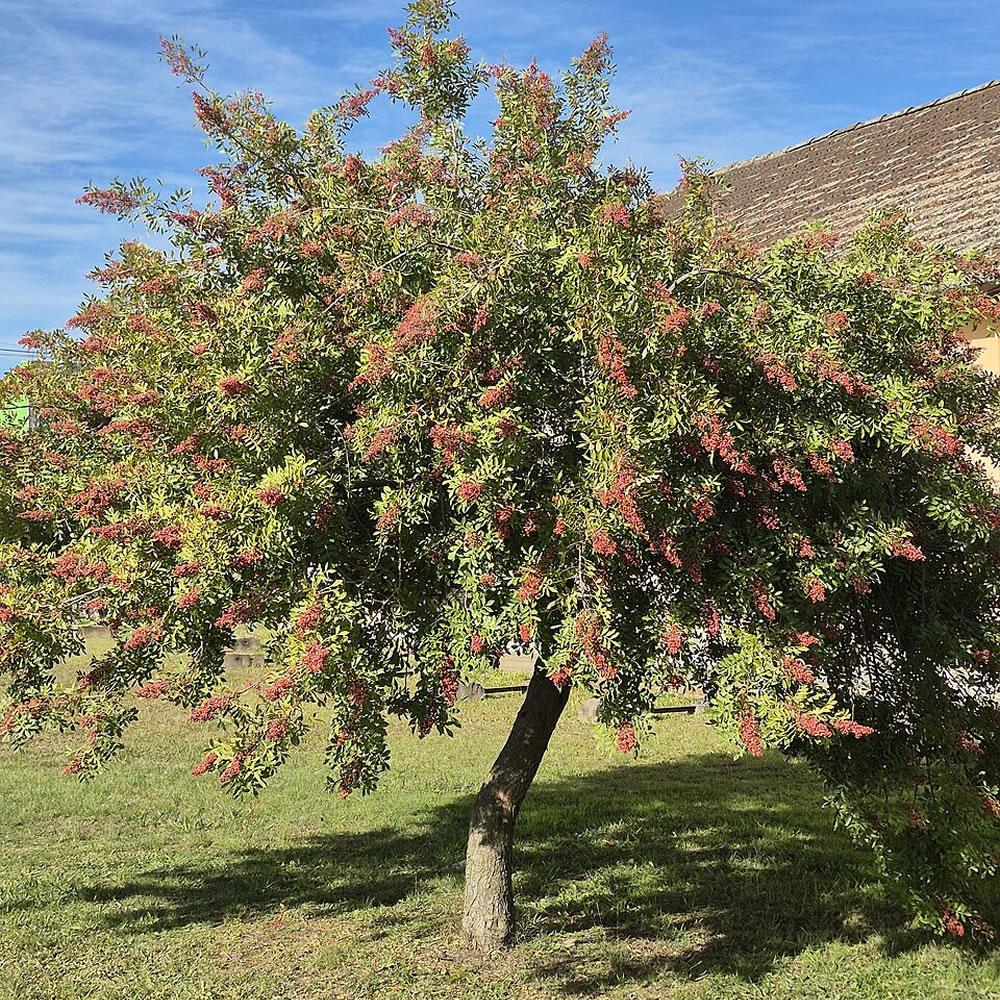
Brazilian peppertree
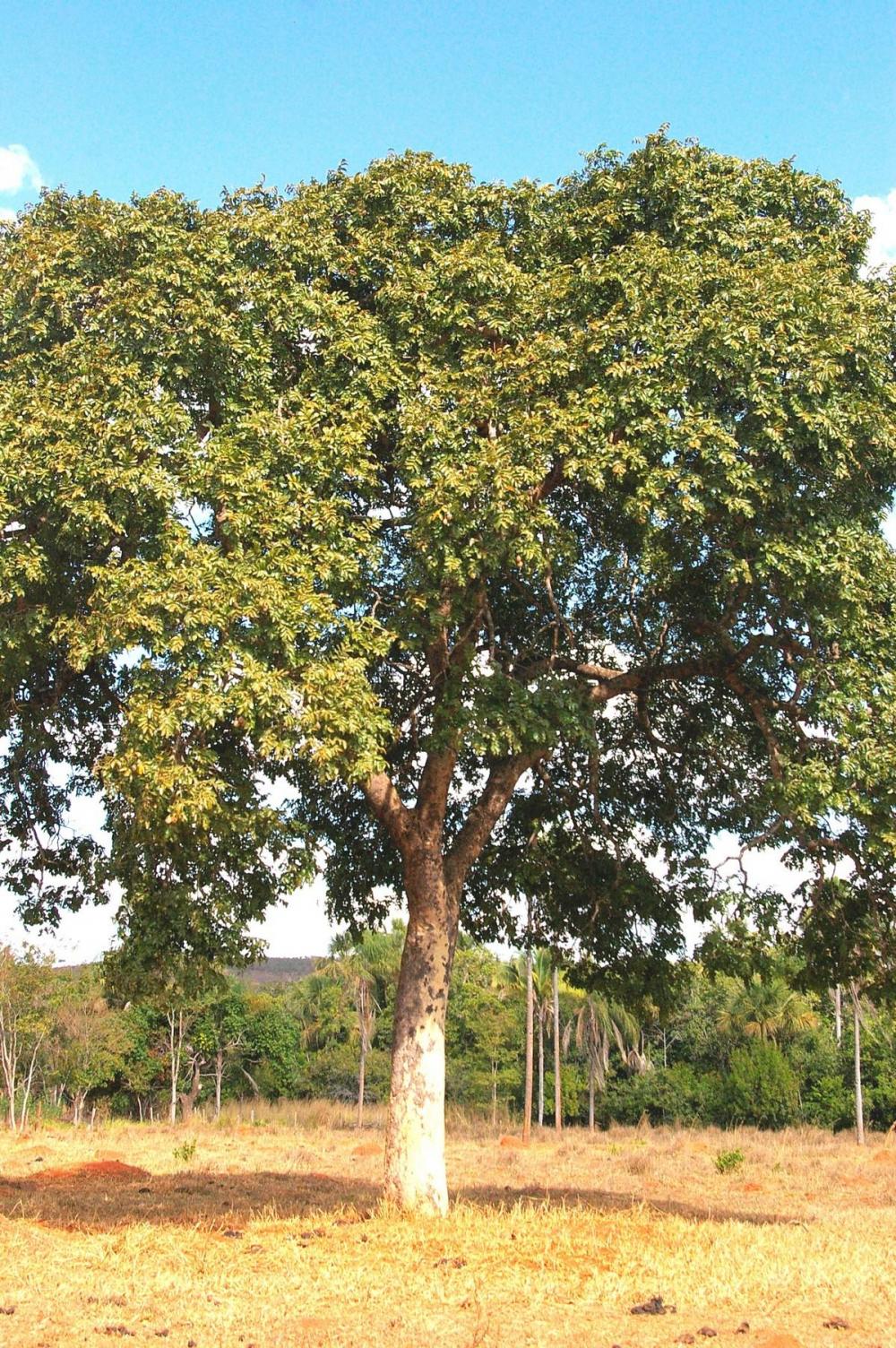
Baru
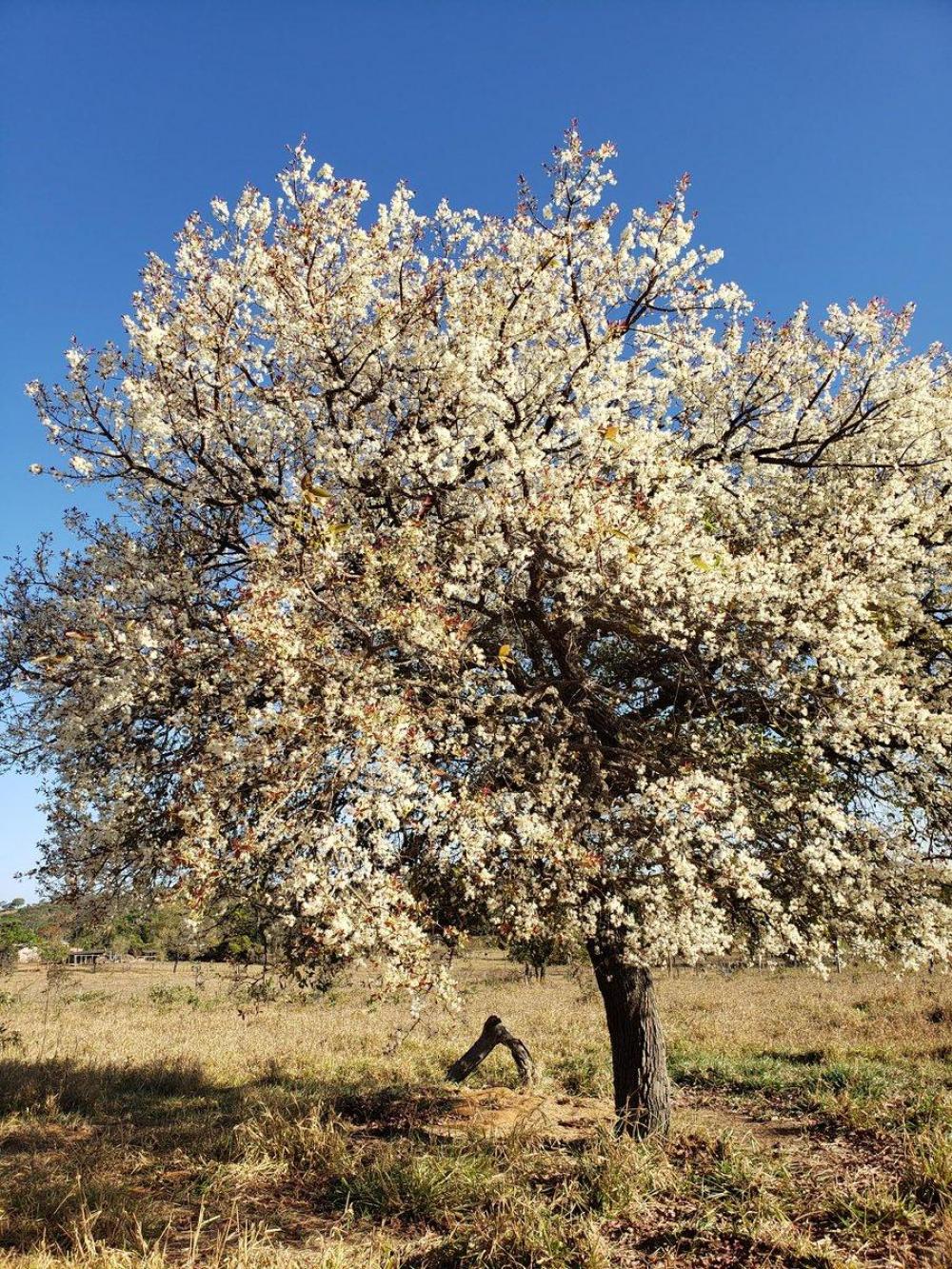
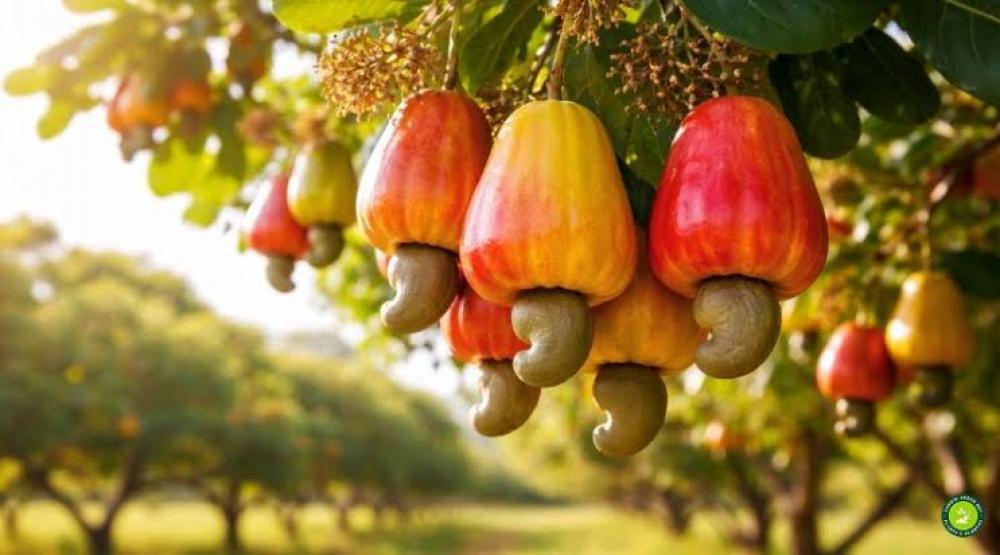
cashew tree
Black Cinnamon
Oak tree
nuez de Brasil
Brazil nut tree
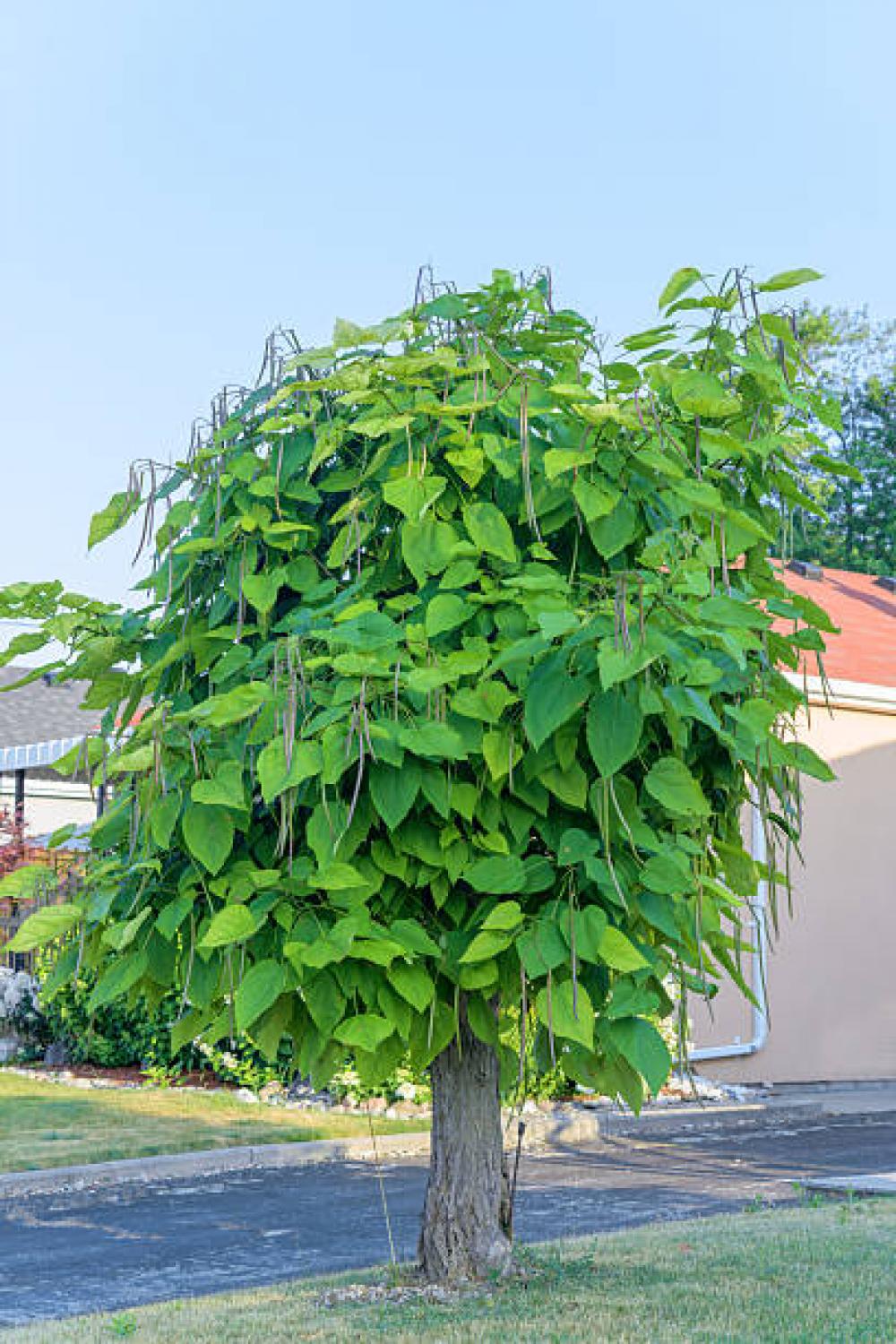
Catalpa
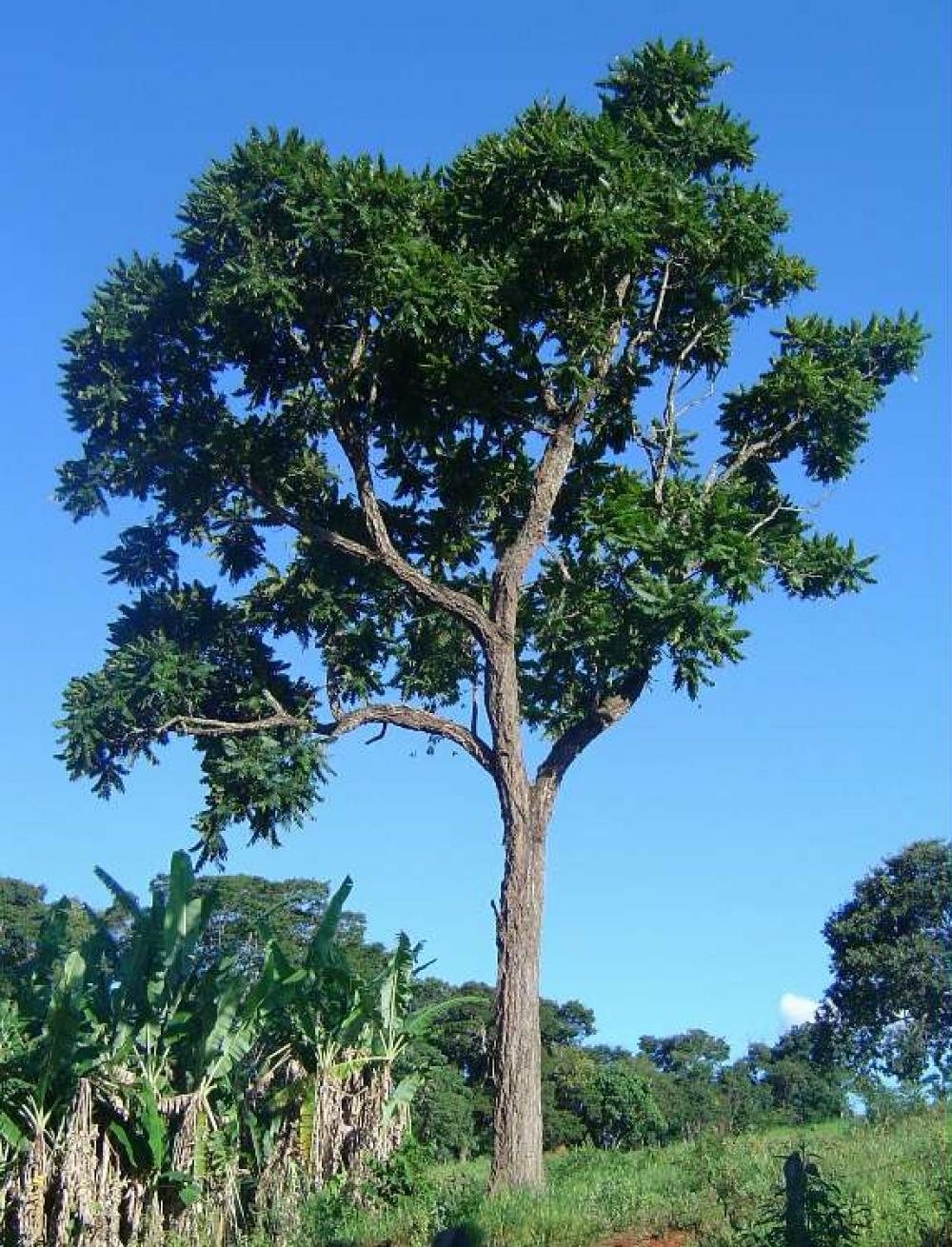
Pink cedar
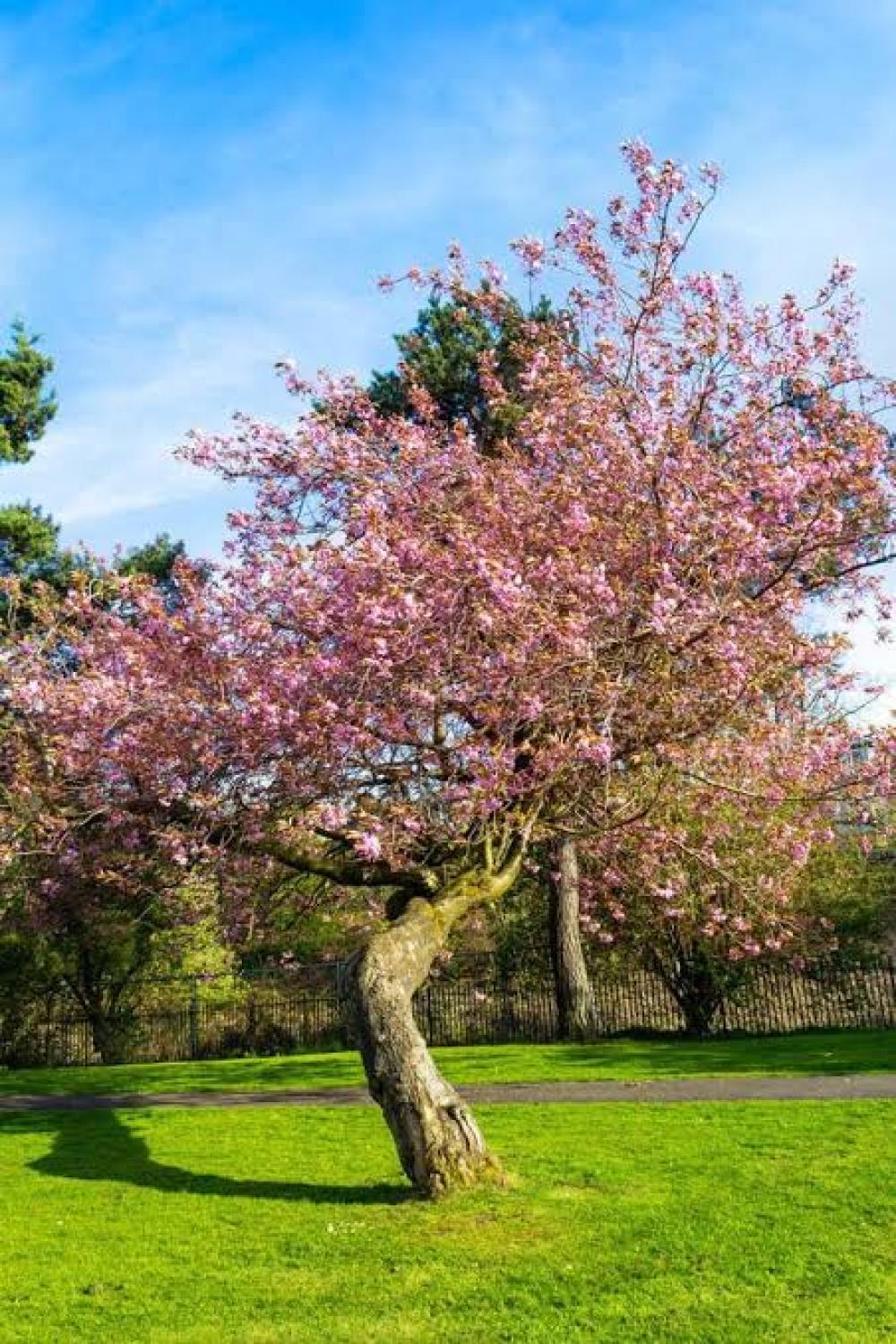
ornamental cherry tree
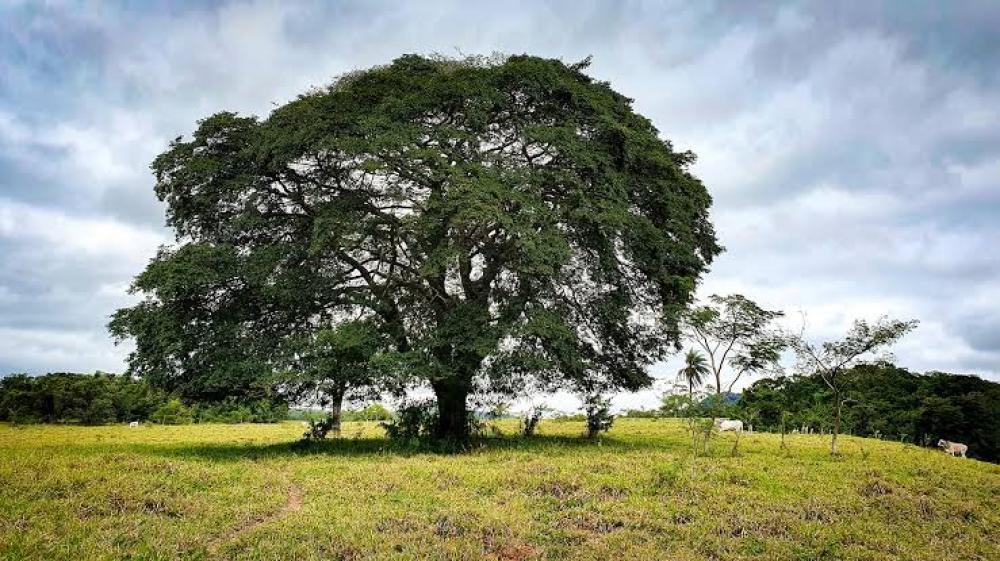
copaiba
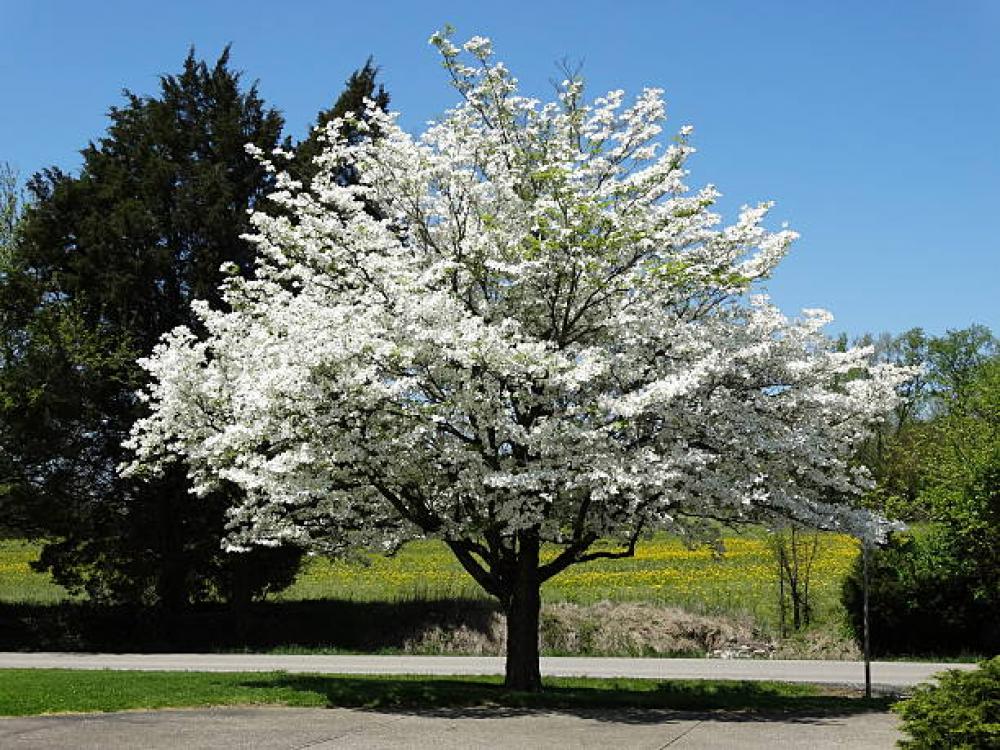
Trees of the genus Cornus
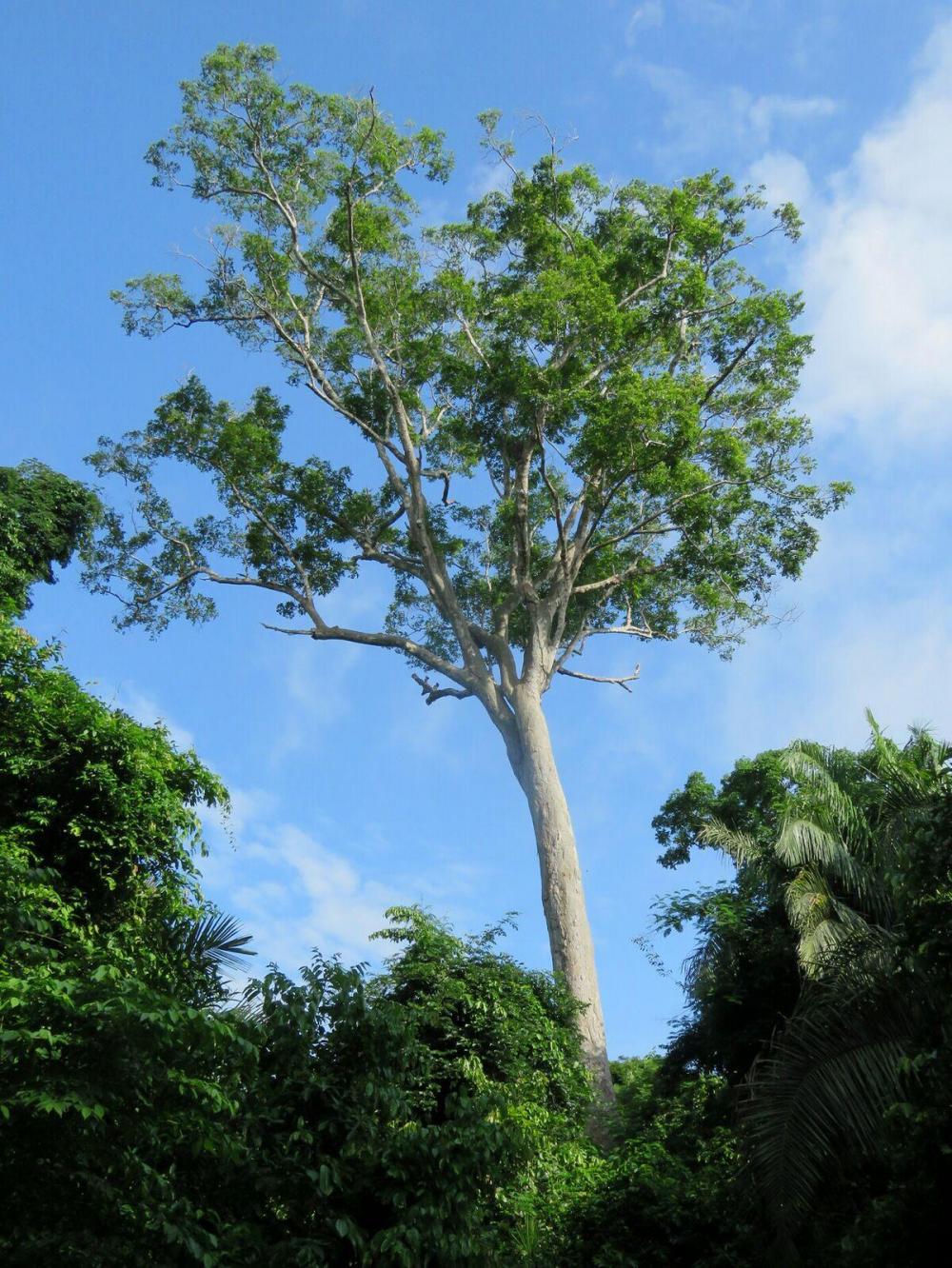
Cumaru
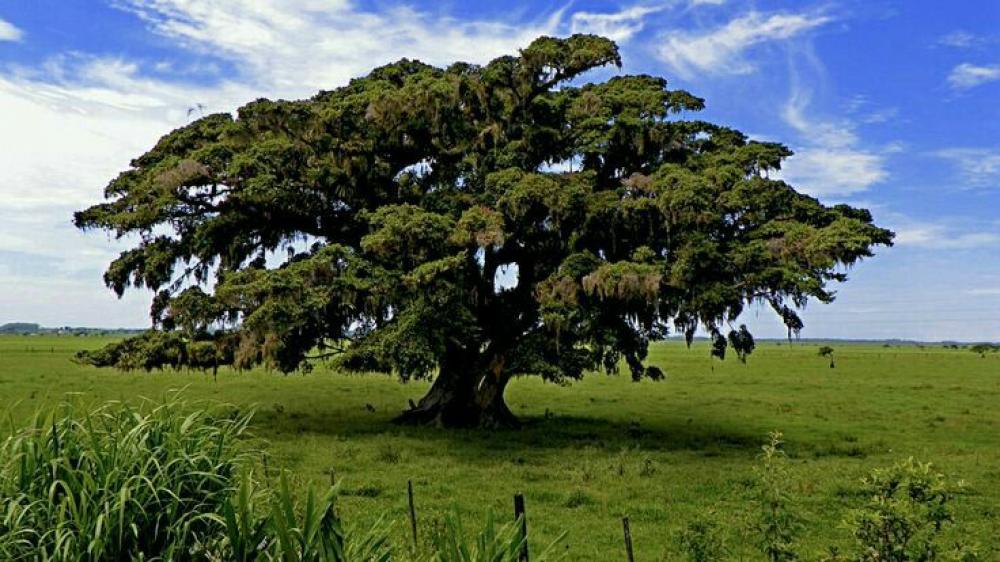
fig tree
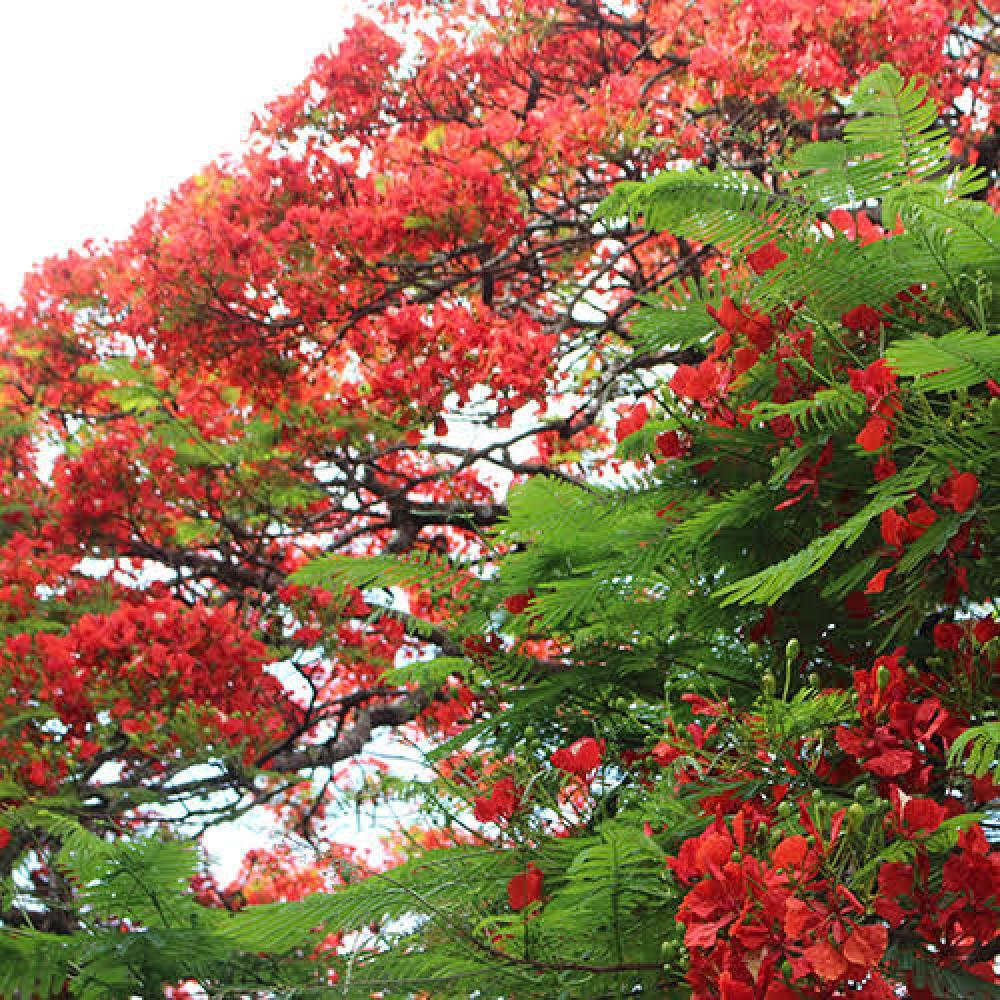
Flamboyant
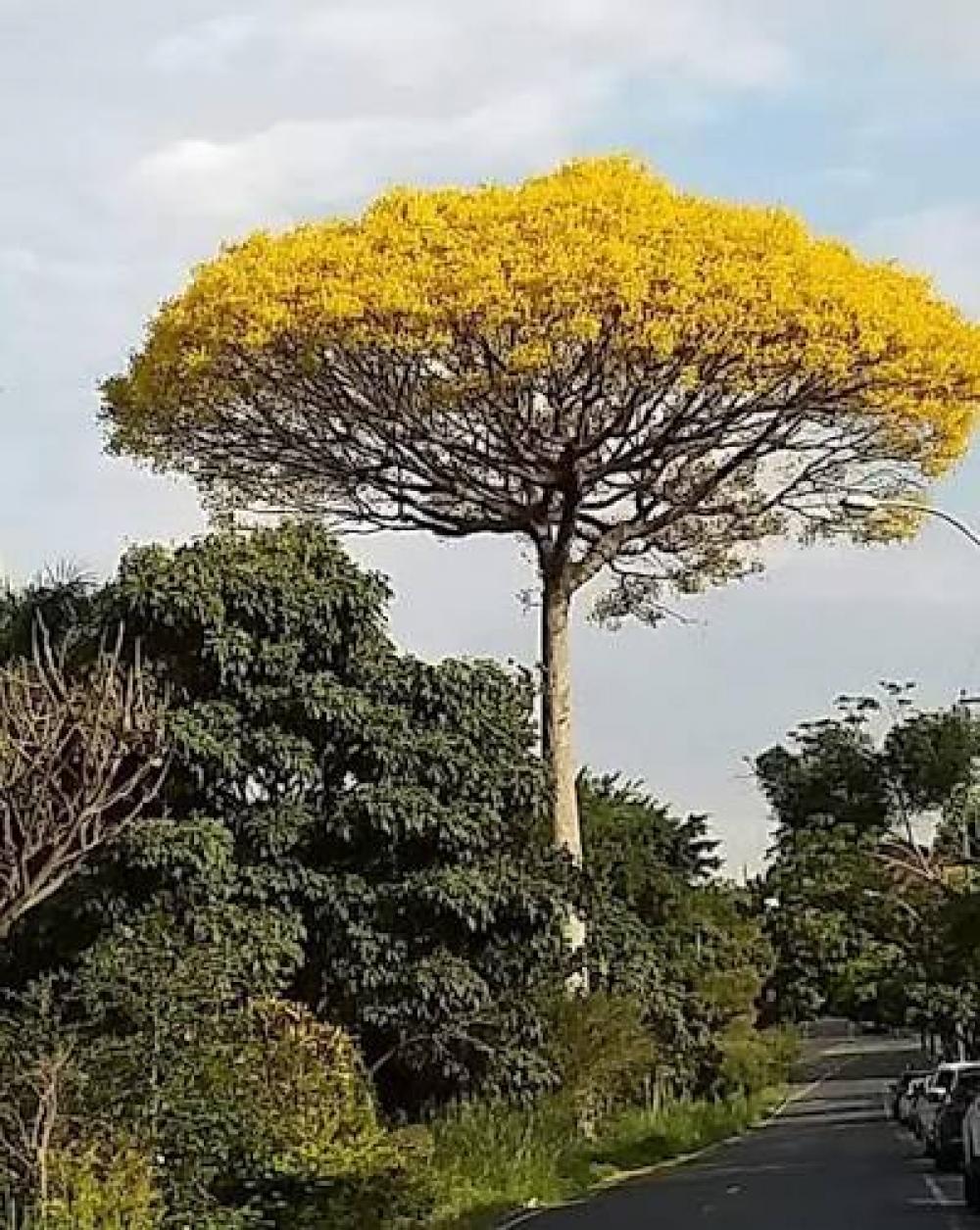
Guapuruvu
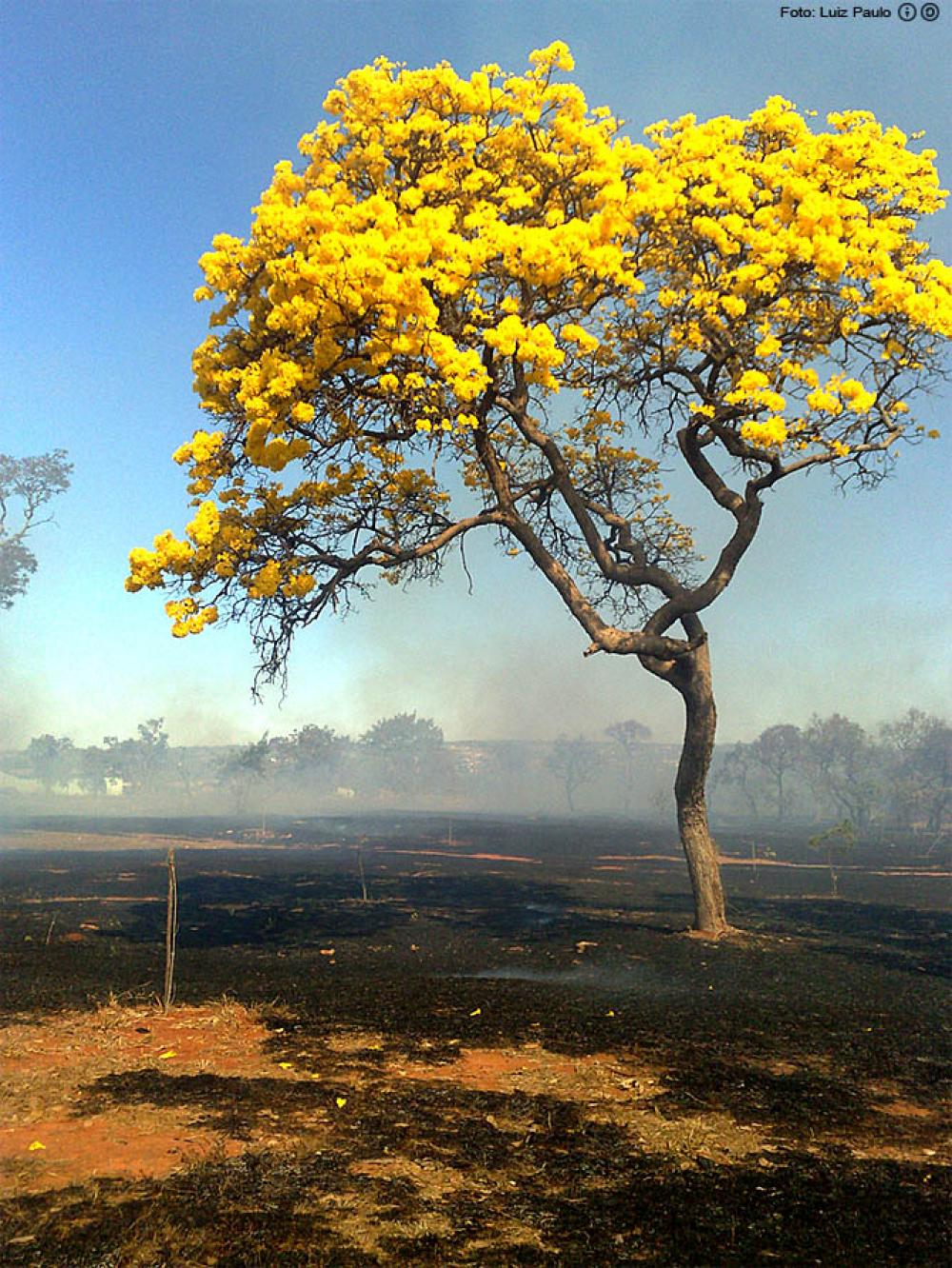
Yellow Ipê
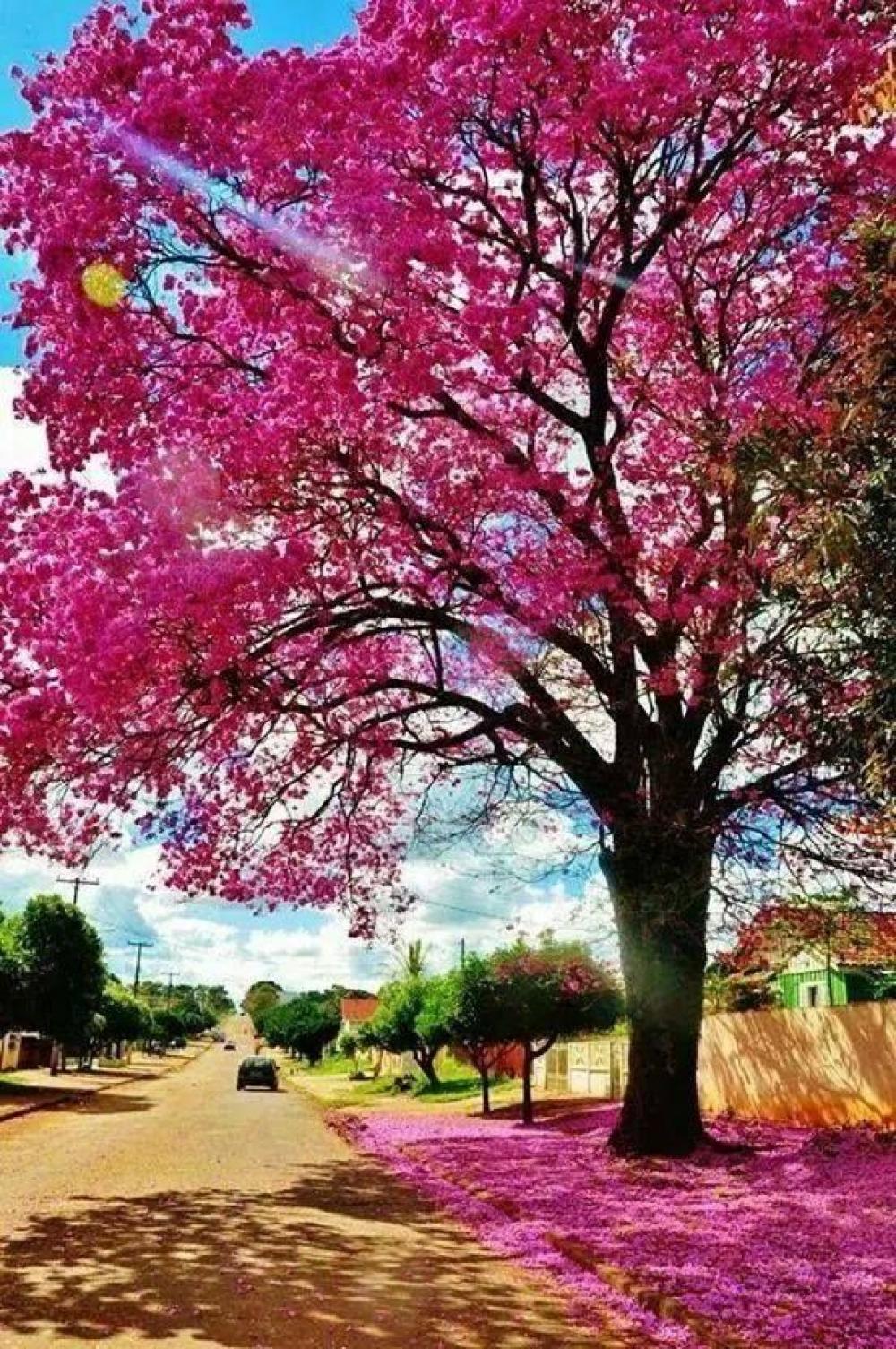
Purple Ipe
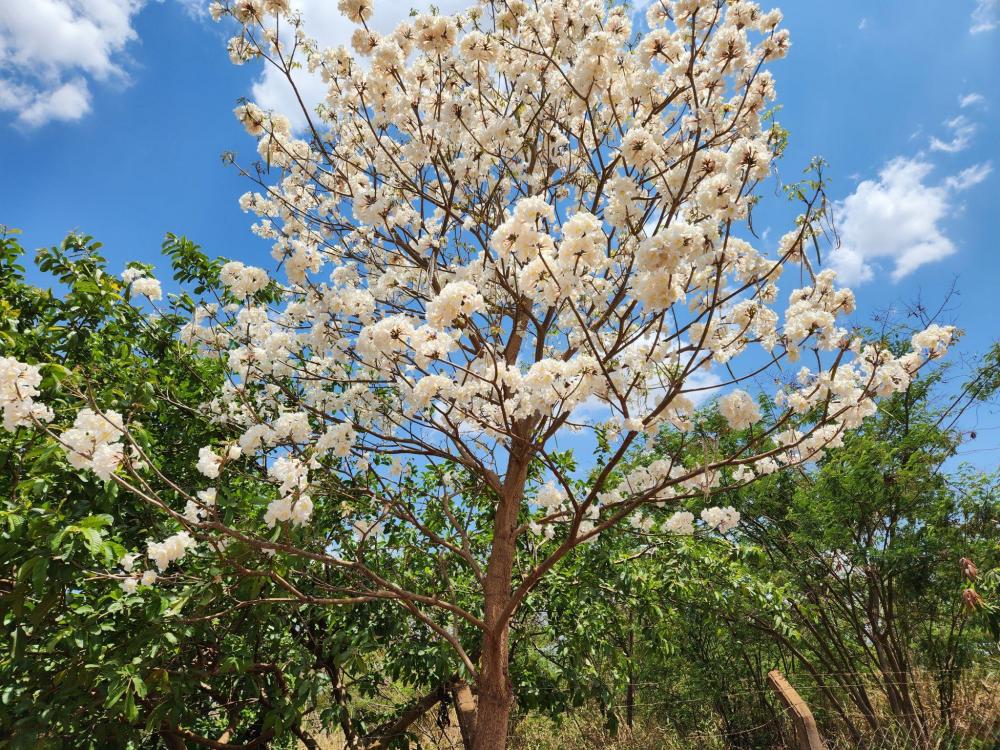
White Ipê
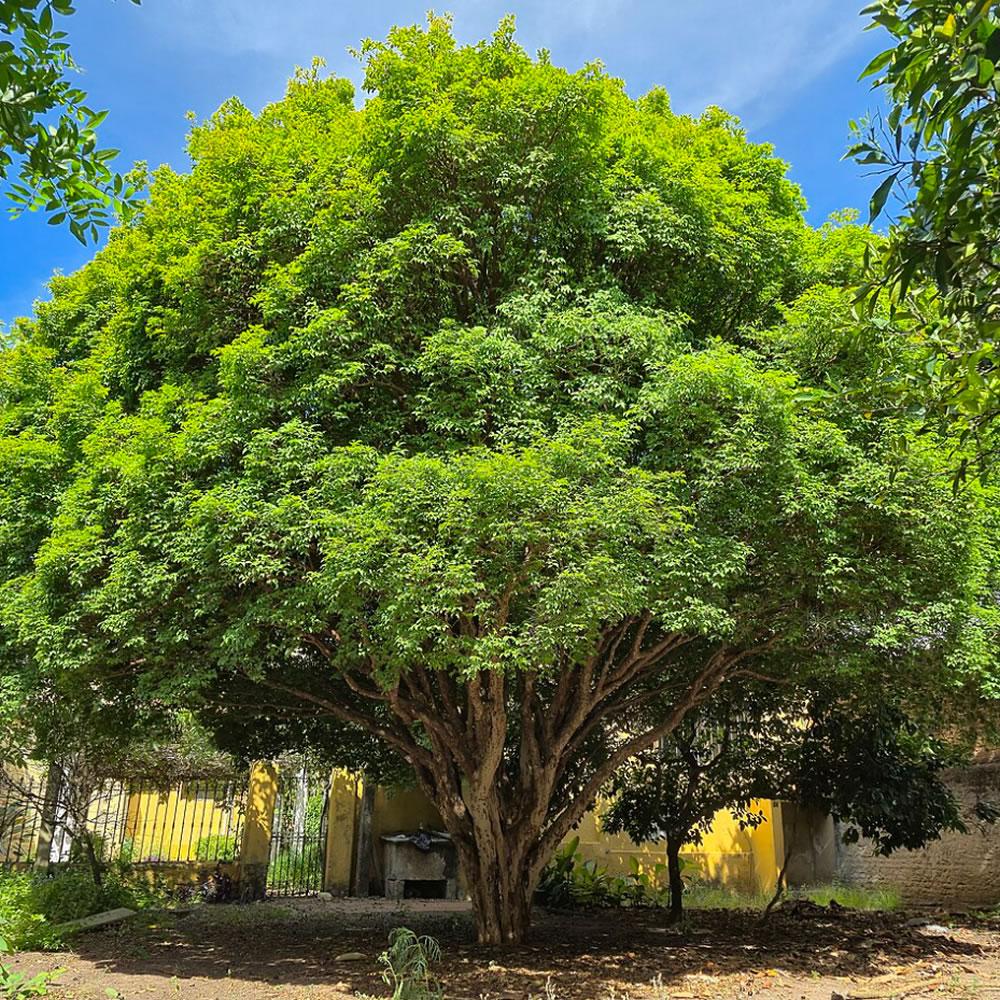
Jabuticaba
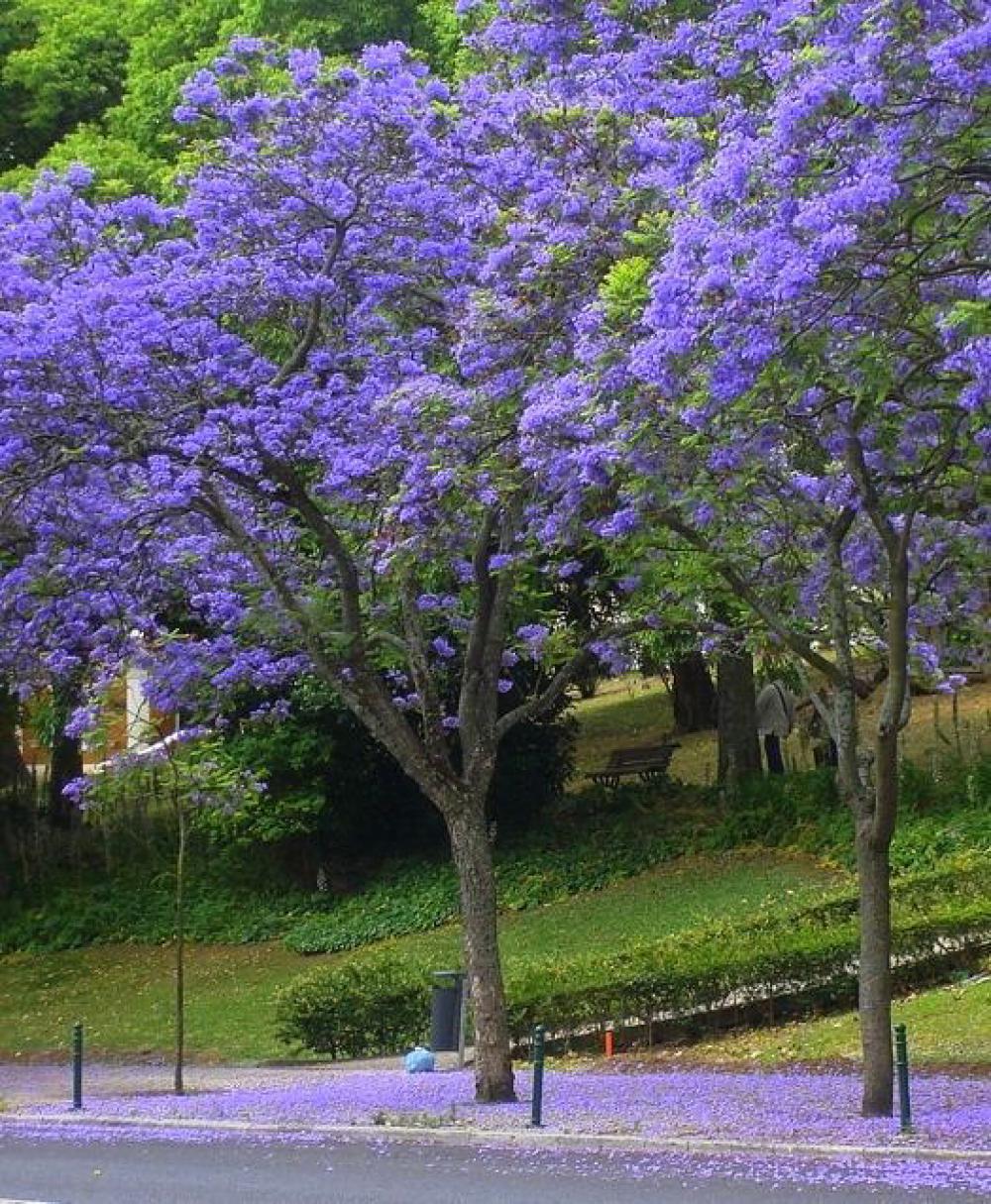
Blue jacaranda
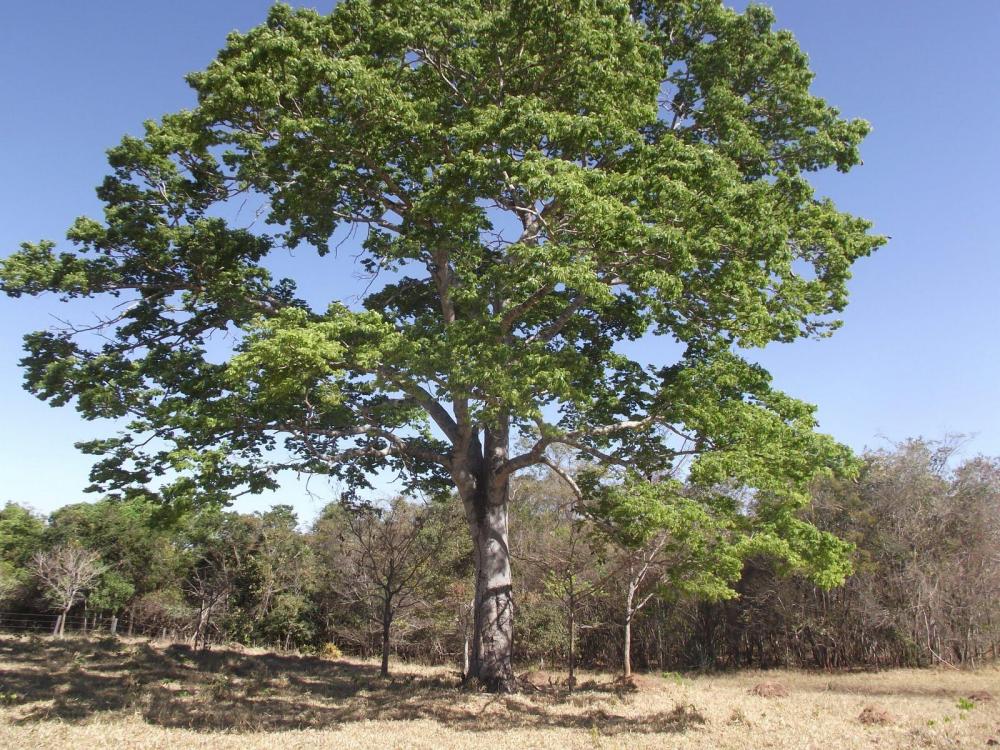
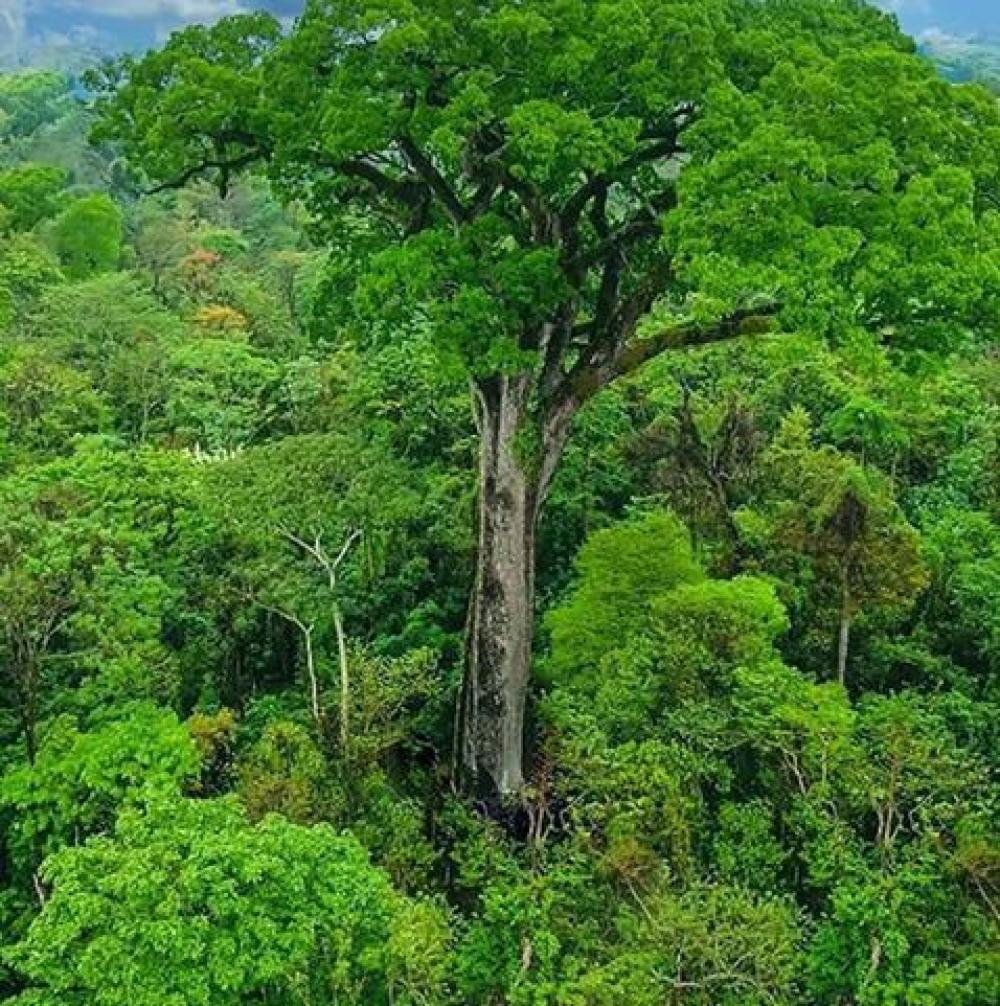
Pink Jequitibá (Cariniana legalis)
Pink Jequitibá
Magnolia
Brazilian Mahogany
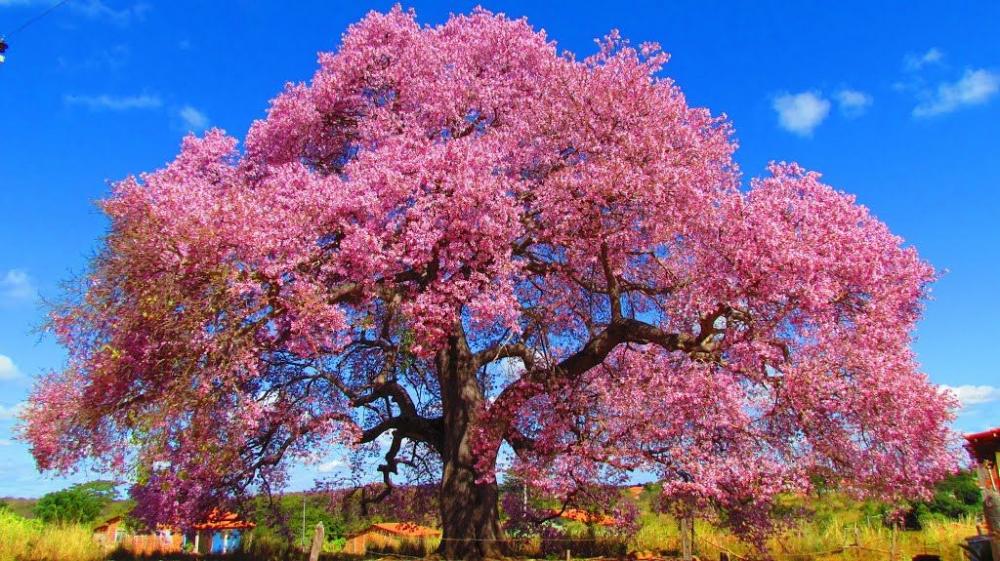
pink silk floss tree
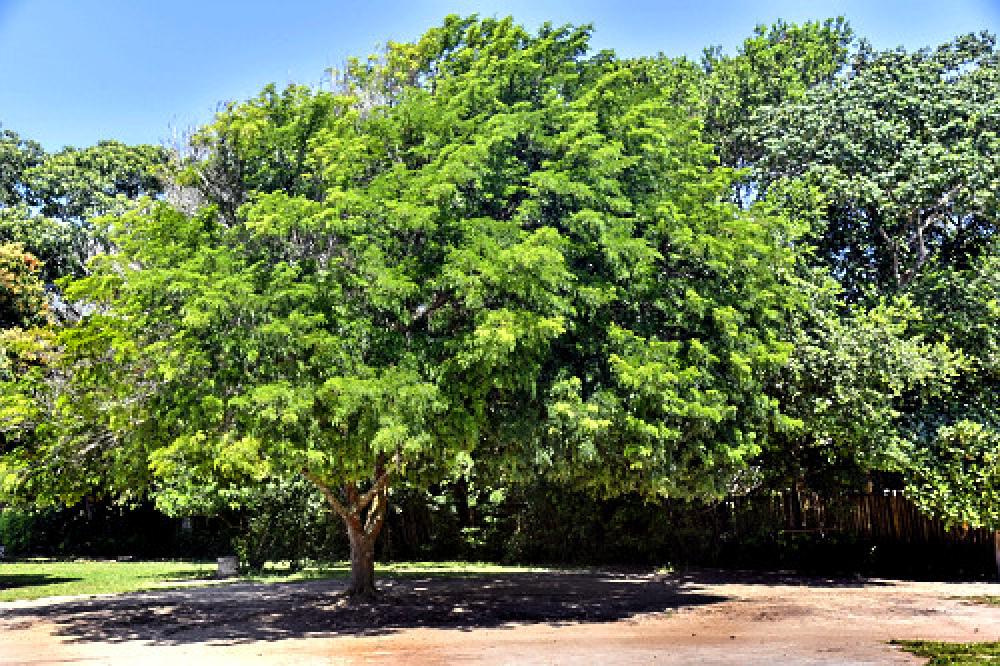
Brazilwood
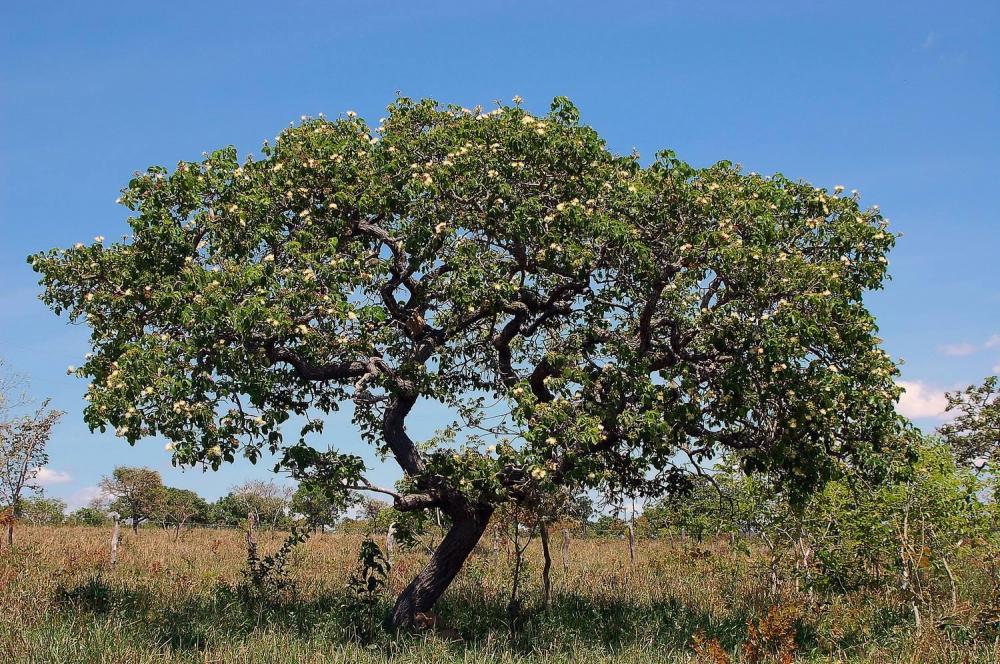
Pequi
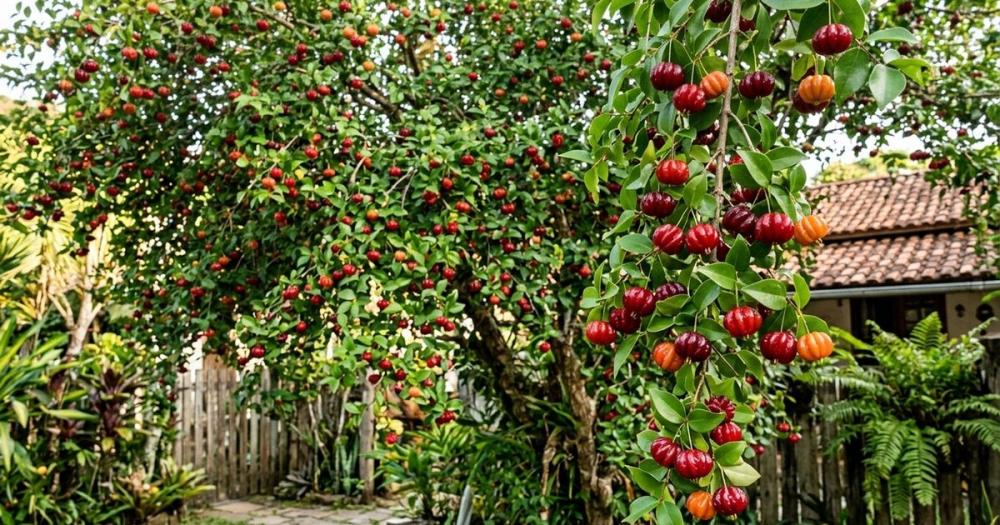
Surinam cherry
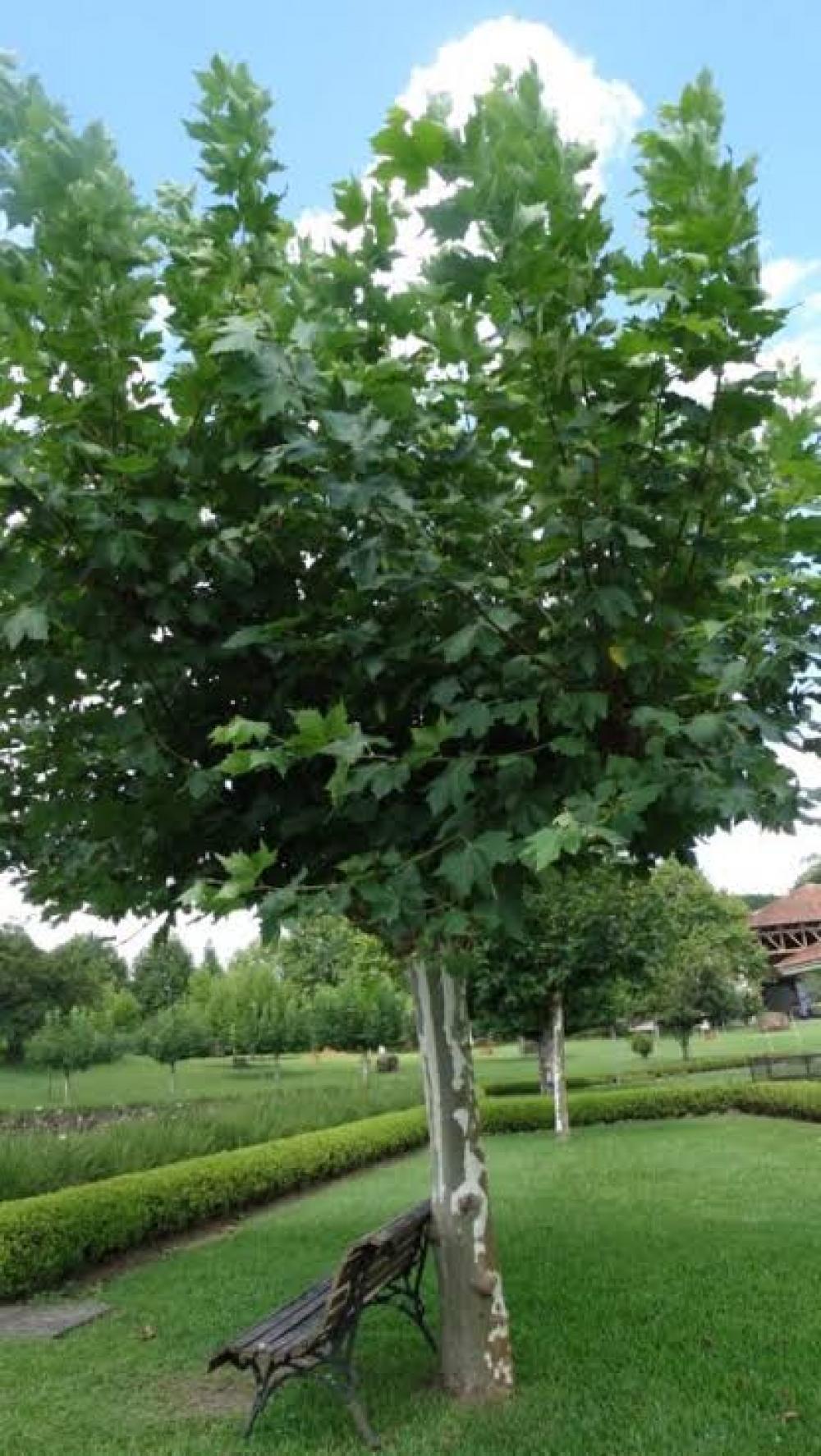
Plane tree
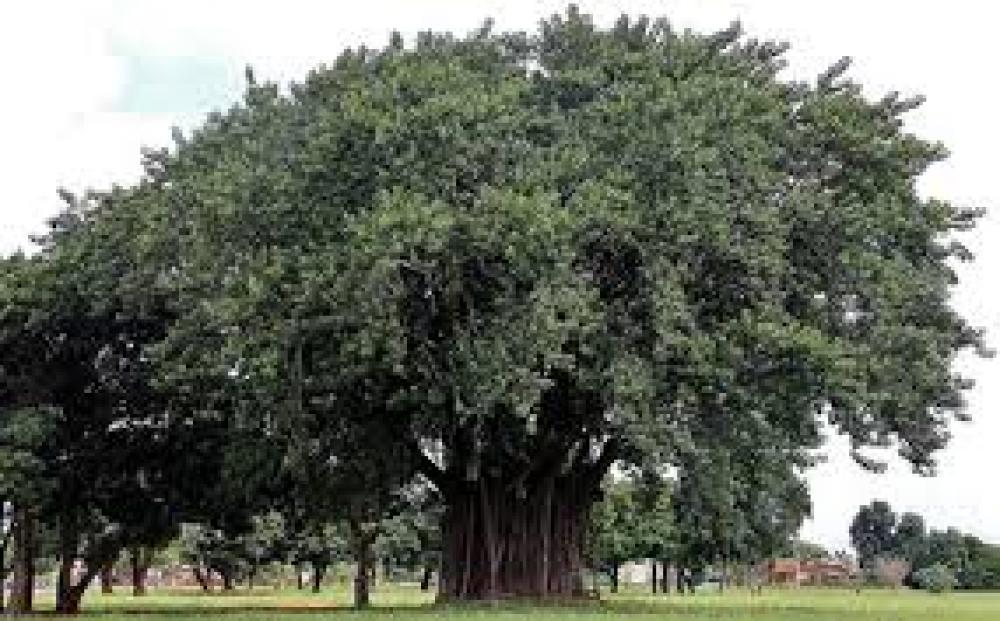
Rubber tree
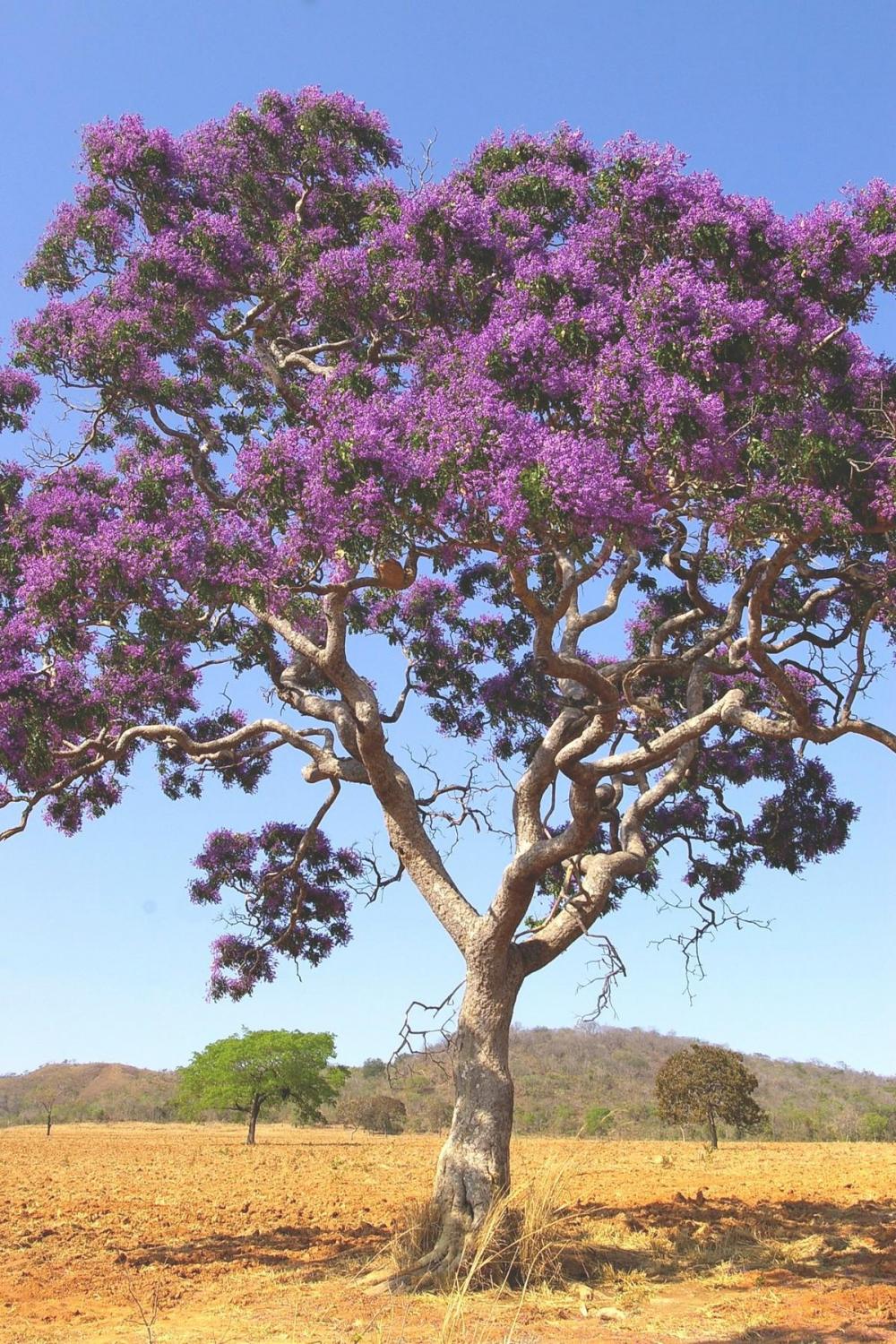
Sucupira
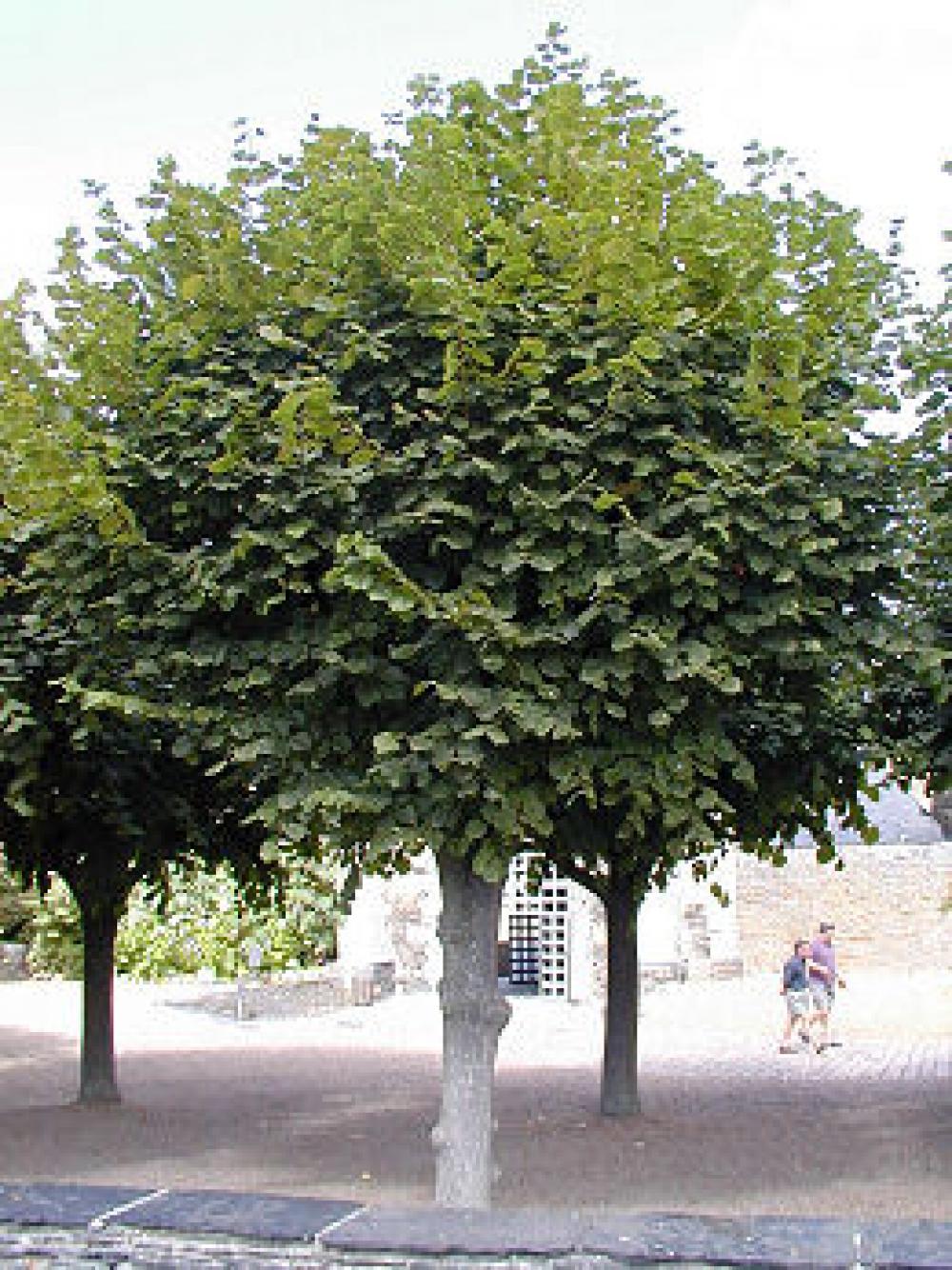
Linden