

pink silk floss tree
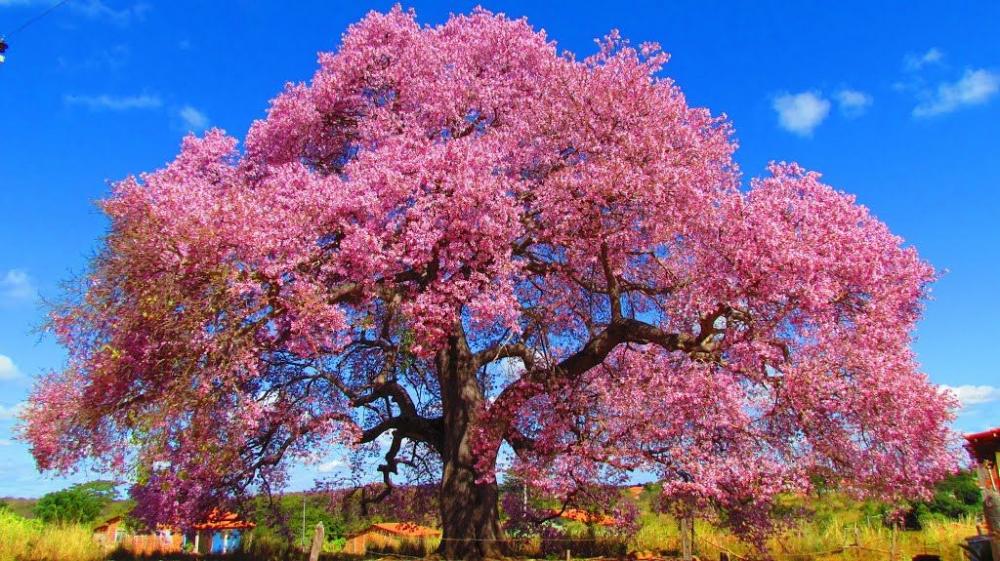
The *Paineira-Rosa*—also known simply as *Paineira* or *Barriguda*—bears the scientific name *Ceiba speciosa* (syn. *Chorisia speciosa*) and belongs to the Malvaceae family. Native to South America, it occurs naturally in Brazil, particularly within the Atlantic Forest and other forest formations. It can reach heights of approximately 15 to 30 meters and features a distinctive trunk—often swollen at the base—that bears spines when the tree is young. Its leaves are compound and deciduous, while its large, showy flowers display shades ranging from pink and pale pink to white, making the species highly prized for its ornamental value.
Its flowering is one of the species most striking features. The flowers appear prominently—often when the tree has few leaves—creating a landscape of intense beauty. After flowering, the tree produces fruits that, upon ripening, release a light, silky fiber resembling cotton; this fiber surrounds the seeds and aids in their dispersal by the wind. This natural cycle demonstrates the trees extraordinary adaptation to its environment and contributes to the renewal of its populations.
From an ecological standpoint, the *Paineira-Rosa* plays a vital role in biodiversity, providing resources for various organisms and participating in natural forest regeneration processes. It is a valued species in urban forestry, the restoration of degraded areas, landscaping, and environmental education, thanks to its growth habits, beauty, and ability to bridge natural environments and urban spaces.
Beyond its scientific and environmental significance, the *Paineira-Rosa* holds great cultural and landscape value. Its presence in public squares, gardens, along roadsides, and on rural properties transforms the scenery during the flowering season, serving as a true expression of the richness of South American flora. Understanding and preserving this tree means valuing biodiversity and fostering a closer connection between people and nature.
Its flowering is one of the species most striking features. The flowers appear prominently—often when the tree has few leaves—creating a landscape of intense beauty. After flowering, the tree produces fruits that, upon ripening, release a light, silky fiber resembling cotton; this fiber surrounds the seeds and aids in their dispersal by the wind. This natural cycle demonstrates the trees extraordinary adaptation to its environment and contributes to the renewal of its populations.
From an ecological standpoint, the *Paineira-Rosa* plays a vital role in biodiversity, providing resources for various organisms and participating in natural forest regeneration processes. It is a valued species in urban forestry, the restoration of degraded areas, landscaping, and environmental education, thanks to its growth habits, beauty, and ability to bridge natural environments and urban spaces.
Beyond its scientific and environmental significance, the *Paineira-Rosa* holds great cultural and landscape value. Its presence in public squares, gardens, along roadsides, and on rural properties transforms the scenery during the flowering season, serving as a true expression of the richness of South American flora. Understanding and preserving this tree means valuing biodiversity and fostering a closer connection between people and nature.
Tree Catalog
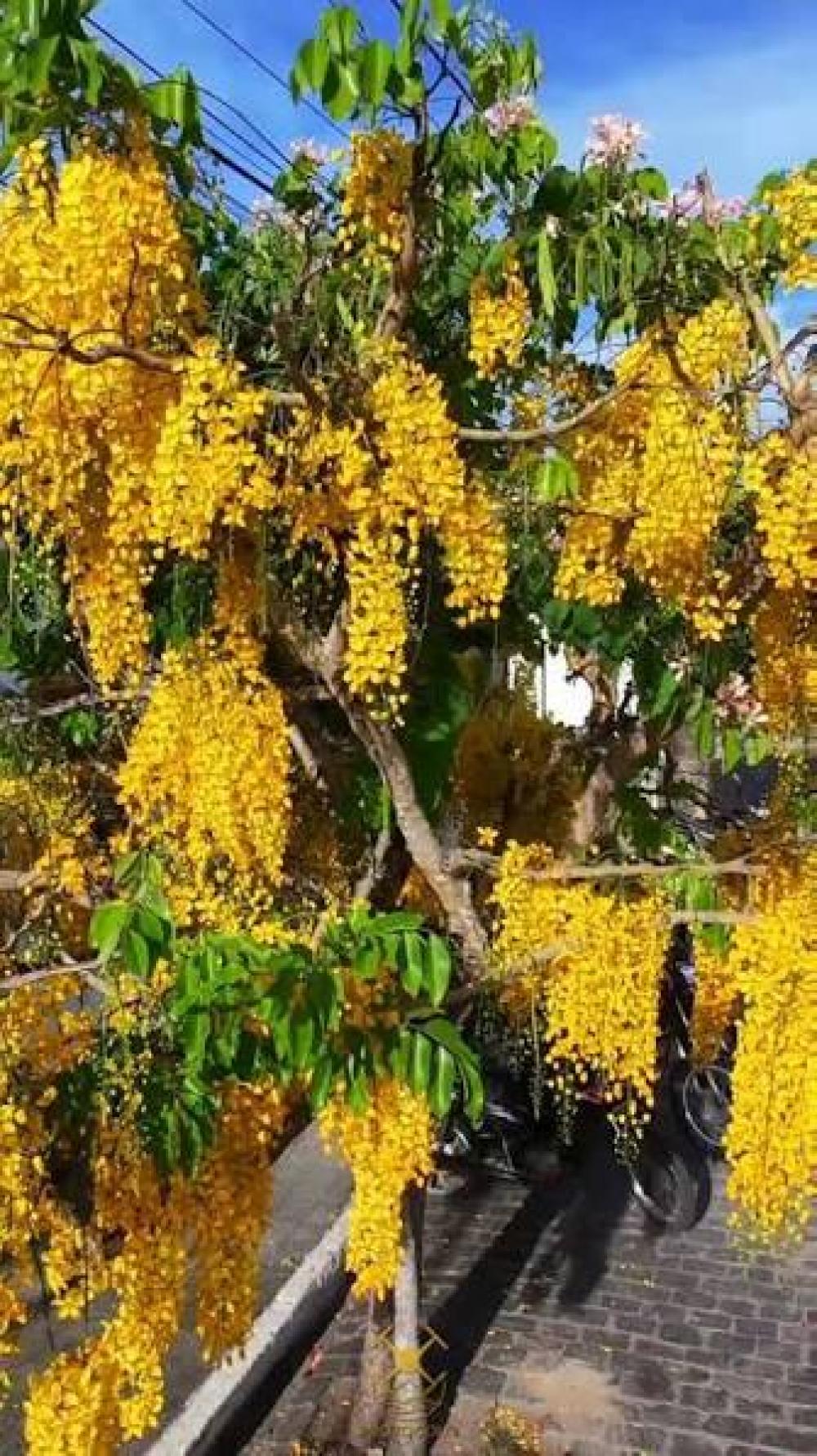
Imperial acacia
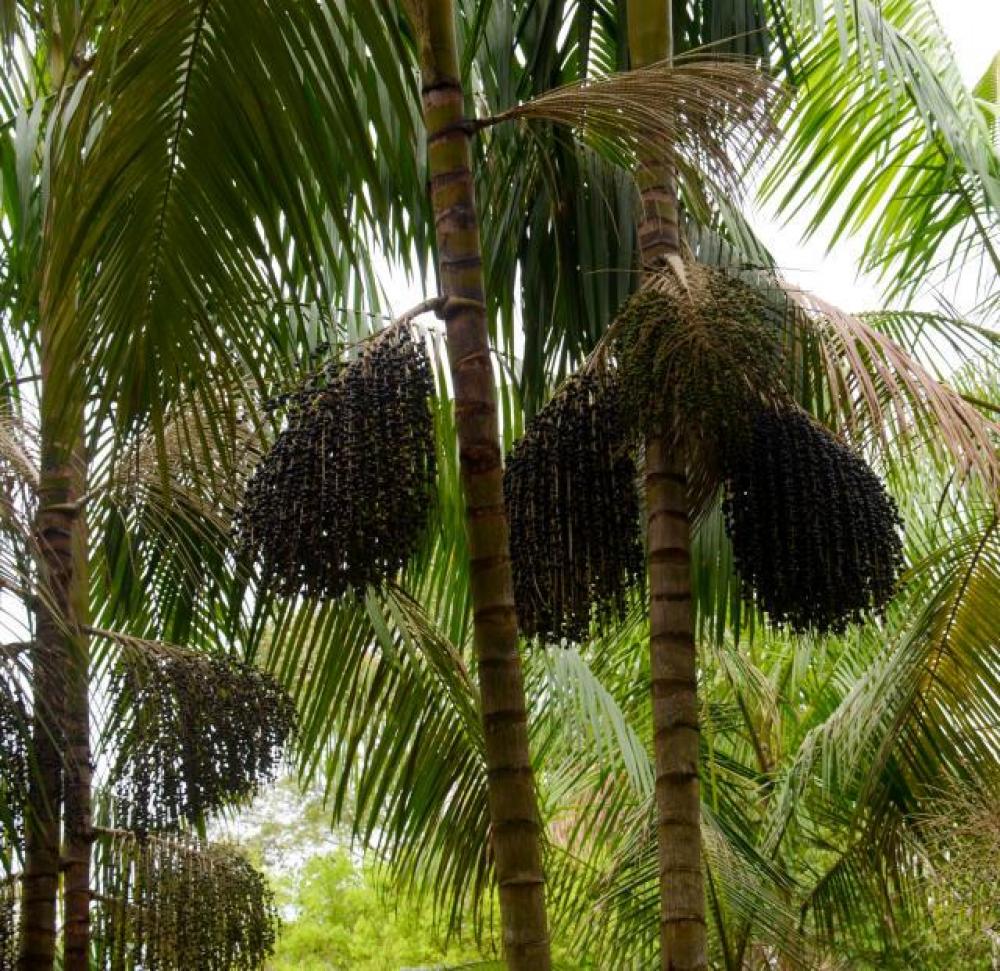
Açaí (Euterpe oleracea)
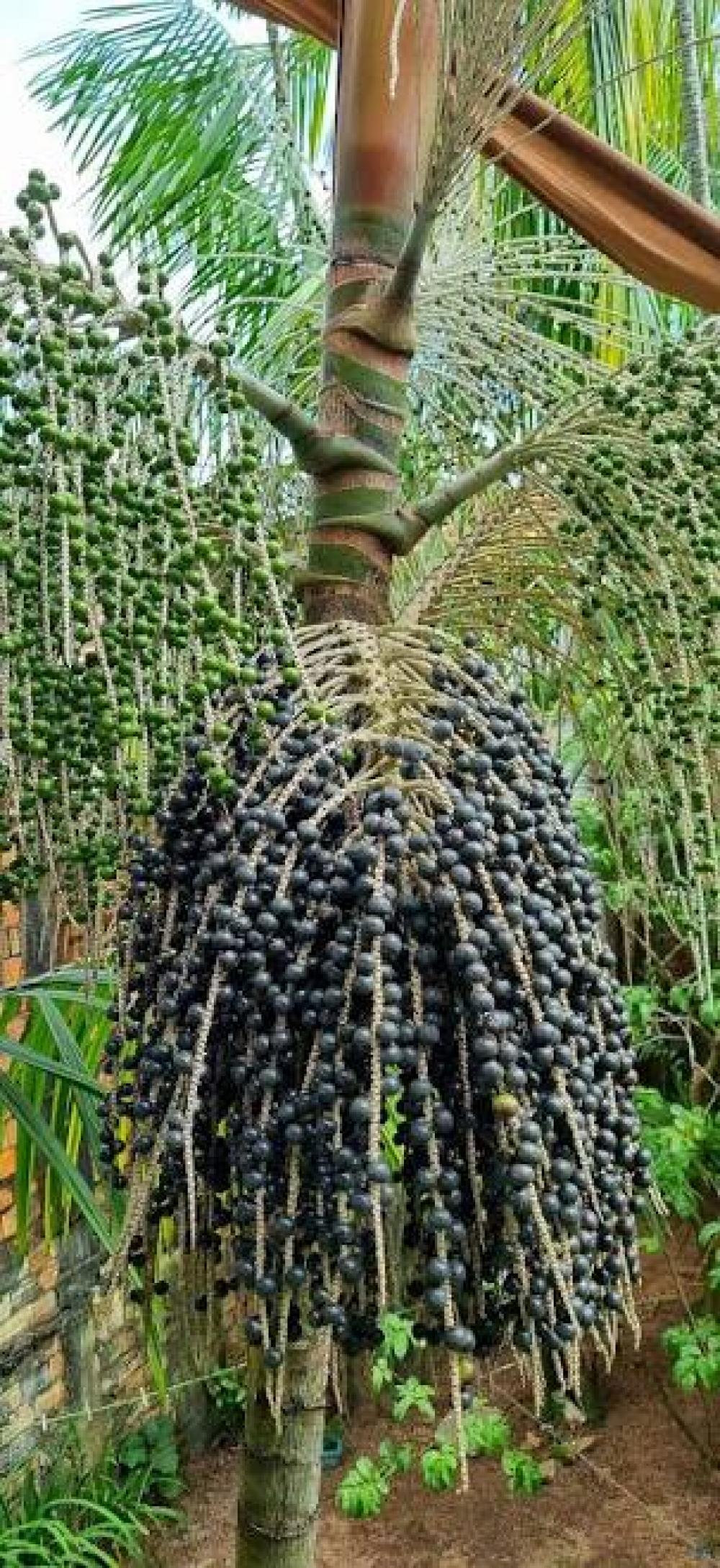
Açaí palm
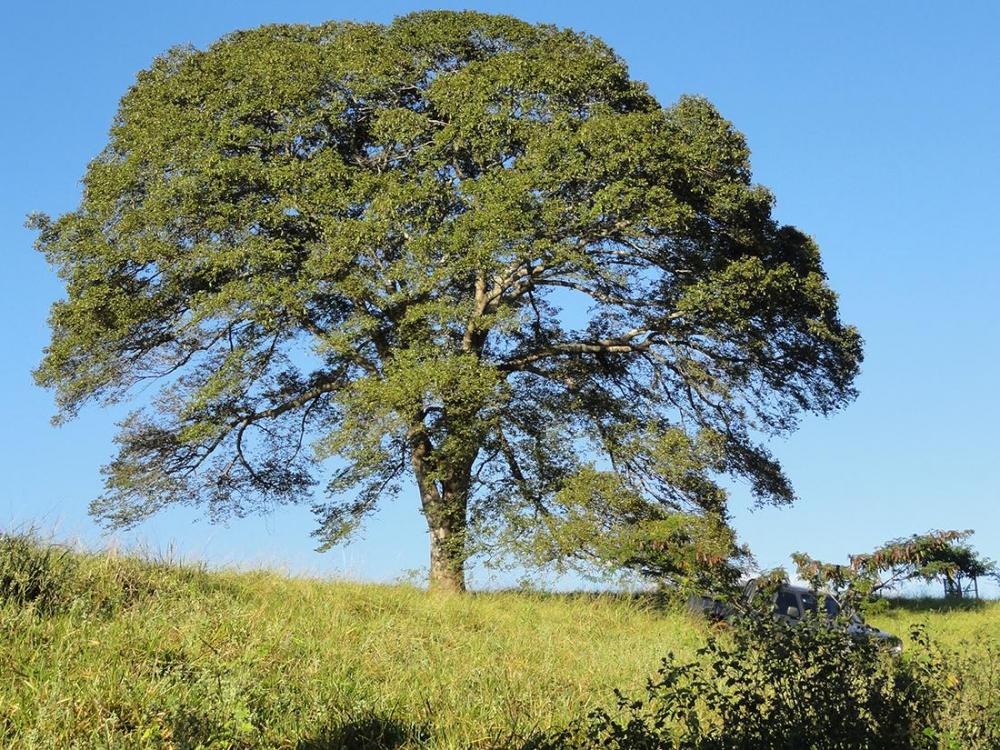
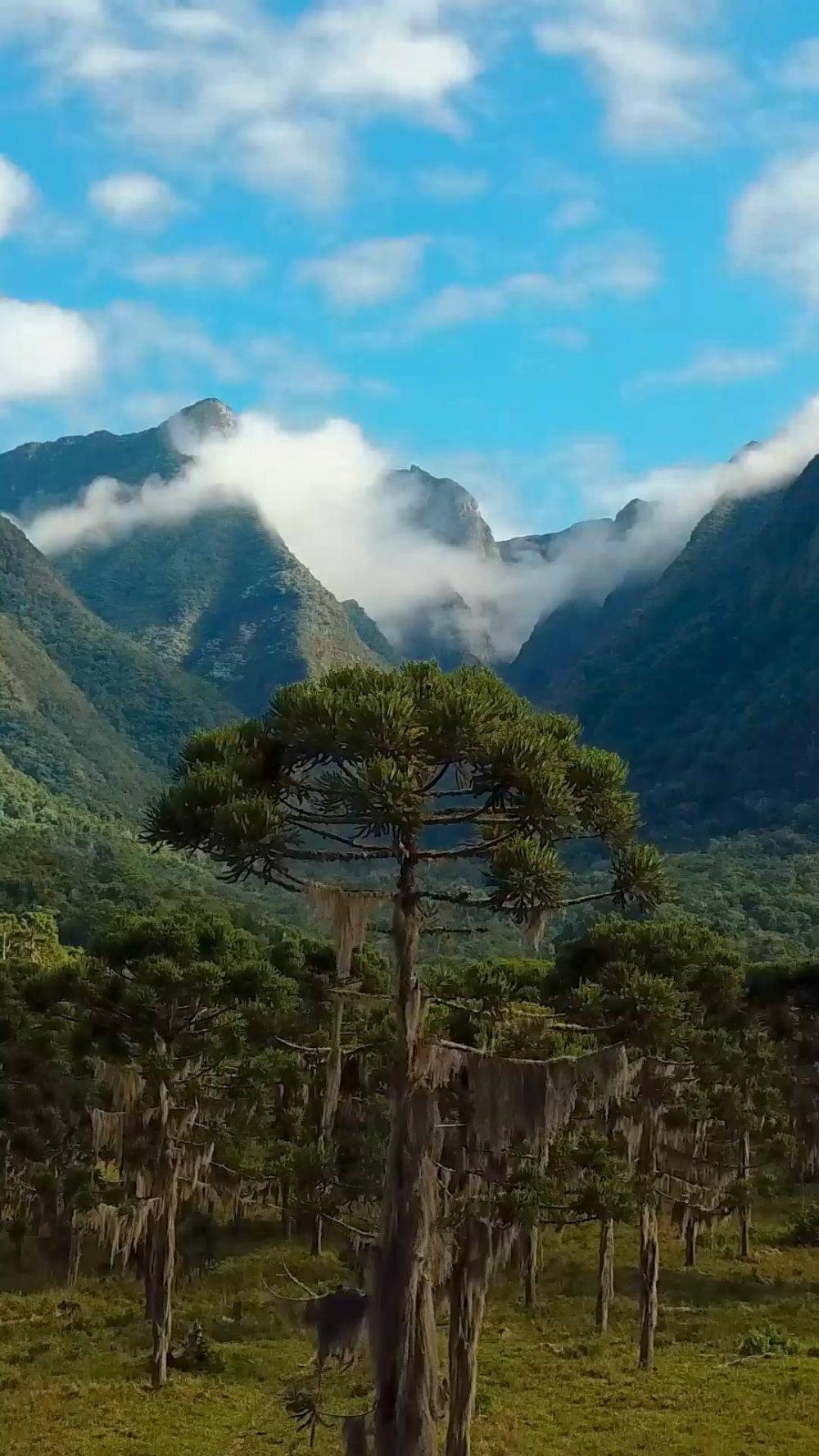
Red Angelim
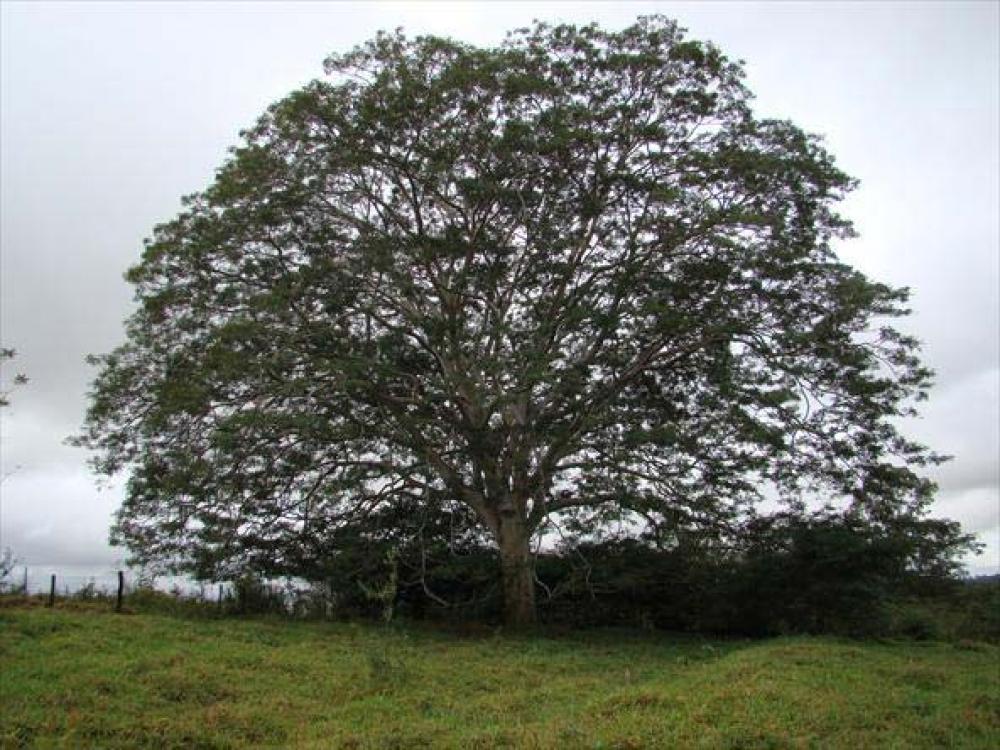
White Angico
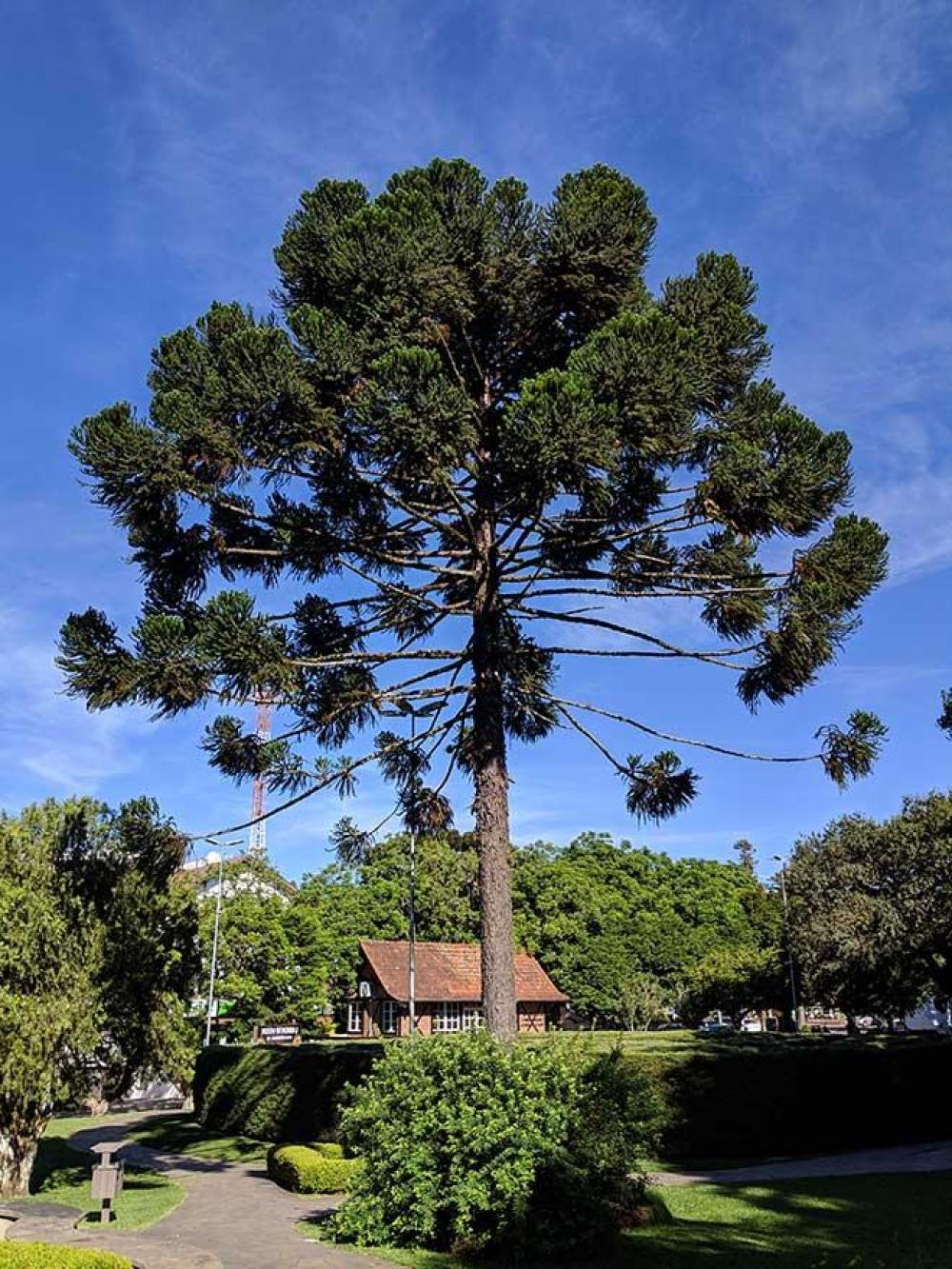
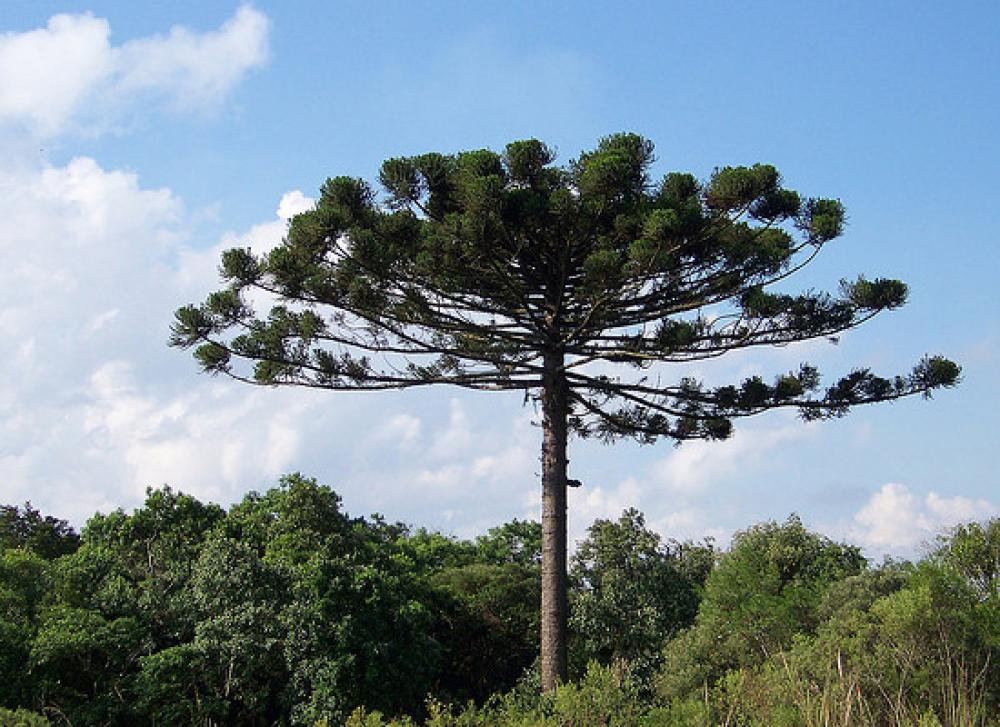
Araucaria, the Paraná pine
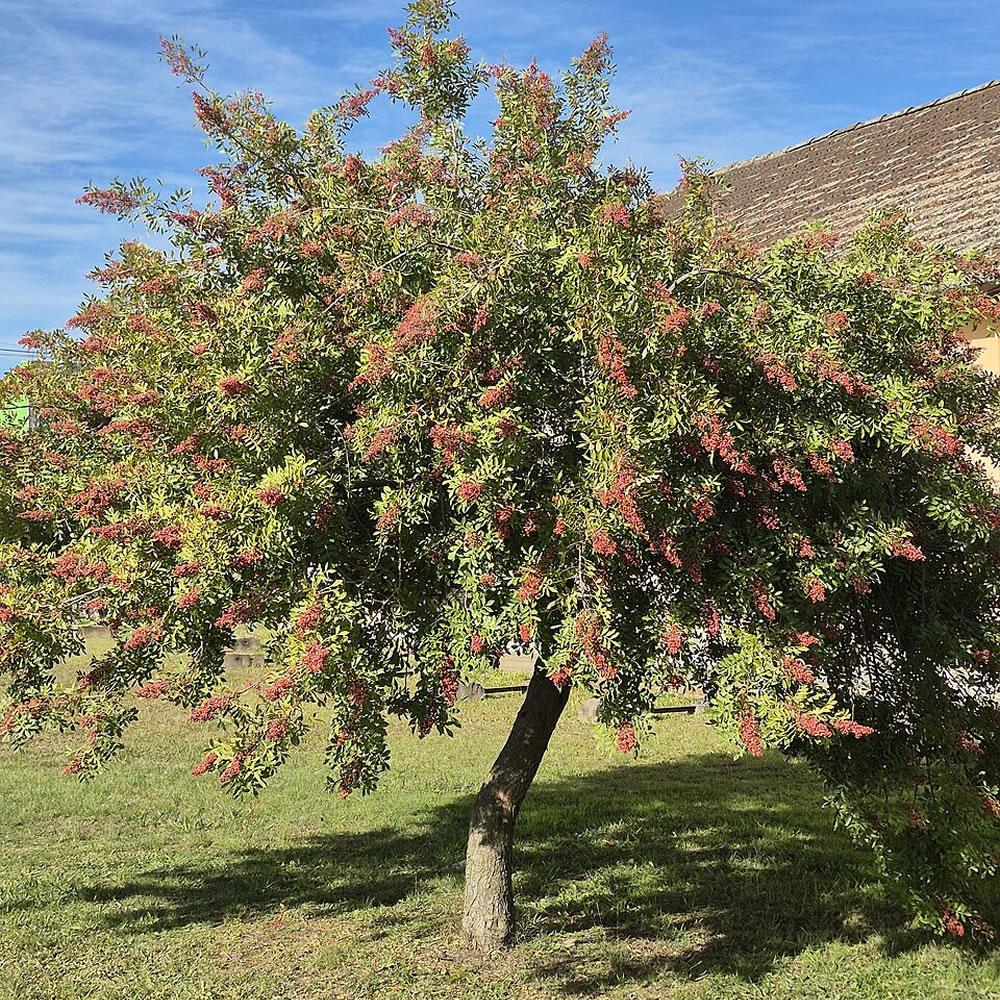
Brazilian peppertree
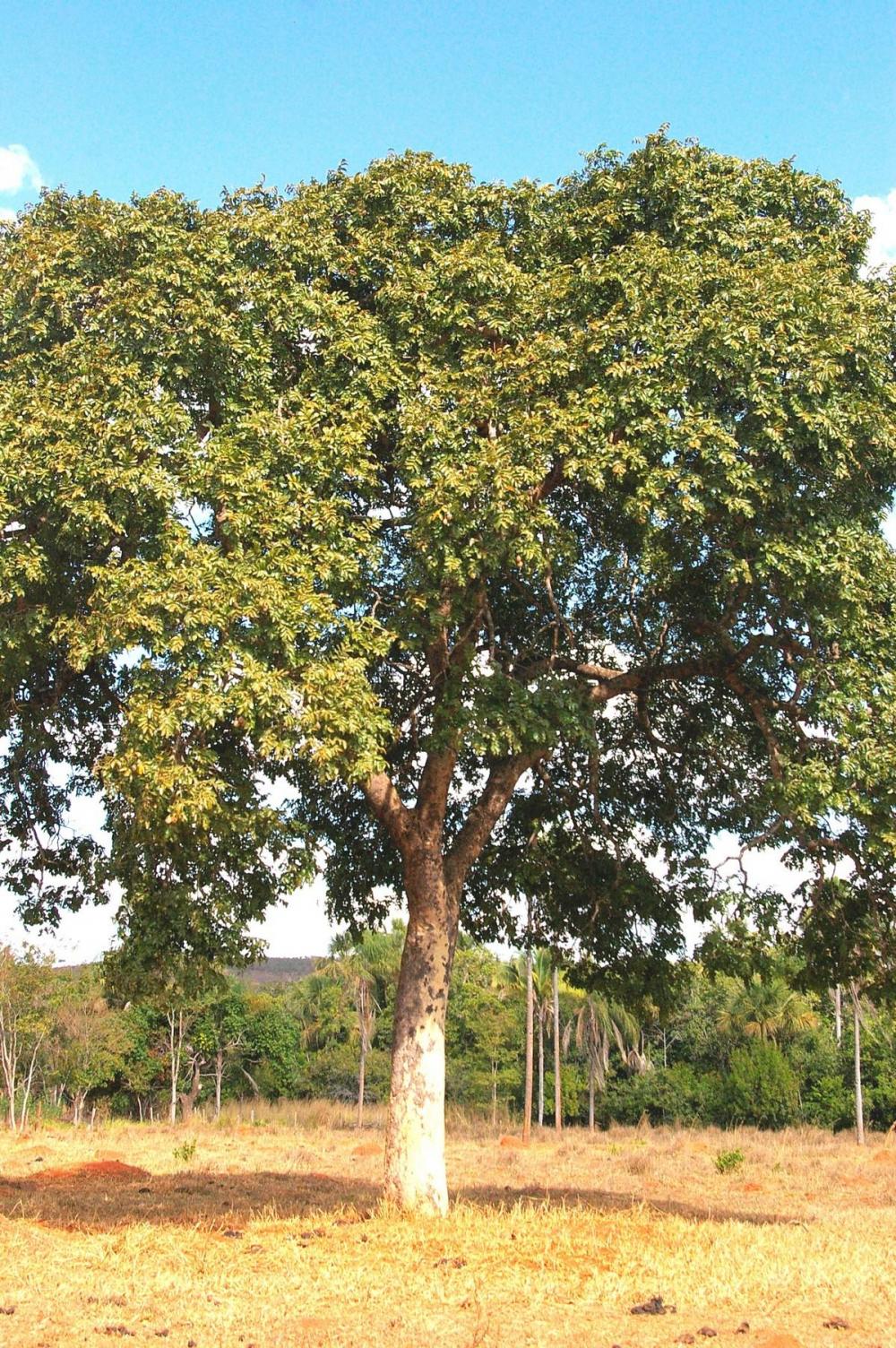
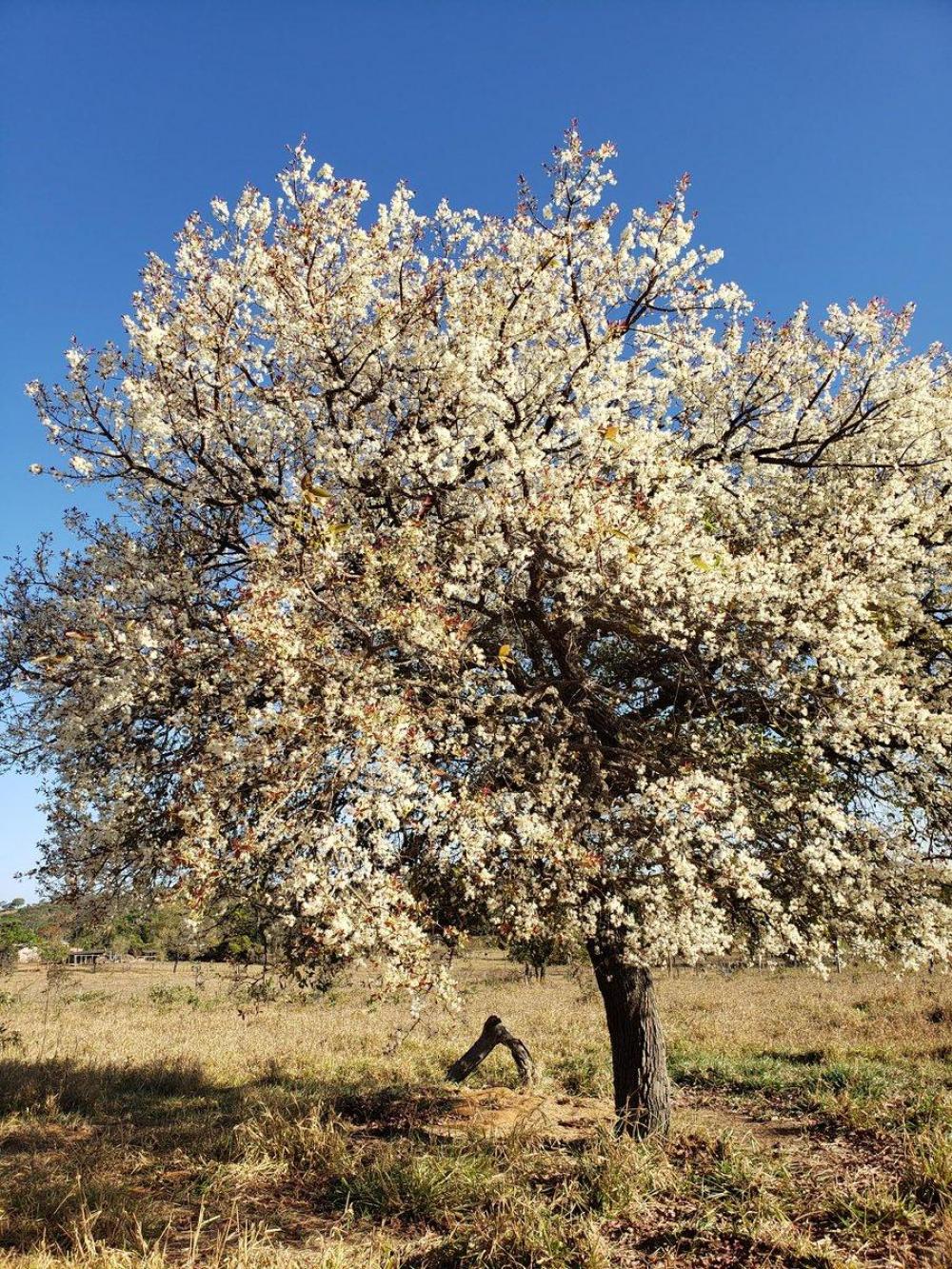
Baru
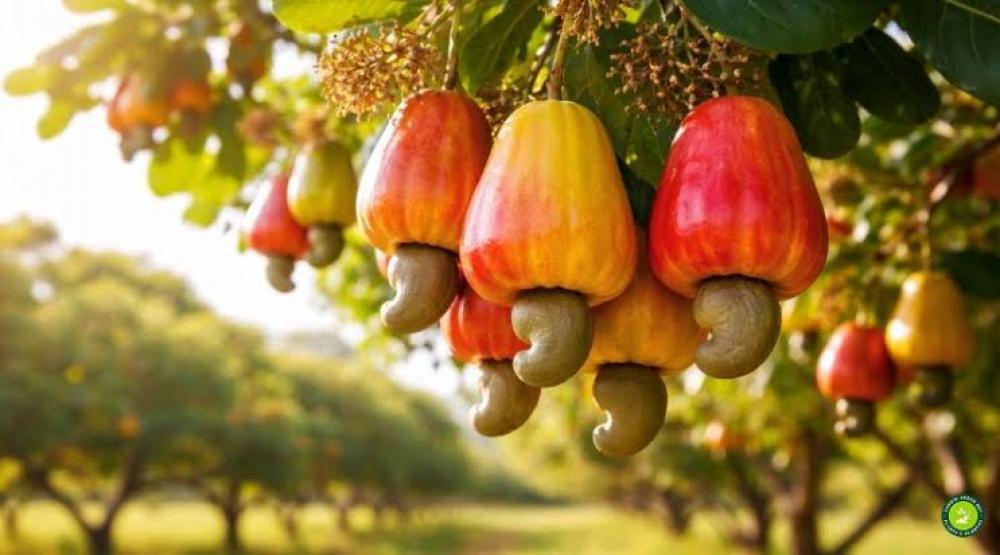
cashew tree
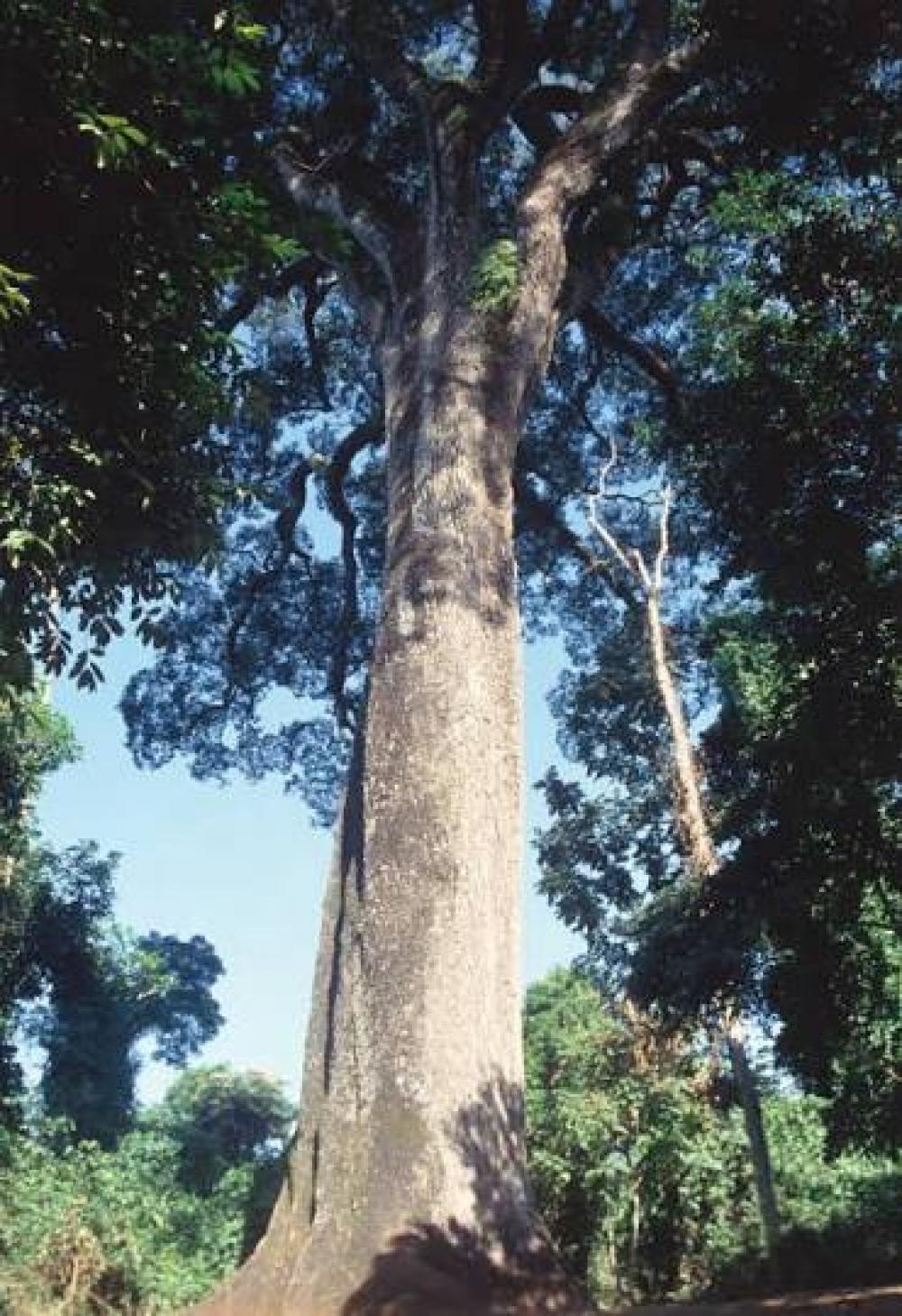
Black Cinnamon
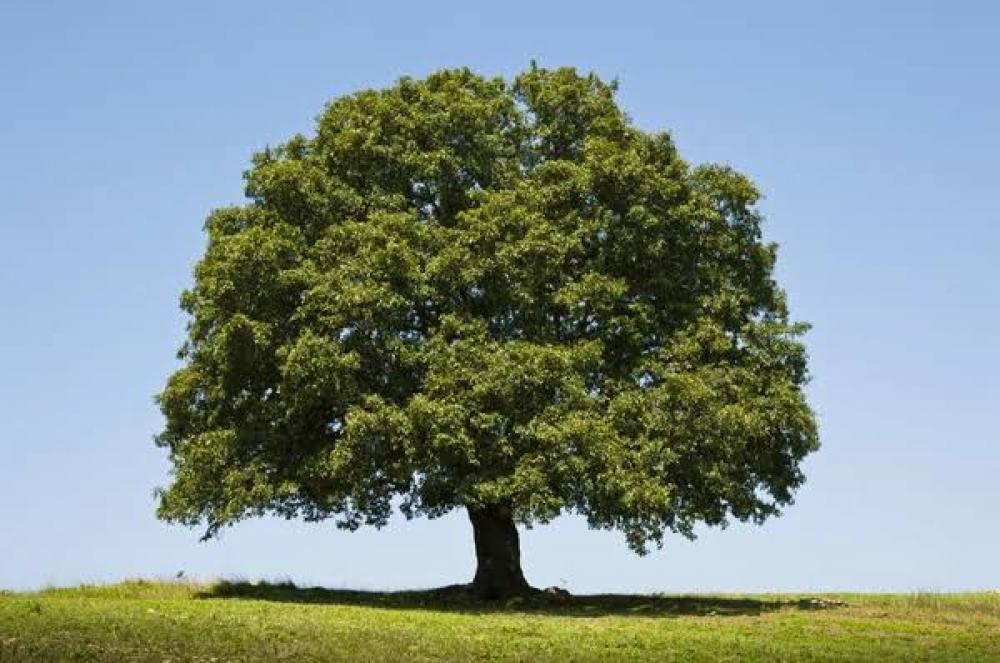
Oak tree
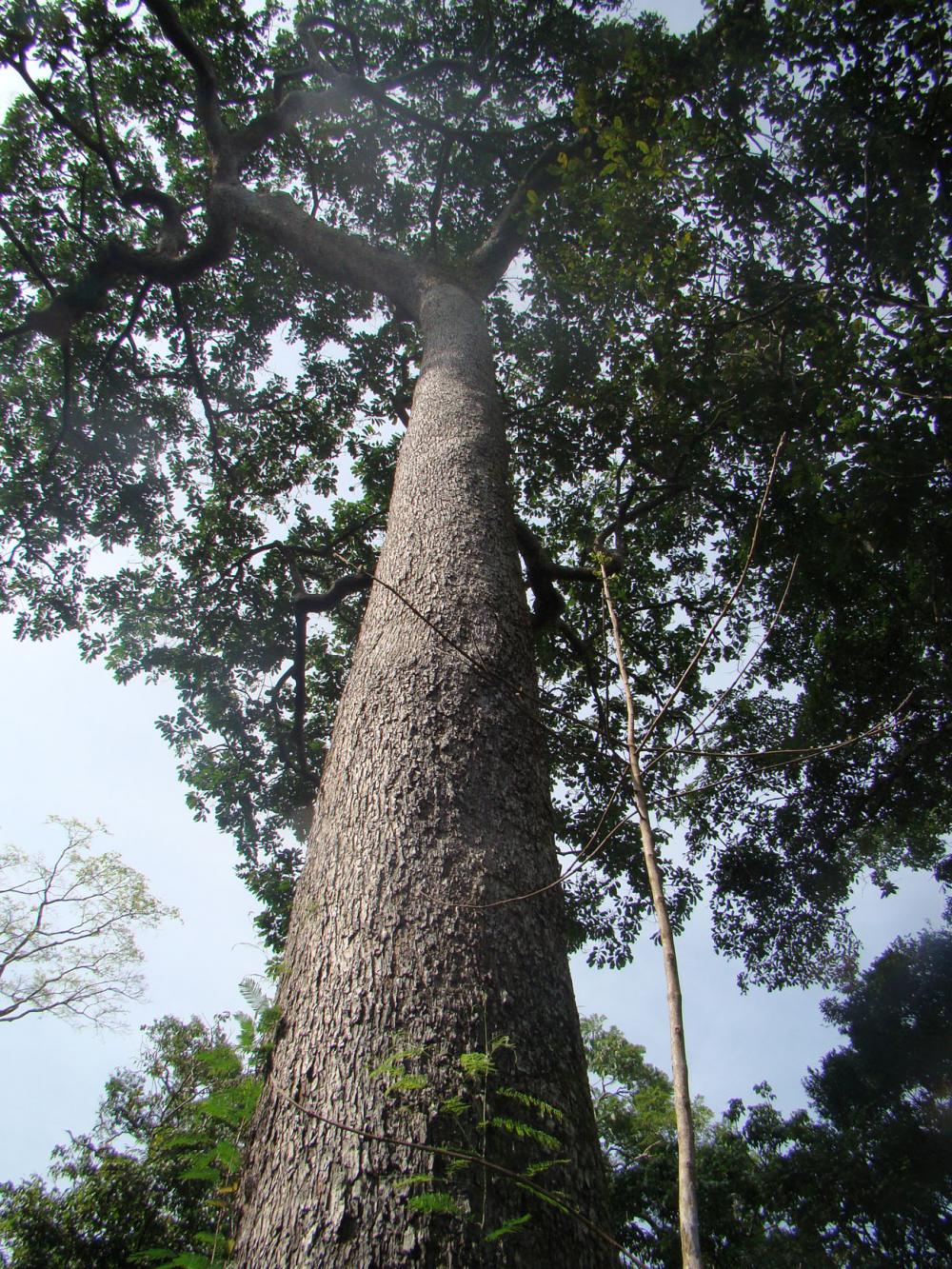
nuez de Brasil
Brazil nut tree
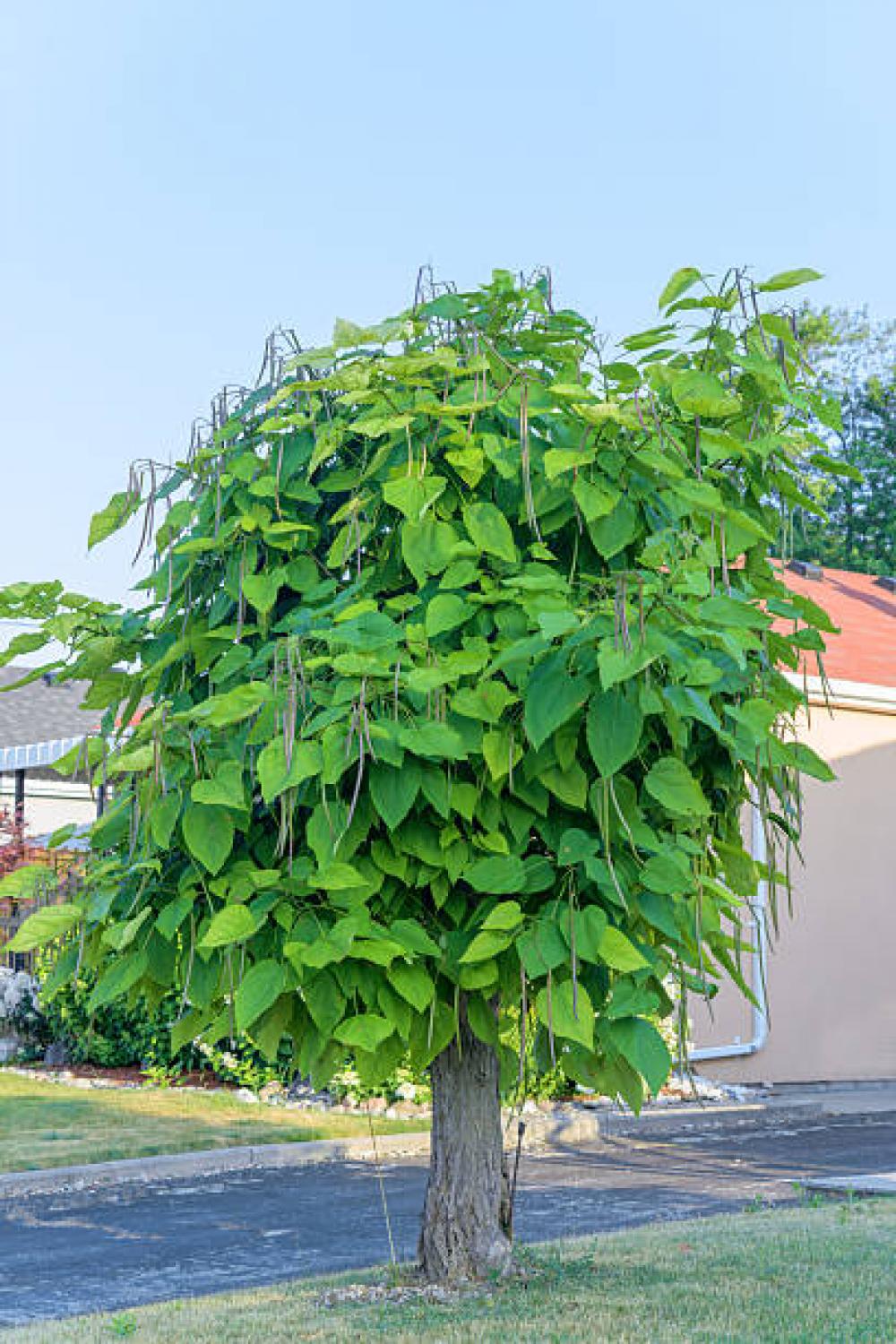
Catalpa
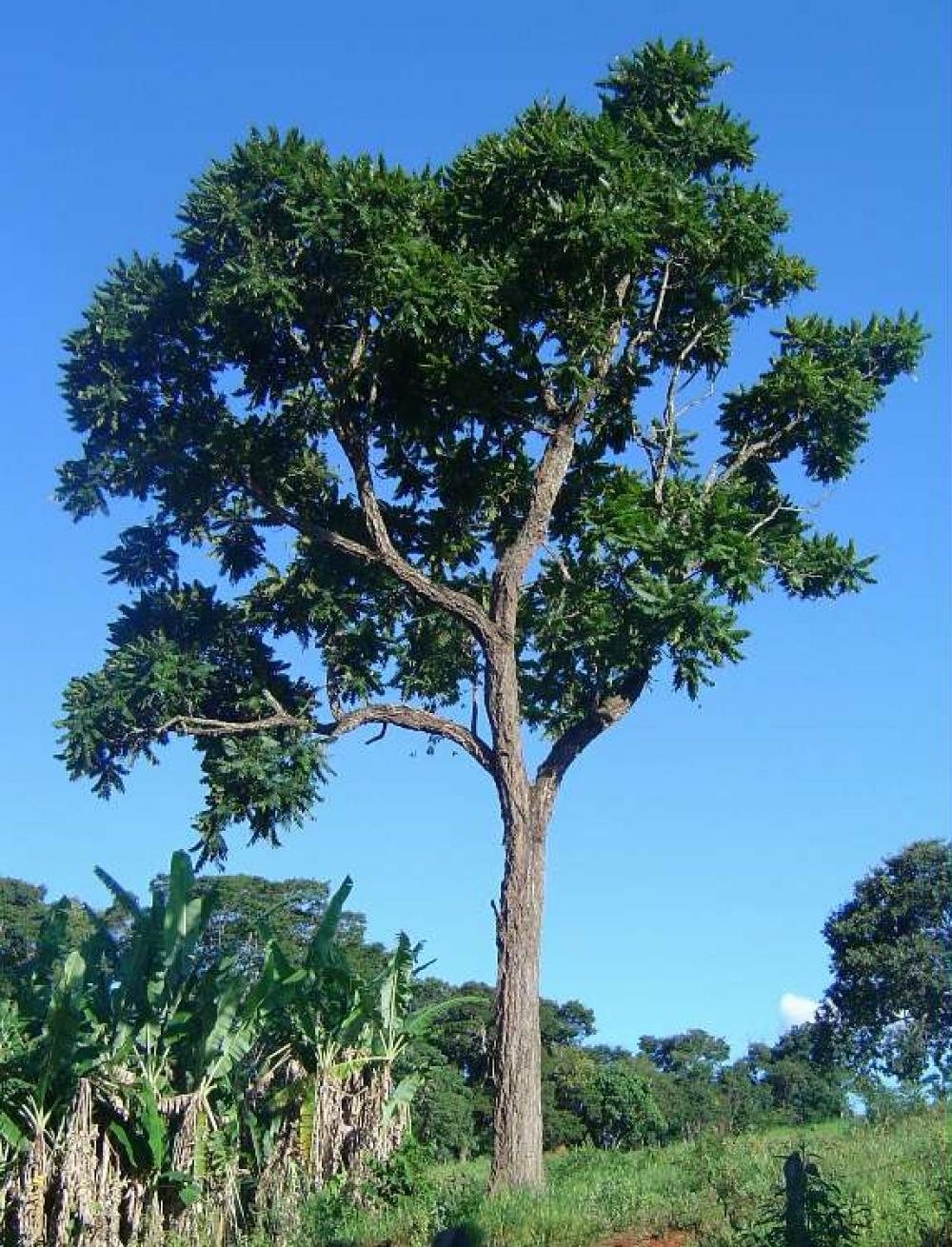
Pink cedar
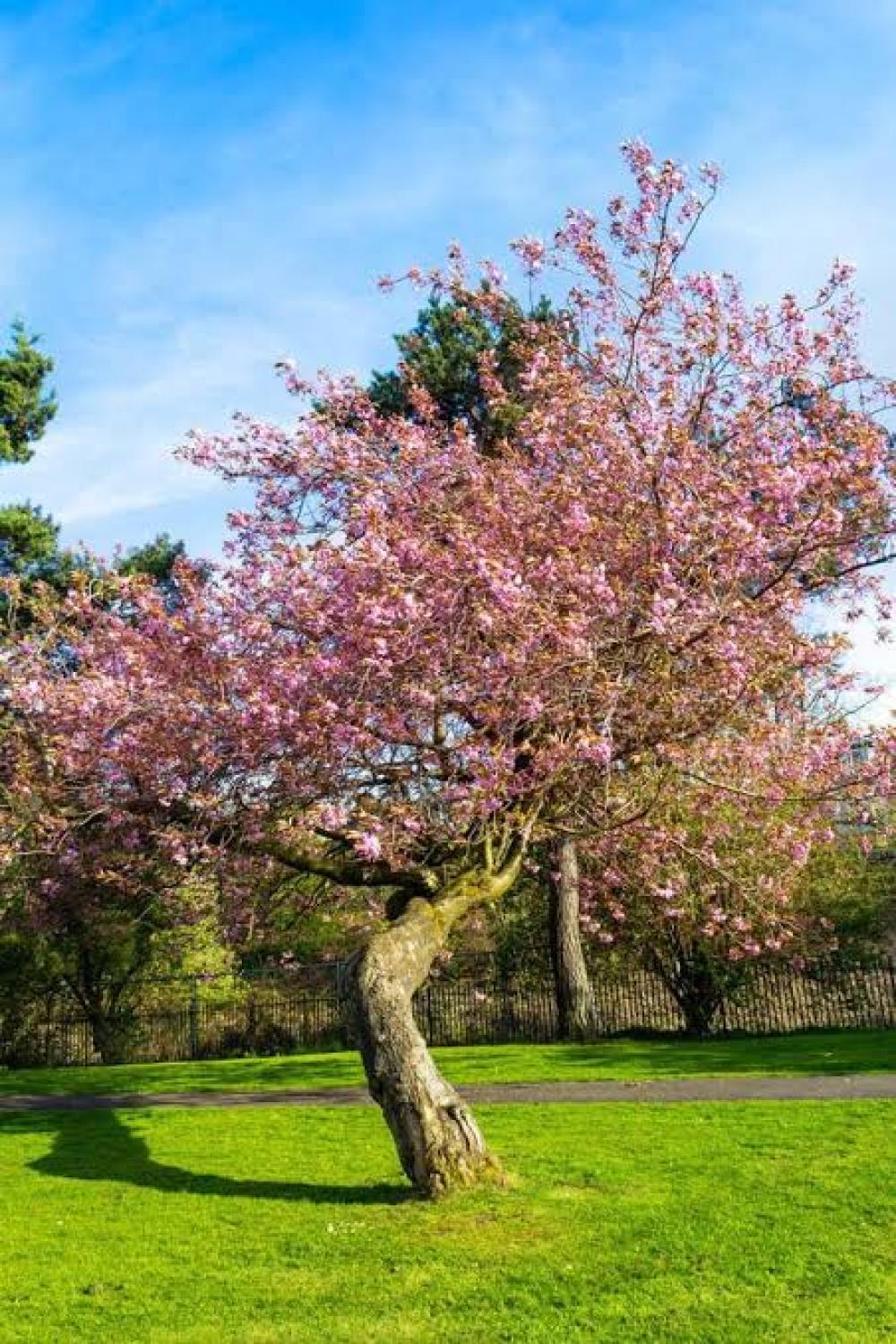
ornamental cherry tree
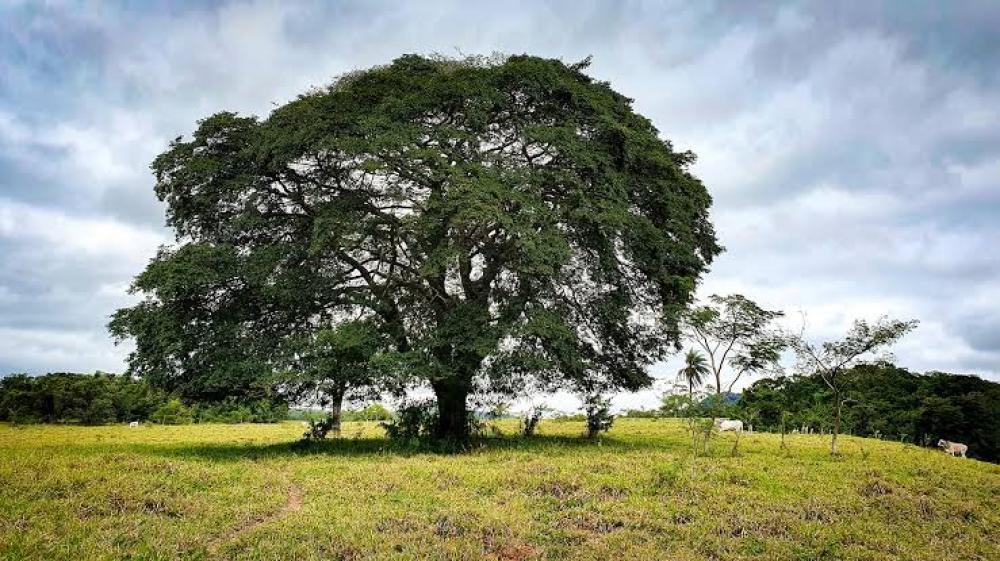
copaiba
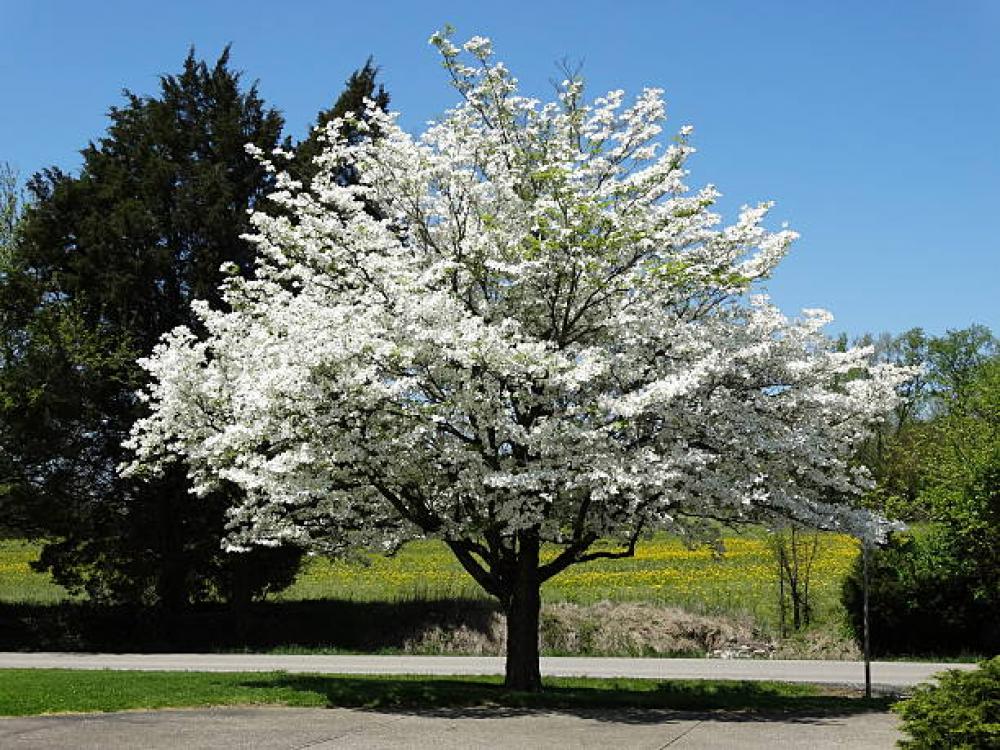
Trees of the genus Cornus
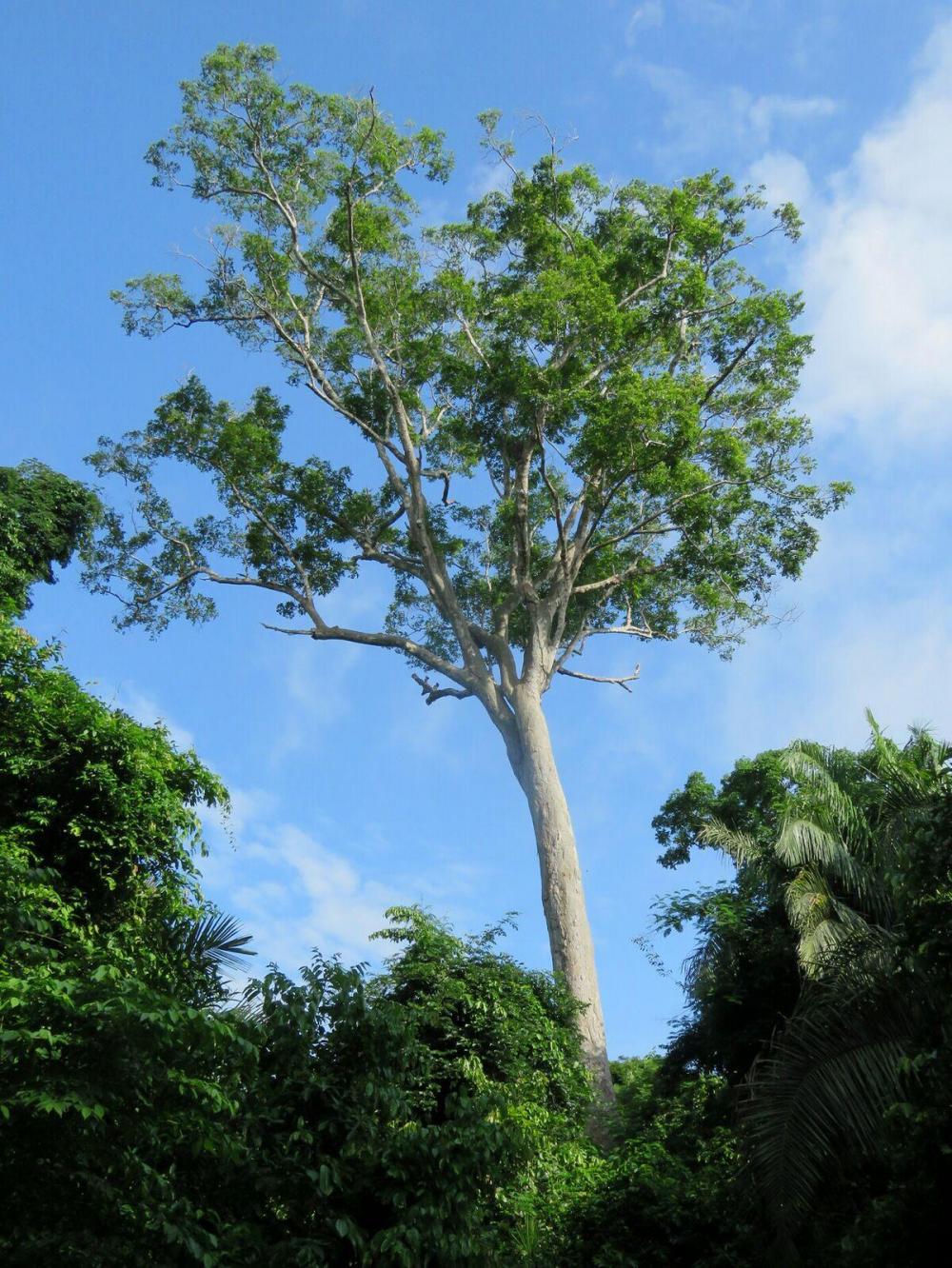
Cumaru
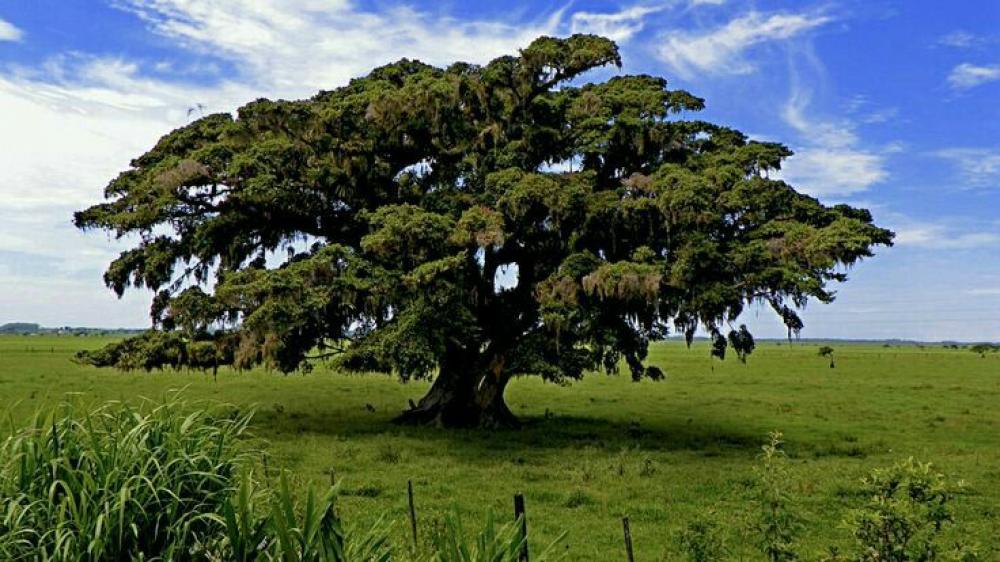
fig tree
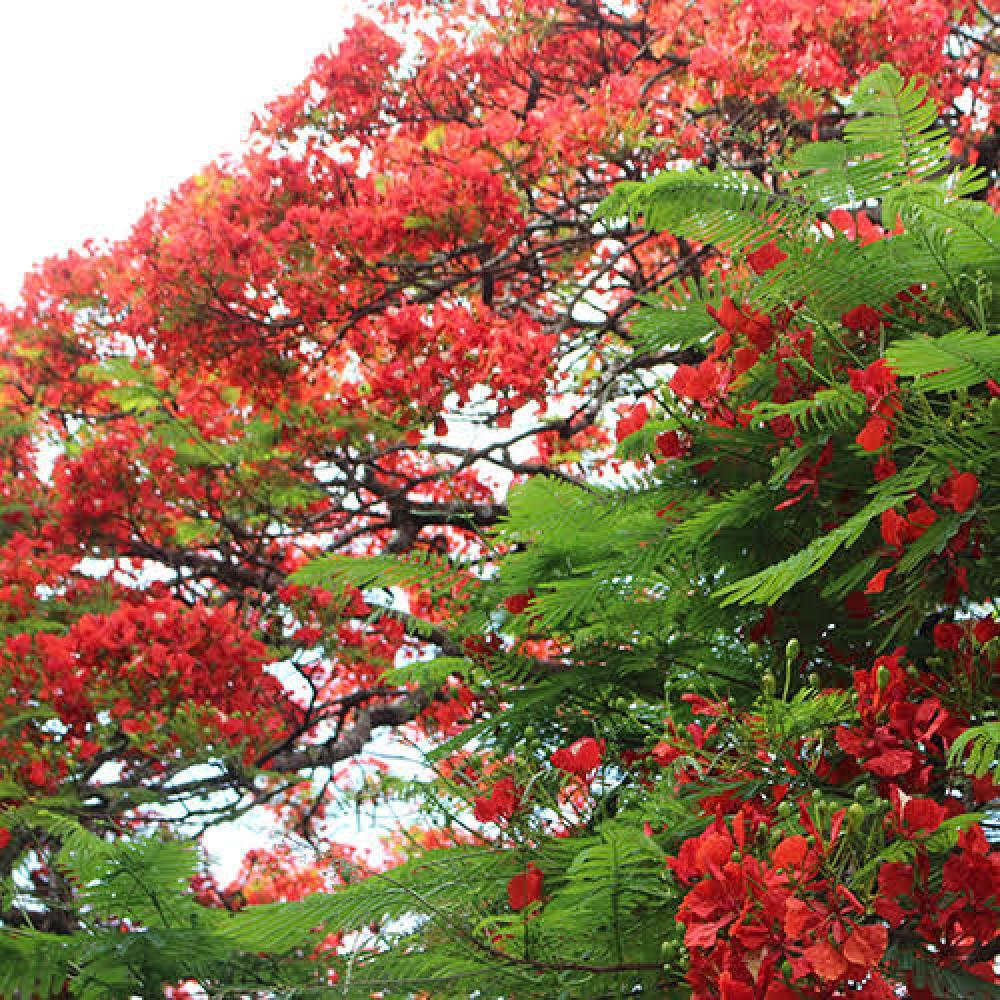
Flamboyant
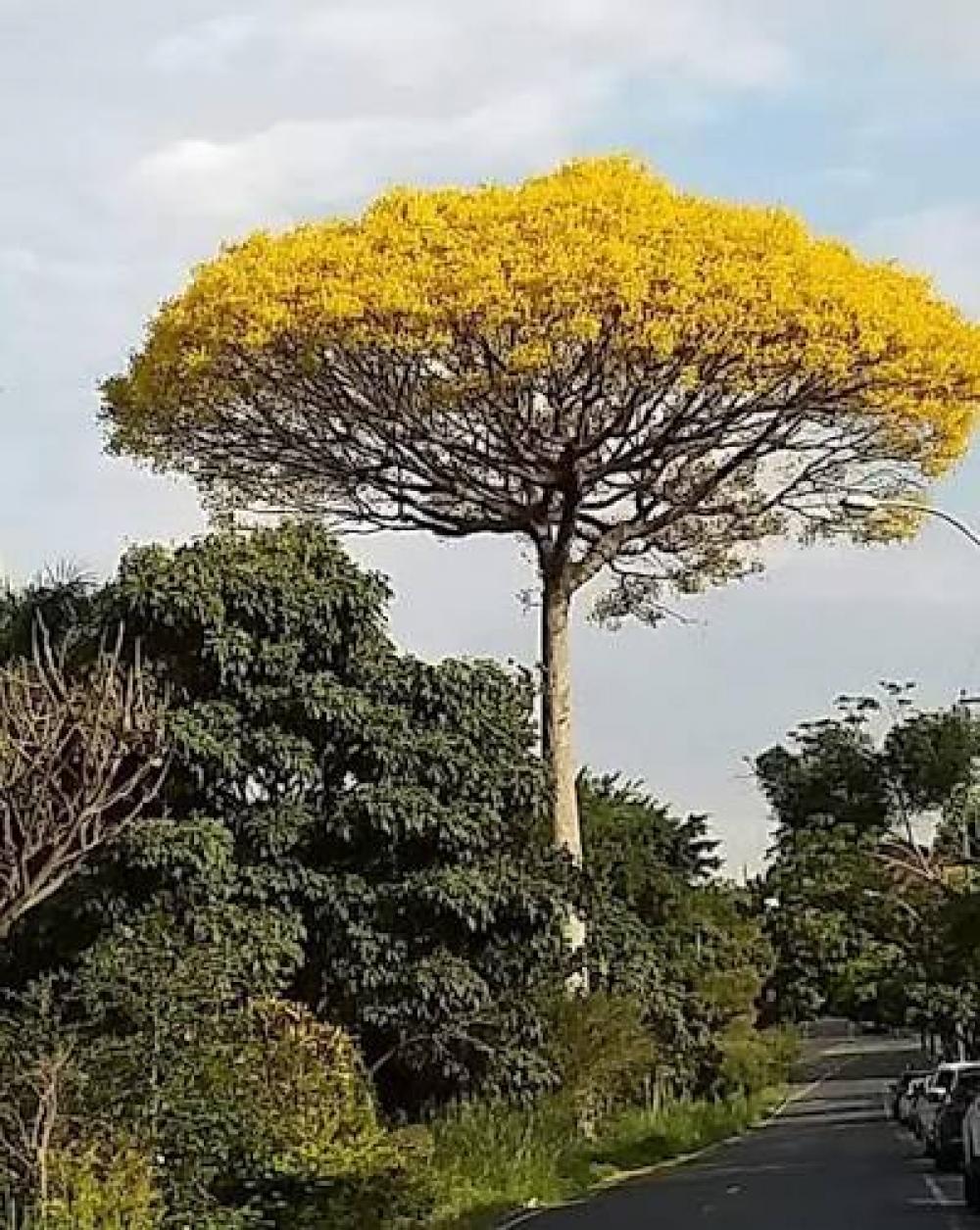
Guapuruvu
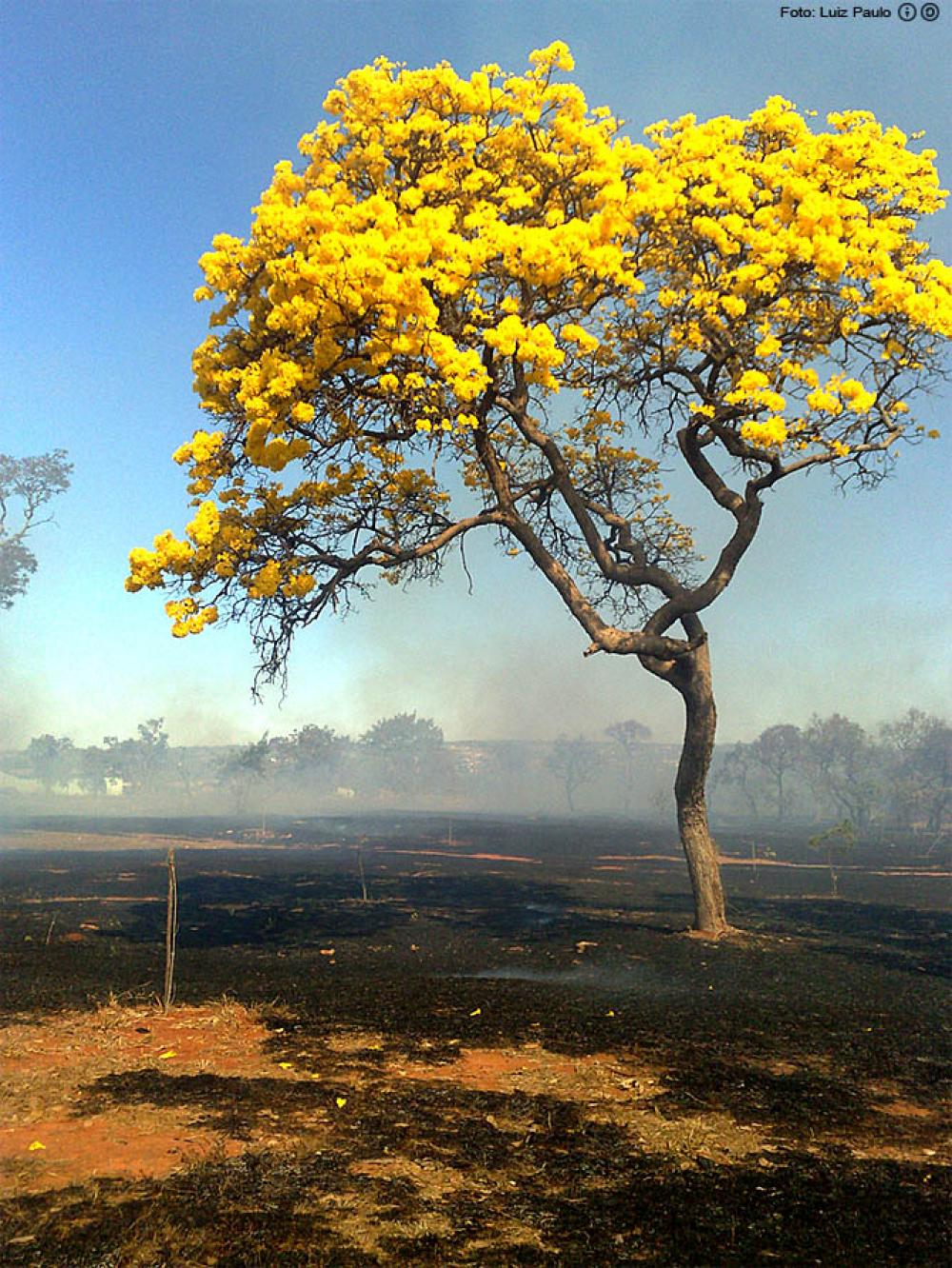
Yellow Ipê
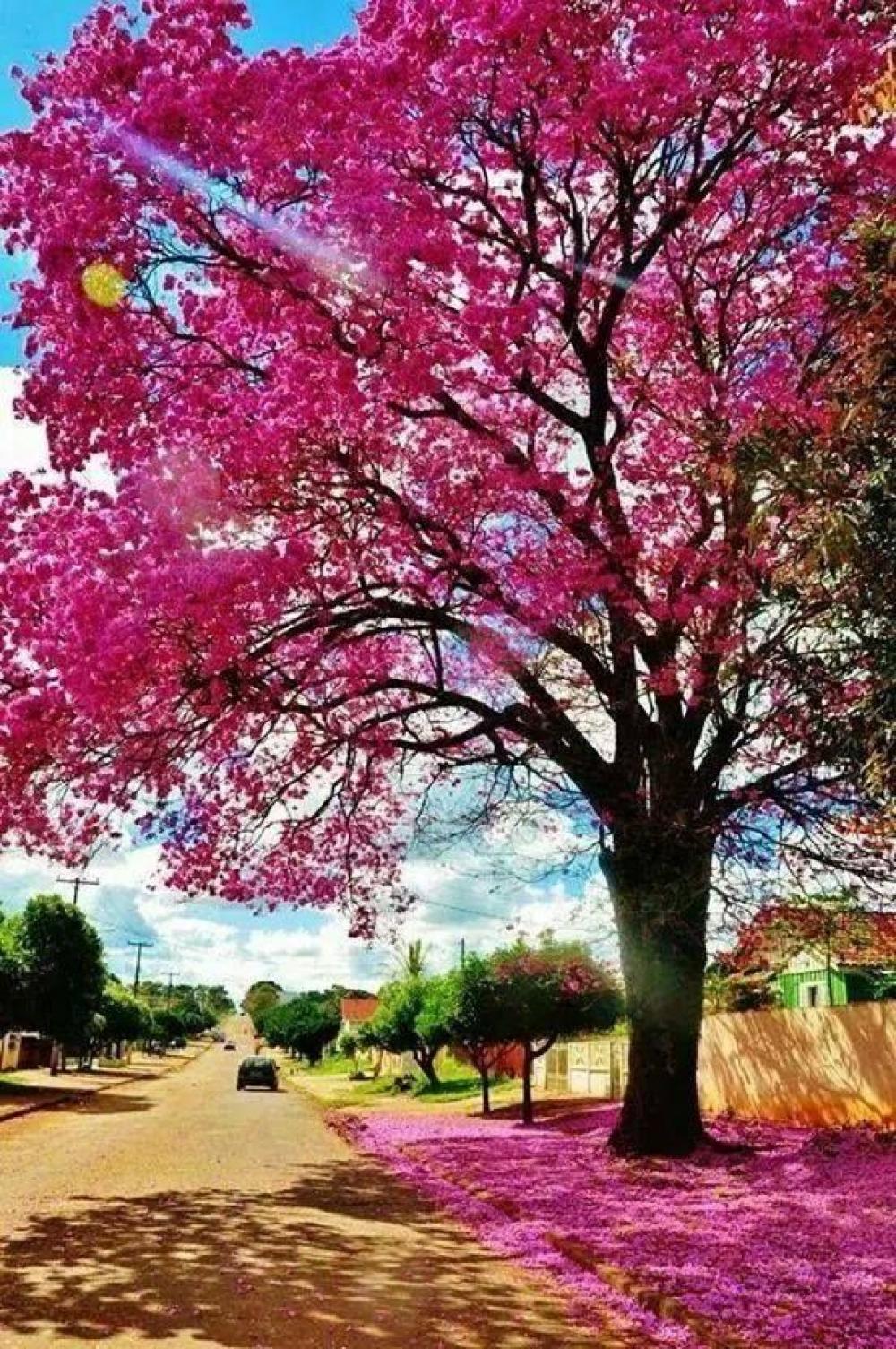
Purple Ipe
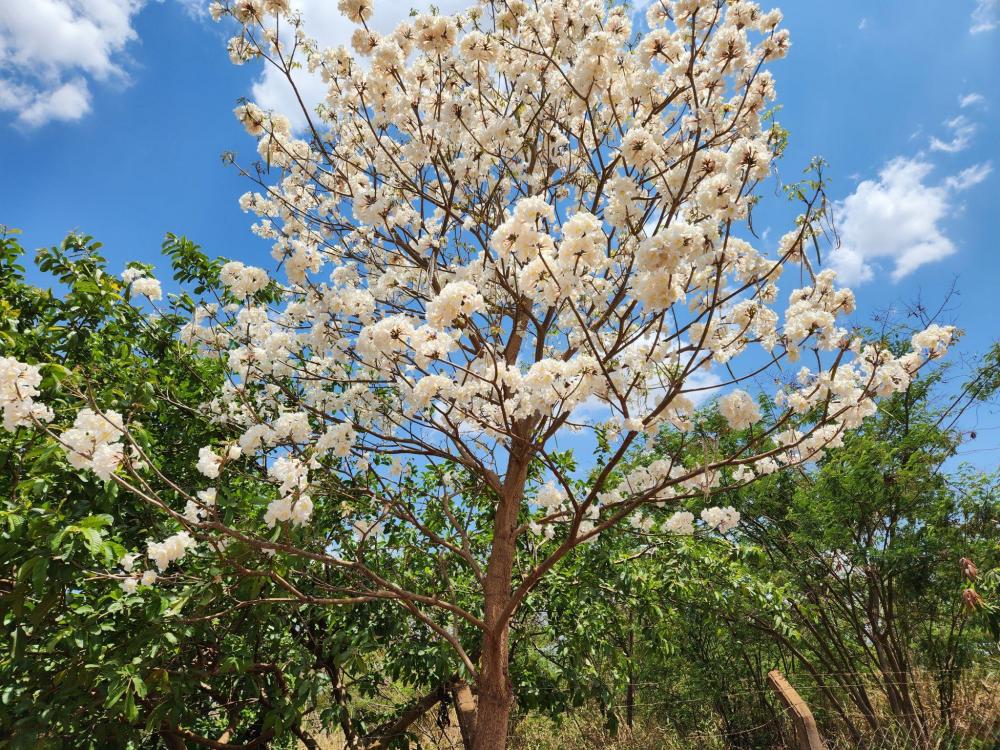
White Ipê
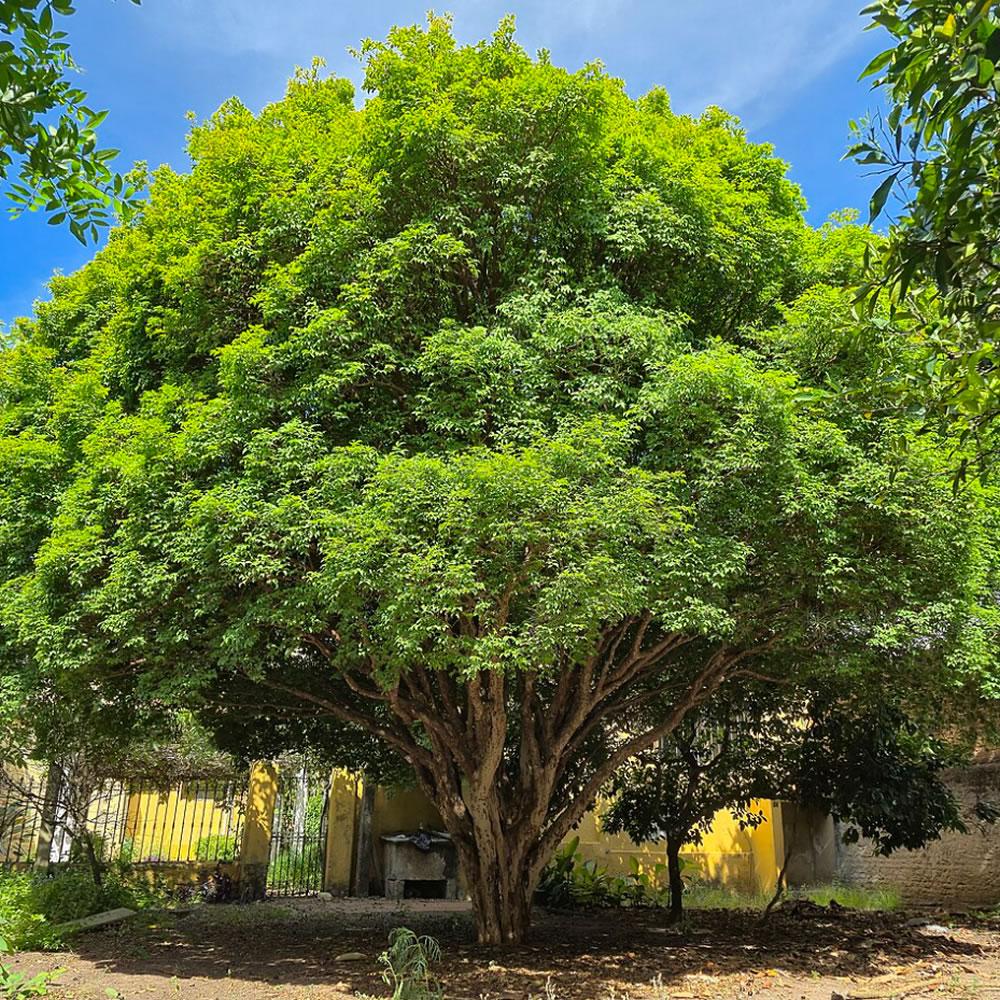
Jabuticaba
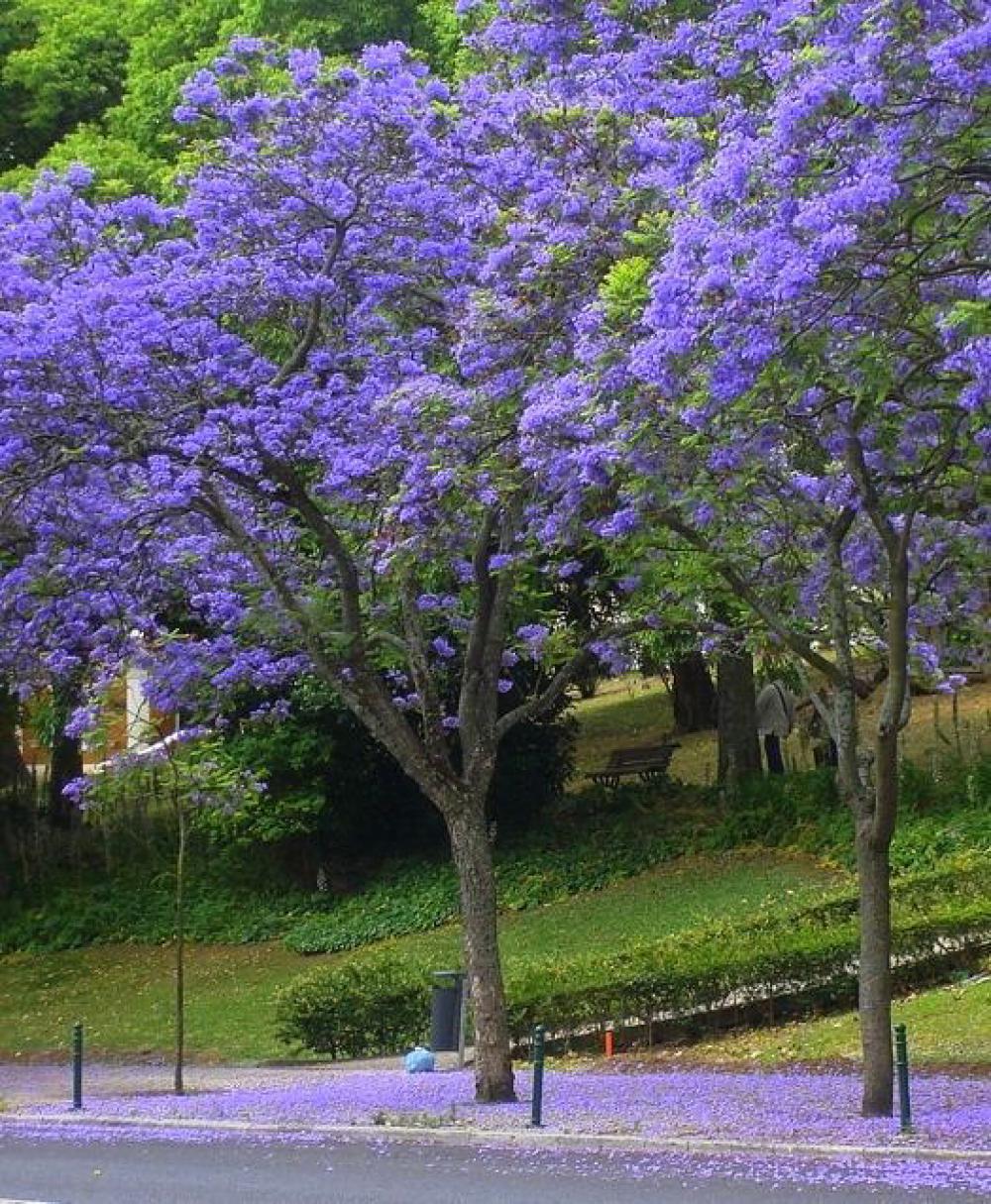
Blue jacaranda
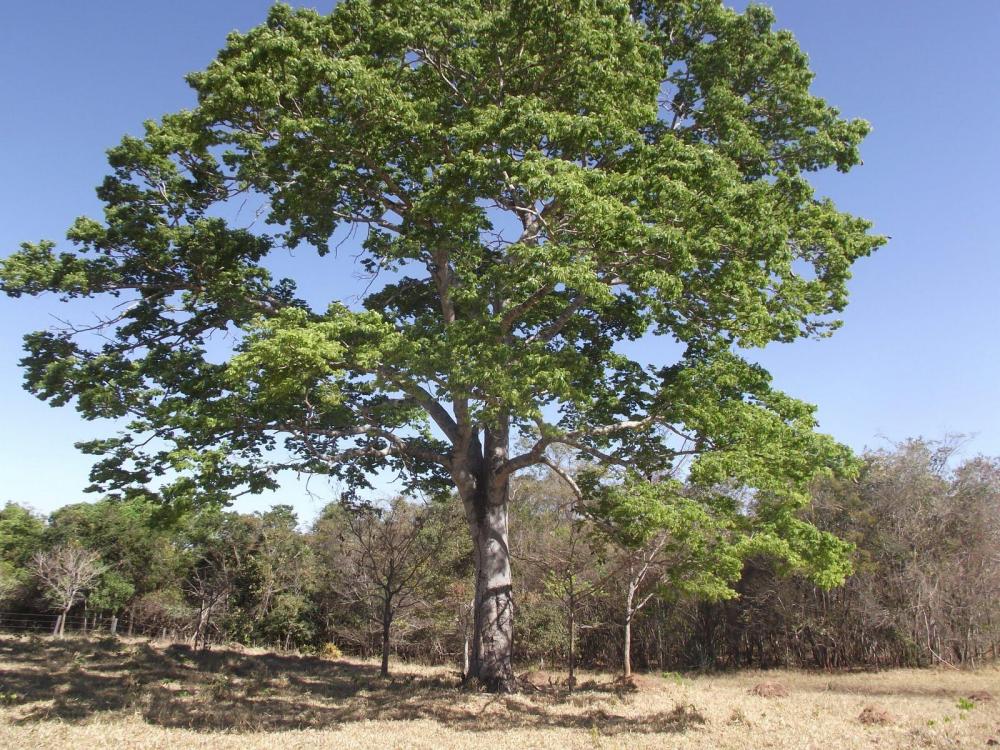
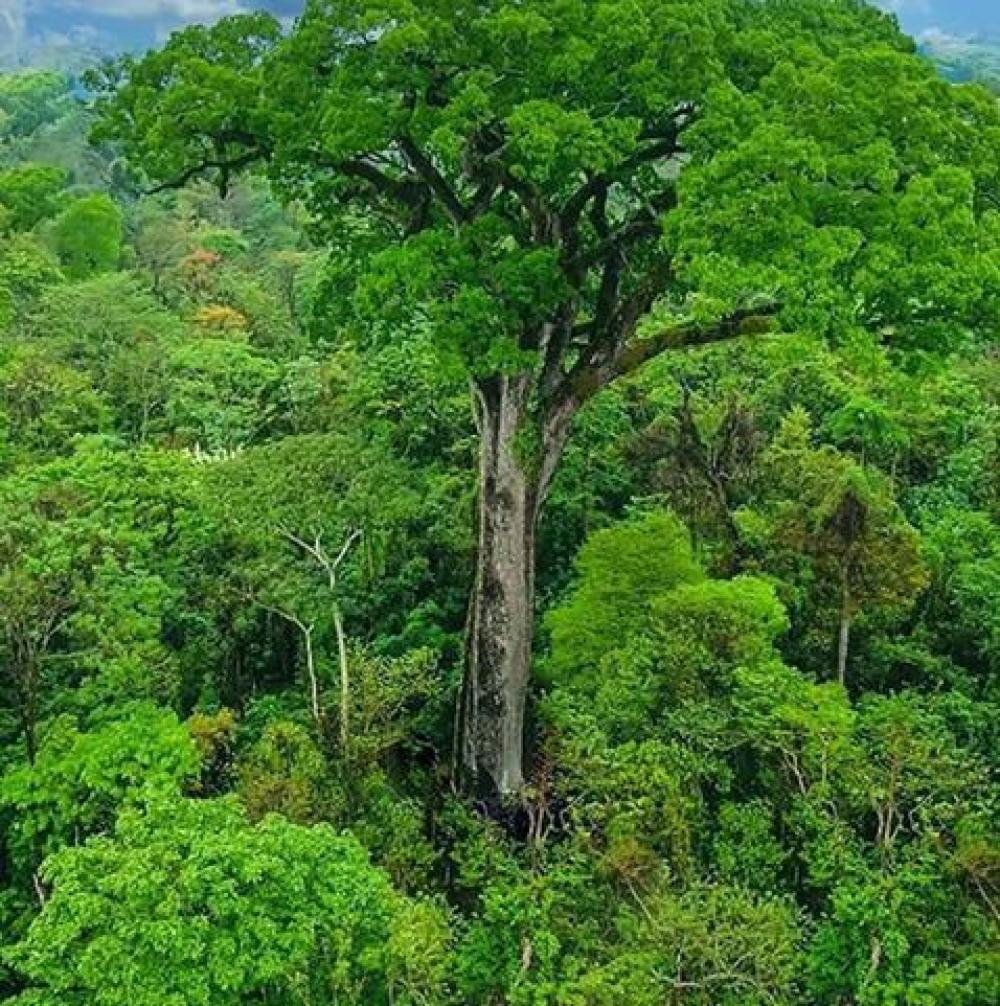
Pink Jequitibá (Cariniana legalis)
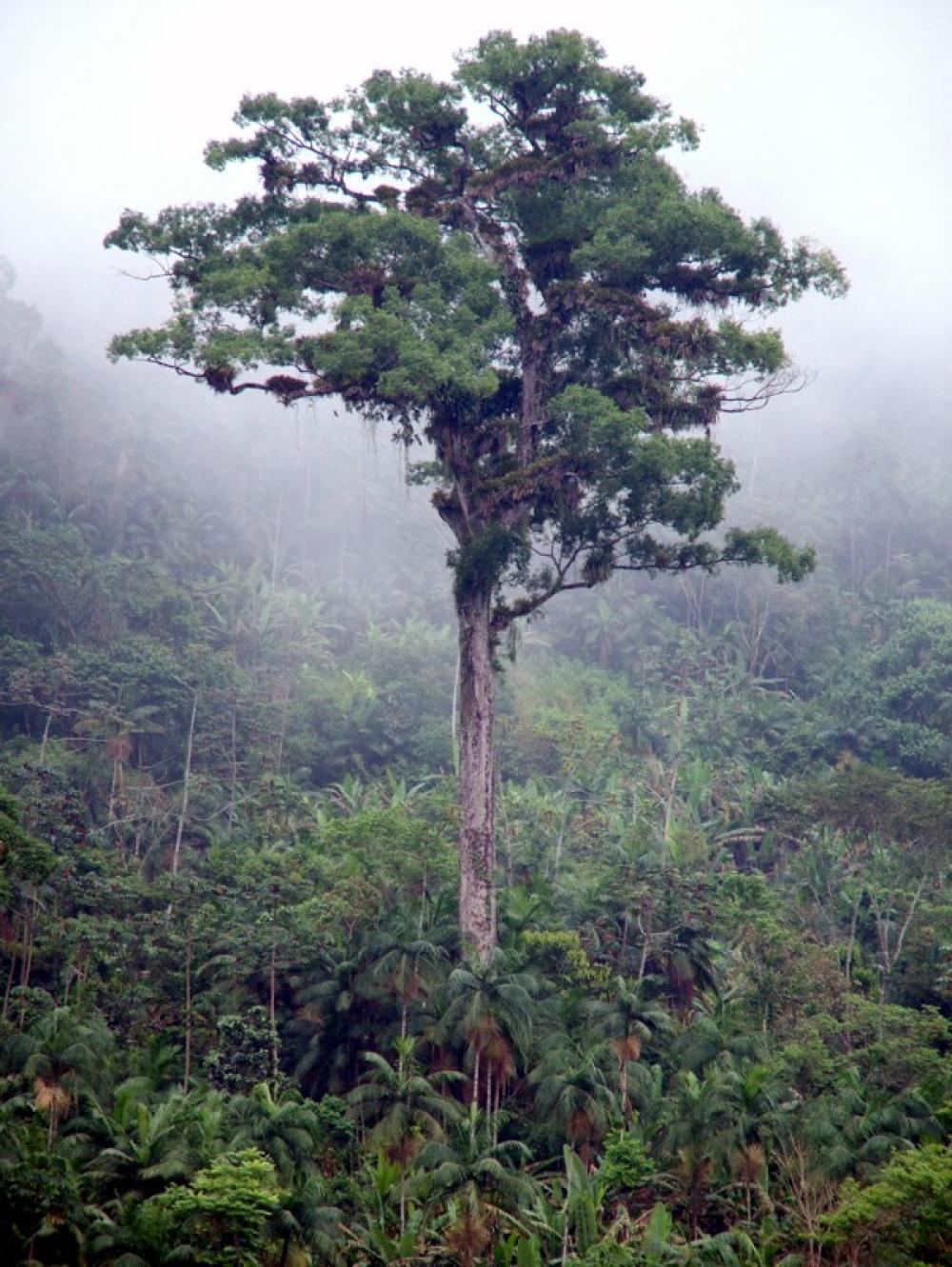
Pink Jequitibá
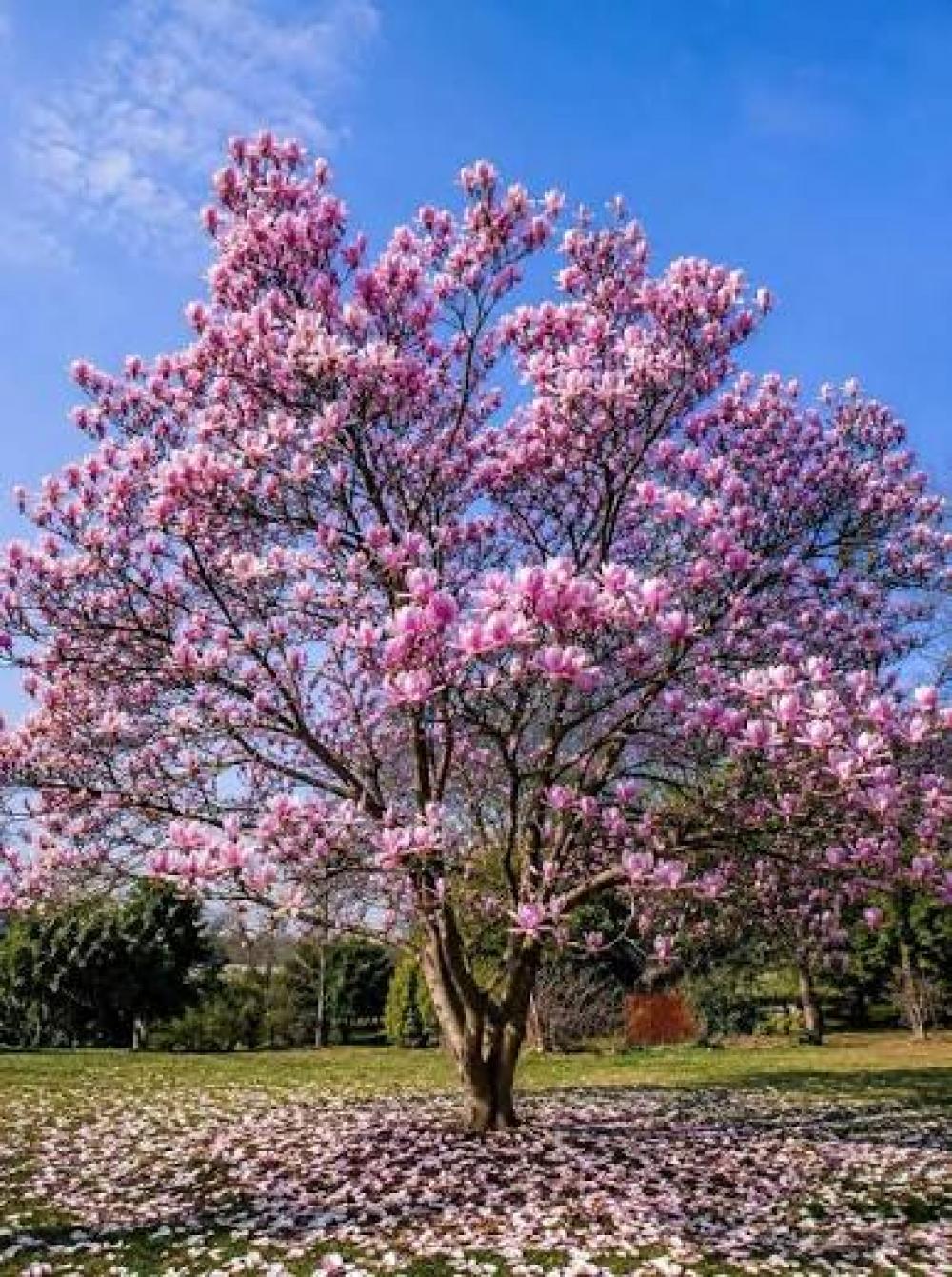
Magnolia
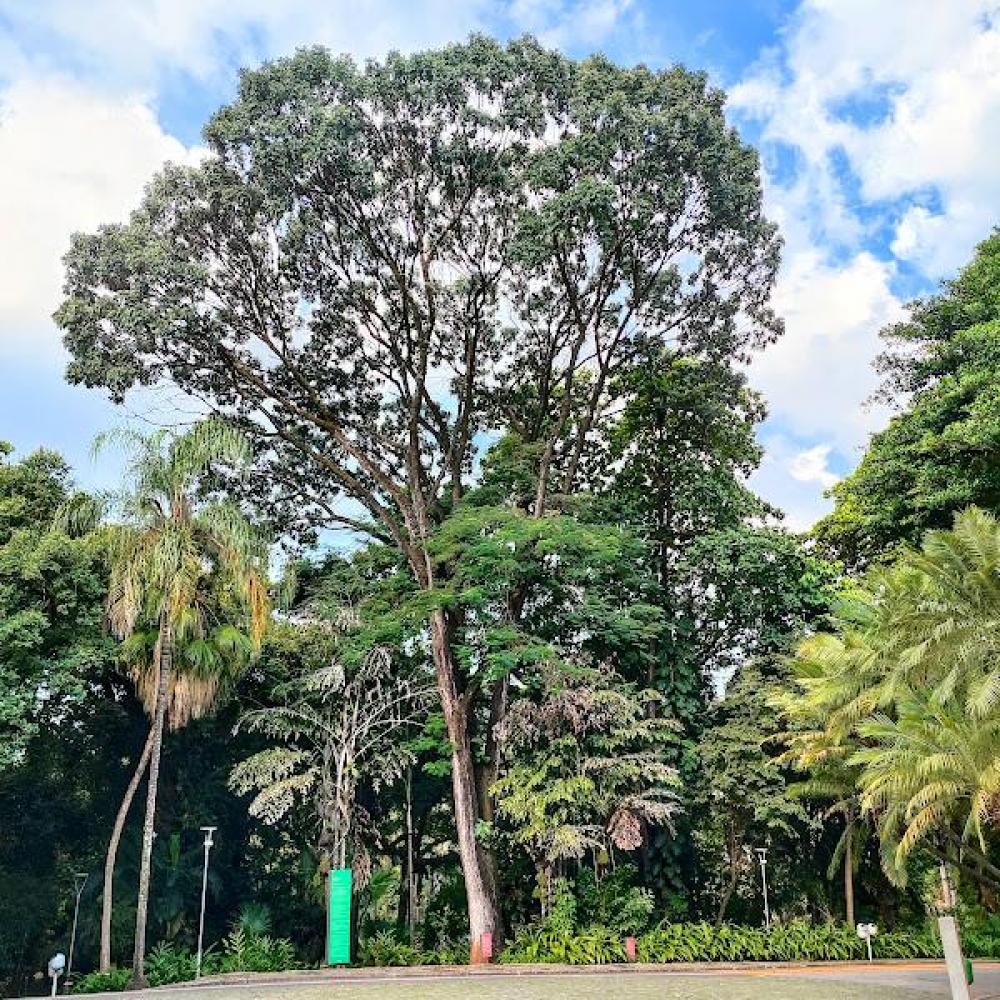
Brazilian Mahogany
pink silk floss tree
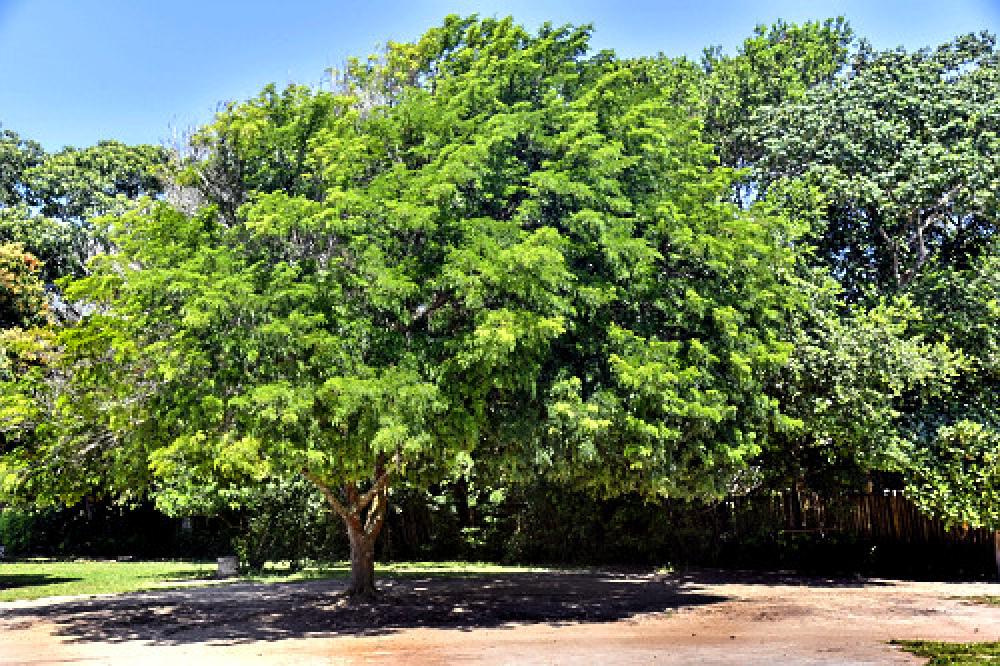
Brazilwood
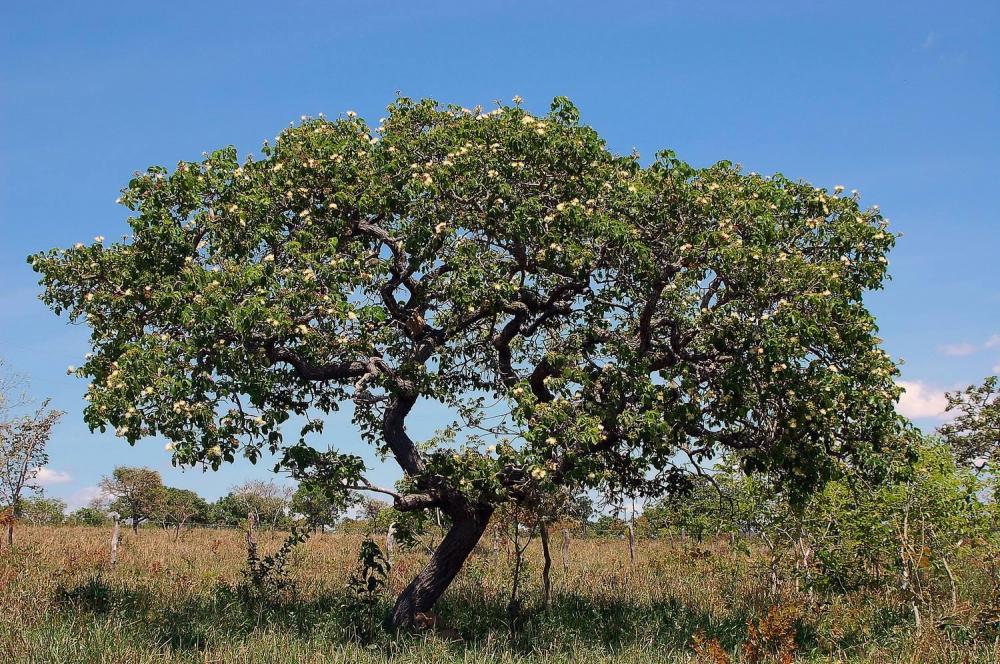
Pequi
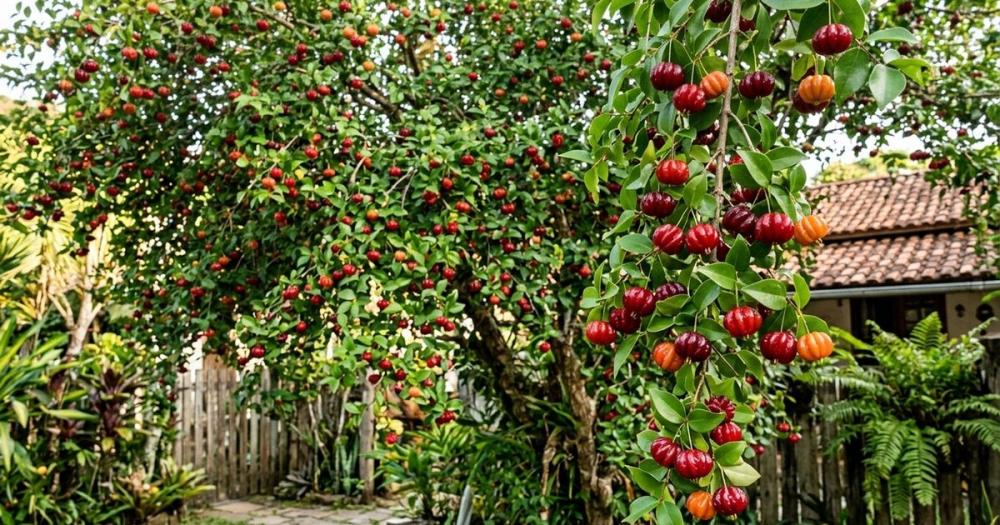
Surinam cherry
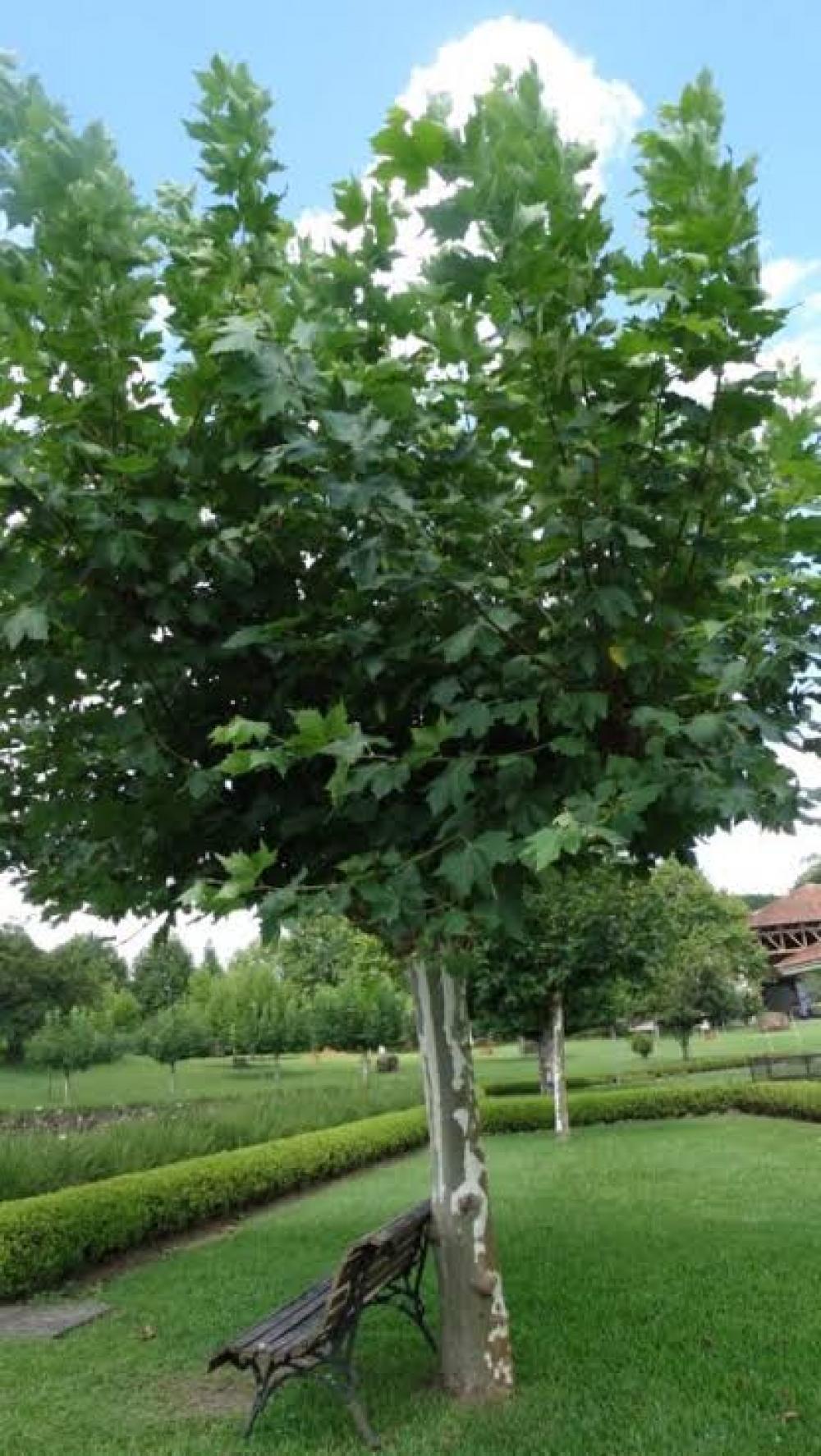
Plane tree
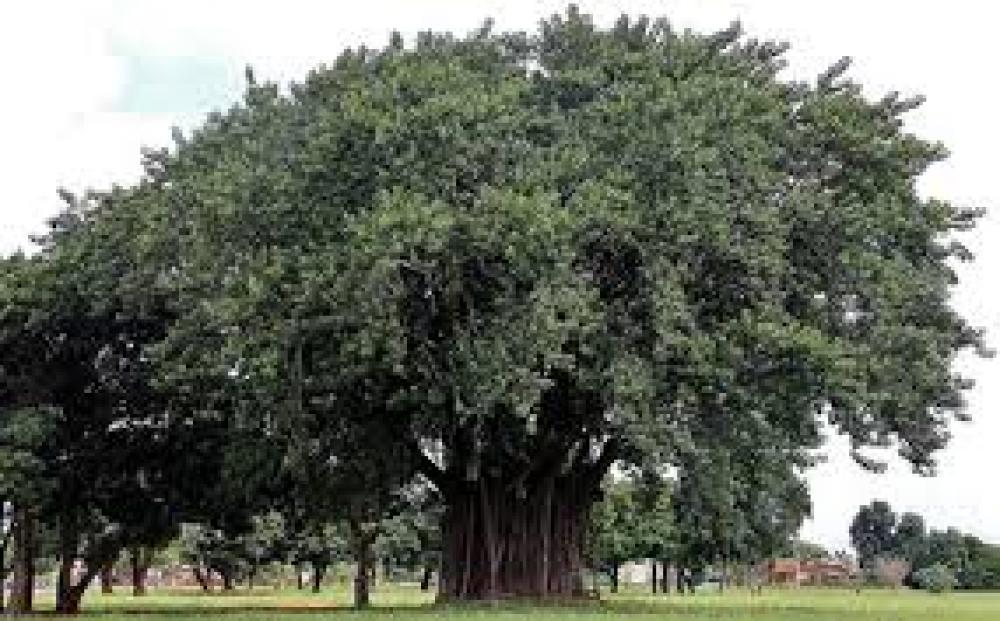
Rubber tree
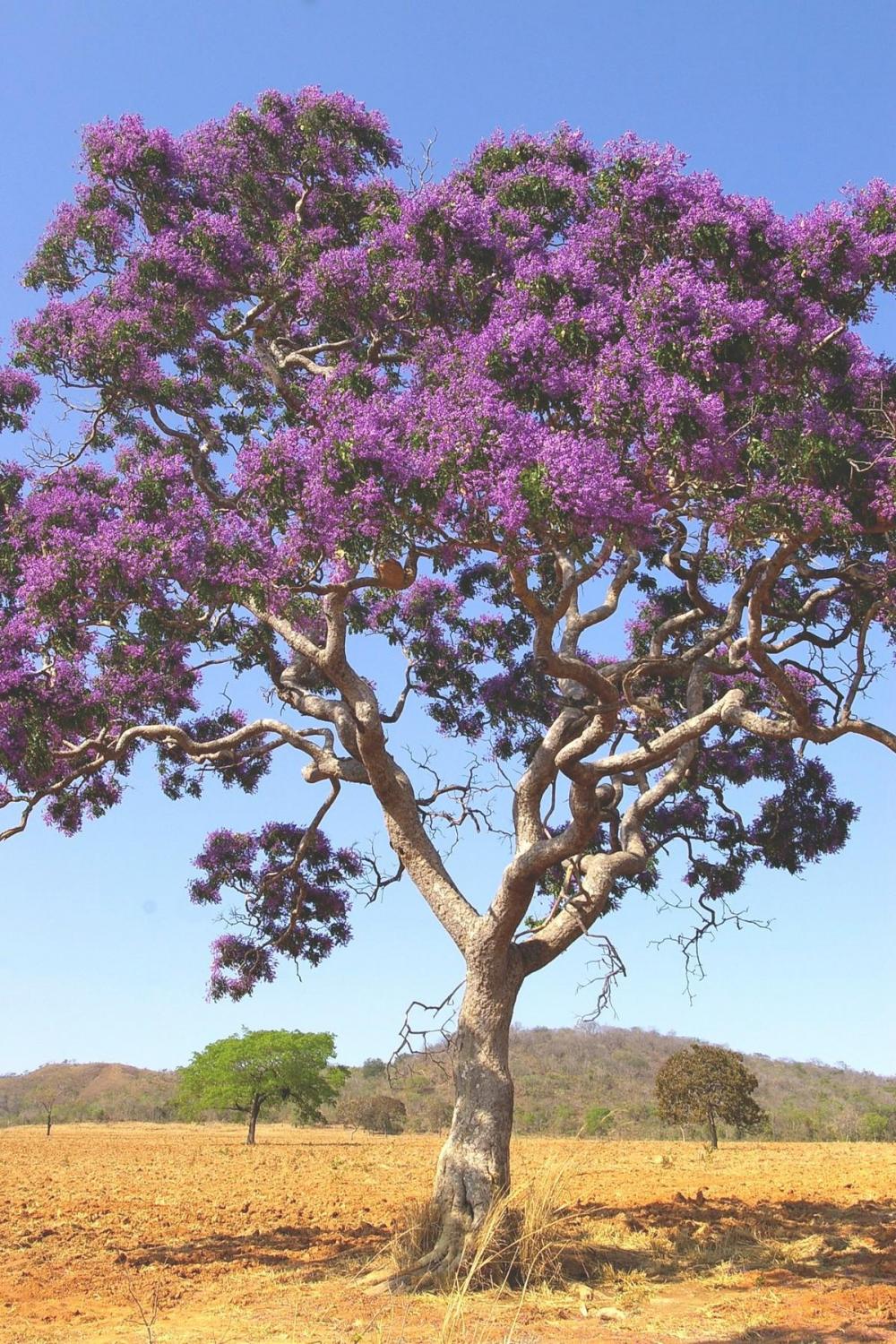
Sucupira
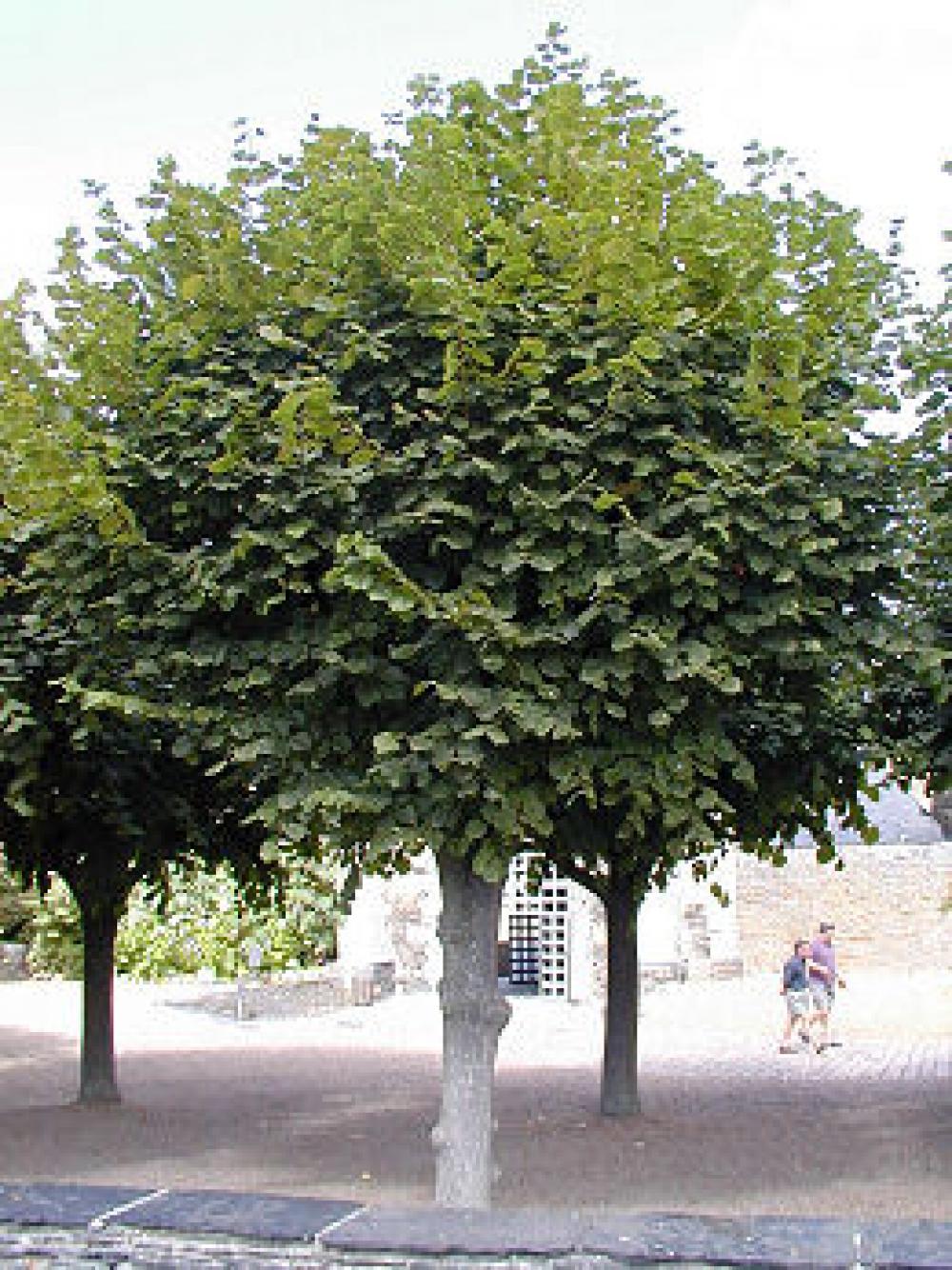
Linden