



Black Cinnamon
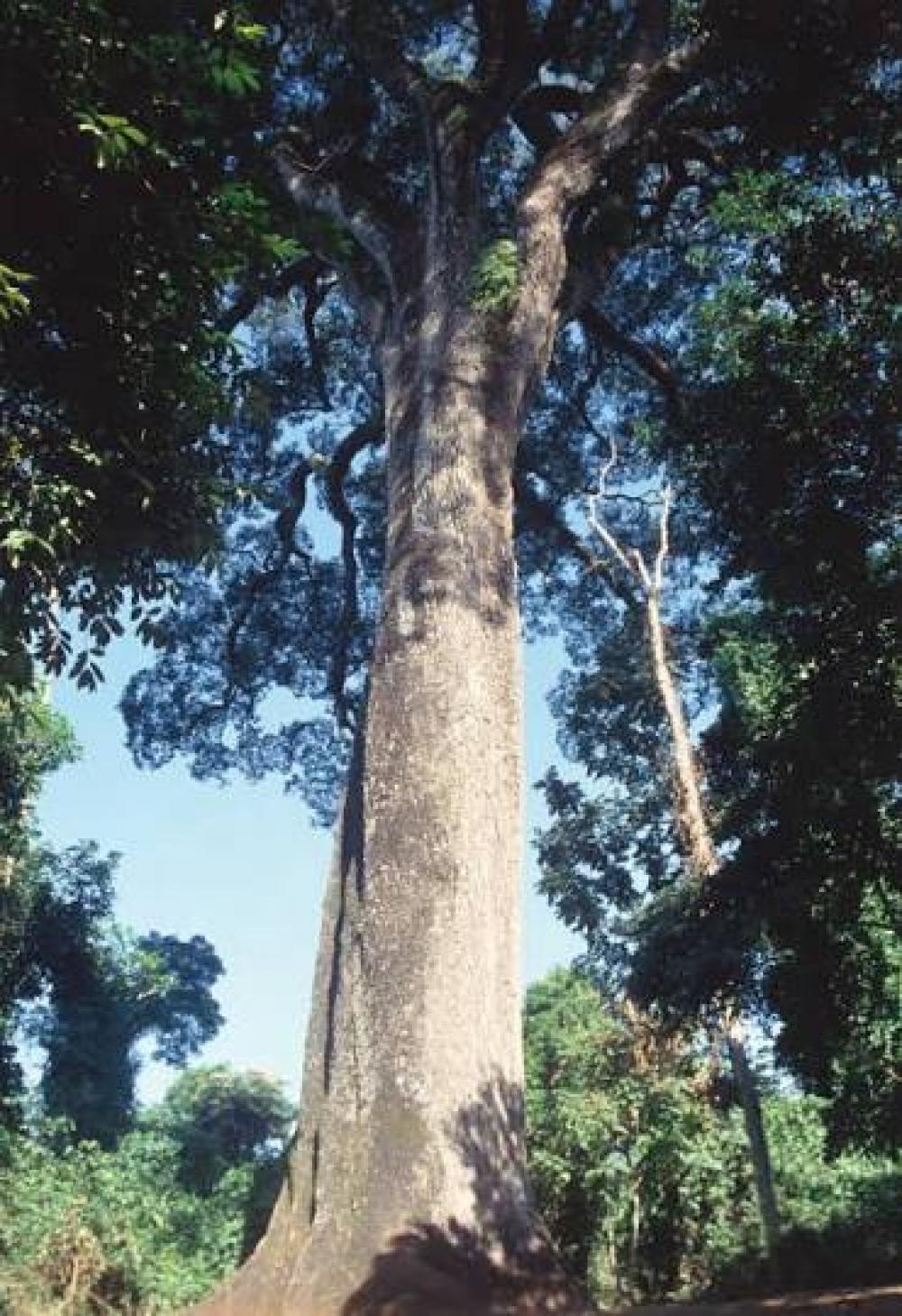
Canela-Preta — A Native Tree of Southern Brazilian Forests
Canela-Preta, scientifically known as *Ocotea catharinensis*, belongs to the Lauraceae family and is a highly important tree species in the forests of southern and southeastern Brazil. It is a large tree capable of reaching impressive dimensions in natural settings, featuring a robust trunk, a well-developed crown, and evergreen foliage. Its wood is of high quality—a characteristic that historically led to the species exploitation.
Ecologically, Canela-Preta plays a significant role in the structure of native forests, contributing to canopy formation and providing shelter and resources for various organisms. Its fruits are consumed by wildlife, thereby supporting ecological interactions and seed dispersal. The presence of large trees like Canela-Preta also helps maintain the diversity and complexity of forest environments.
The species holds great value for biodiversity conservation, particularly because its natural populations have been depleted by logging and the transformation of forest landscapes. For this reason, Canela-Preta stands as a prime example of the need to protect native forests and promote restoration efforts, scientific research, and environmental education.
Beyond its ecological value, Canela-Preta is part of the natural heritage of Brazilian forests. Understanding its history and characteristics sheds light on the importance of native trees for ecosystem balance. Preserving this species means protecting biodiversity, conserving natural environments, and ensuring that future generations can experience the richness of Brazilian forests.
Canela-Preta, scientifically known as *Ocotea catharinensis*, belongs to the Lauraceae family and is a highly important tree species in the forests of southern and southeastern Brazil. It is a large tree capable of reaching impressive dimensions in natural settings, featuring a robust trunk, a well-developed crown, and evergreen foliage. Its wood is of high quality—a characteristic that historically led to the species exploitation.
Ecologically, Canela-Preta plays a significant role in the structure of native forests, contributing to canopy formation and providing shelter and resources for various organisms. Its fruits are consumed by wildlife, thereby supporting ecological interactions and seed dispersal. The presence of large trees like Canela-Preta also helps maintain the diversity and complexity of forest environments.
The species holds great value for biodiversity conservation, particularly because its natural populations have been depleted by logging and the transformation of forest landscapes. For this reason, Canela-Preta stands as a prime example of the need to protect native forests and promote restoration efforts, scientific research, and environmental education.
Beyond its ecological value, Canela-Preta is part of the natural heritage of Brazilian forests. Understanding its history and characteristics sheds light on the importance of native trees for ecosystem balance. Preserving this species means protecting biodiversity, conserving natural environments, and ensuring that future generations can experience the richness of Brazilian forests.
Tree Catalog
Imperial acacia
Açaí (Euterpe oleracea)
Açaí palm
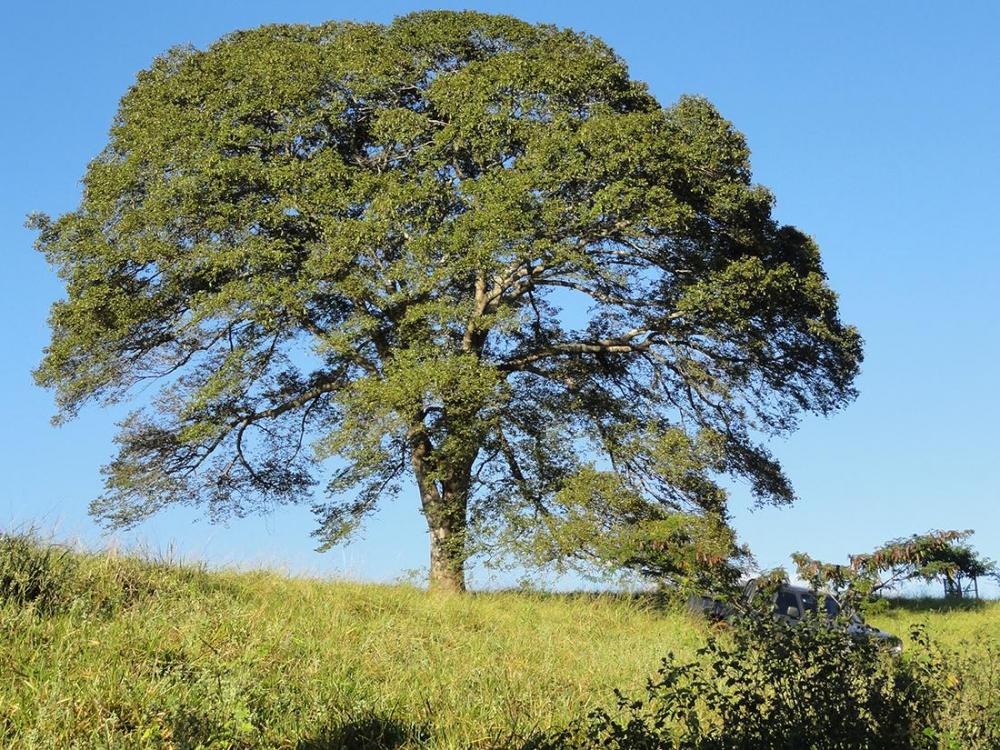

Red Angelim
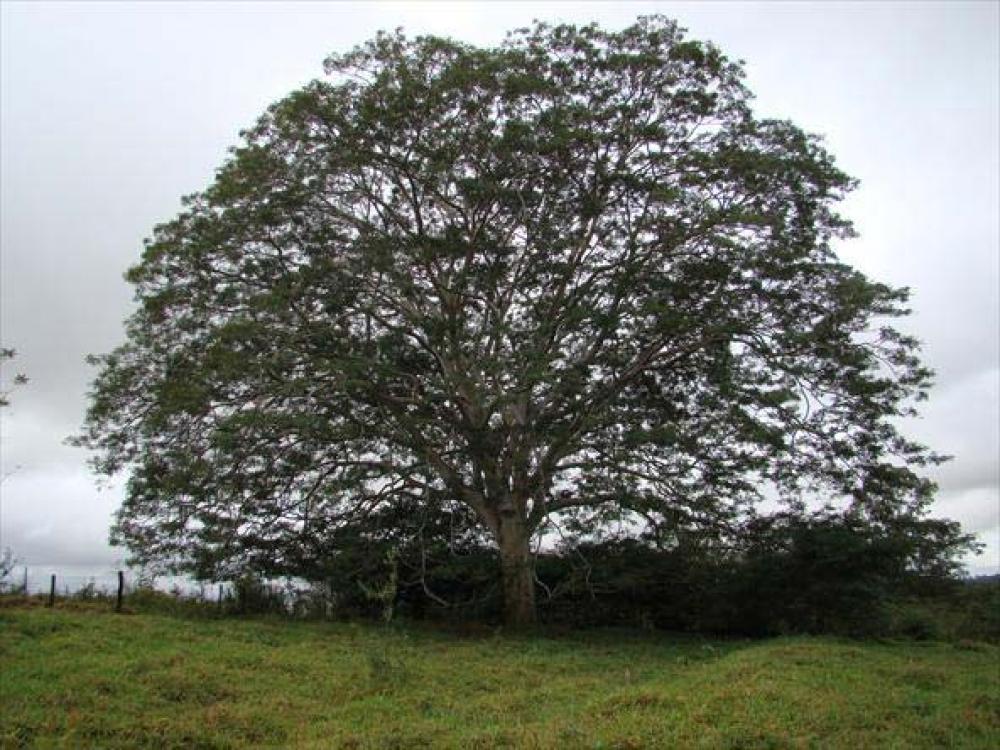
White Angico
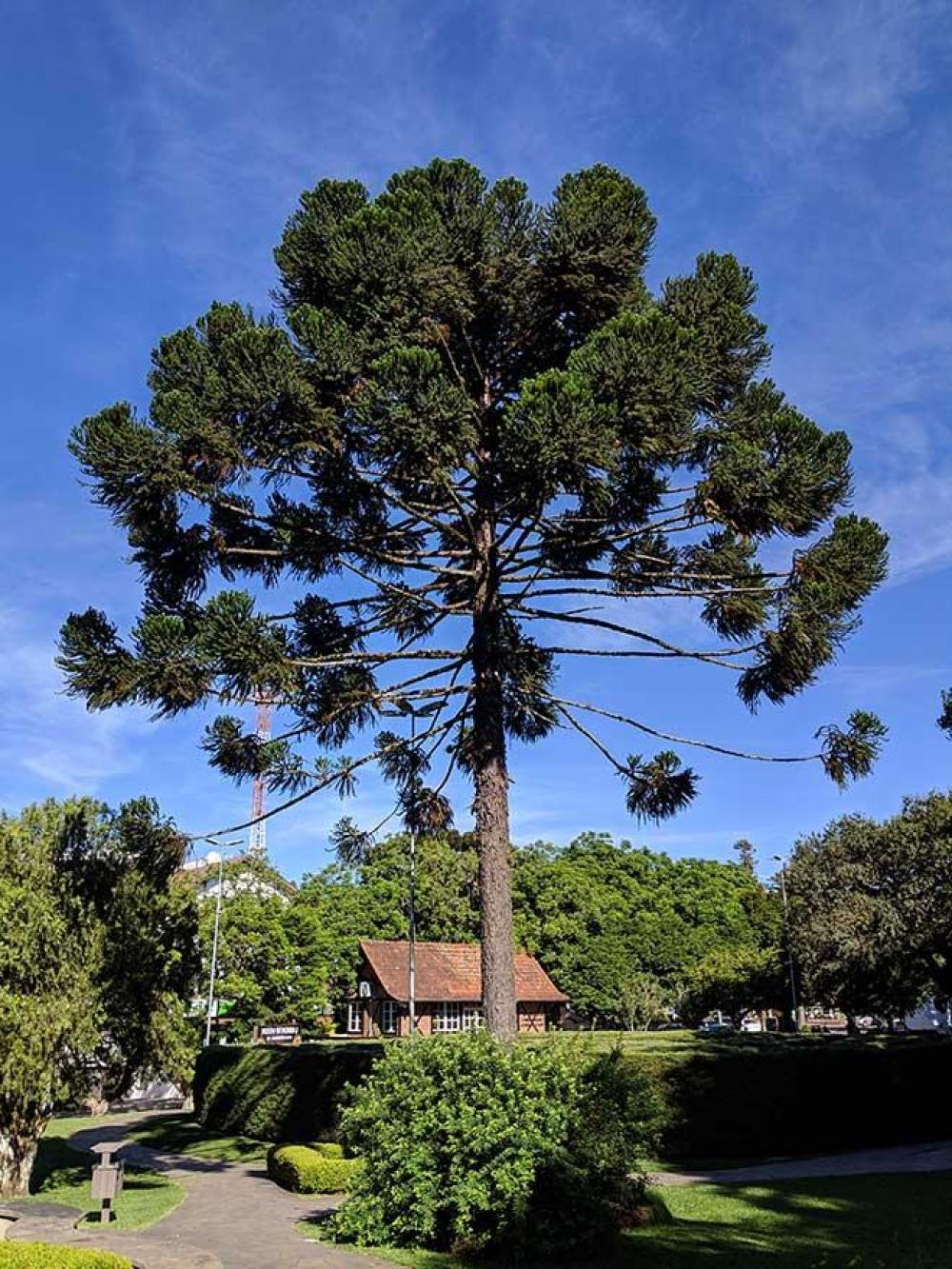
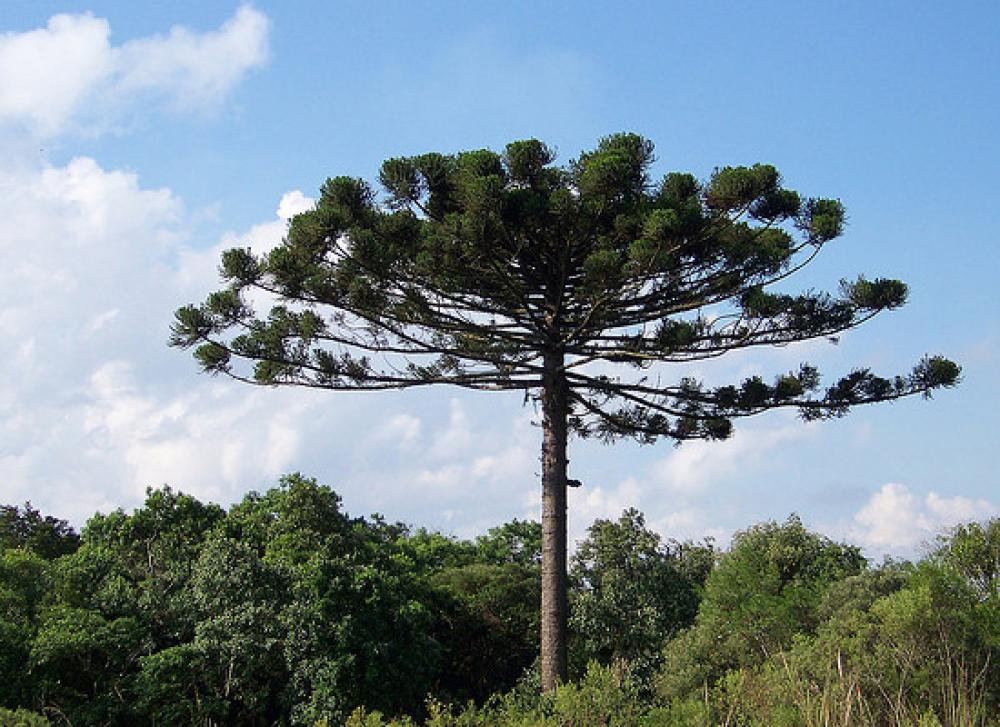
Araucaria, the Paraná pine
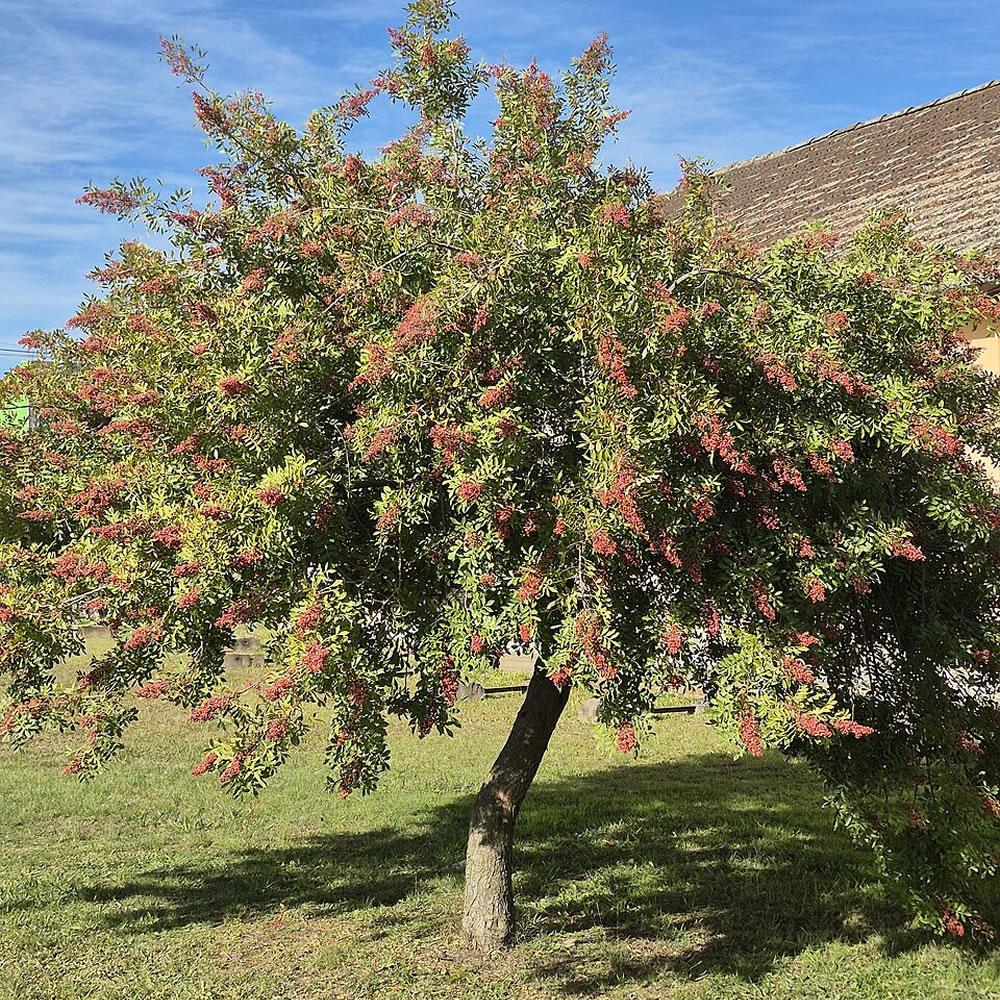
Brazilian peppertree
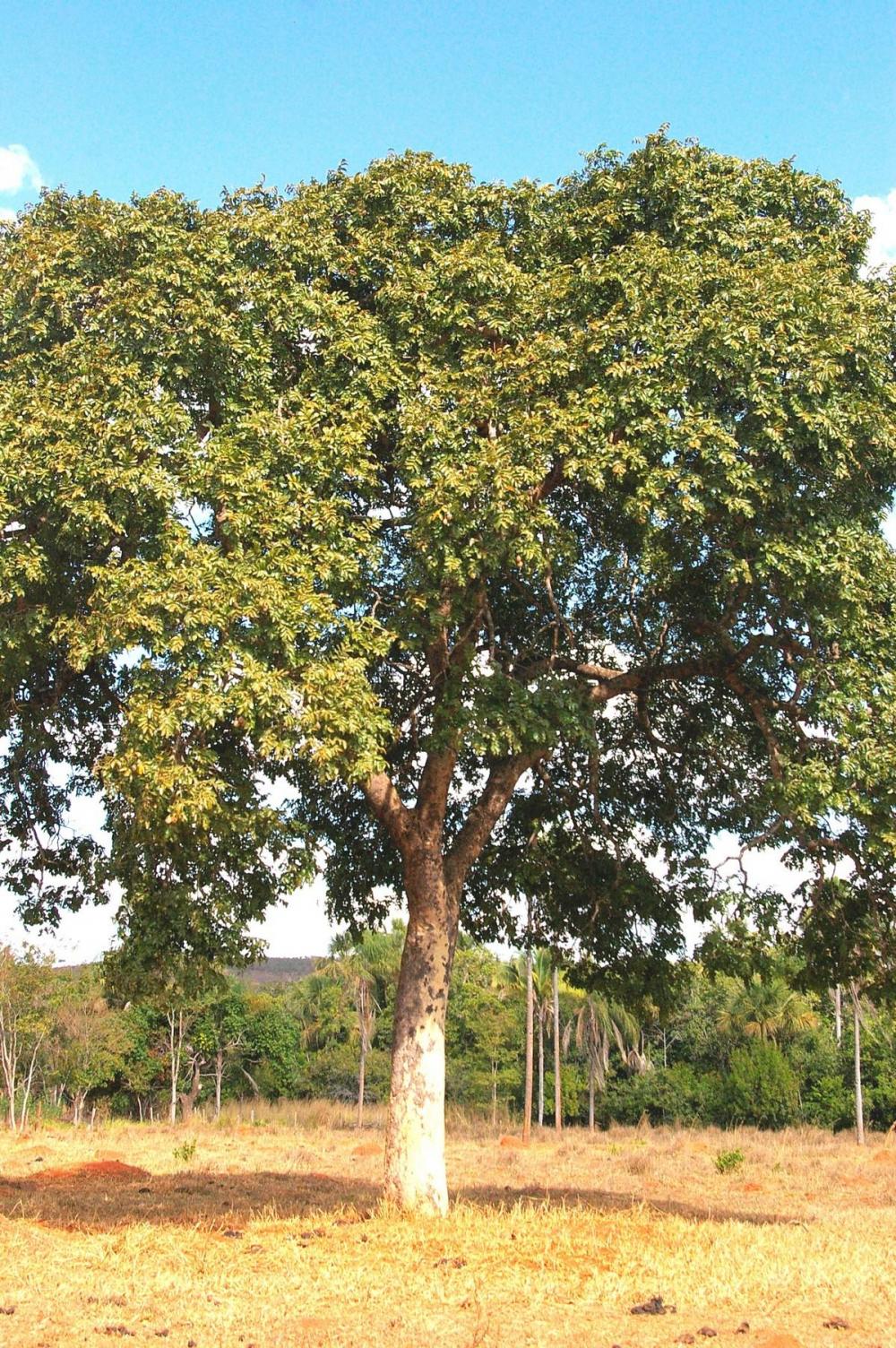
Baru
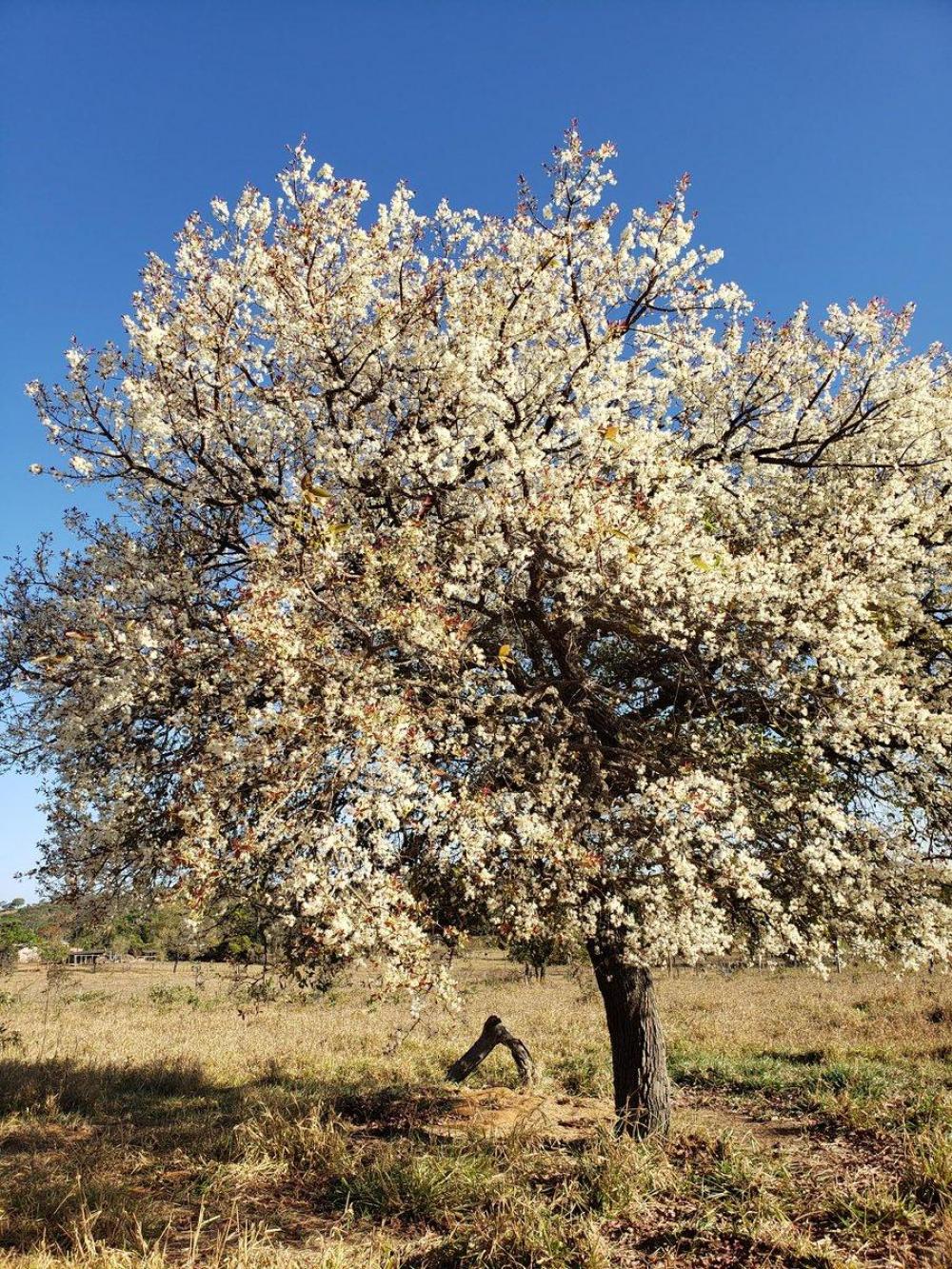
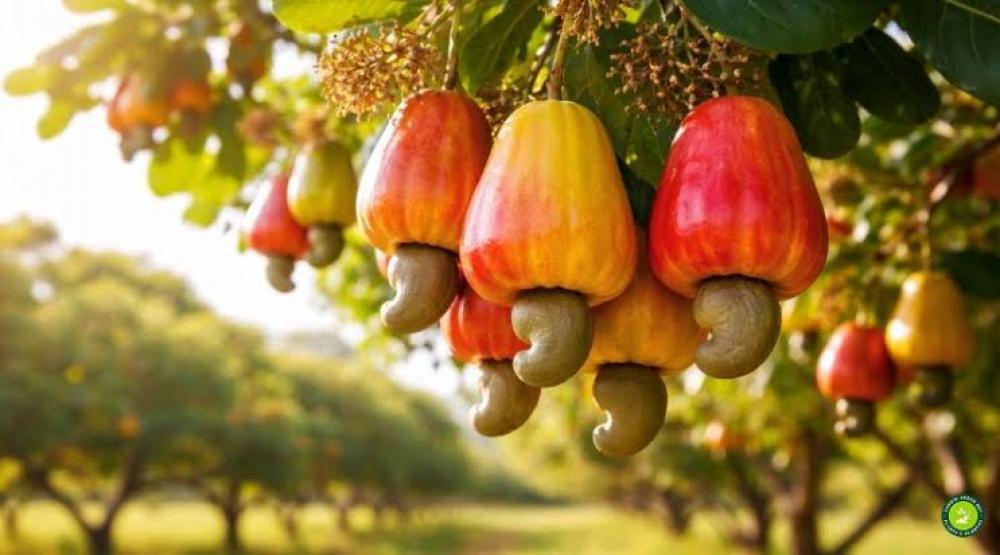
cashew tree
Black Cinnamon
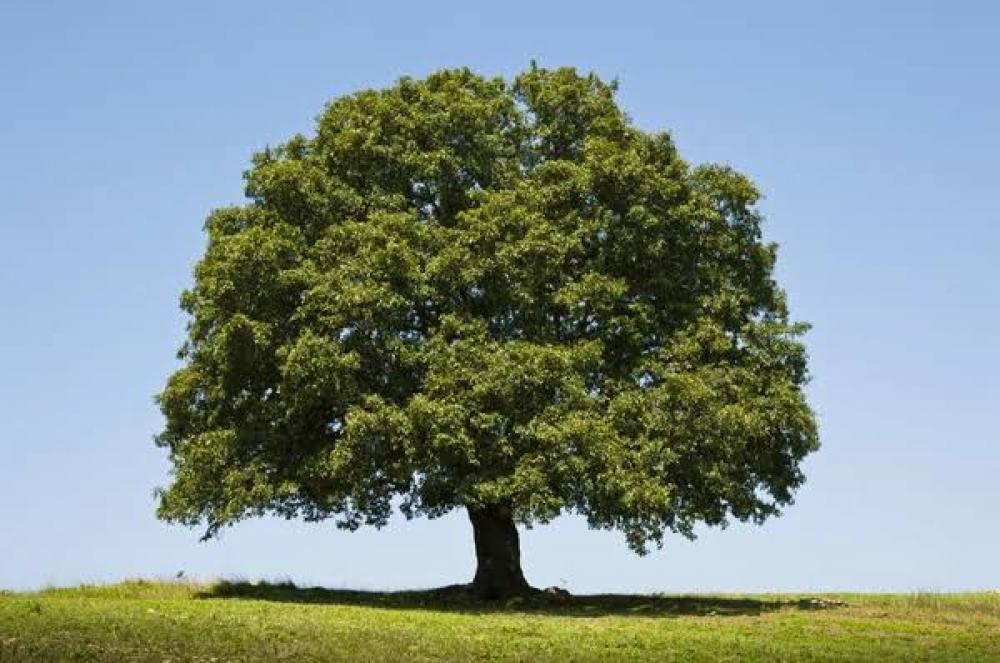
Oak tree
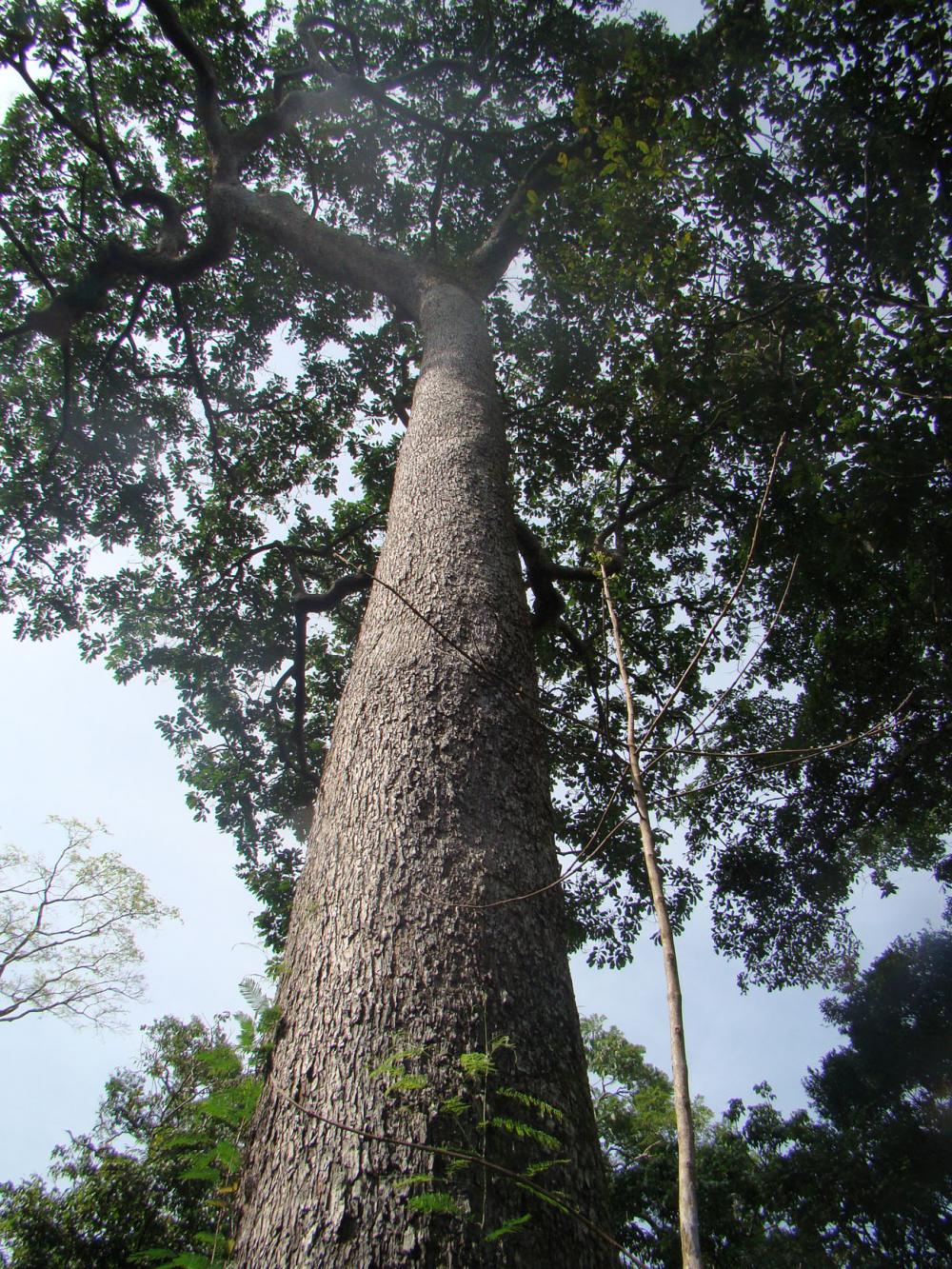
nuez de Brasil
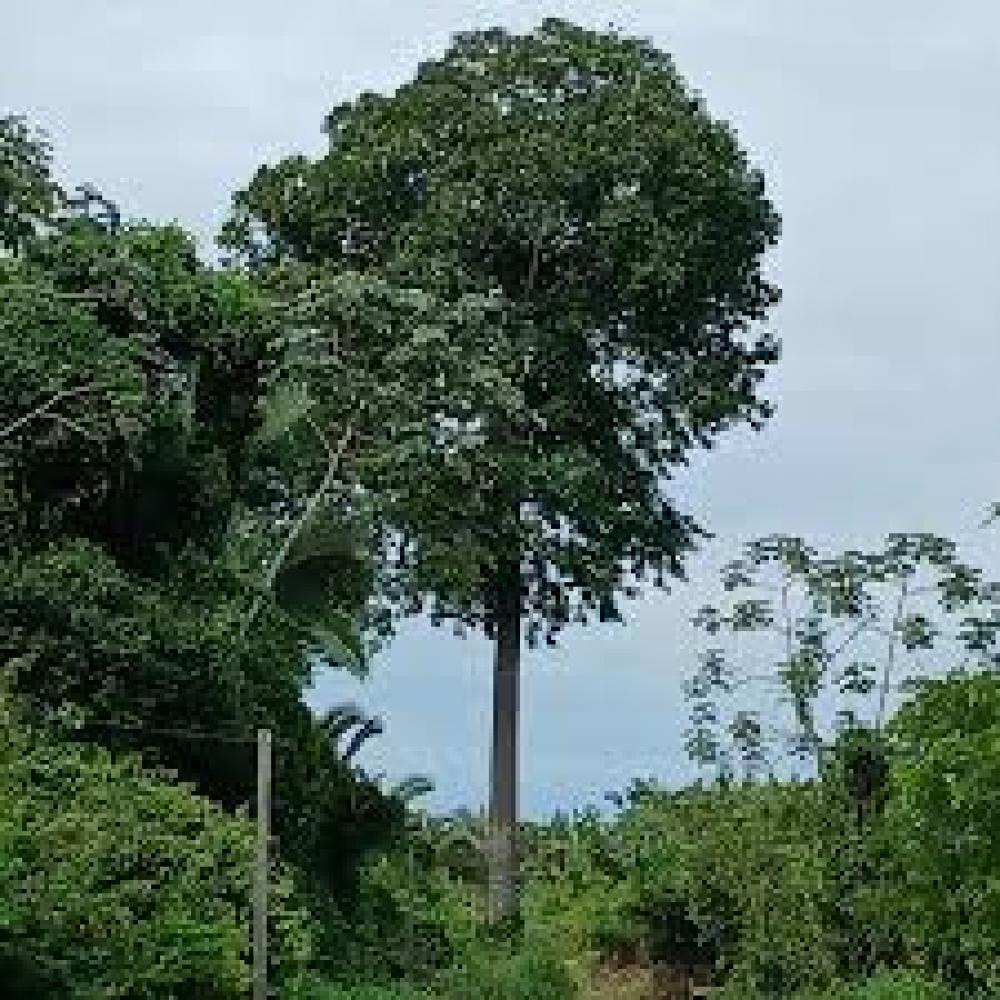
Brazil nut tree
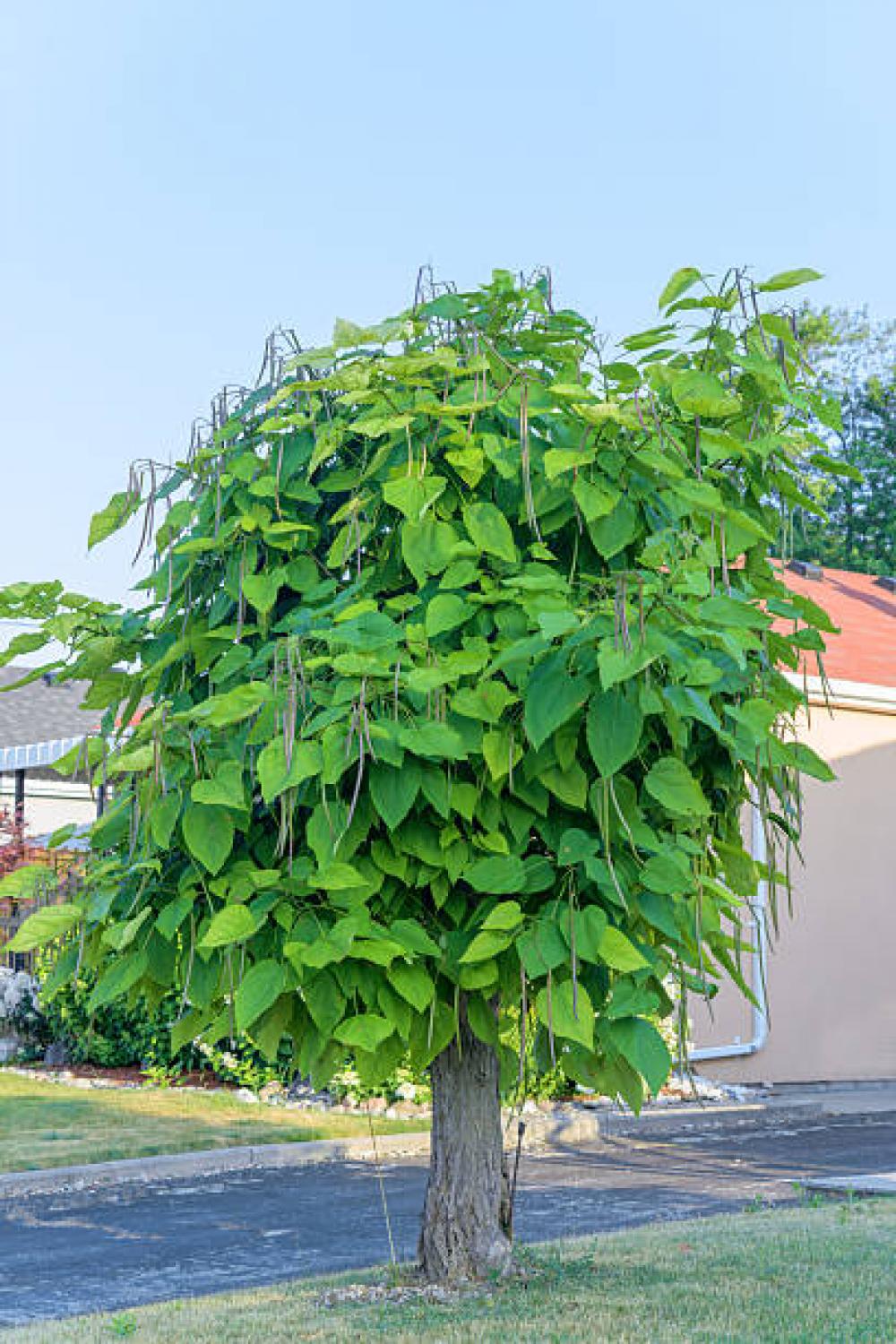
Catalpa
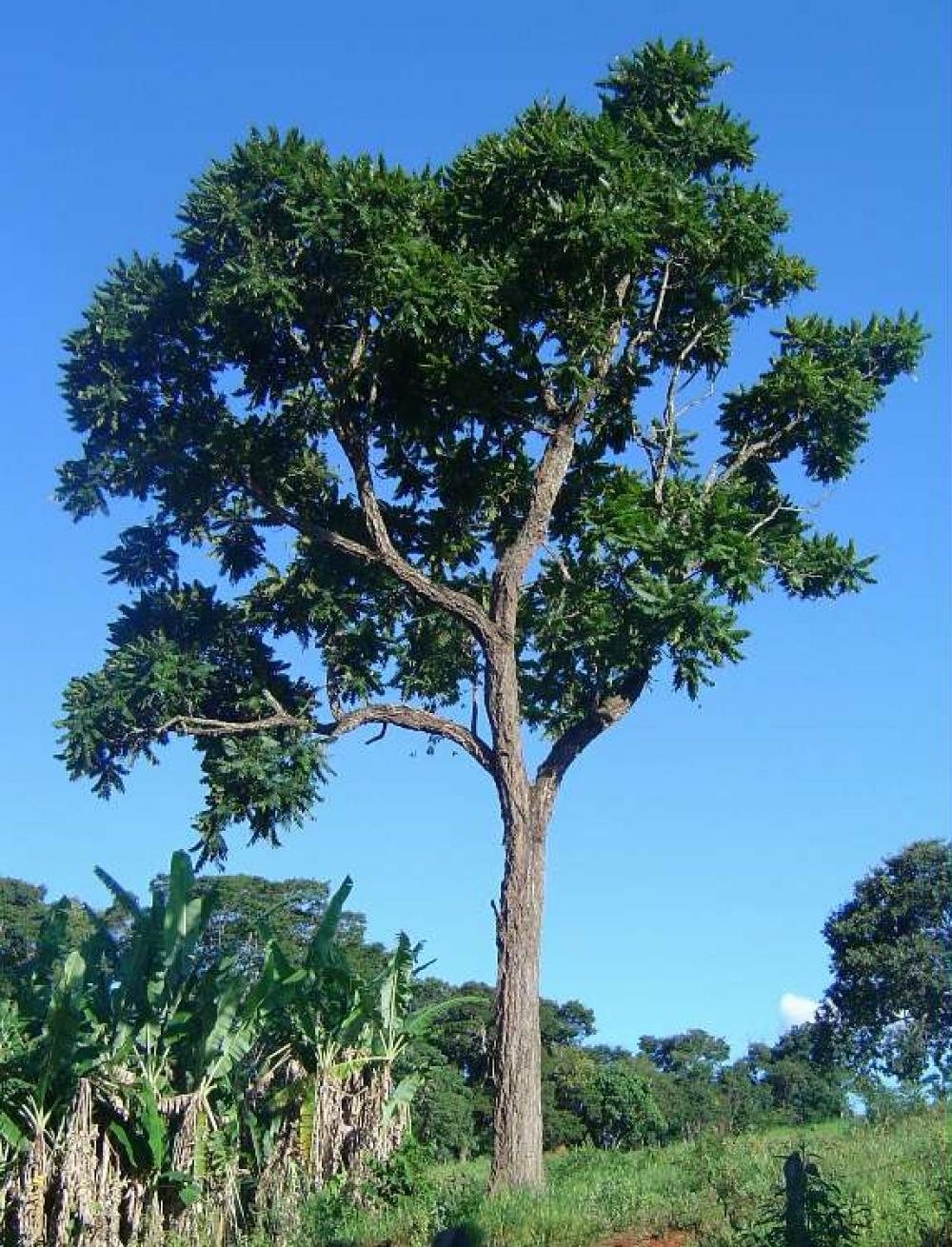
Pink cedar
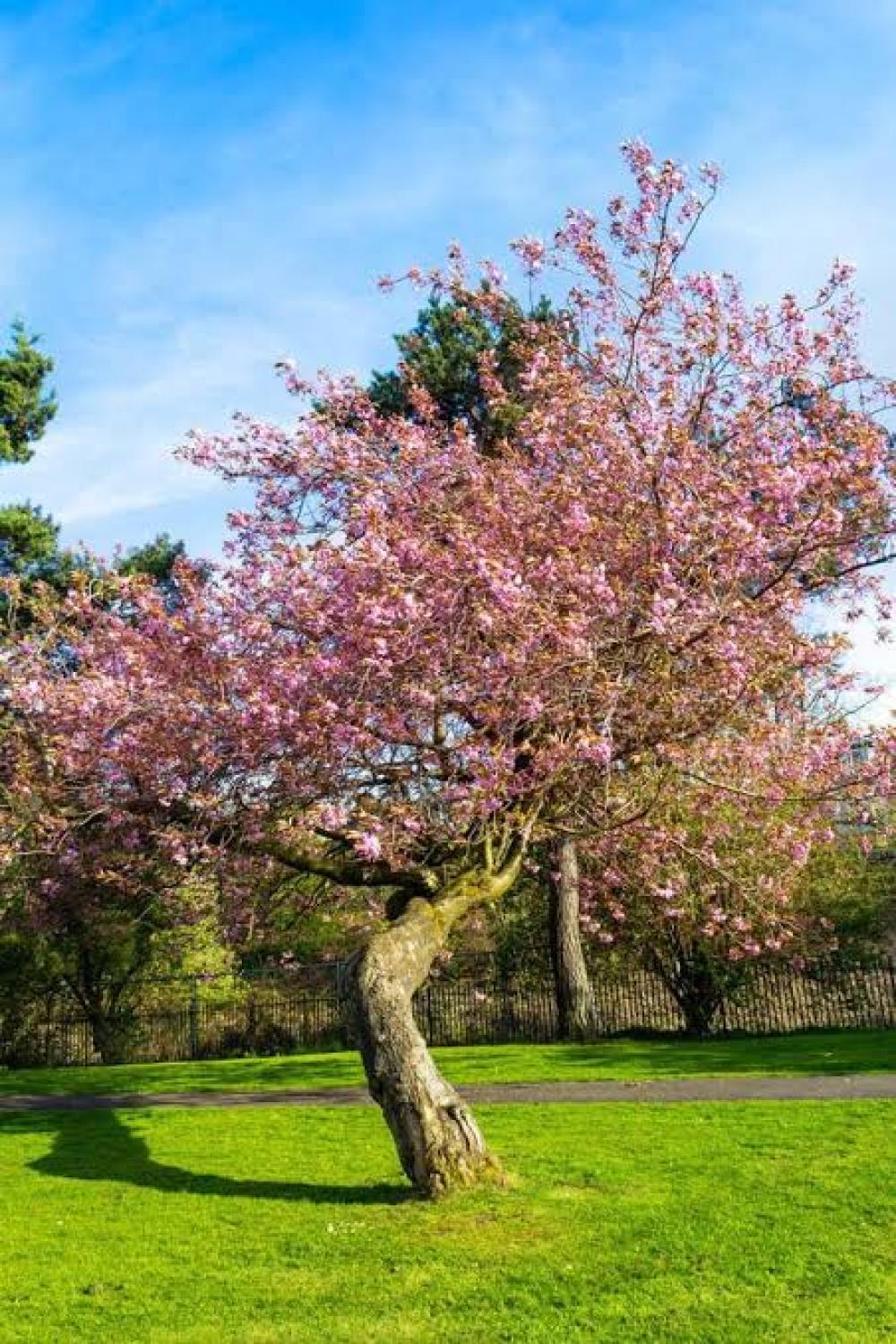
ornamental cherry tree
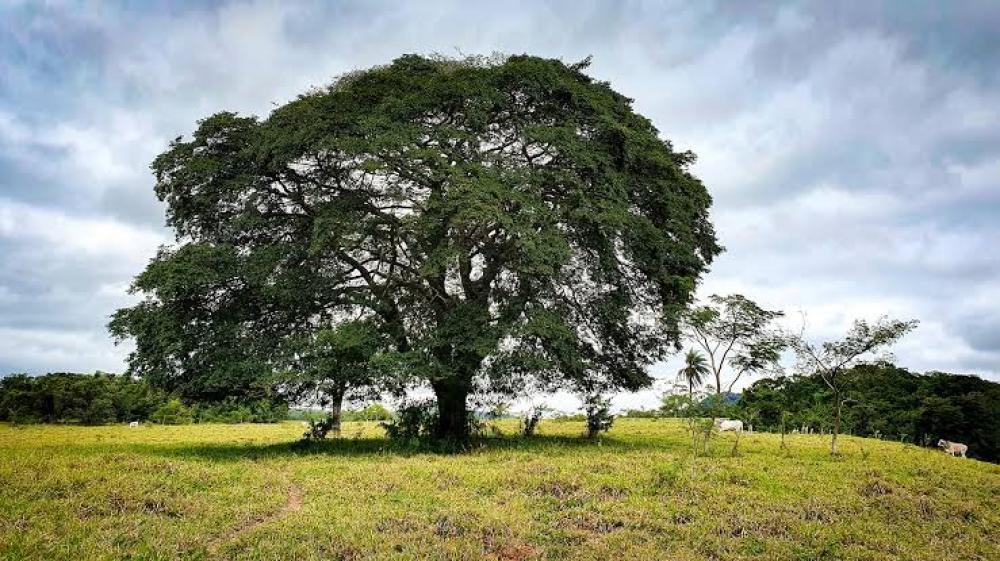
copaiba
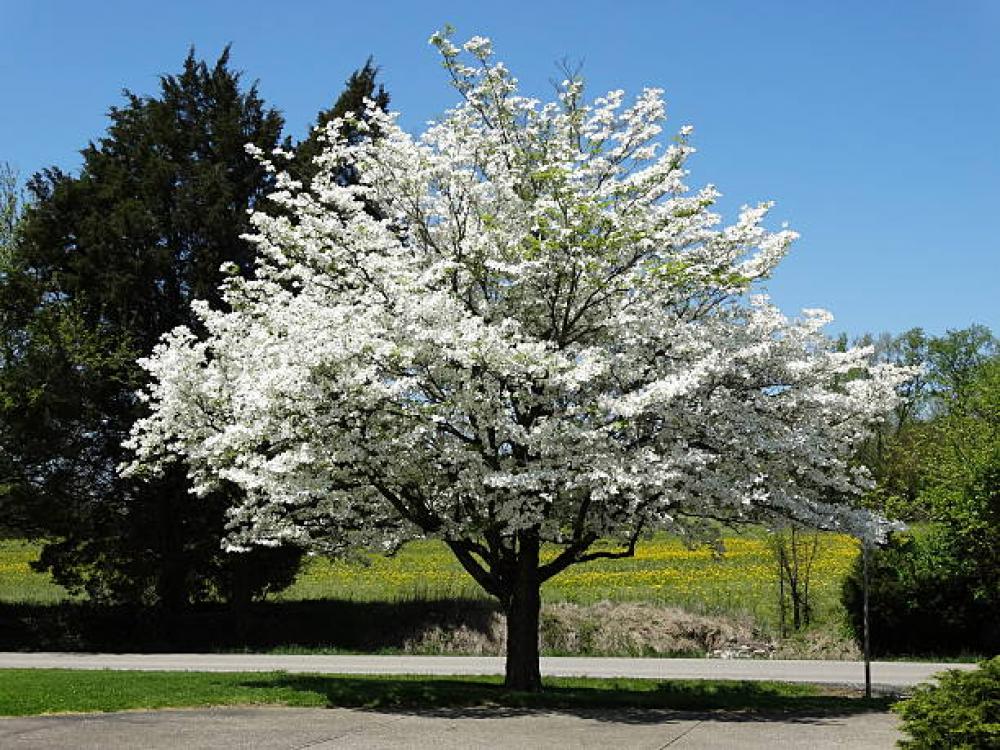
Trees of the genus Cornus
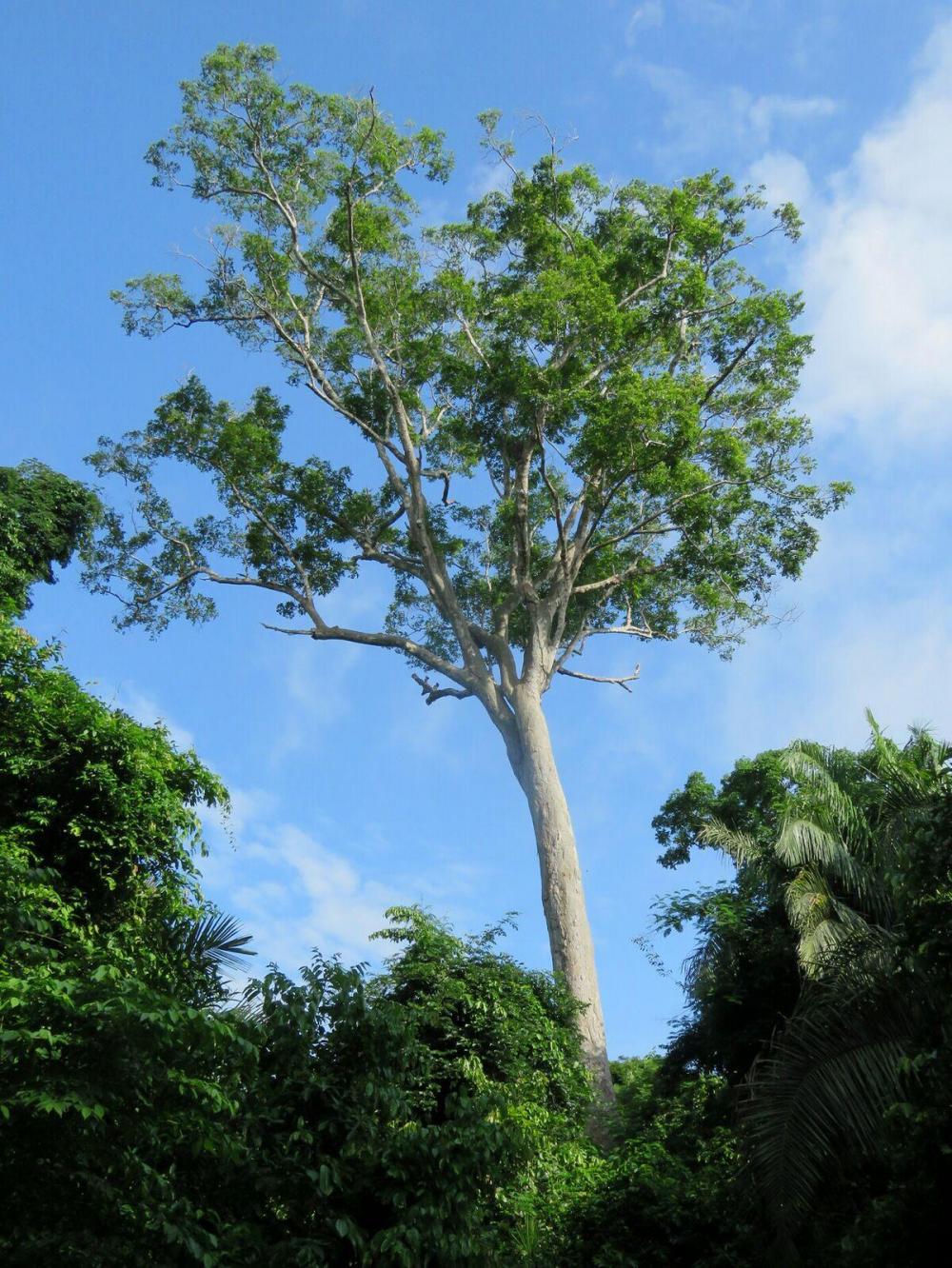
Cumaru
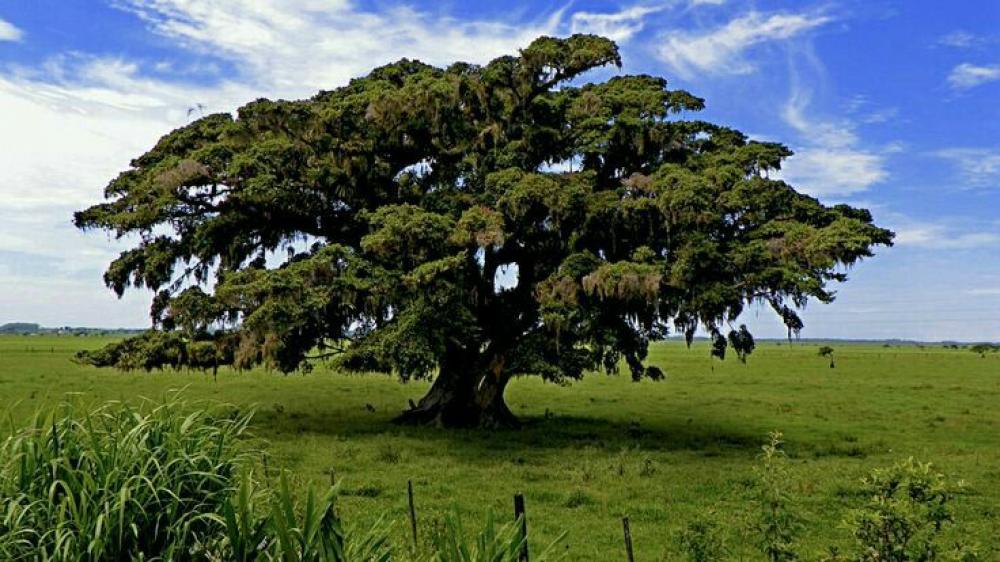
fig tree
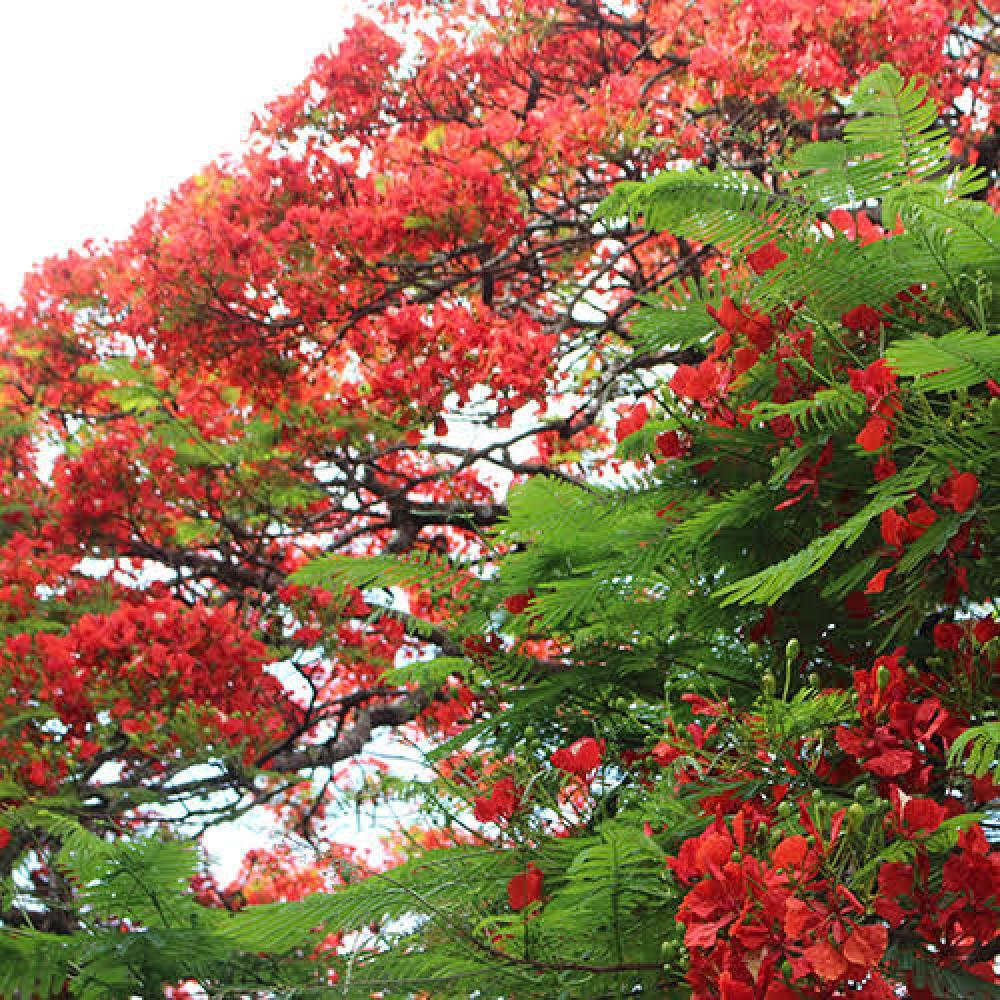
Flamboyant
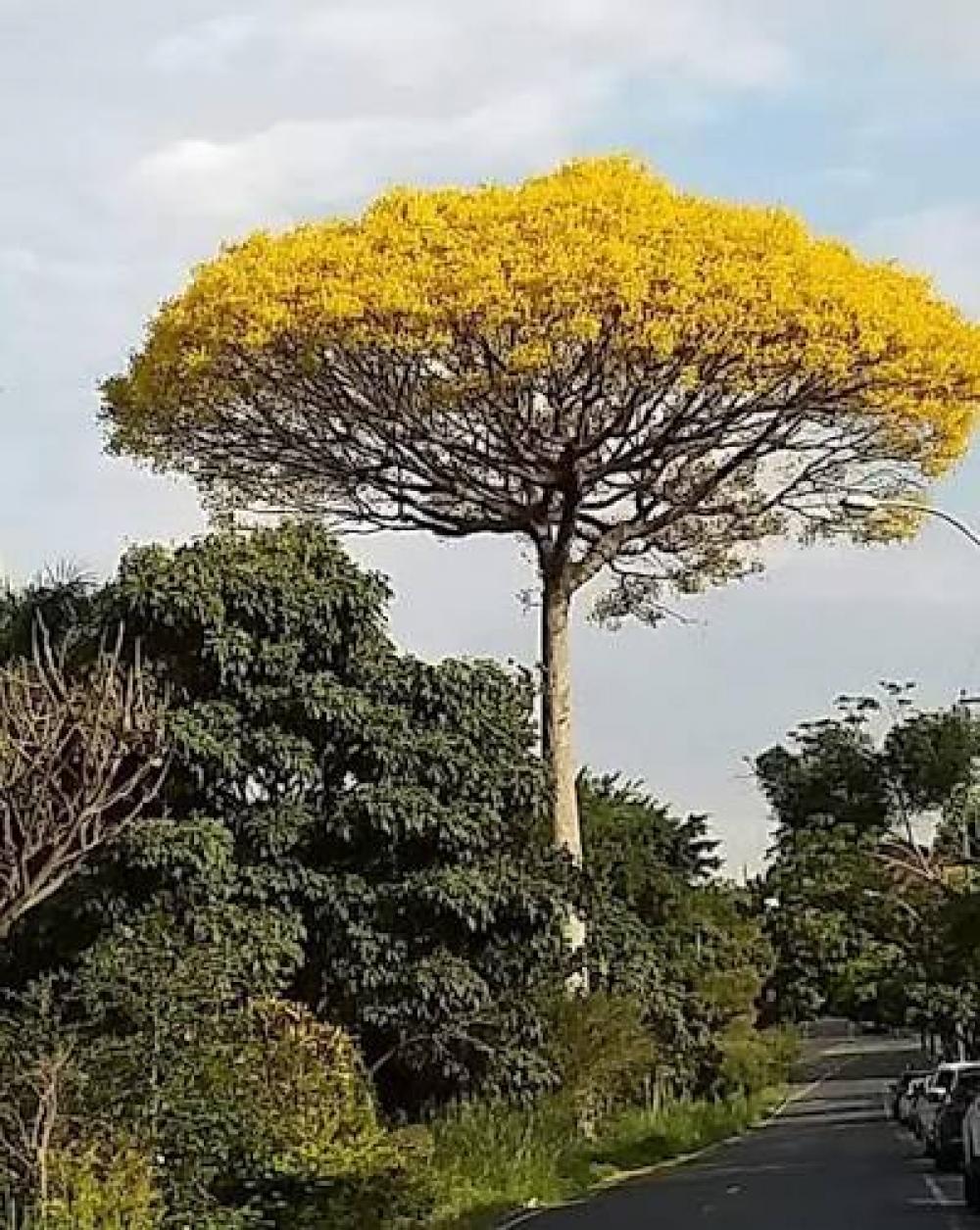
Guapuruvu
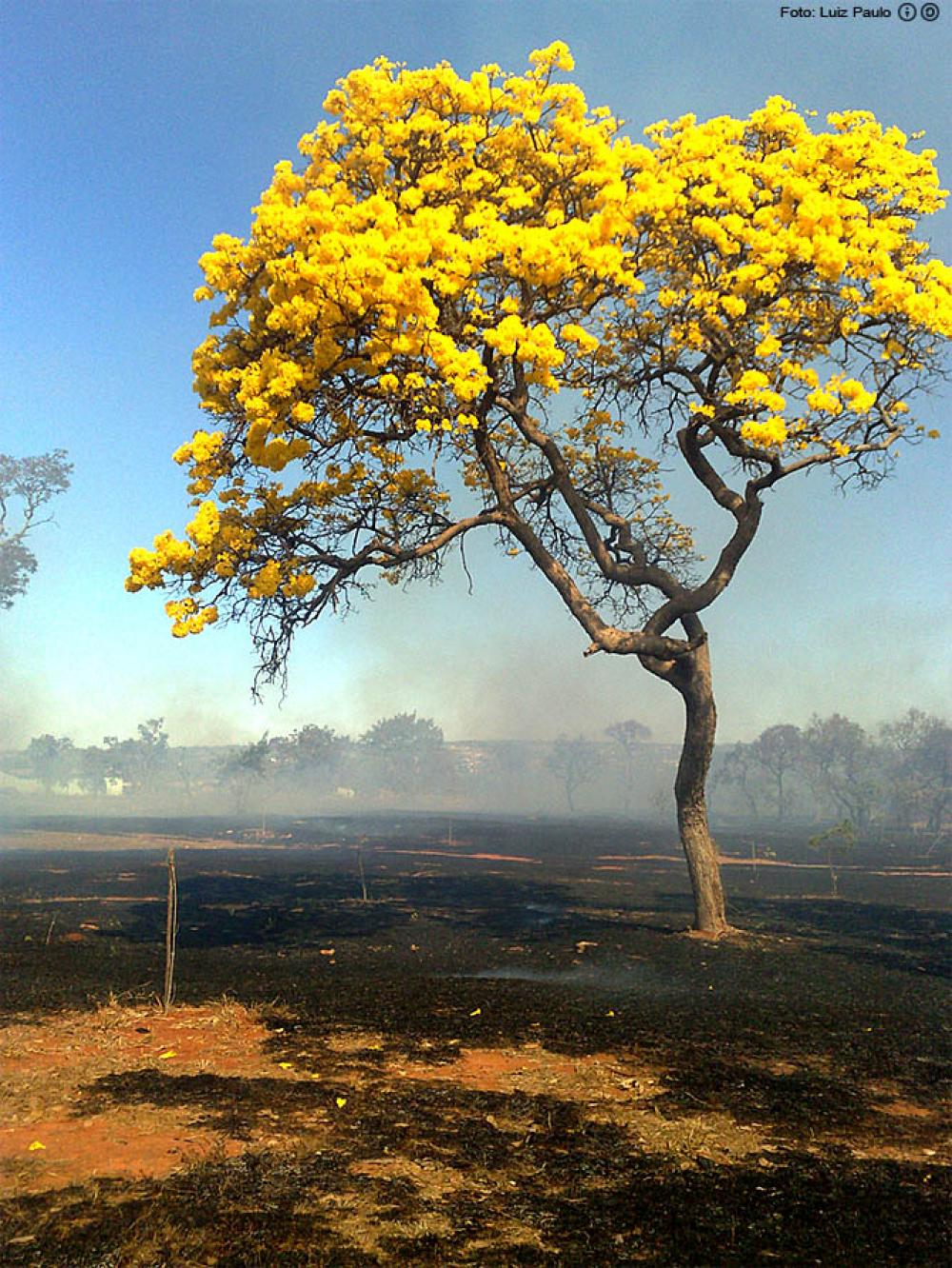
Yellow Ipê
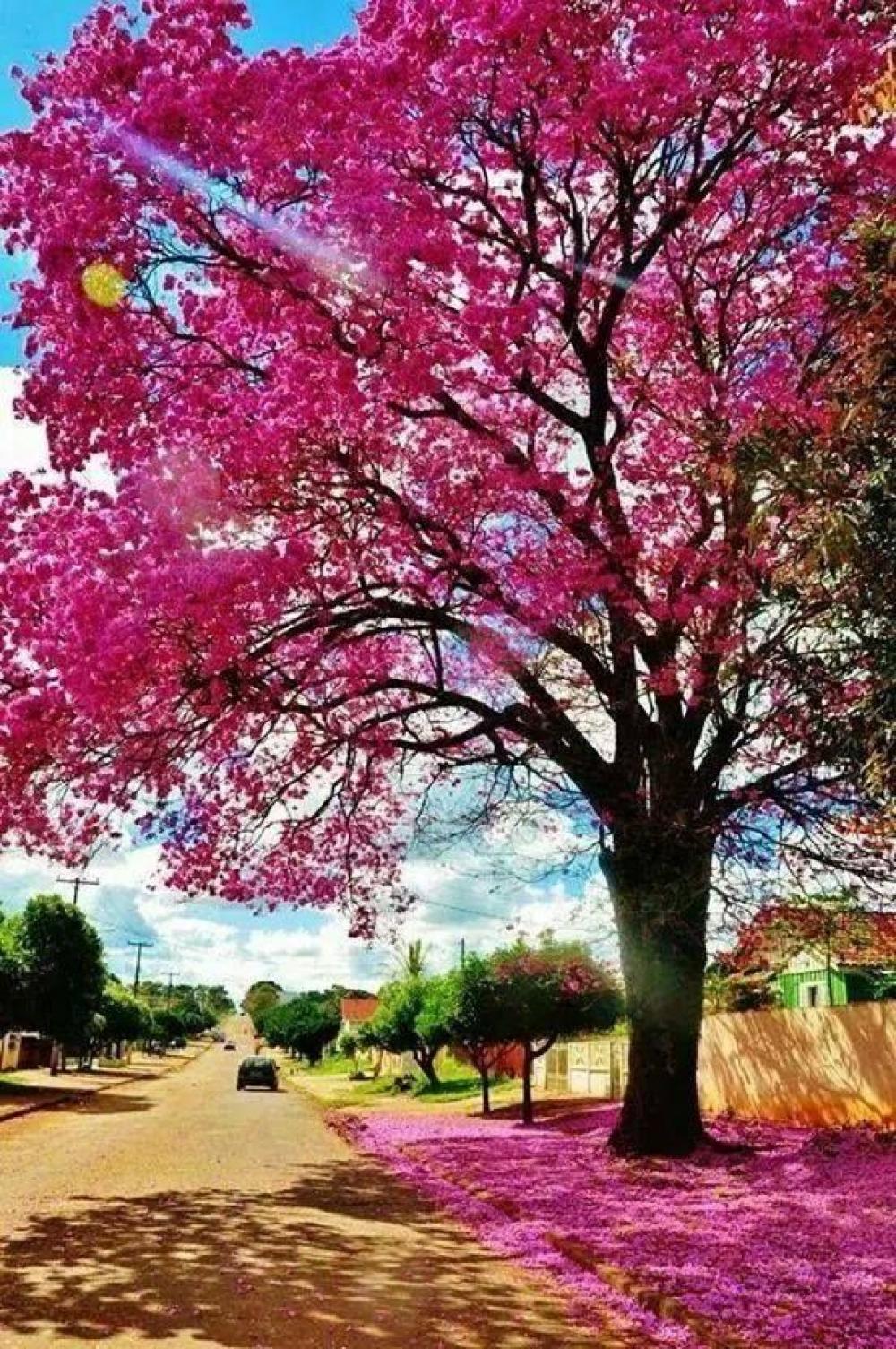
Purple Ipe
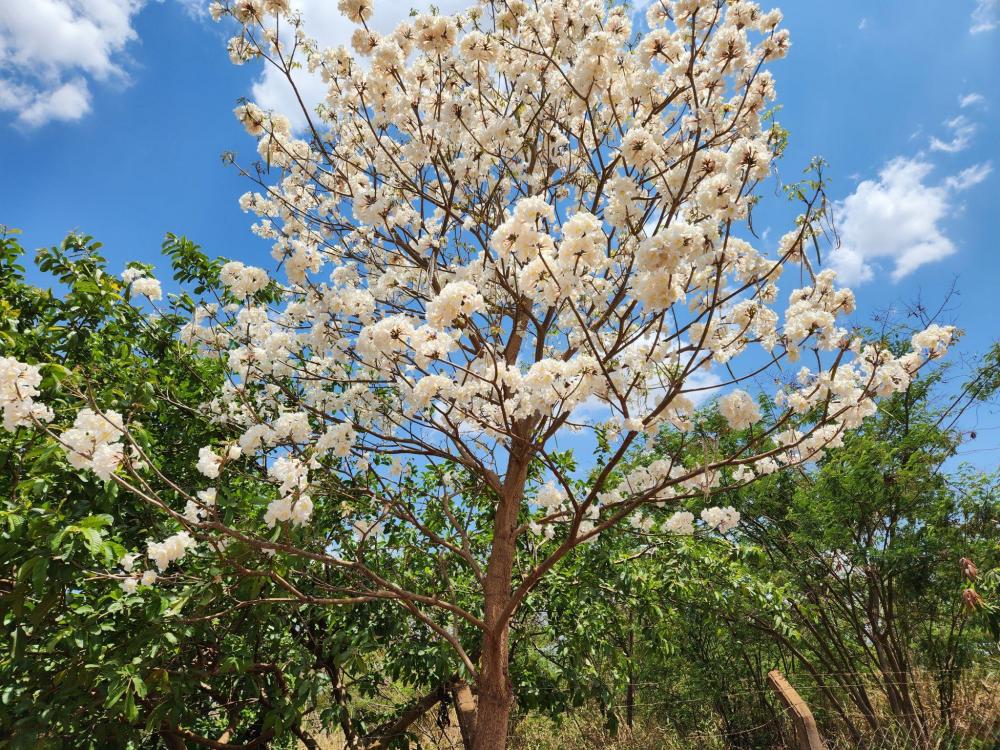
White Ipê
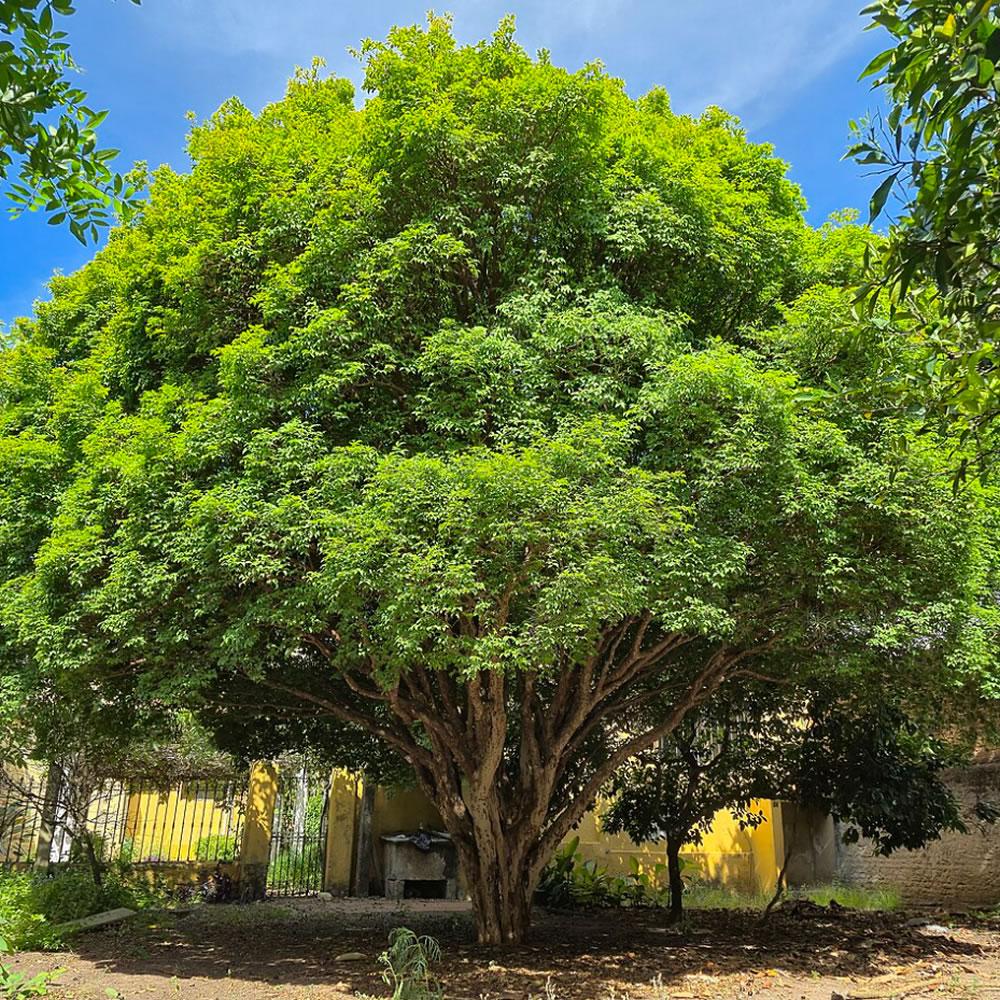
Jabuticaba
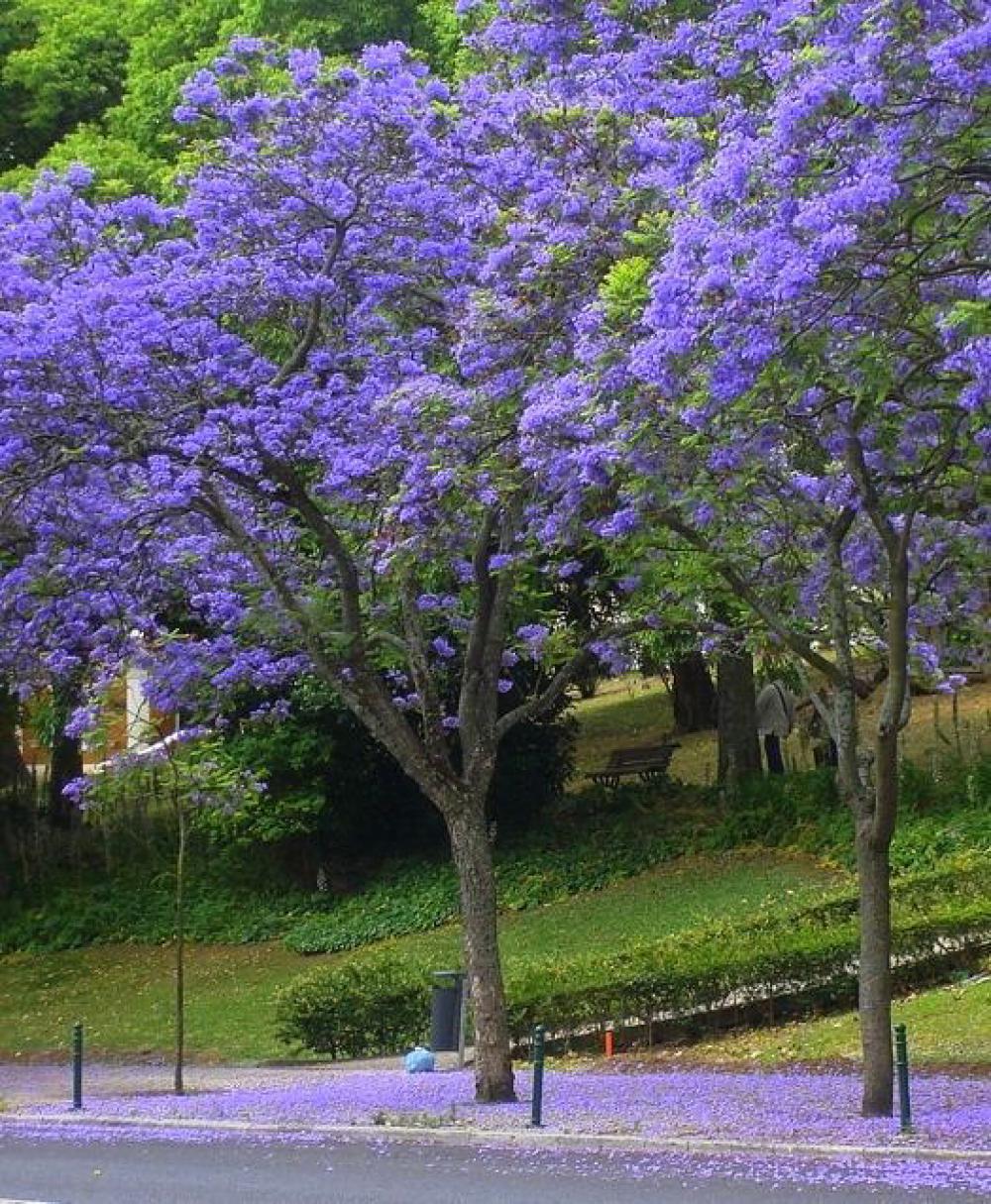
Blue jacaranda
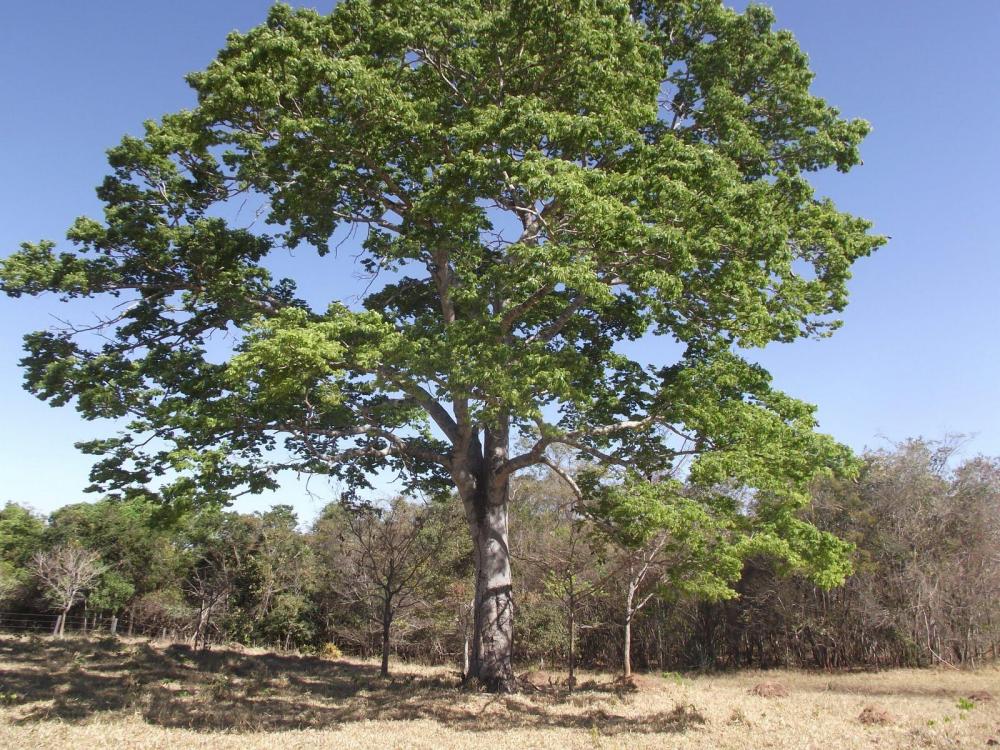
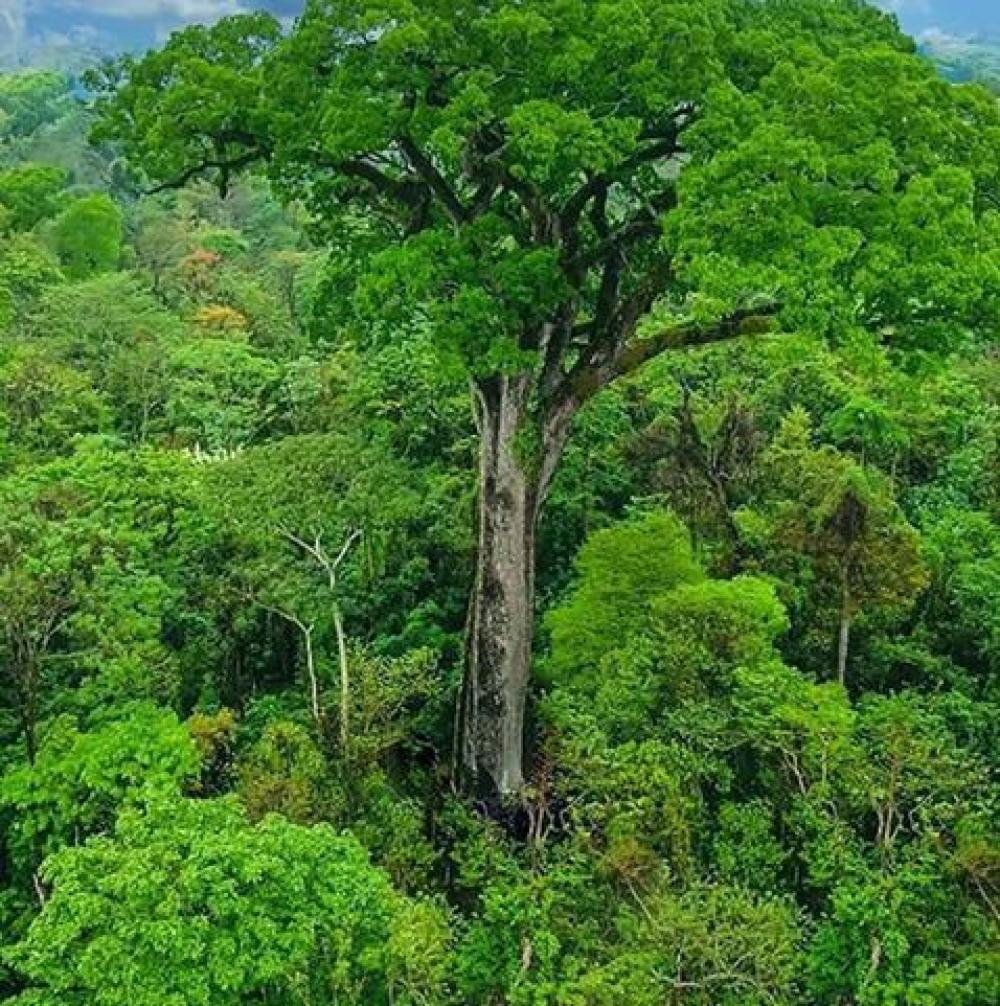
Pink Jequitibá (Cariniana legalis)
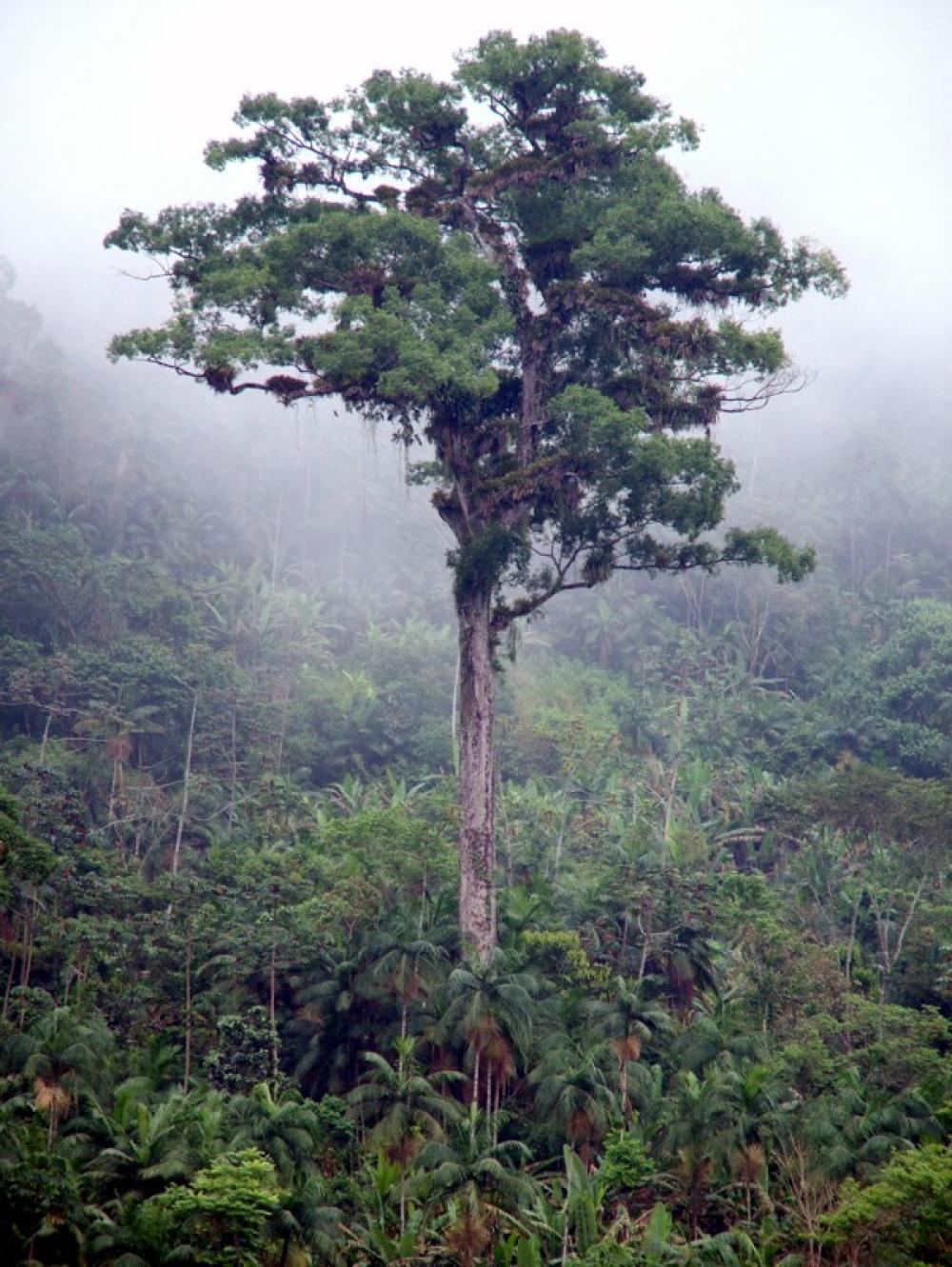
Pink Jequitibá
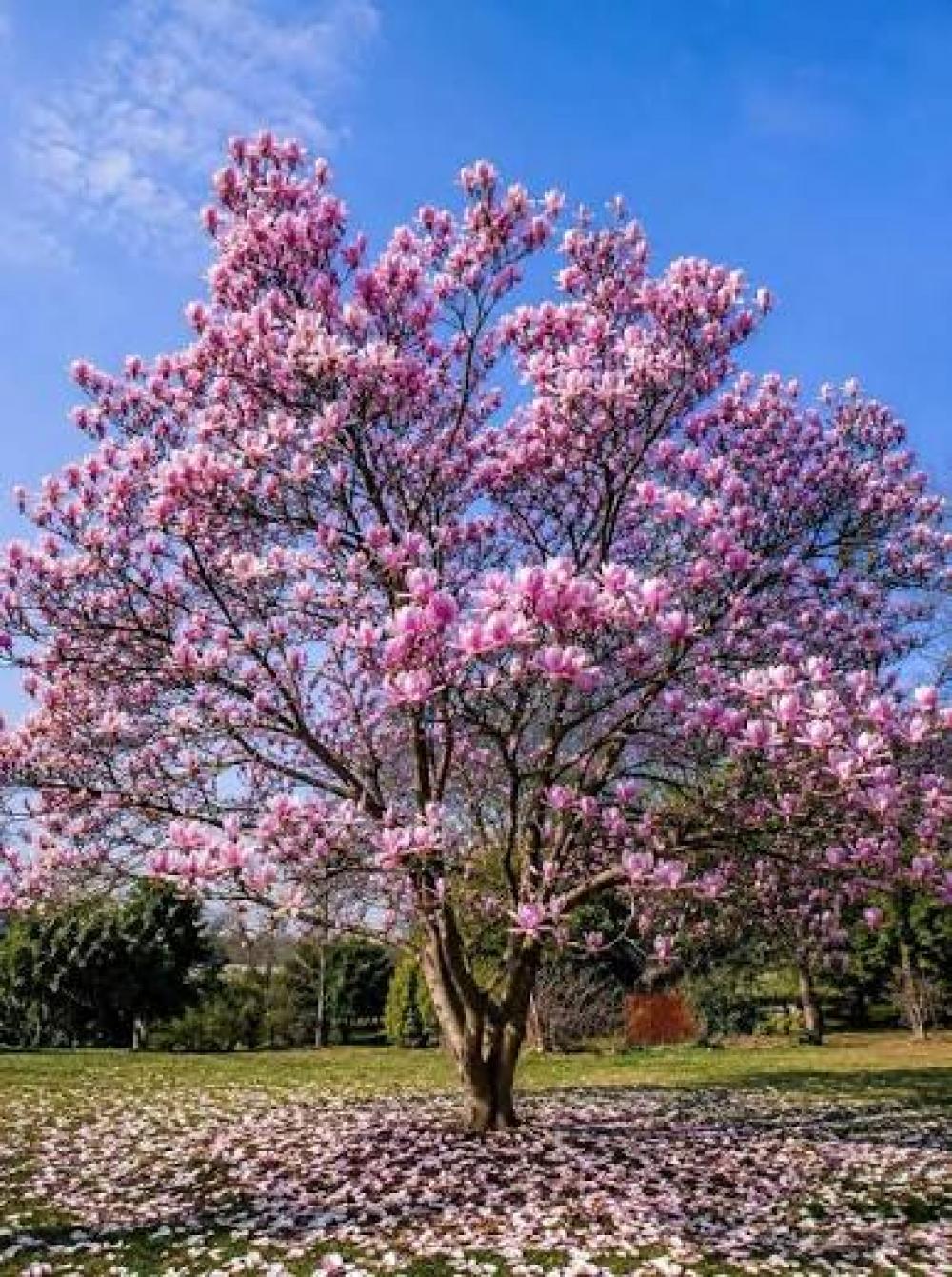
Magnolia
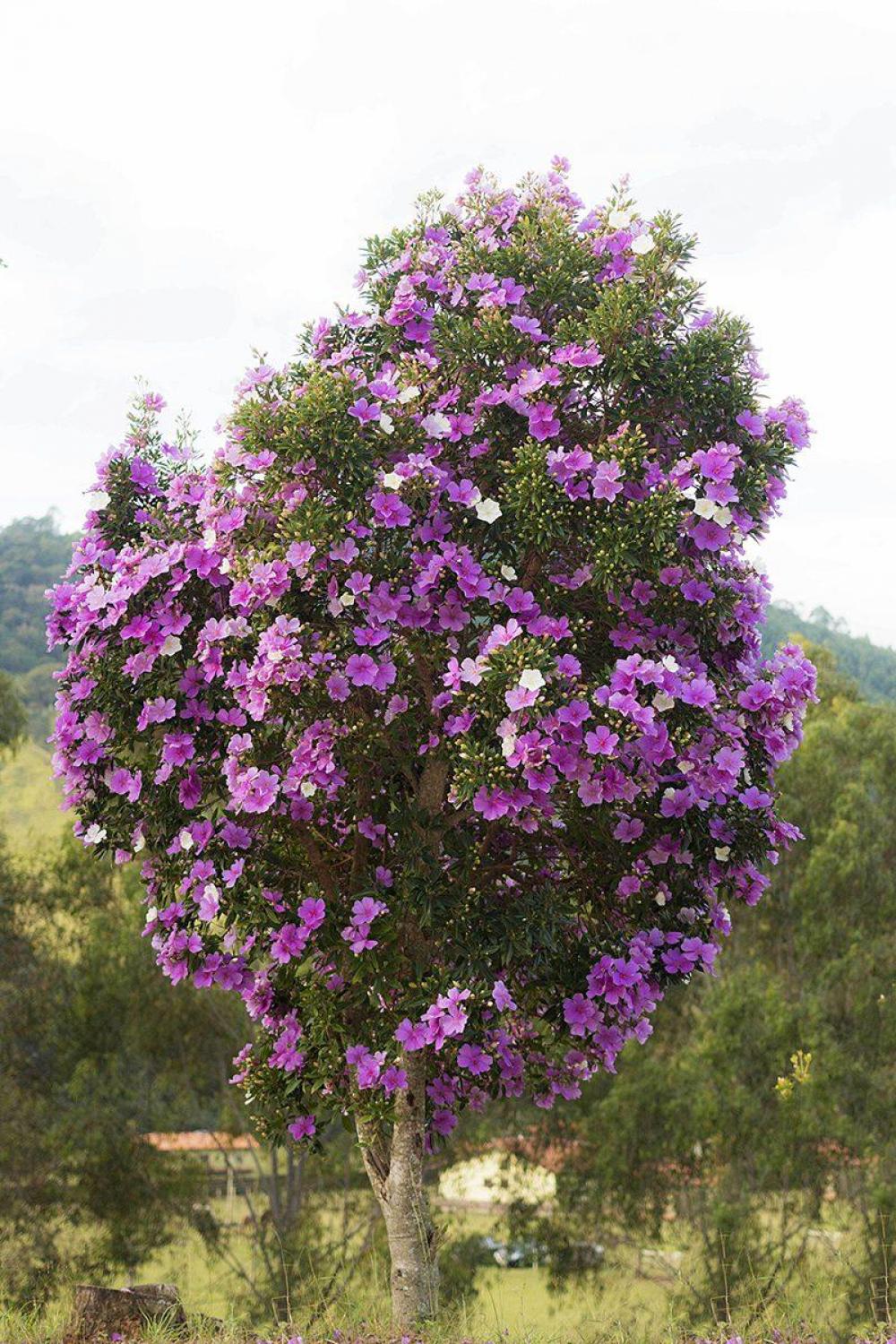
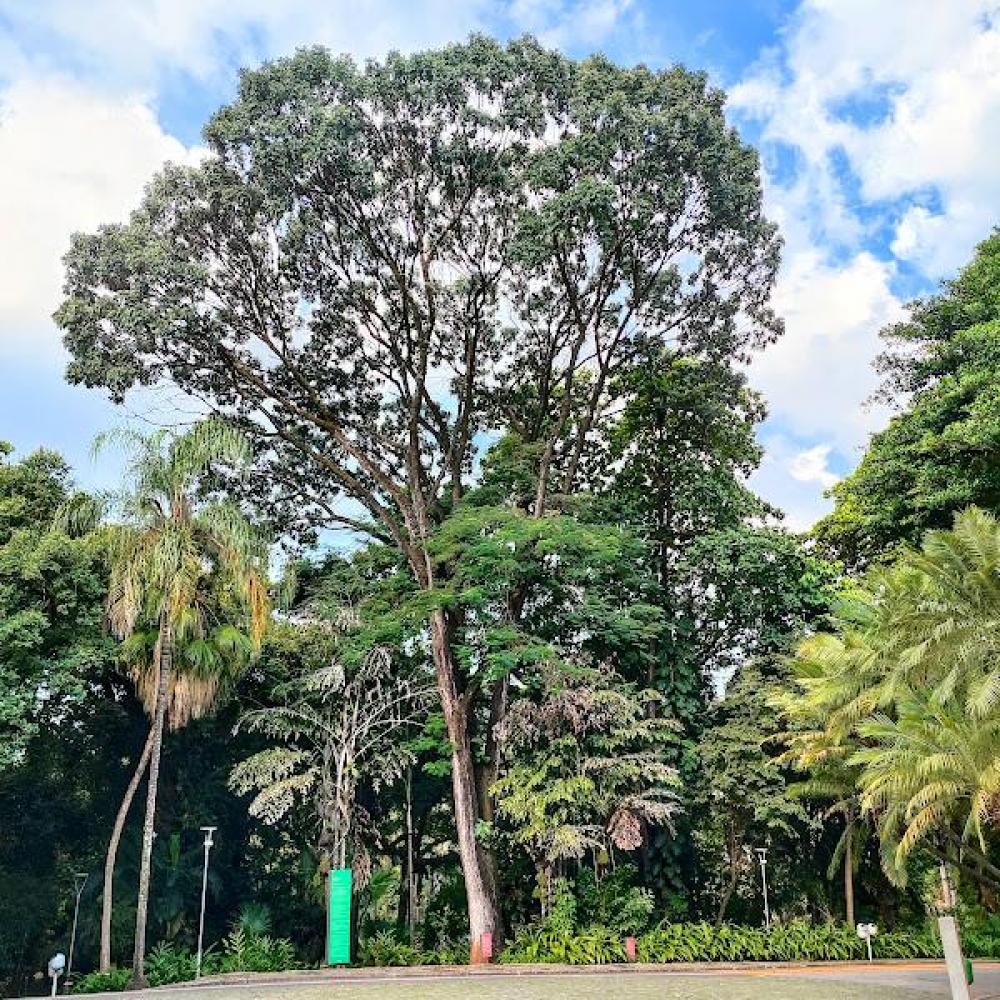
Brazilian Mahogany
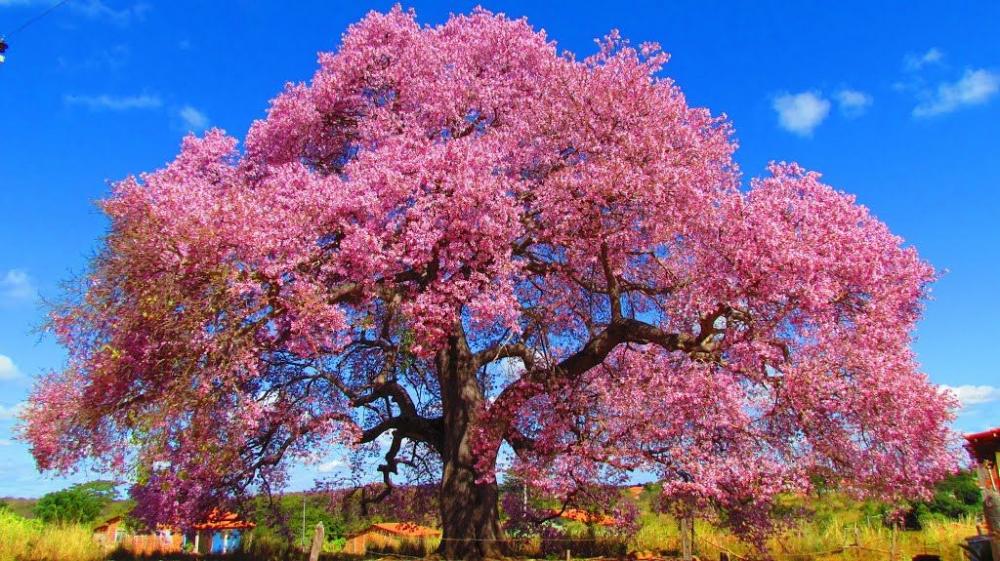
pink silk floss tree
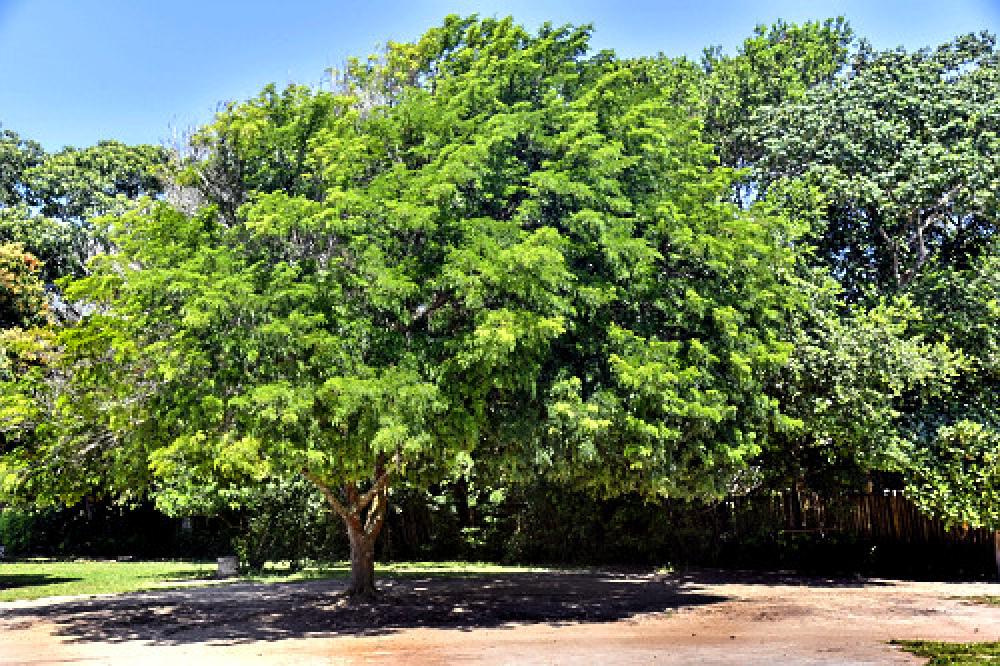
Brazilwood
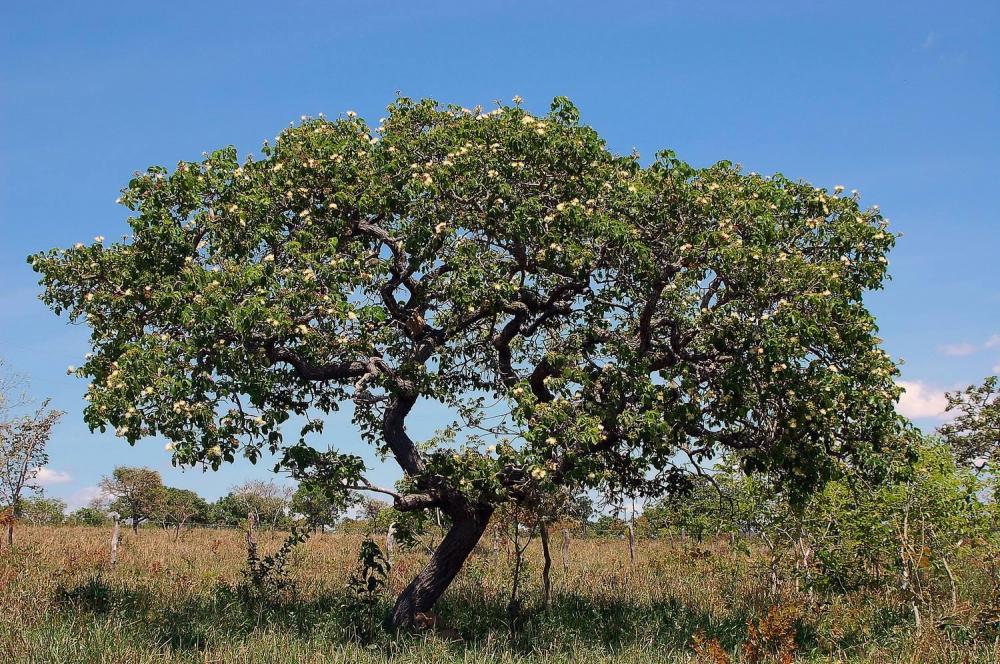
Pequi
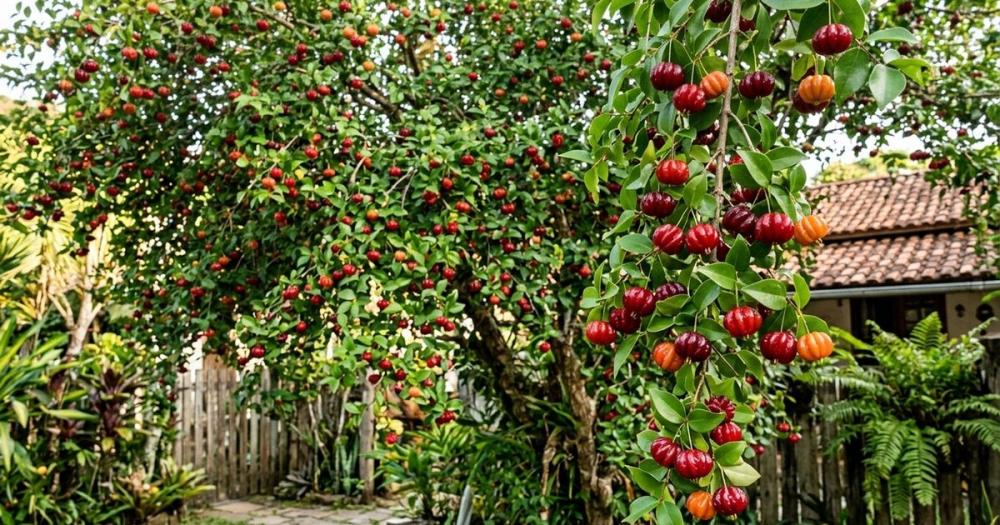
Surinam cherry
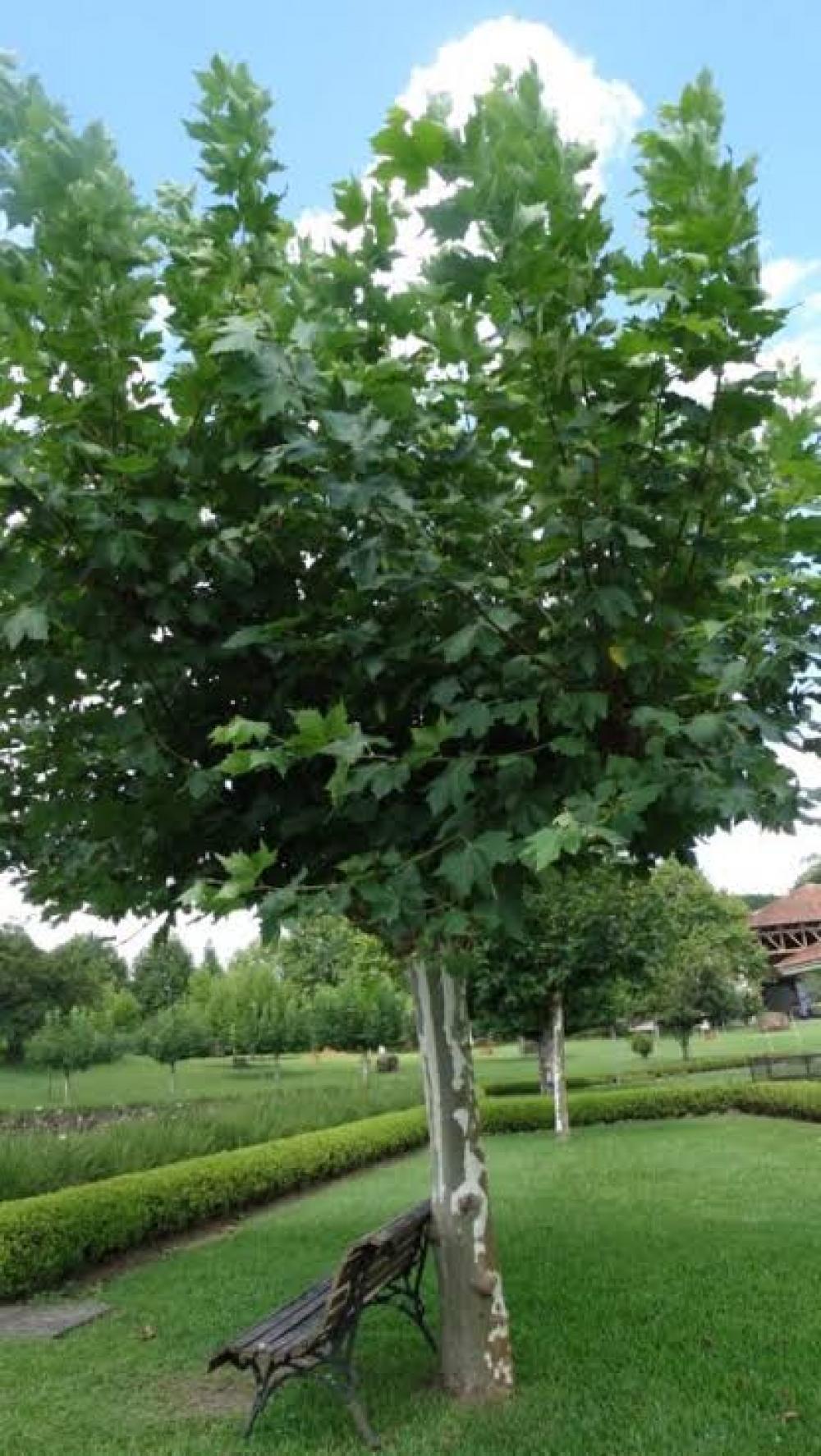
Plane tree
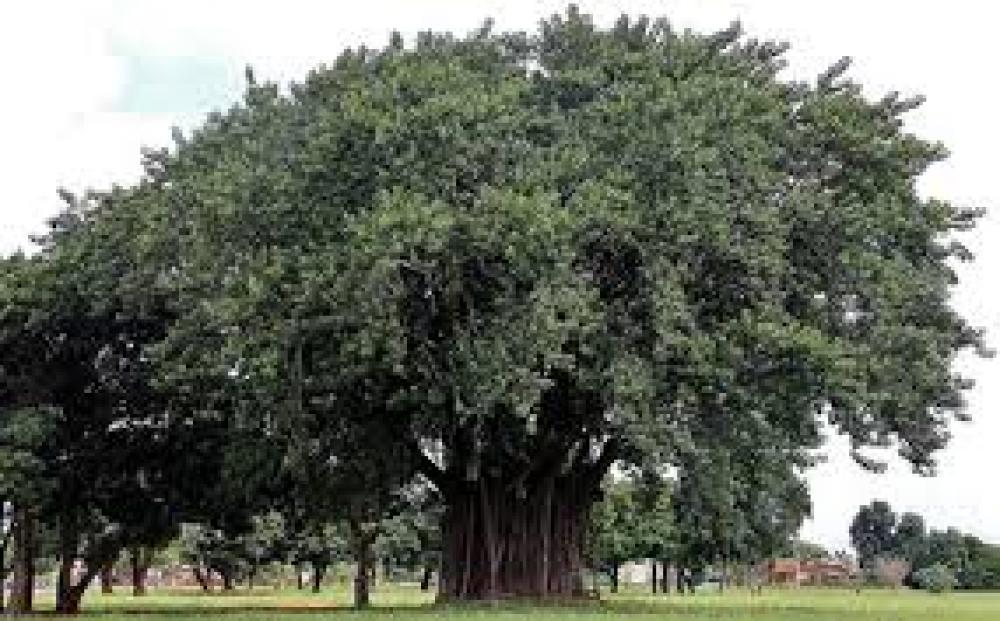
Rubber tree
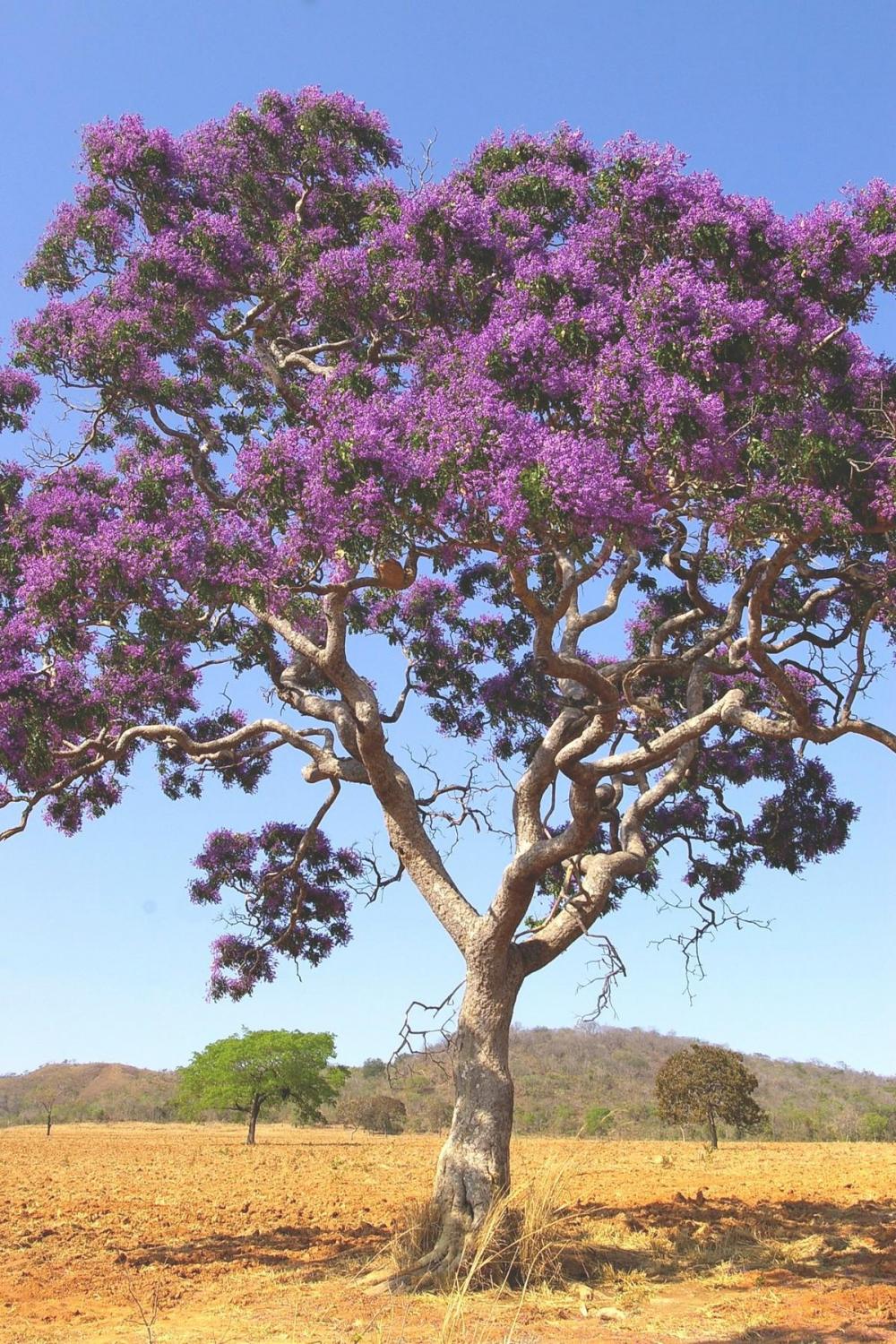
Sucupira
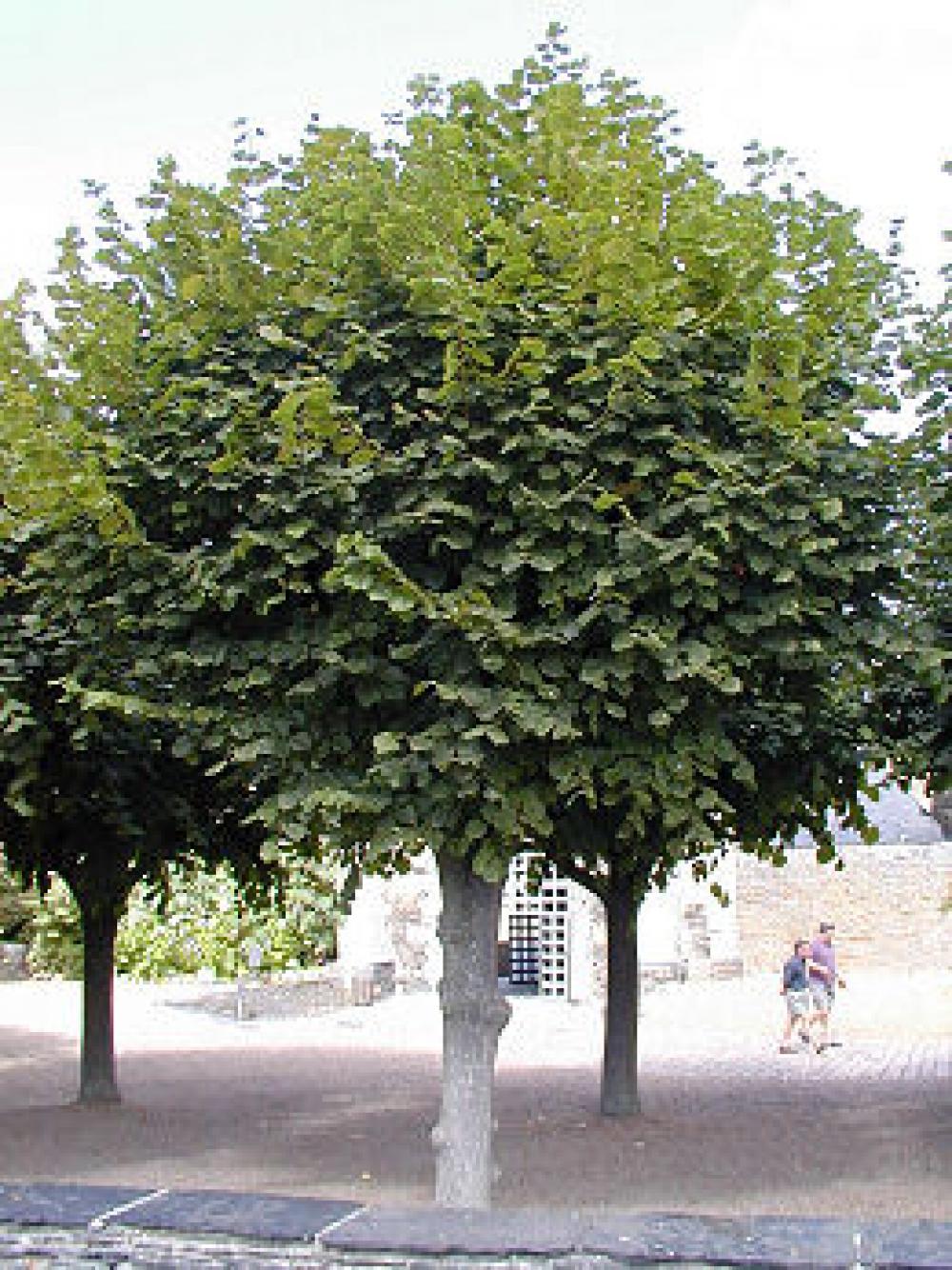
Linden