



Sour Passion Fruit
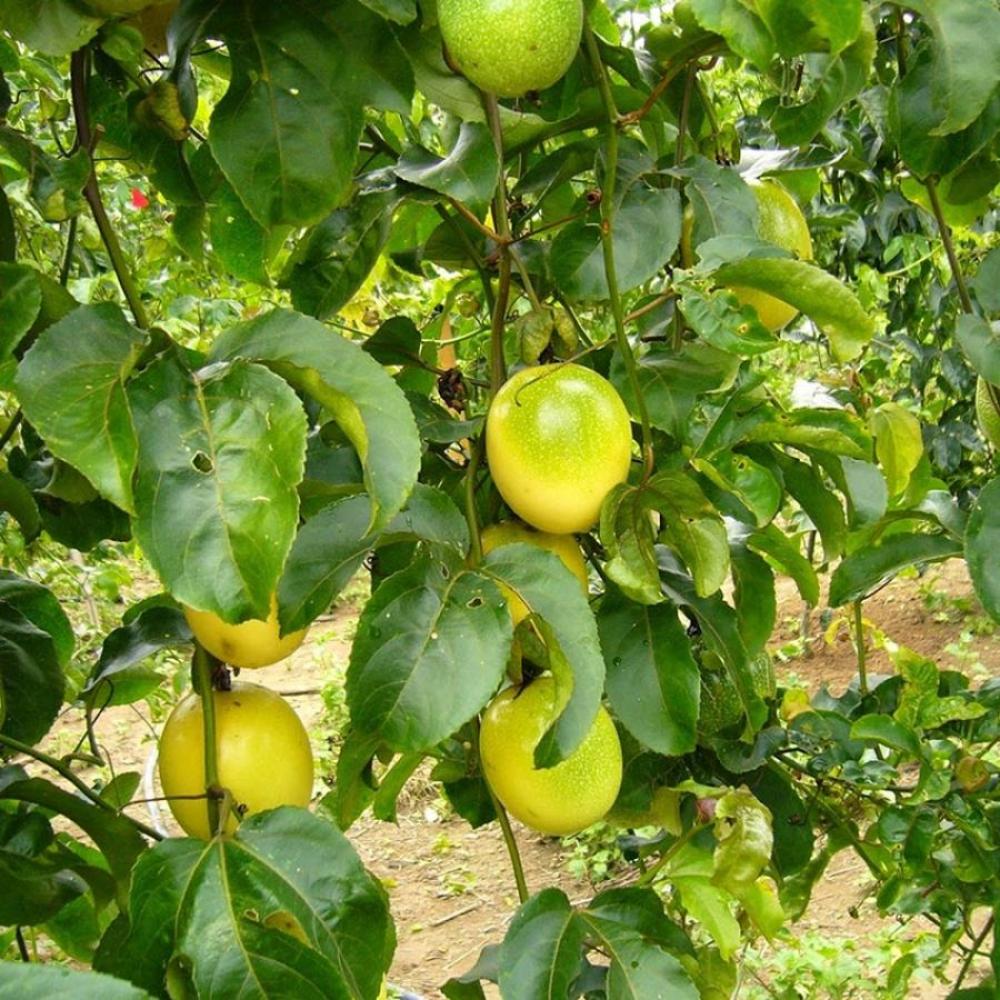
The yellow passion fruit (*Passiflora edulis*) is a tropical fruit widely cultivated in Brazil and highly valued for both its culinary uses and nutritional profile. It features a distinctly tart flavor, a characteristic aroma, and juicy pulp; it can be eaten fresh or used in juices, smoothies, desserts, jams, sauces, and other culinary preparations. Its seeds can also be consumed along with the pulp.
Nutritionally, passion fruit provides dietary fiber, vitamin C, carotenoids, and phenolic compounds, as well as minerals like potassium and magnesium in amounts that contribute to a balanced diet. The fiber found in the pulp and seeds aids bowel function and can contribute to a feeling of satiety. Vitamin C supports normal immune system function and acts as an antioxidant.
The fruit also contains antioxidant compounds that help protect cells against the effects of oxidative stress. The presence of fiber and other bioactive components makes passion fruit a valuable addition to a varied diet rich in fruits, vegetables, and other natural foods.
Traditionally, various *Passiflora* species are also used in popular preparations associated with relaxation and rest. However, it is important to distinguish the passion fruit itself—which is a food—from preparations made using the plants leaves or other parts; the latter have different compositions and uses and should not be treated as simply equivalent to consuming the fruit.
Thus, the yellow passion fruit combines nutritional value, cultural significance, antioxidant potential, and great culinary versatility. Beyond its role in the Brazilian diet, it represents a species of agricultural and economic importance, strengthening the connection between biodiversity, agriculture, healthy eating, and botanical knowledge.
Note: These nutritional benefits are general and part of a balanced diet; consuming passion fruit does not replace medical treatment, nor should it be presented as a cure for diseases.
Nutritionally, passion fruit provides dietary fiber, vitamin C, carotenoids, and phenolic compounds, as well as minerals like potassium and magnesium in amounts that contribute to a balanced diet. The fiber found in the pulp and seeds aids bowel function and can contribute to a feeling of satiety. Vitamin C supports normal immune system function and acts as an antioxidant.
The fruit also contains antioxidant compounds that help protect cells against the effects of oxidative stress. The presence of fiber and other bioactive components makes passion fruit a valuable addition to a varied diet rich in fruits, vegetables, and other natural foods.
Traditionally, various *Passiflora* species are also used in popular preparations associated with relaxation and rest. However, it is important to distinguish the passion fruit itself—which is a food—from preparations made using the plants leaves or other parts; the latter have different compositions and uses and should not be treated as simply equivalent to consuming the fruit.
Thus, the yellow passion fruit combines nutritional value, cultural significance, antioxidant potential, and great culinary versatility. Beyond its role in the Brazilian diet, it represents a species of agricultural and economic importance, strengthening the connection between biodiversity, agriculture, healthy eating, and botanical knowledge.
Note: These nutritional benefits are general and part of a balanced diet; consuming passion fruit does not replace medical treatment, nor should it be presented as a cure for diseases.
Plant Catalog
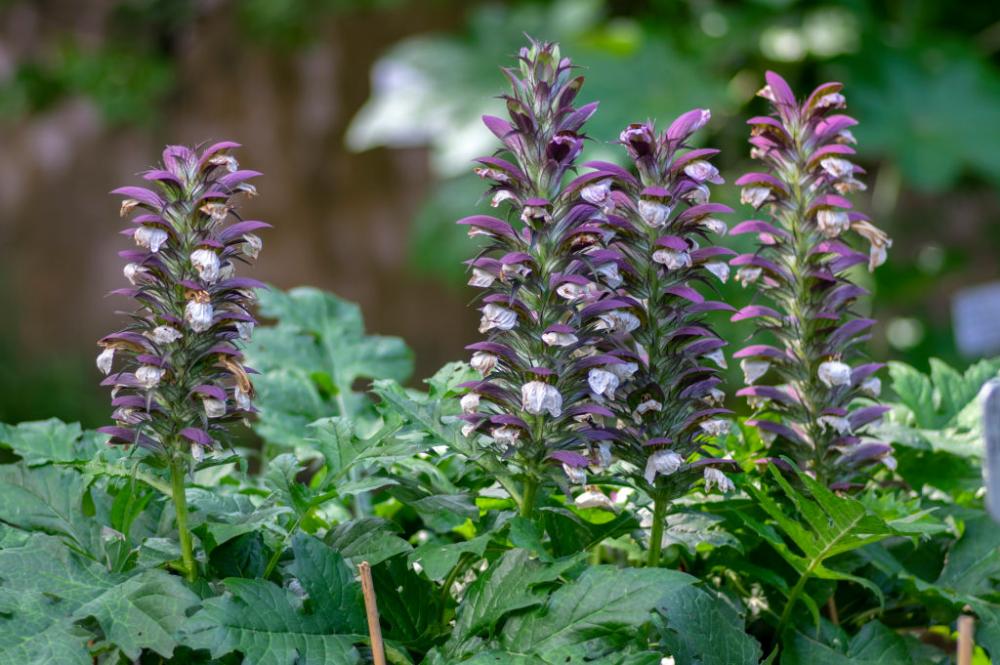
acanthus
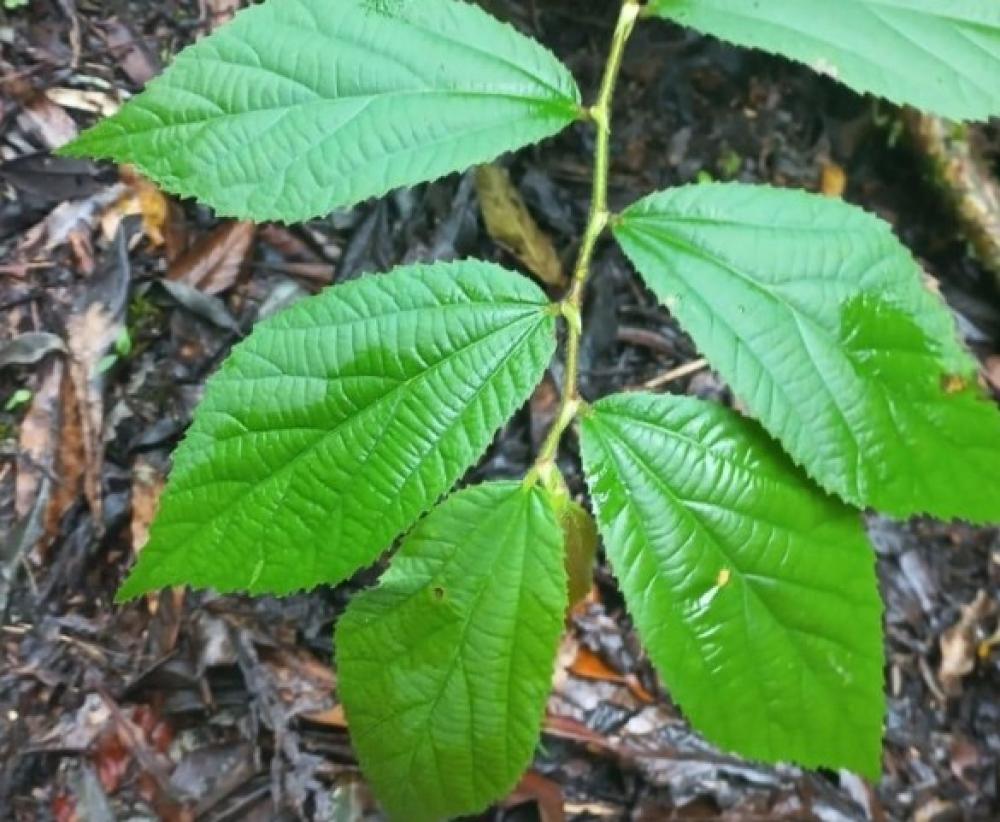
Horsewhip
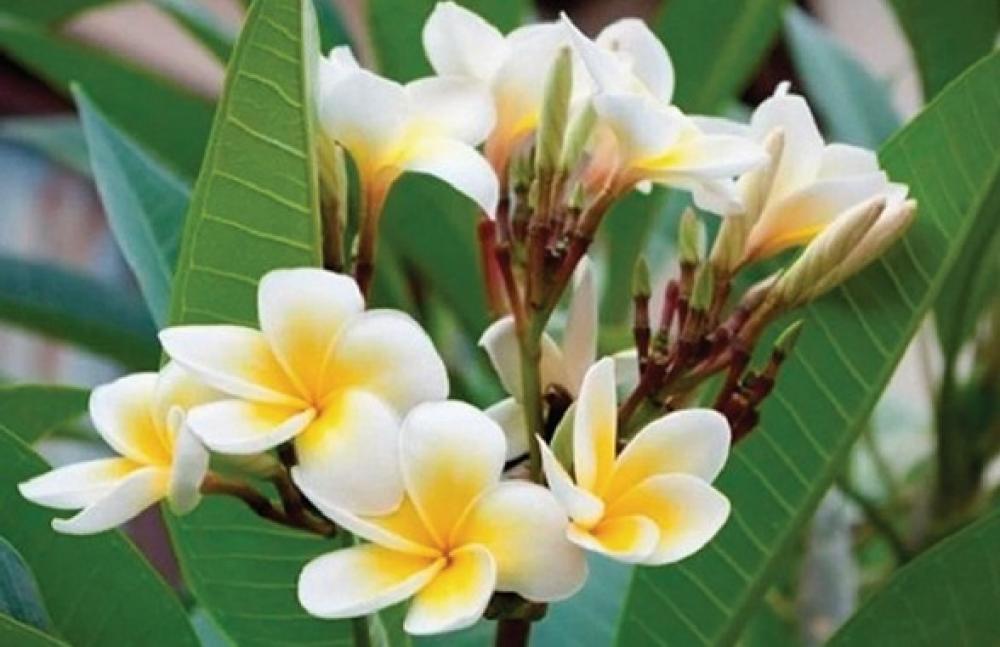
distressed
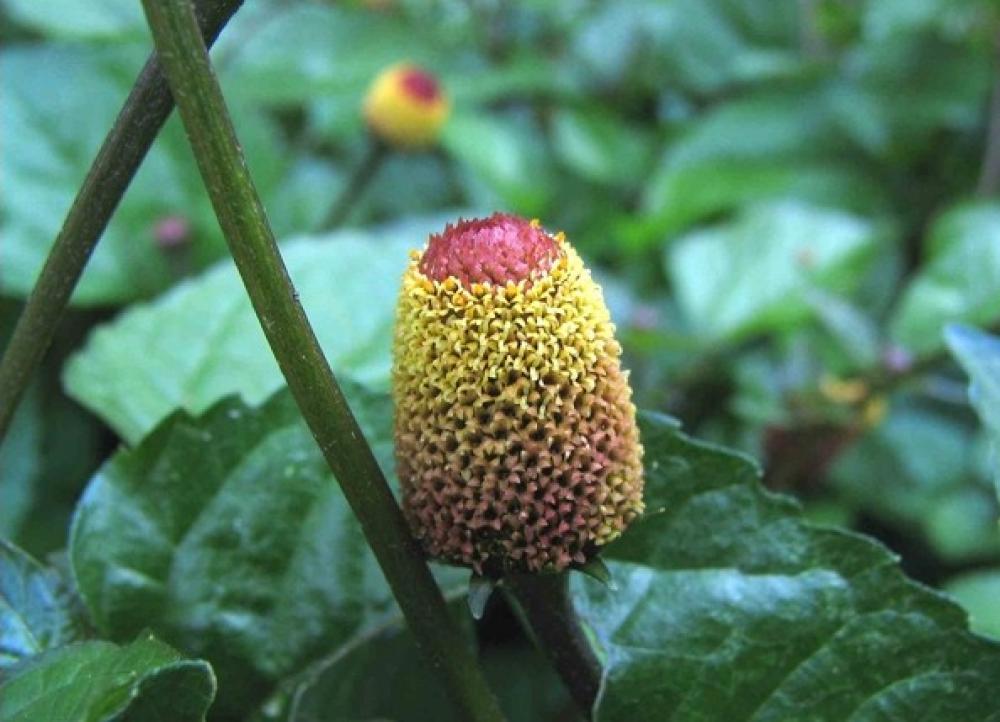
Pará cress or Jambu
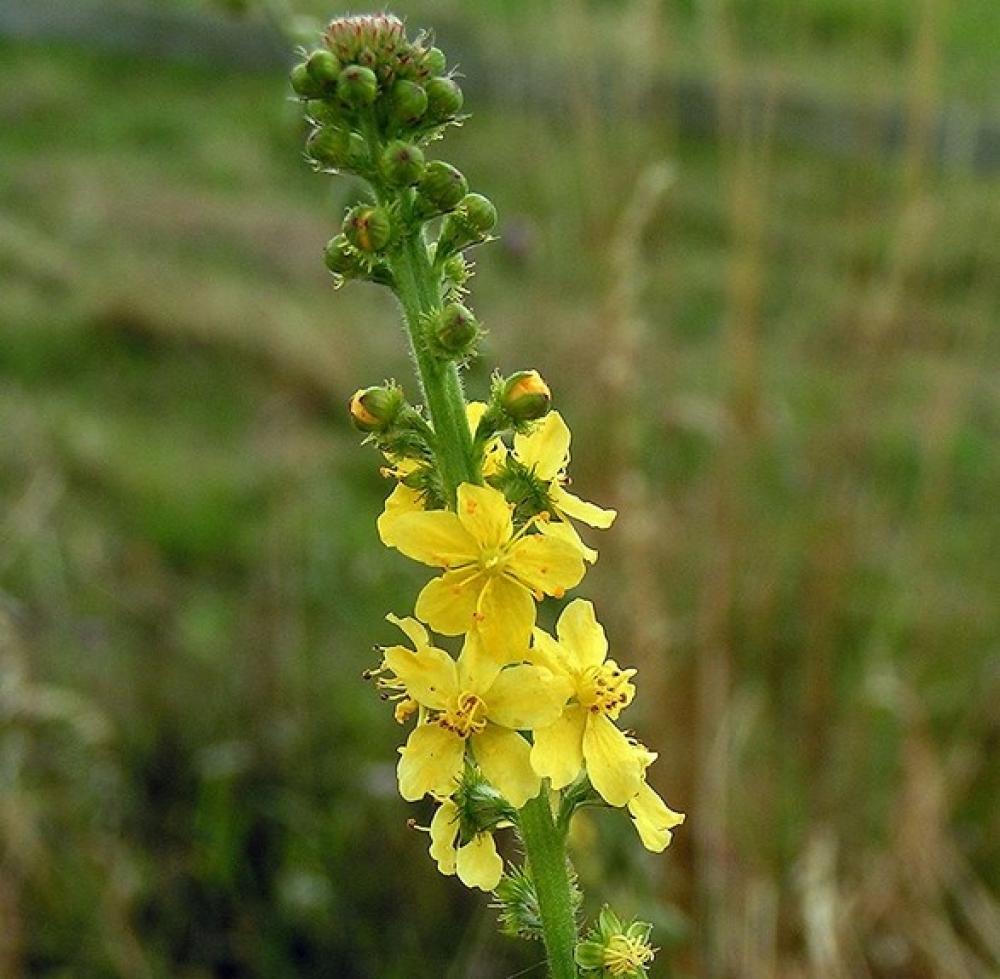
Agrimony
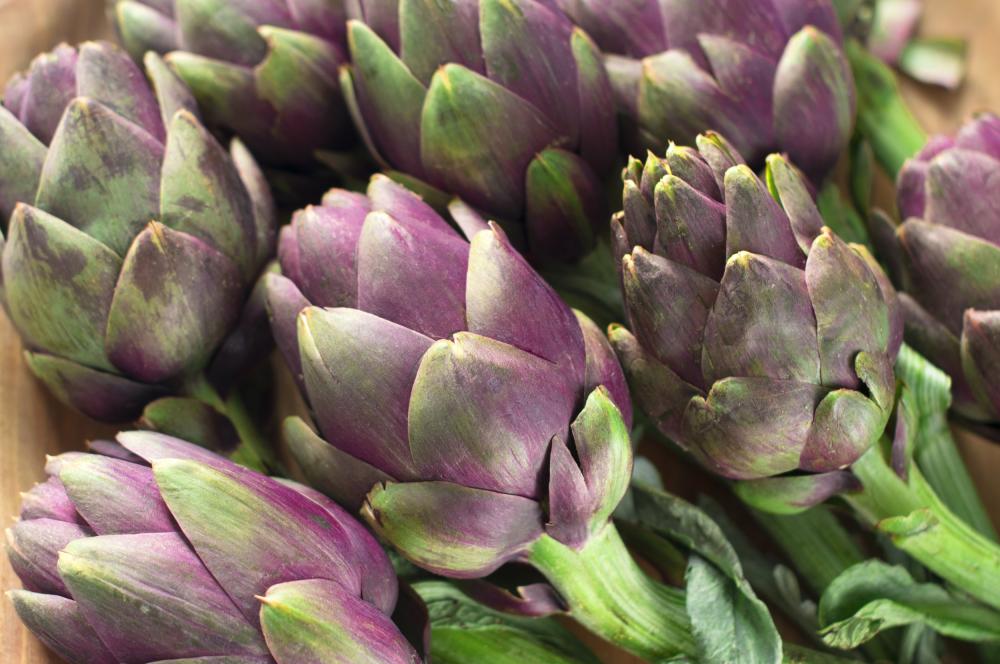
Artichoke
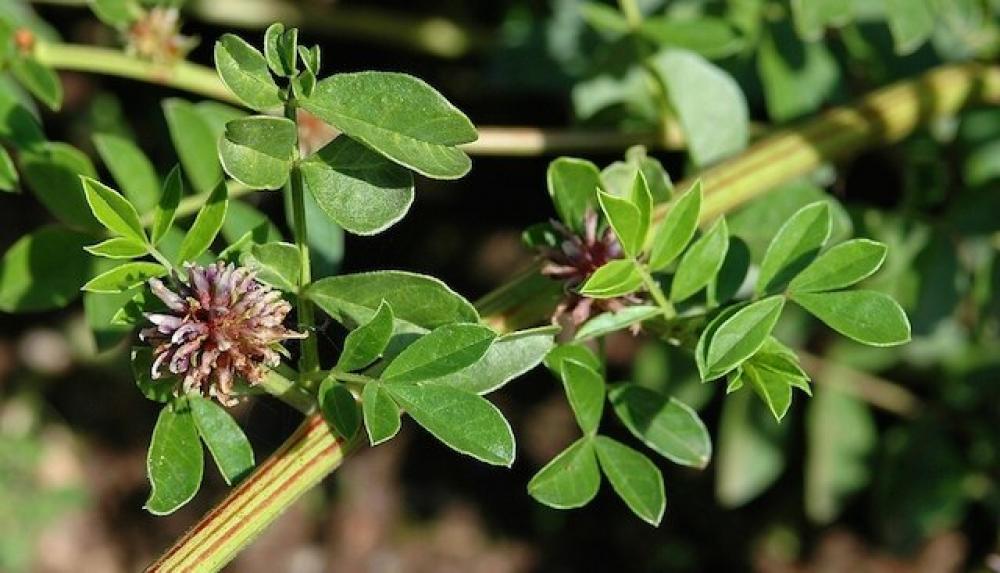
licorice
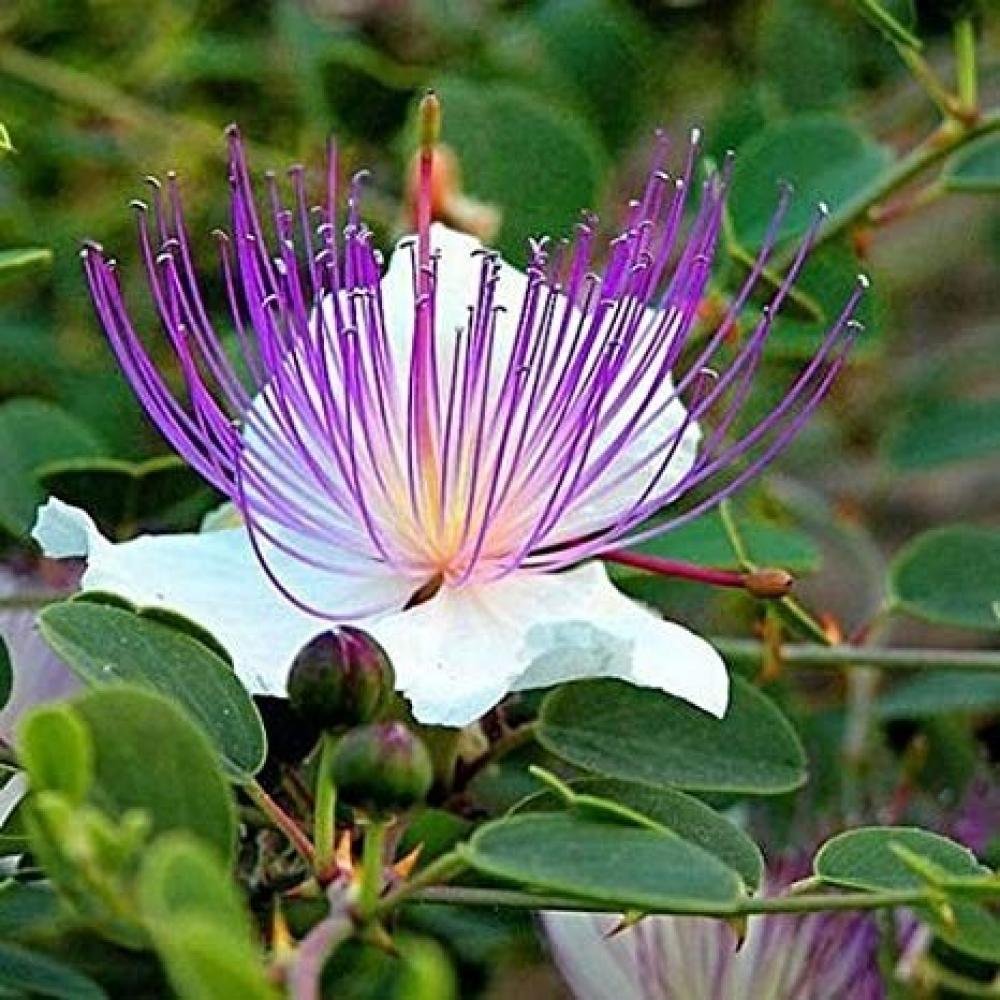
caper
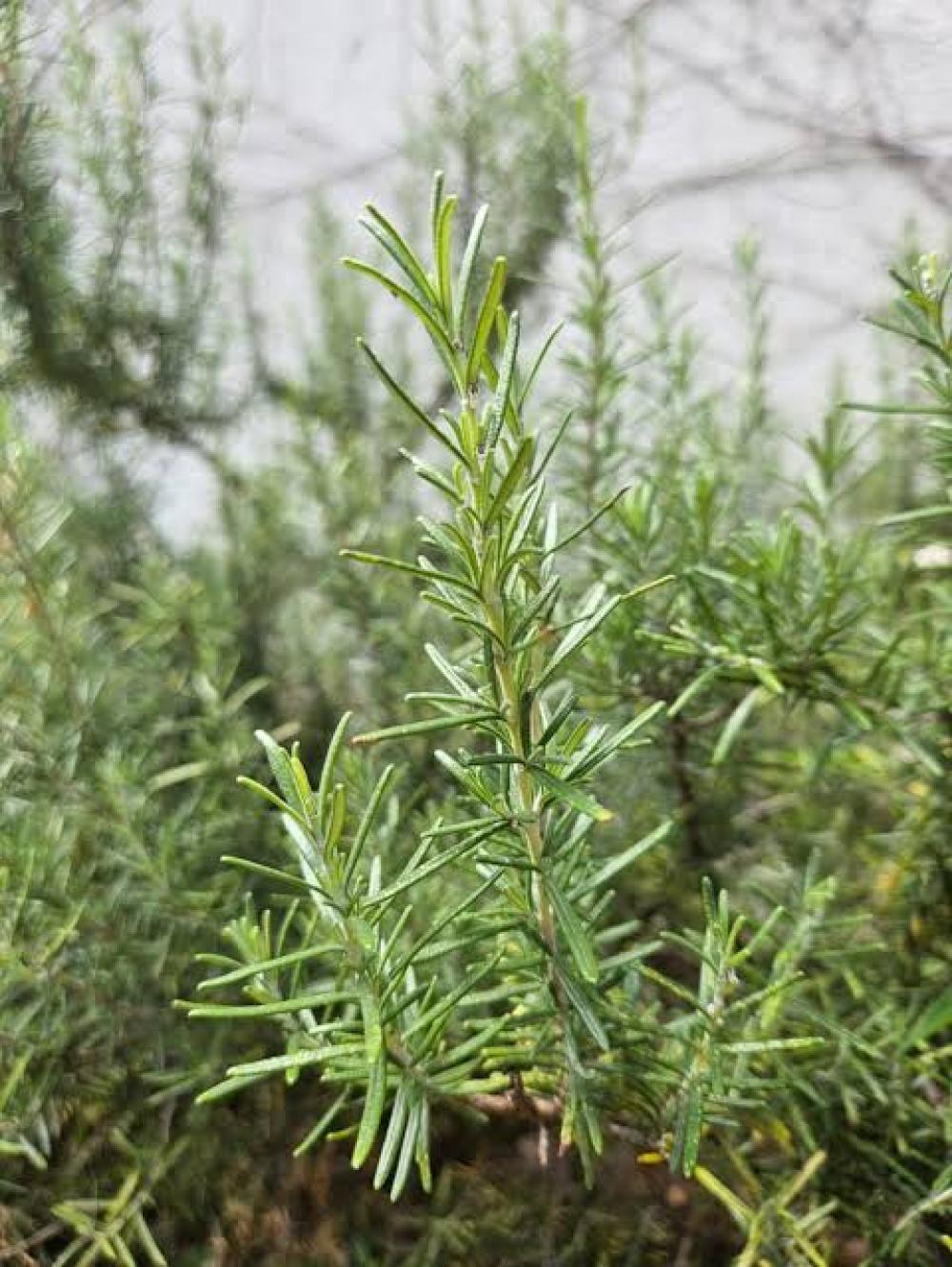
rosemary
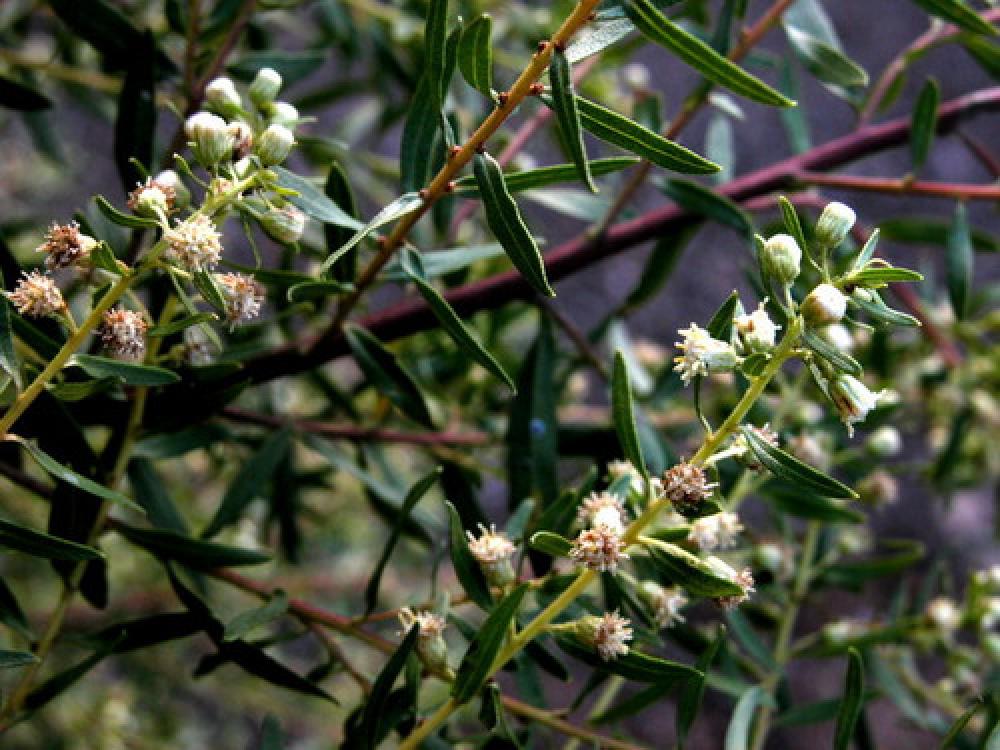
Field Rosemary
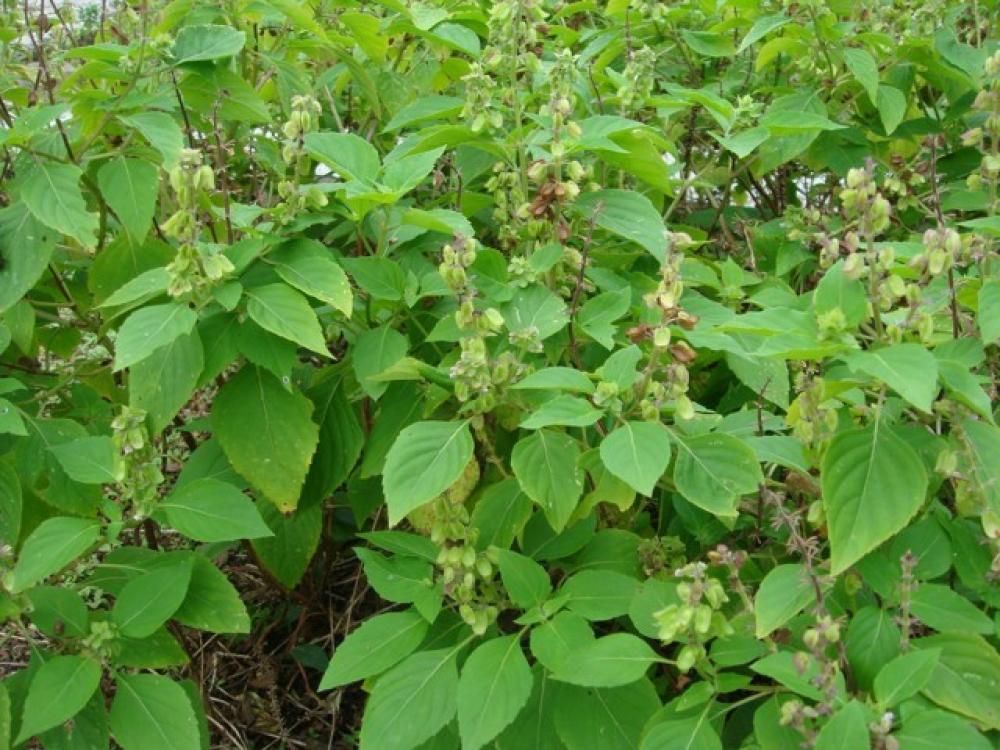
basil
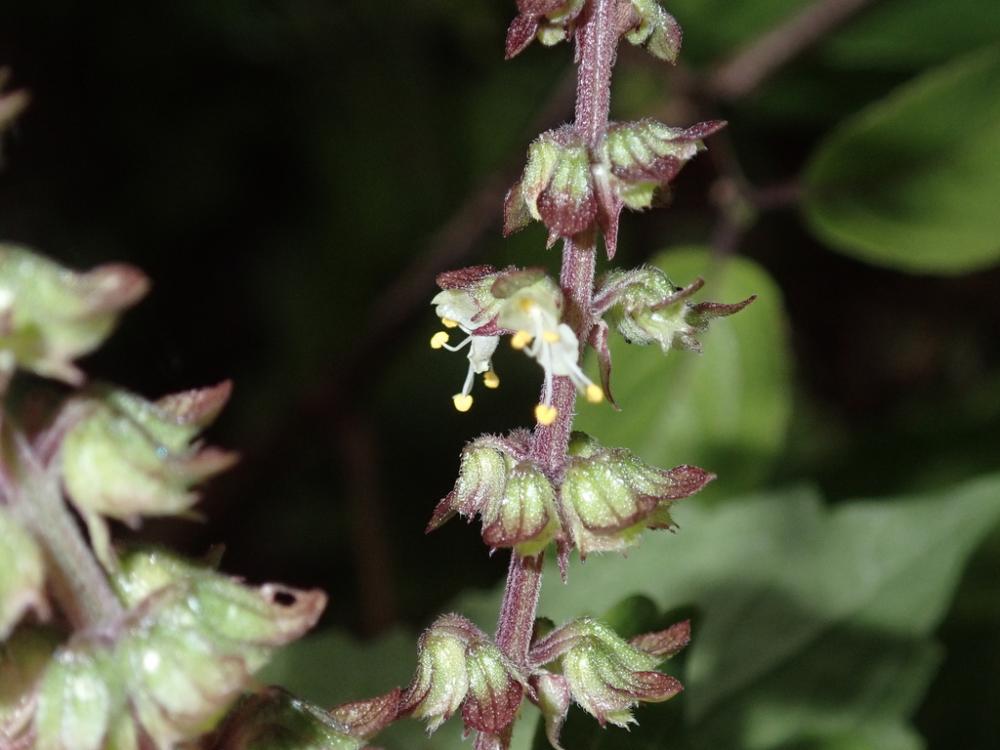
Clove Basil
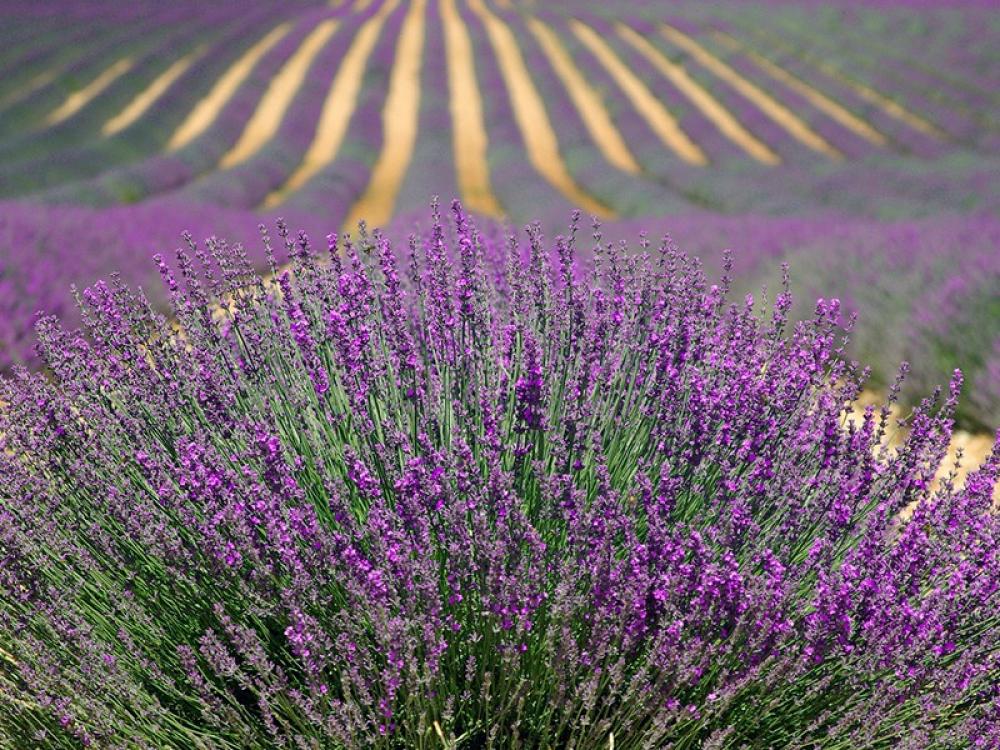
lavender
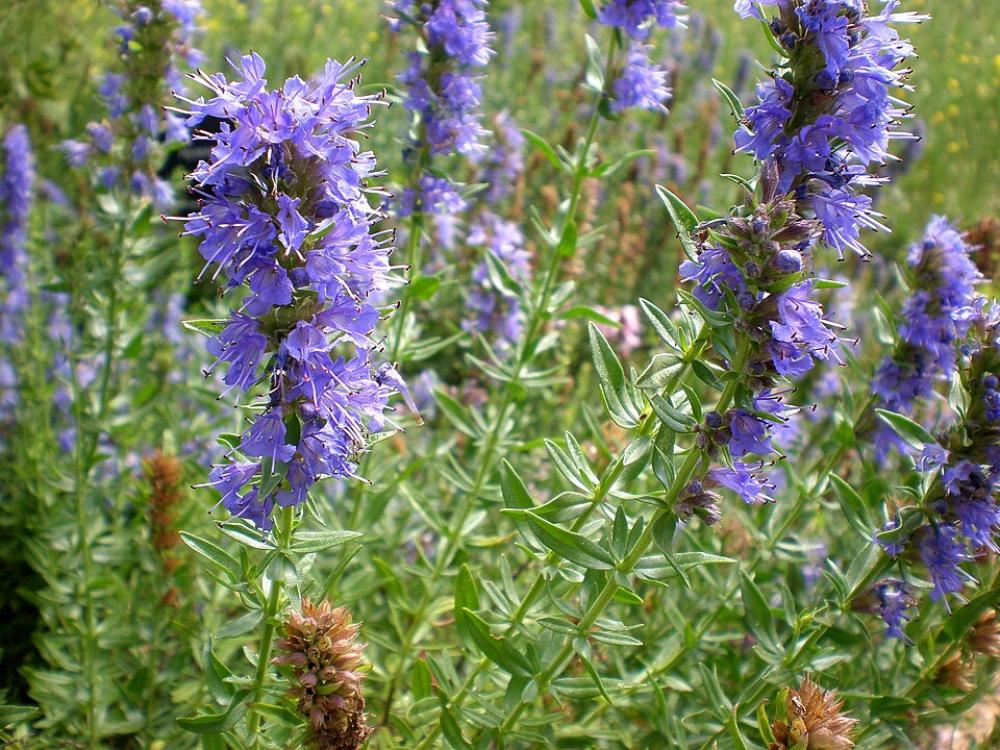
Caboclo Lavender
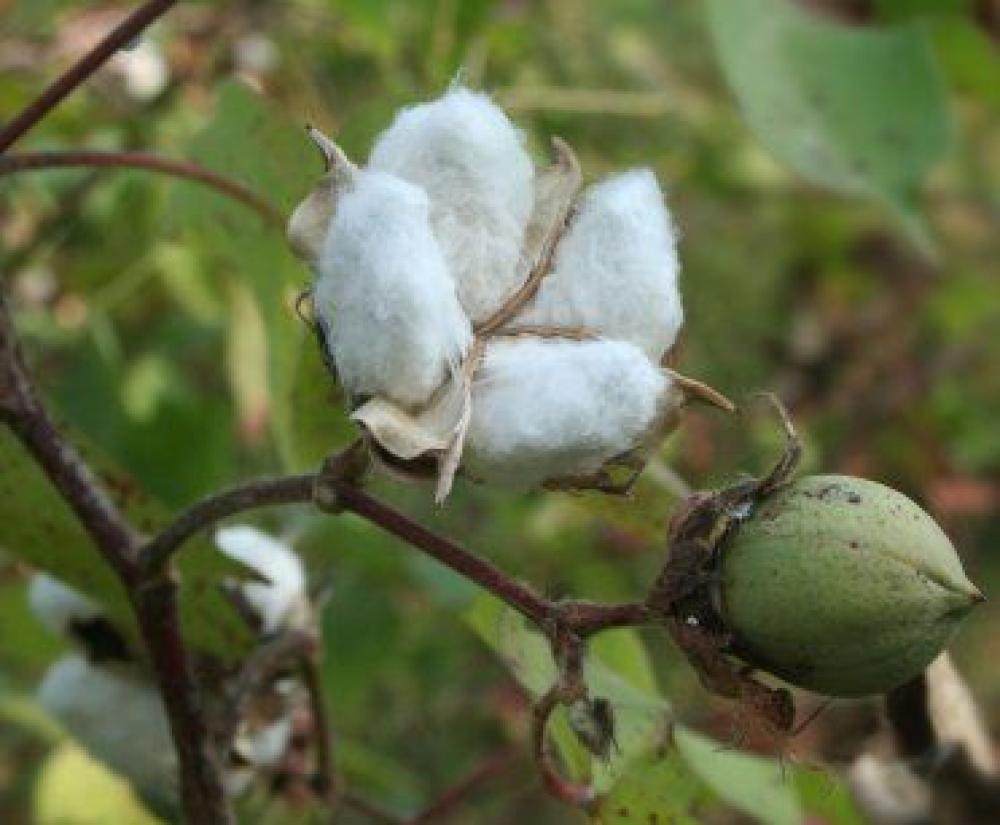
Cotton
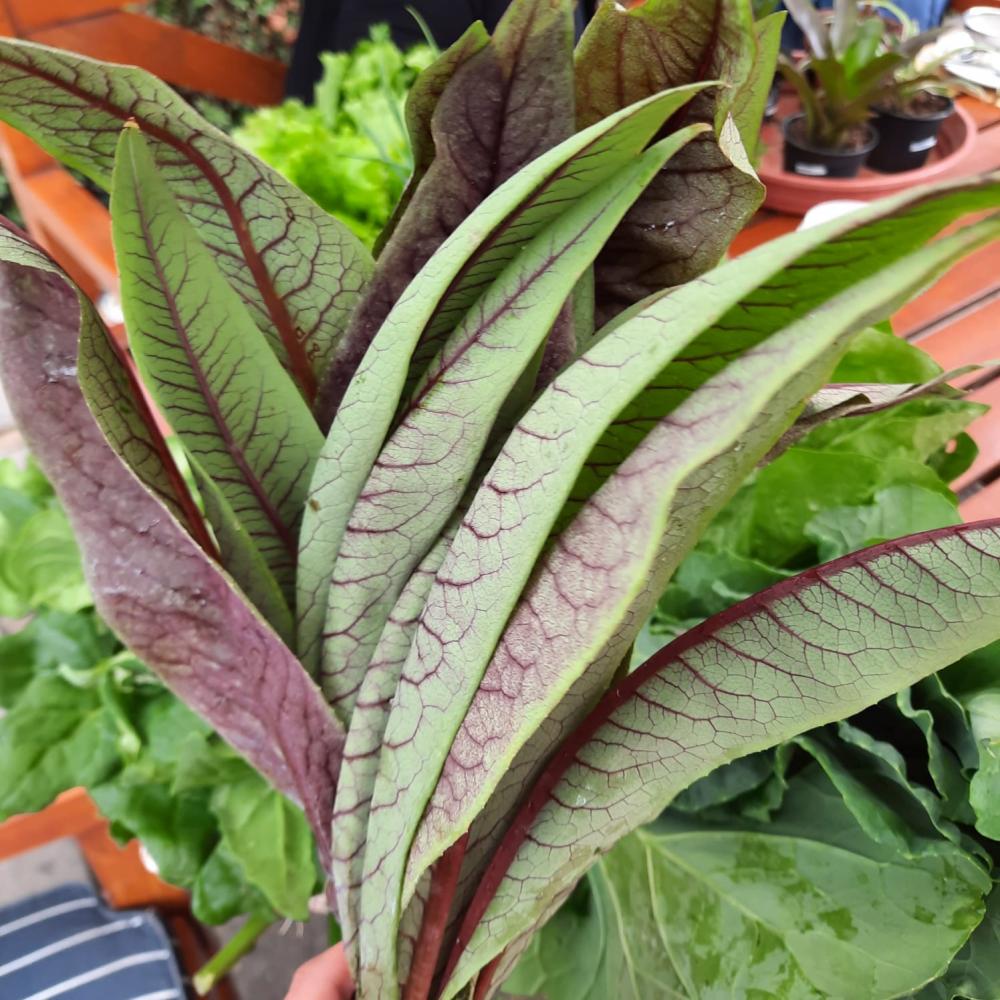
Cafezal Chicory
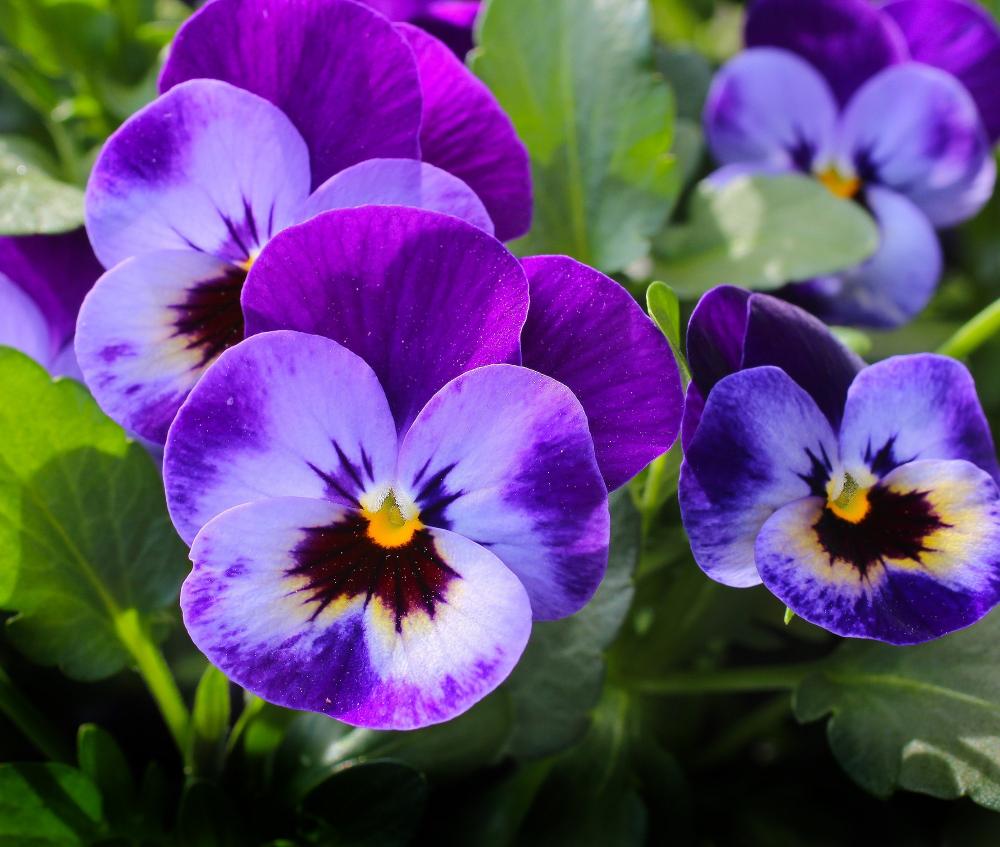
Perfect Love
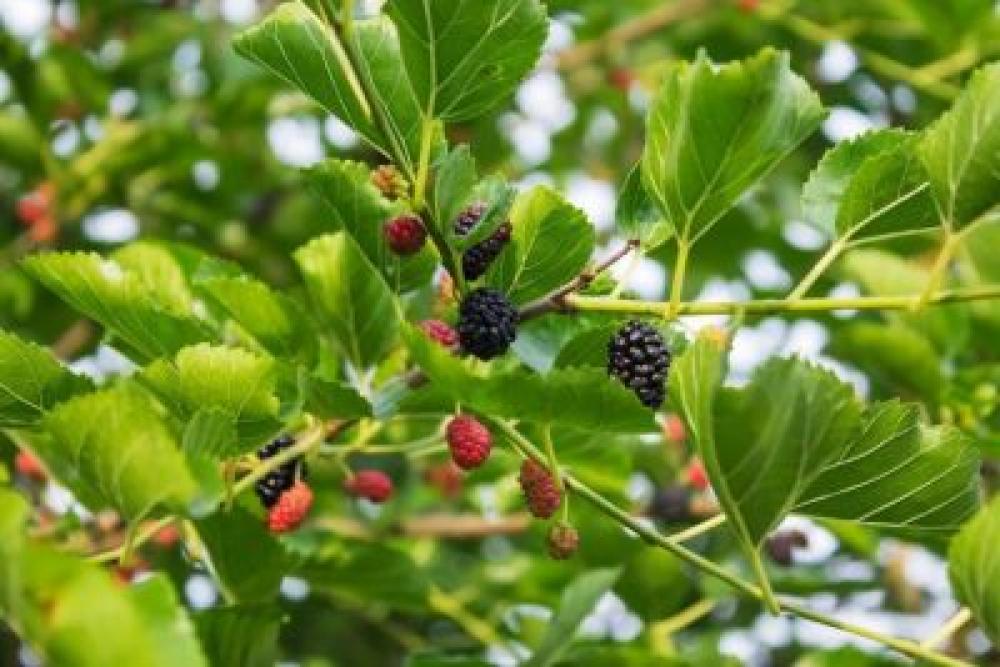
mulberry
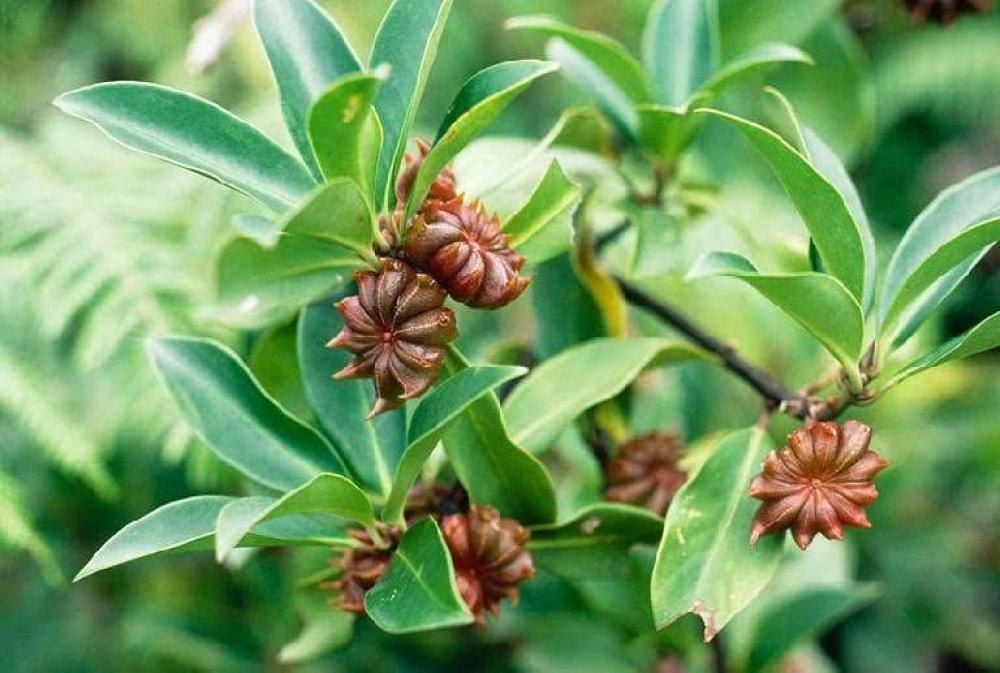
anise
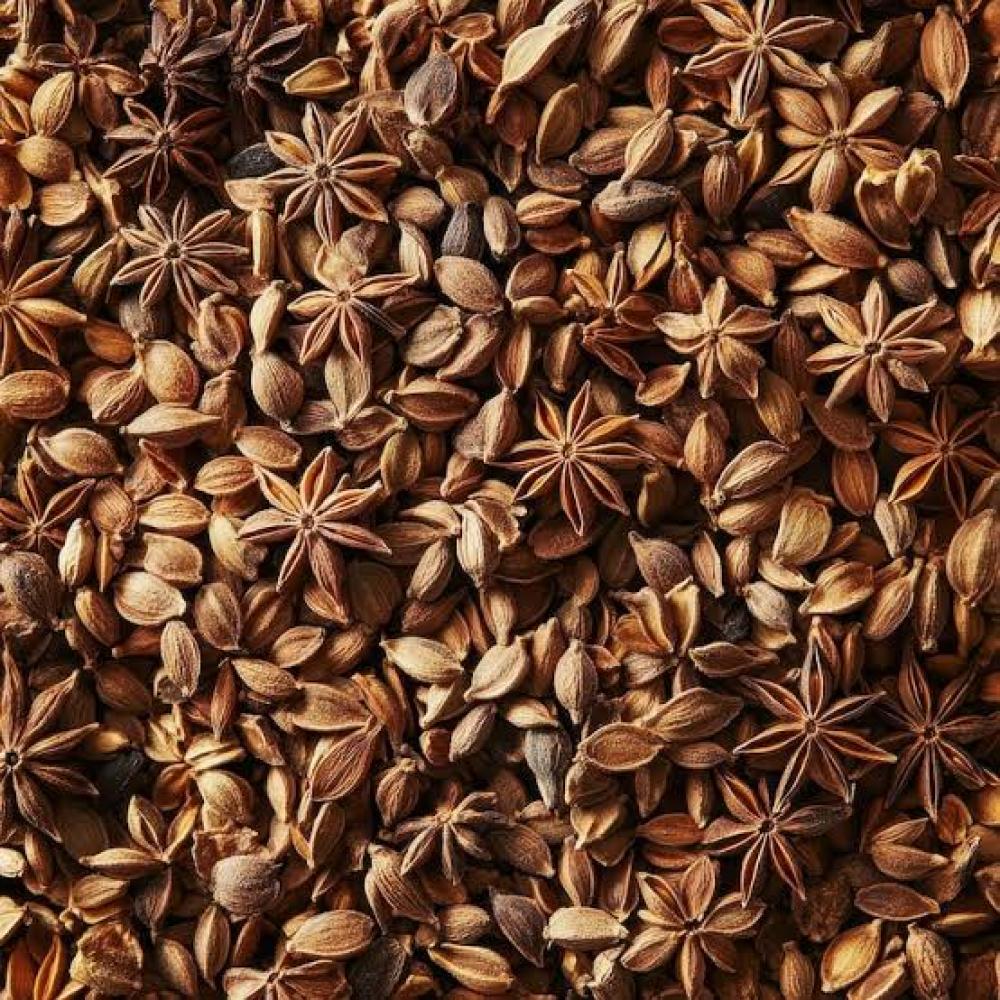
Star anise - Seeds
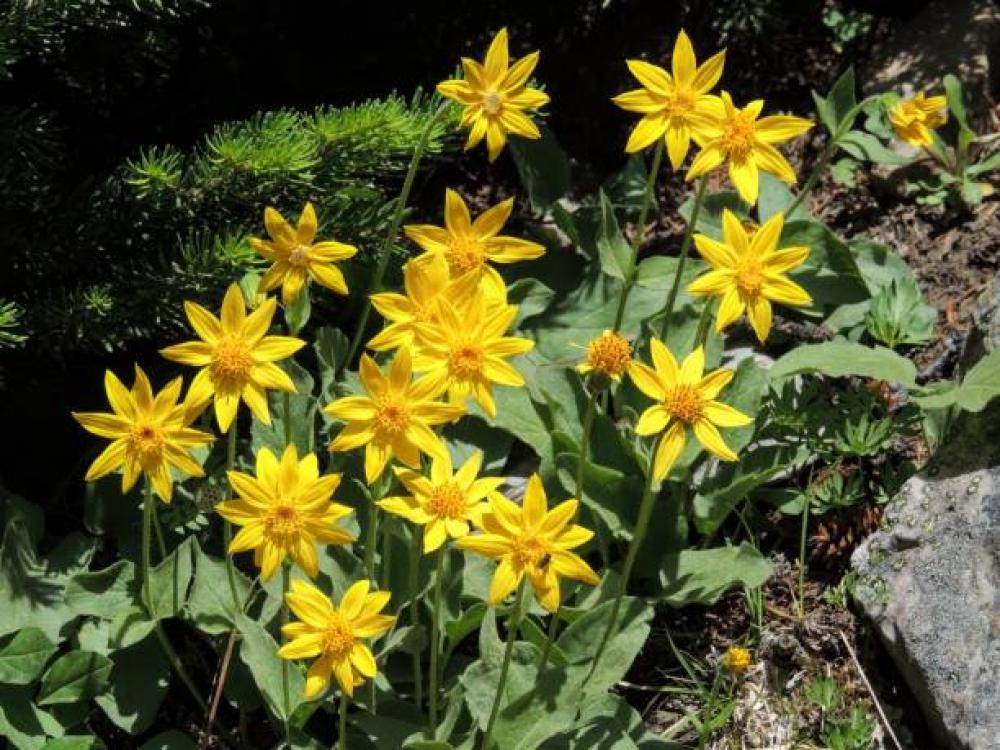
Arnica
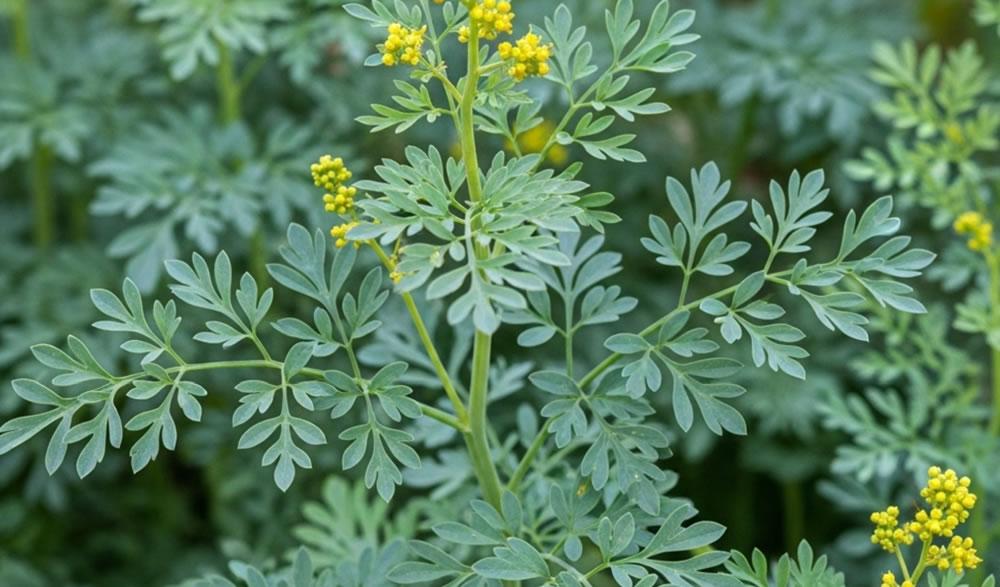
Rue
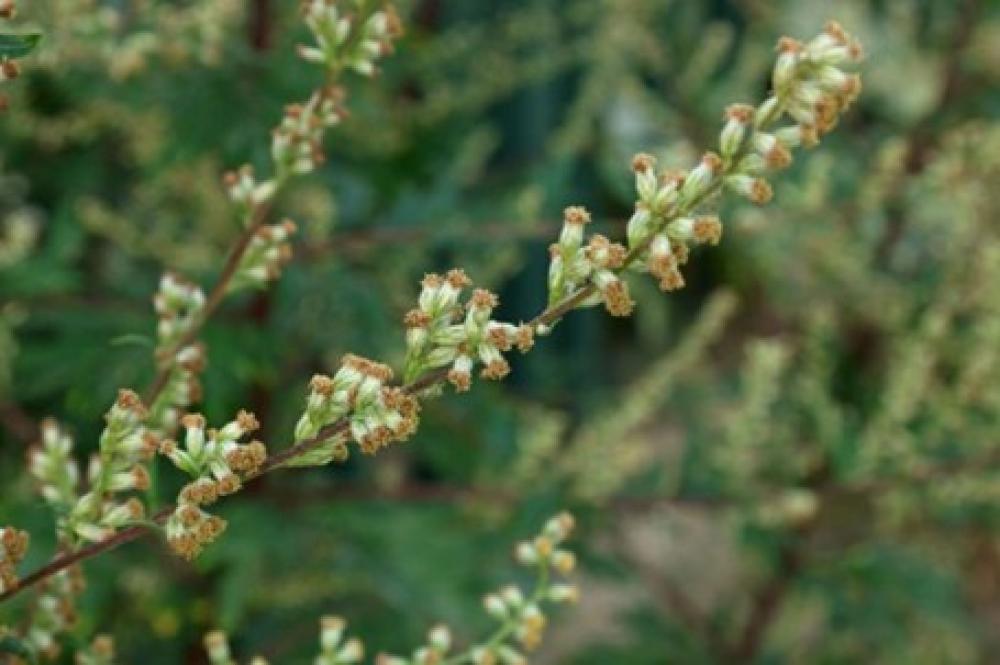
Artemisia
maidenhair fern
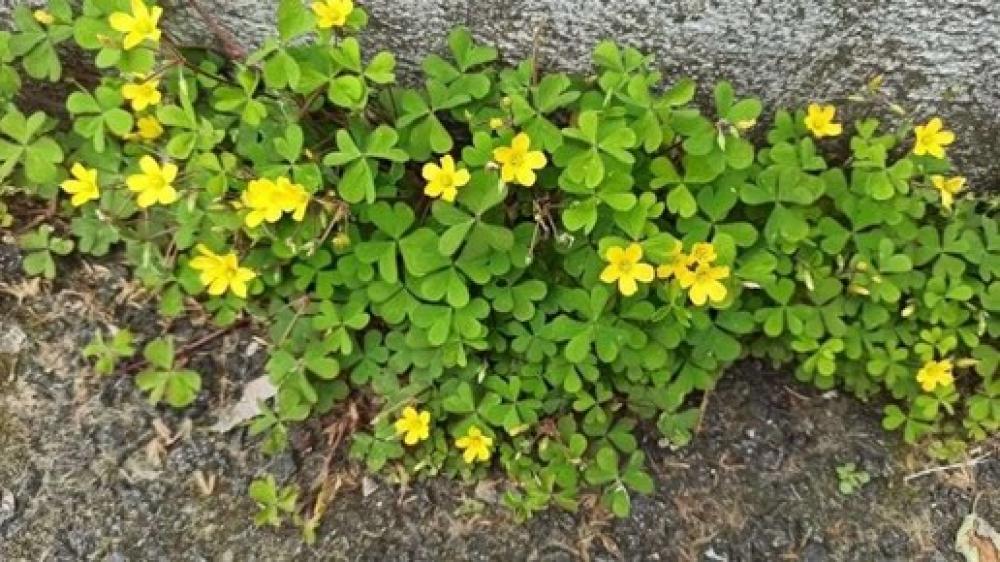
sourish
babassu
aloe vera
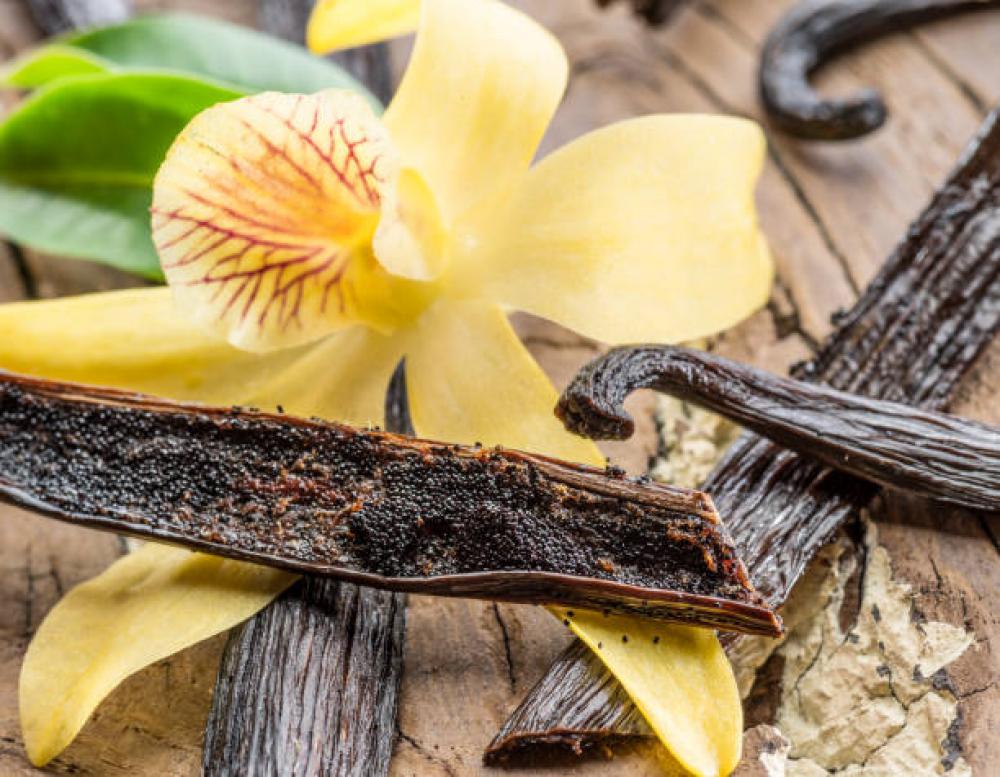
vanilla
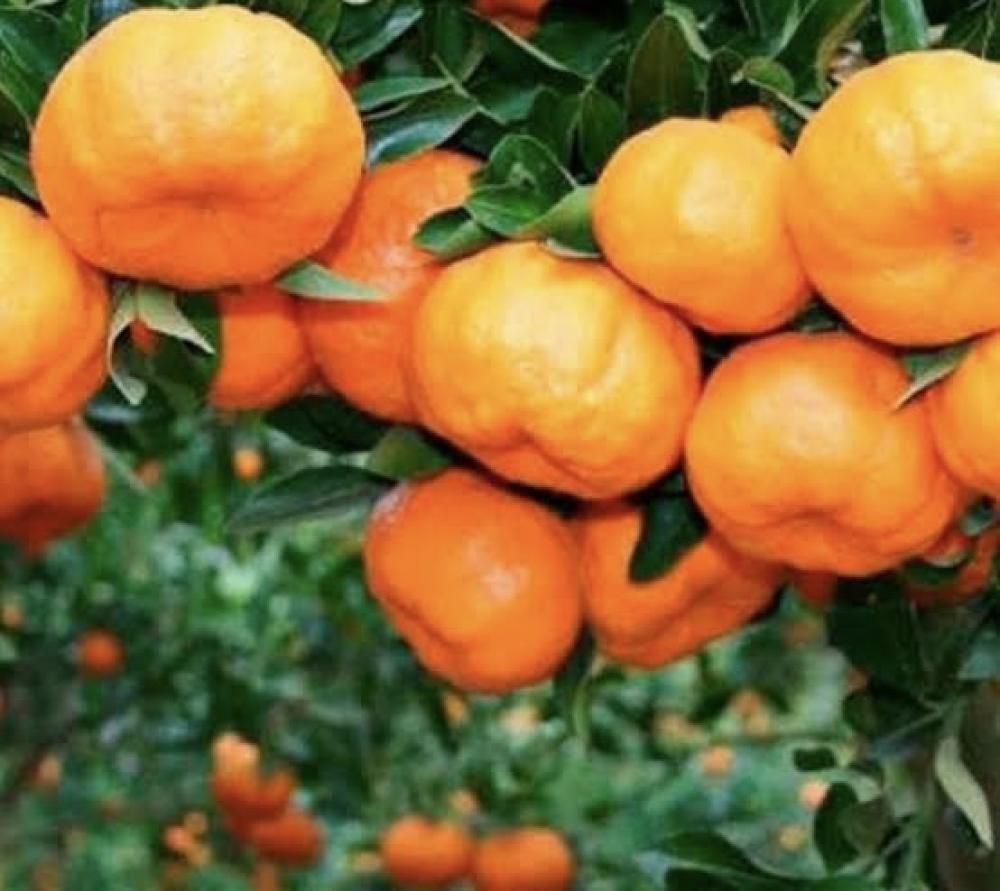
Bergamot
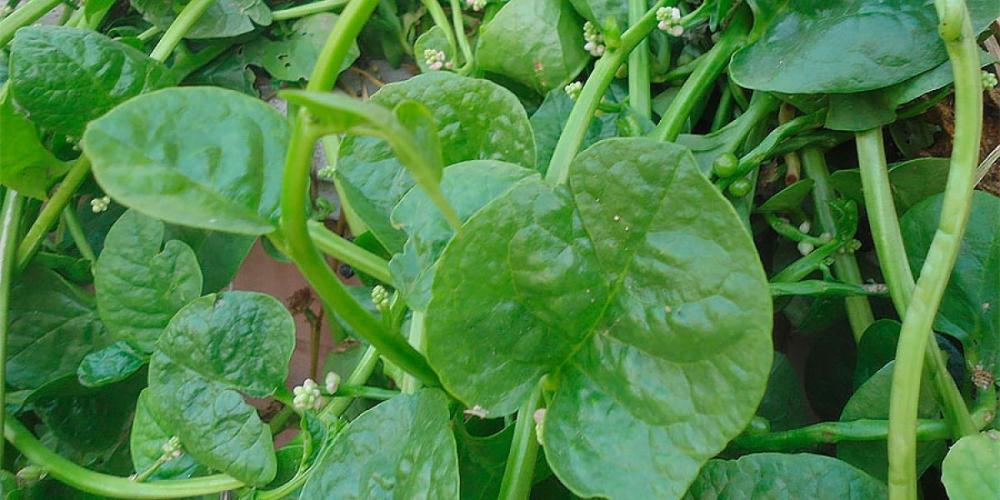
Malabar spinach
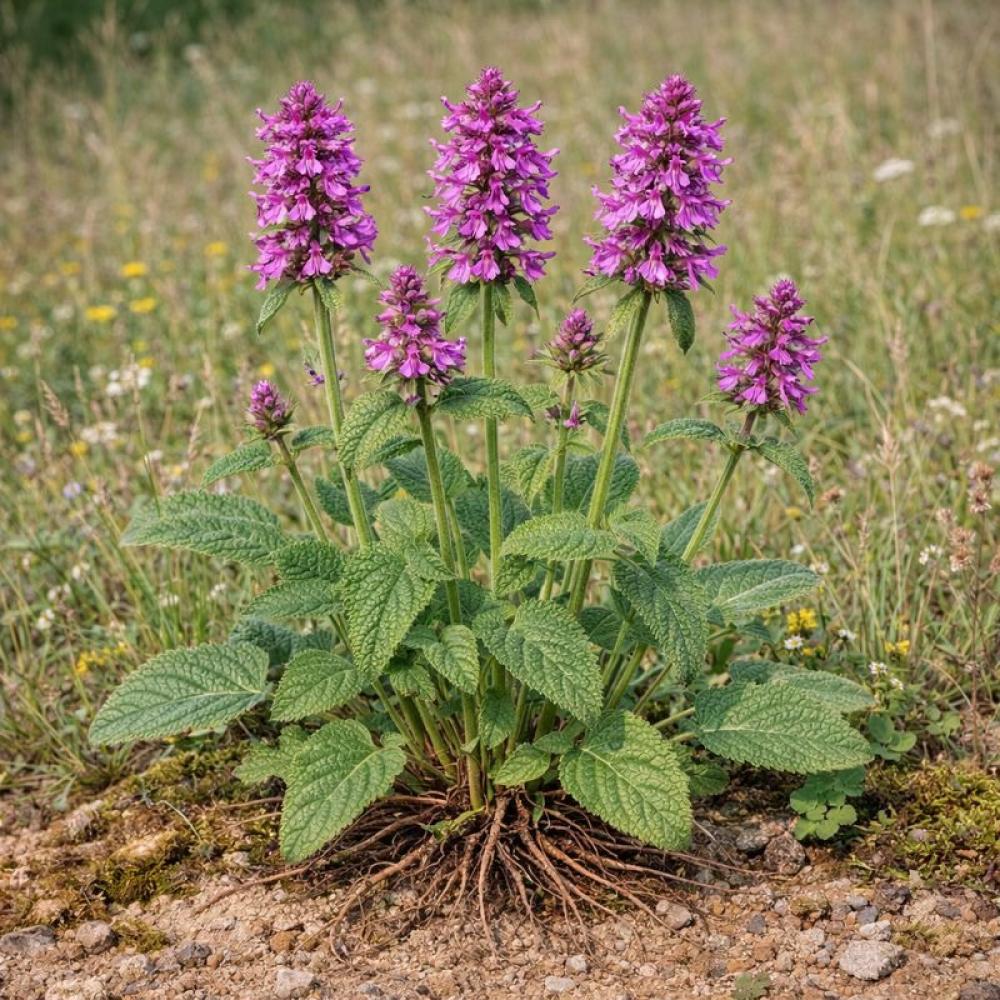
betony
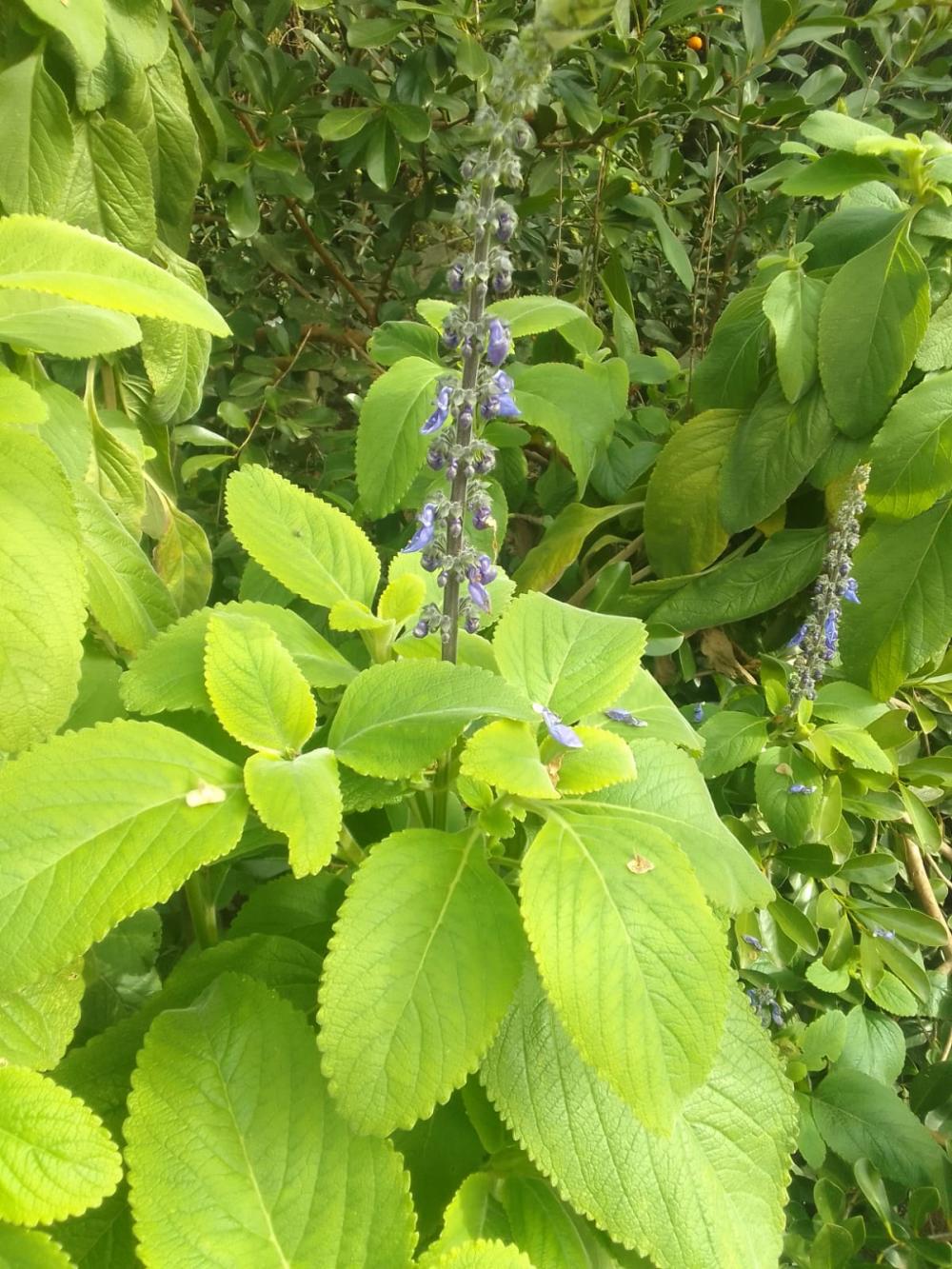
Boldo
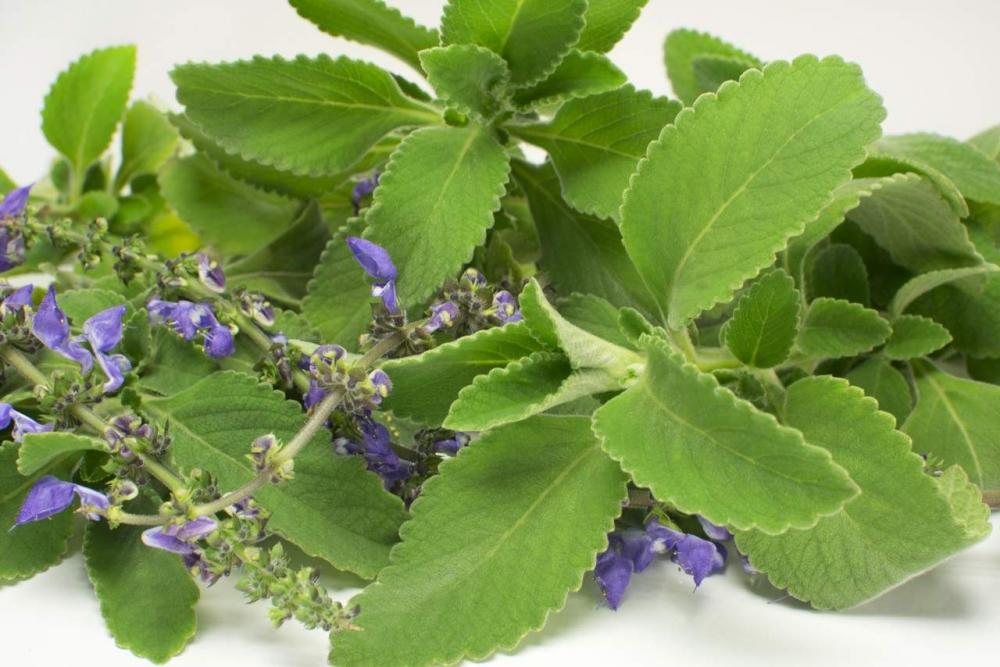
Chilean boldo
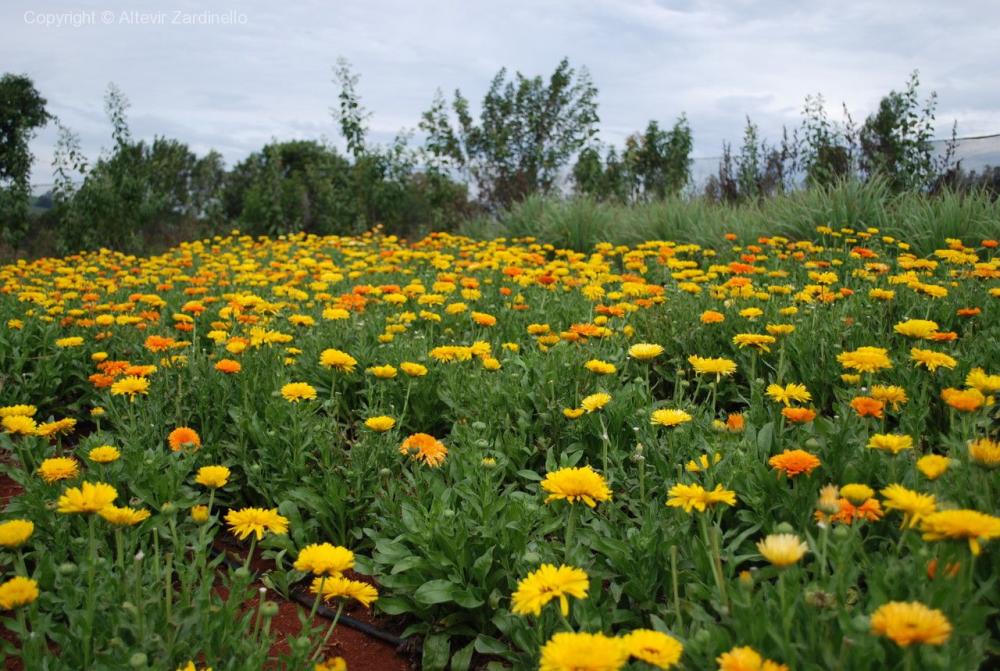
Calêndula
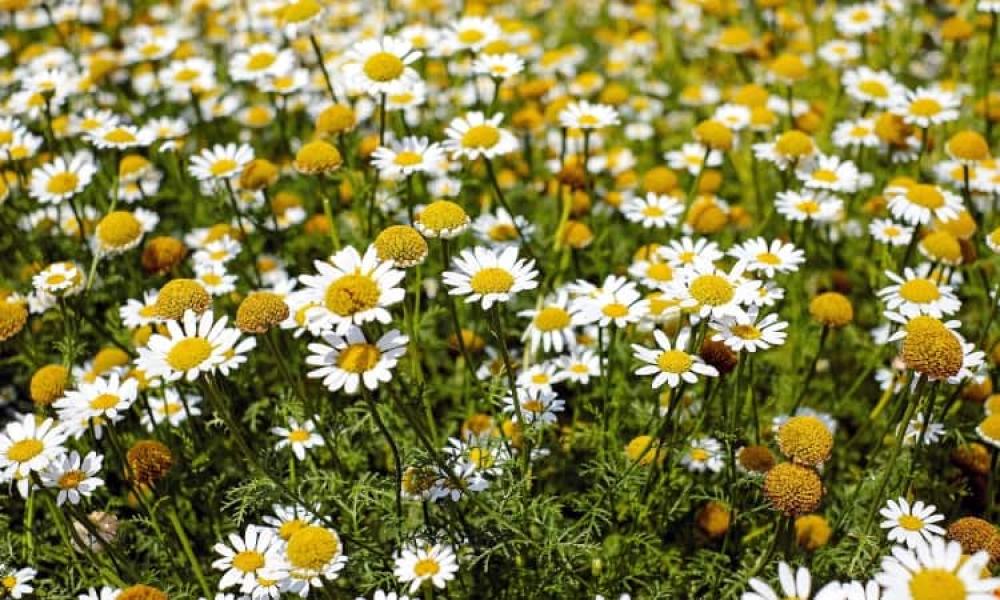
Chamomile
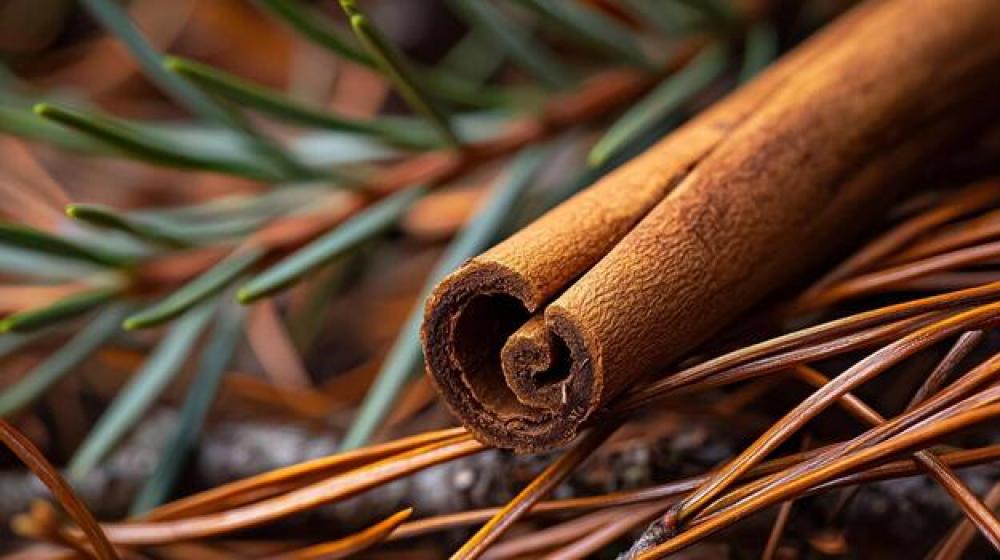
cinnamon
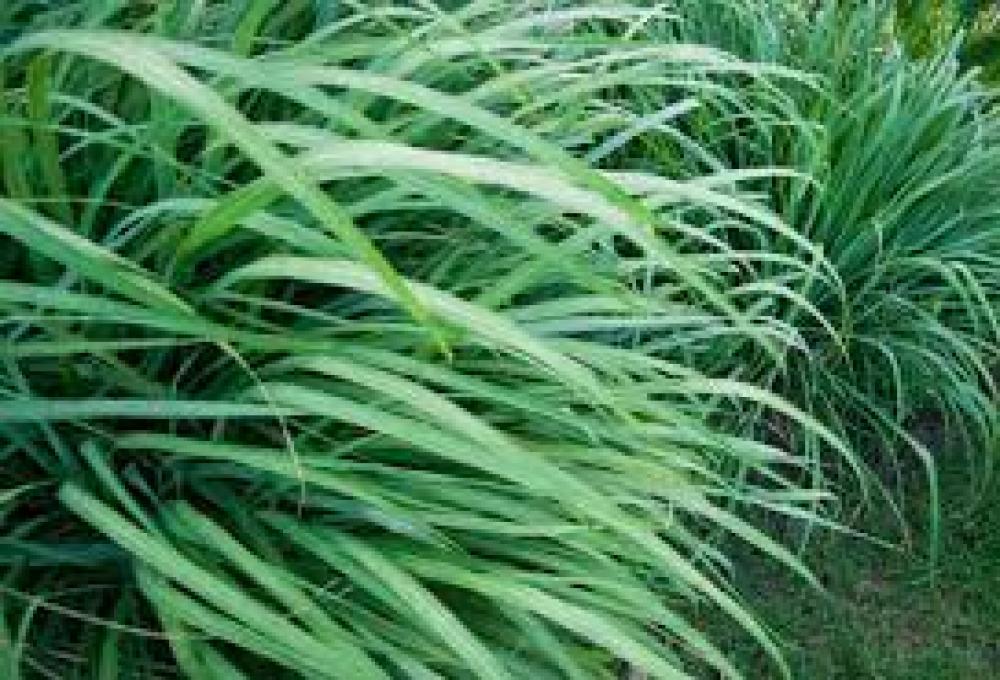
Scented Grass - Lemongrass
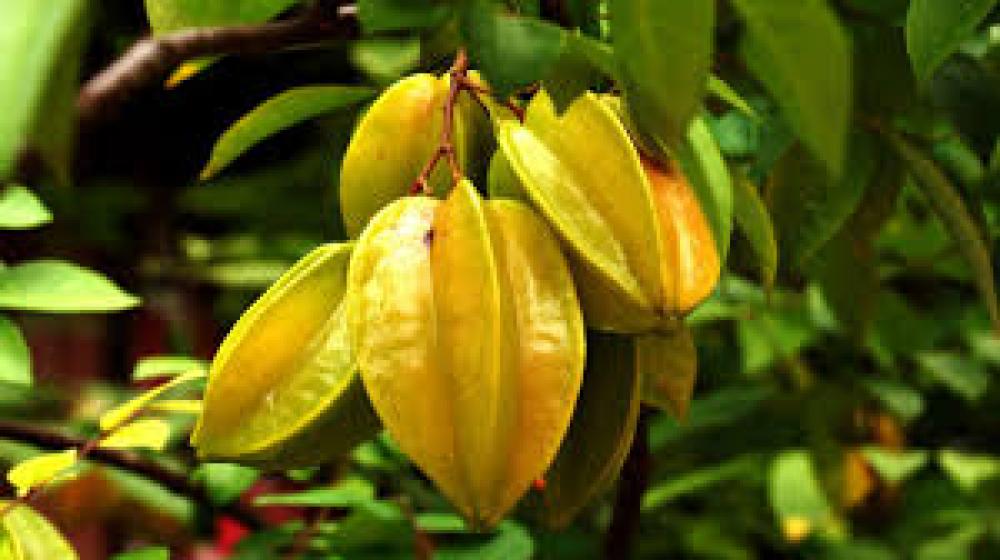
starfruit
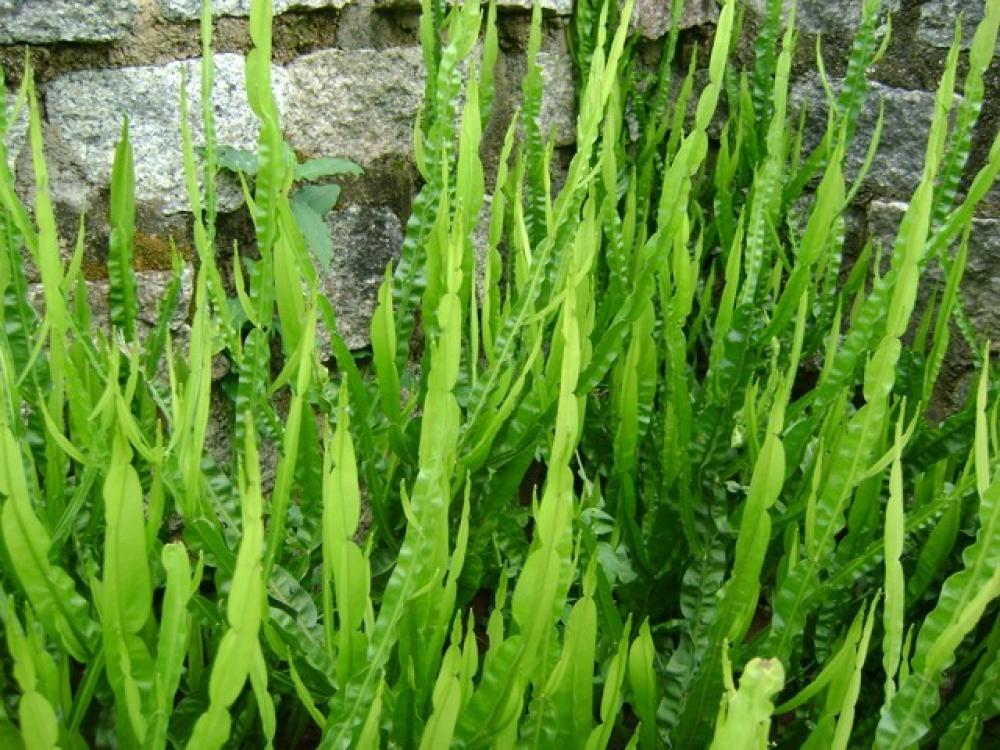
Carqueja
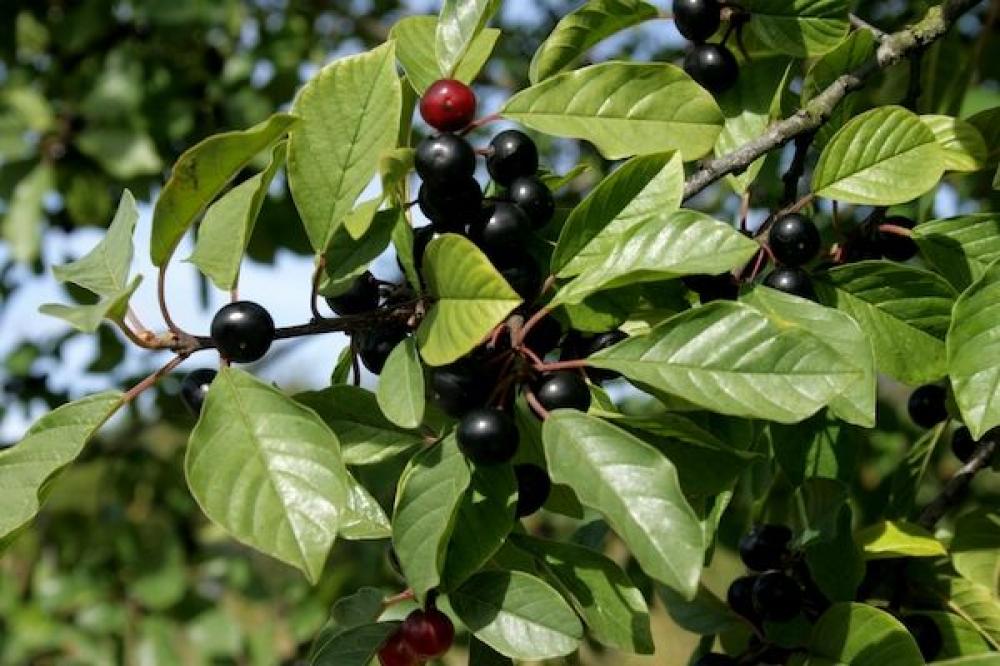
sacred waterfall
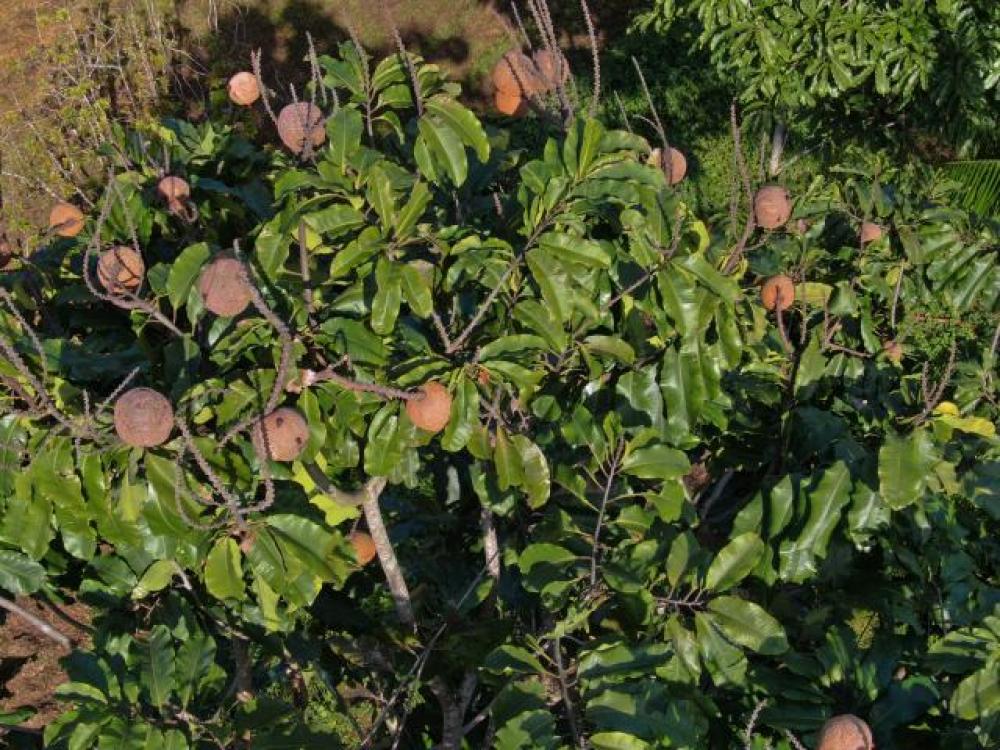
chestnut tree
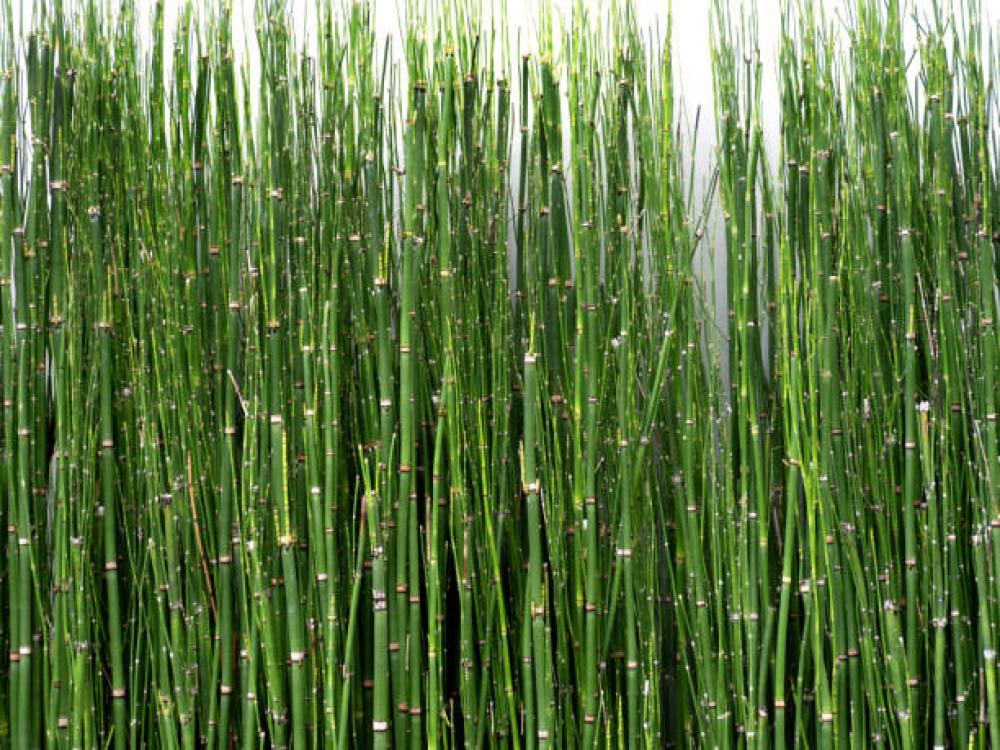
horsetail
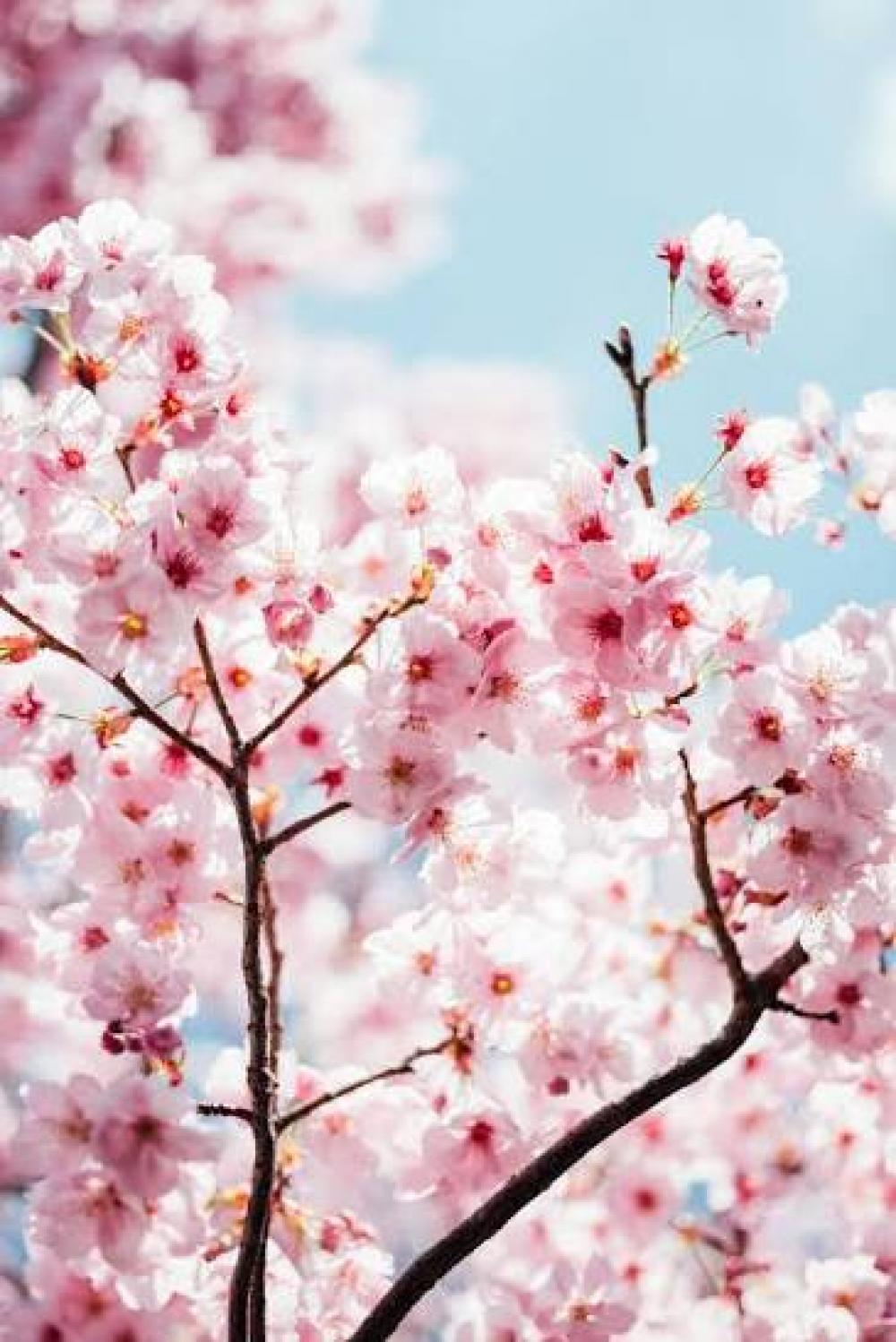
cherry
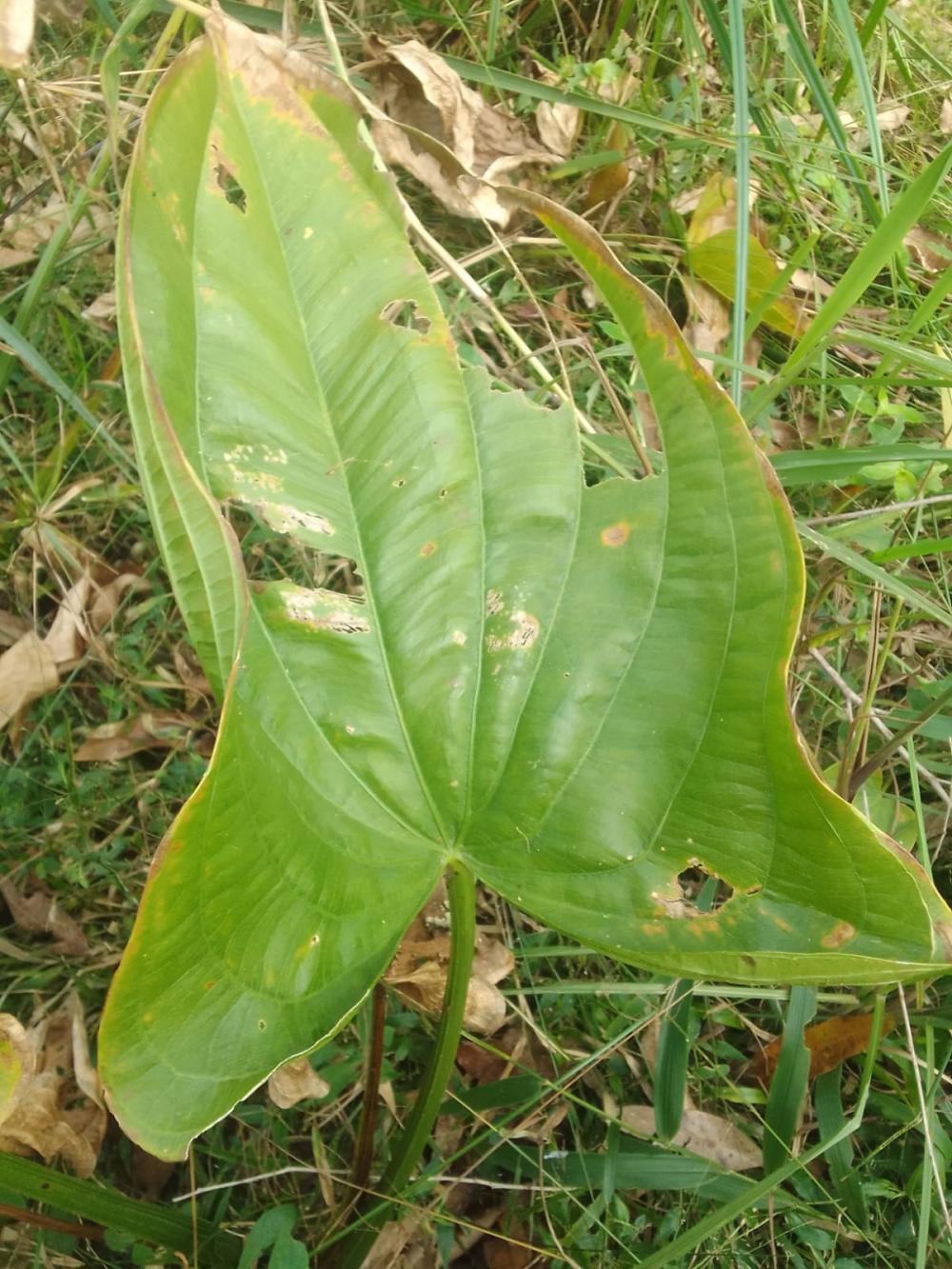
Leather Hat
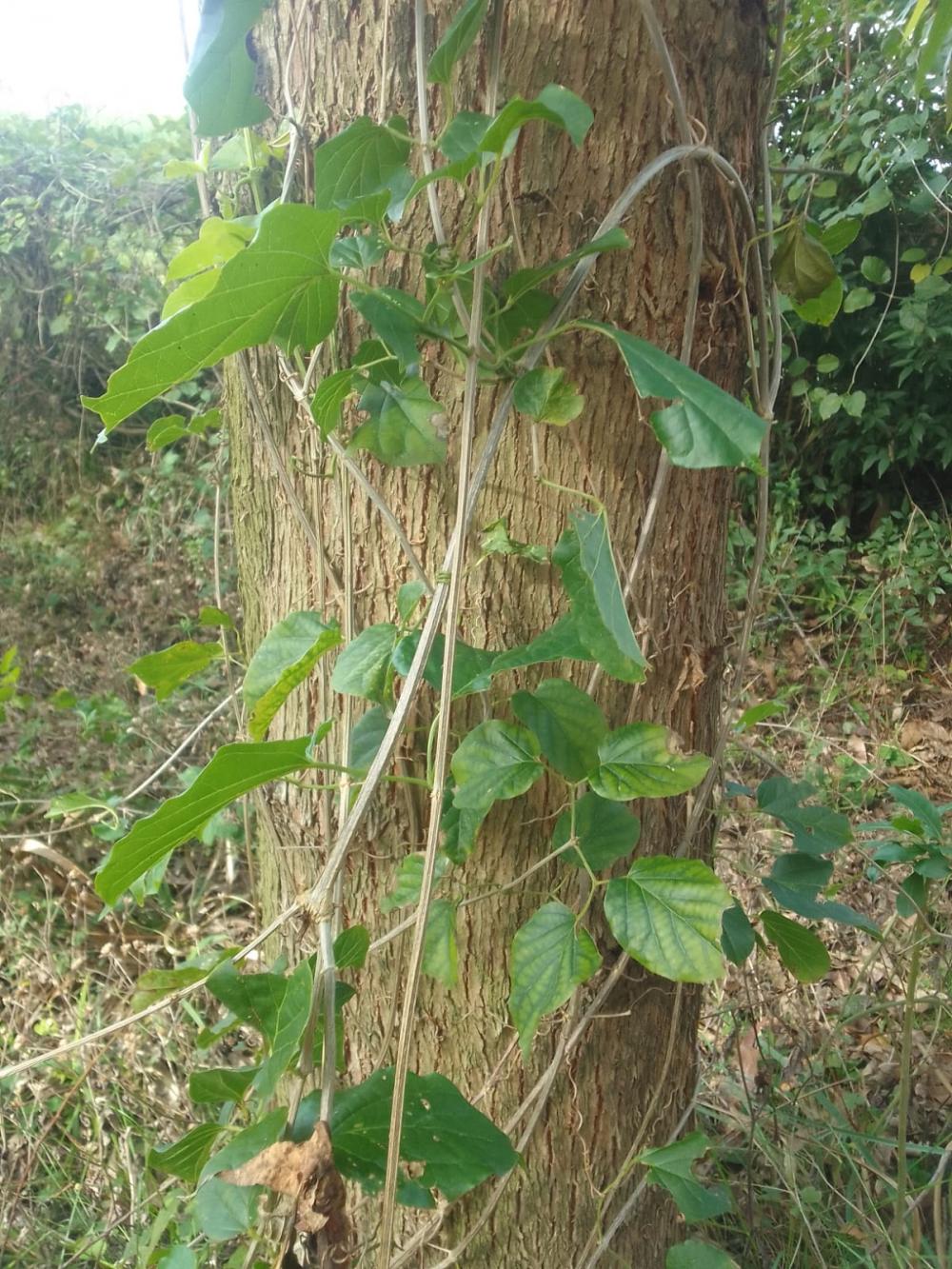
St. Johns Vine
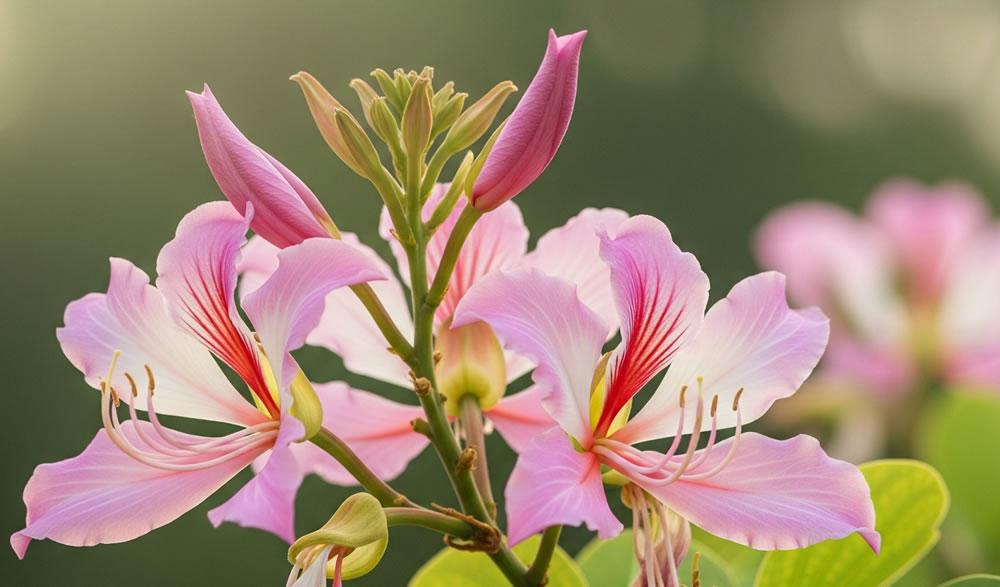
Cows foot vine
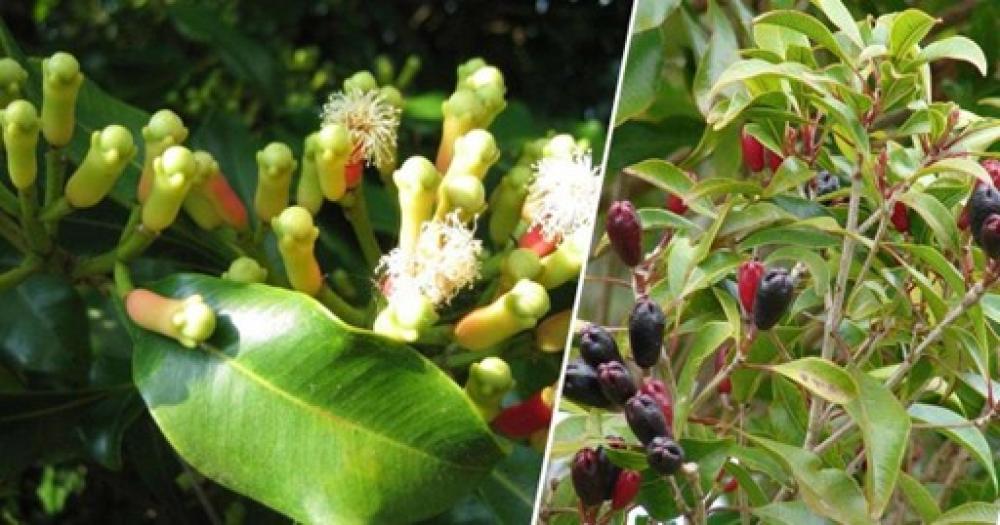
clove
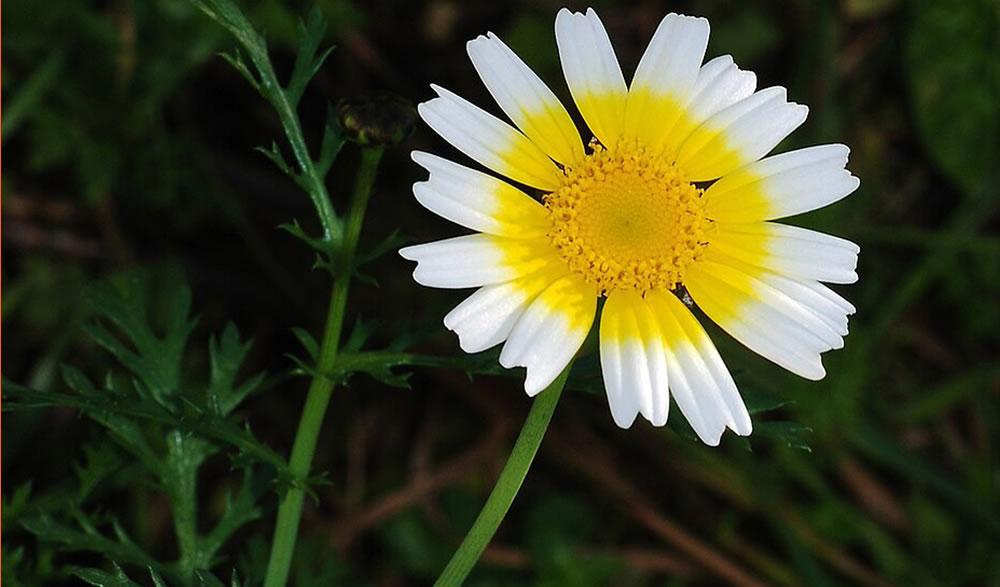
Chrysanthemum
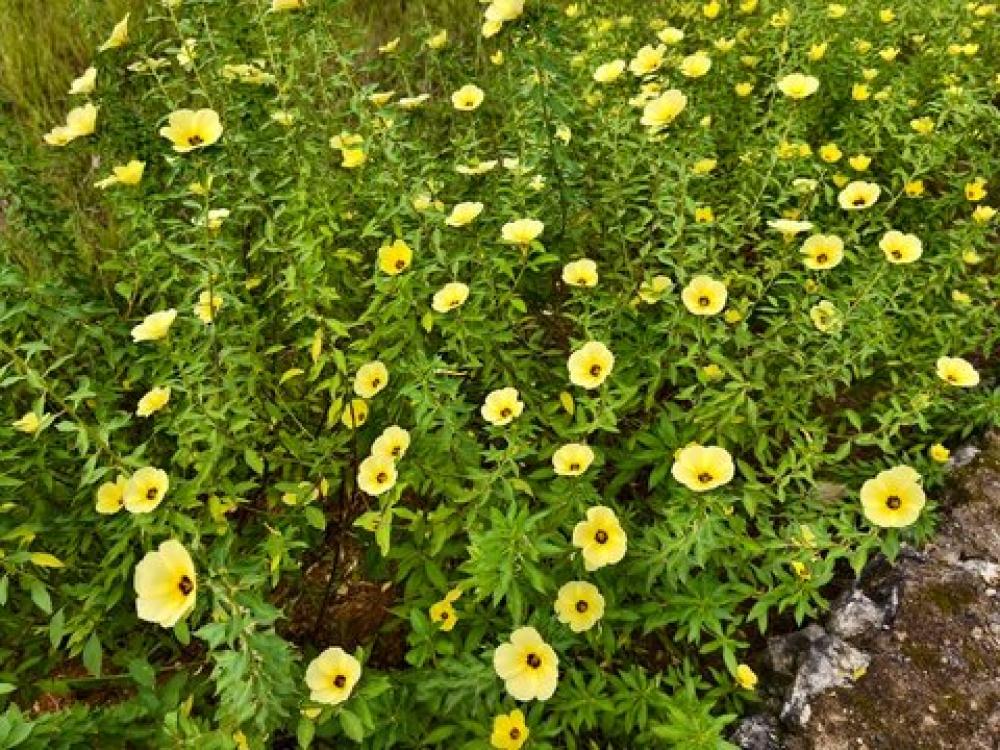
Damiana
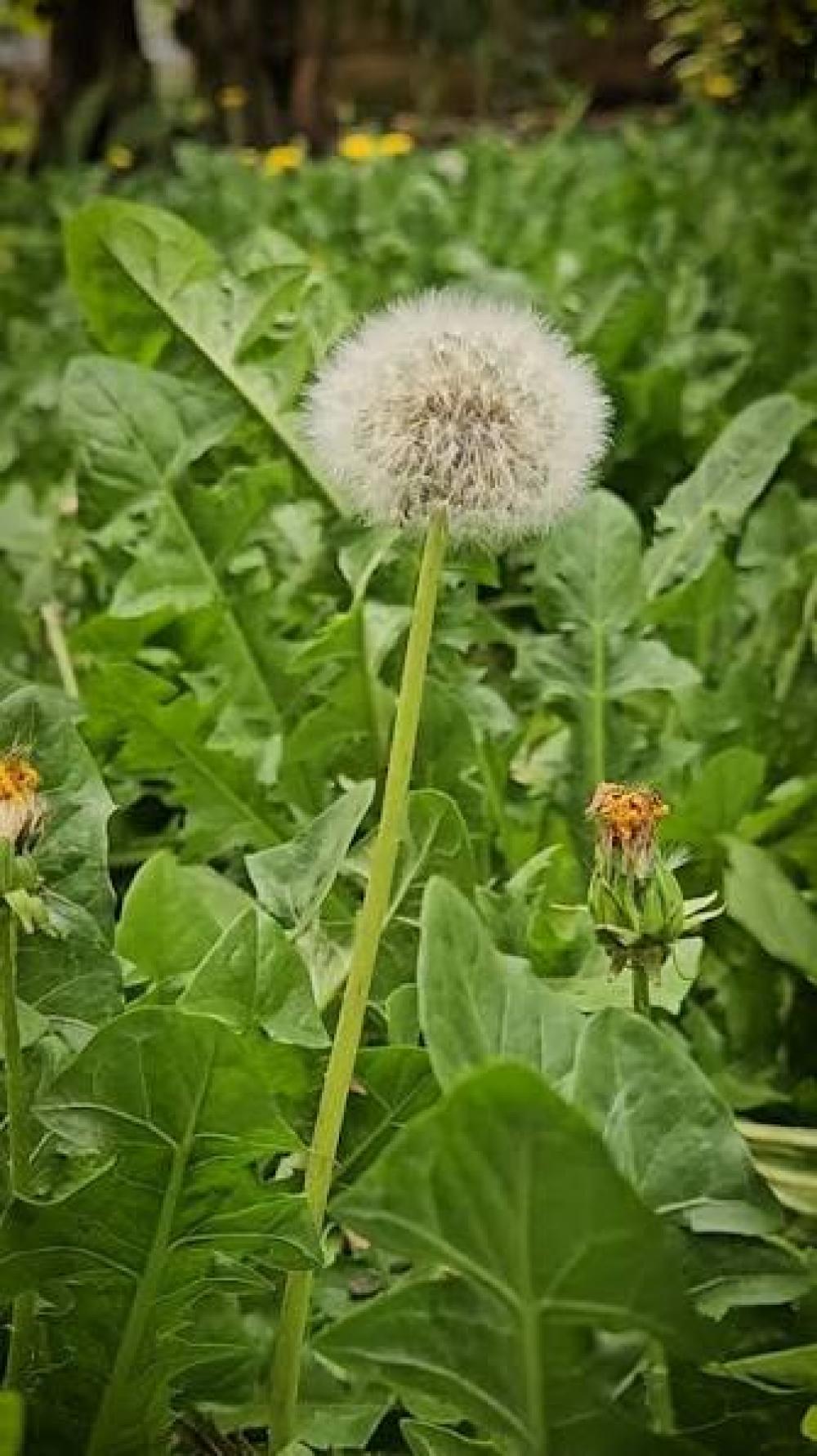
dandelion
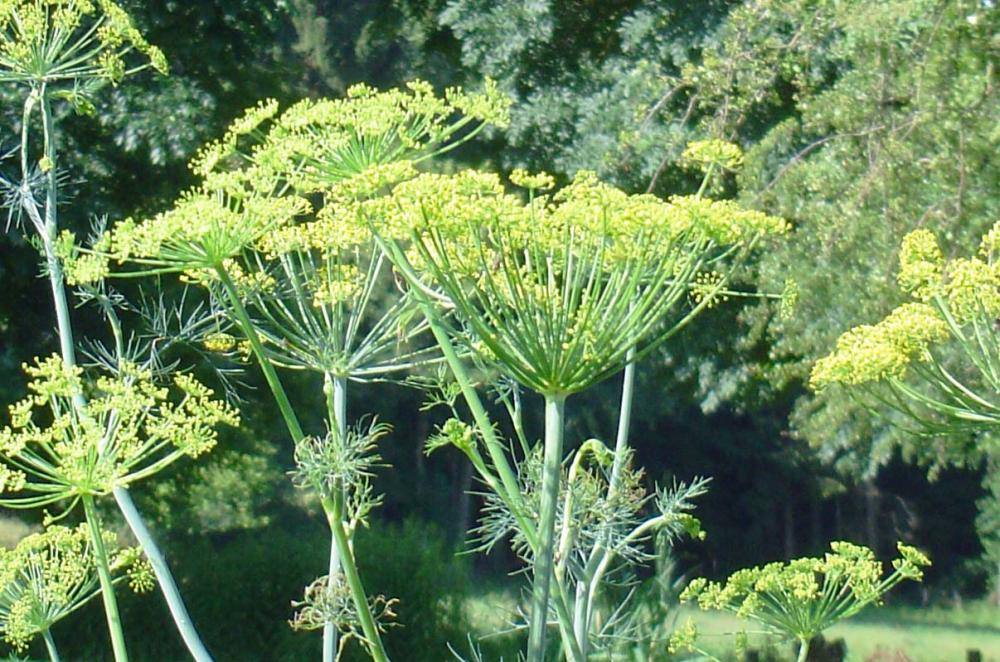
dill
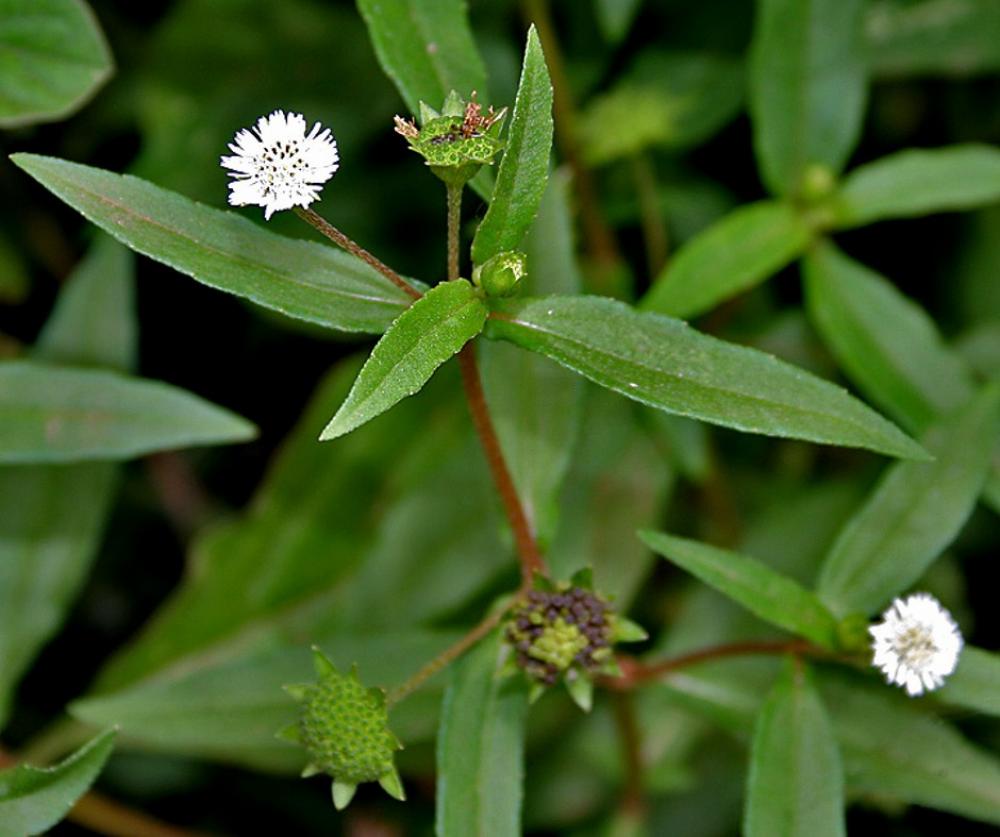
Button Herb
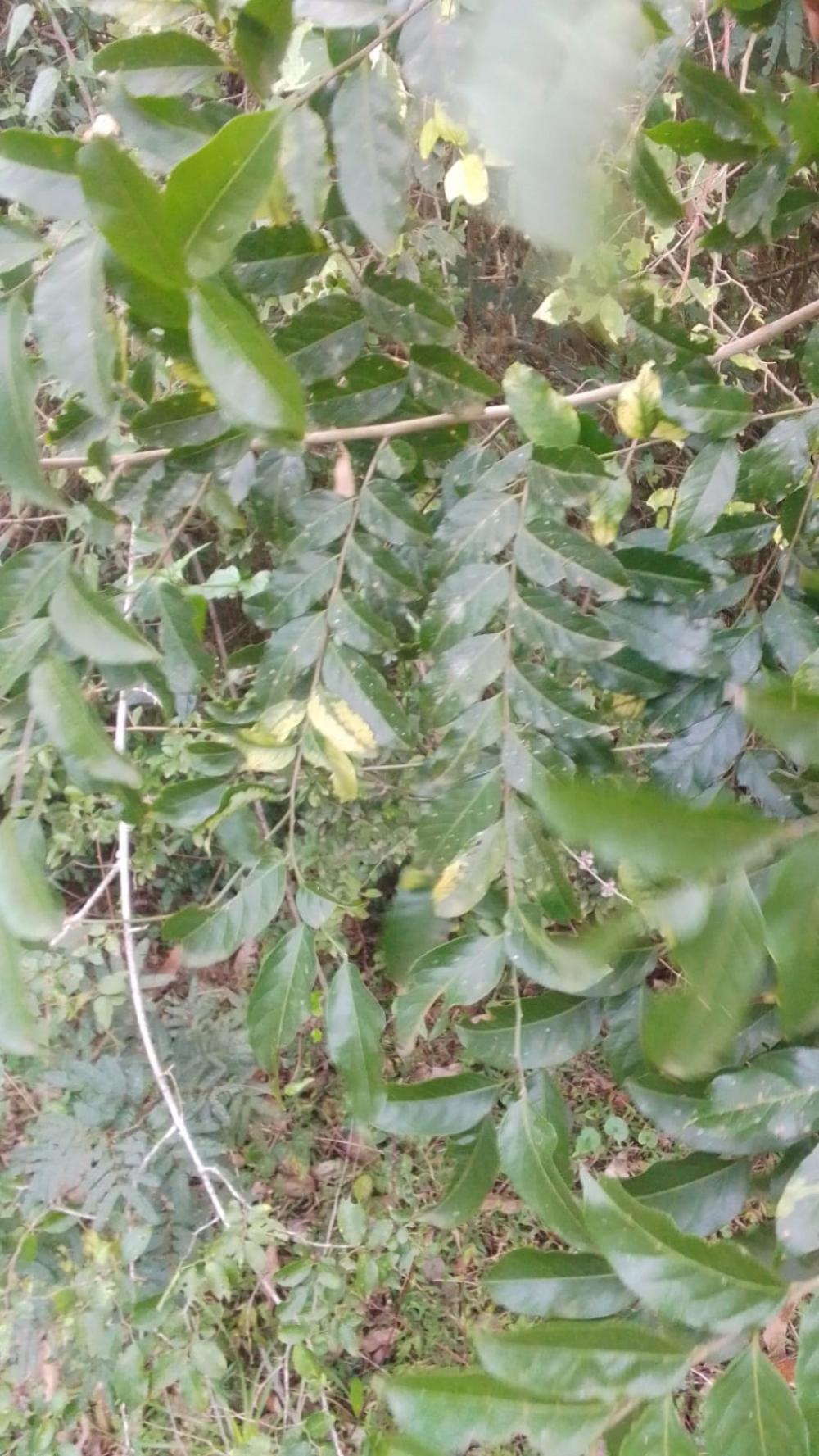
buggy grass
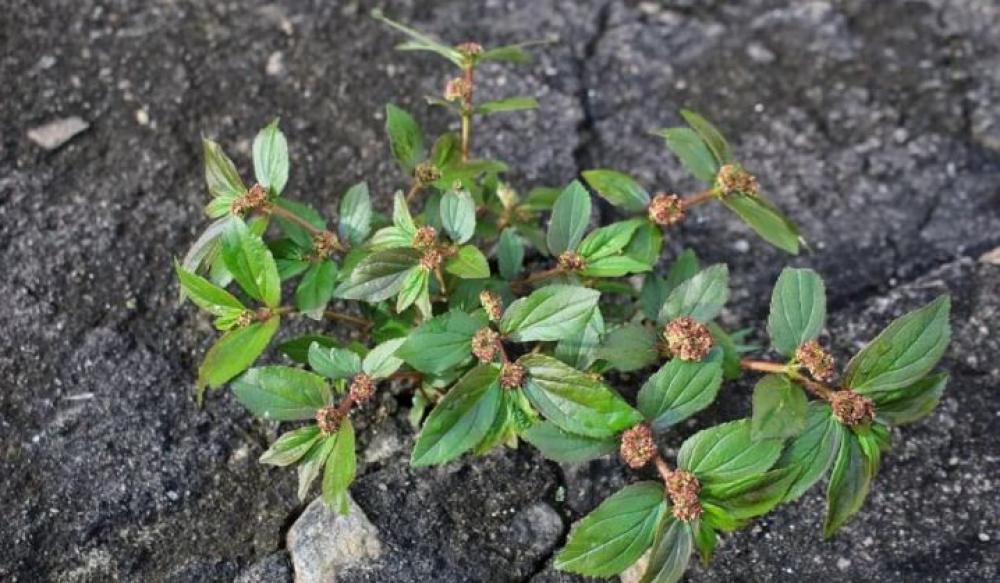
St. Lucias herb
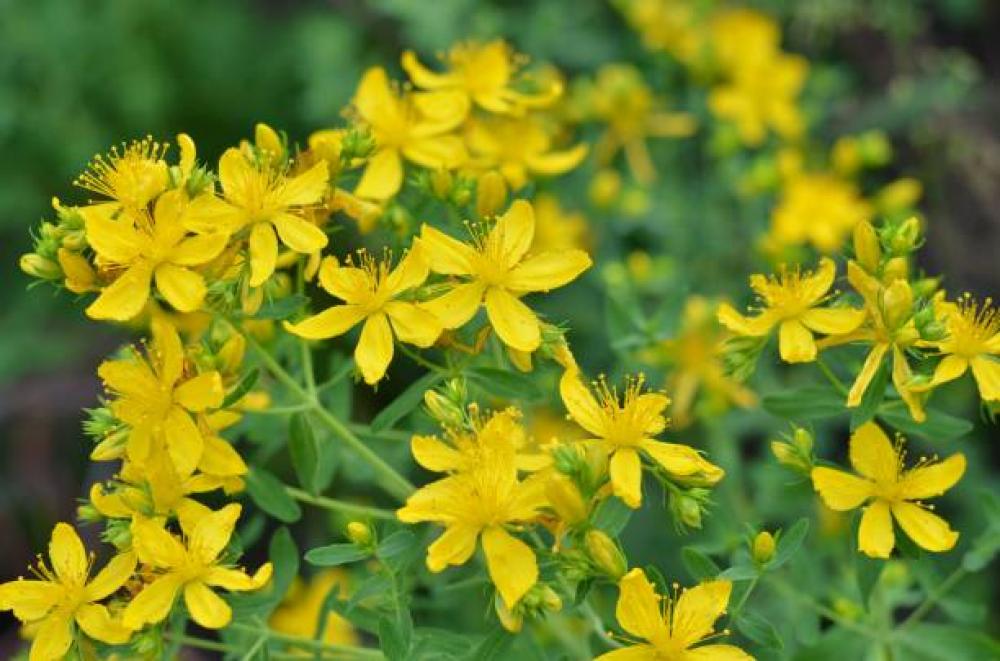
St. Johns wort
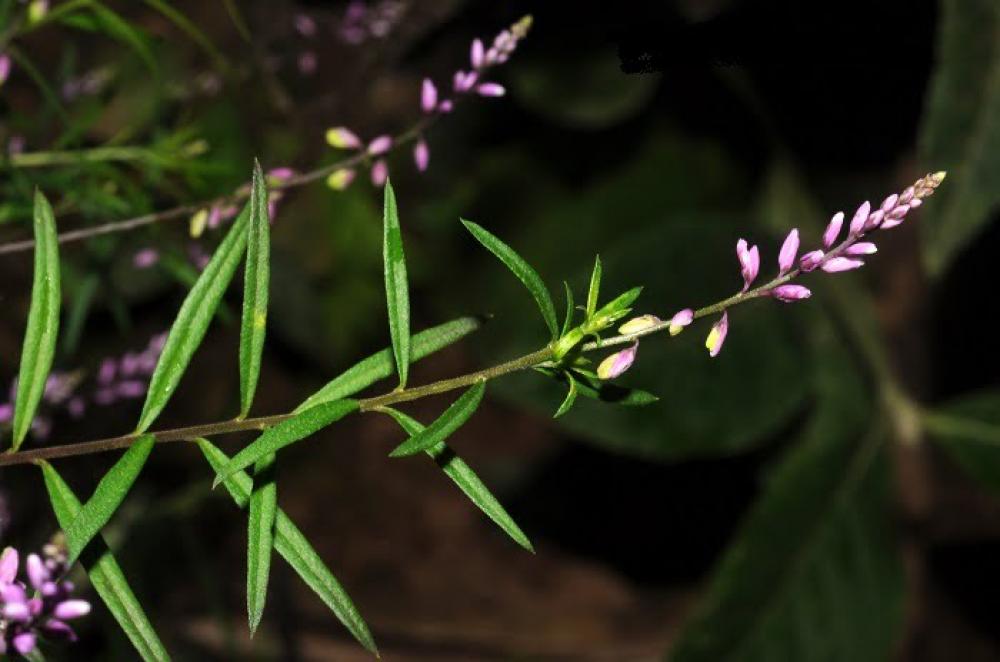
St. Peters wort
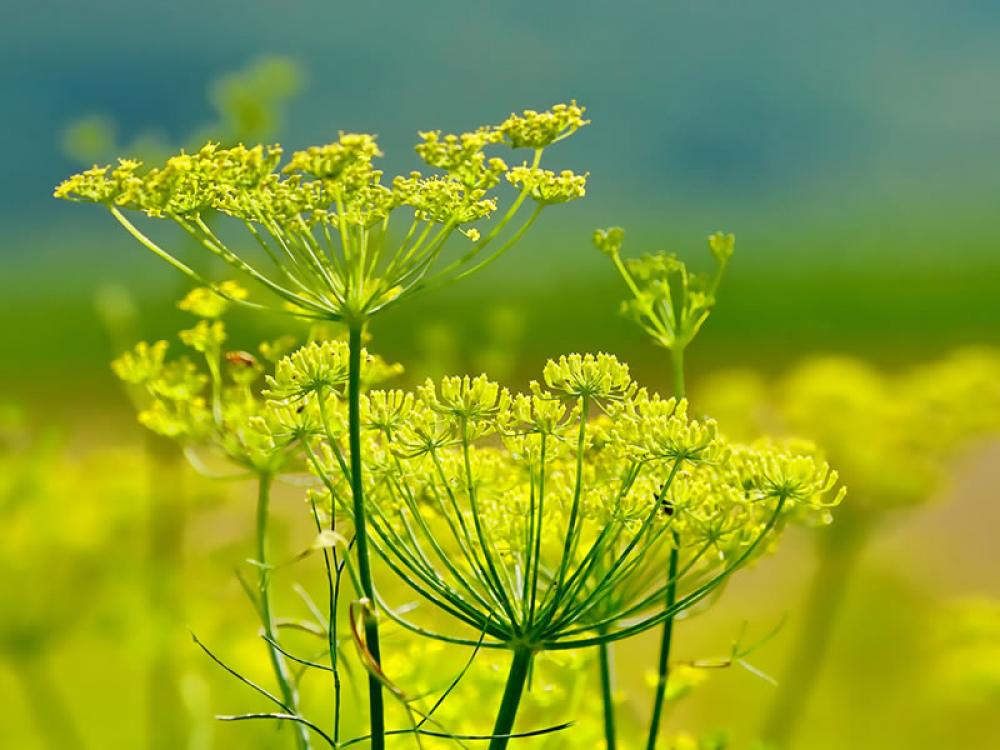
anise
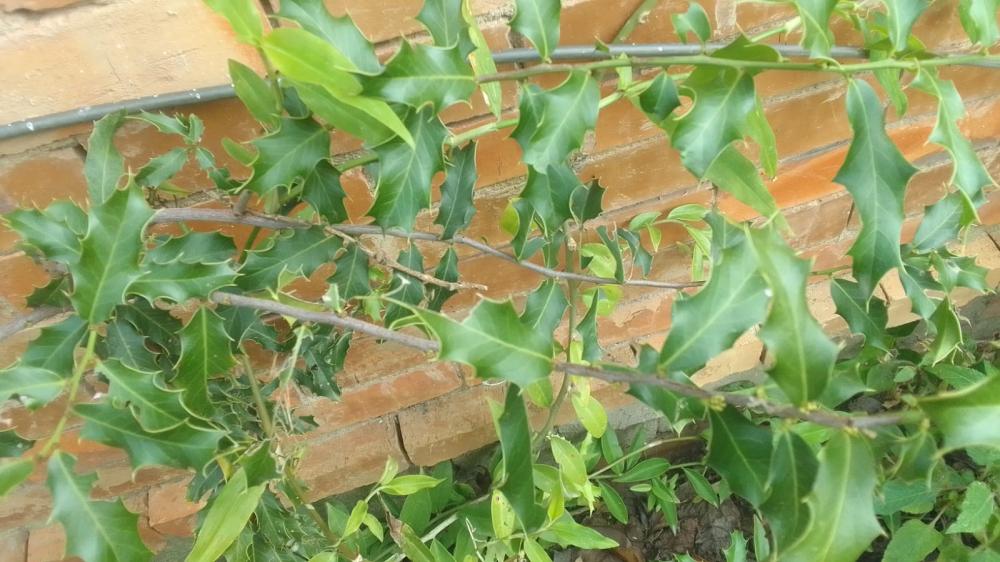
Espinheira - Santa
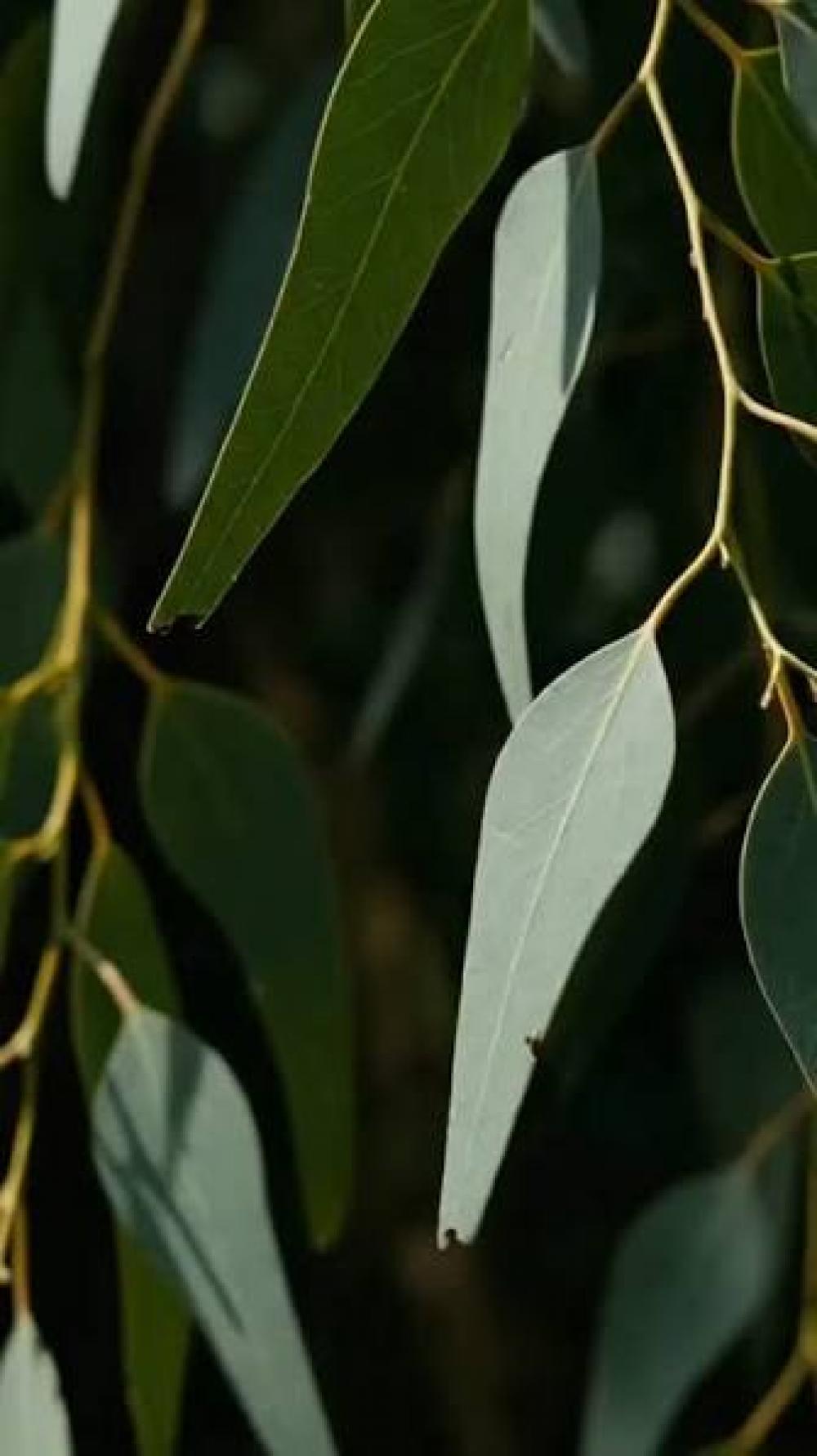
eucalyptus
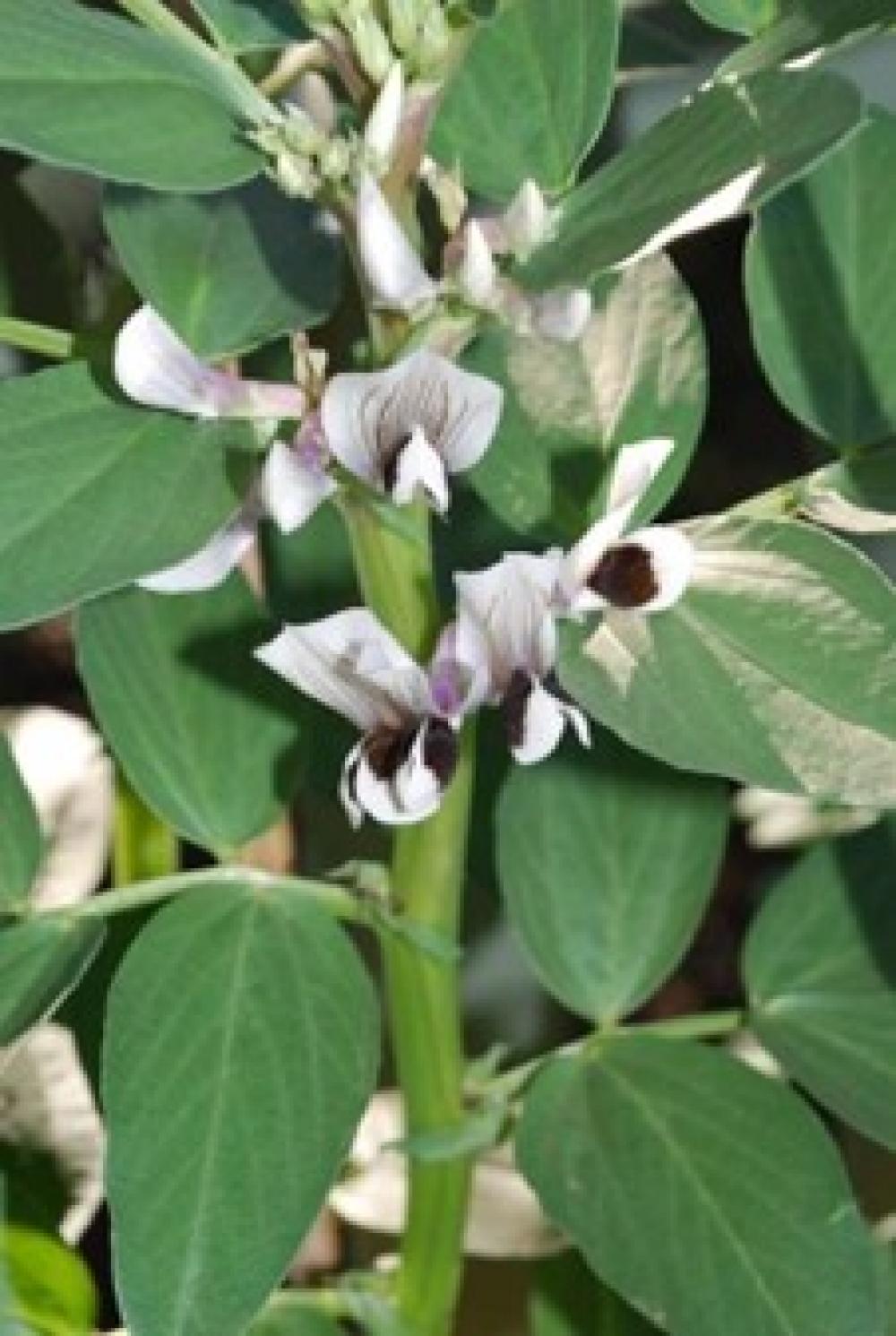
Fava
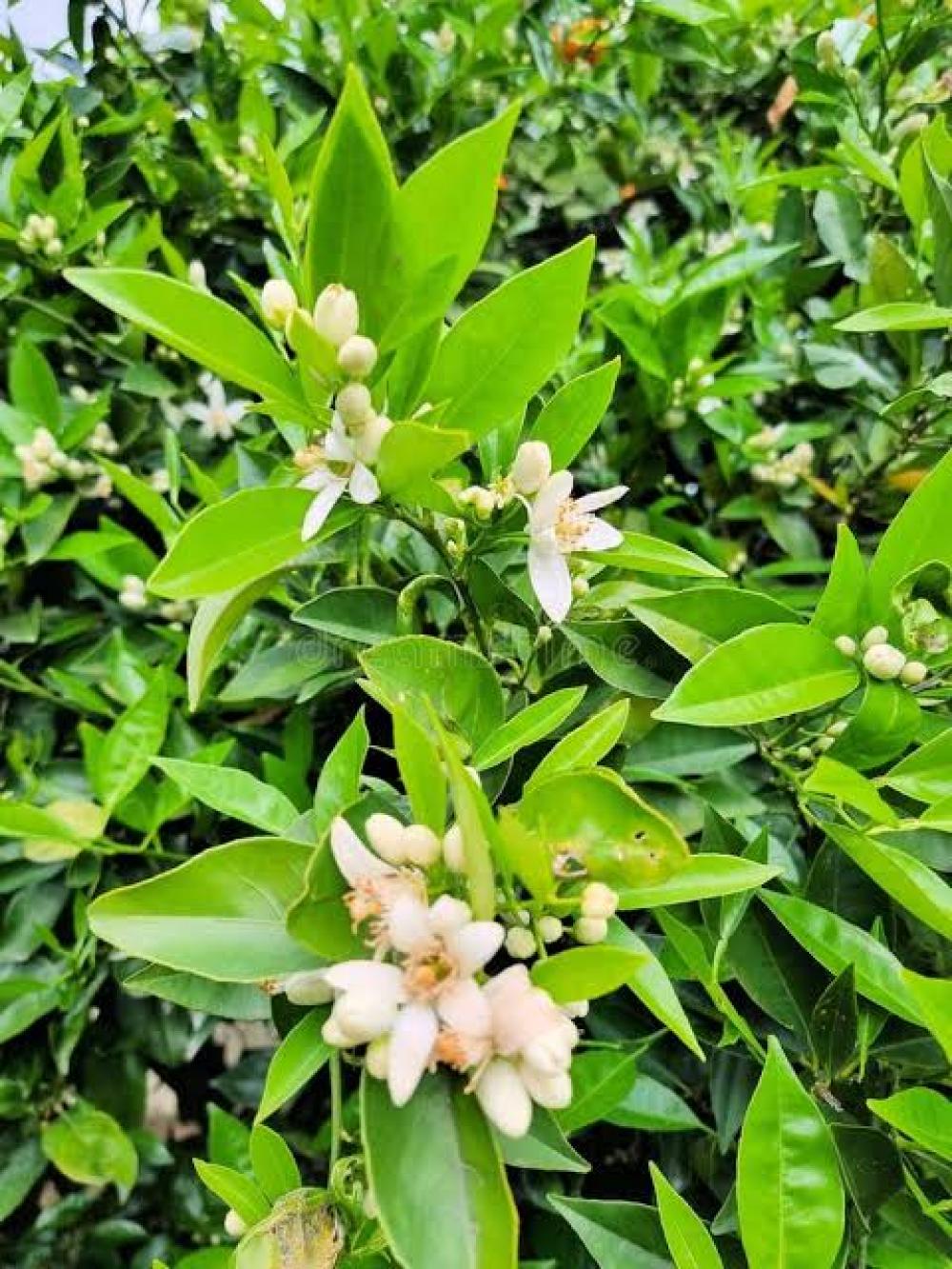
Orange Blossom
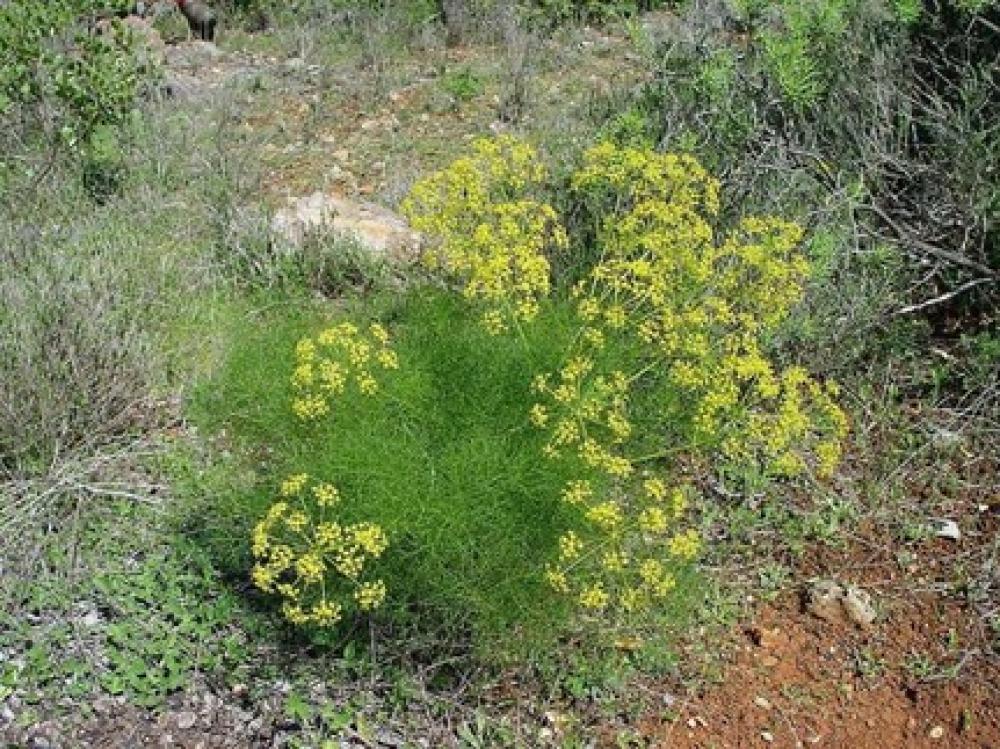
fennel
Scented Geranium
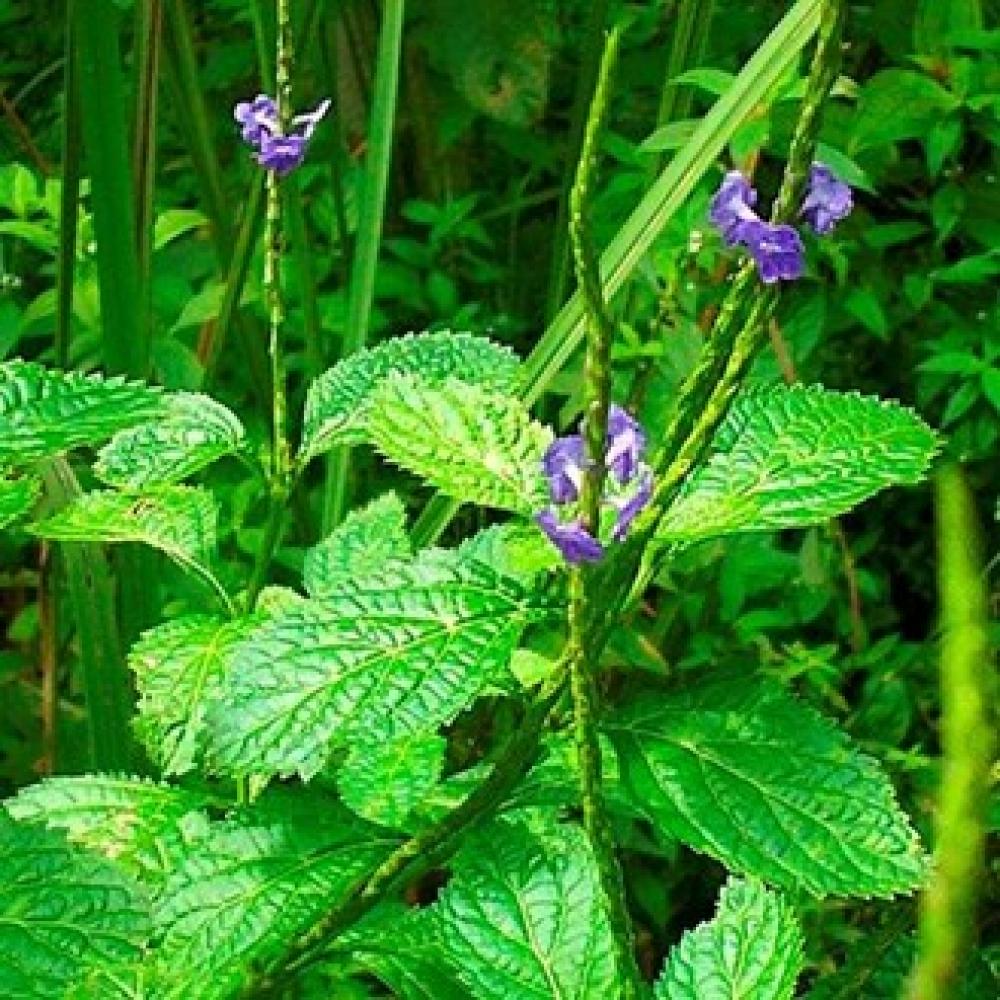
Gervão
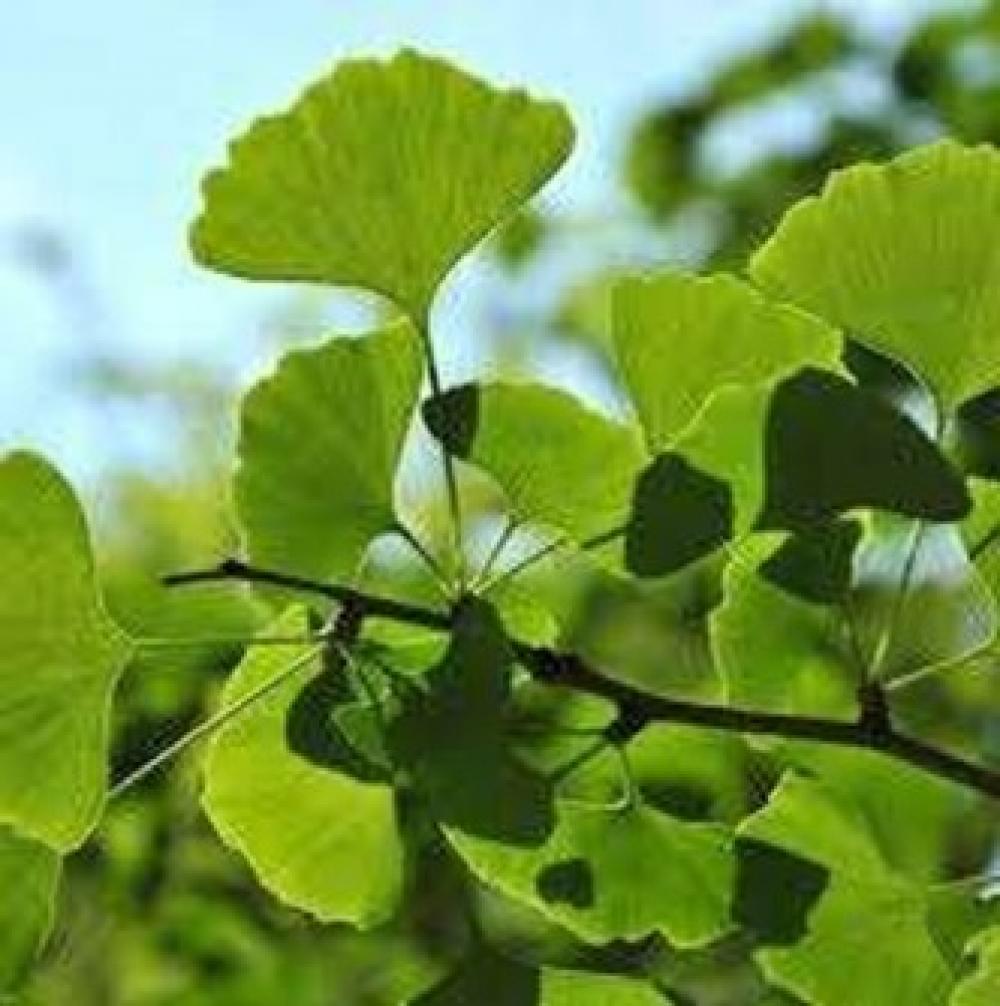
Ginkgo Biloba
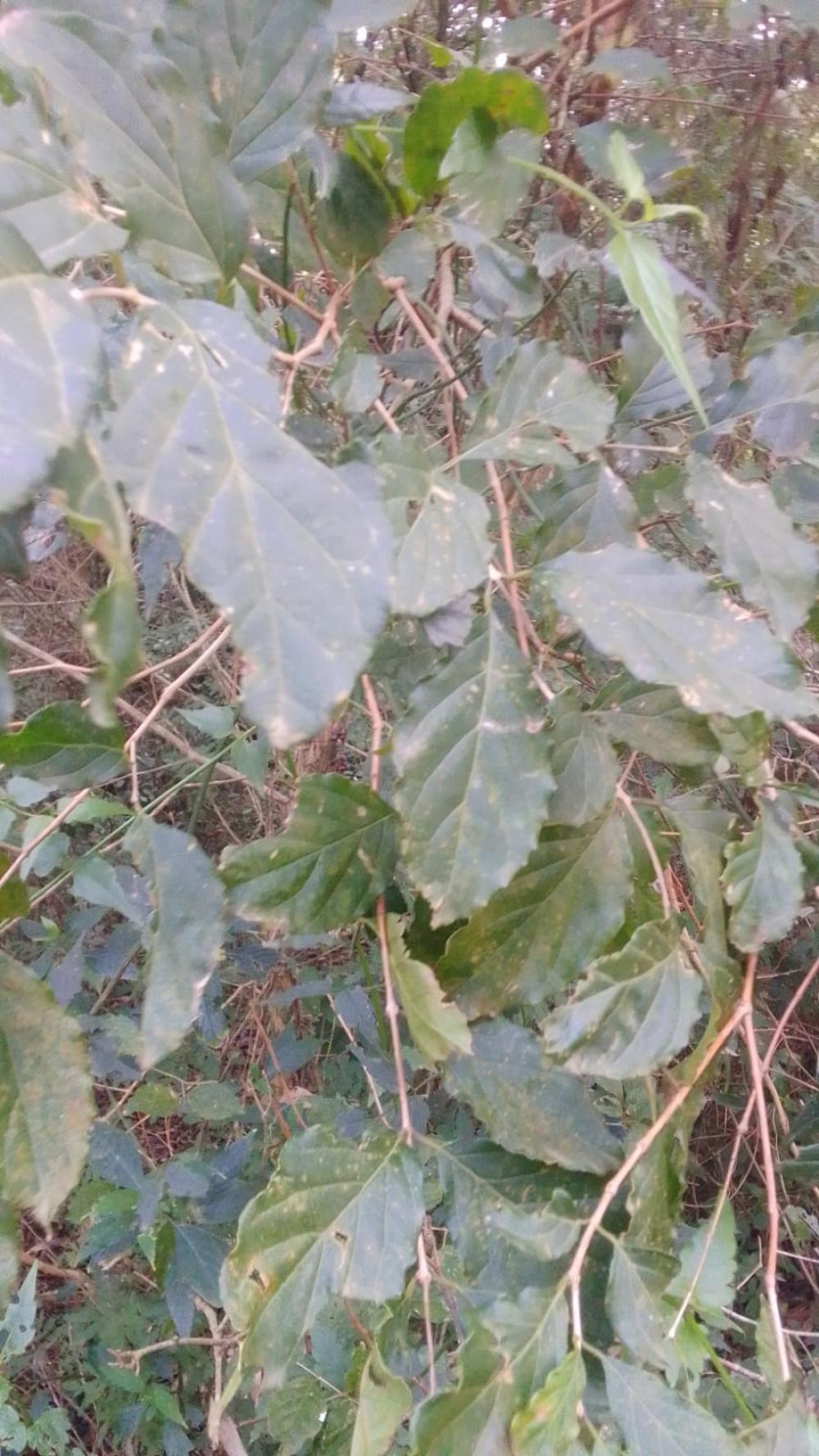
Guabiroba
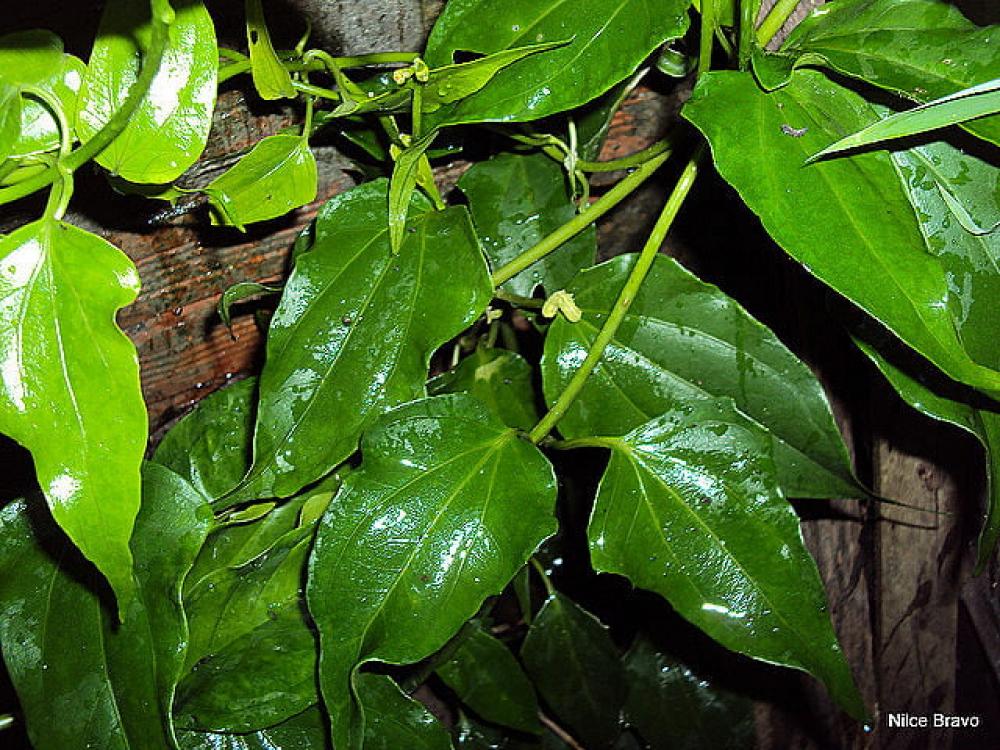
Guaco
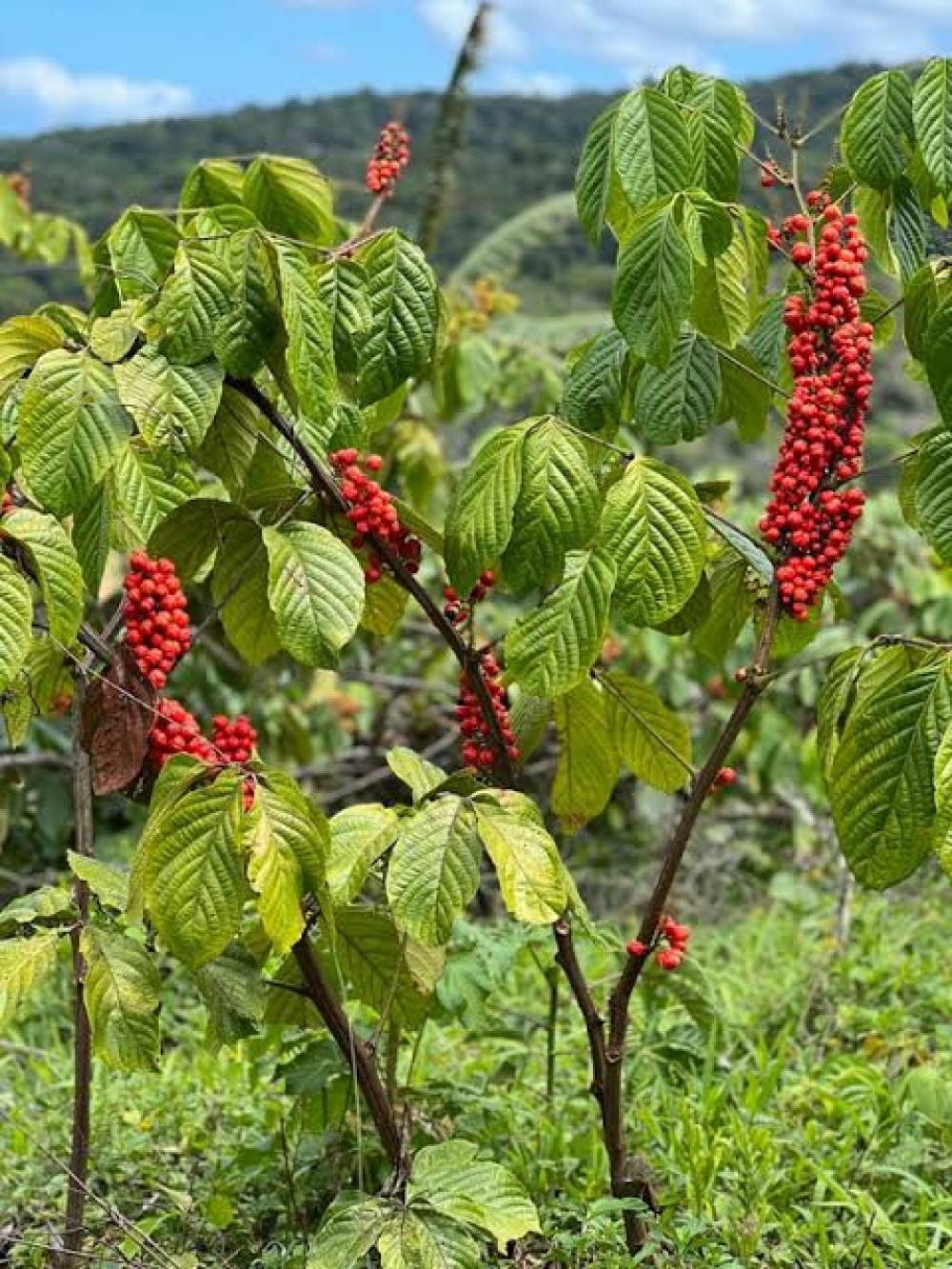
Guarana
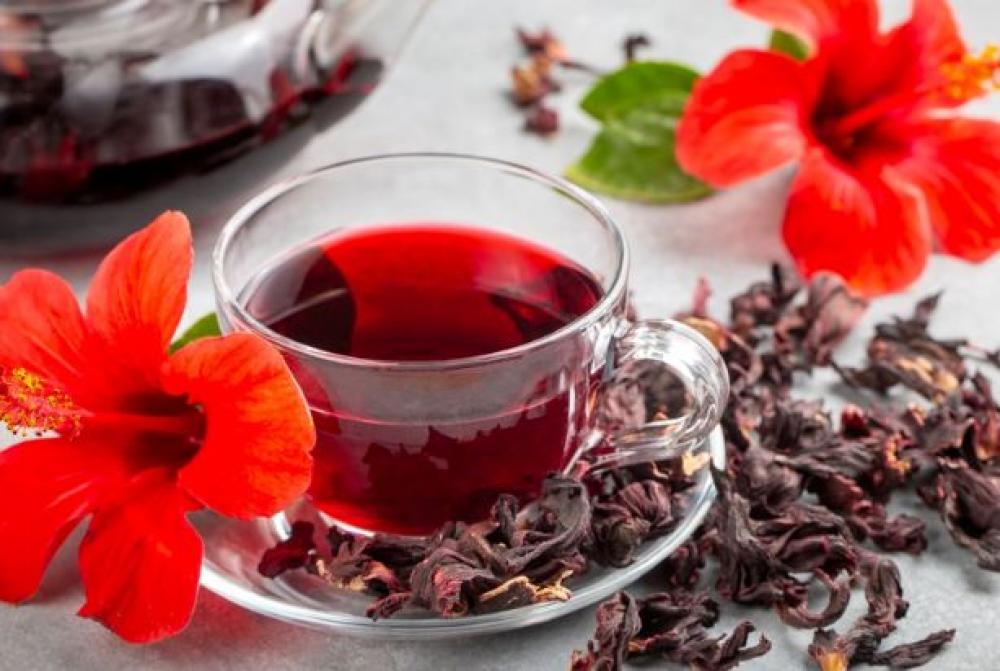
hibiscus
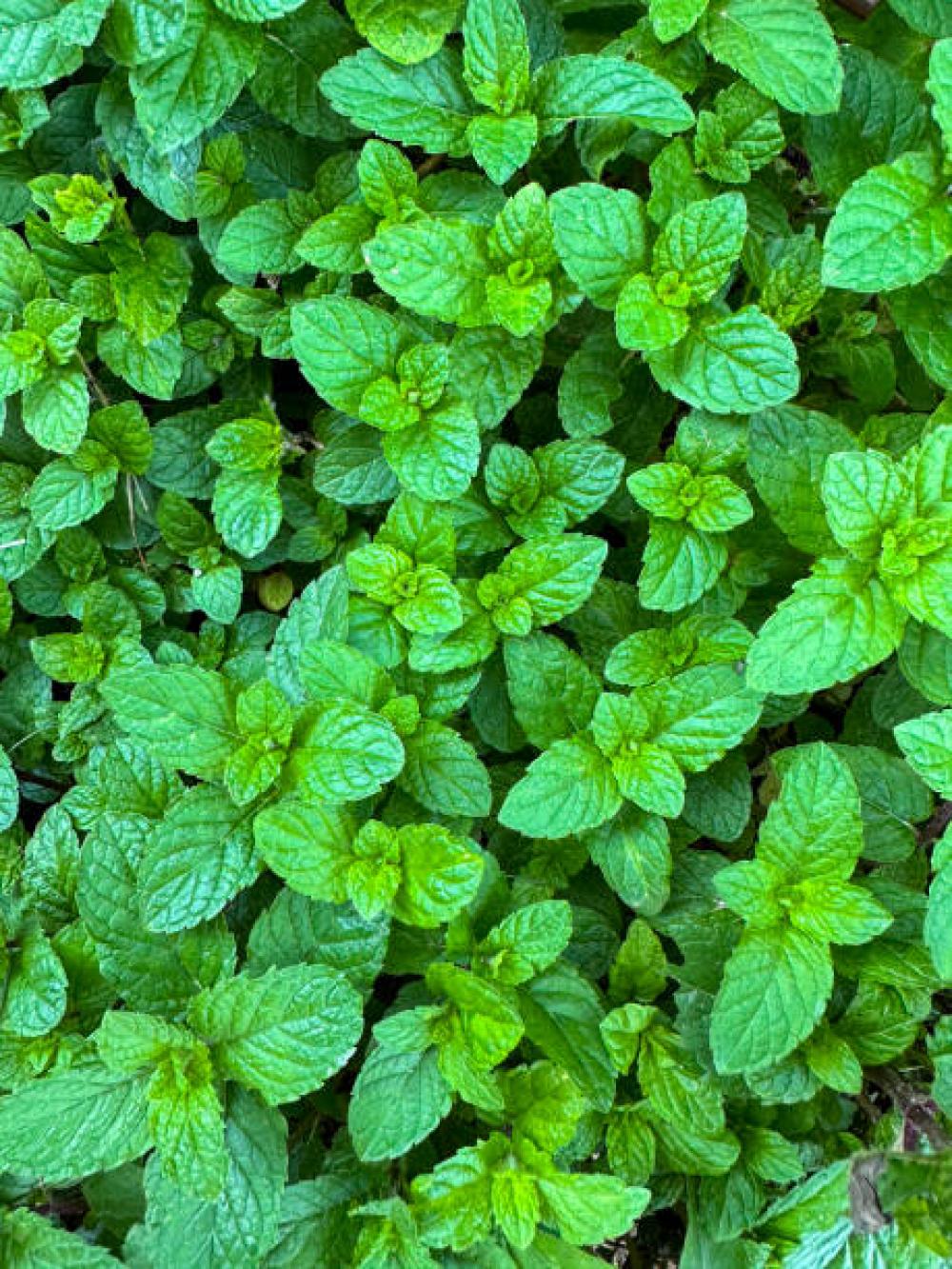
mint
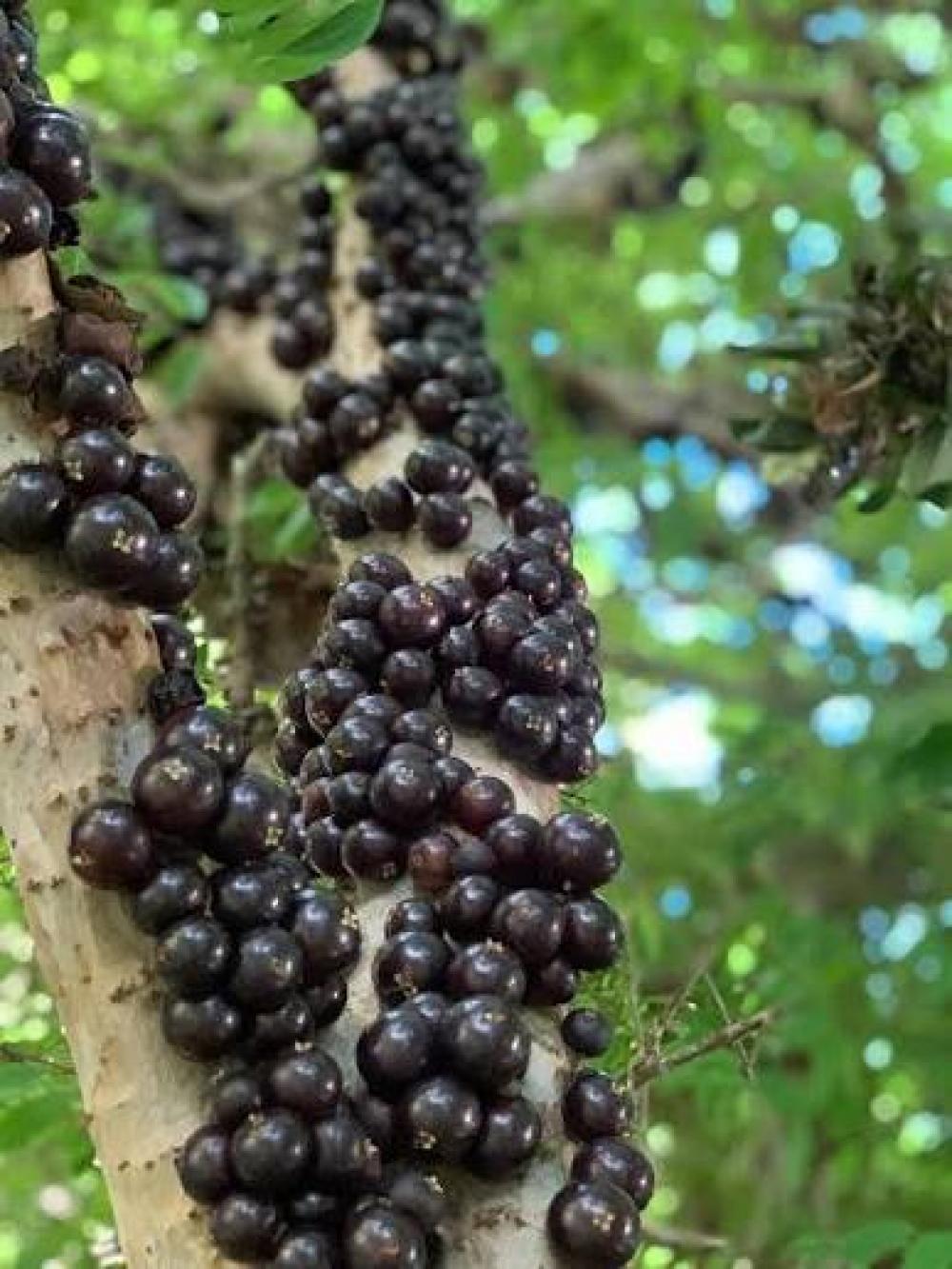
Jaboticaba
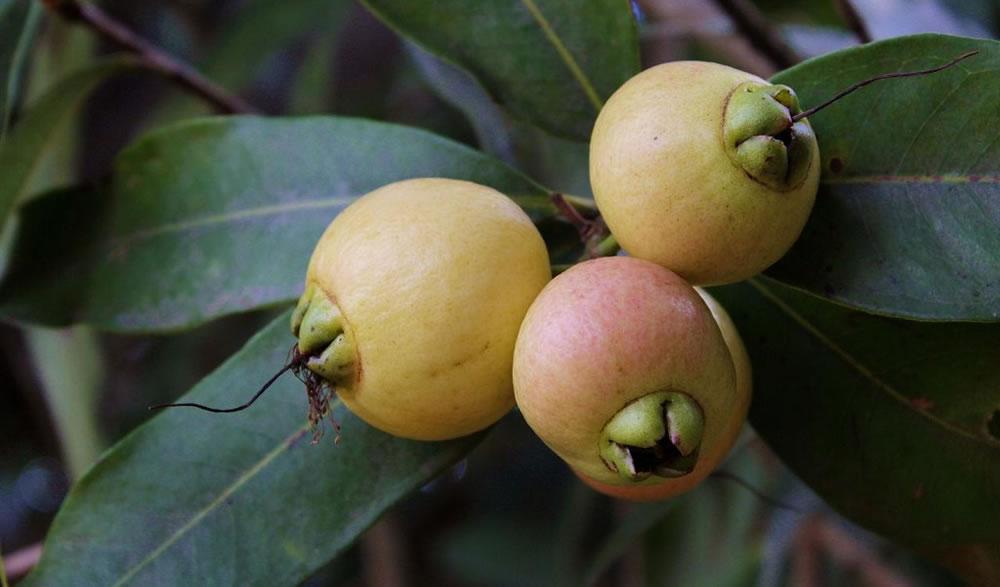
rose apple tree
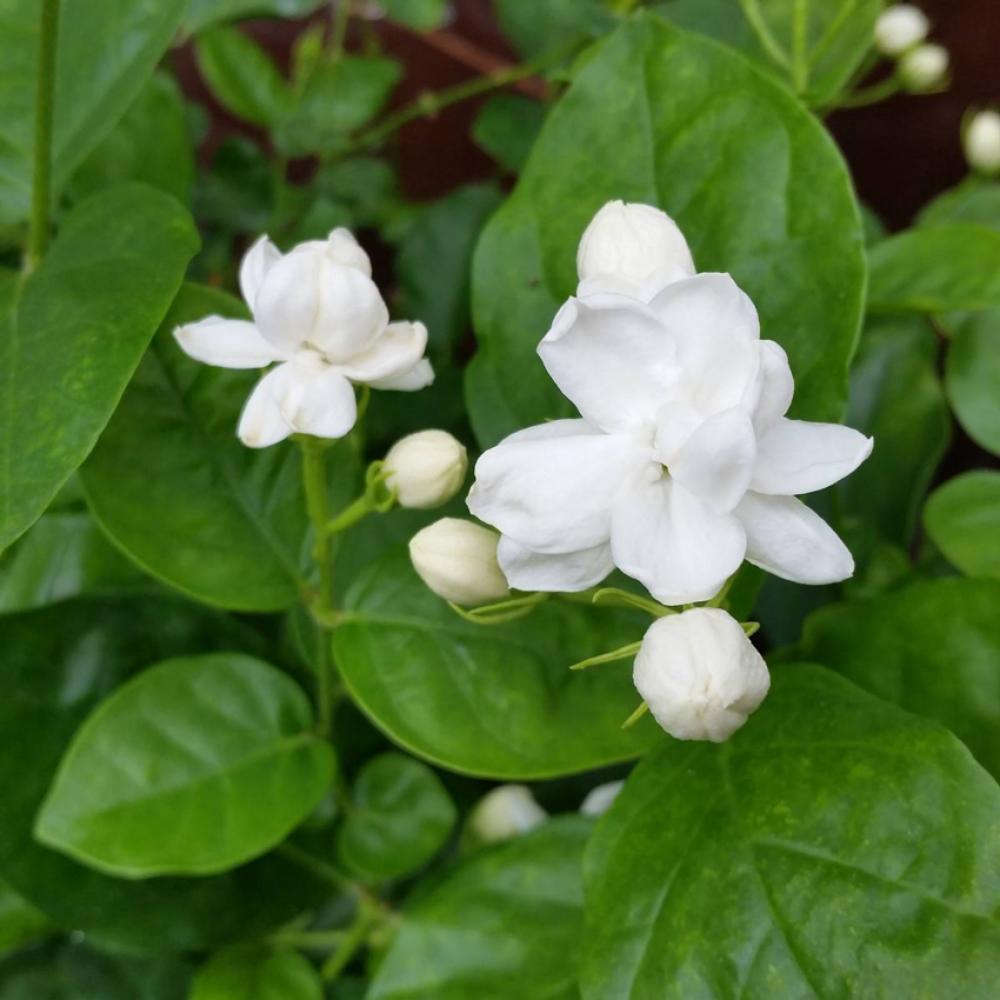
jazmin
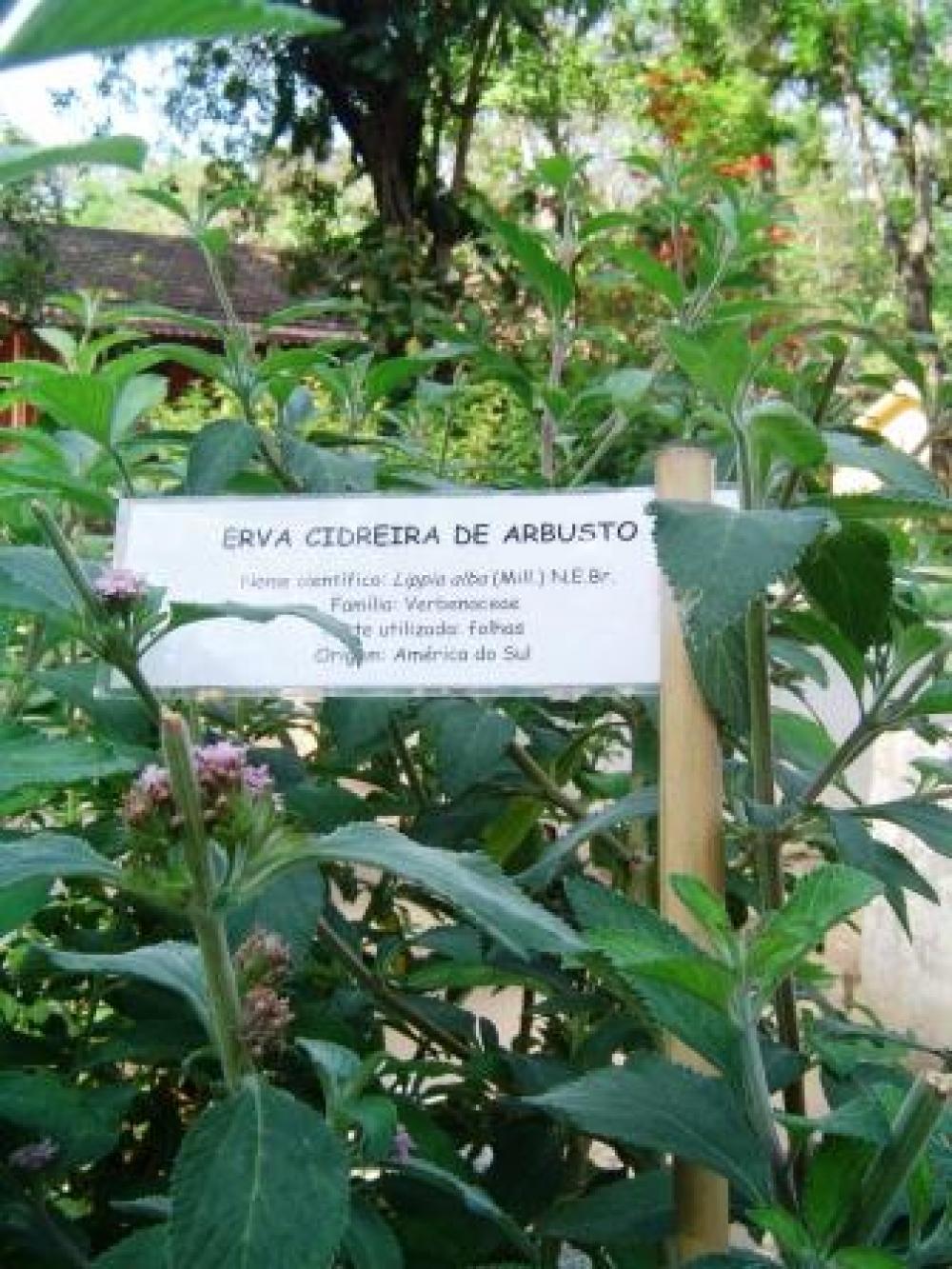
Lippia alba (Bushy Lemon Balm)
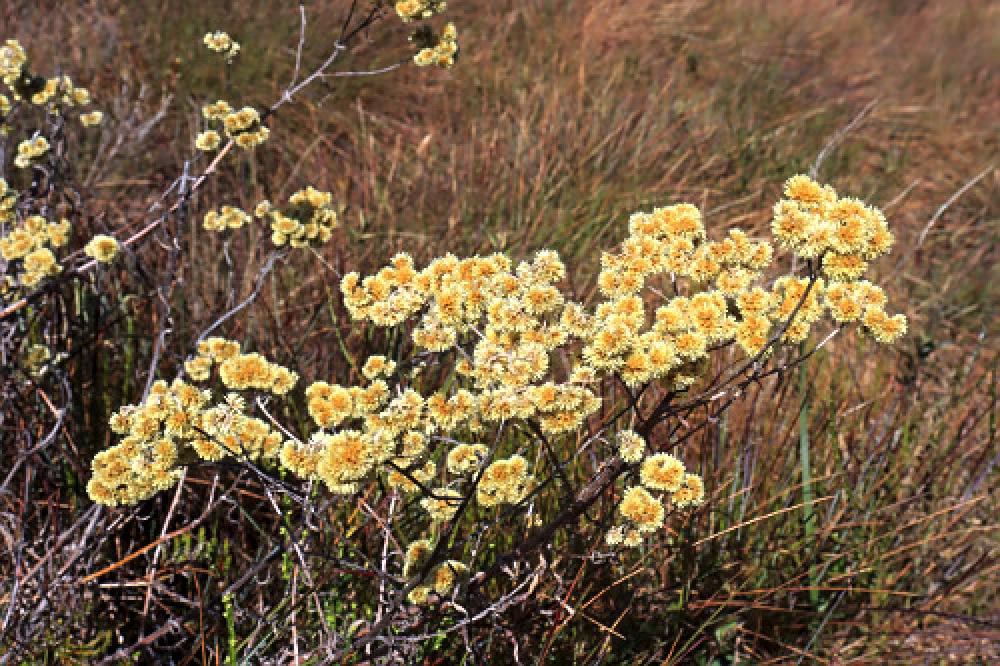
slaughterhouse
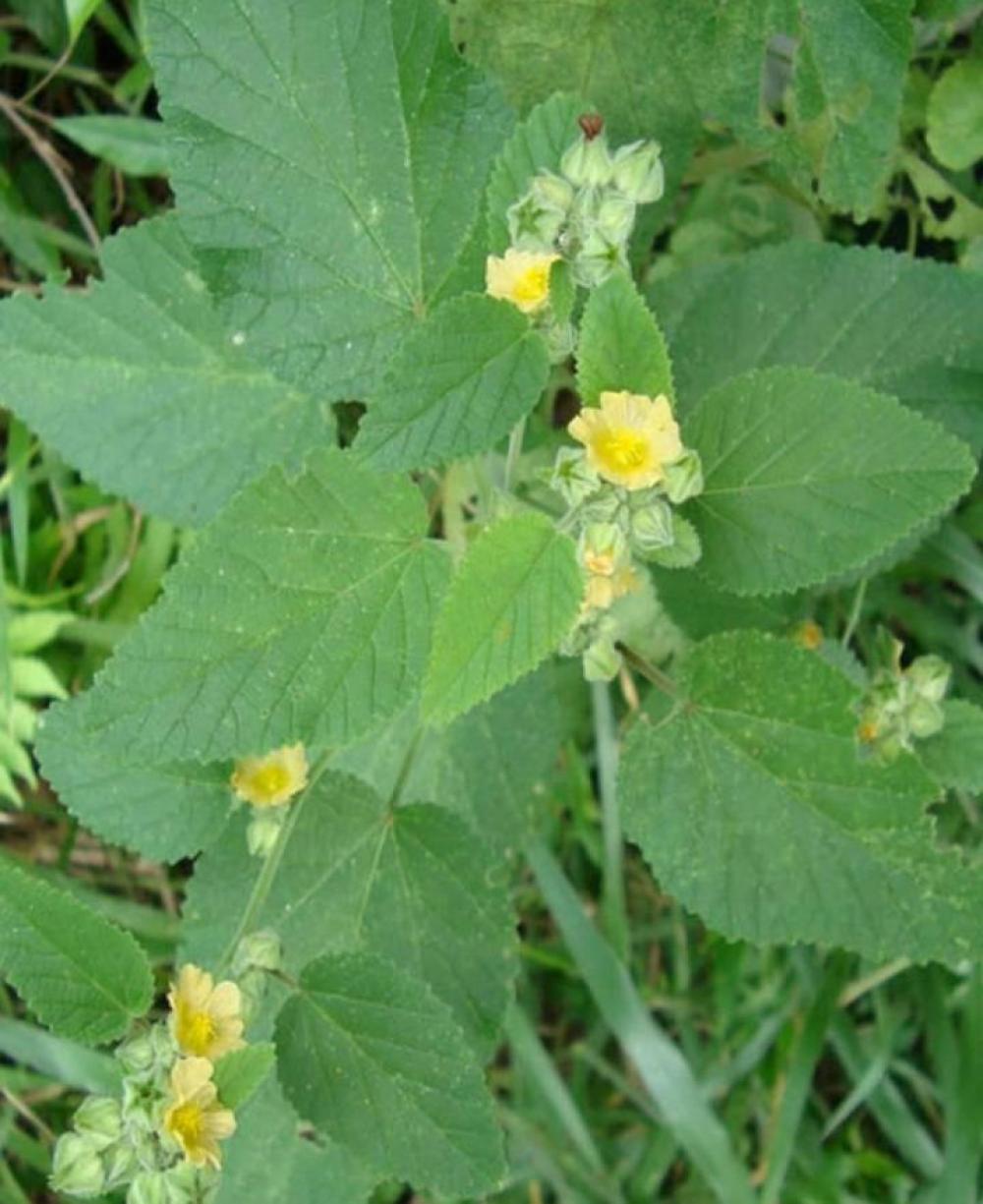
white mallow
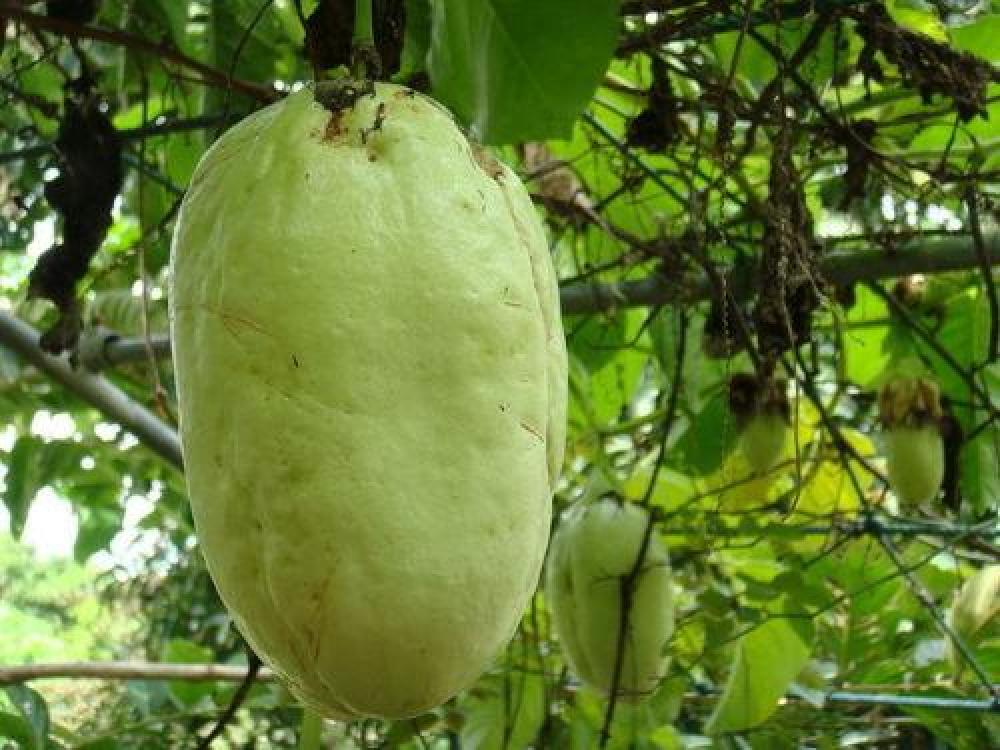
Giant Passion Fruit
Sour Passion Fruit
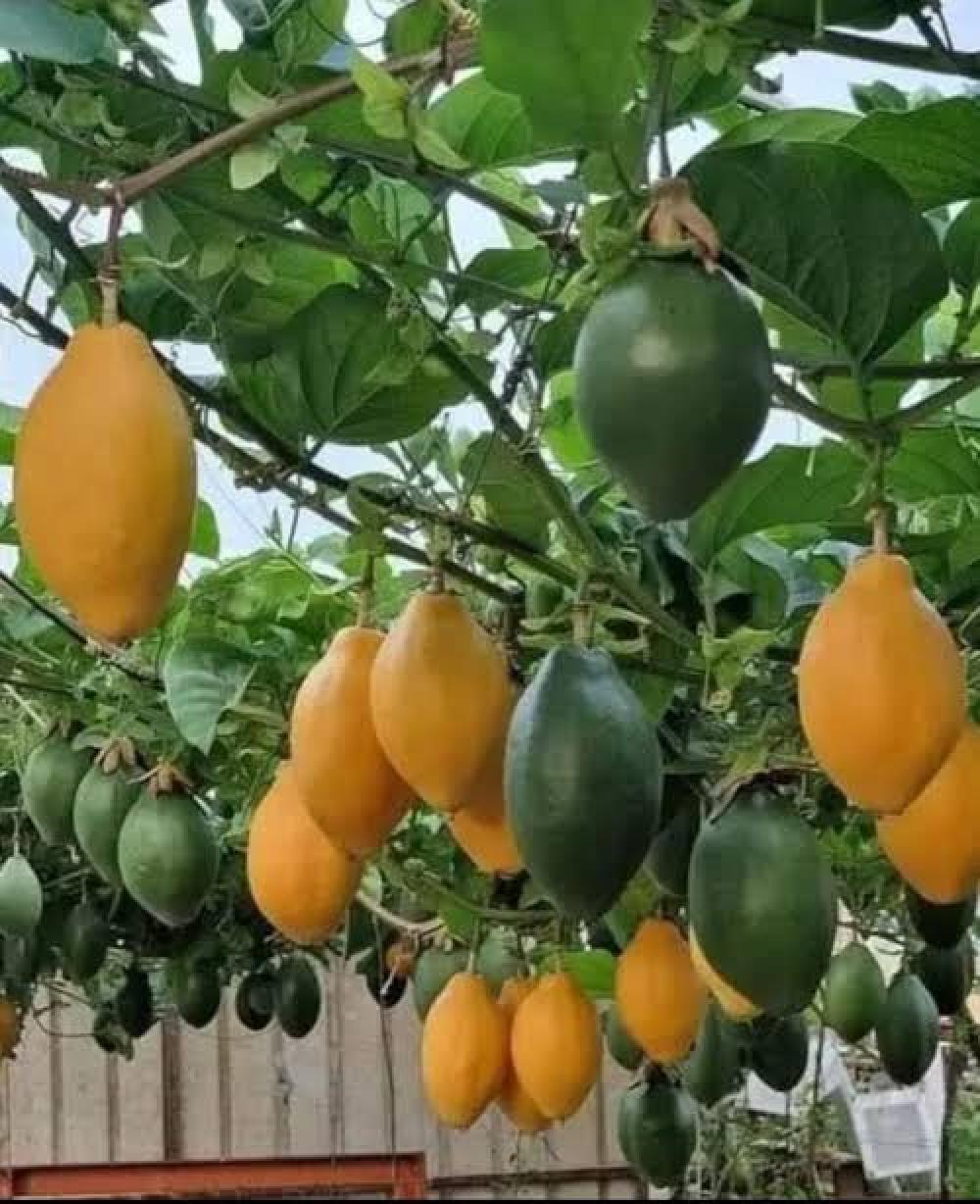
sweet passion fruit
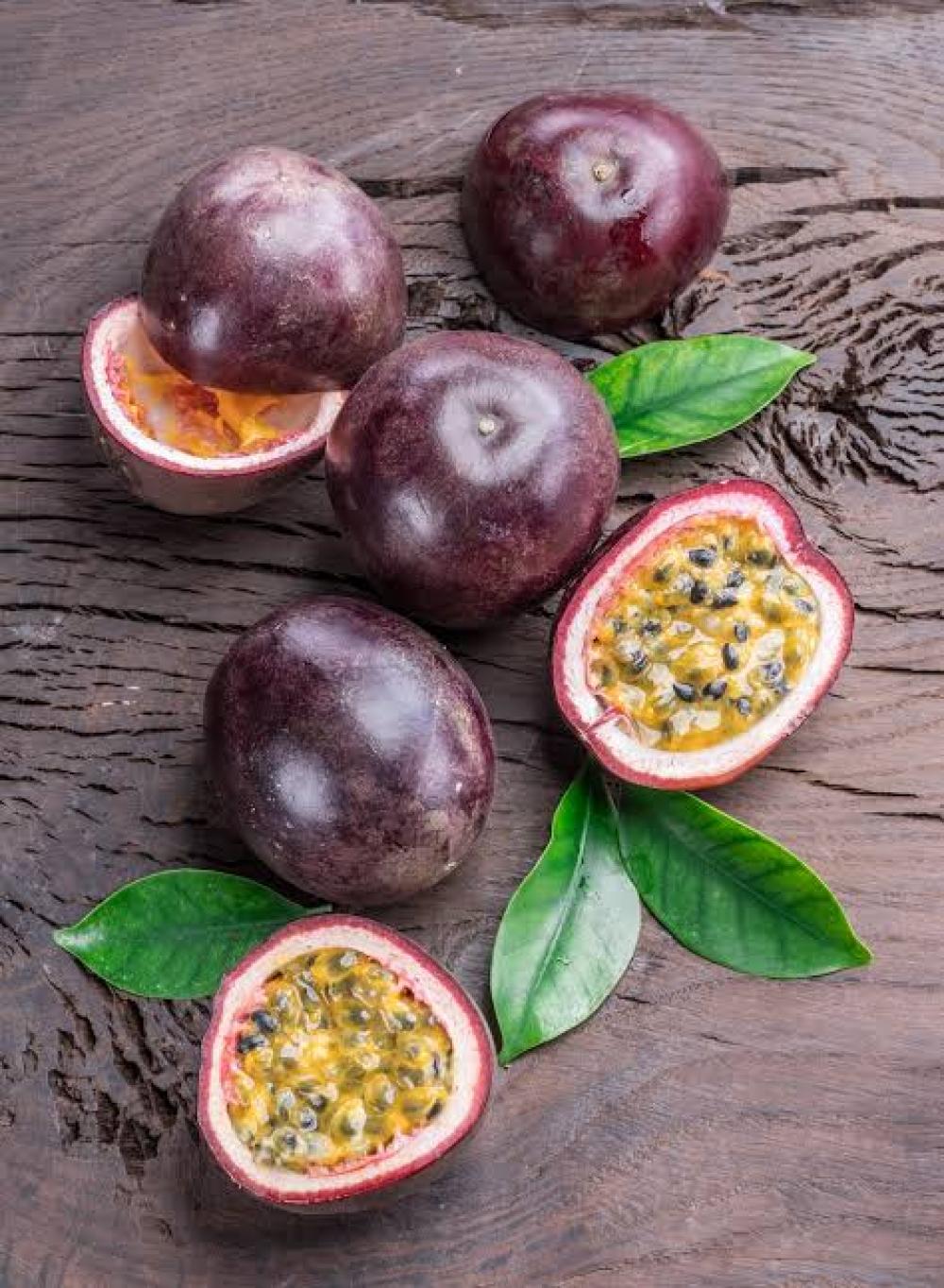
purple passion fruit
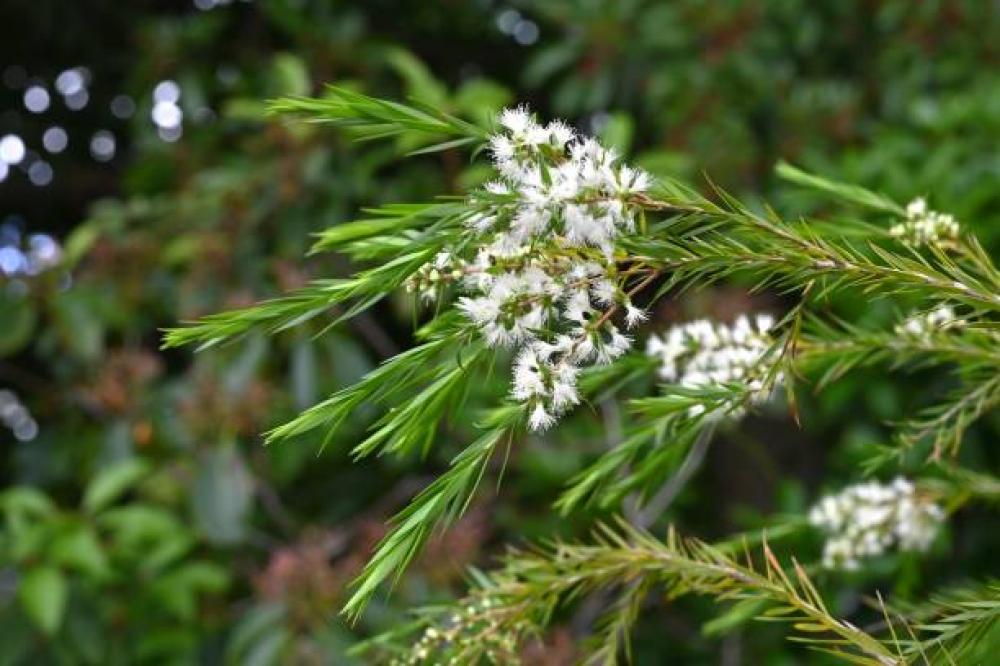
Melaleuca
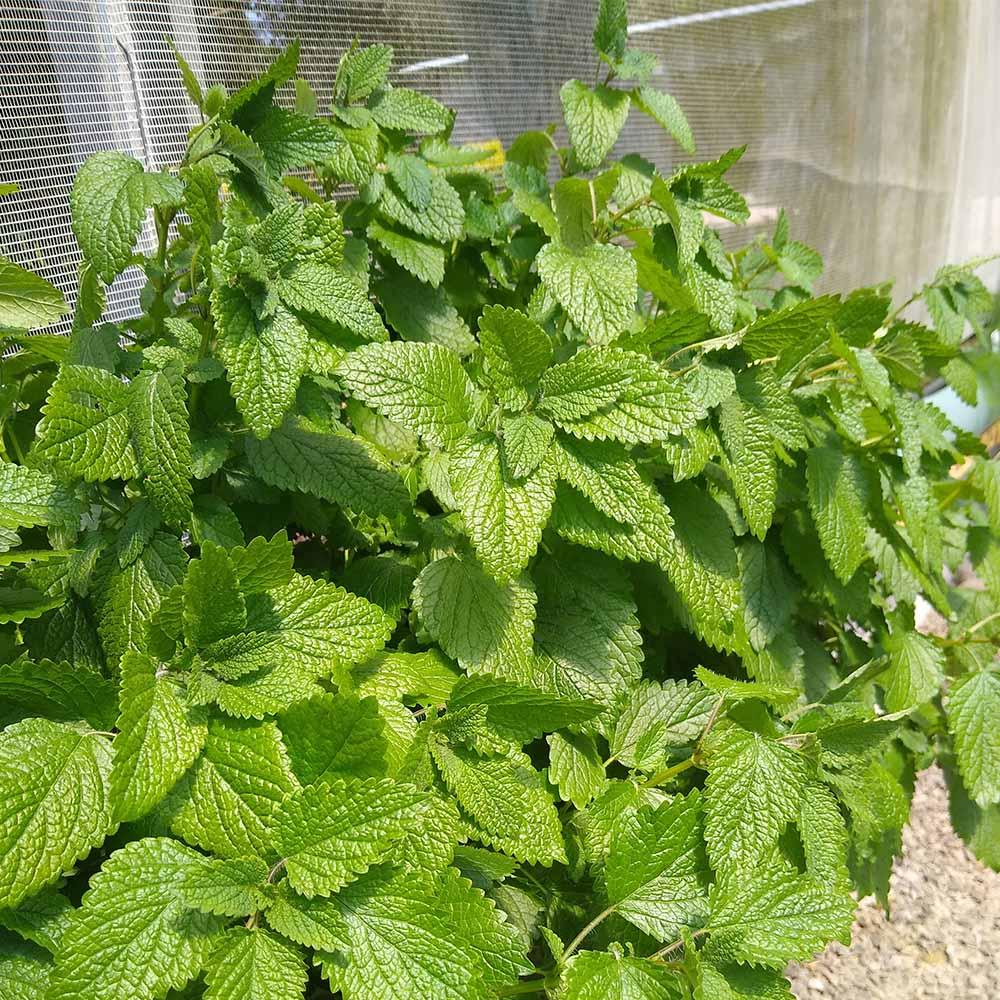
Melissa
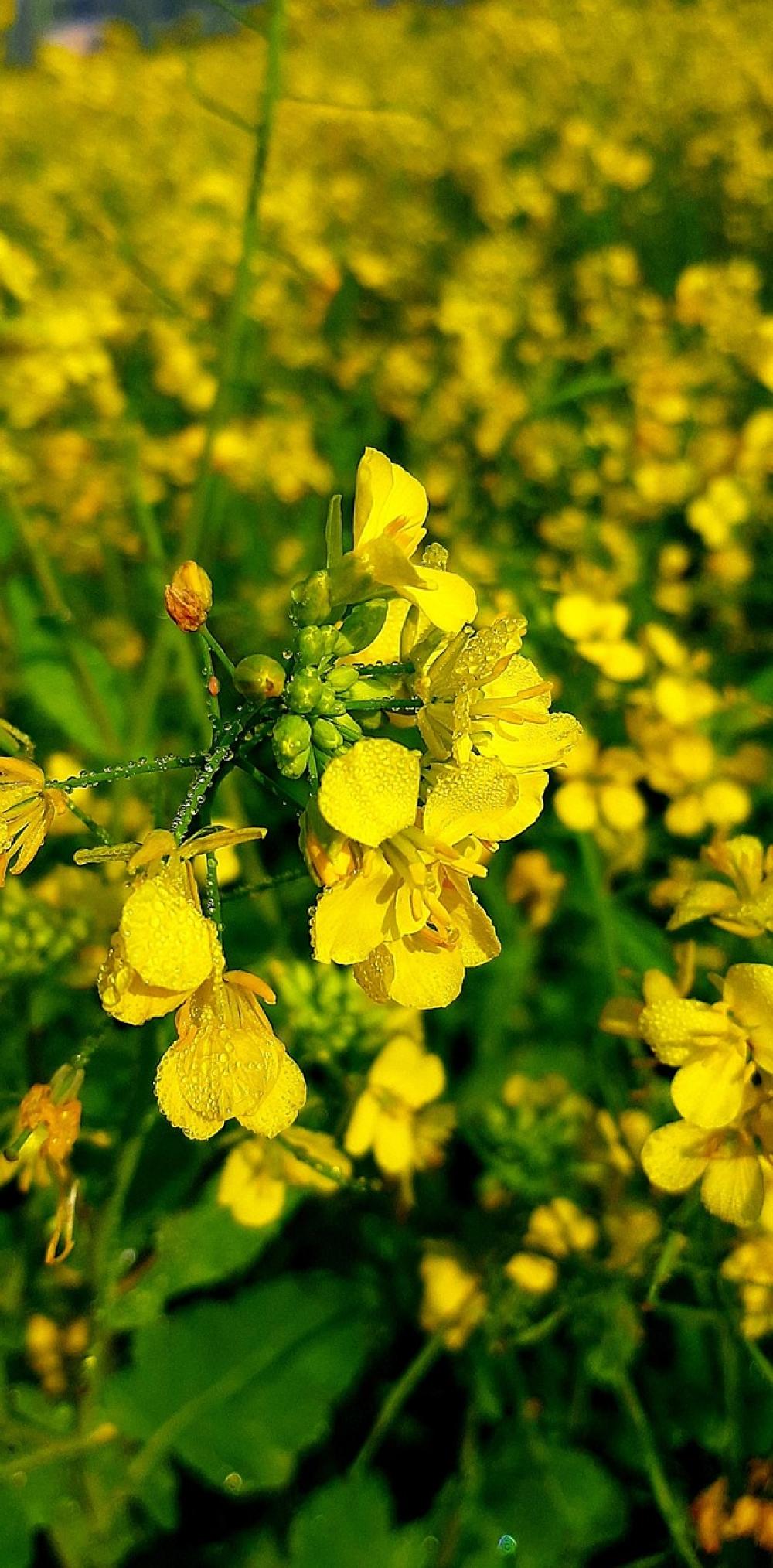
mustard
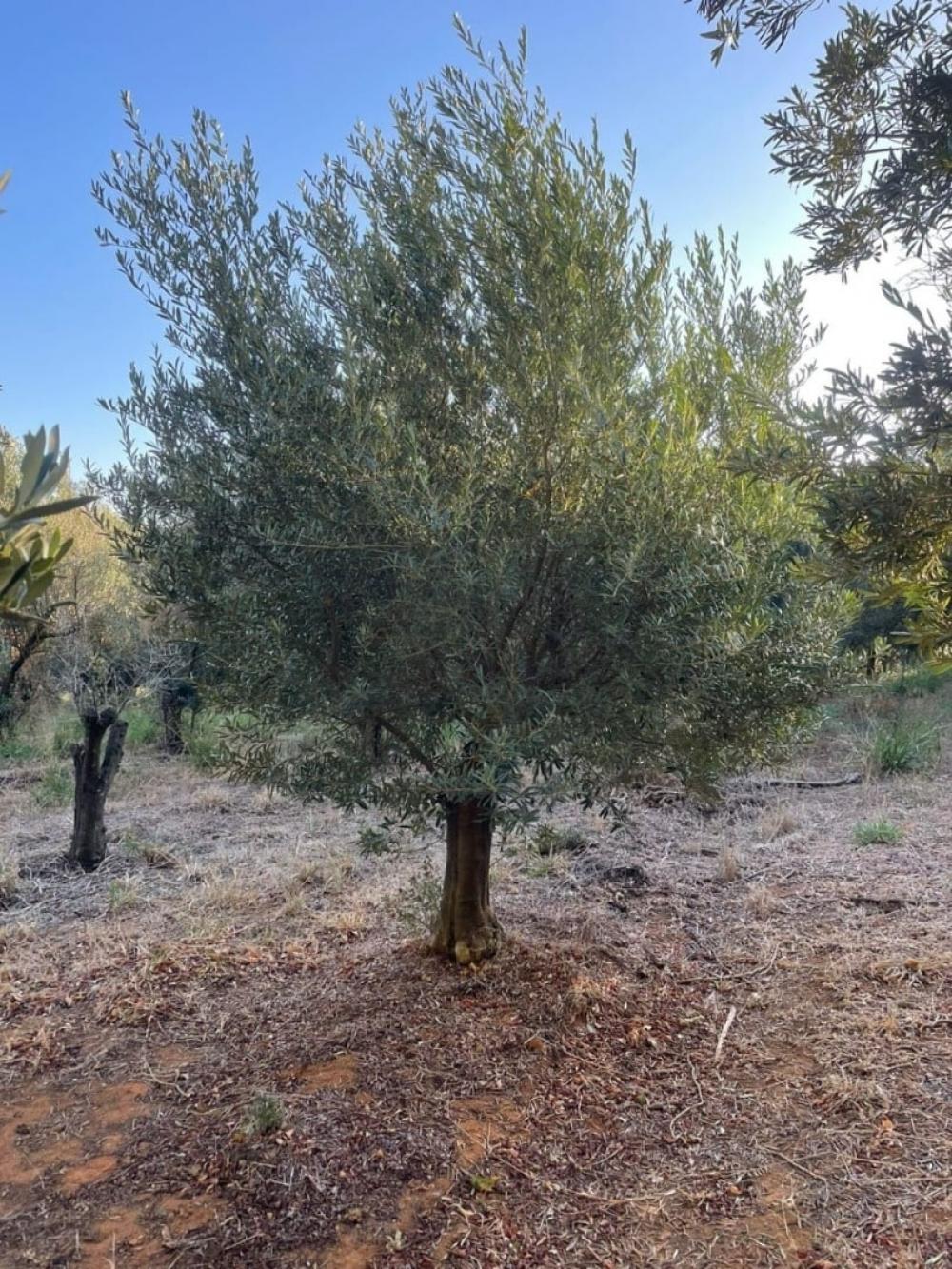
Oliveira
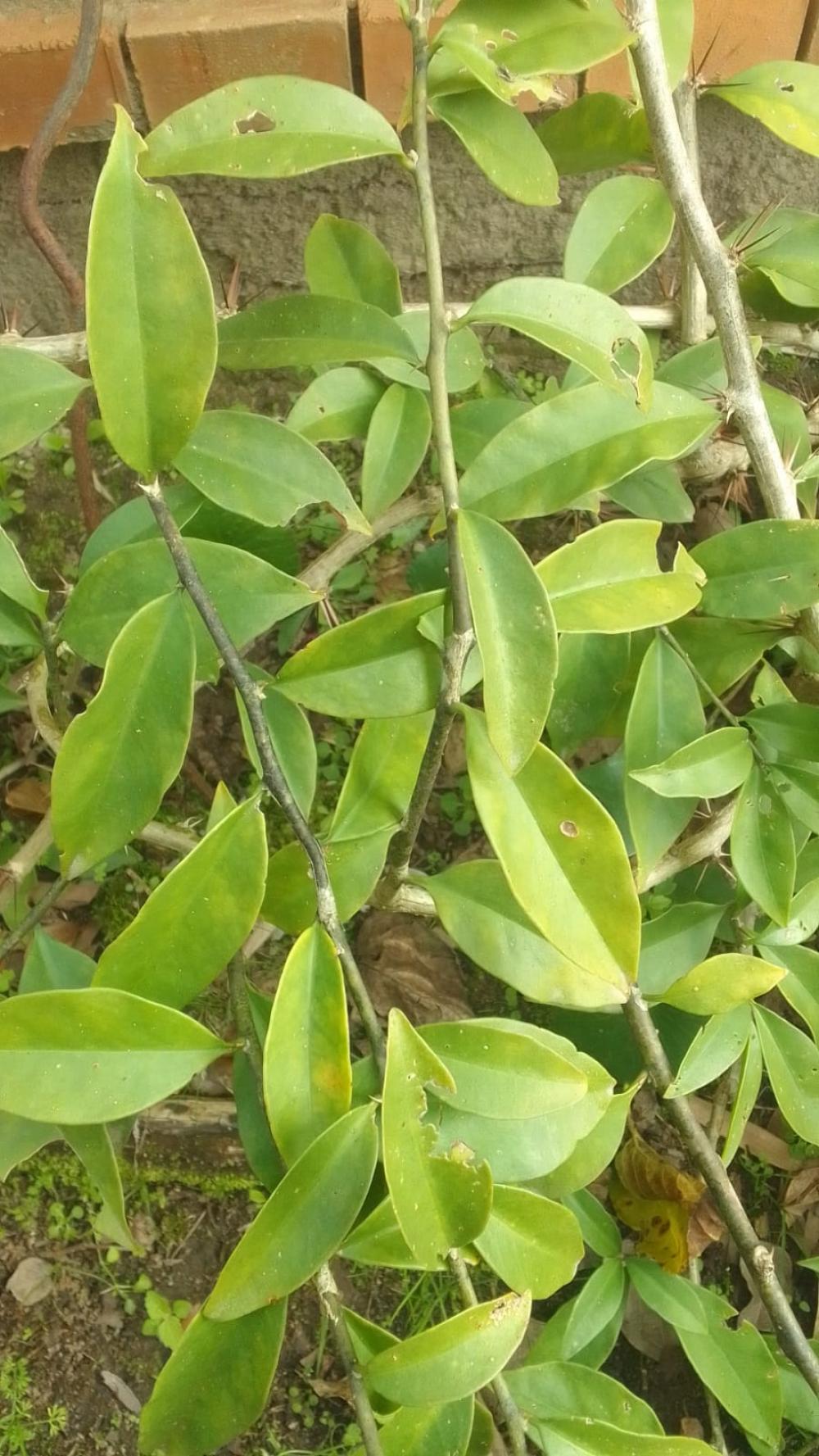
Ora Pro Nobis
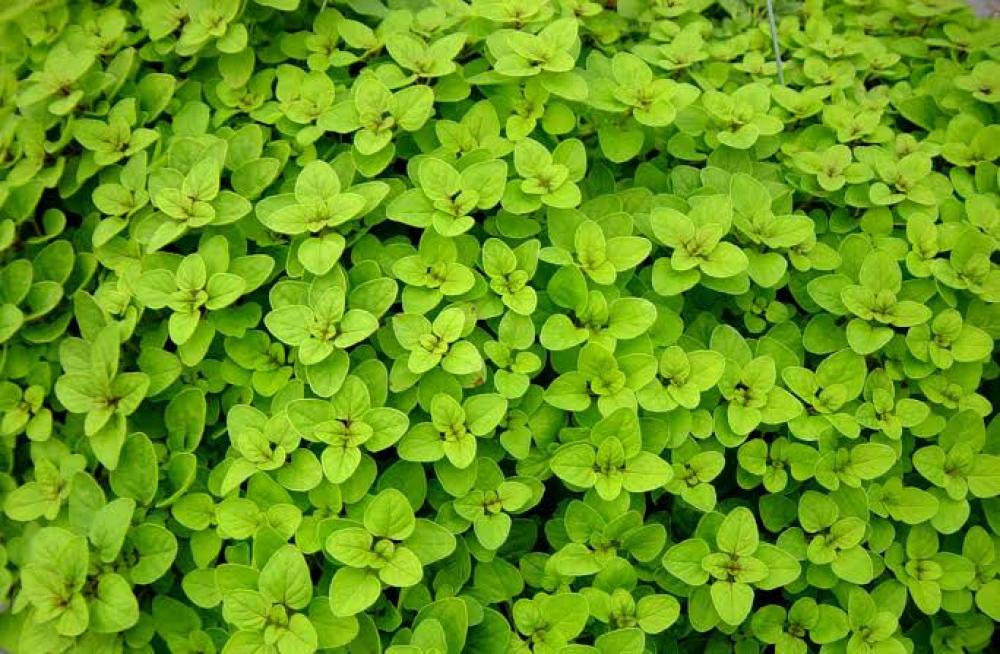
Oregano
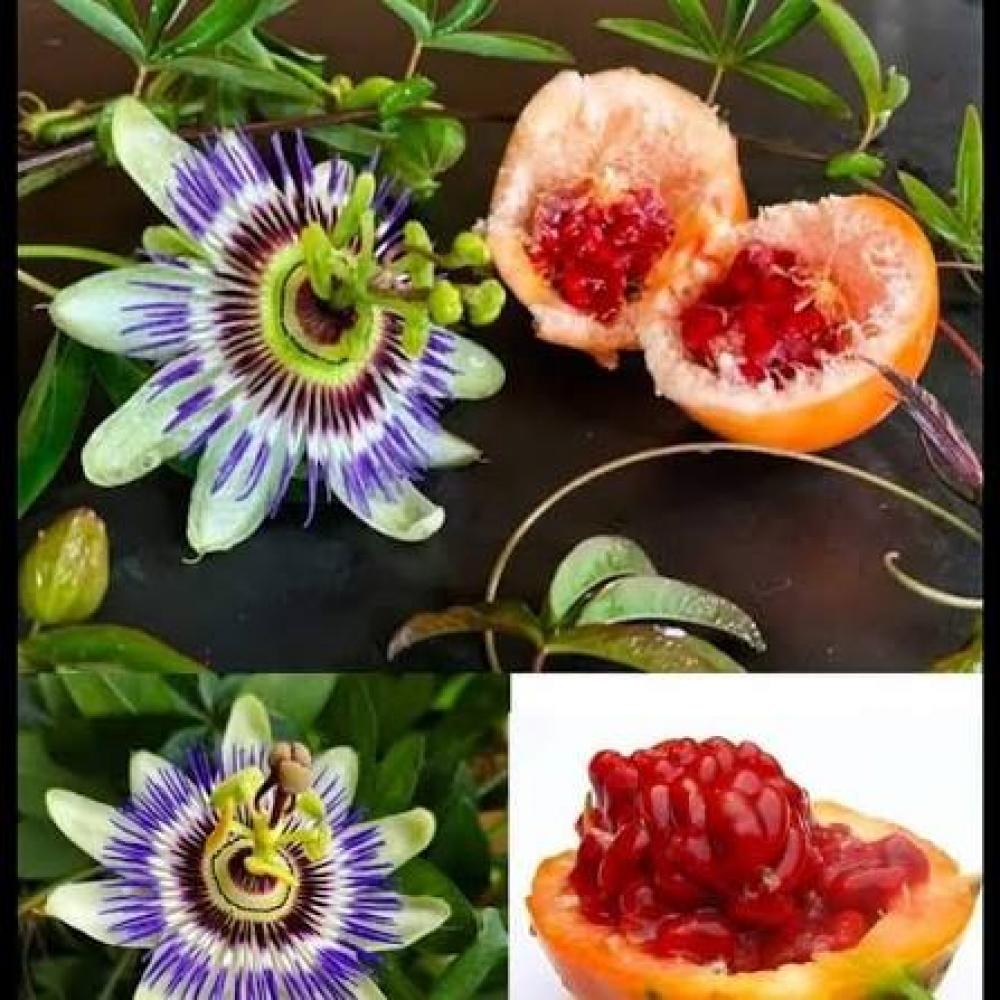
Passiflora or passion flower
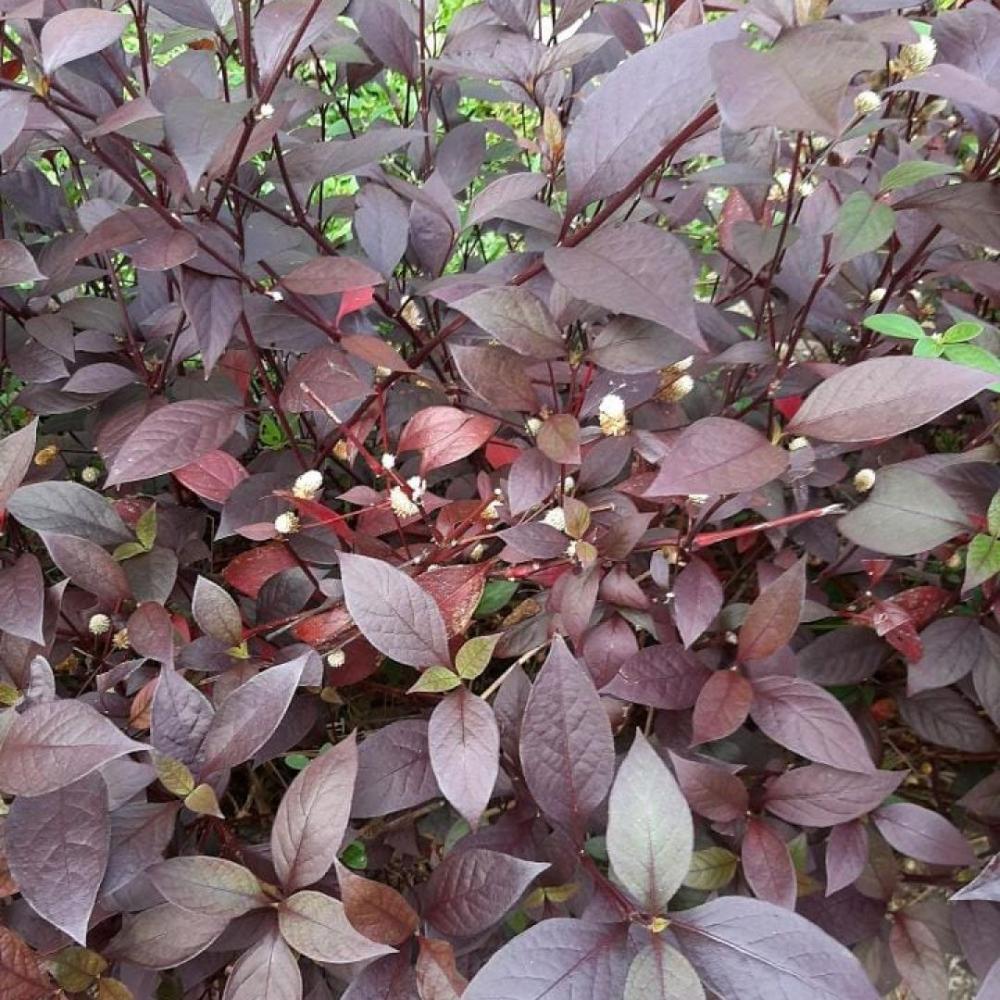
Penicillin or Parakeet
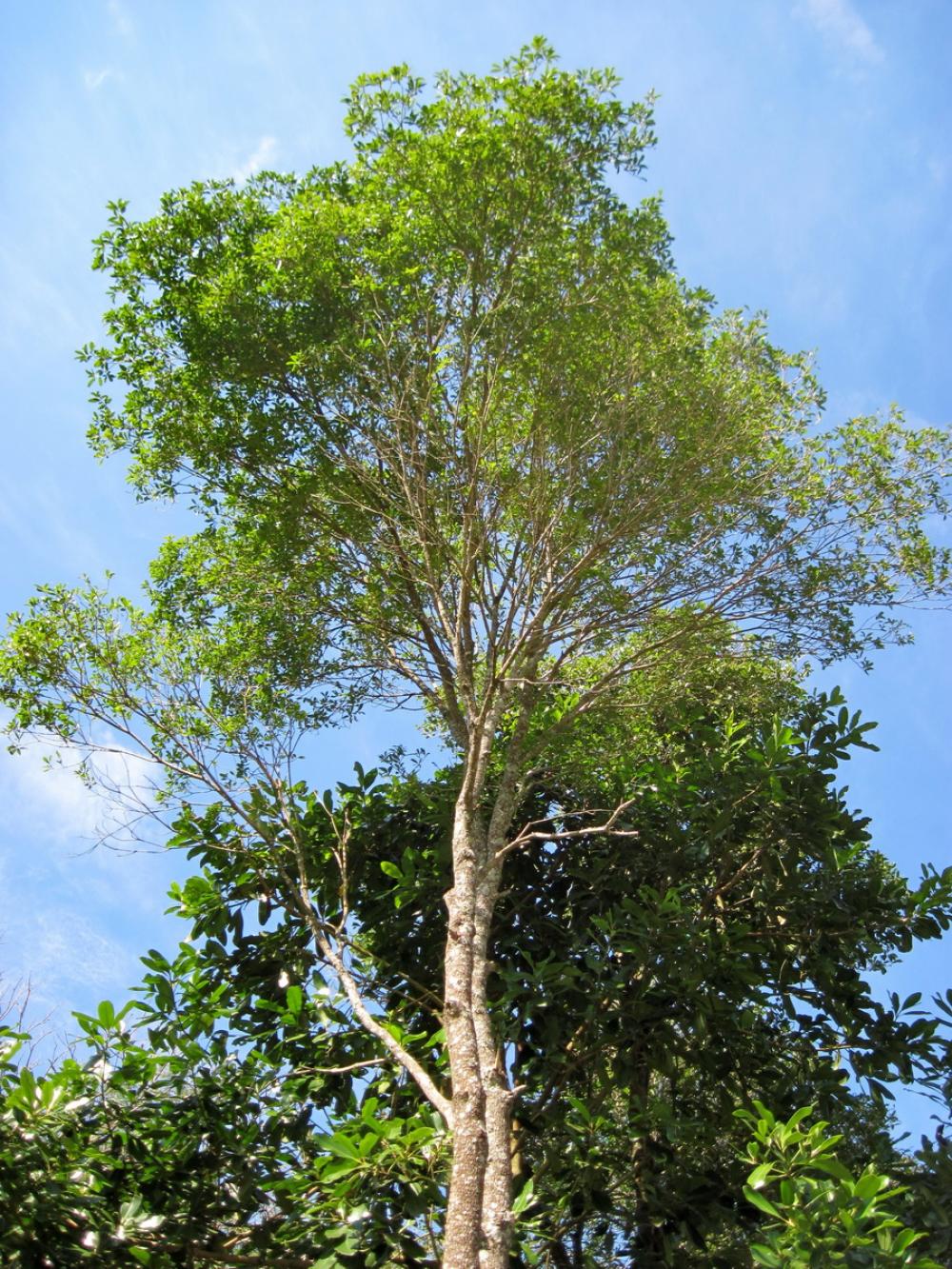
Peroba
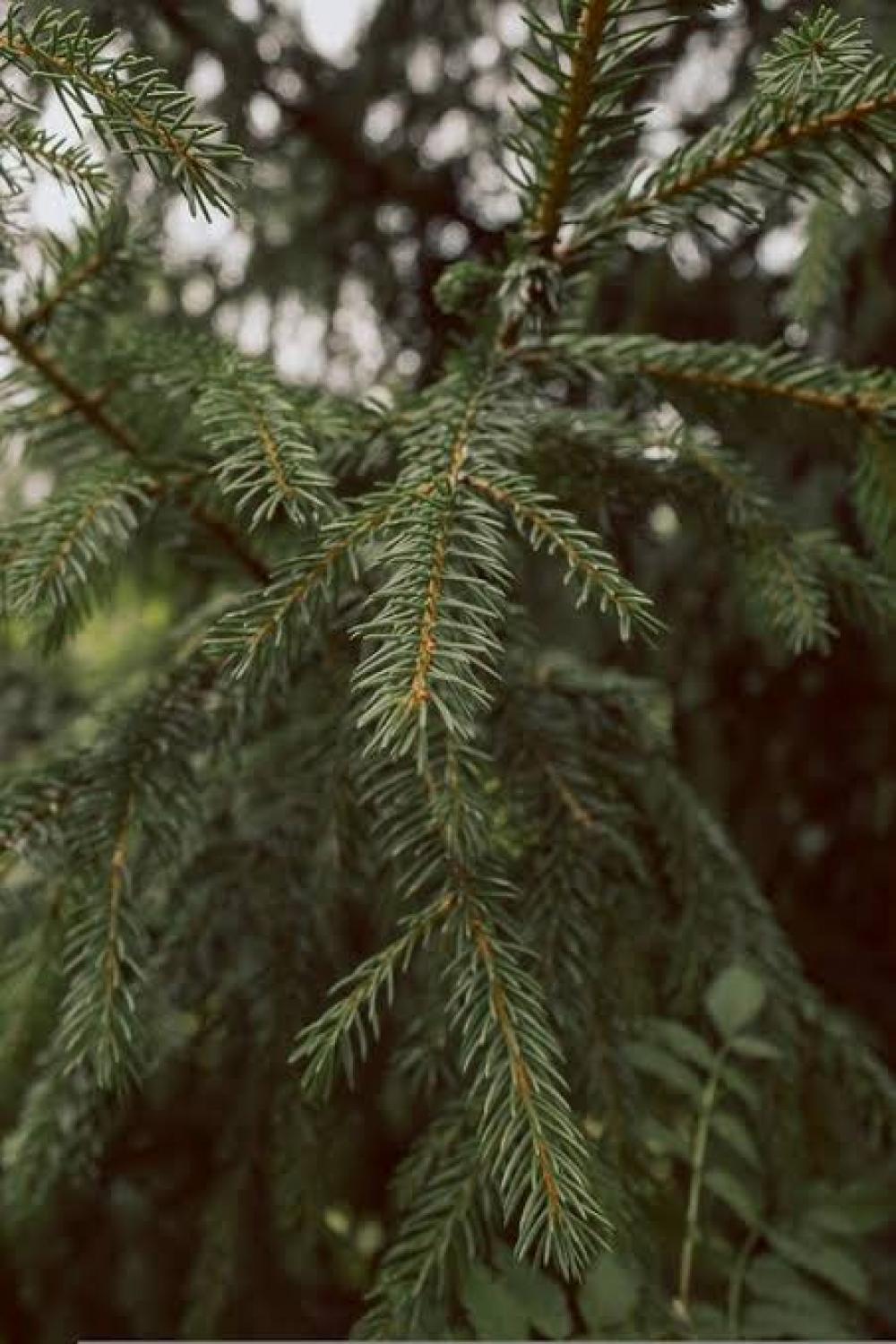
pine
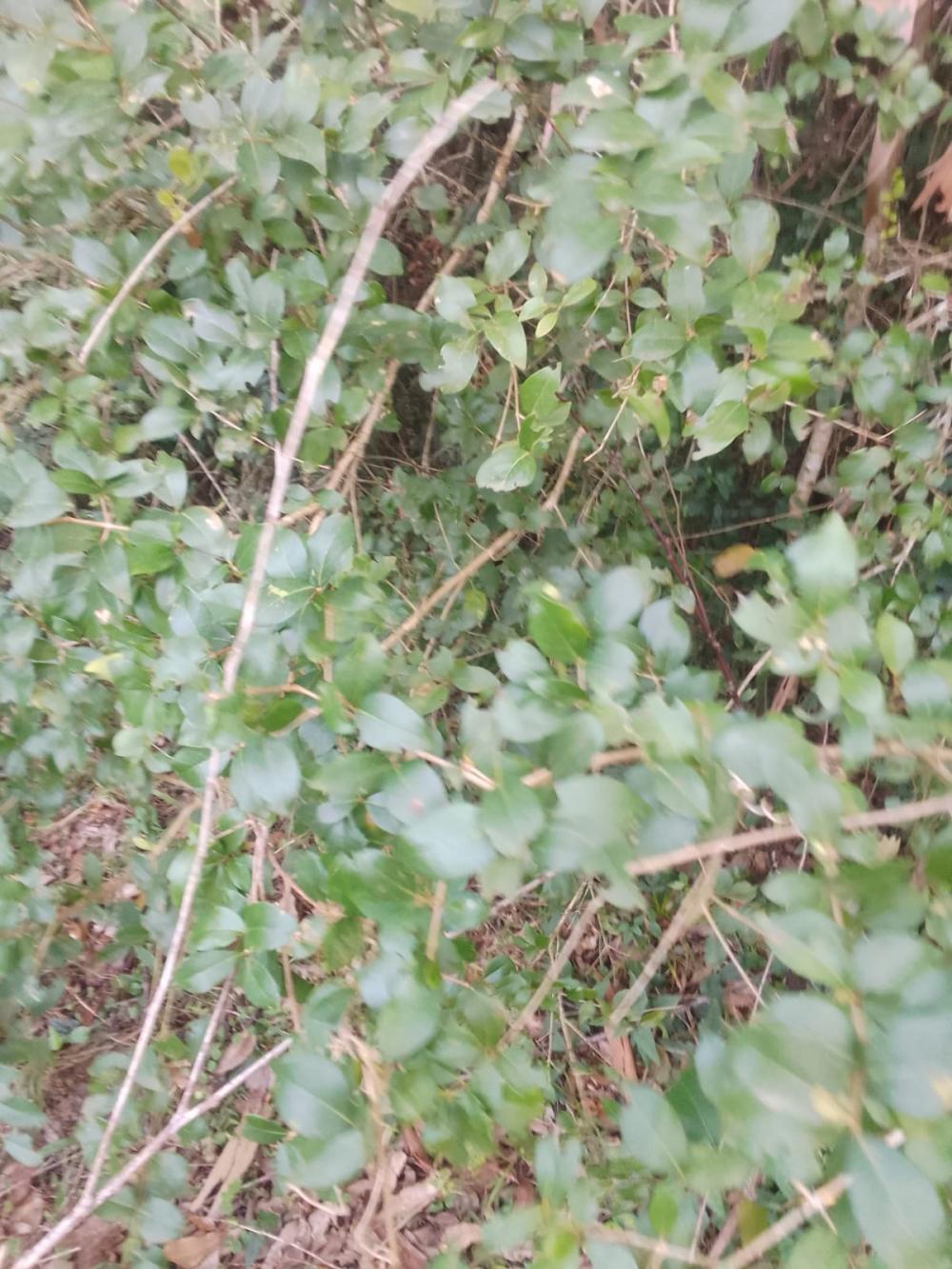
Surinam cherry tree
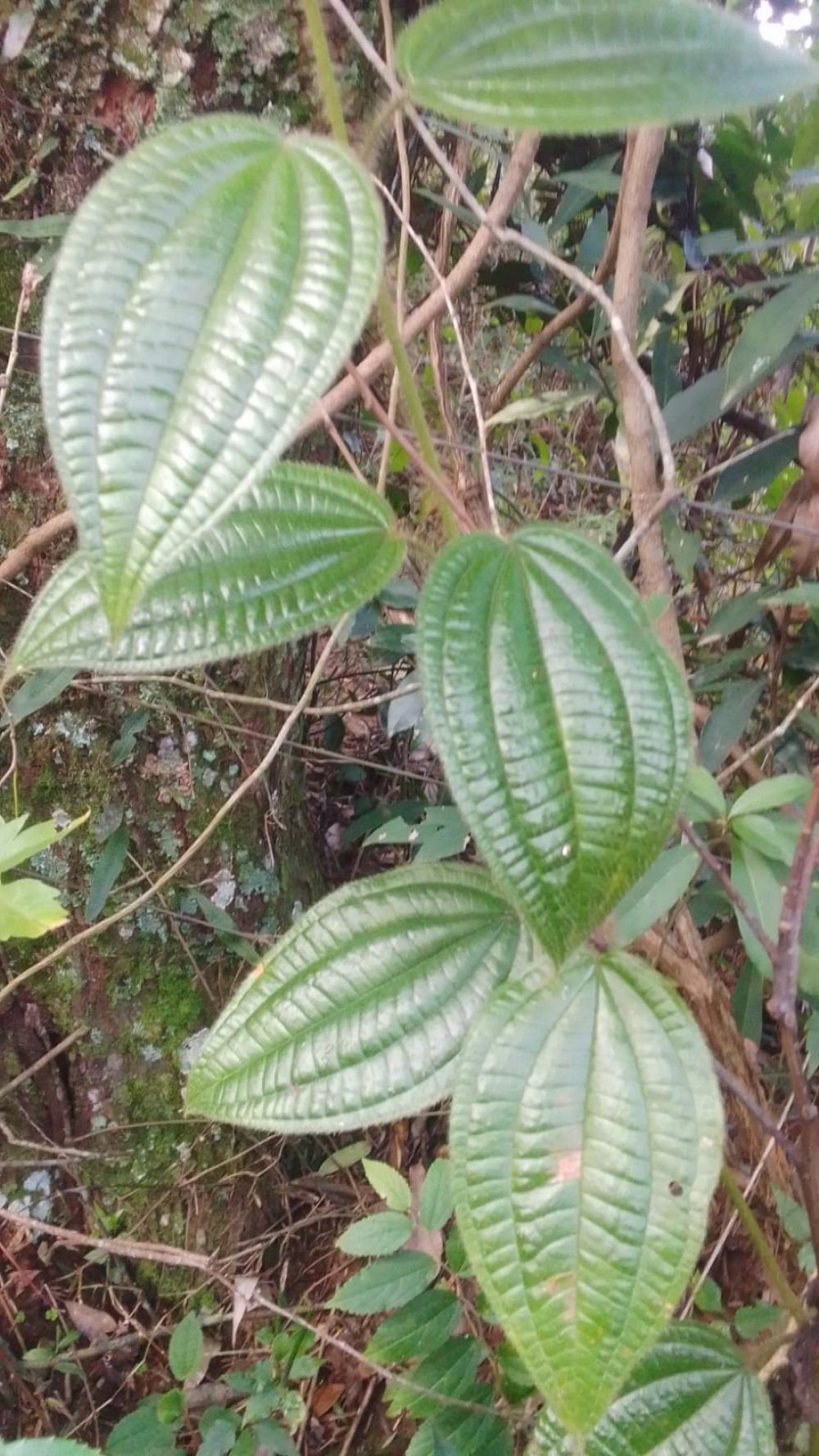
Pixirica
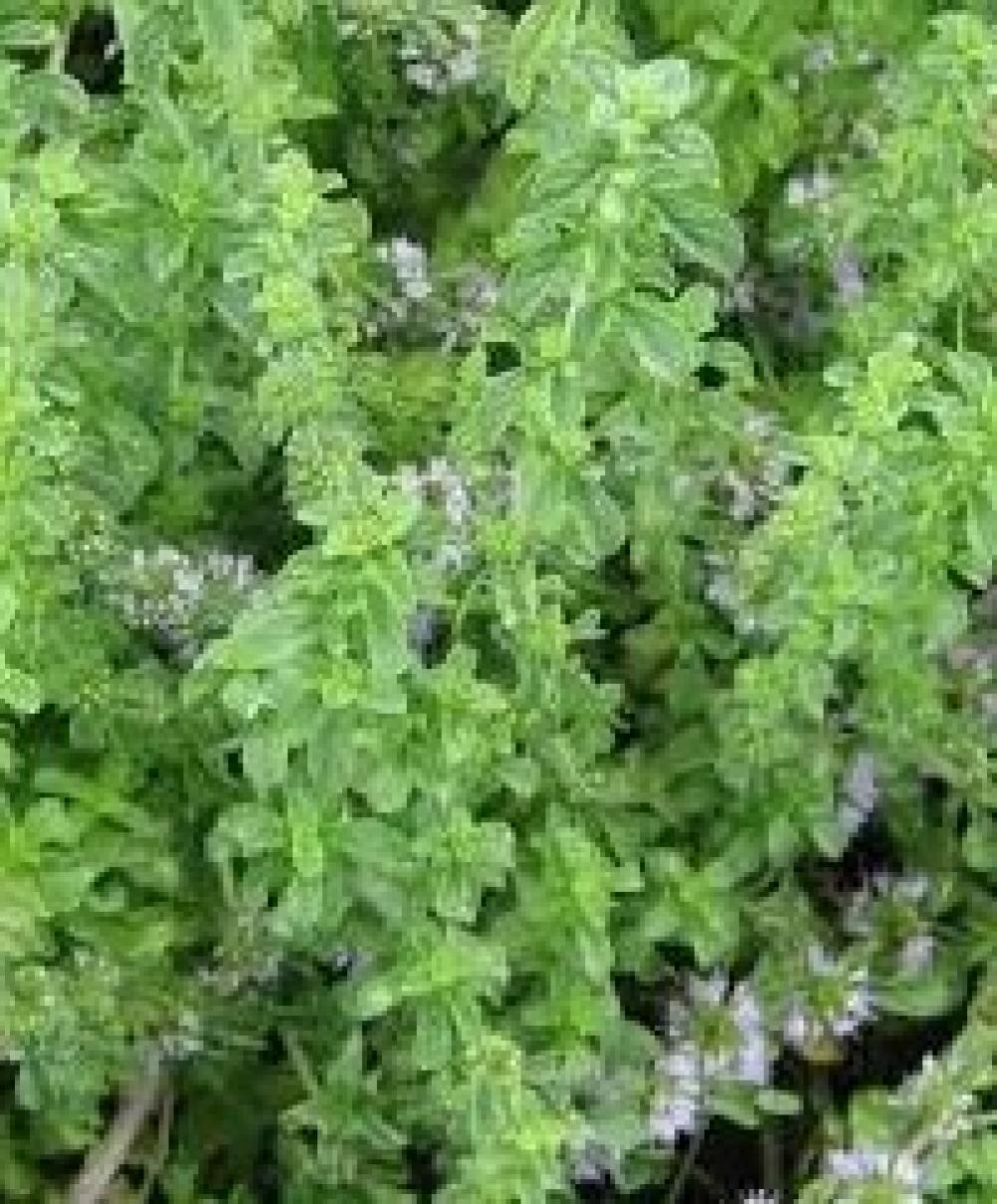
Pennyroyal
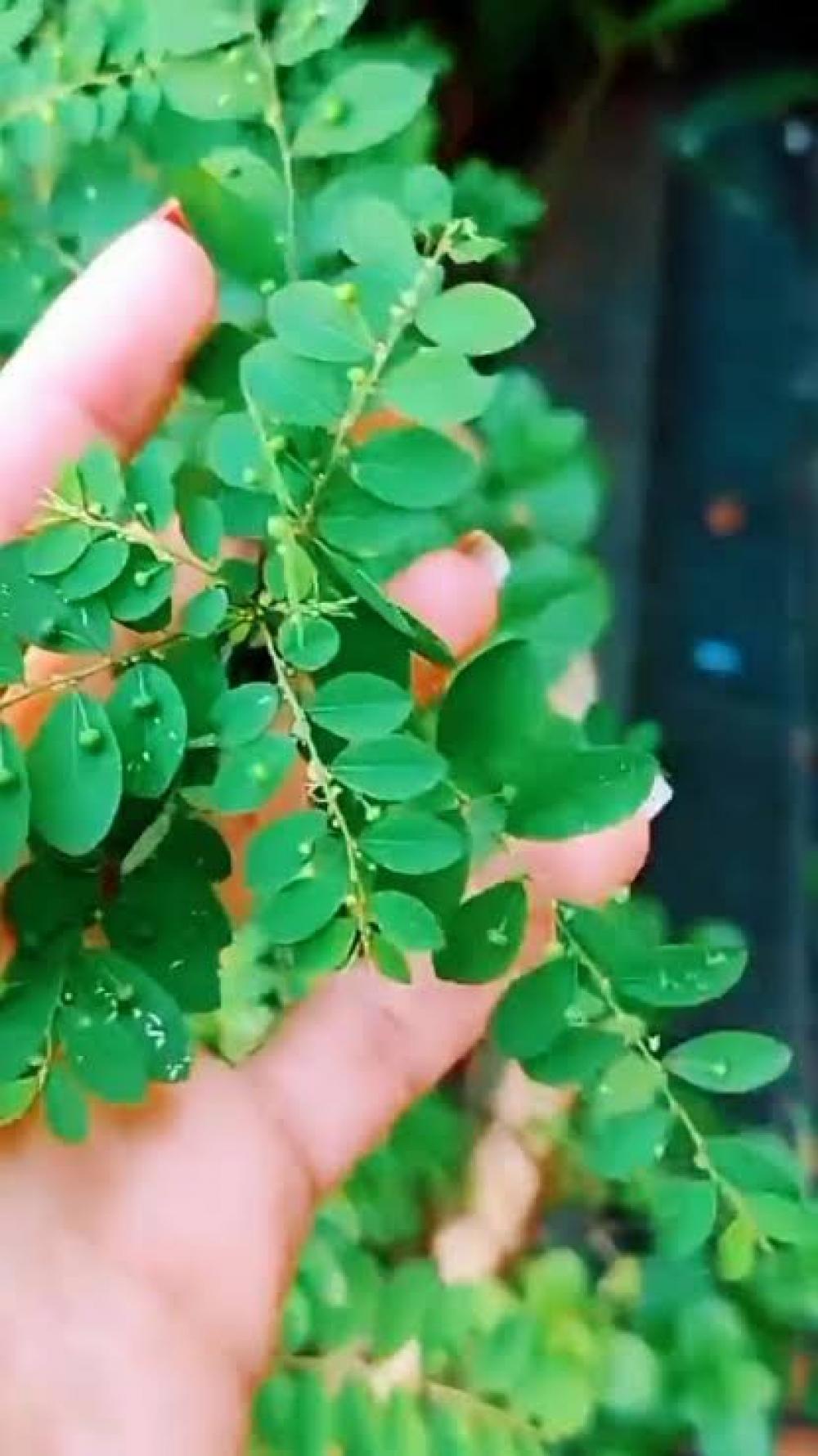
Stone-breaker
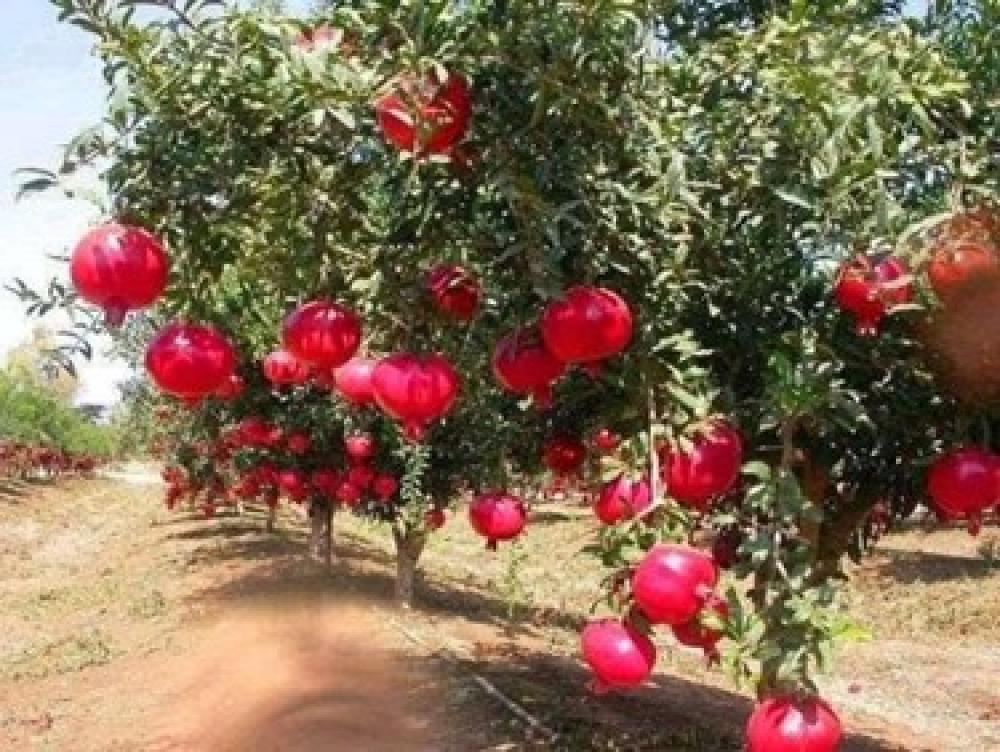
Pomegranate tree
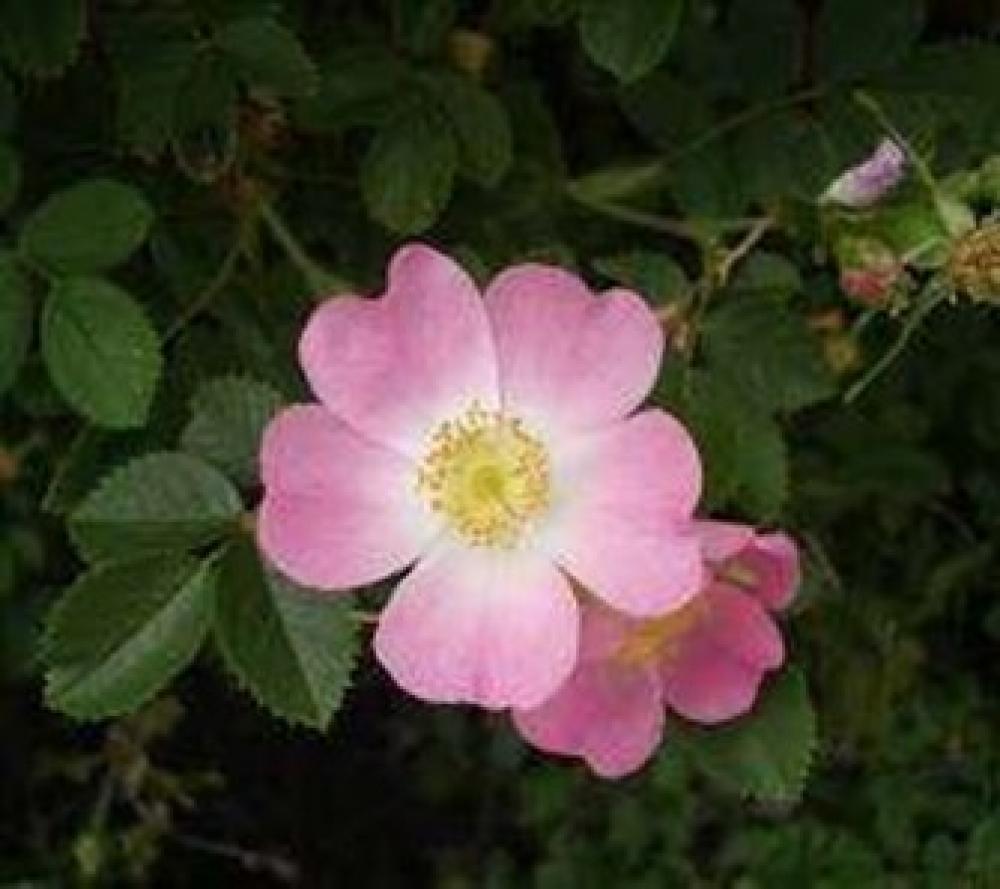
Rosa mosqueta
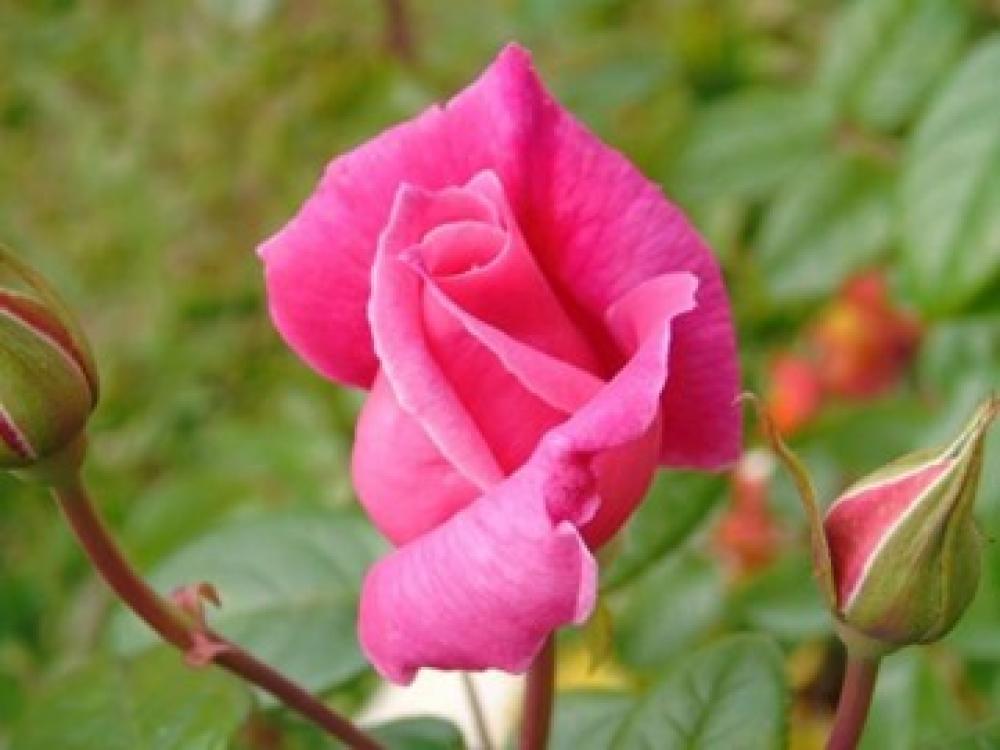
Rosebush
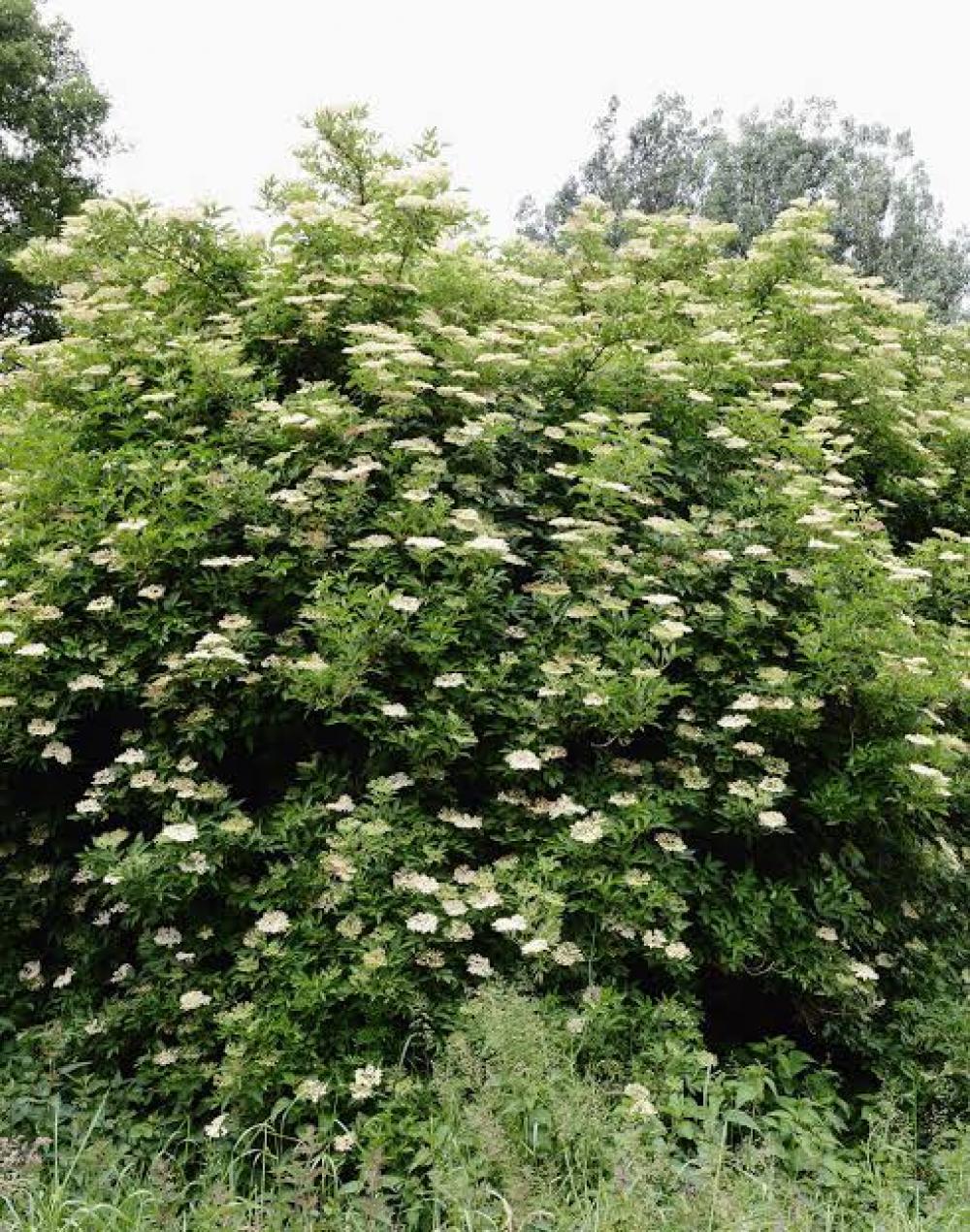
Elderberry
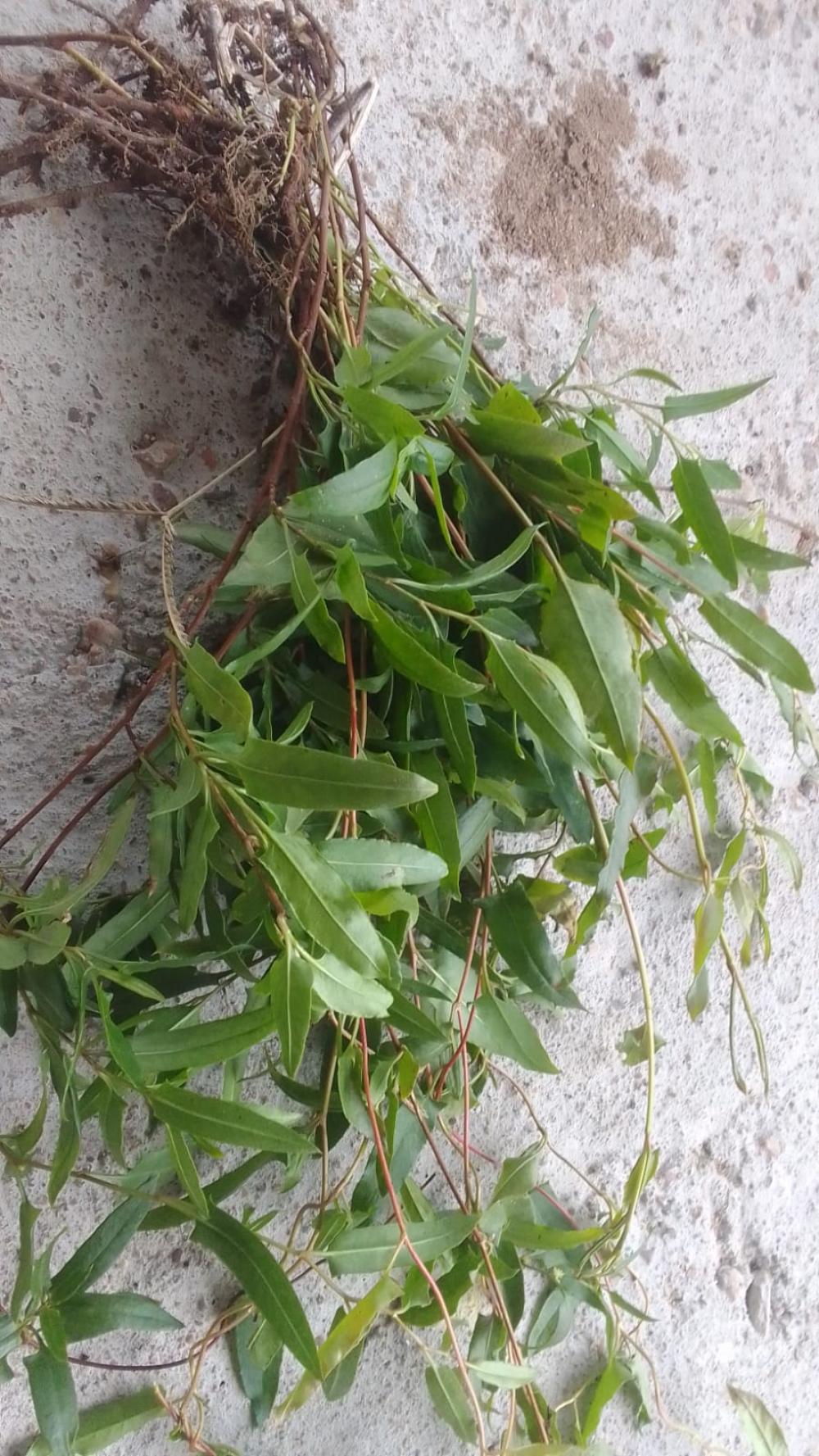
parilla parsley
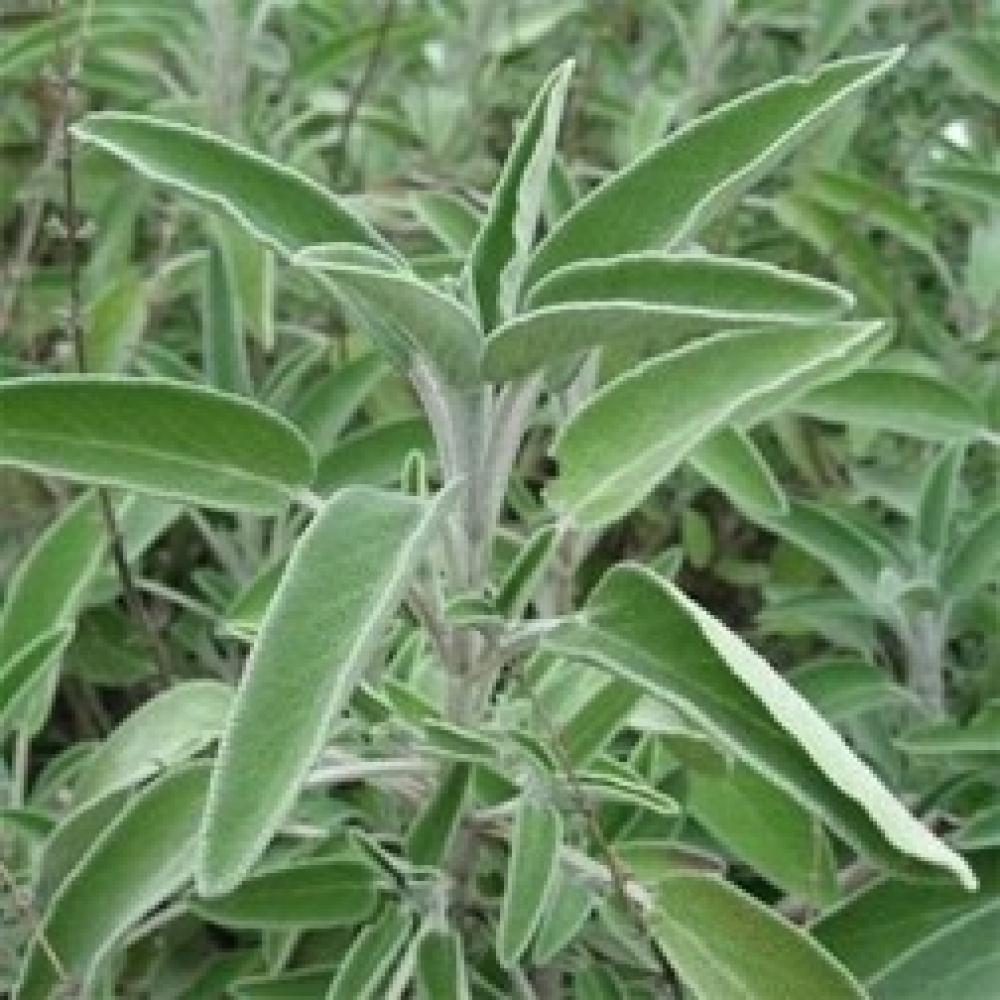
Sage
Sandalwood
senna
Stevia
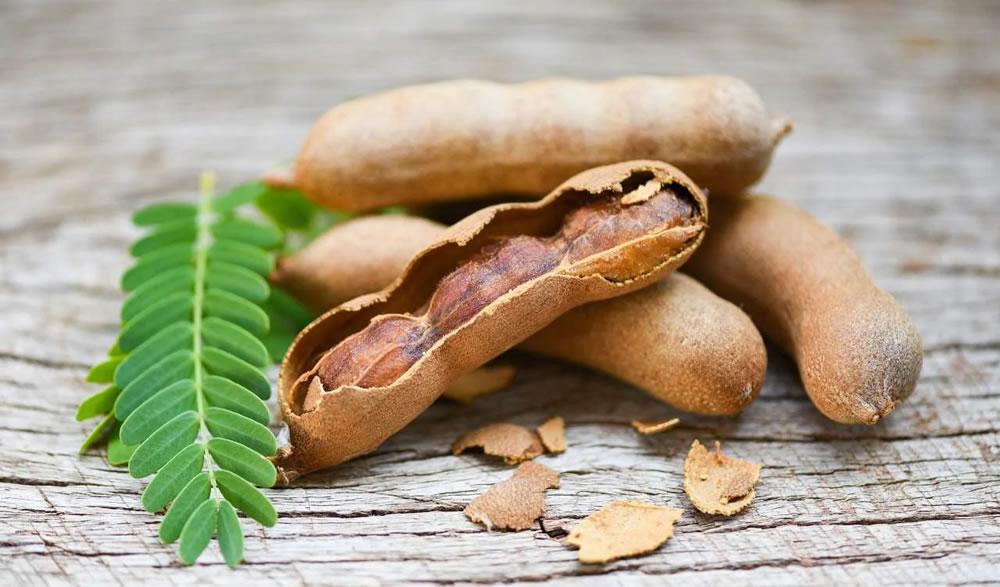
Tamarind
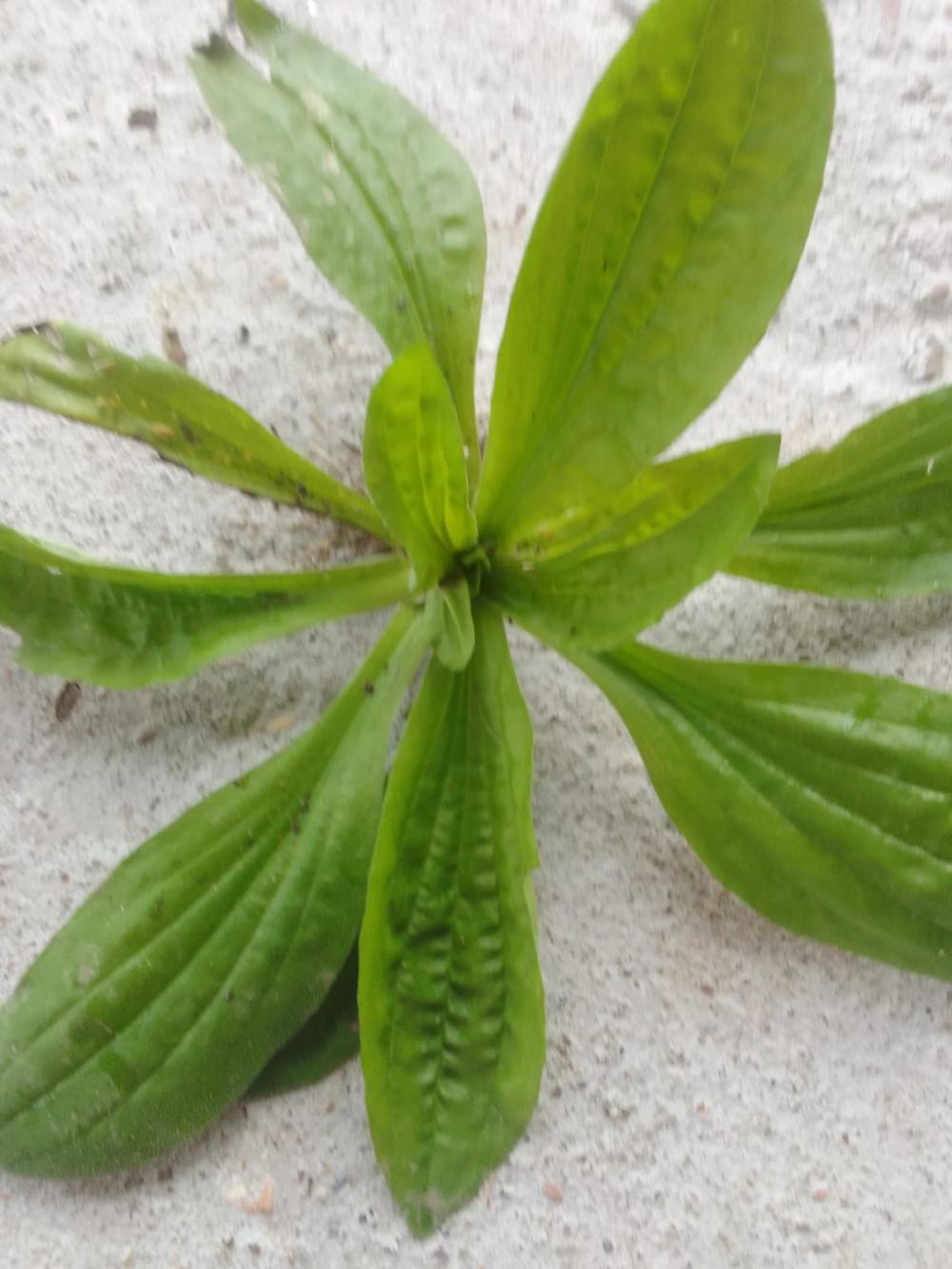
Plantain
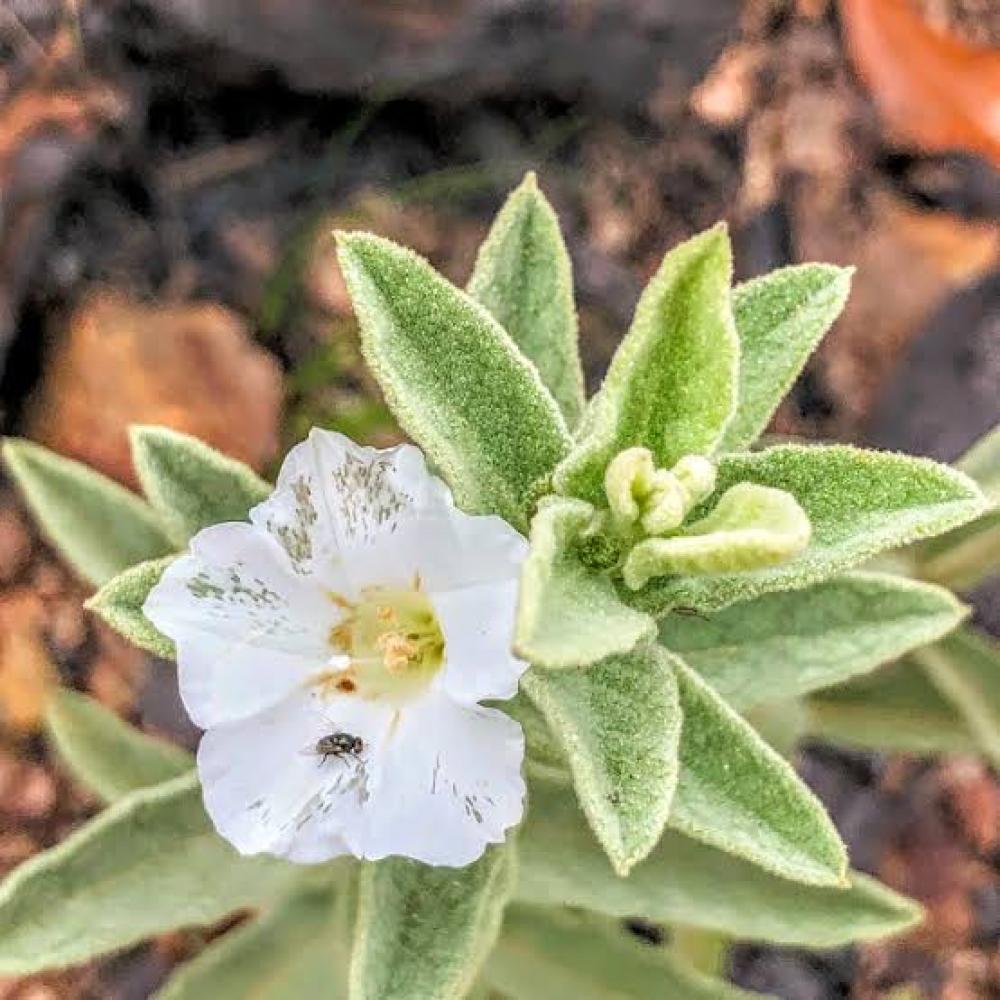
Velame-do-campo
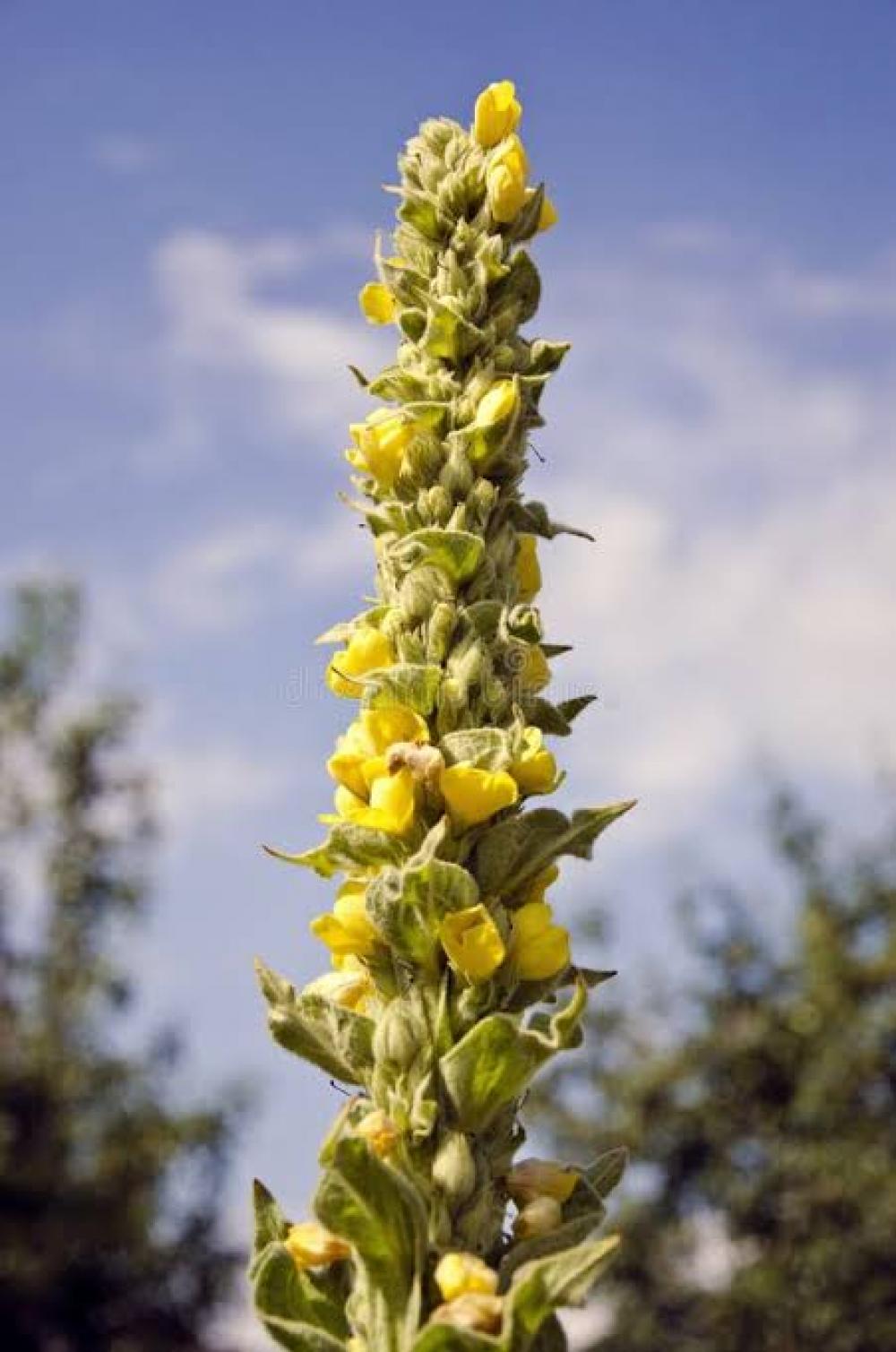
Brazilian mullein
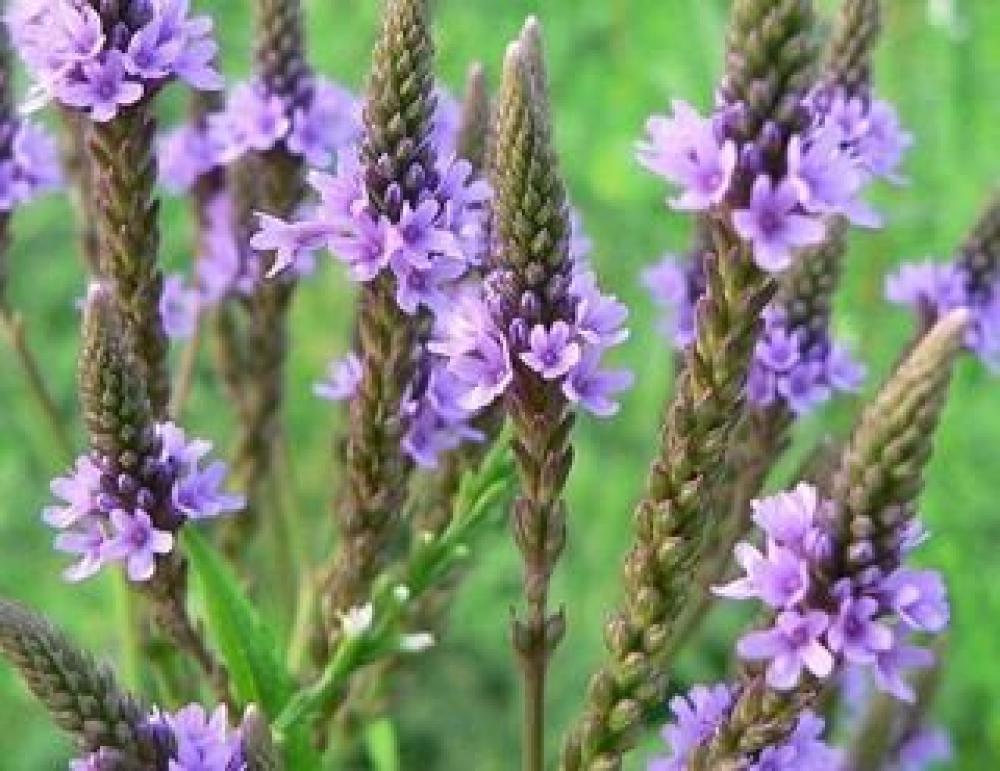
Field verbena