

Lippia alba (Bushy Lemon Balm)
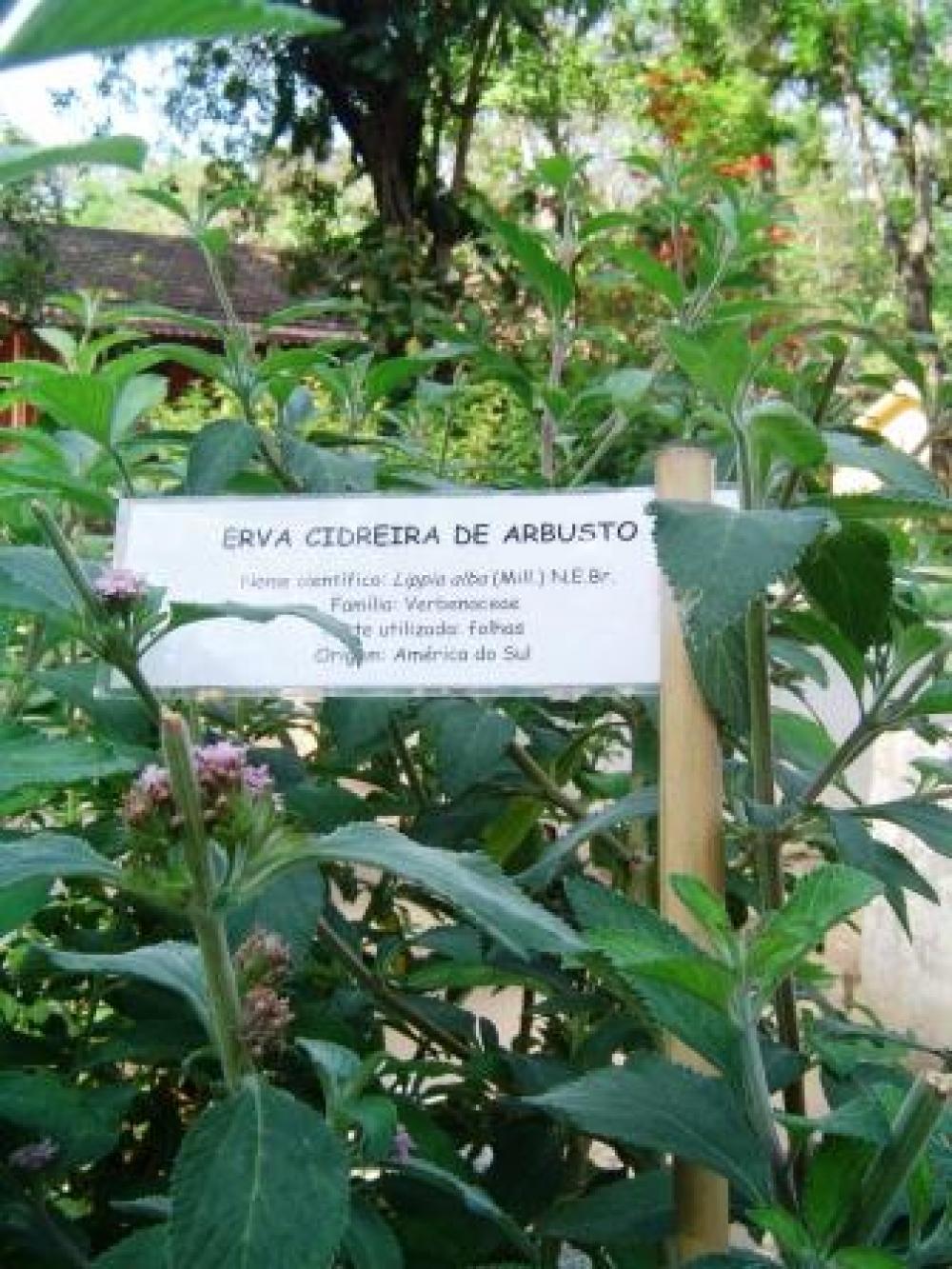
*Lippia alba*, commonly known as shrubby lemon verbena (*erva-cidreira-de-arbusto*), is an aromatic plant native to the tropical and subtropical regions of the Americas and belongs to the Verbenaceae family. It is a highly branched perennial shrub that can grow vigorously, reaching a height of approximately 1 to 2 meters. Its leaves are green and aromatic, varying in shape depending on the specific variety. When crushed, they release a distinctive scent attributed to the presence of essential oils.
The plant goes by various common names, such as *erva-cidreira*, Brazilian lemon verbena, shrubby lemon verbena, and false lemon balm. Its aroma may exhibit notes resembling lemon or lemon balm, depending on the plants chemotype. This chemical variation is a significant aspect of the species, as different *Lippia alba* populations can display distinct essential oil compositions.
In folk tradition, the leaves of this shrub are primarily used to prepare teas and in other traditional forms of consumption. The plant is traditionally associated with relaxation, well-being, and digestive comfort, featuring prominently in traditional knowledge regarding aromatic and medicinal plants. However, traditional use should not be confused with proven efficacy in treating specific diseases.
From a scientific perspective, *Lippia alba* attracts interest due to its composition of essential oils and phenolic compounds, which are being investigated in fields such as pharmacognosy, phytochemistry, and botany. Components found in various chemotypes include substances such as citral, carvone, limonene, and linalool; the proportions of these substances can vary based on the plants genetics, the environment, and cultivation conditions.
Ecologically, the shrubby lemon verbena is also significant as an aromatic plant that attracts various organisms; it is suitable for inclusion in gardens, medicinal herb patches, educational spaces, and biodiversity-oriented cultivation systems. Its relatively simple cultivation and distinctive aroma make it an interesting species for environmental education projects, the valuing of traditional knowledge, and the conservation of plant diversity.
The plant goes by various common names, such as *erva-cidreira*, Brazilian lemon verbena, shrubby lemon verbena, and false lemon balm. Its aroma may exhibit notes resembling lemon or lemon balm, depending on the plants chemotype. This chemical variation is a significant aspect of the species, as different *Lippia alba* populations can display distinct essential oil compositions.
In folk tradition, the leaves of this shrub are primarily used to prepare teas and in other traditional forms of consumption. The plant is traditionally associated with relaxation, well-being, and digestive comfort, featuring prominently in traditional knowledge regarding aromatic and medicinal plants. However, traditional use should not be confused with proven efficacy in treating specific diseases.
From a scientific perspective, *Lippia alba* attracts interest due to its composition of essential oils and phenolic compounds, which are being investigated in fields such as pharmacognosy, phytochemistry, and botany. Components found in various chemotypes include substances such as citral, carvone, limonene, and linalool; the proportions of these substances can vary based on the plants genetics, the environment, and cultivation conditions.
Ecologically, the shrubby lemon verbena is also significant as an aromatic plant that attracts various organisms; it is suitable for inclusion in gardens, medicinal herb patches, educational spaces, and biodiversity-oriented cultivation systems. Its relatively simple cultivation and distinctive aroma make it an interesting species for environmental education projects, the valuing of traditional knowledge, and the conservation of plant diversity.
Plant Catalog
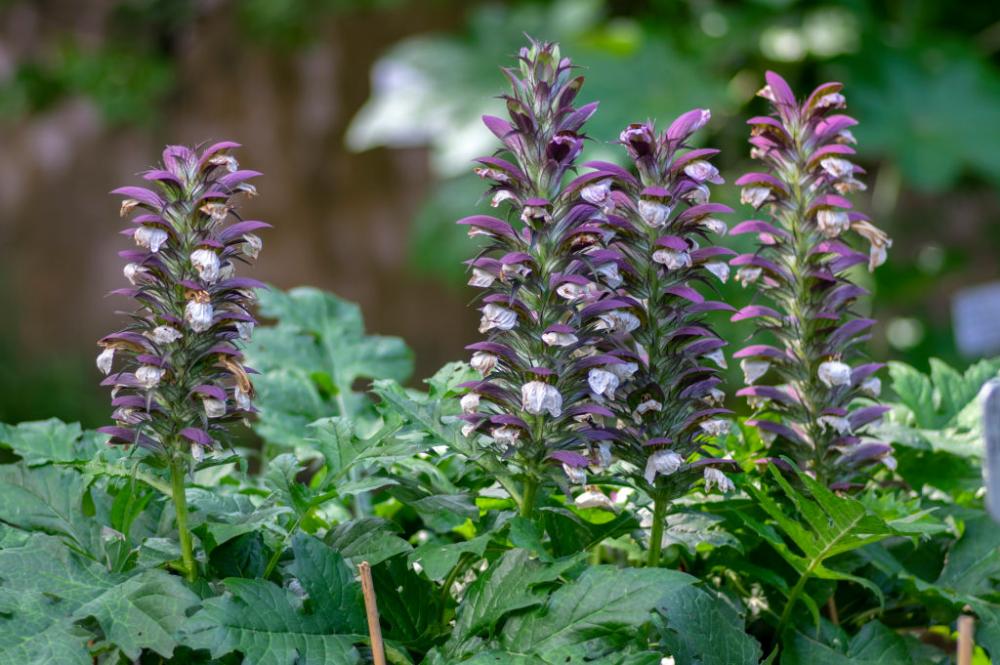
acanthus
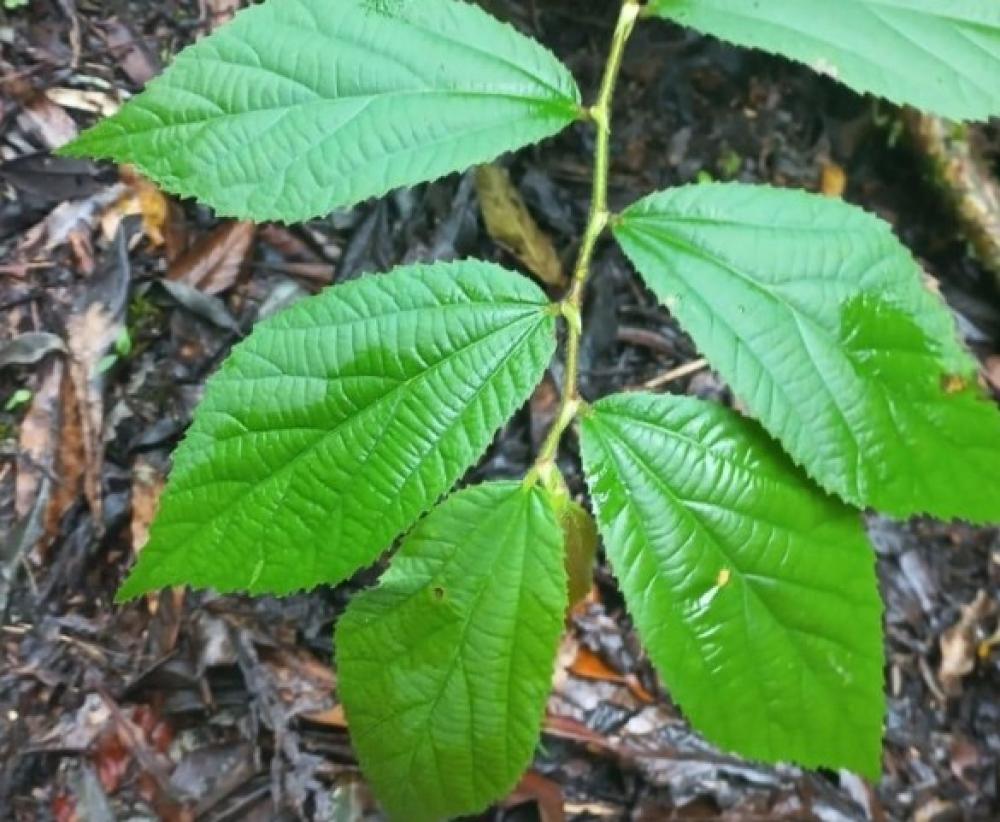
Horsewhip
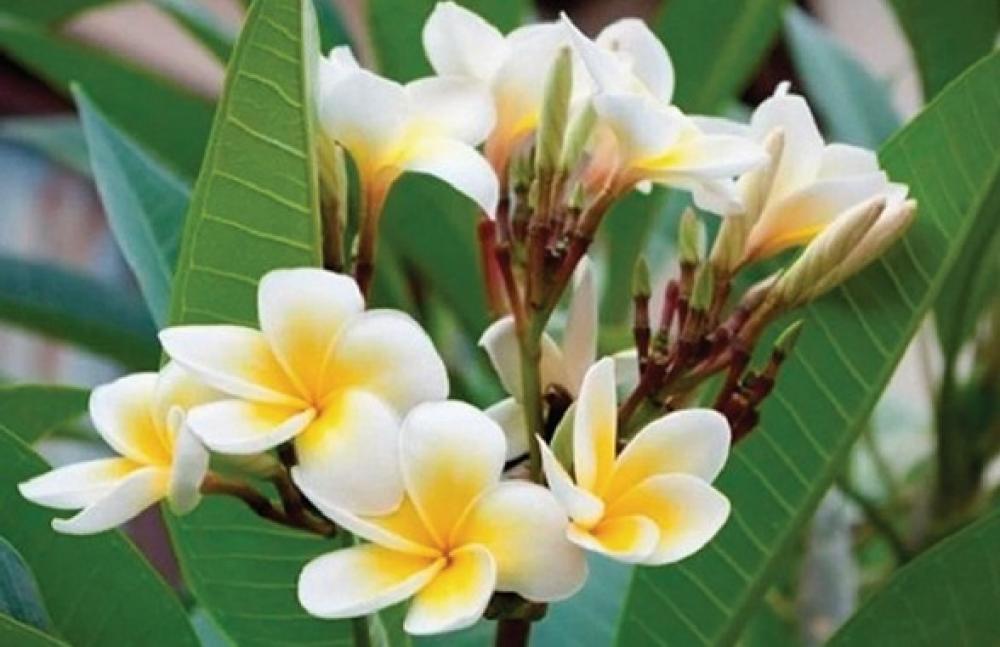
distressed
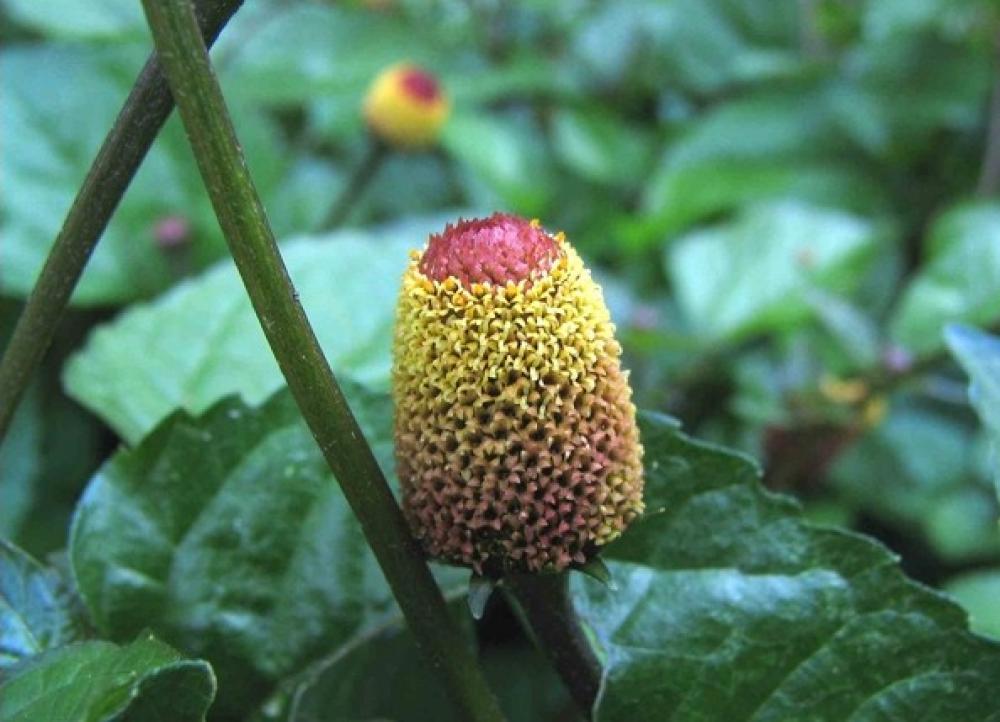
Pará cress or Jambu
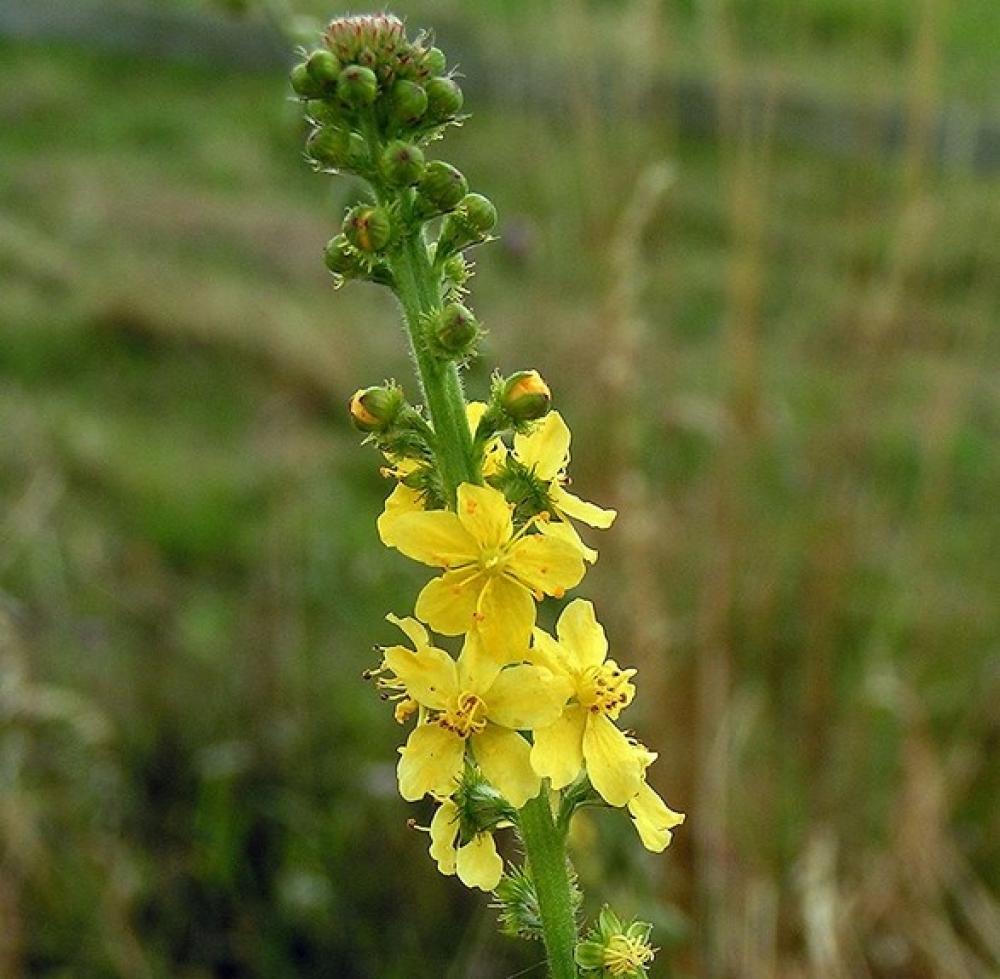
Agrimony
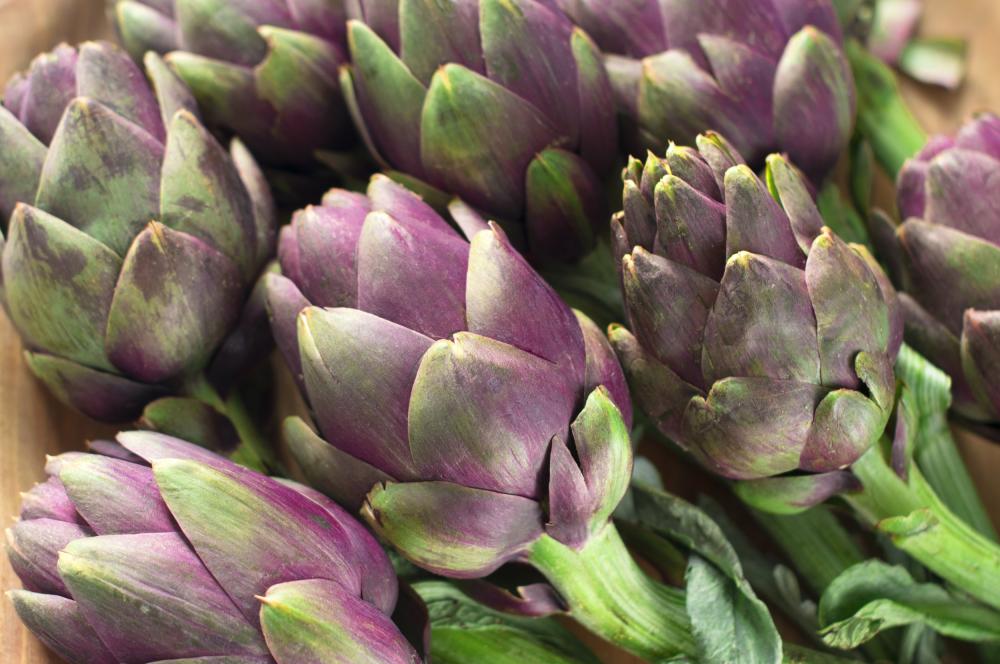
Artichoke
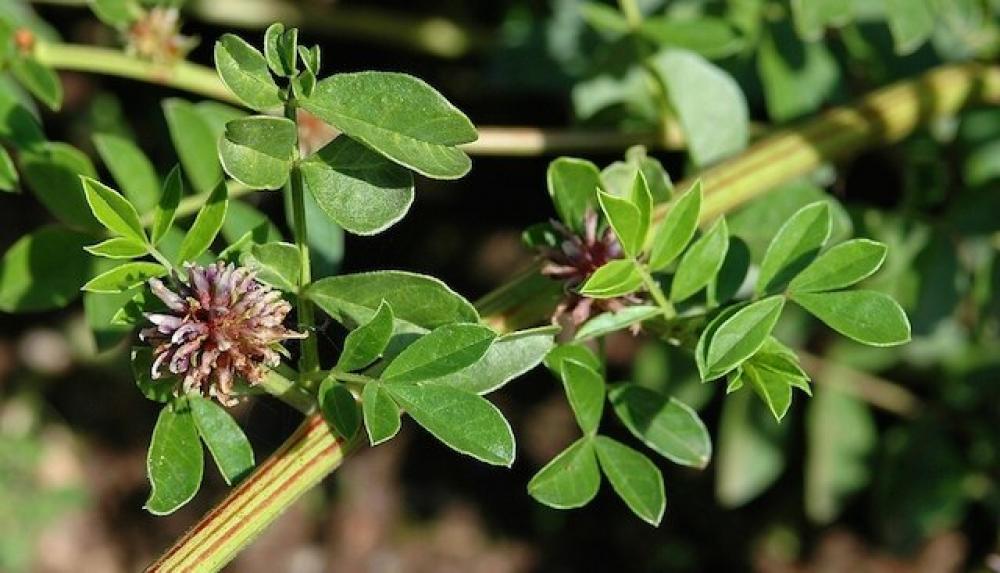
licorice
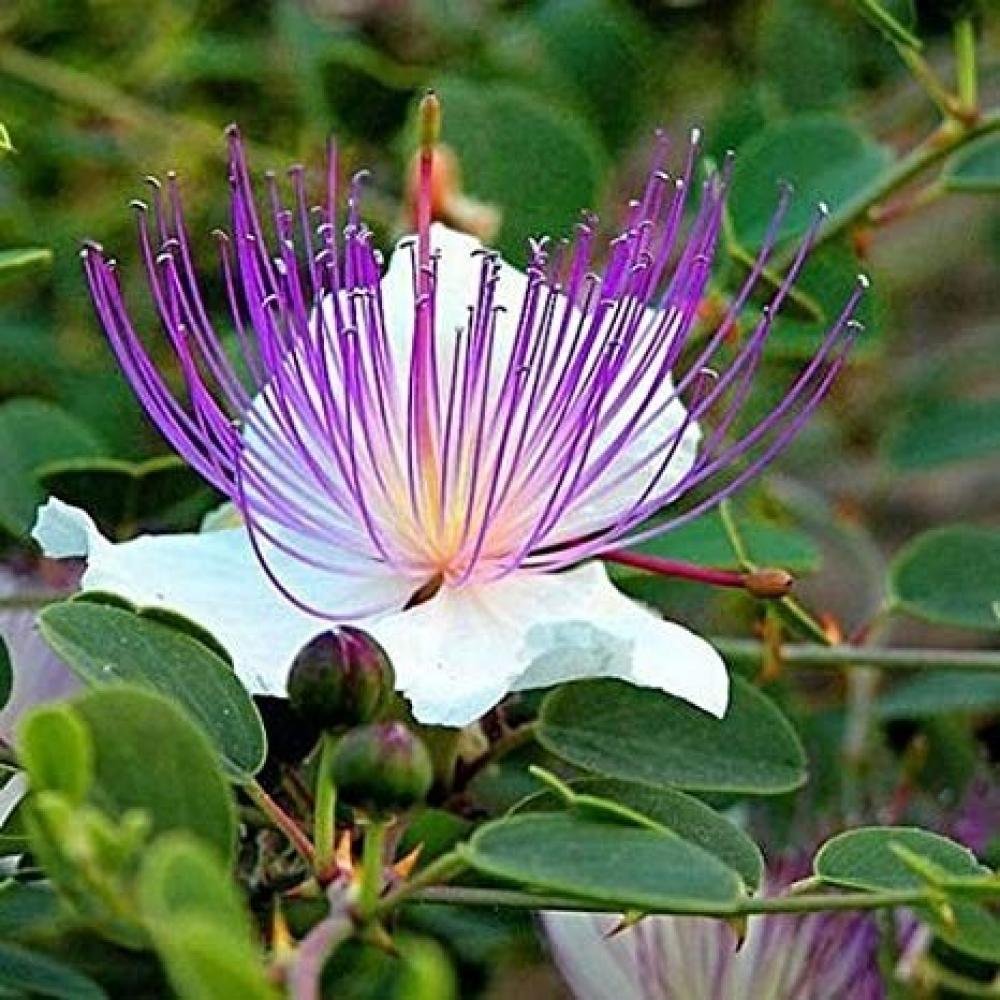
caper
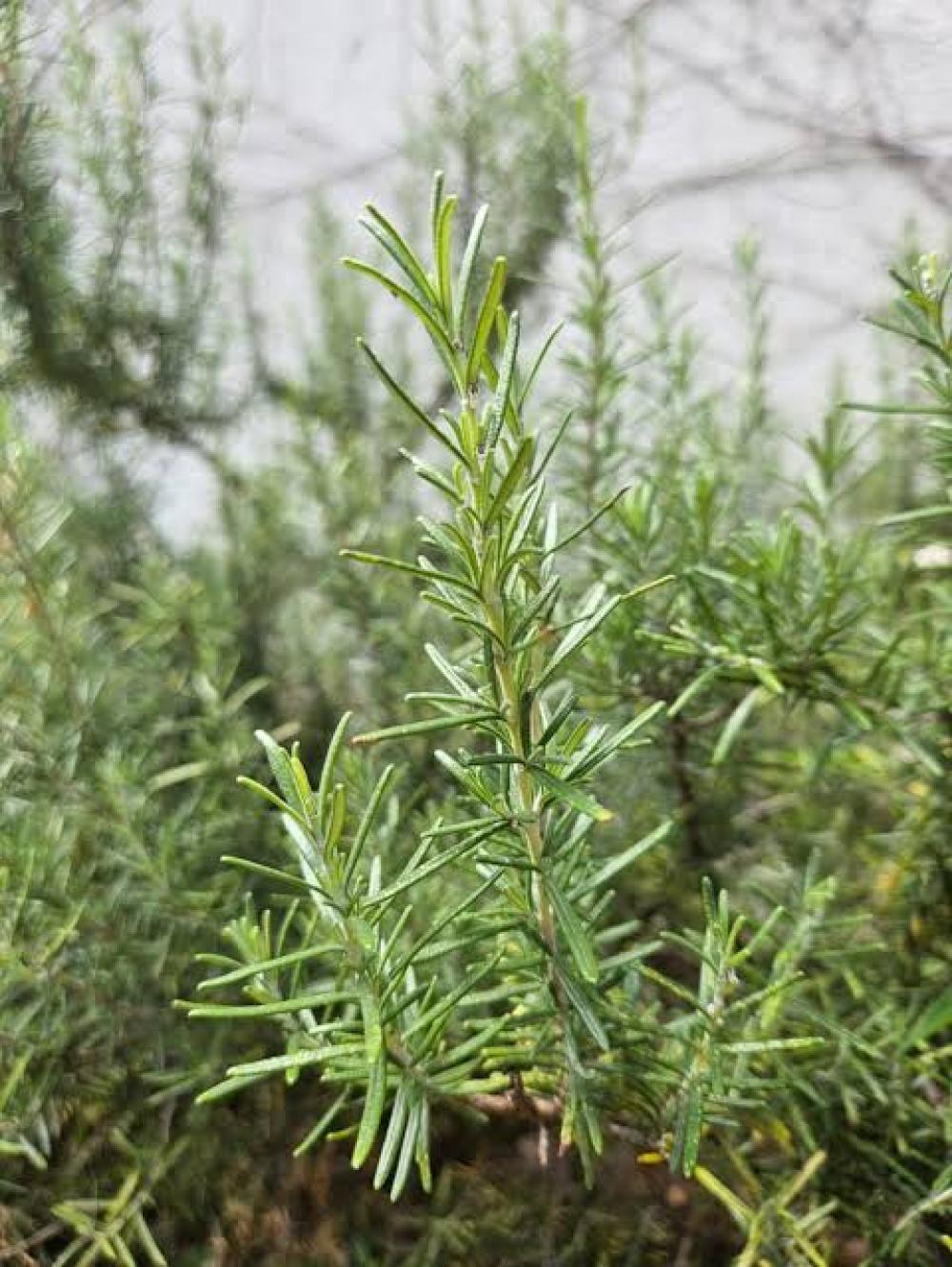
rosemary
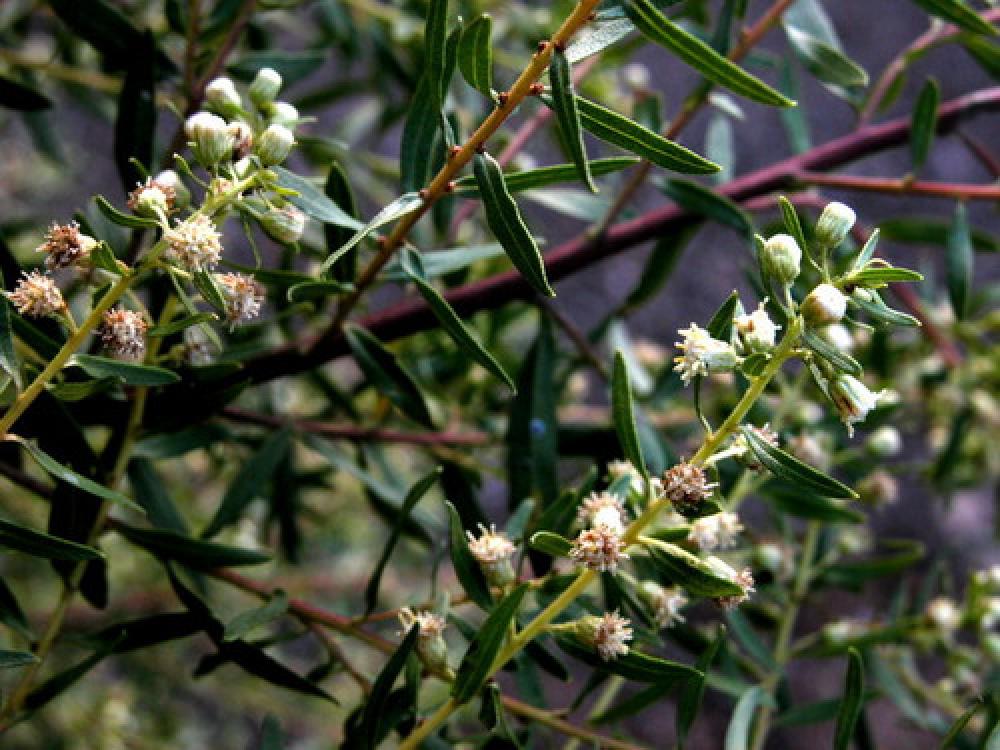
Field Rosemary
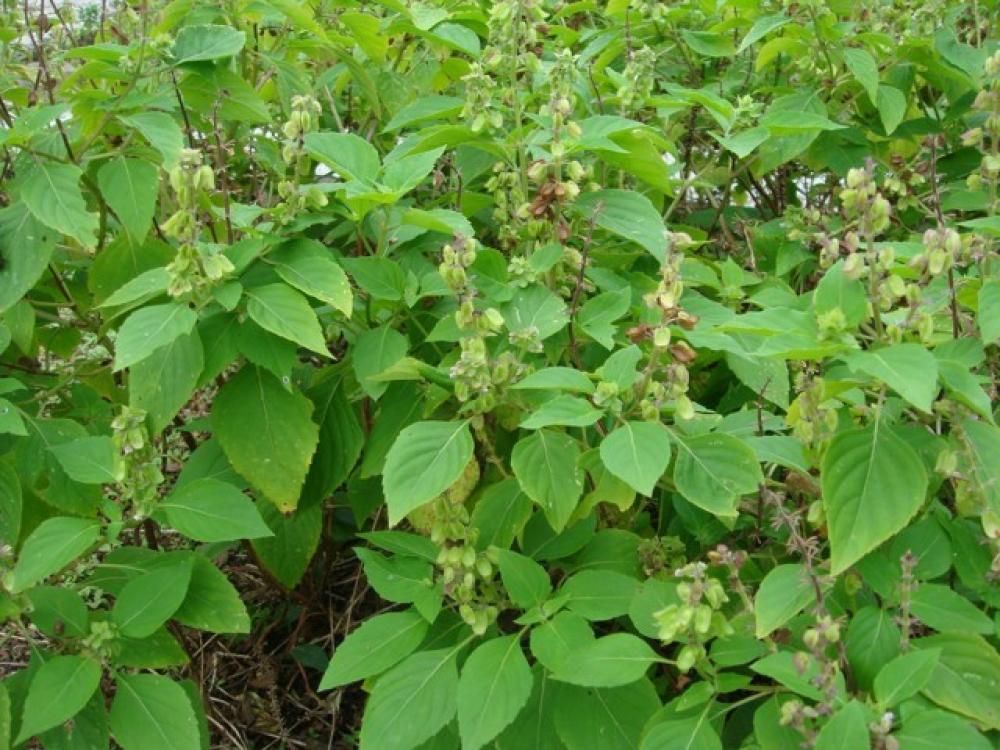
basil
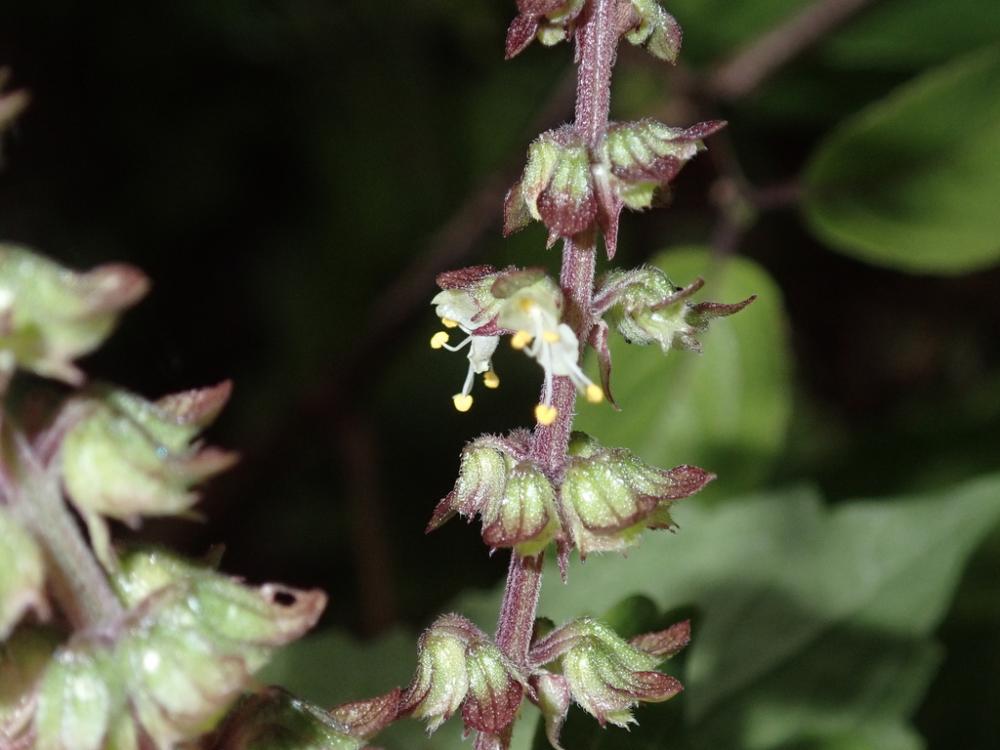
Clove Basil
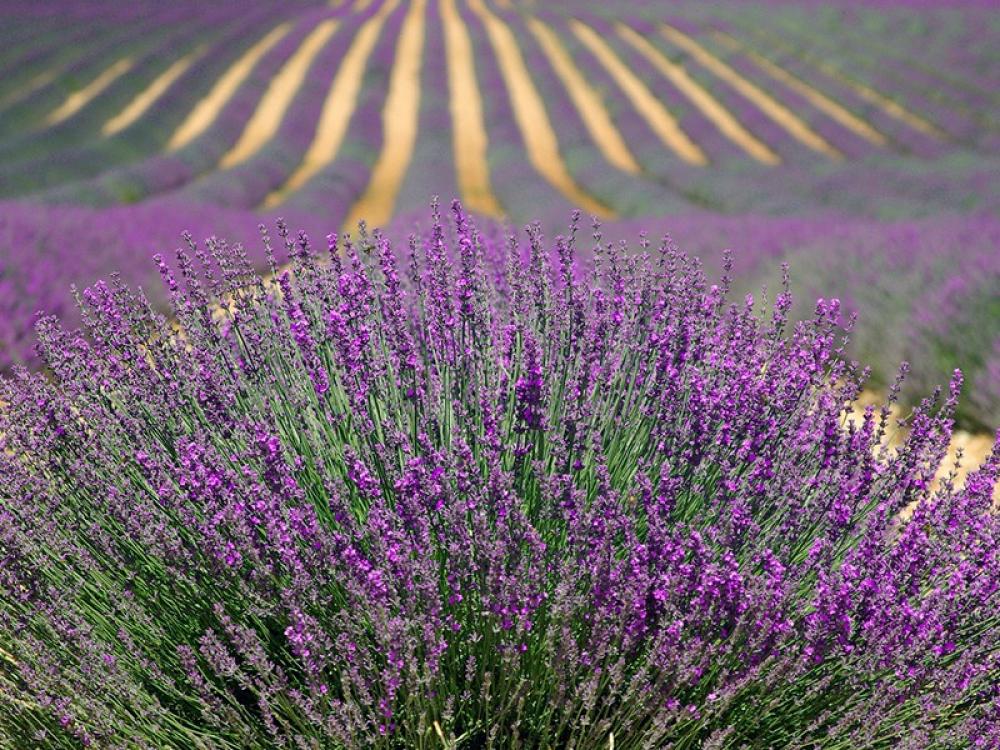
lavender
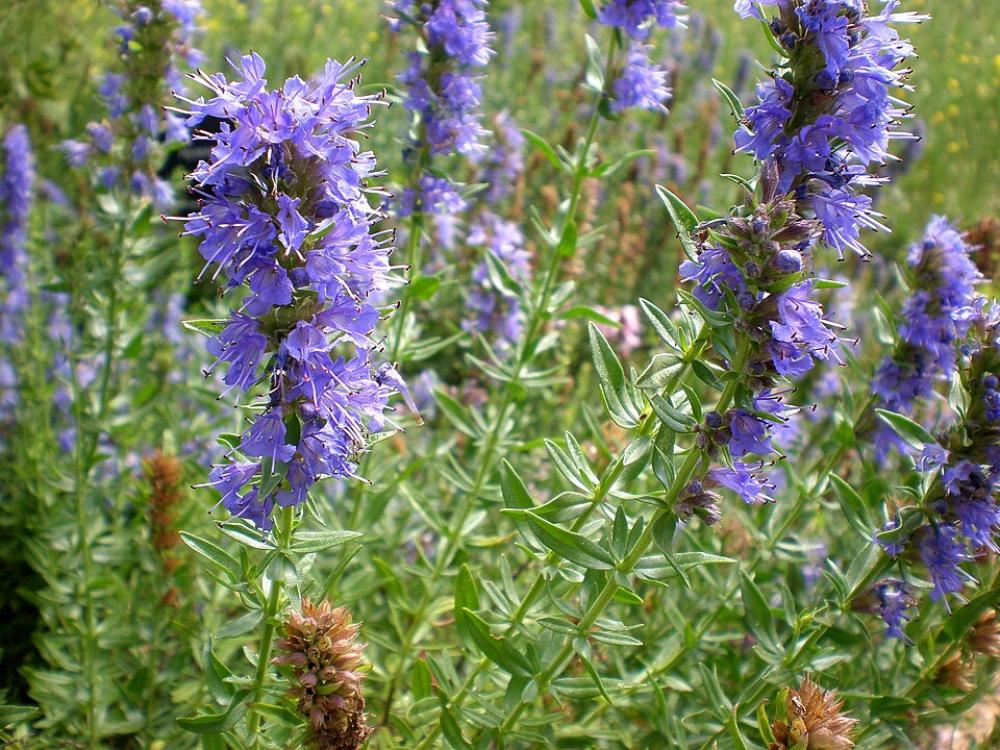
Caboclo Lavender
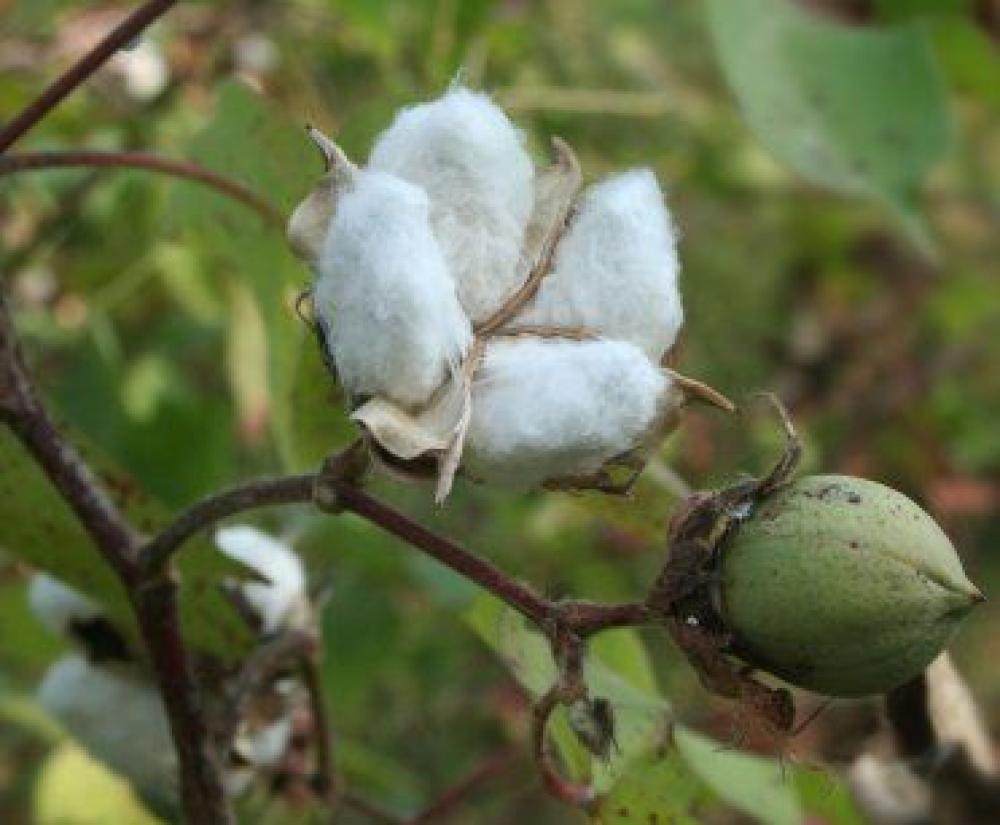
Cotton
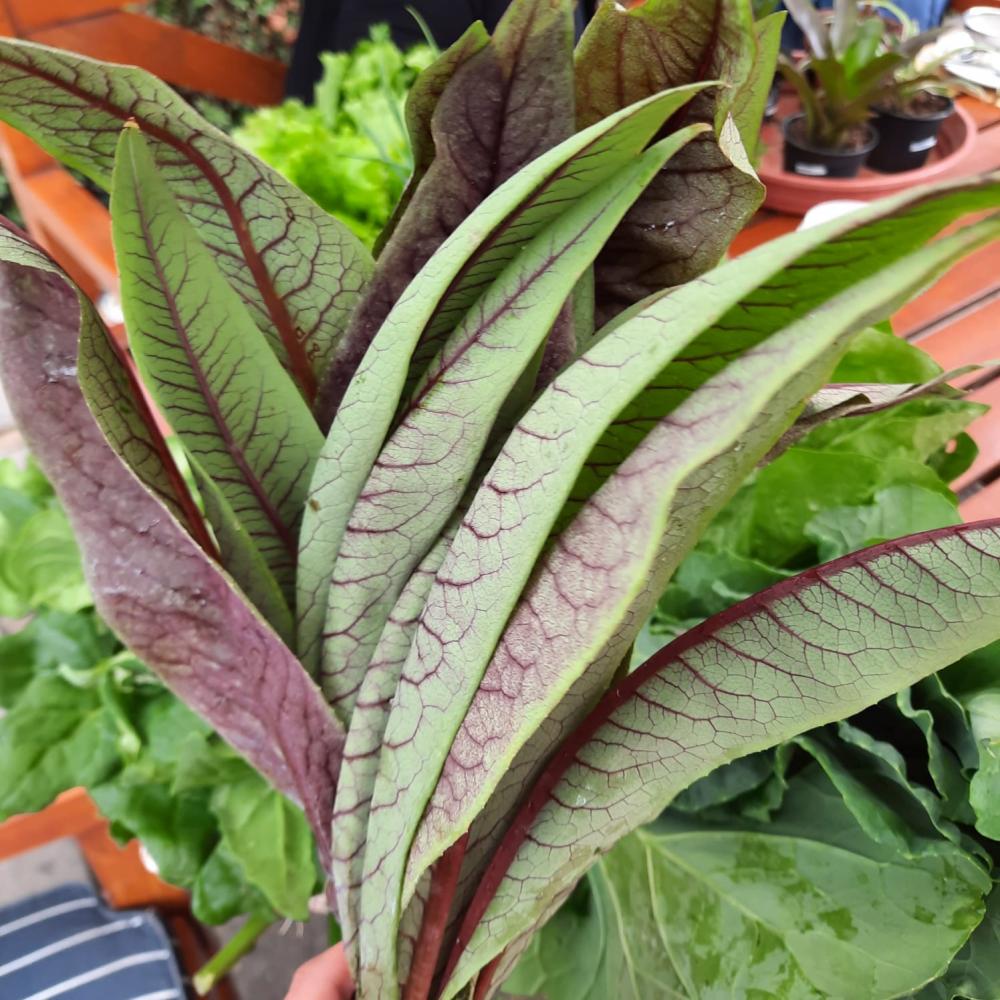
Cafezal Chicory
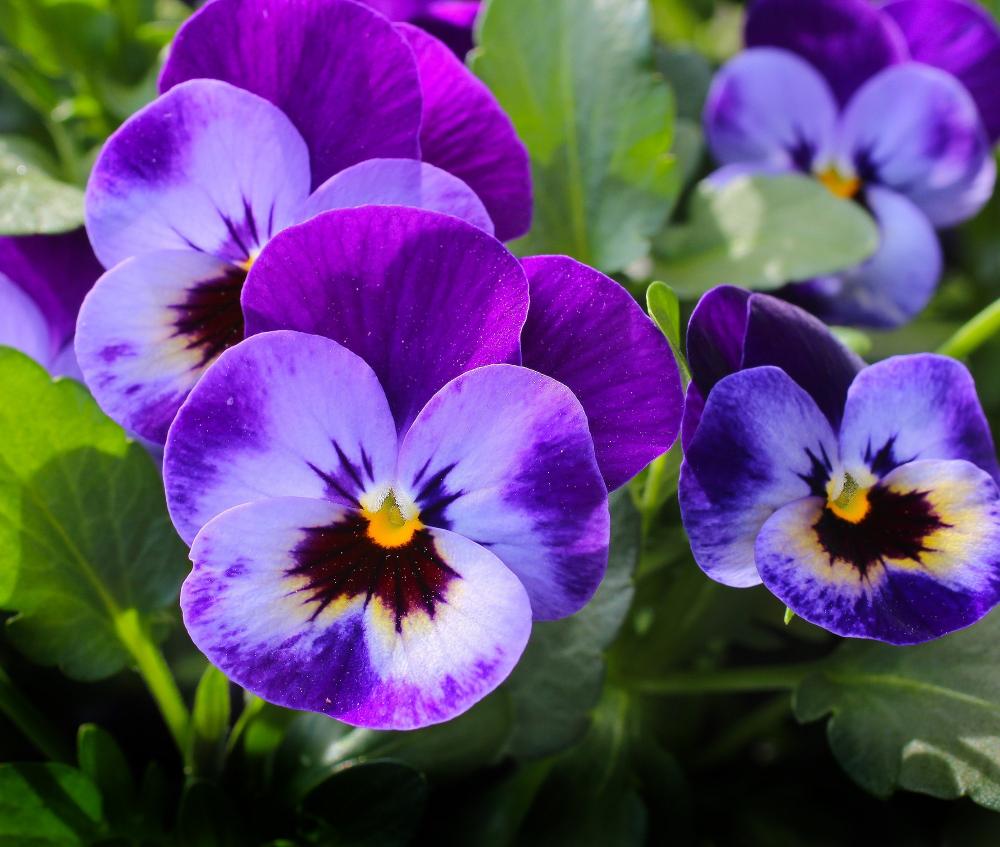
Perfect Love
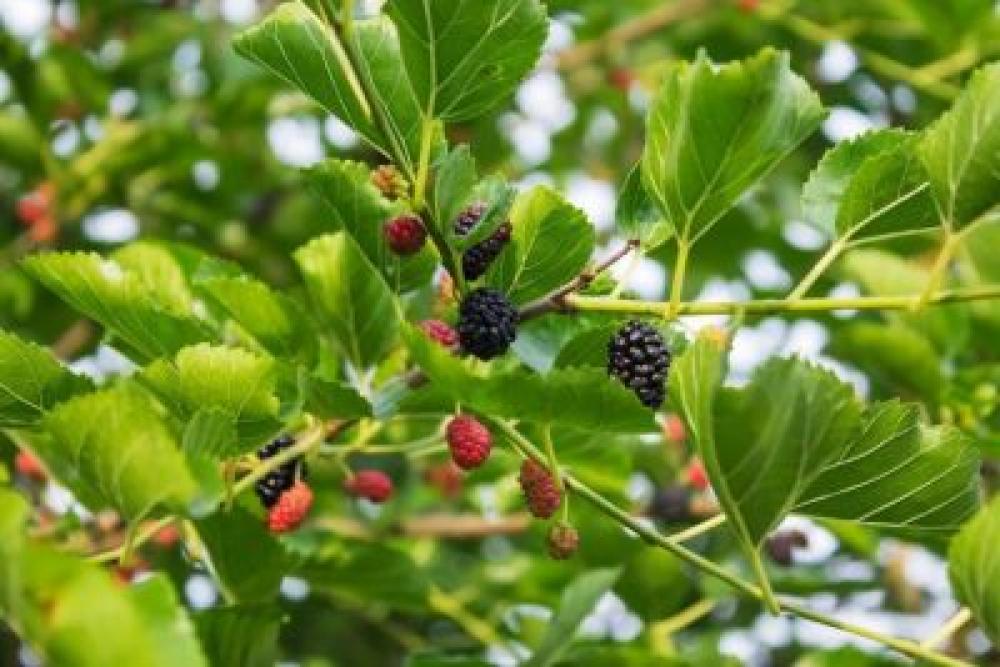
mulberry
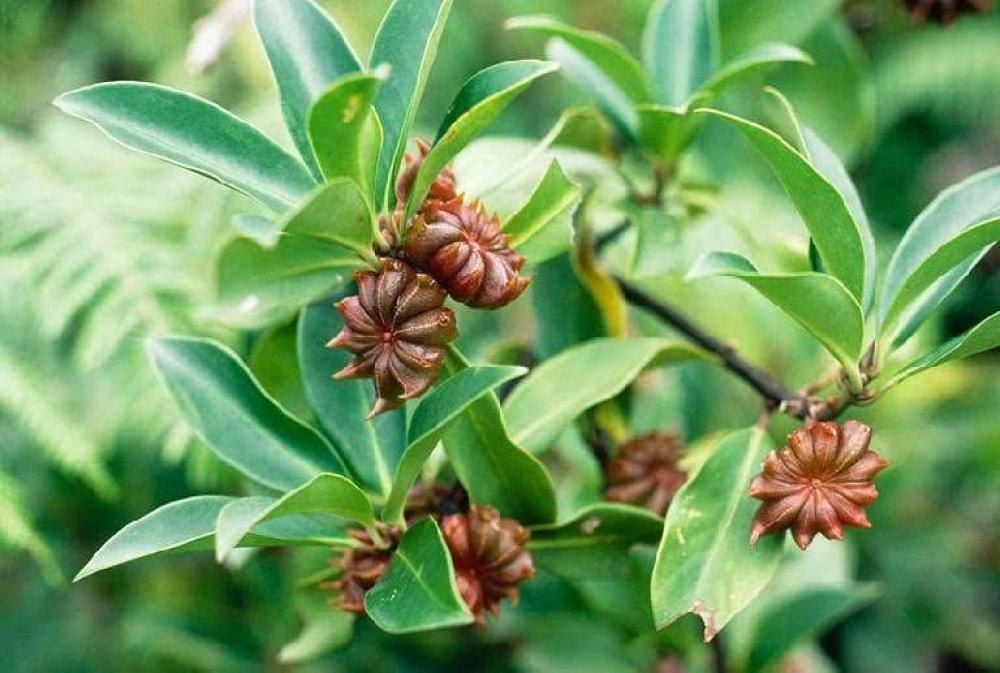
anise
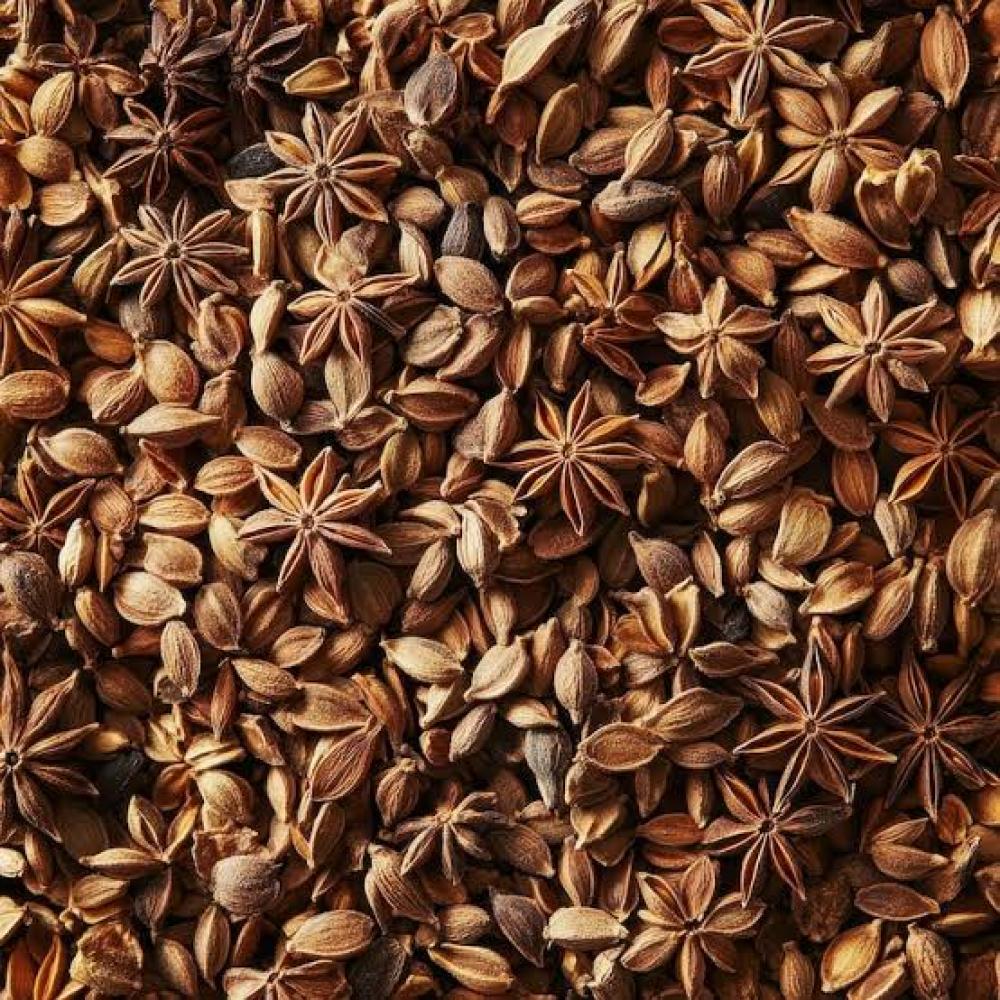
Star anise - Seeds
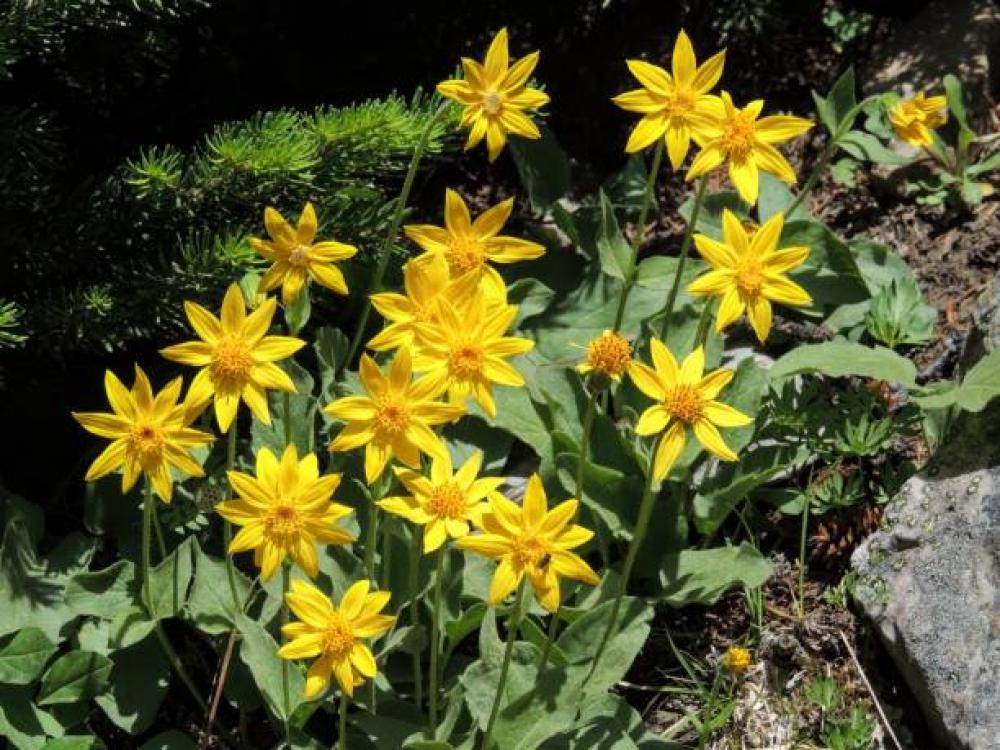
Arnica
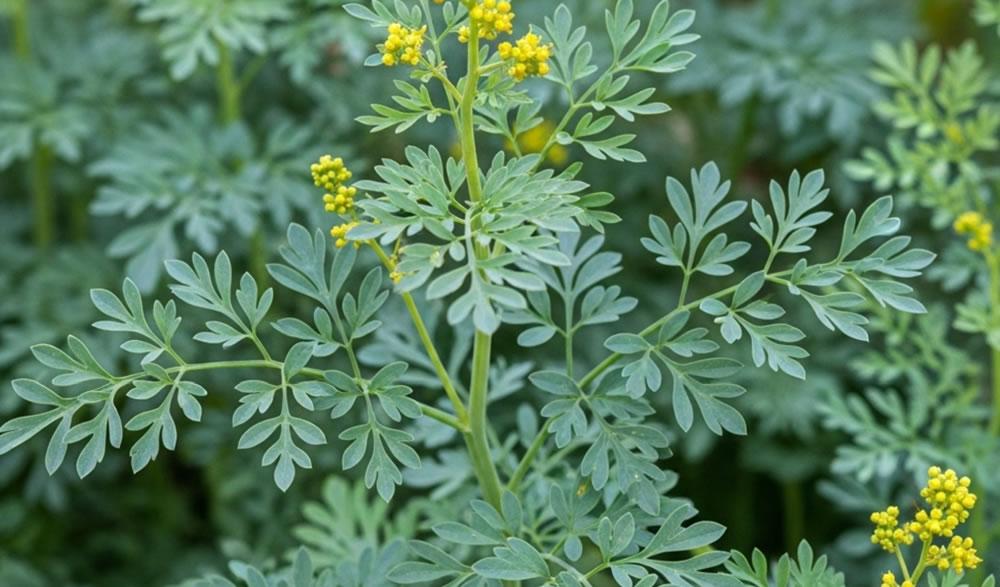
Rue
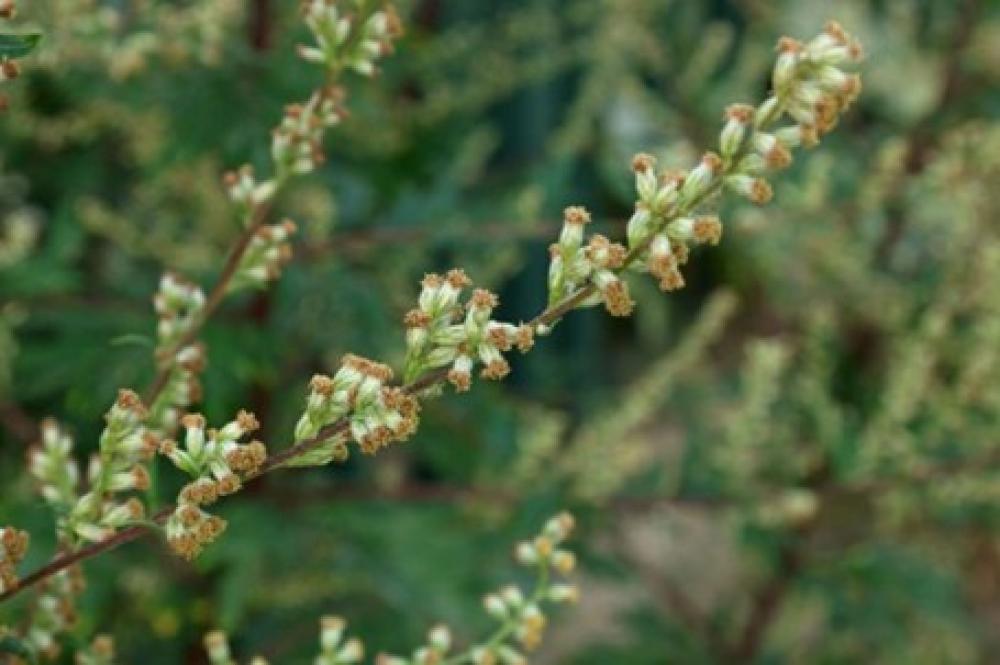
Artemisia
maidenhair fern
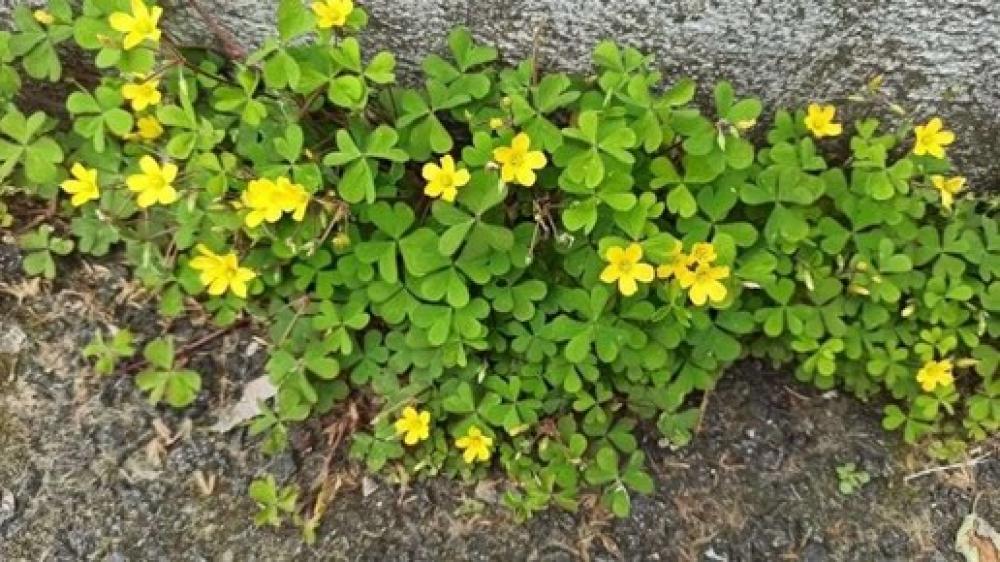
sourish
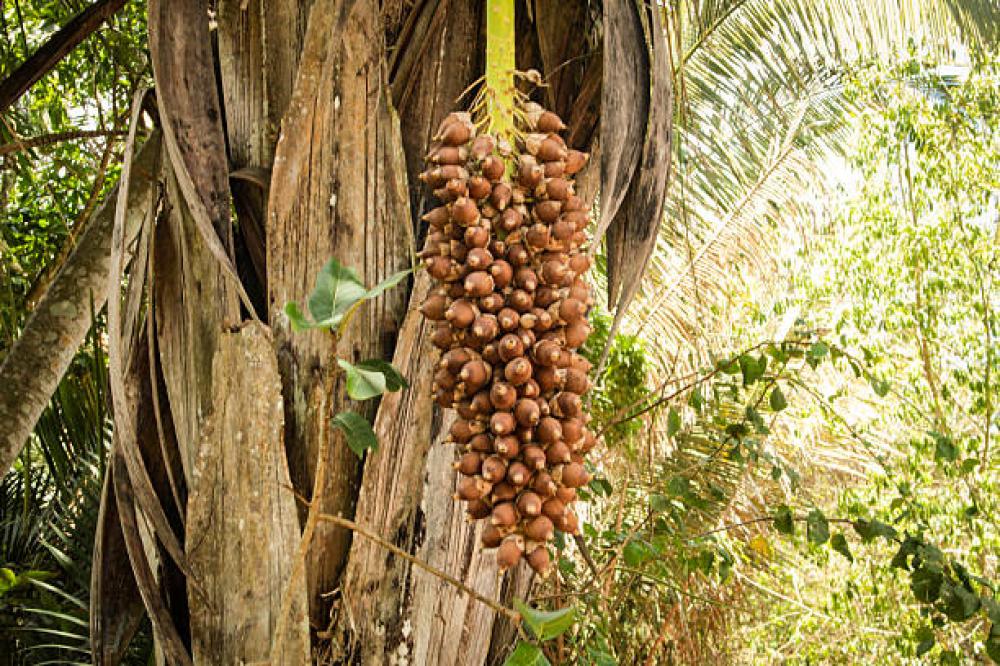
babassu
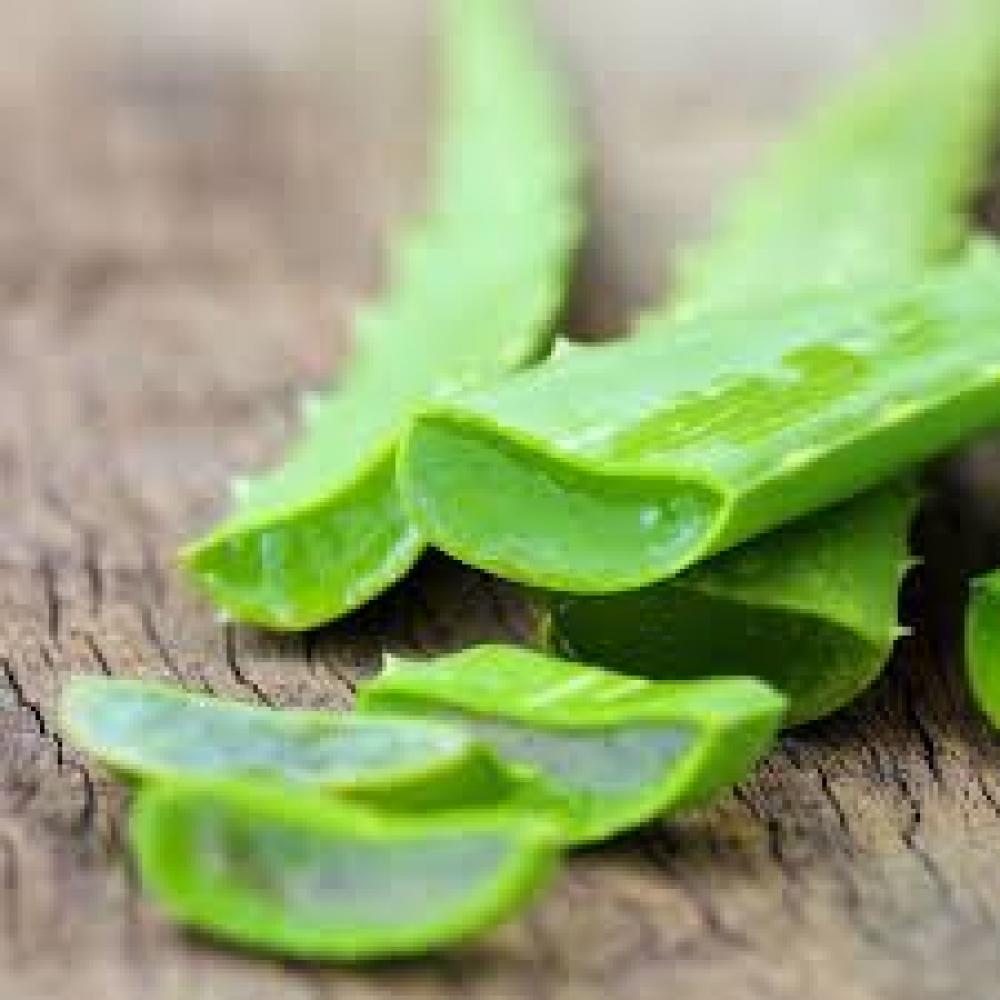
aloe vera
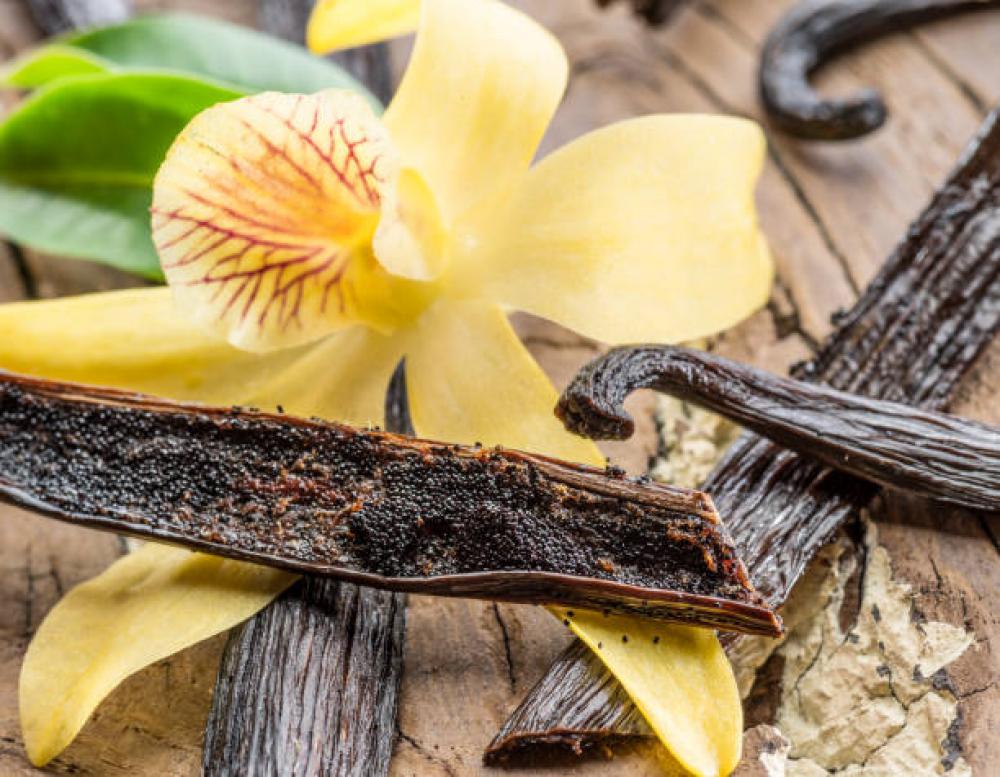
vanilla
Bergamot
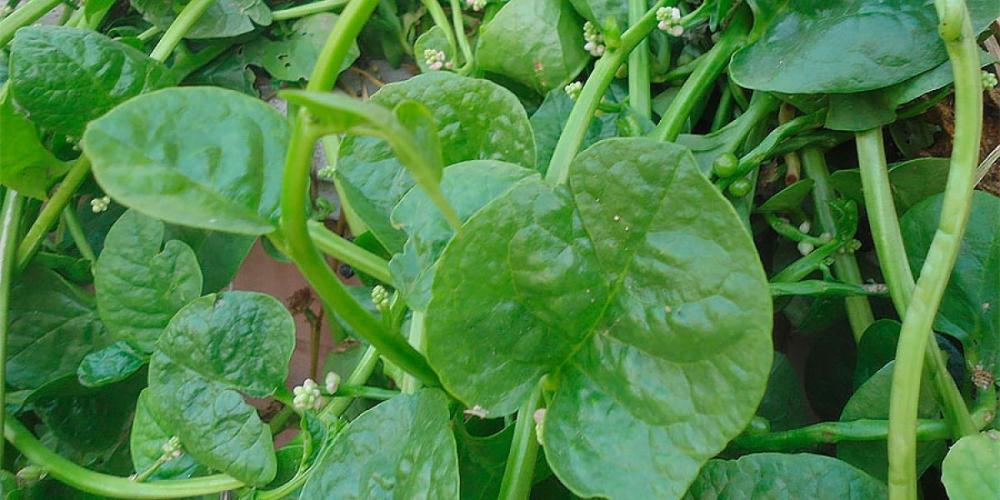
Malabar spinach
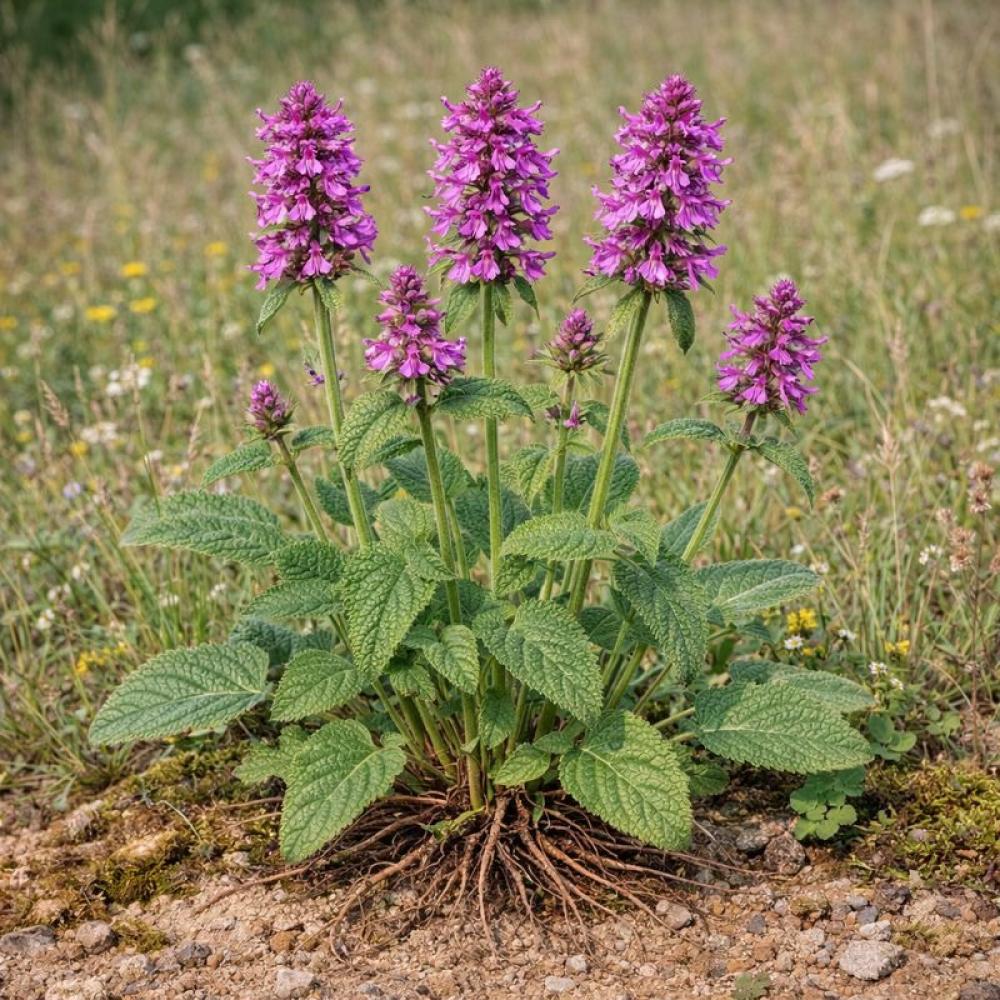
betony
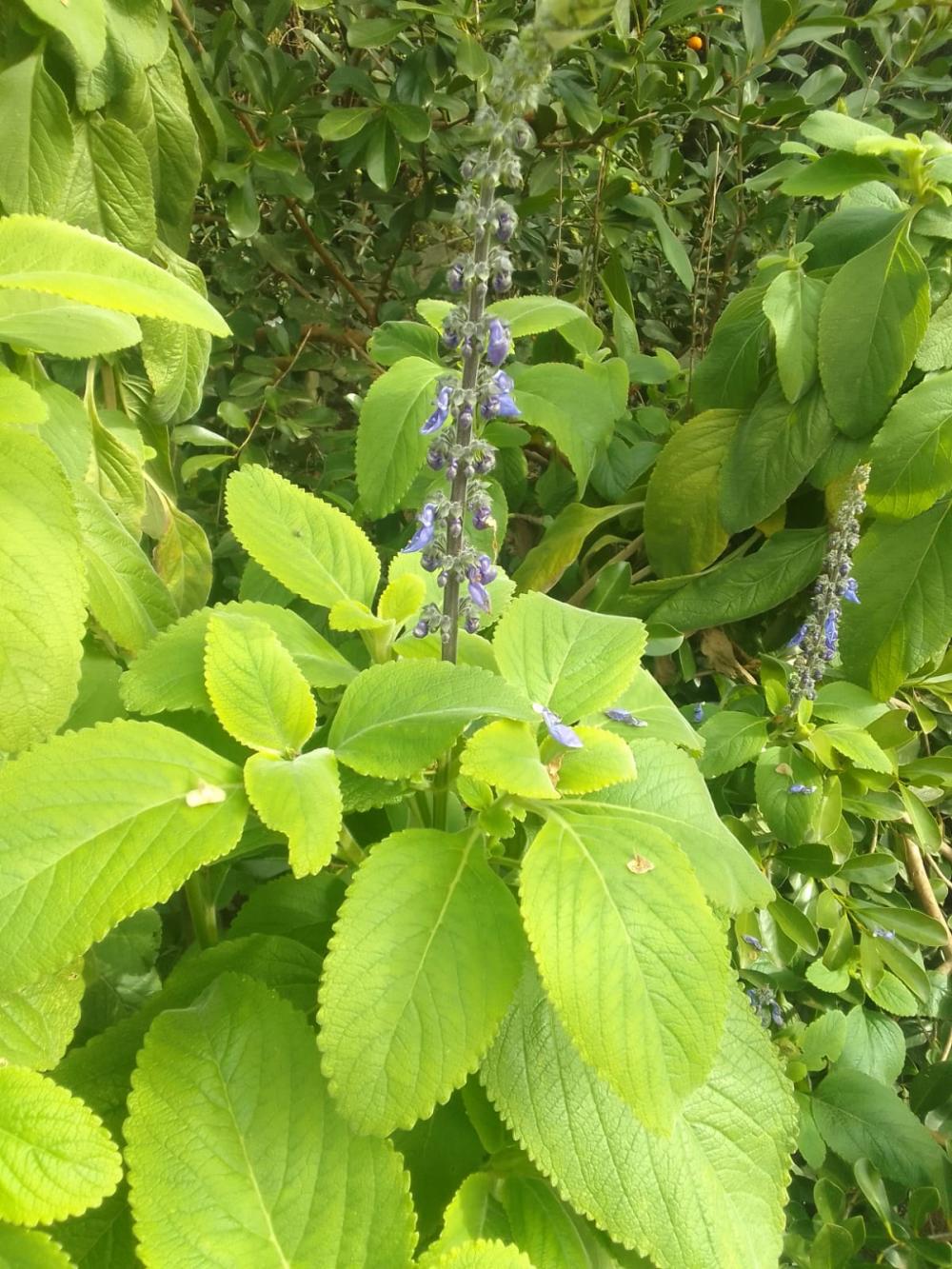
Boldo
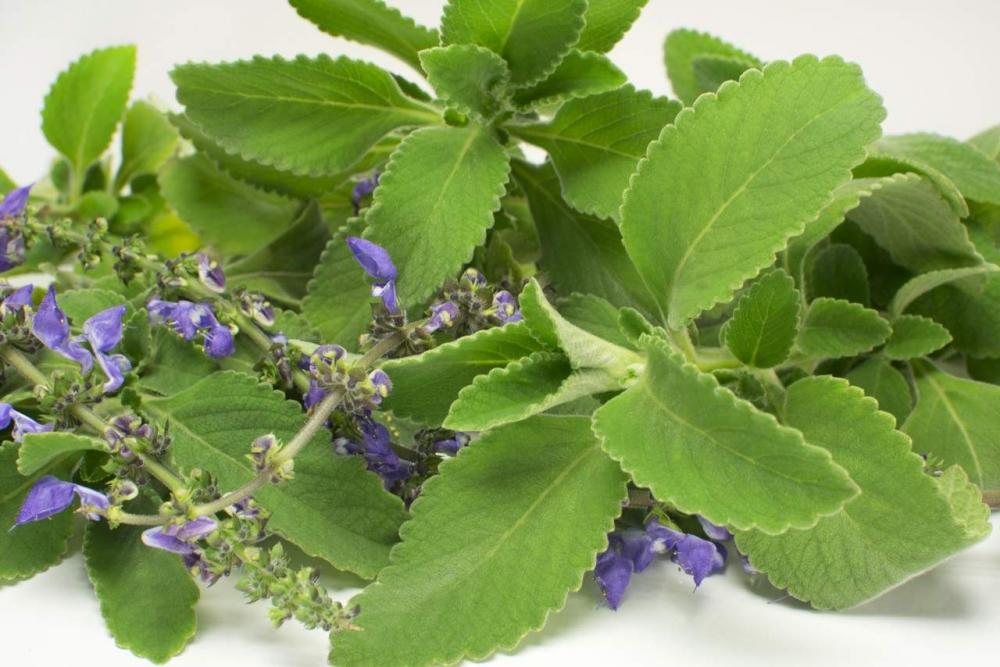
Chilean boldo
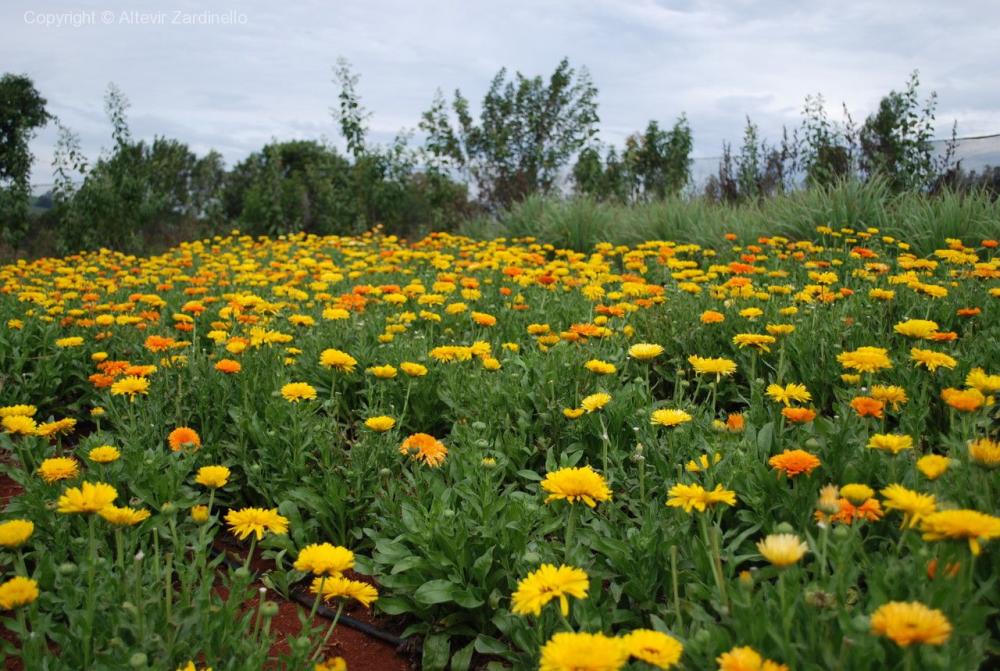
Calêndula
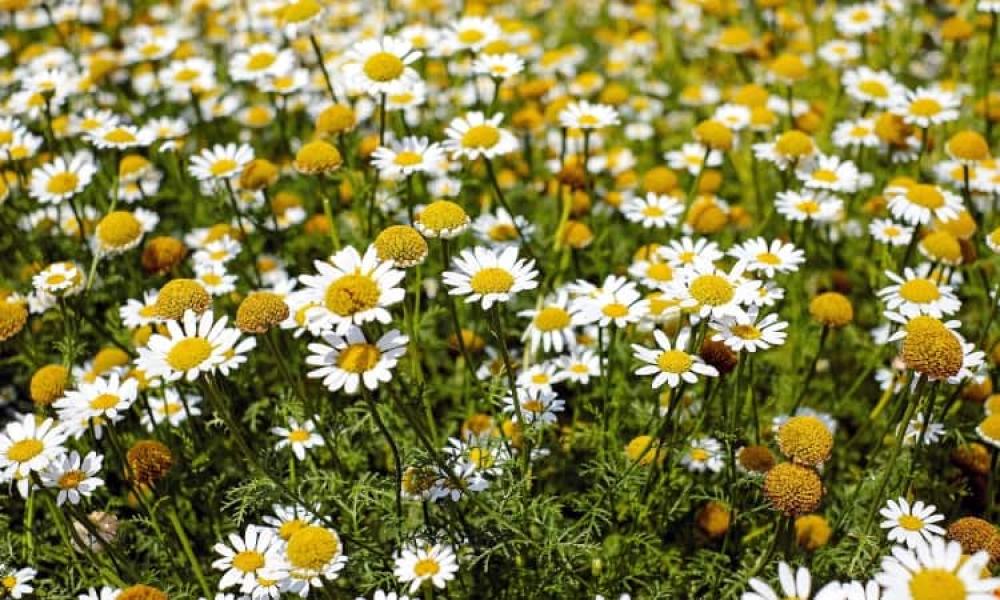
Chamomile
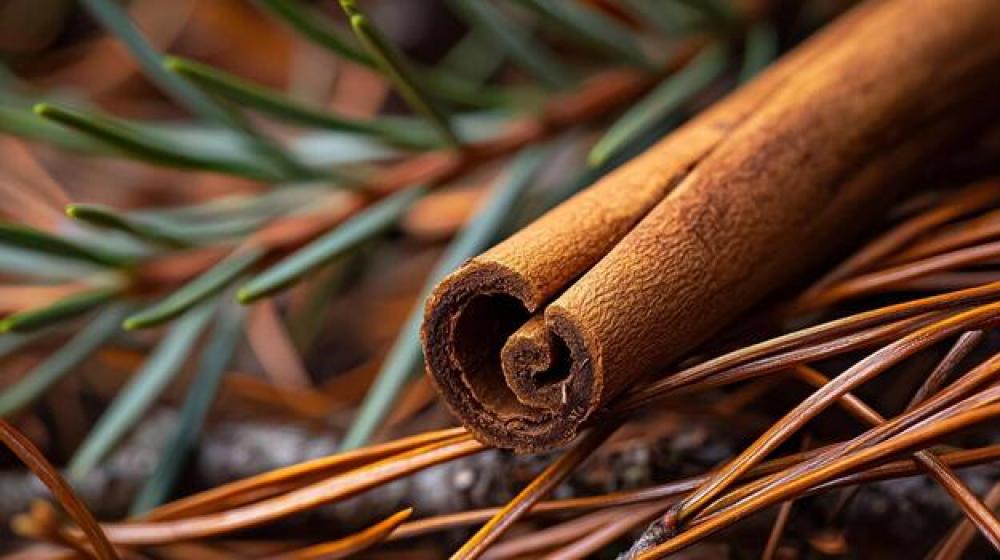
cinnamon
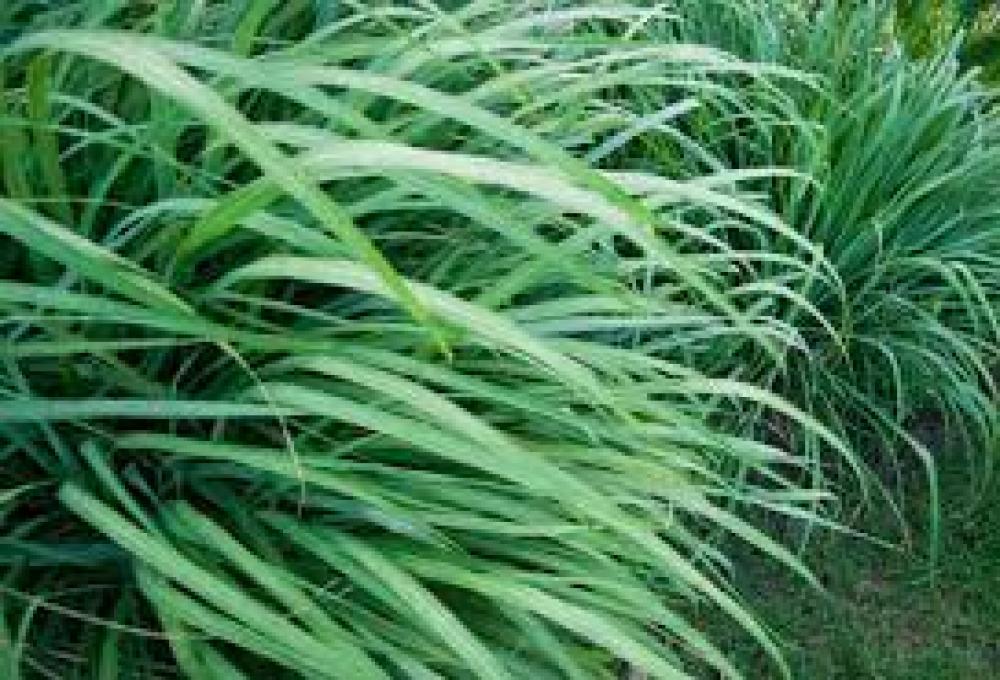
Scented Grass - Lemongrass
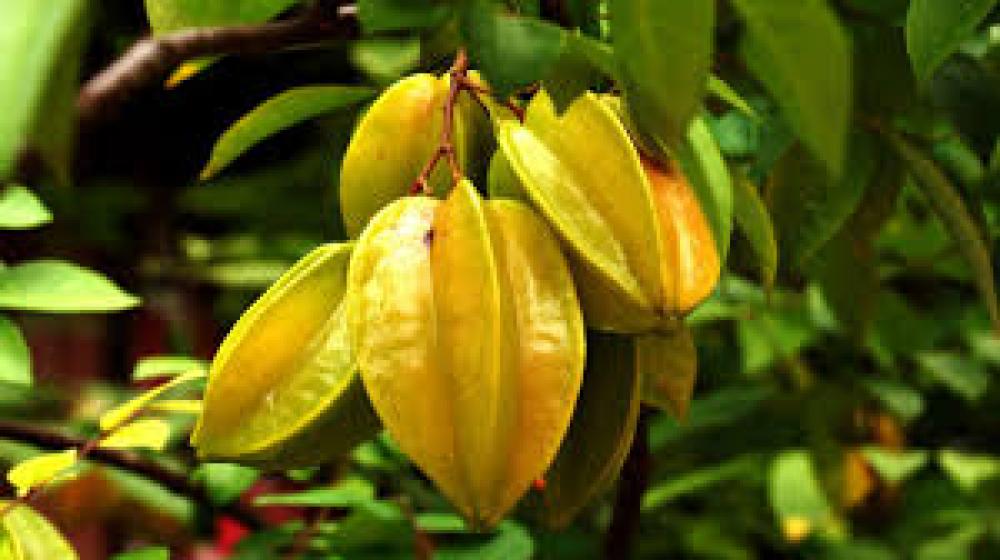
starfruit
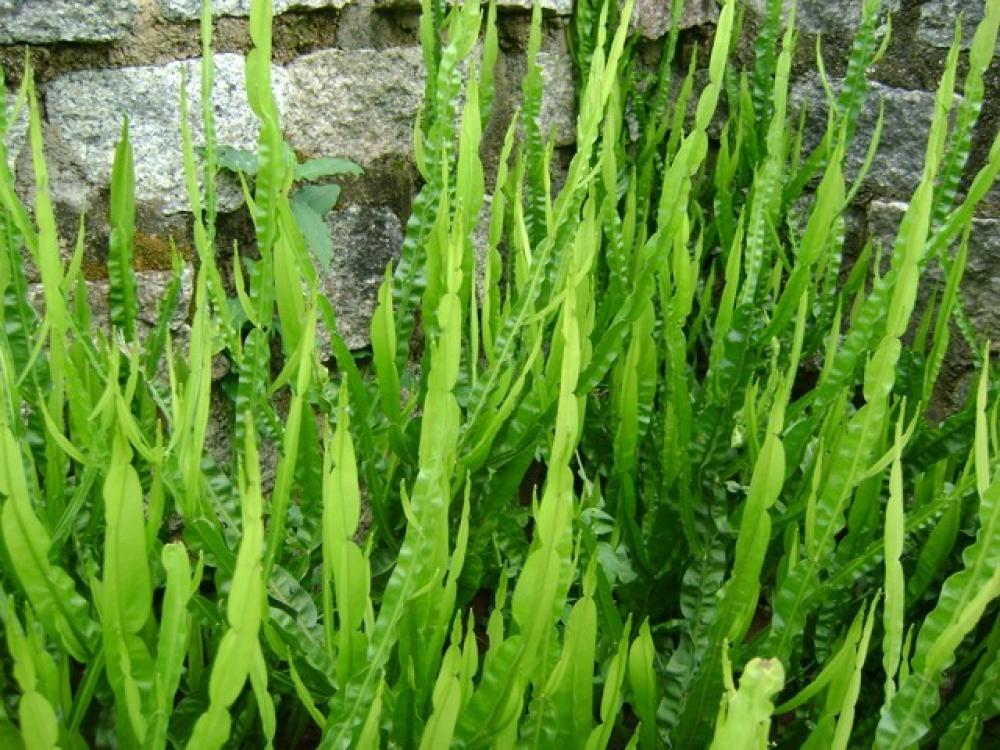
Carqueja
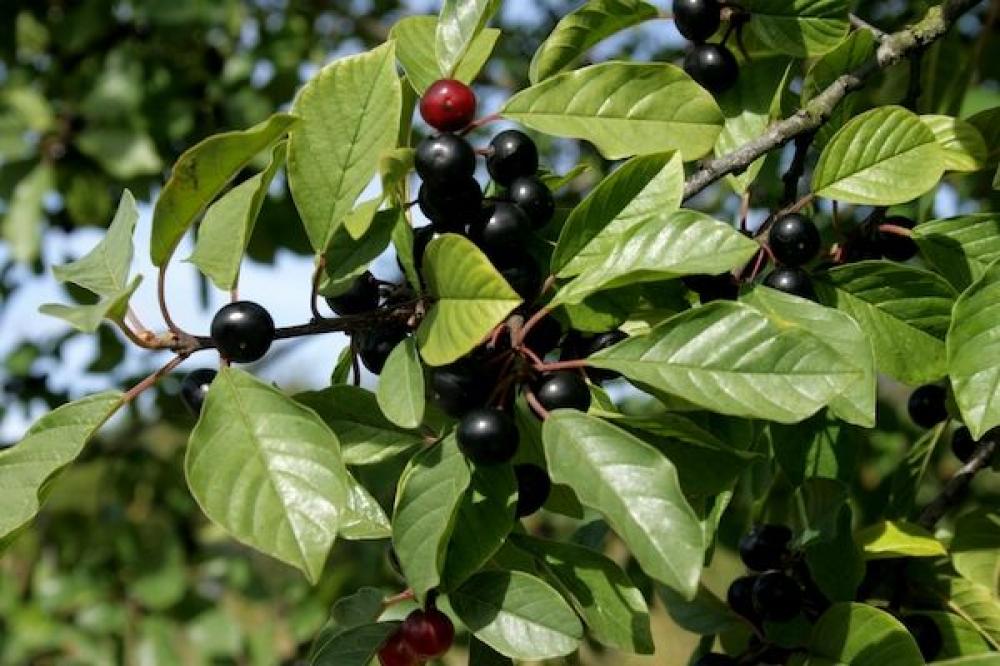
sacred waterfall
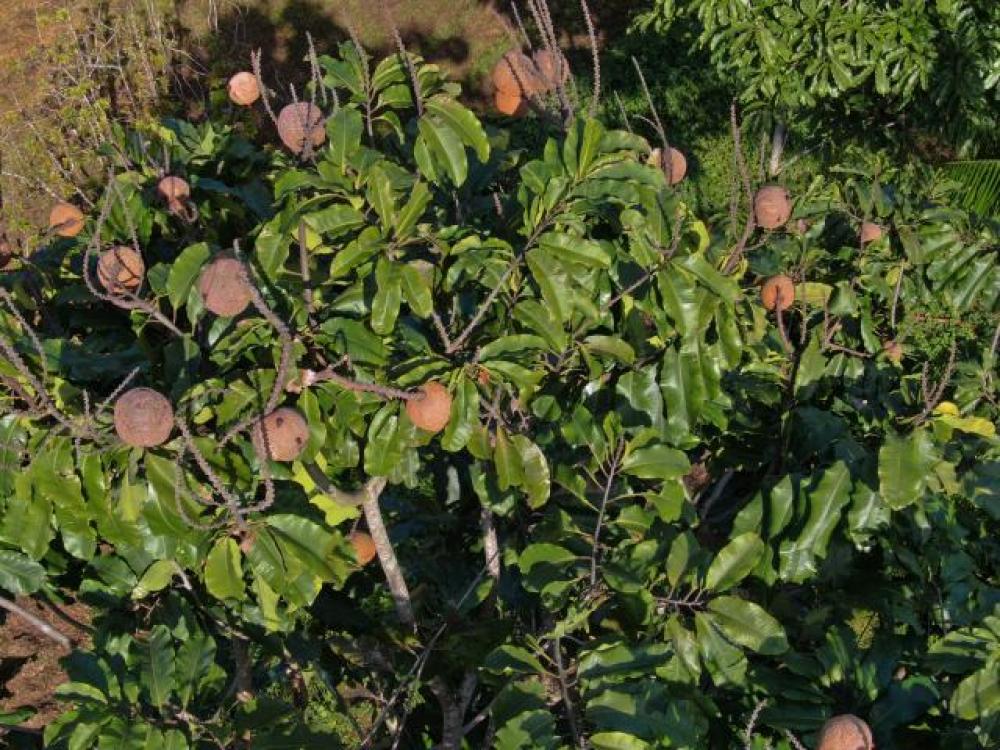
chestnut tree
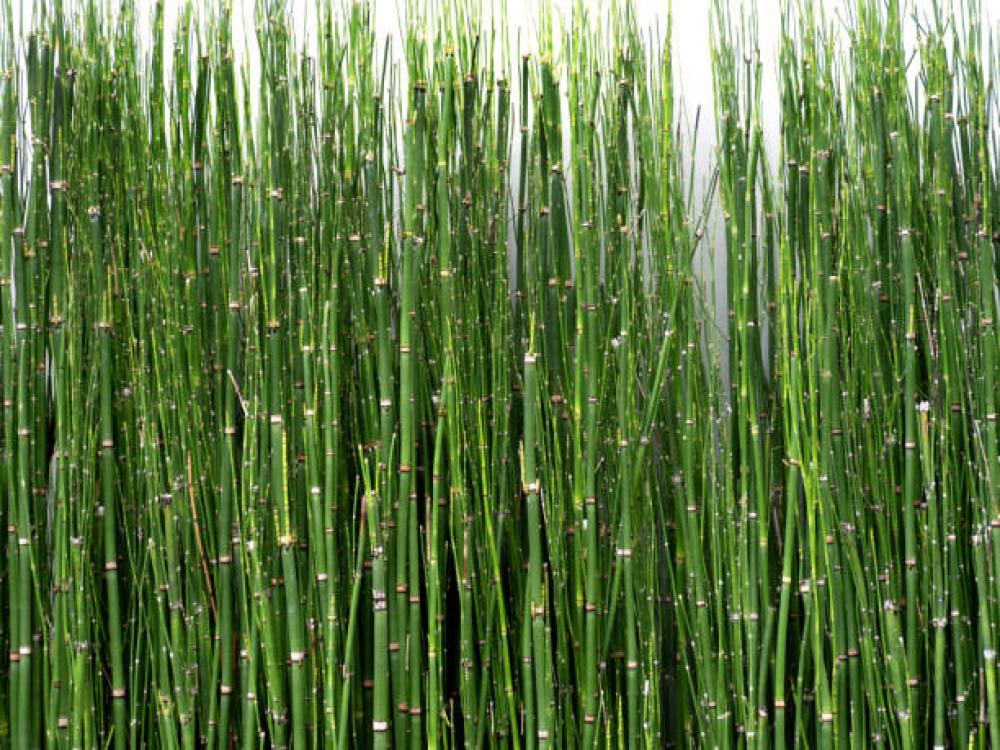
horsetail
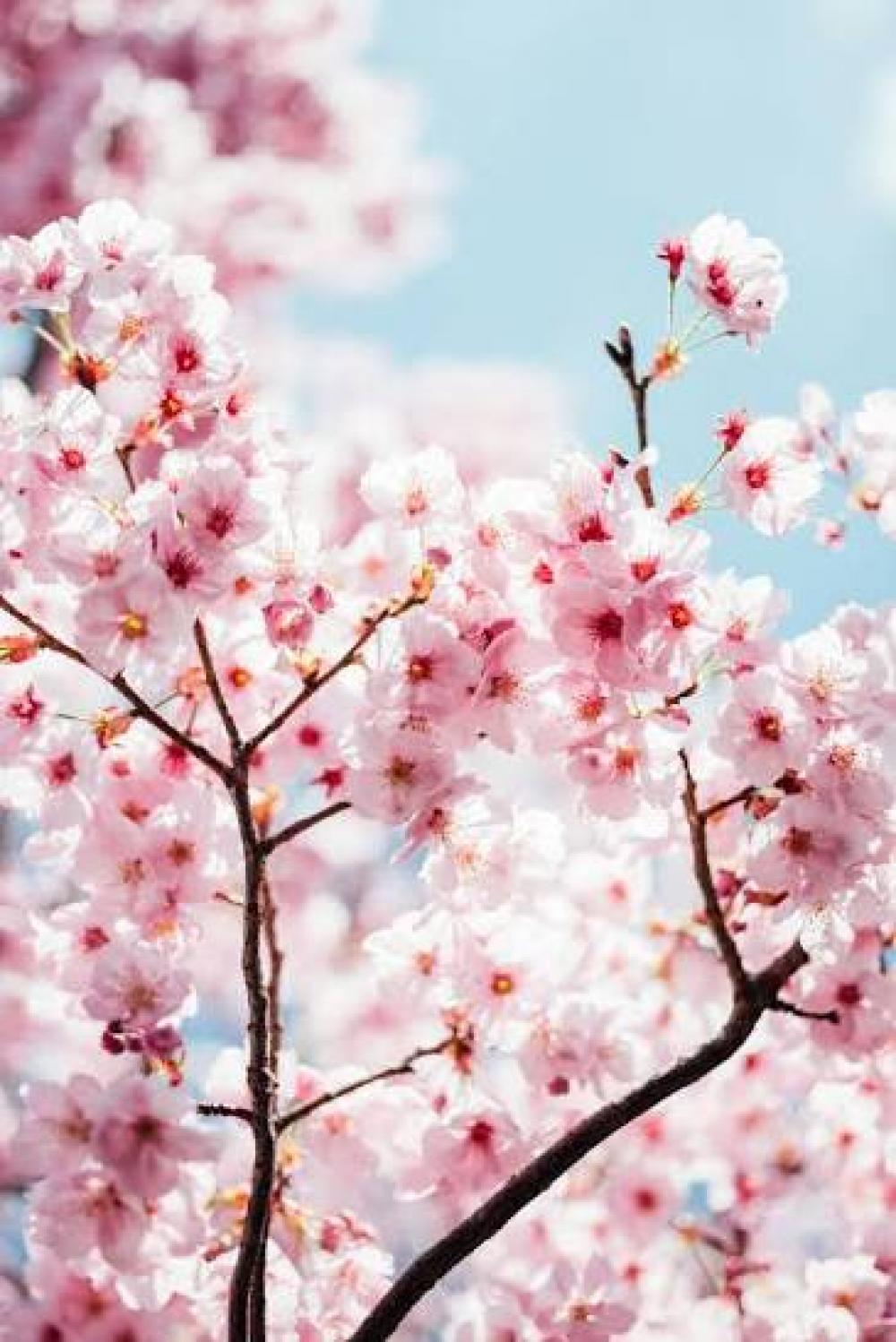
cherry
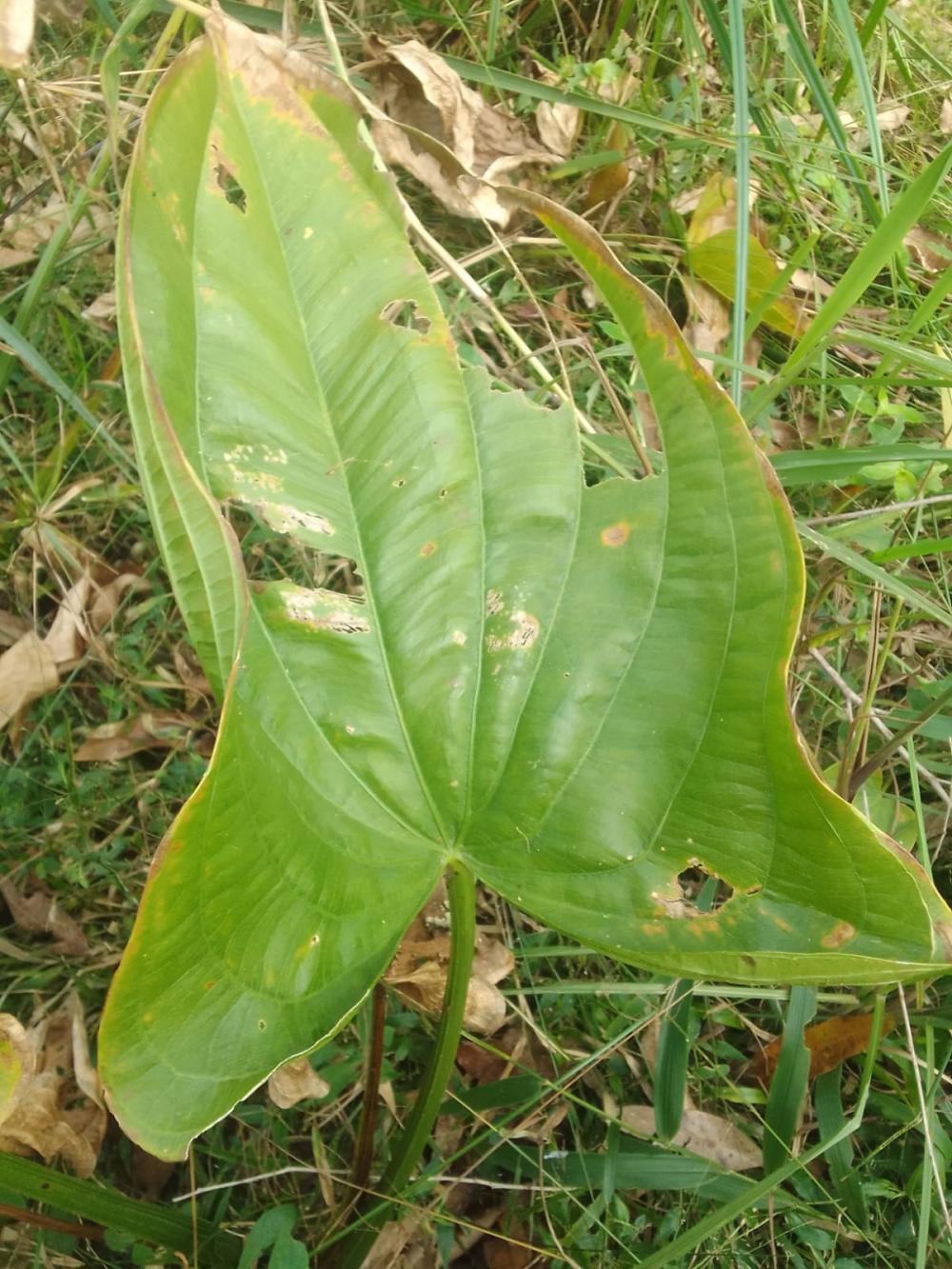
Leather Hat
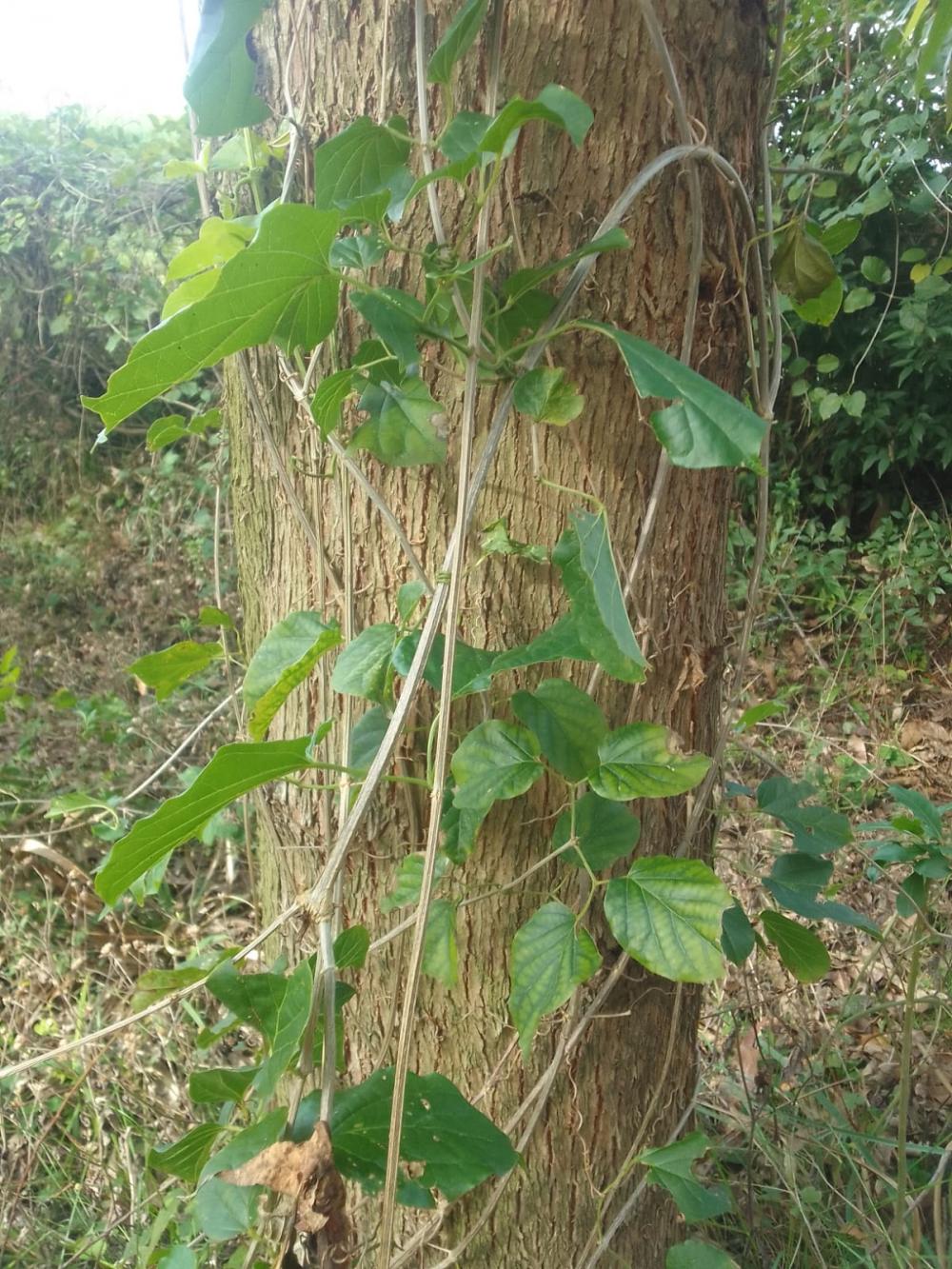
St. Johns Vine
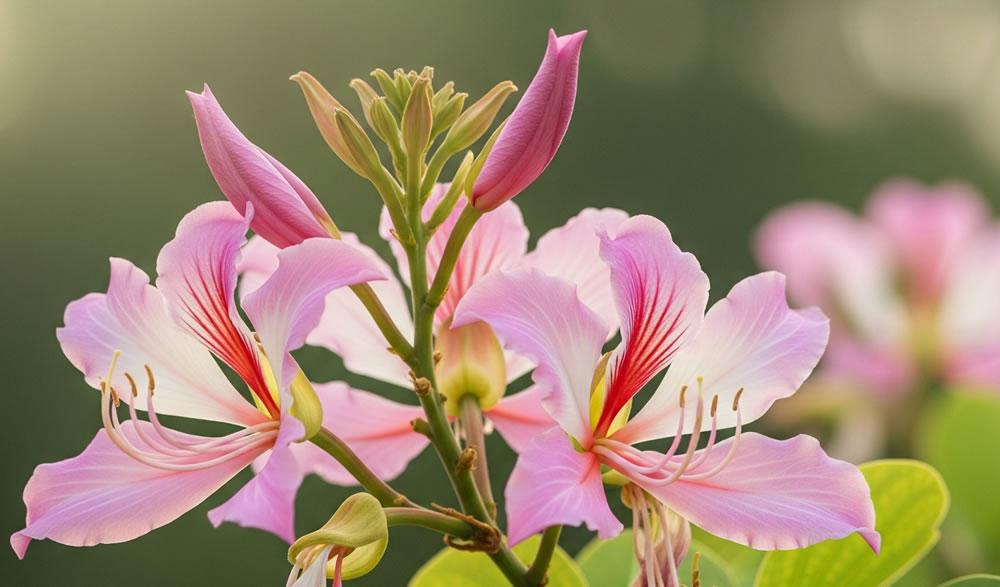
Cows foot vine
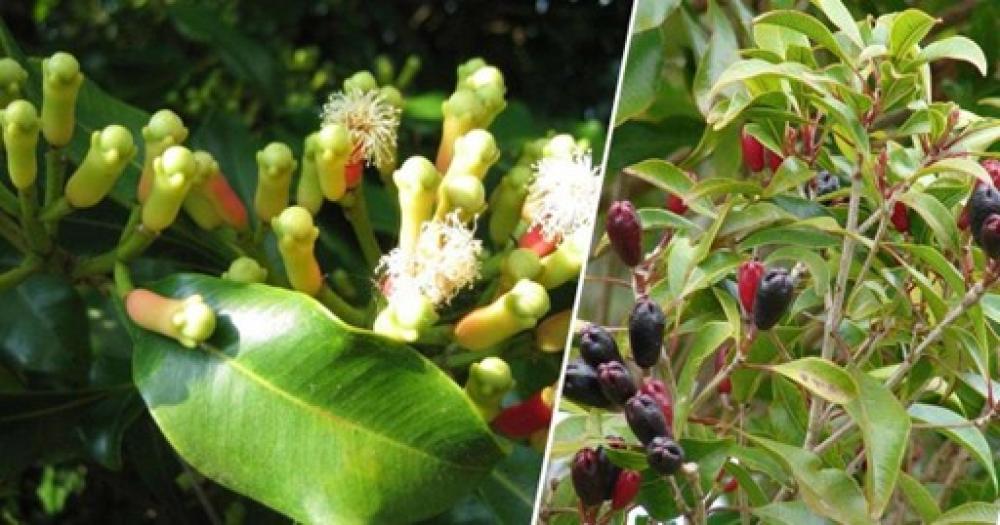
clove
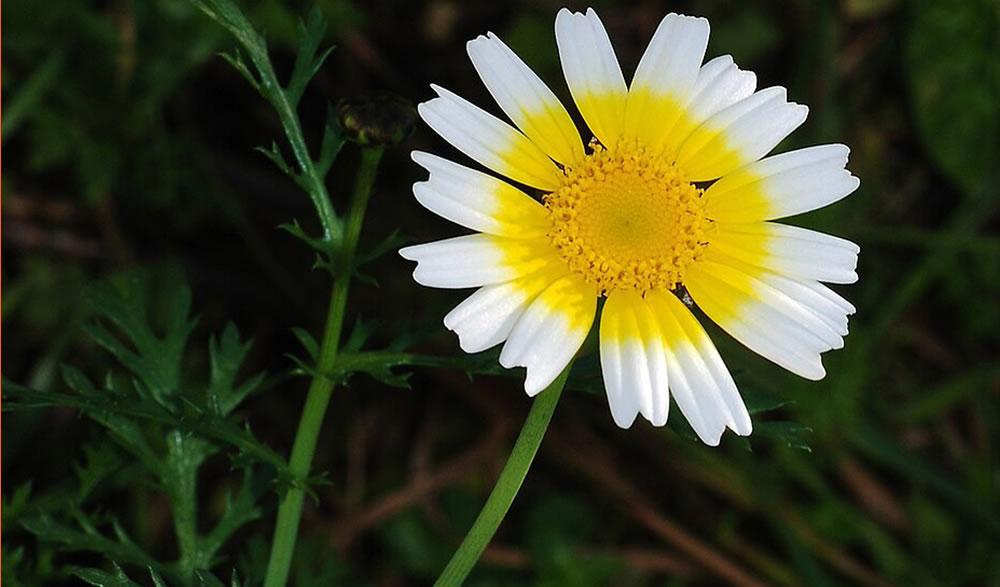
Chrysanthemum
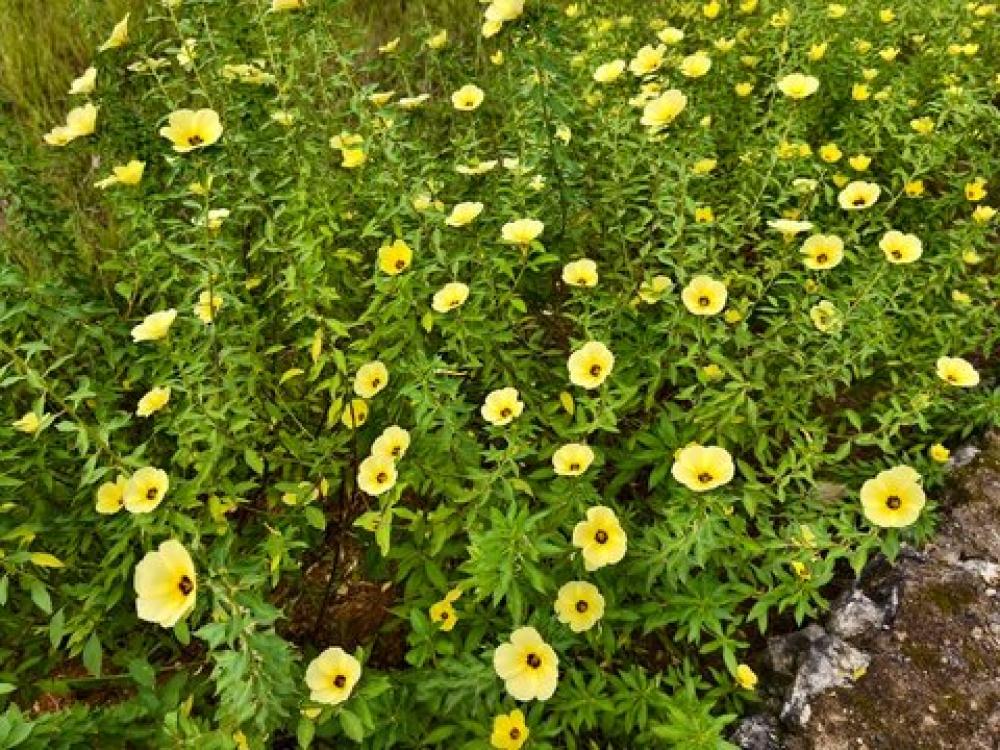
Damiana
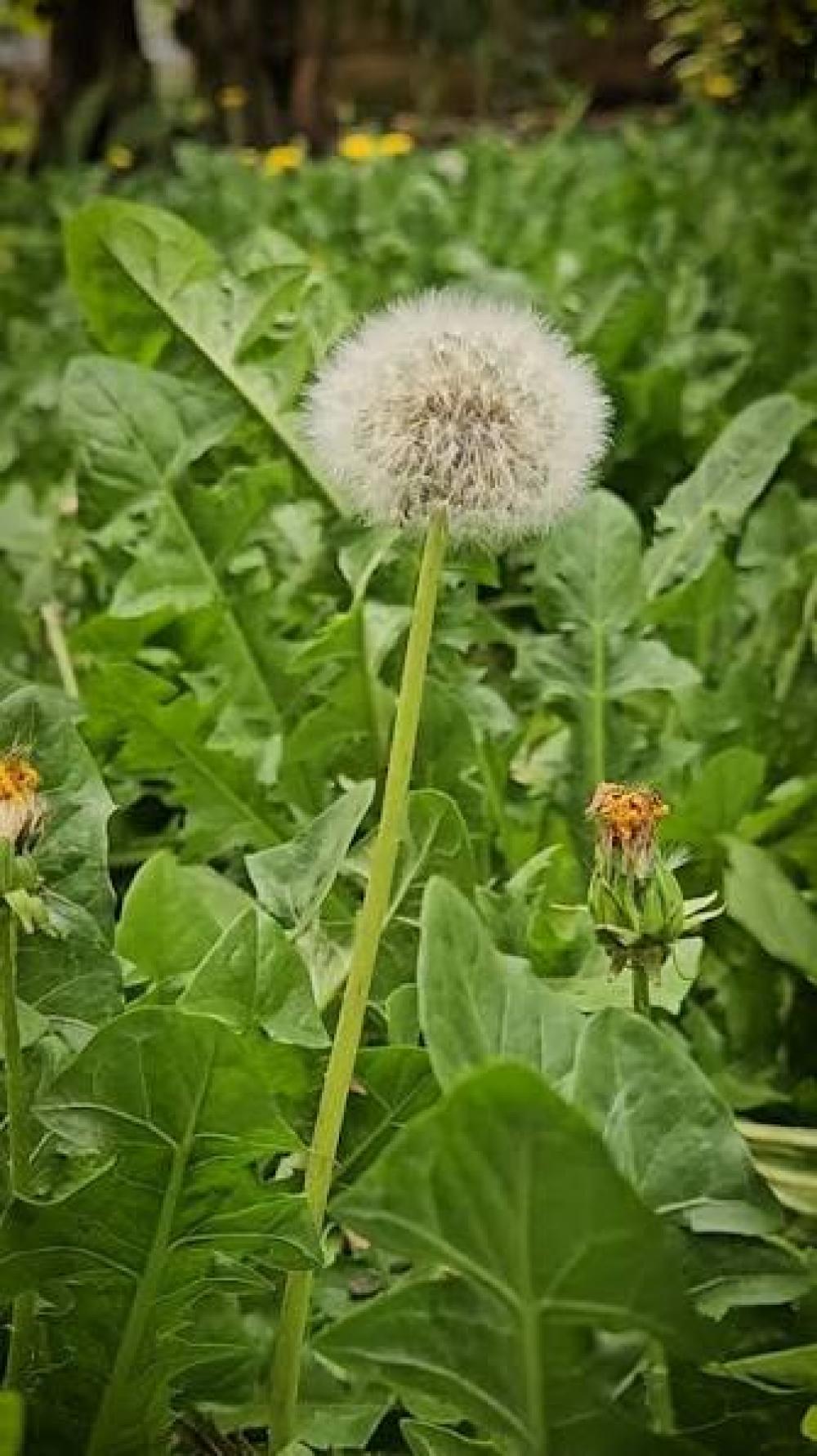
dandelion
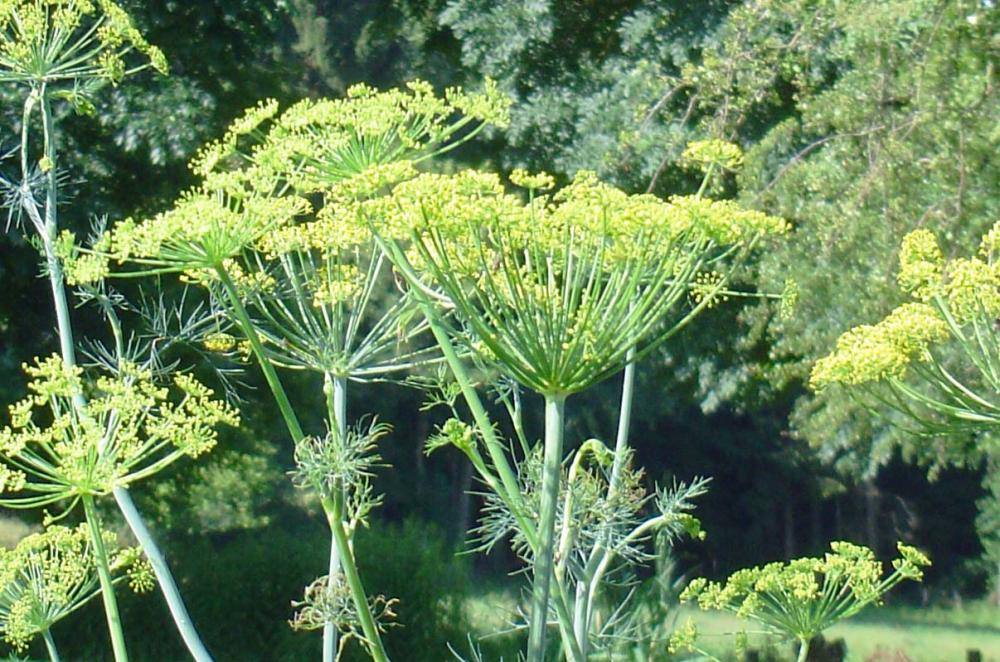
dill
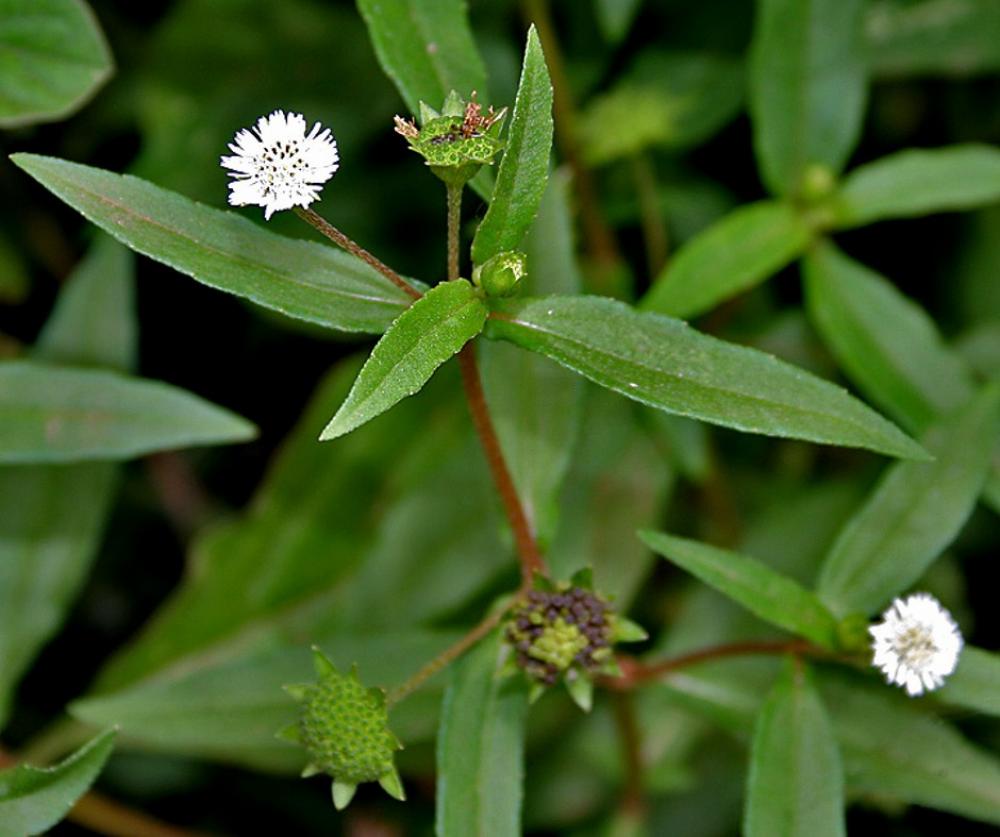
Button Herb
buggy grass
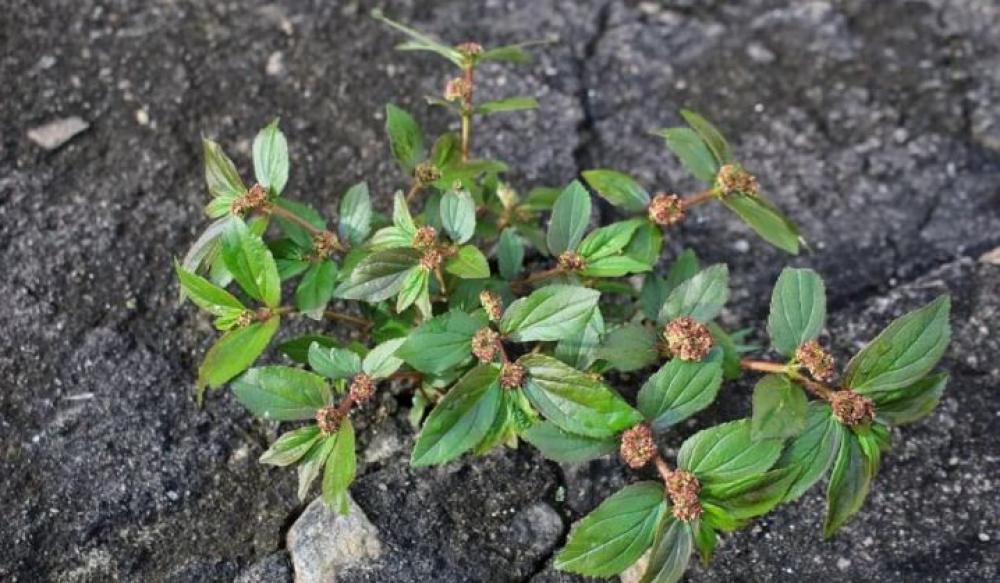
St. Lucias herb
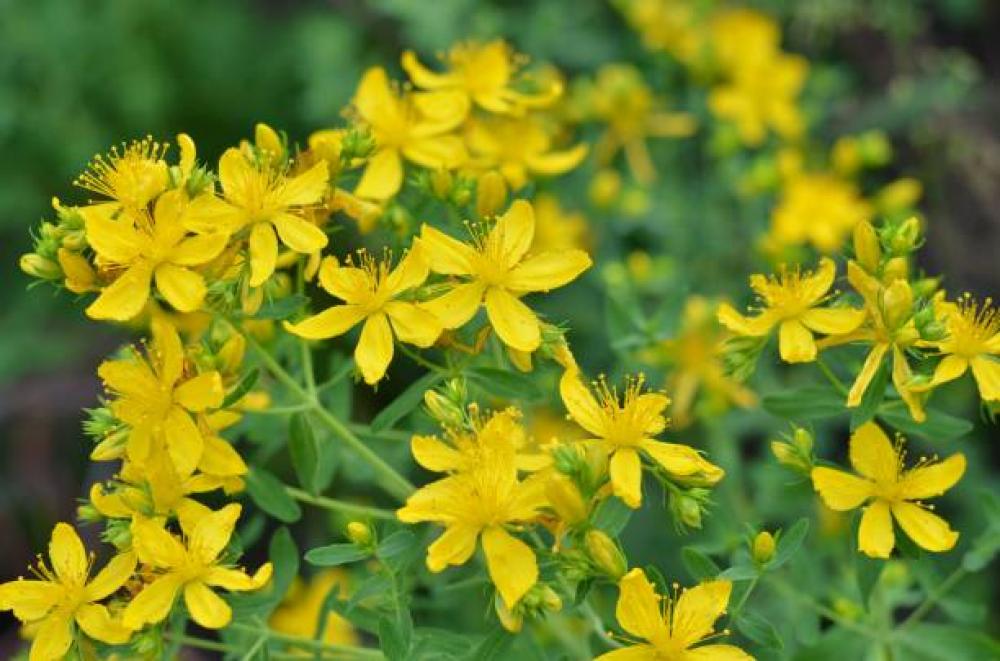
St. Johns wort
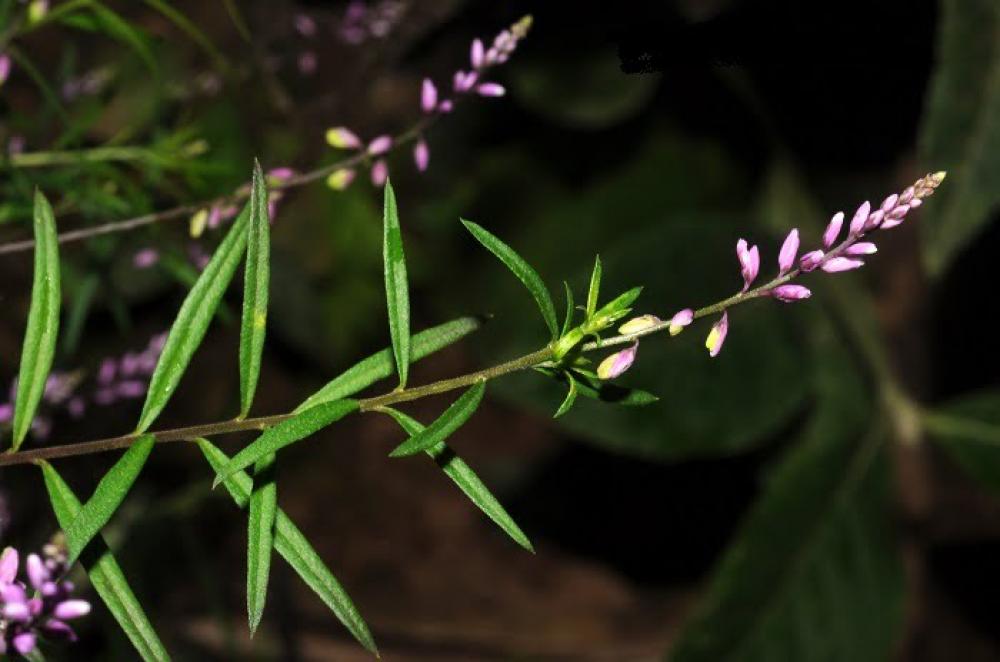
St. Peters wort
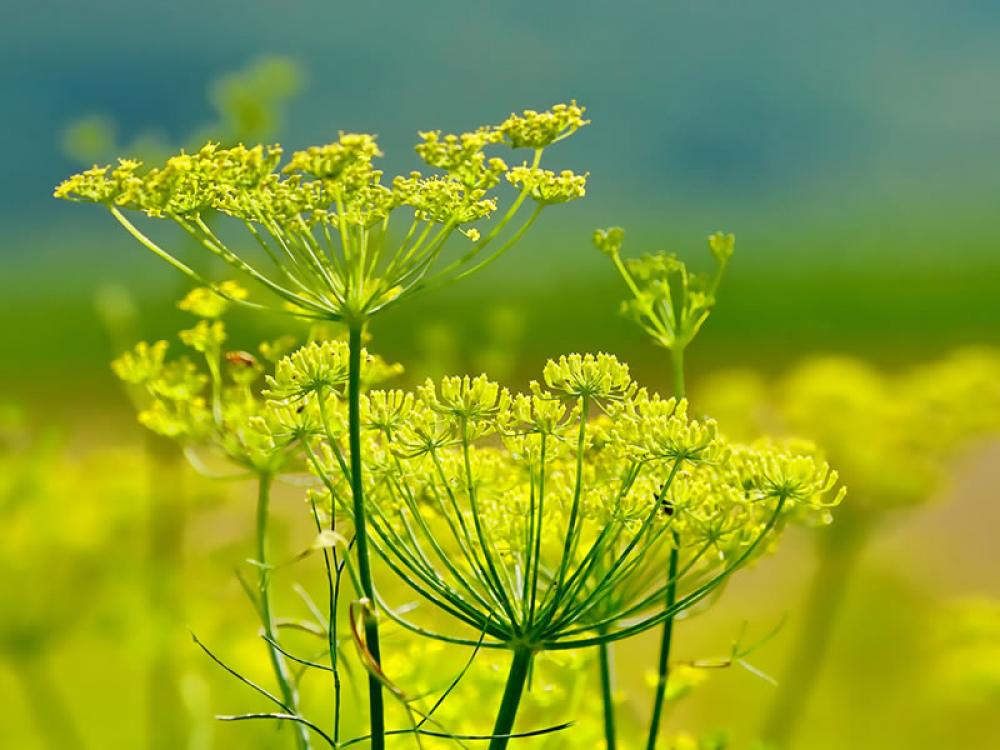
anise
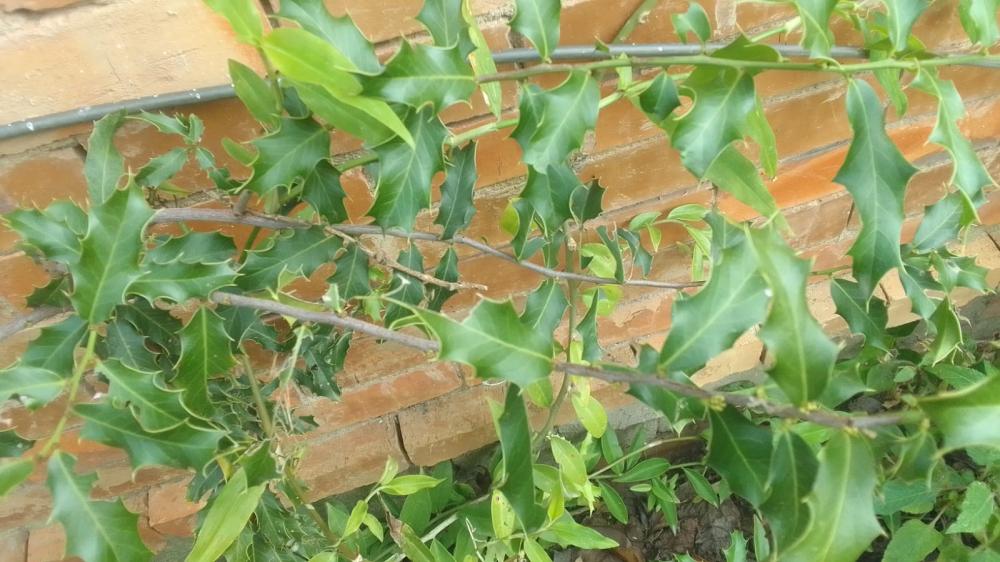
Espinheira - Santa
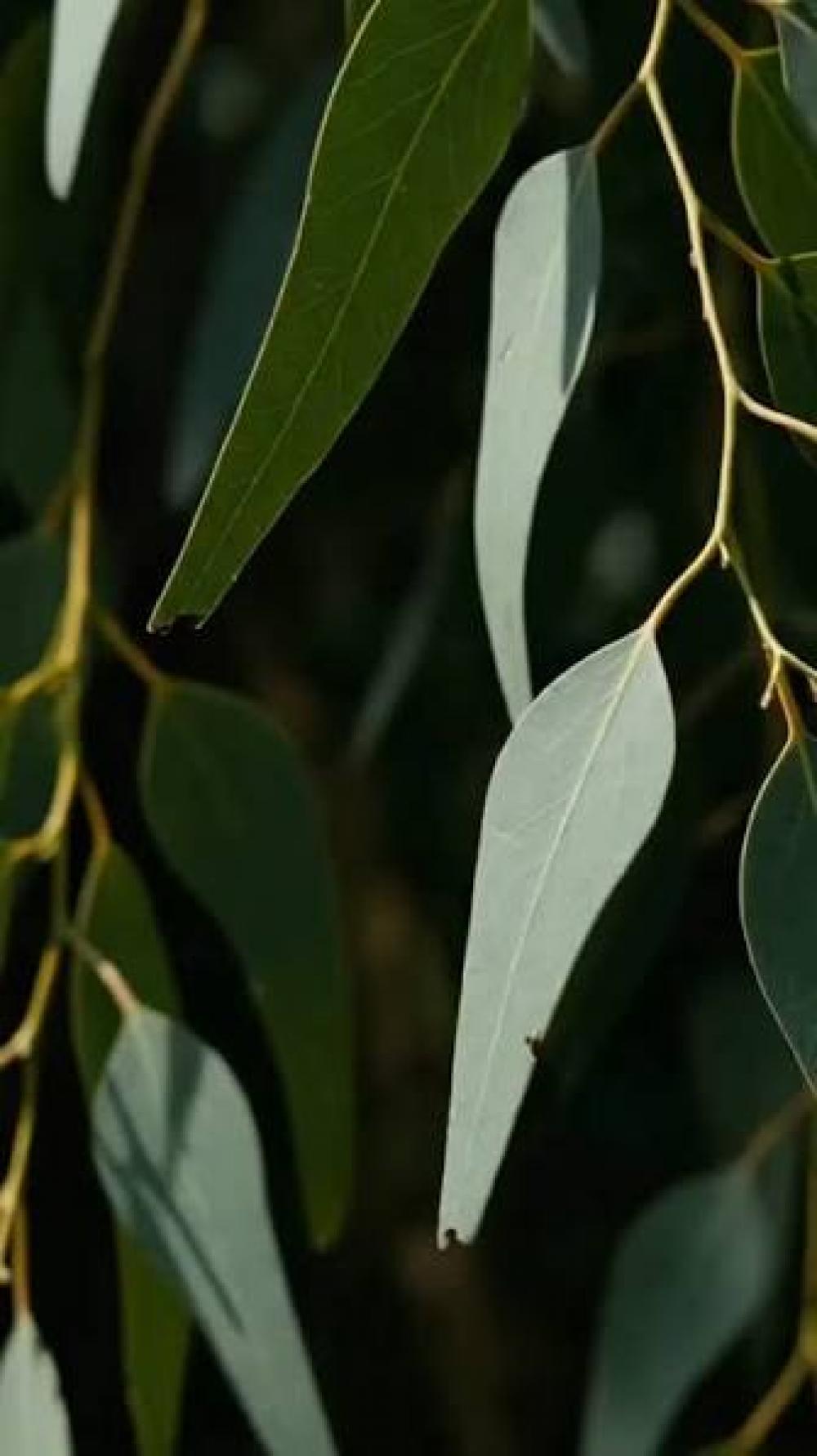
eucalyptus
Fava
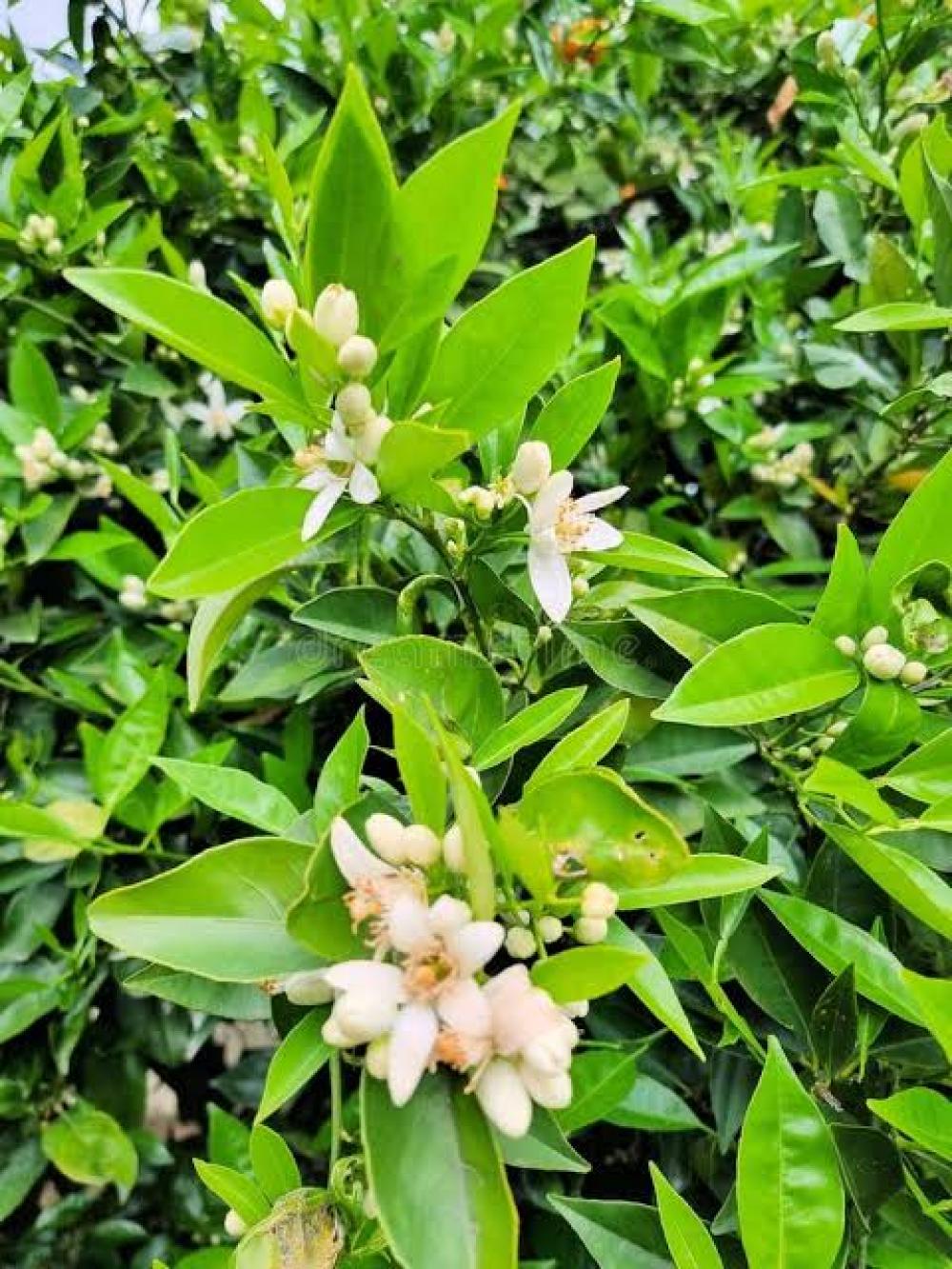
Orange Blossom
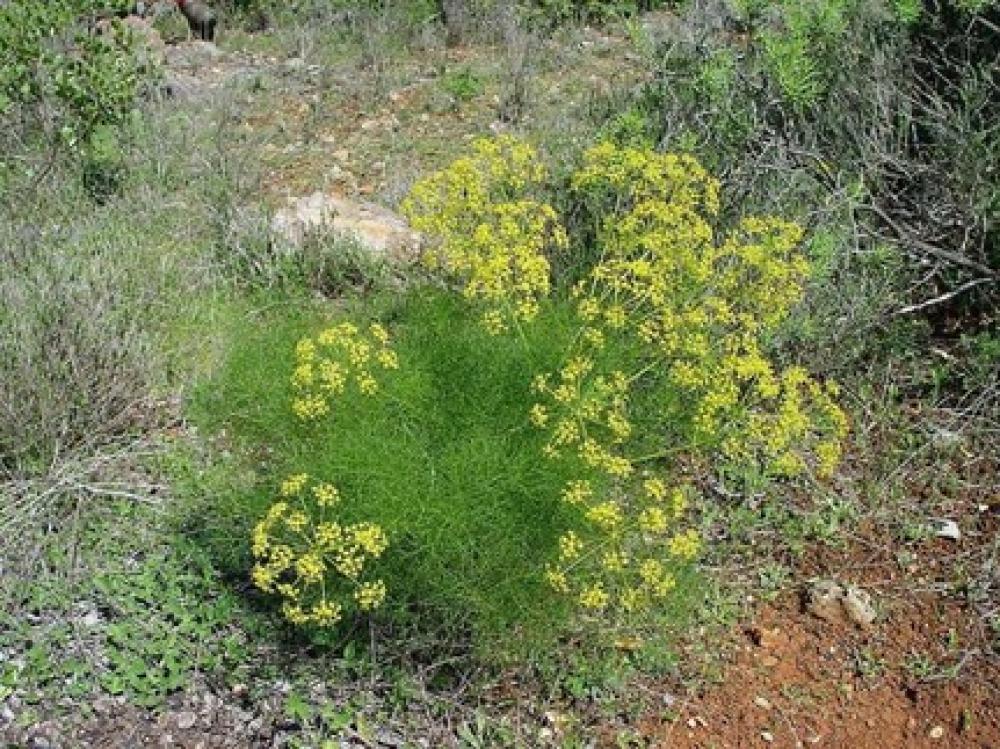
fennel
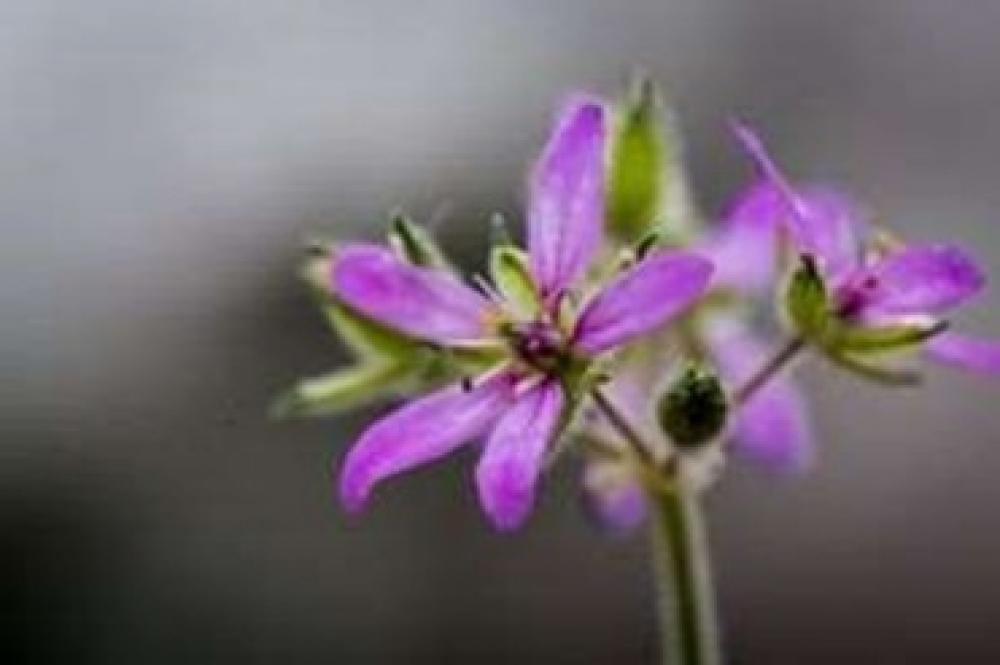
Scented Geranium
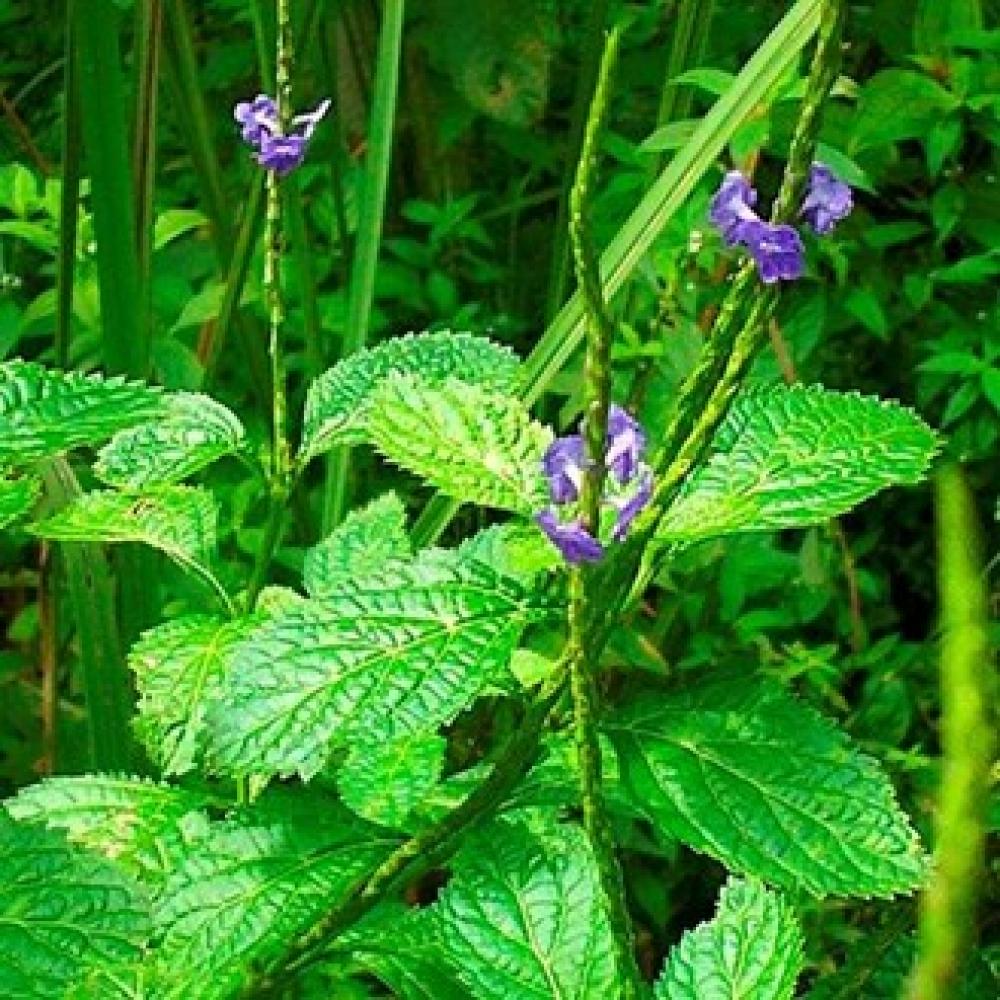
Gervão
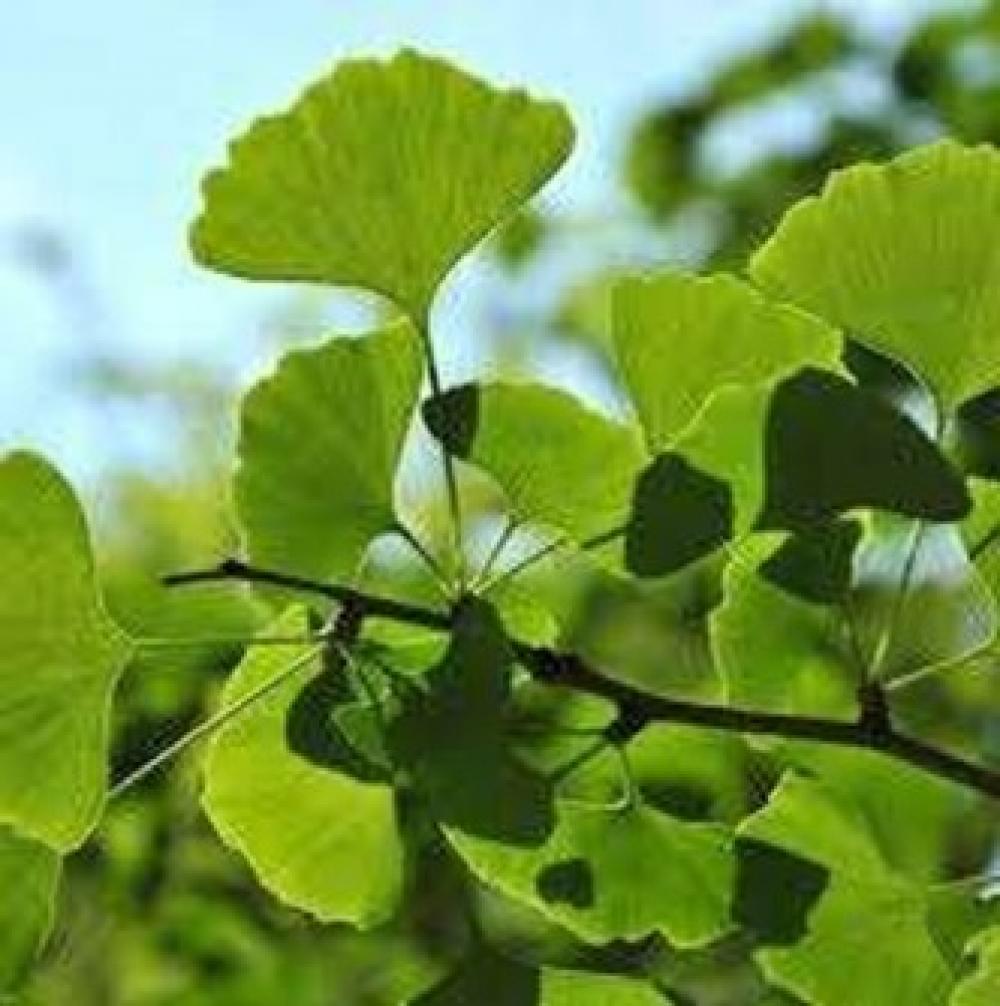
Ginkgo Biloba
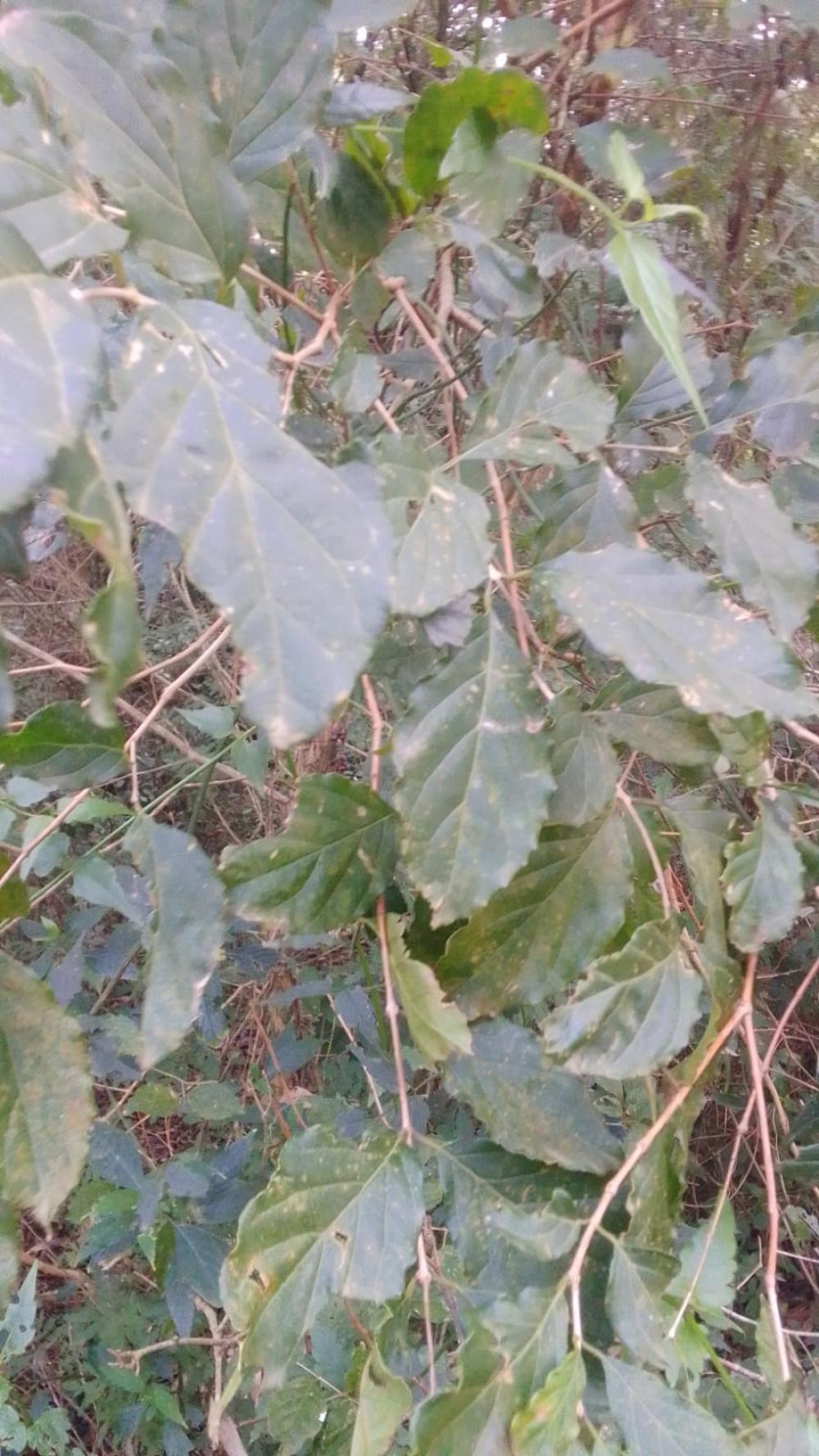
Guabiroba
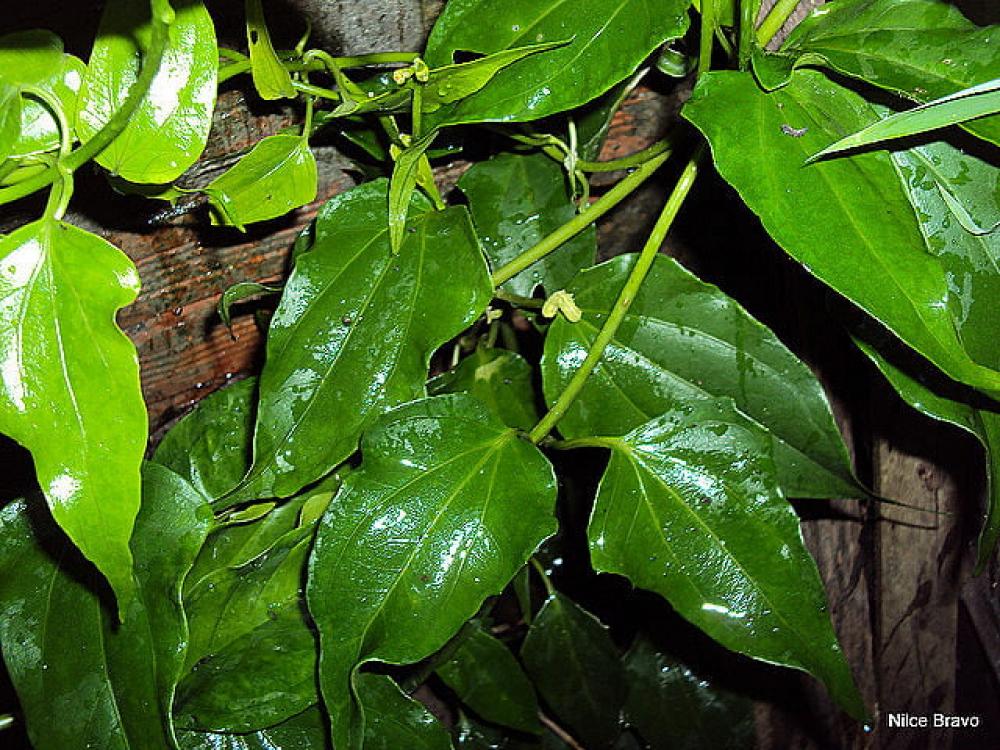
Guaco
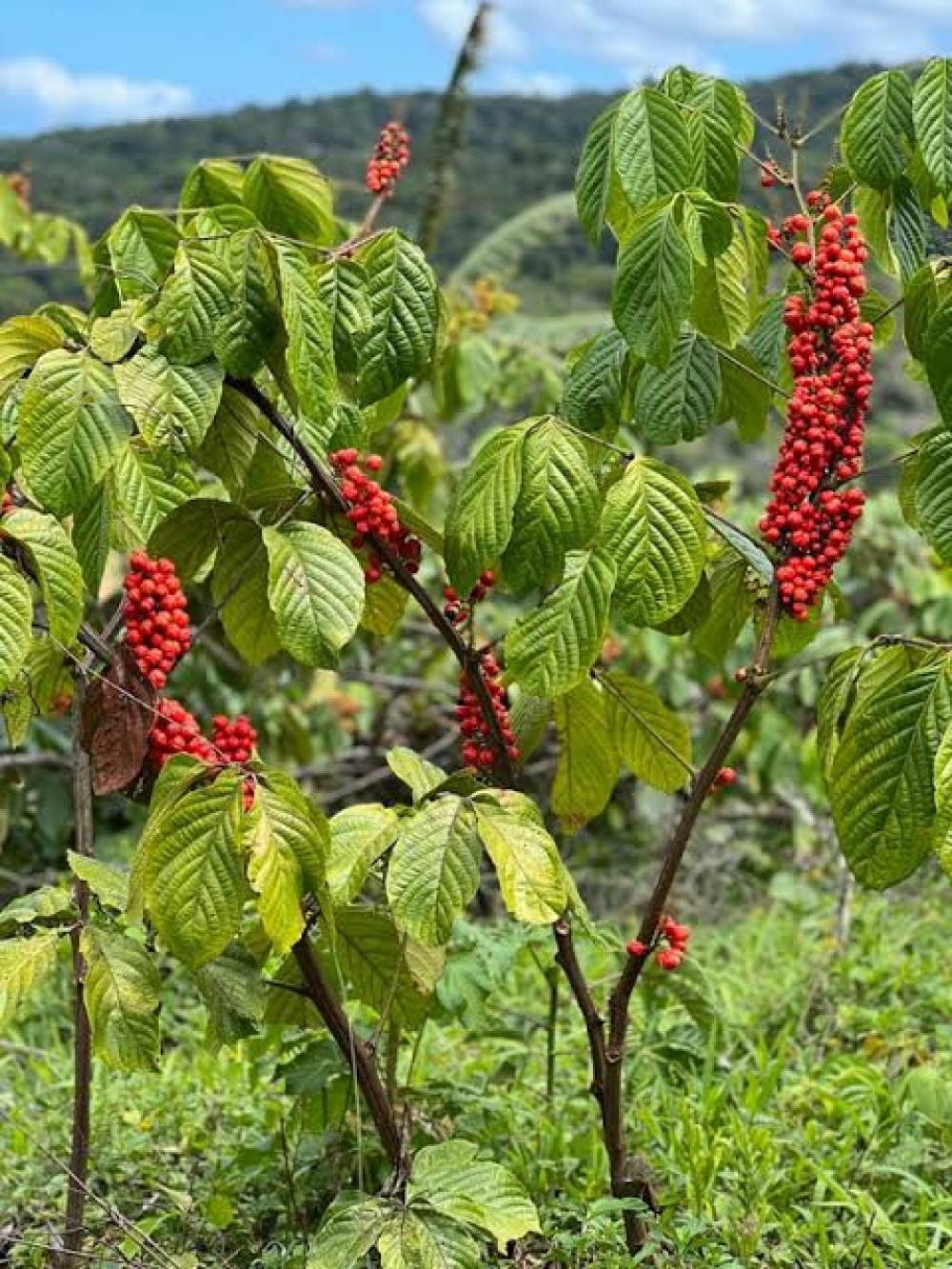
Guarana
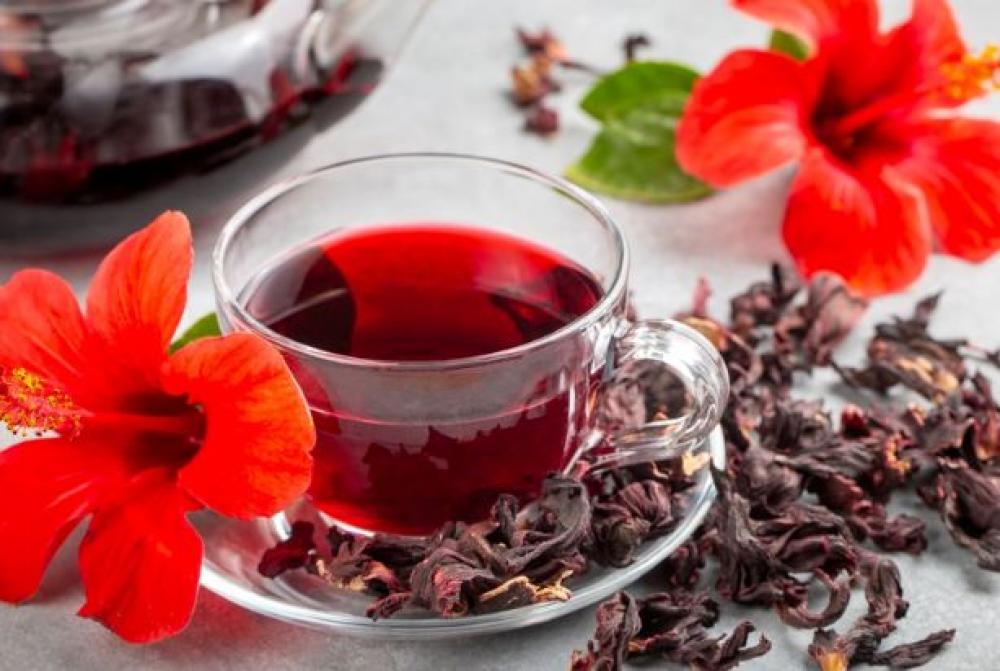
hibiscus
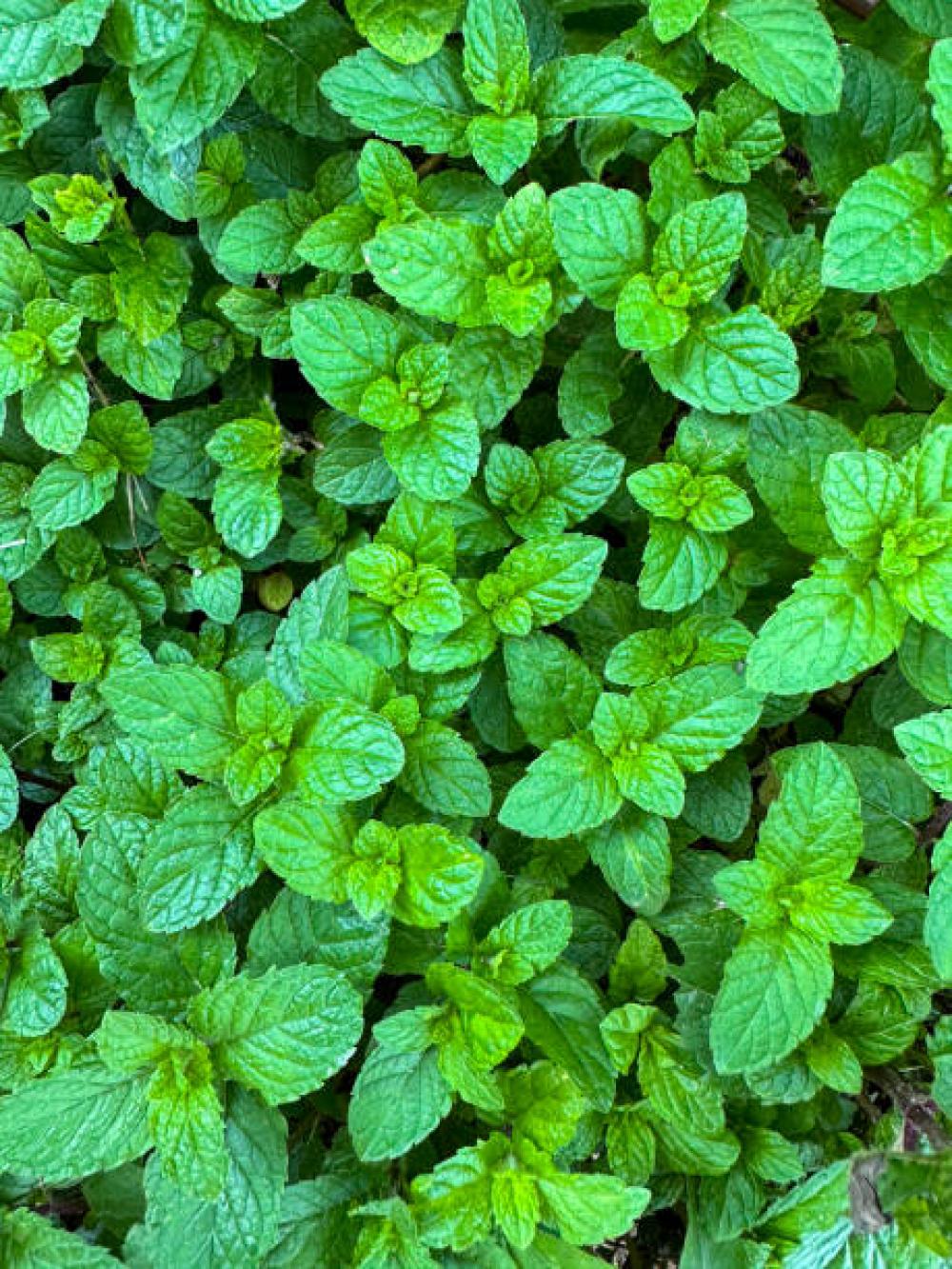
mint
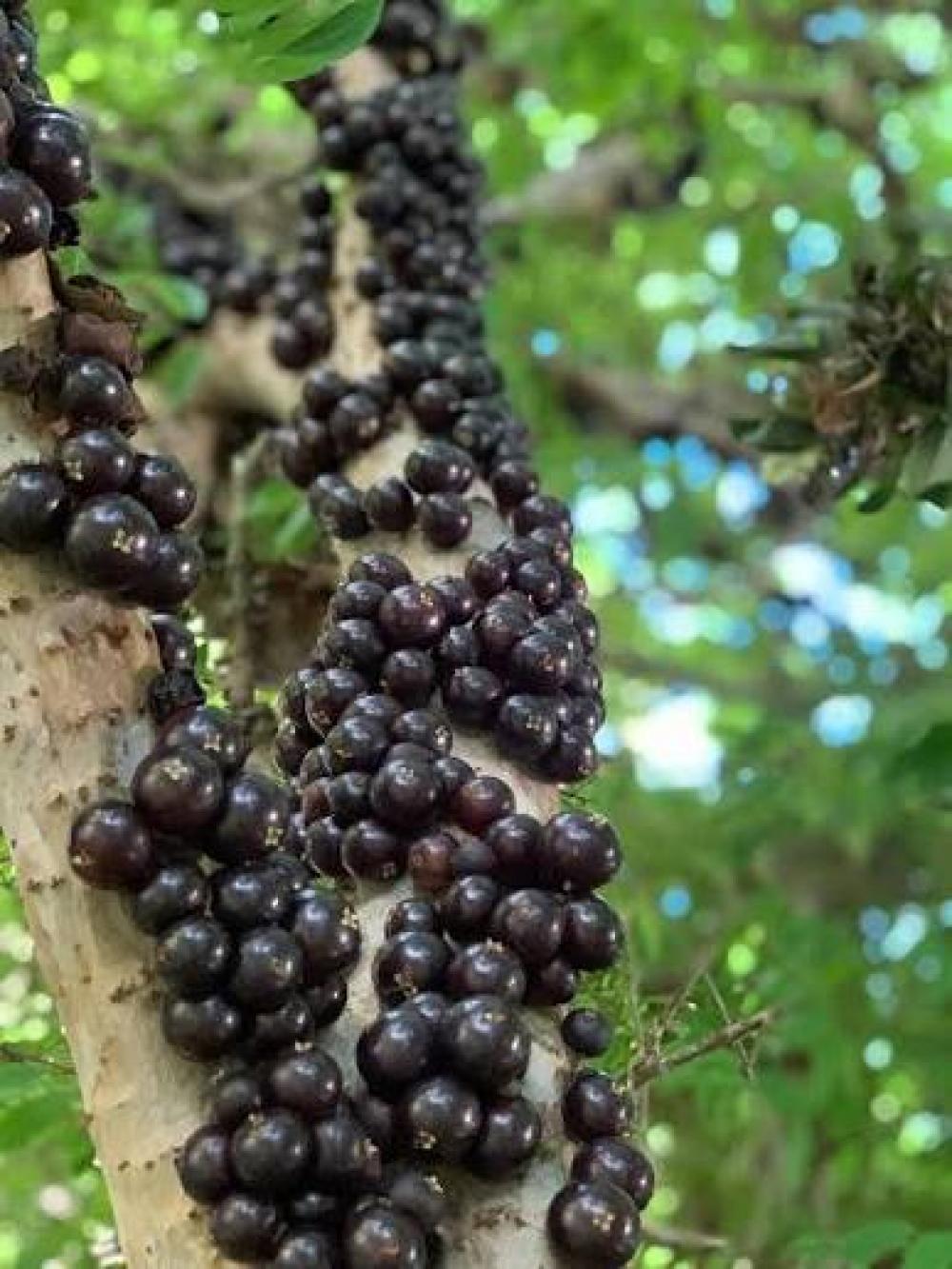
Jaboticaba
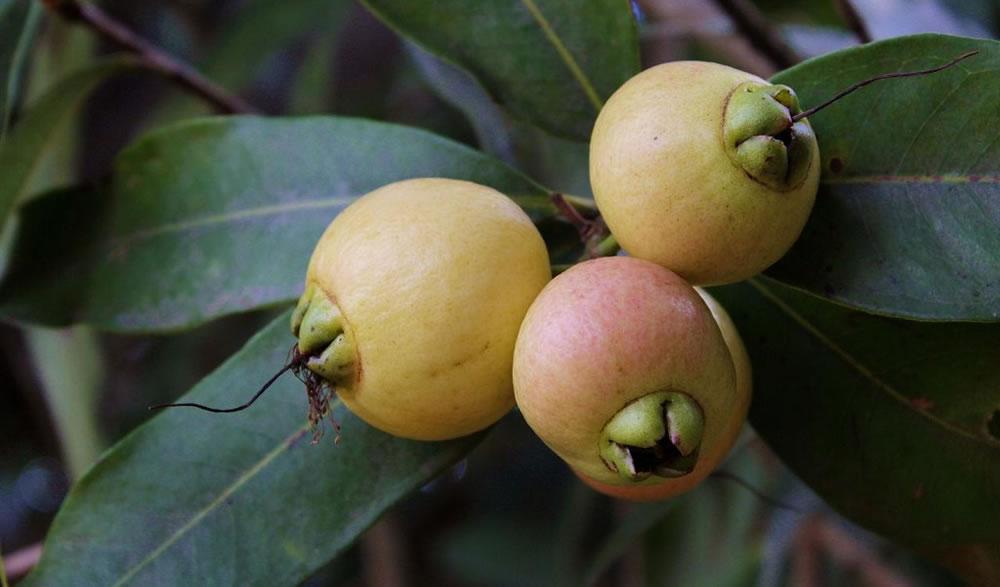
rose apple tree
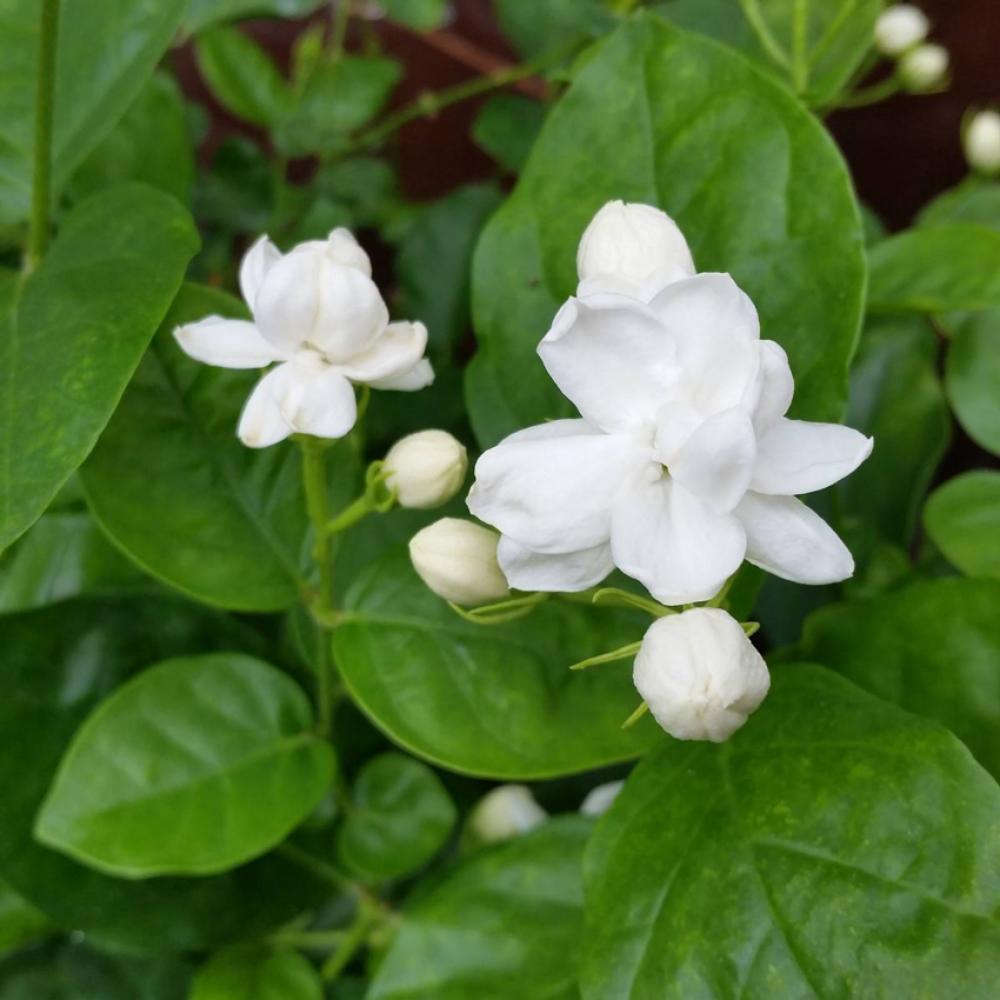
jazmin
Lippia alba (Bushy Lemon Balm)
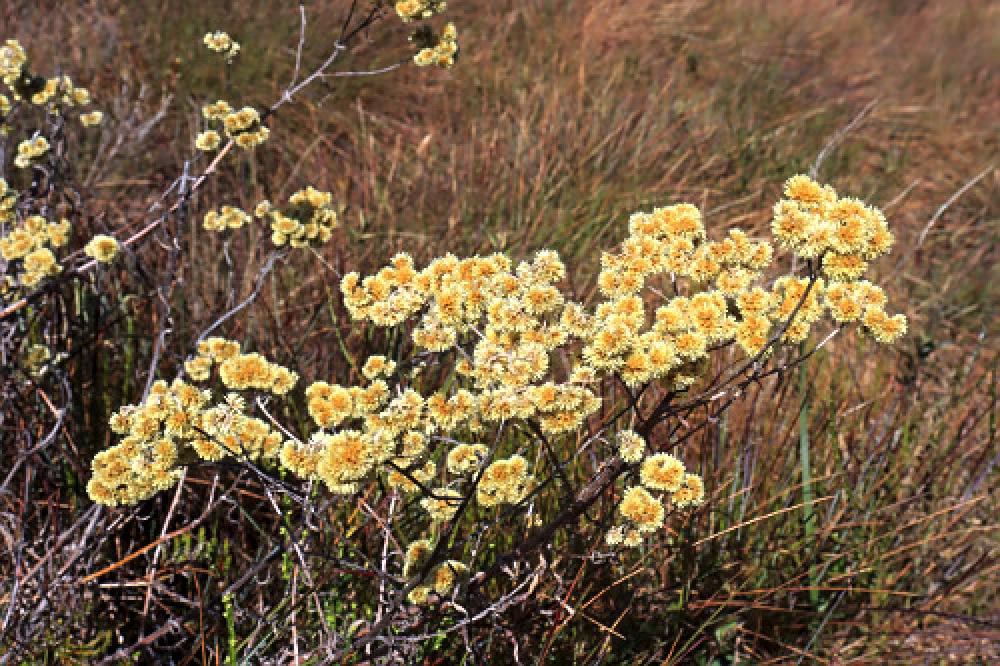
slaughterhouse
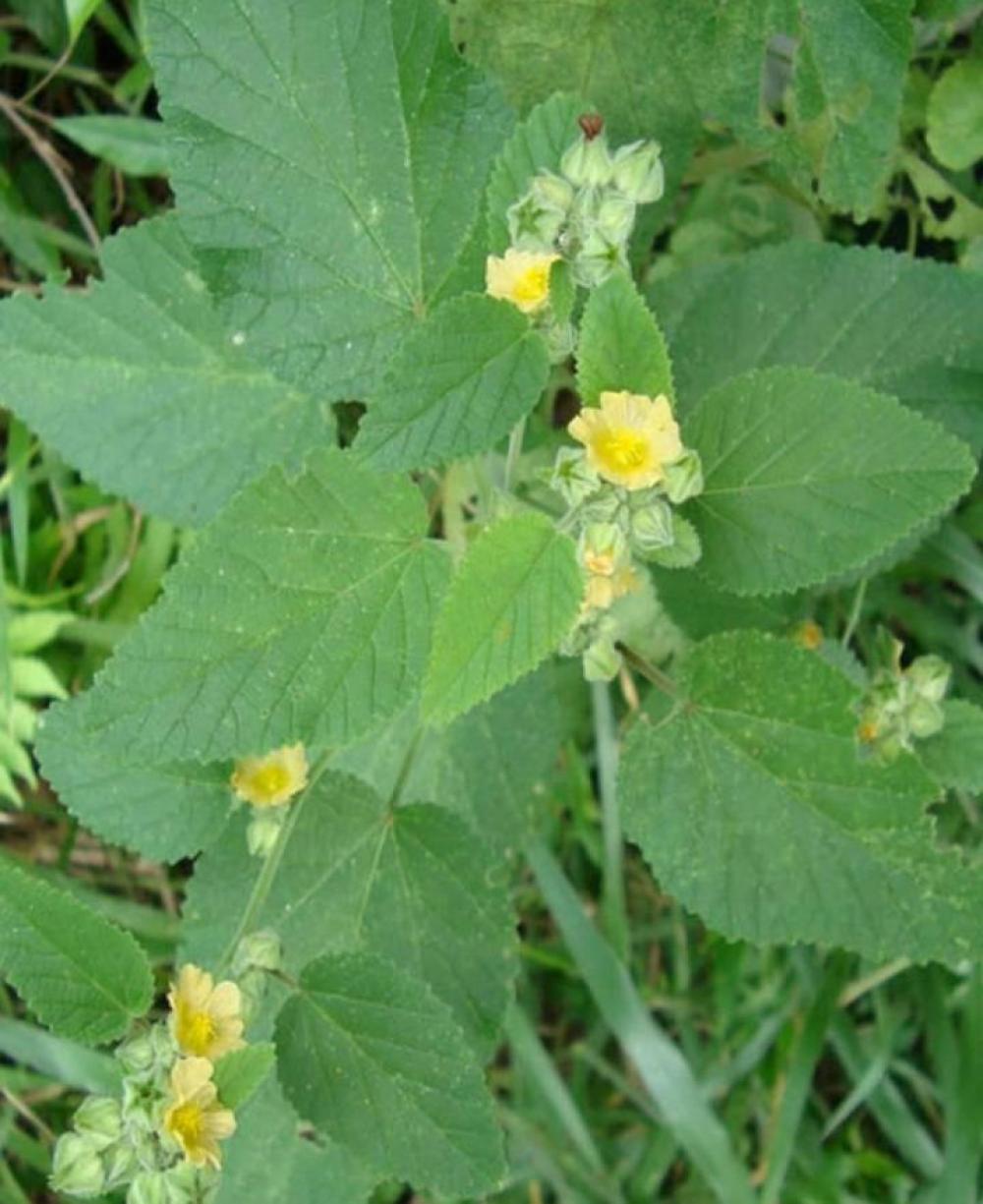
white mallow
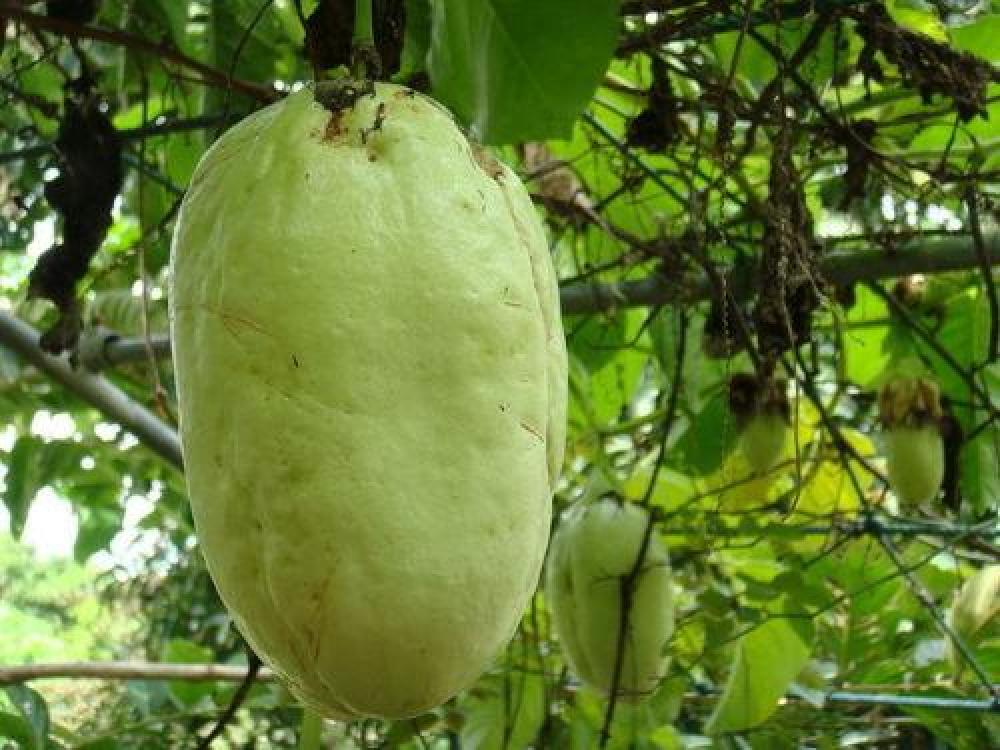
Giant Passion Fruit
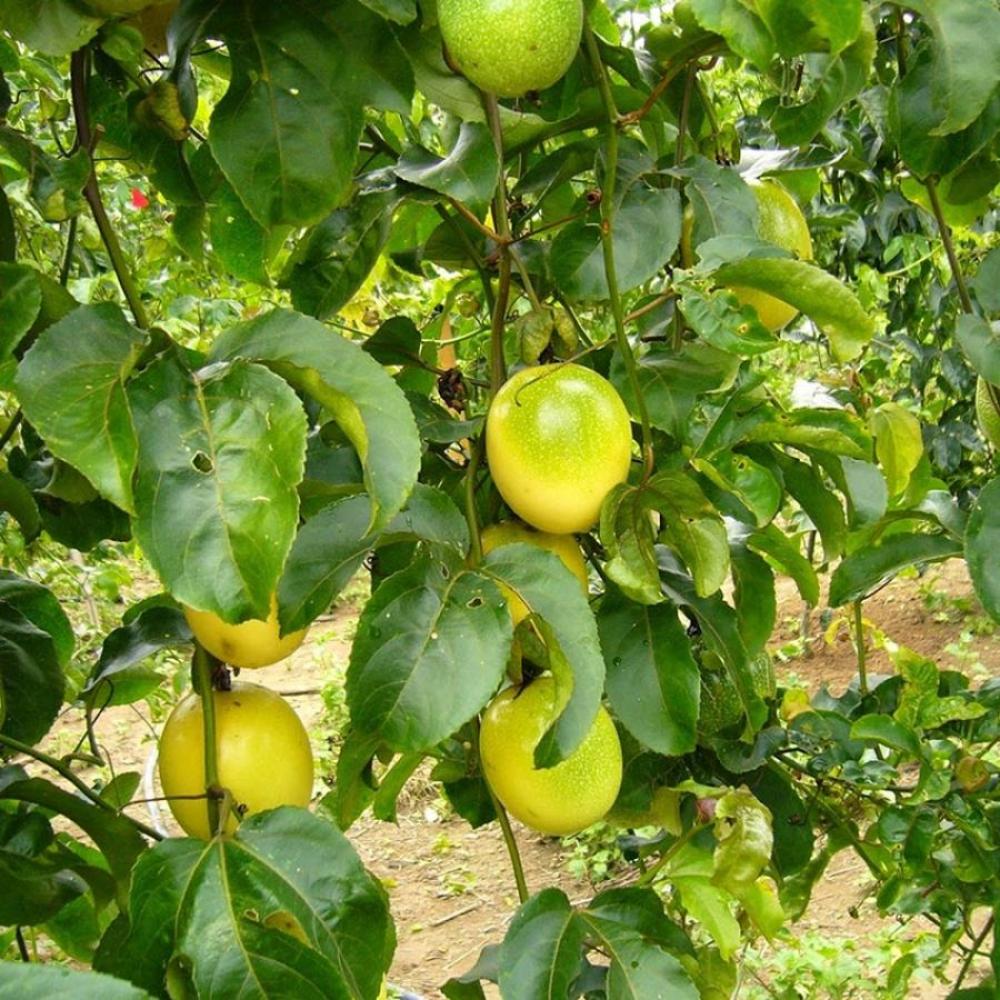
Sour Passion Fruit
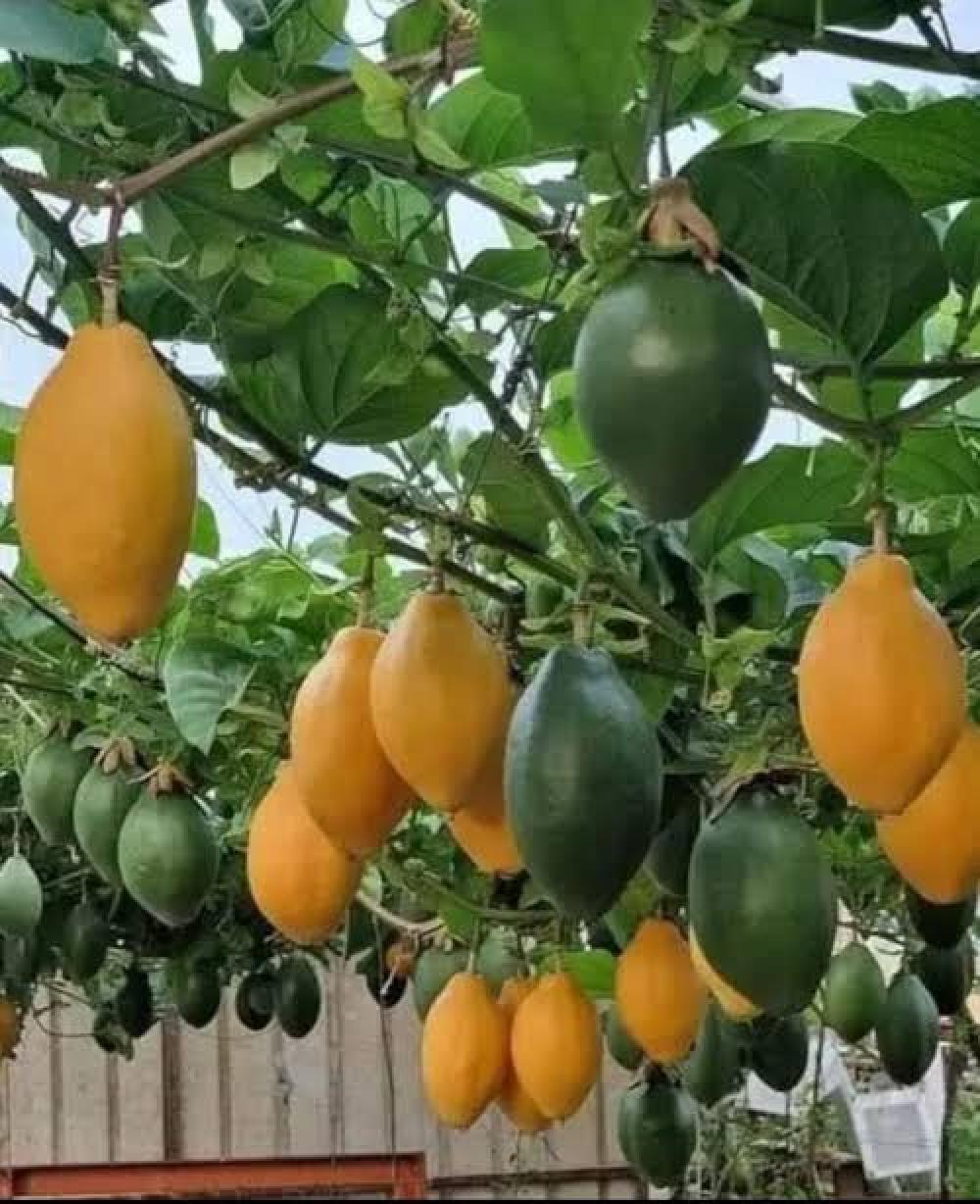
sweet passion fruit
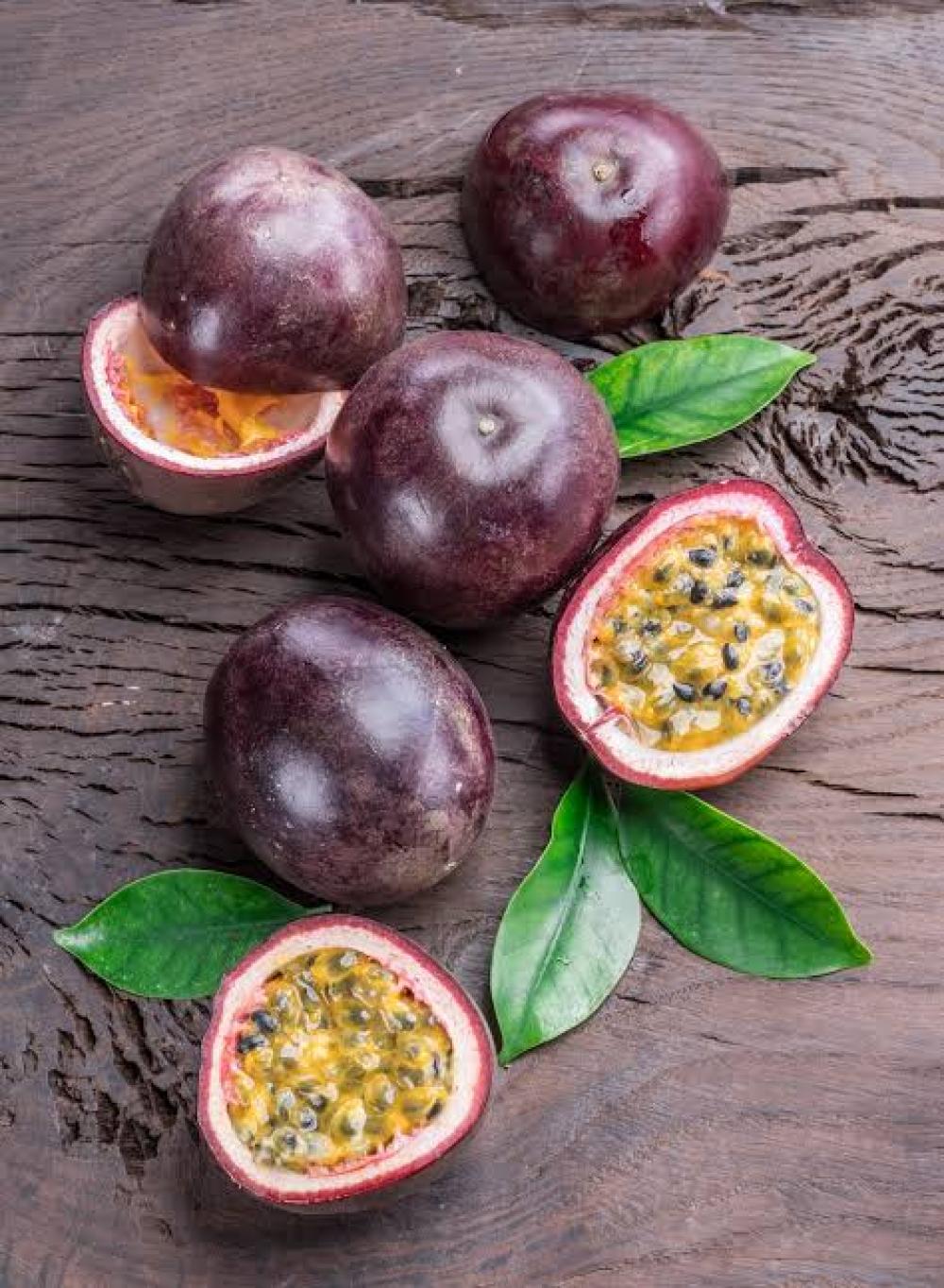
purple passion fruit
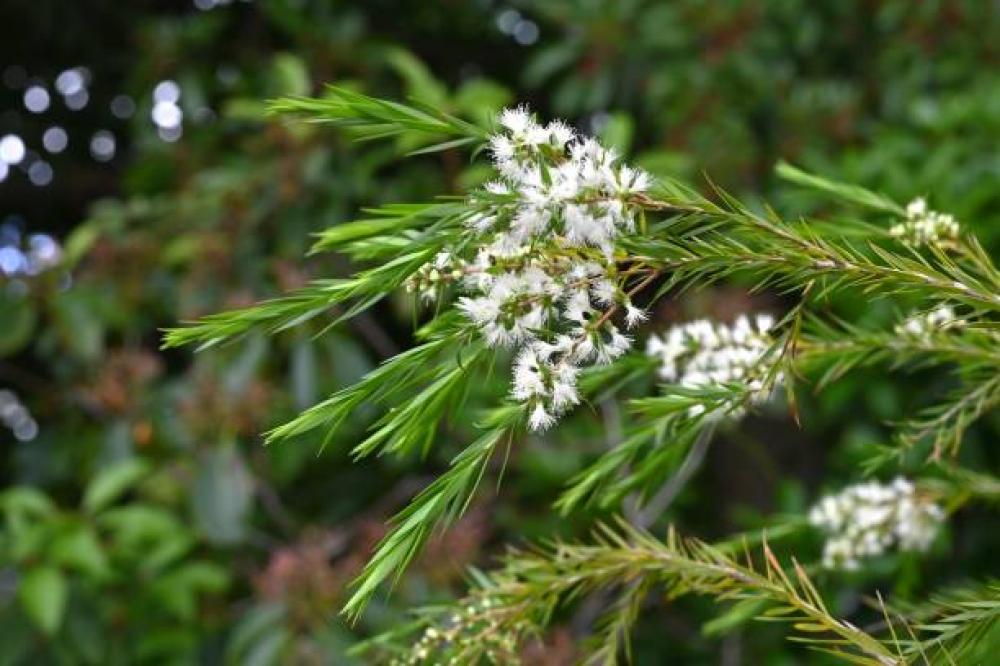
Melaleuca
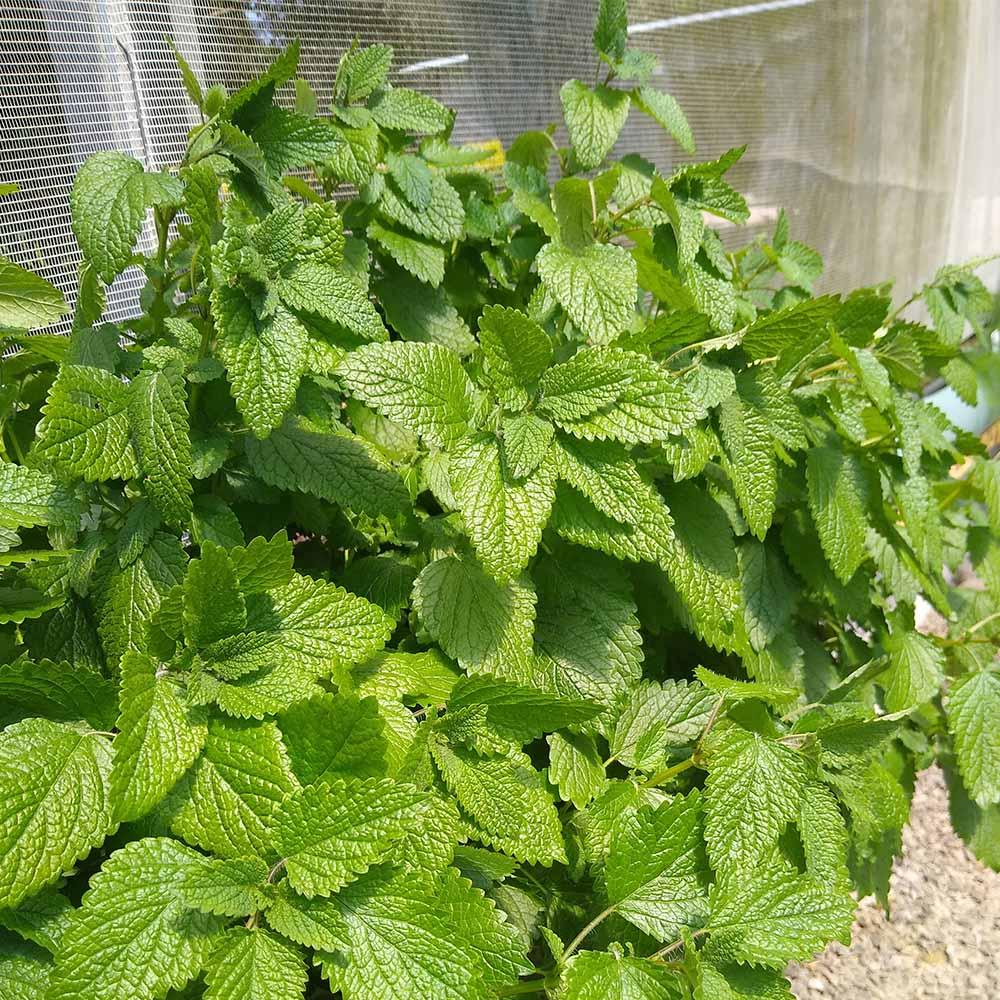
Melissa
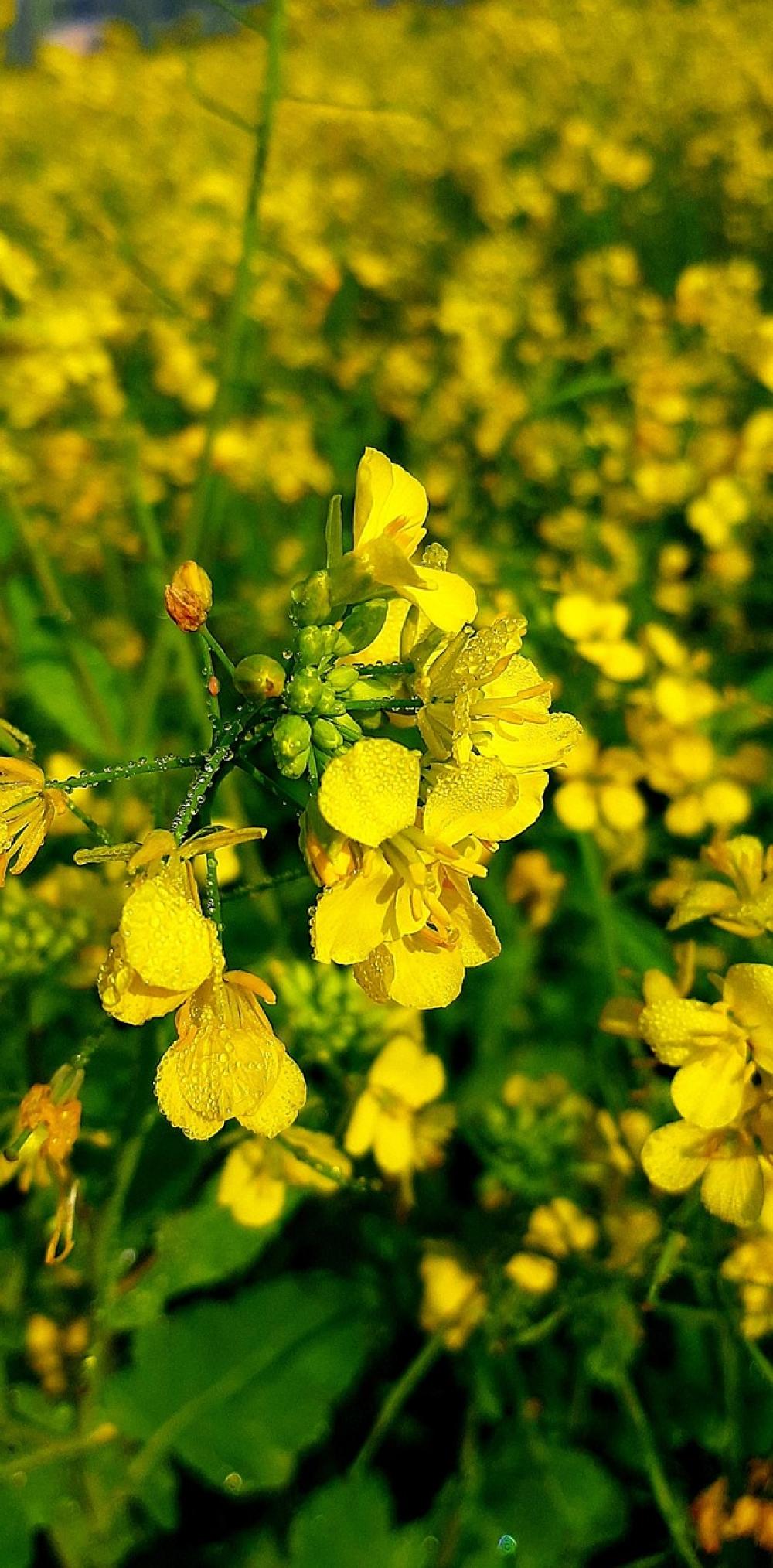
mustard
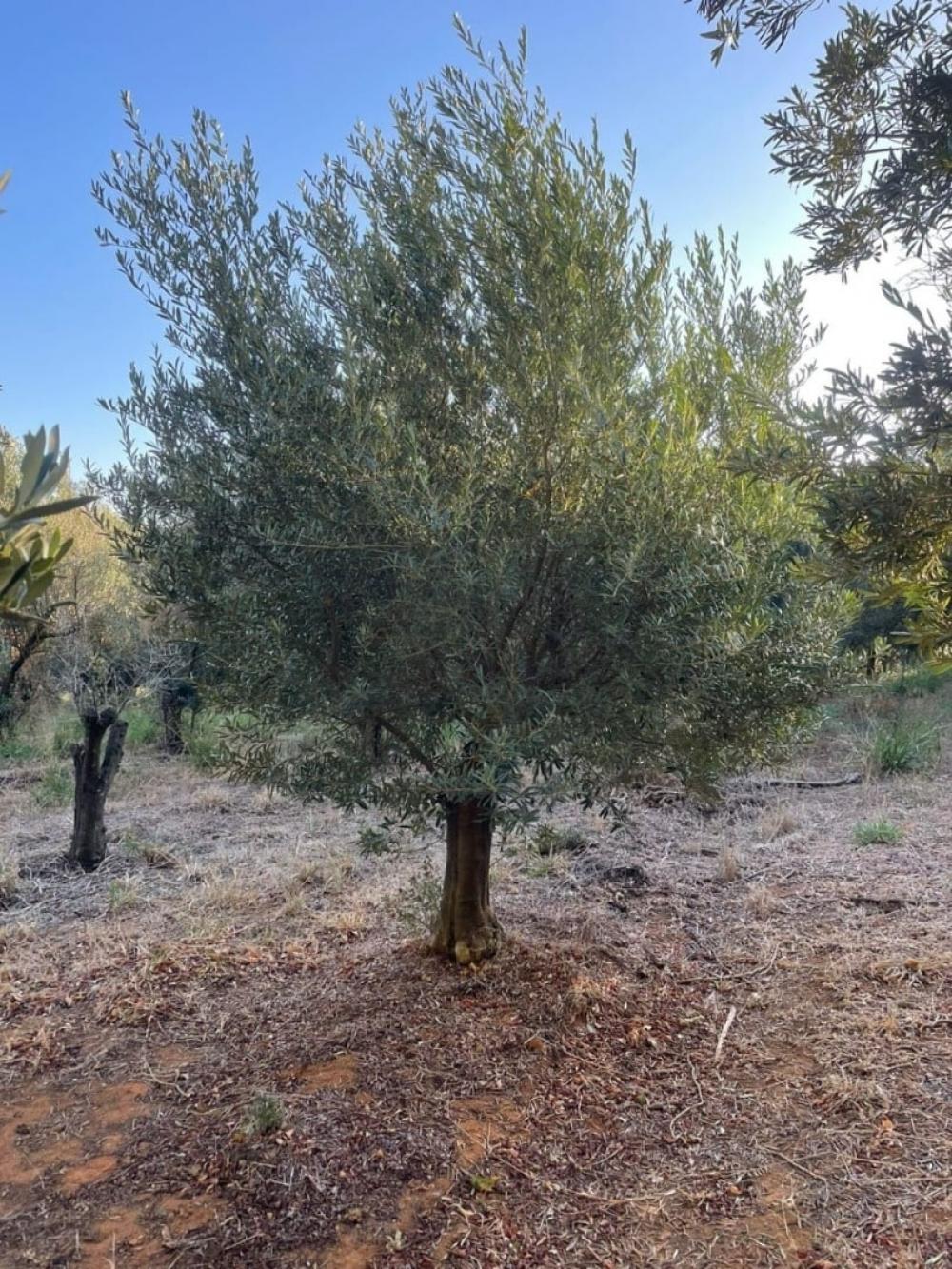
Oliveira
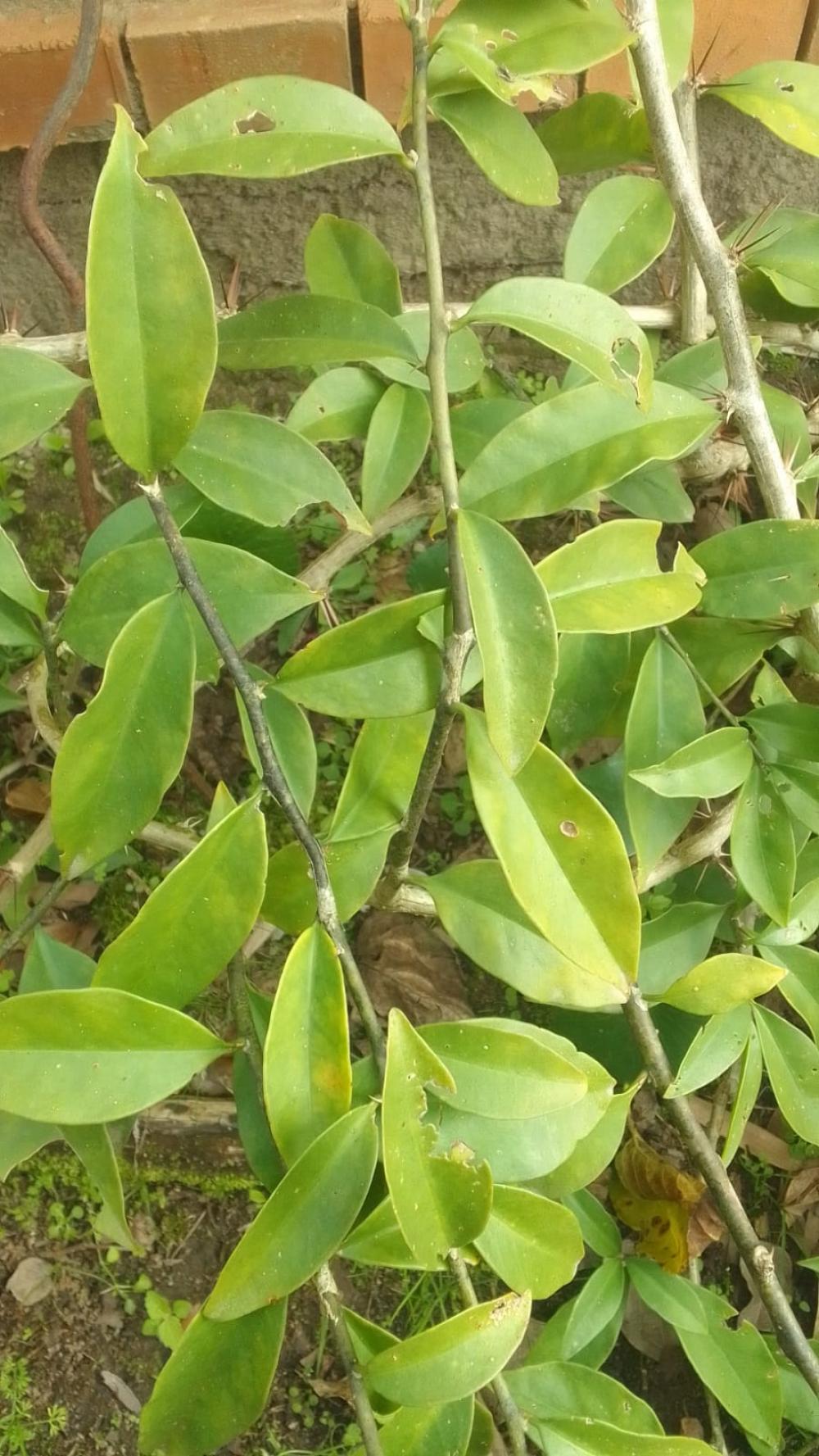
Ora Pro Nobis
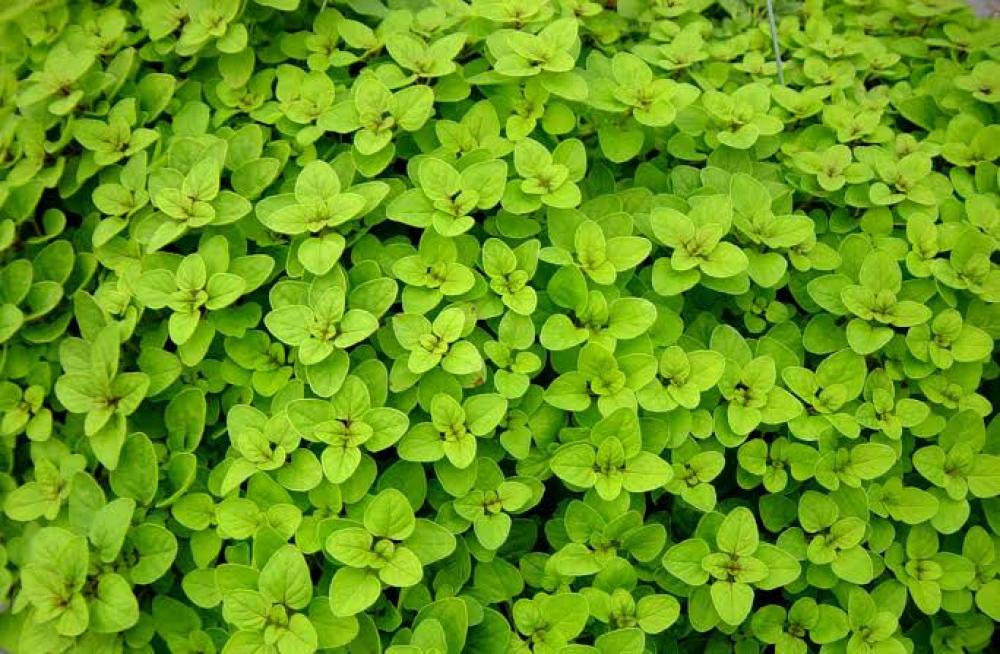
Oregano
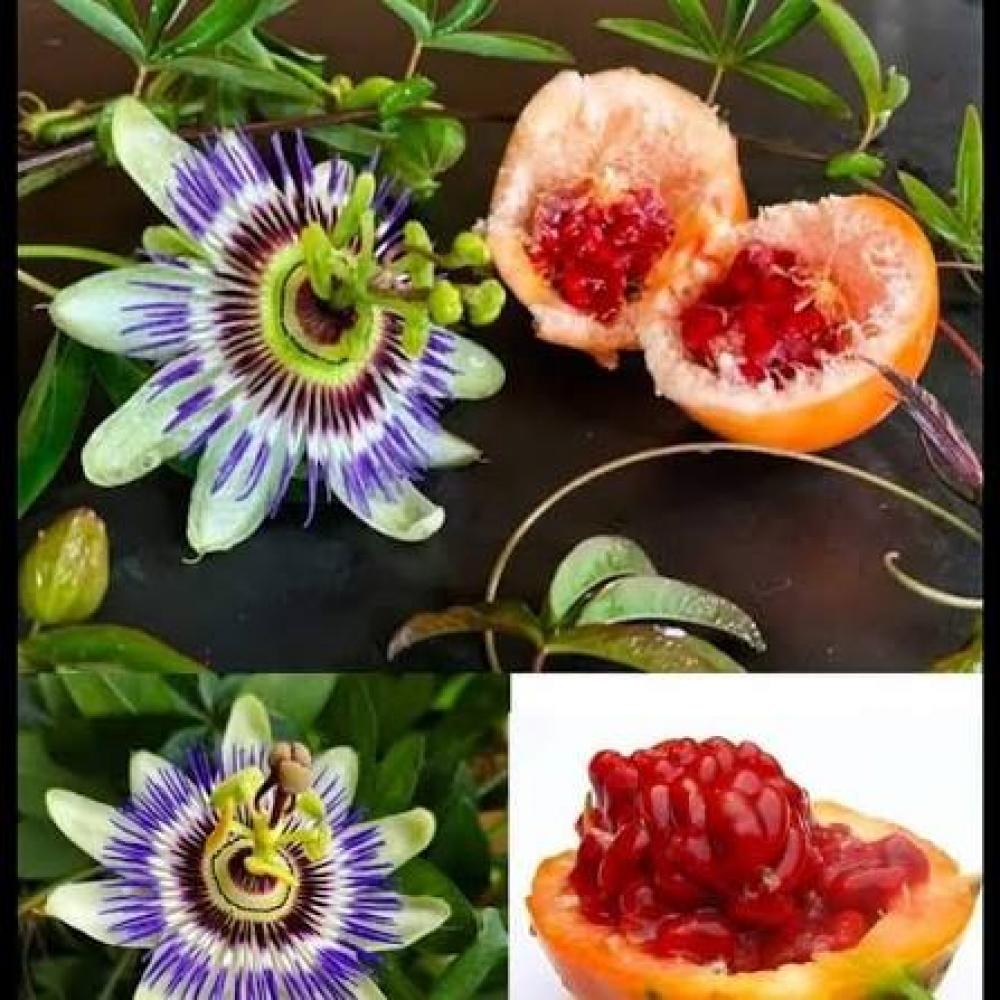
Passiflora or passion flower
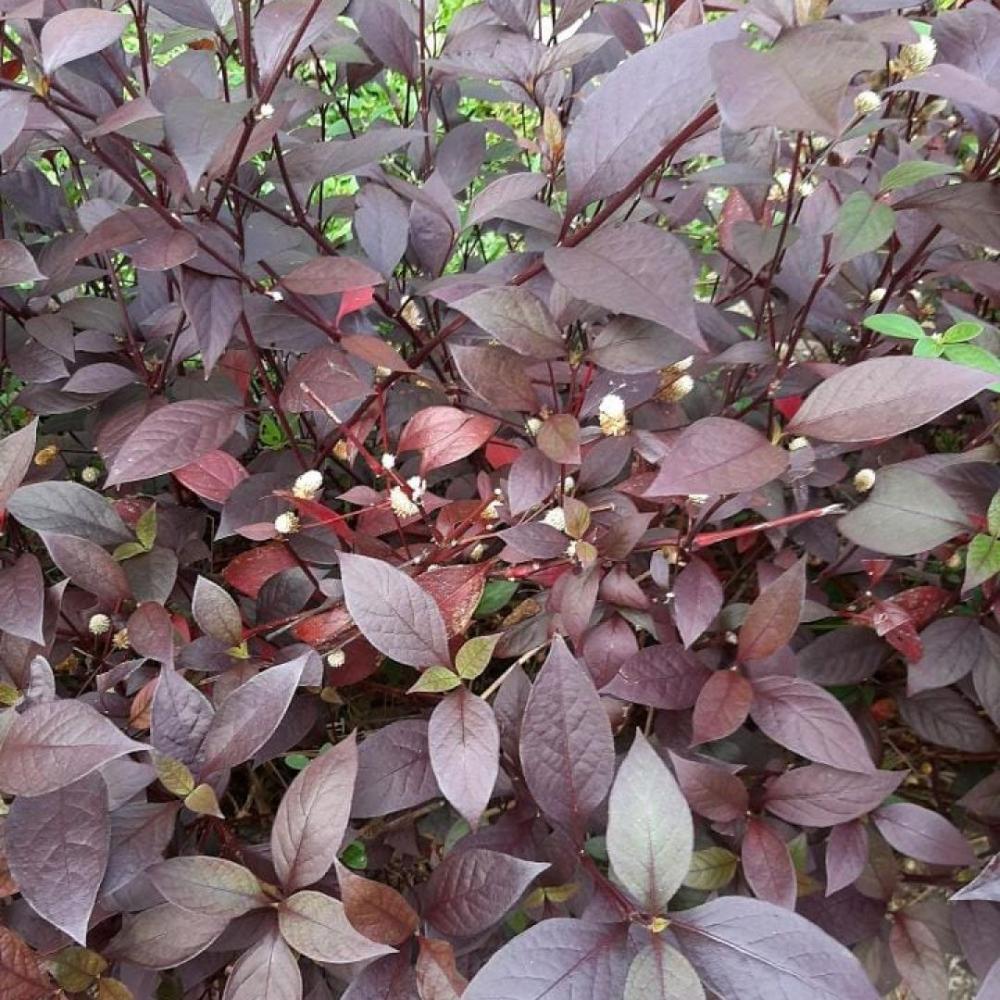
Penicillin or Parakeet
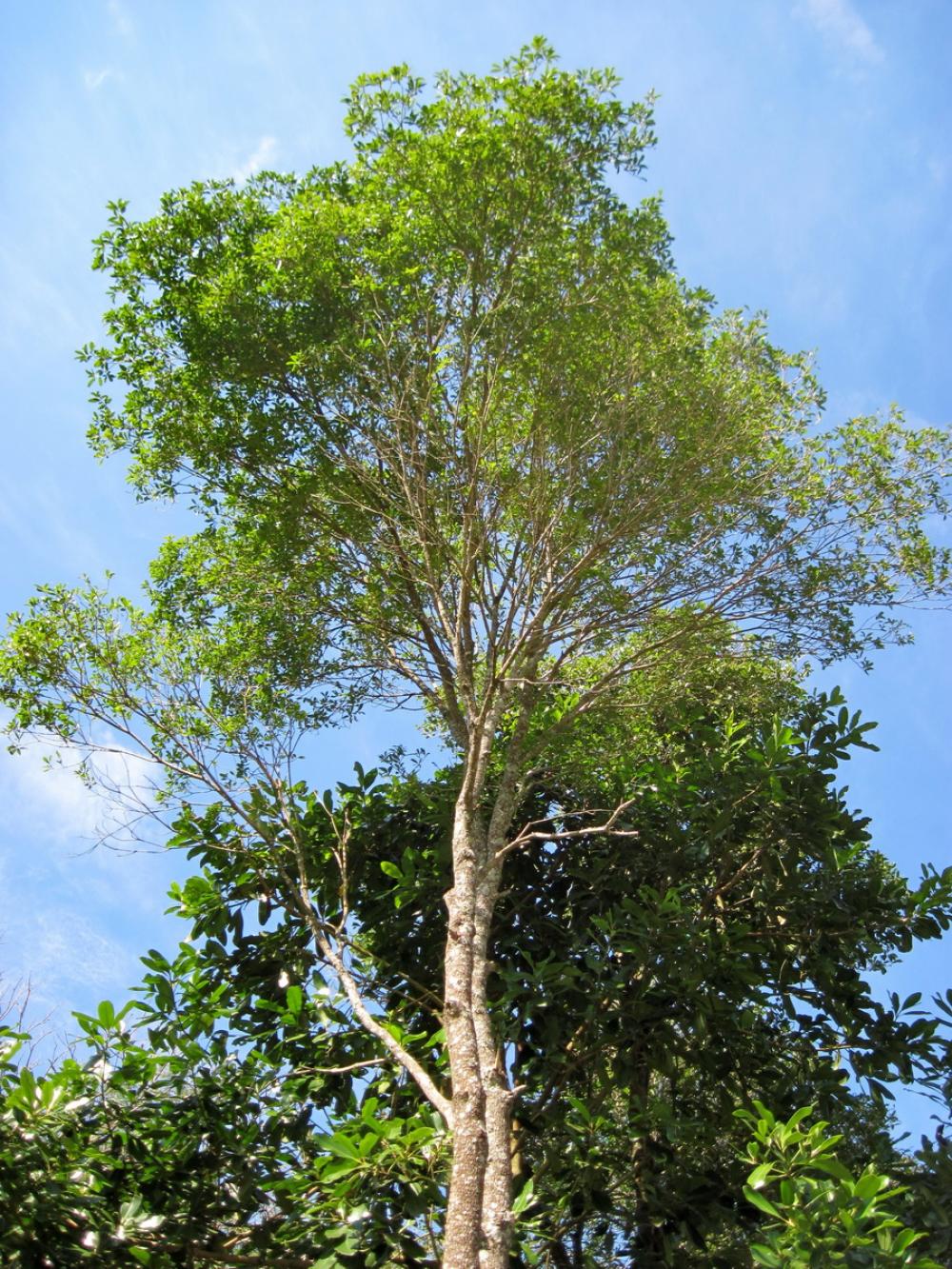
Peroba
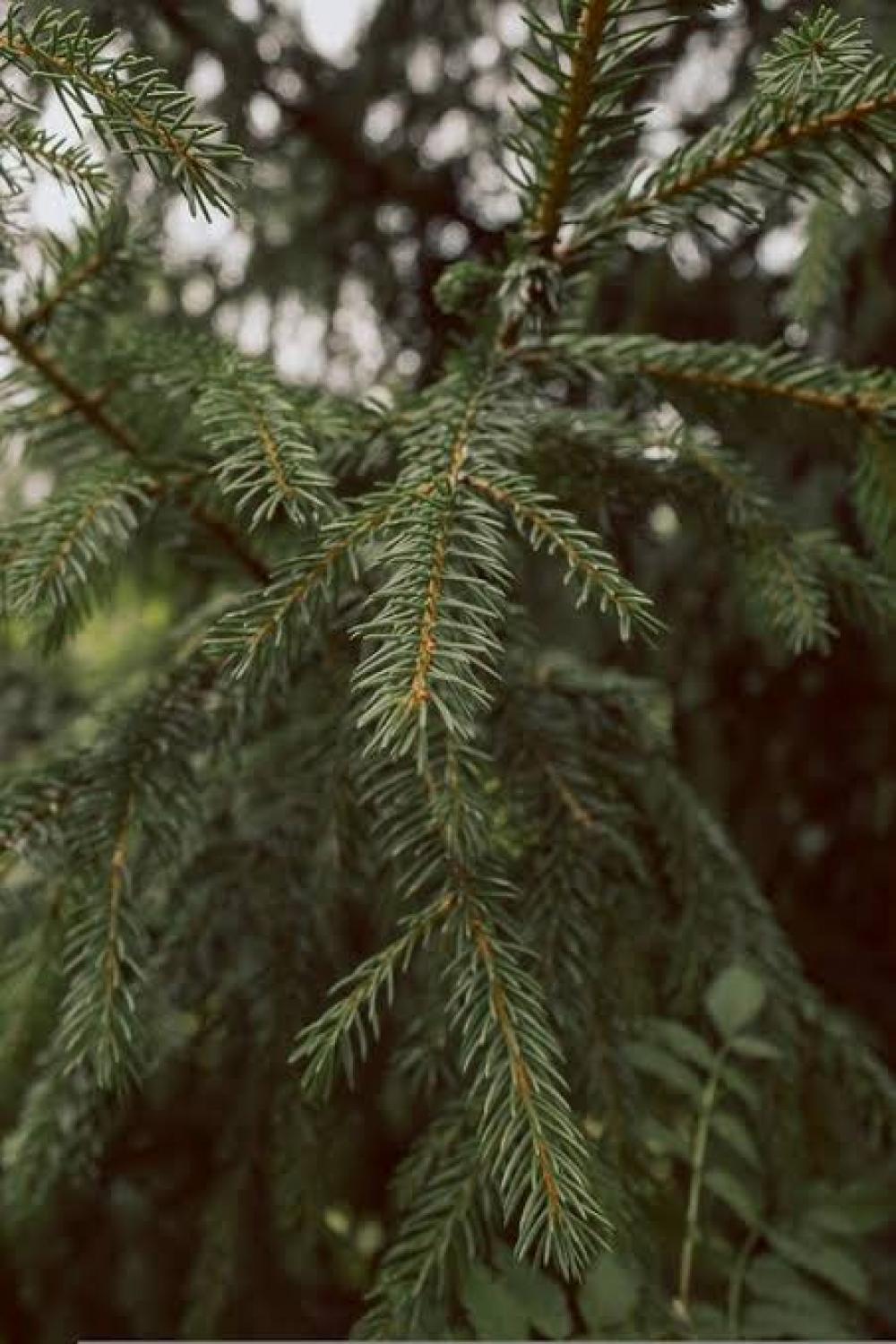
pine
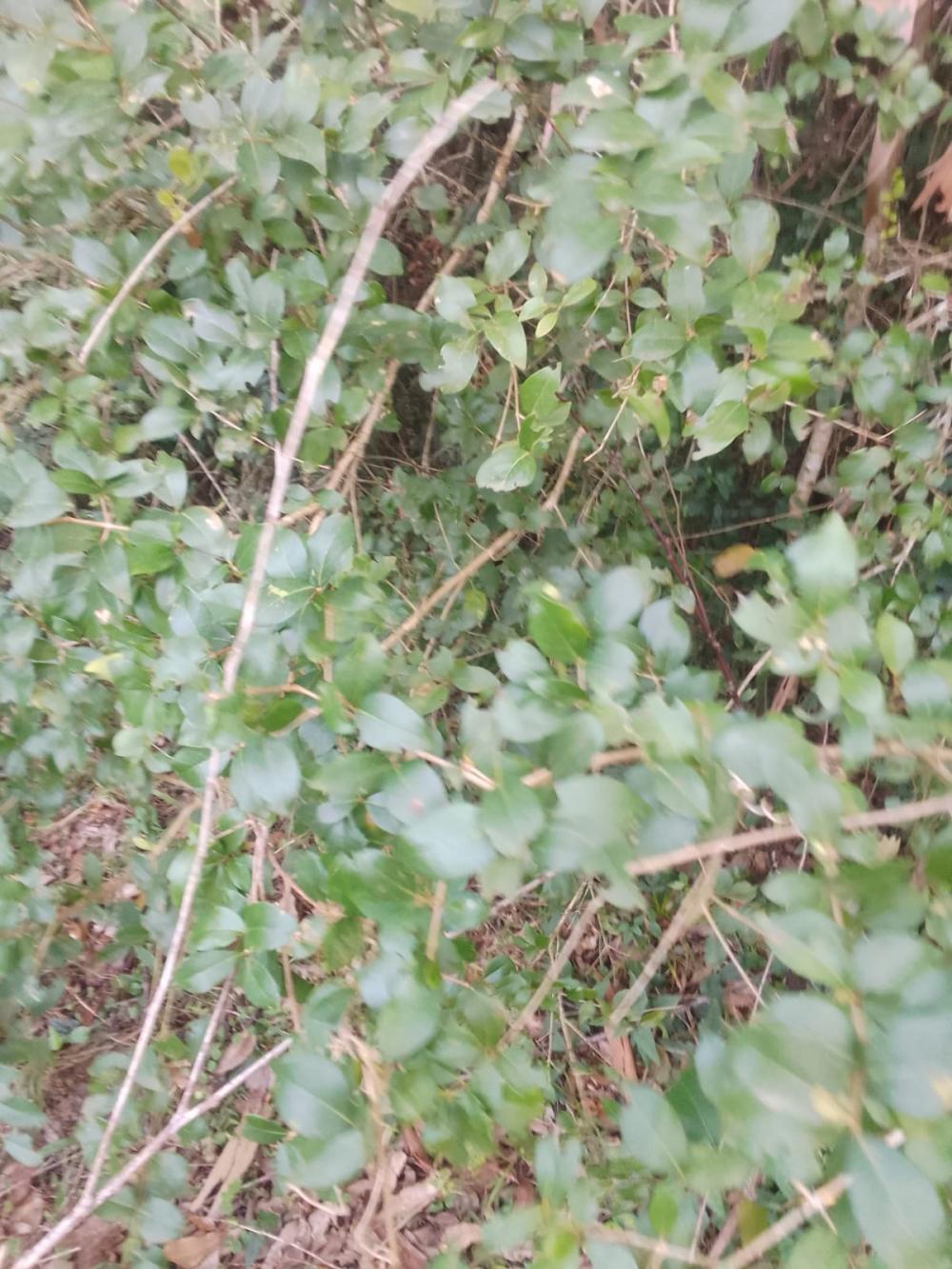
Surinam cherry tree
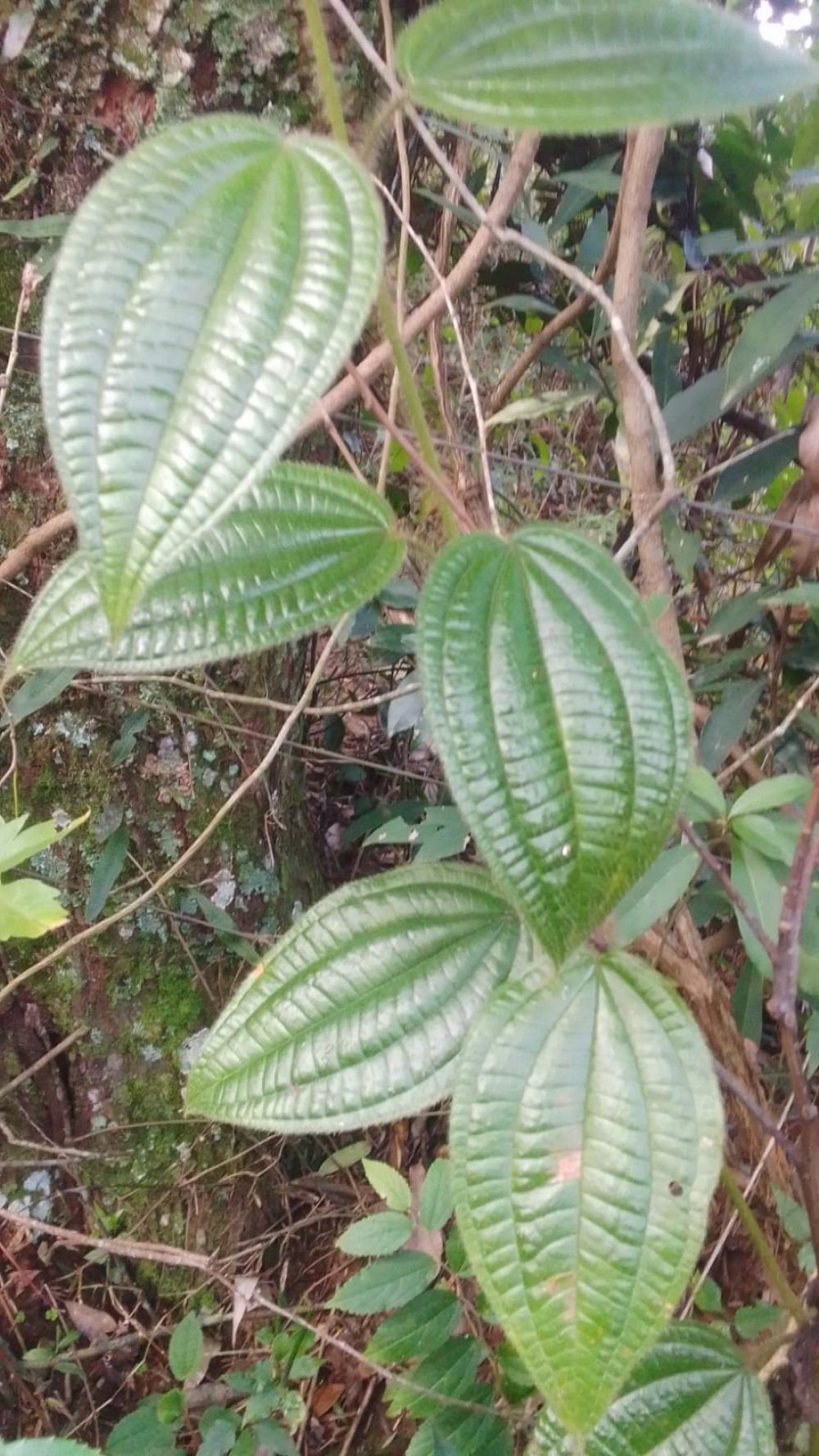
Pixirica
Pennyroyal
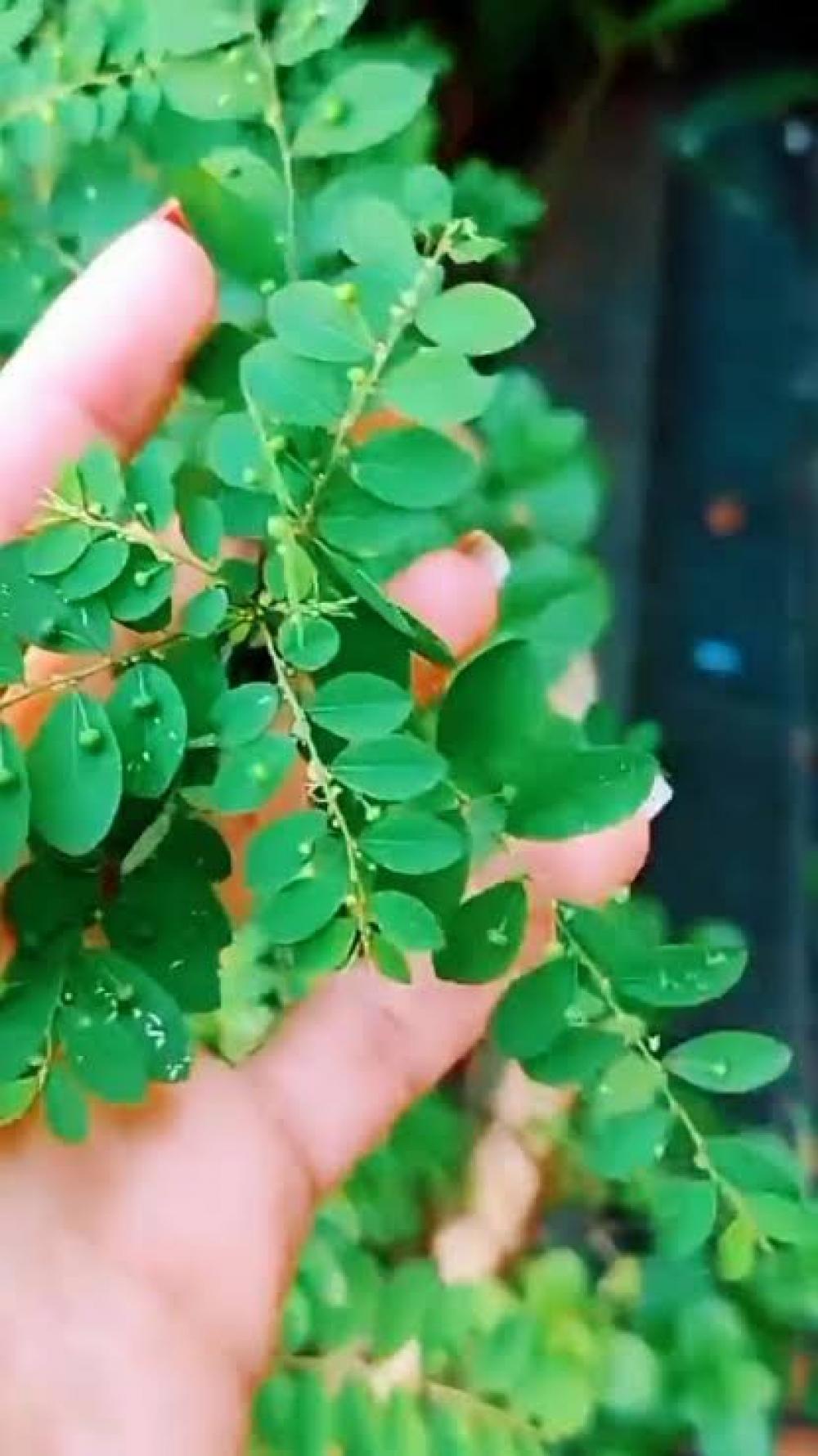
Stone-breaker
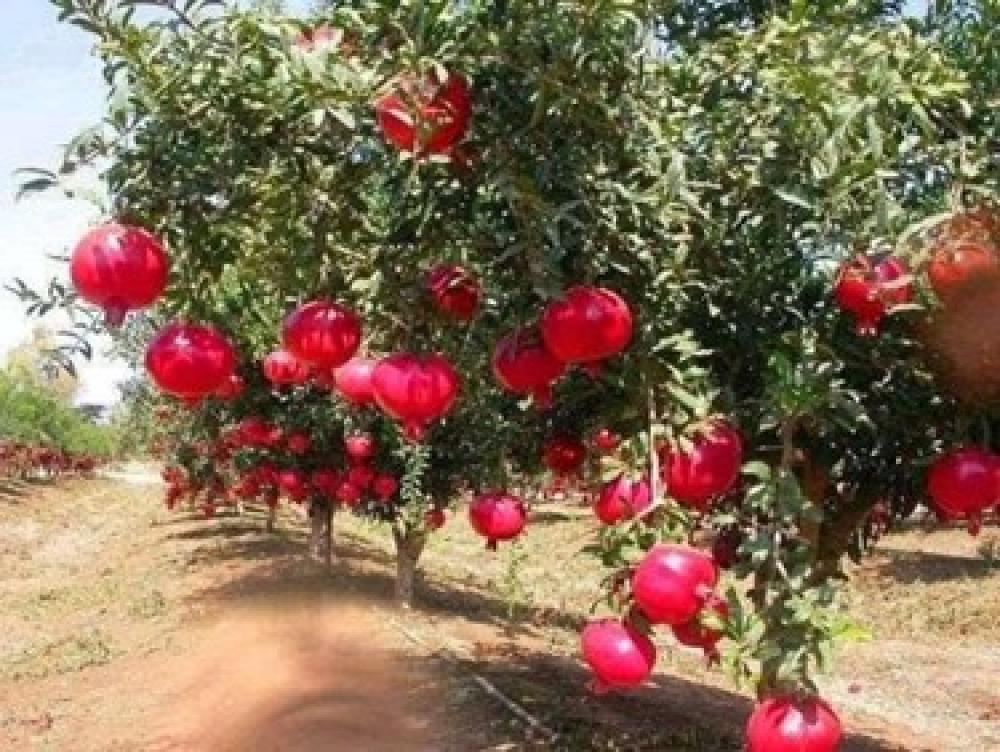
Pomegranate tree
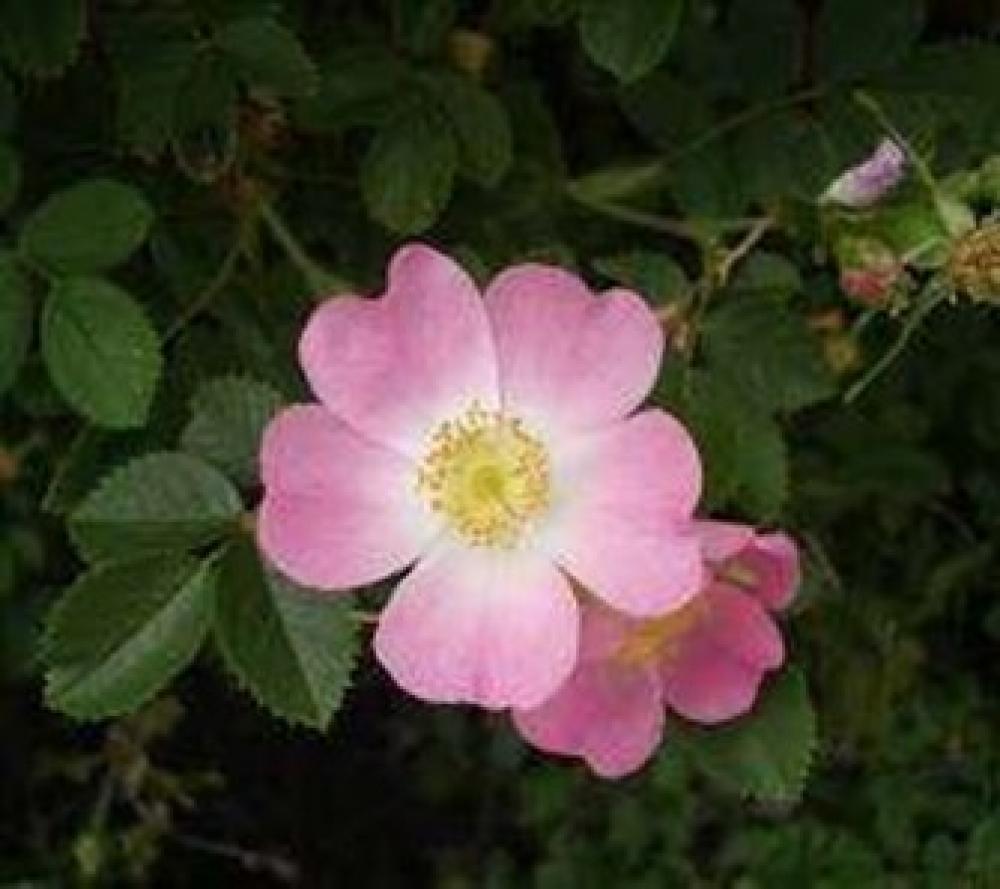
Rosa mosqueta
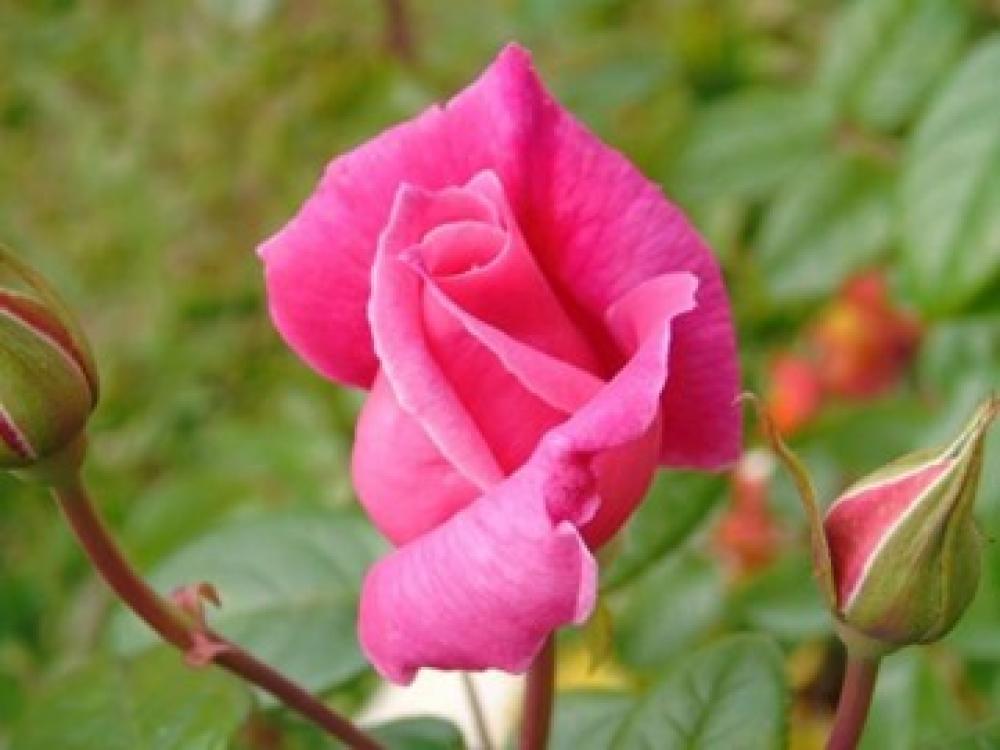
Rosebush
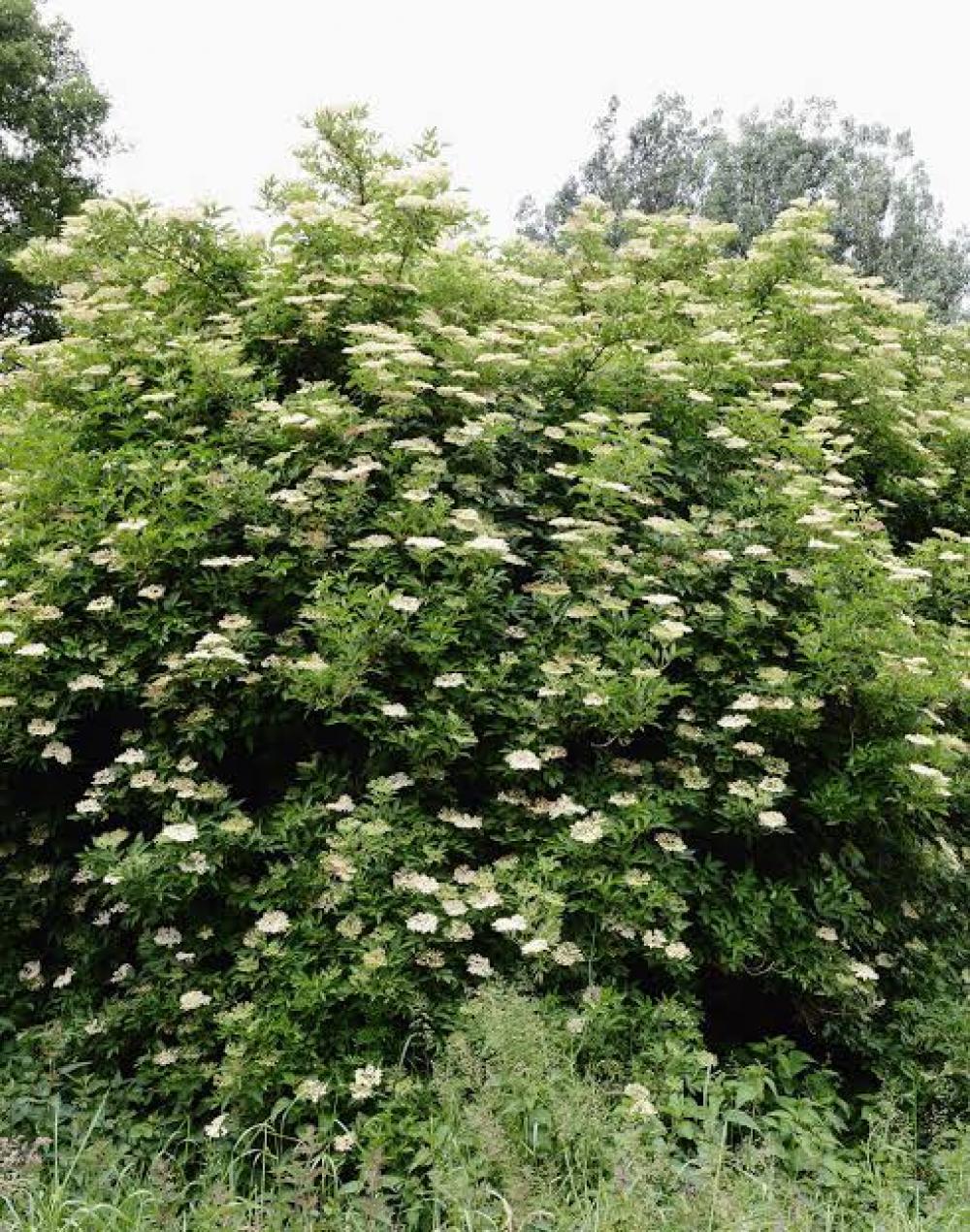
Elderberry
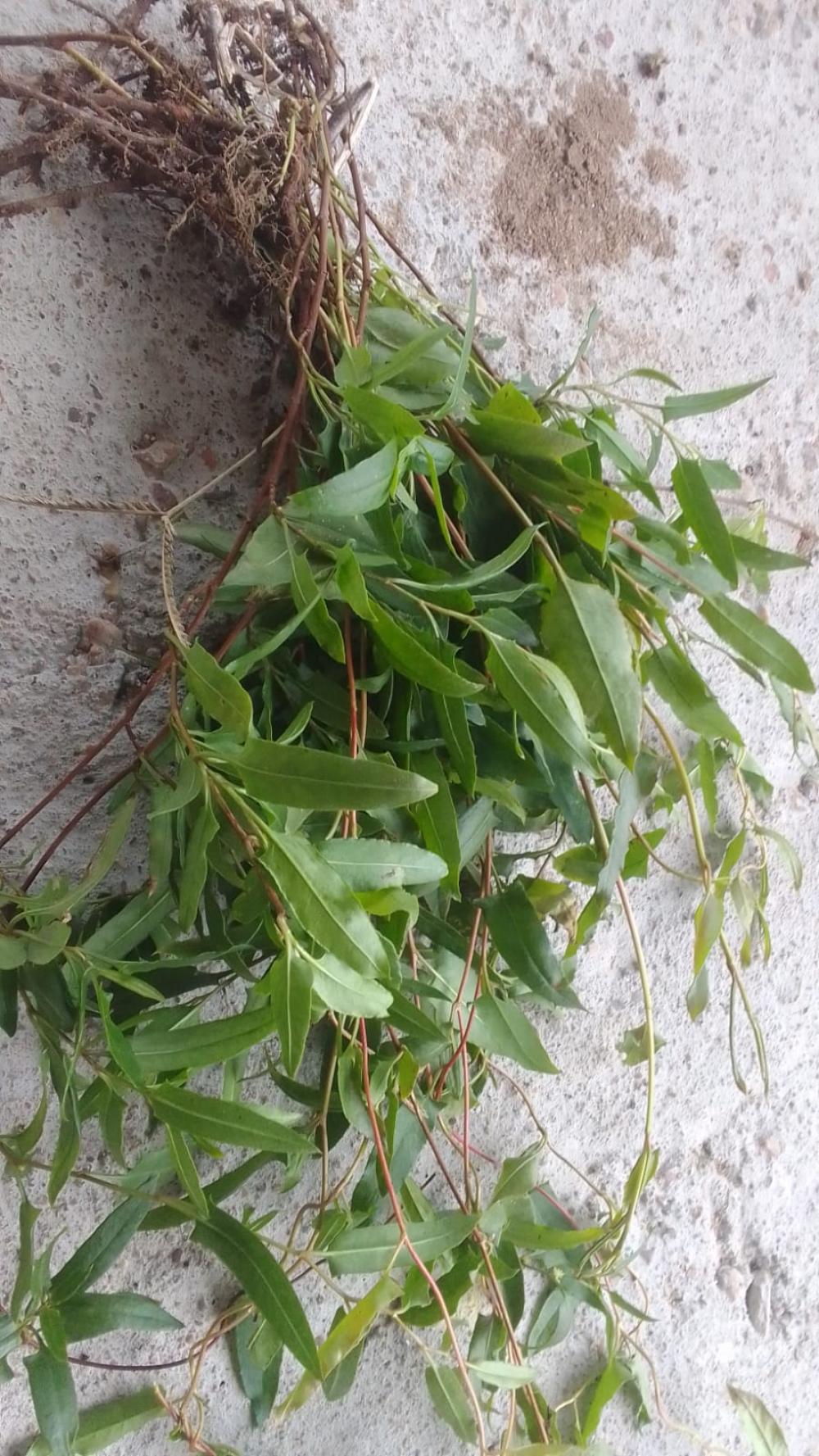
parilla parsley
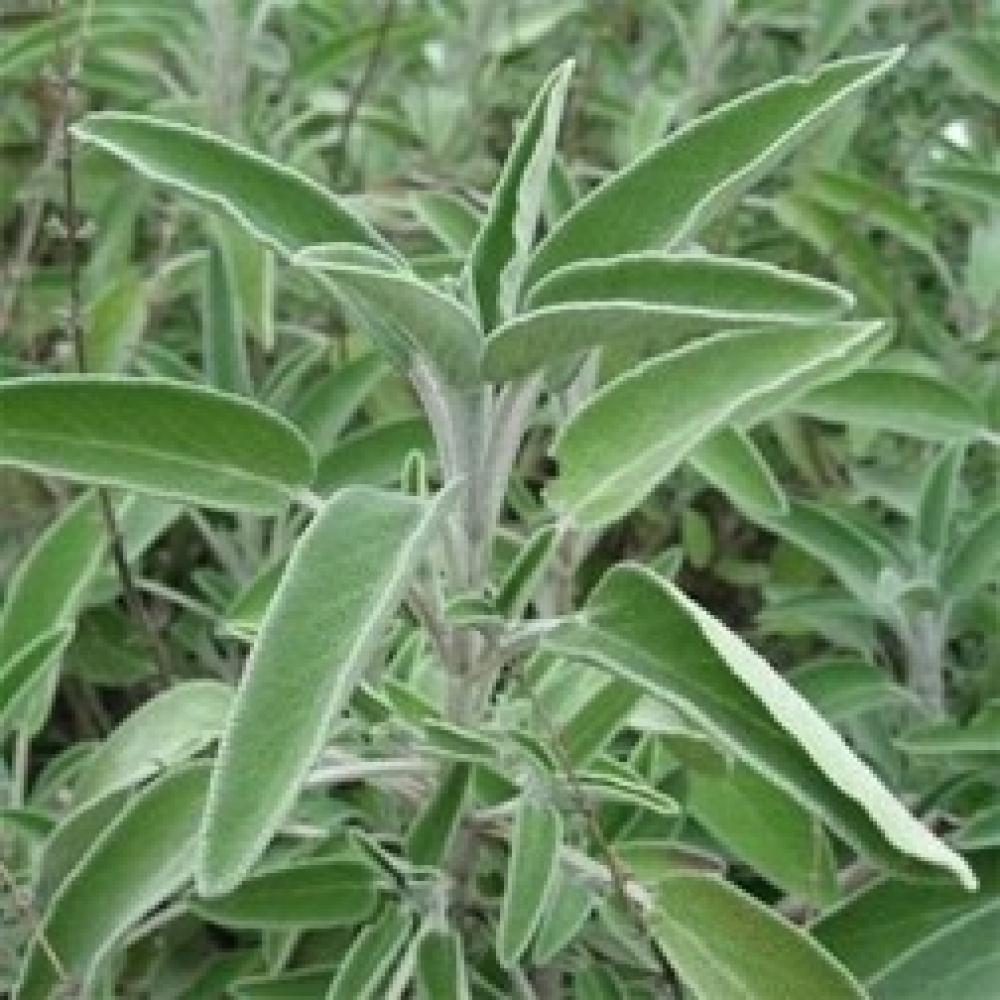
Sage
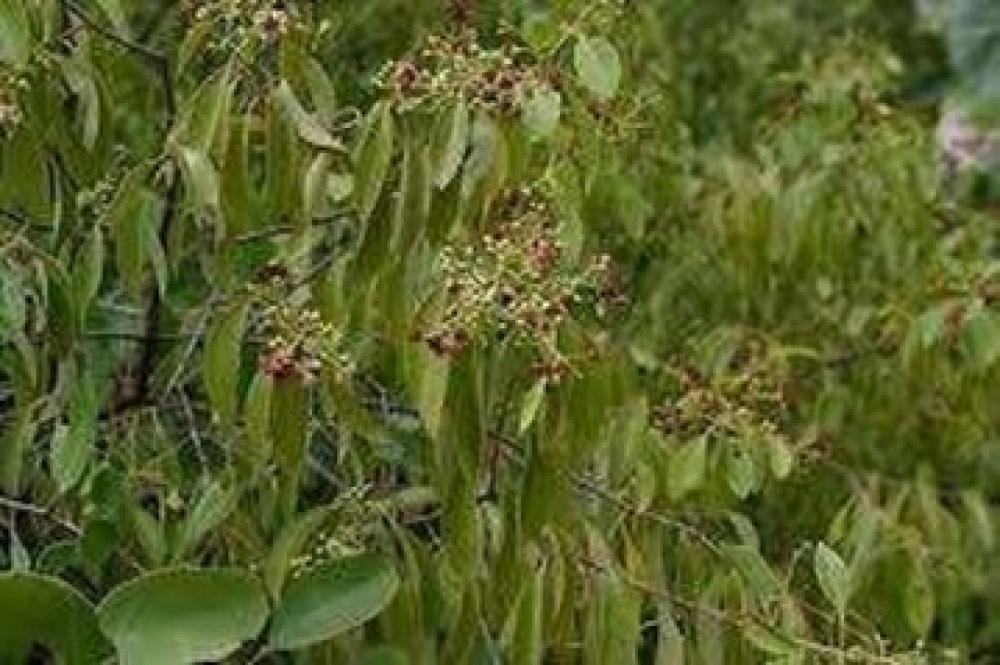
Sandalwood
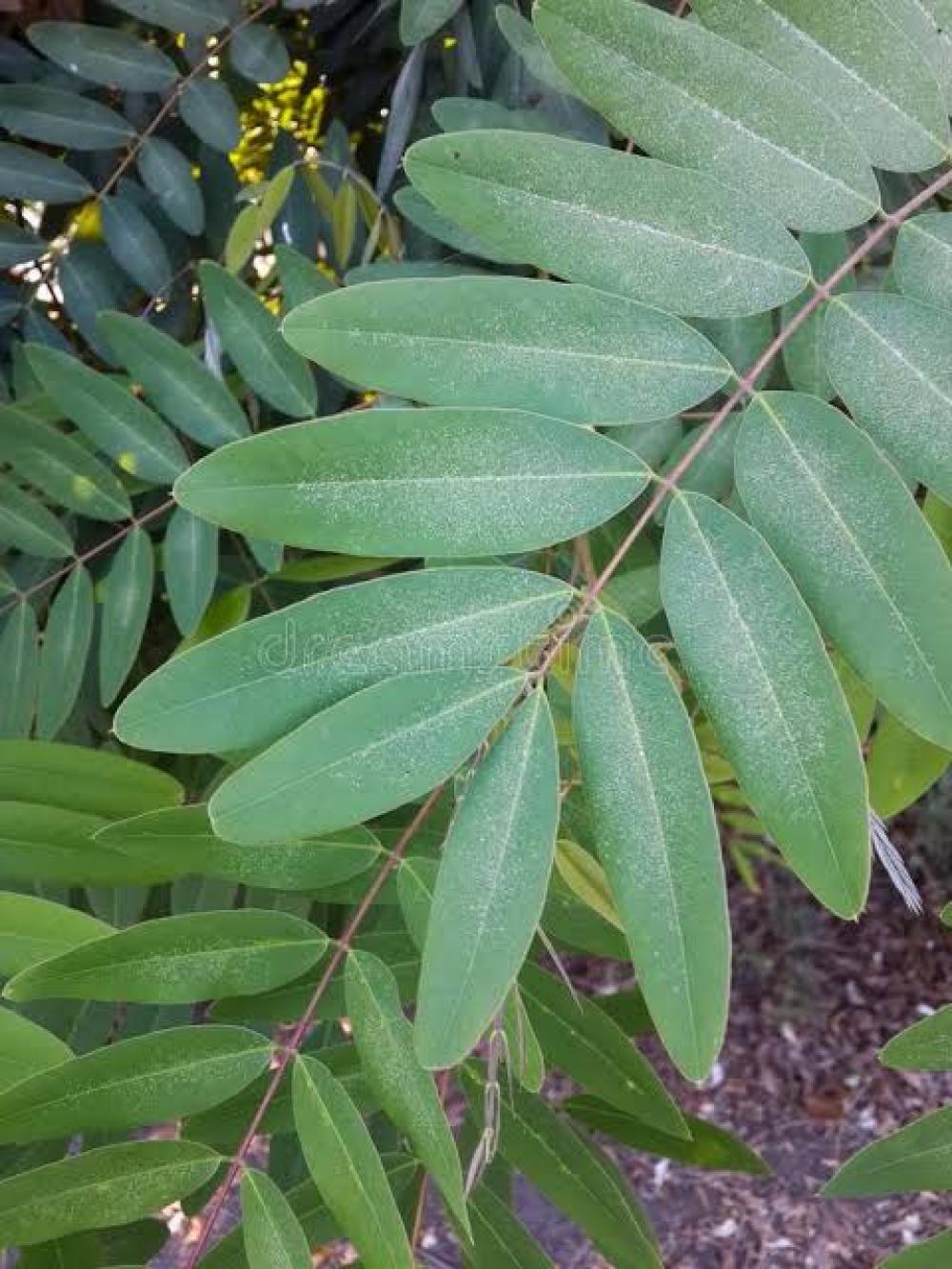
senna
Stevia
Tamarind
Plantain
Velame-do-campo
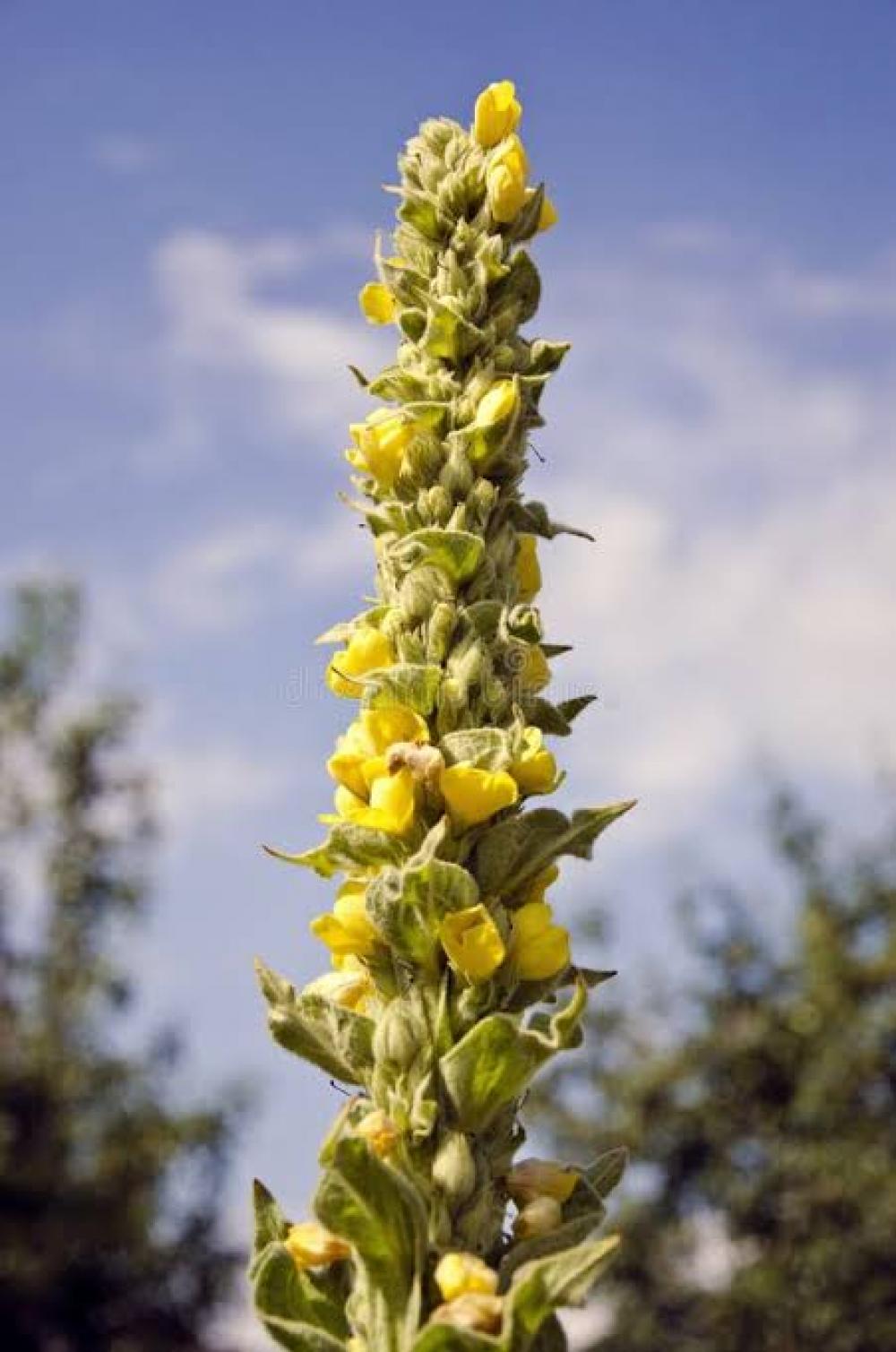
Brazilian mullein
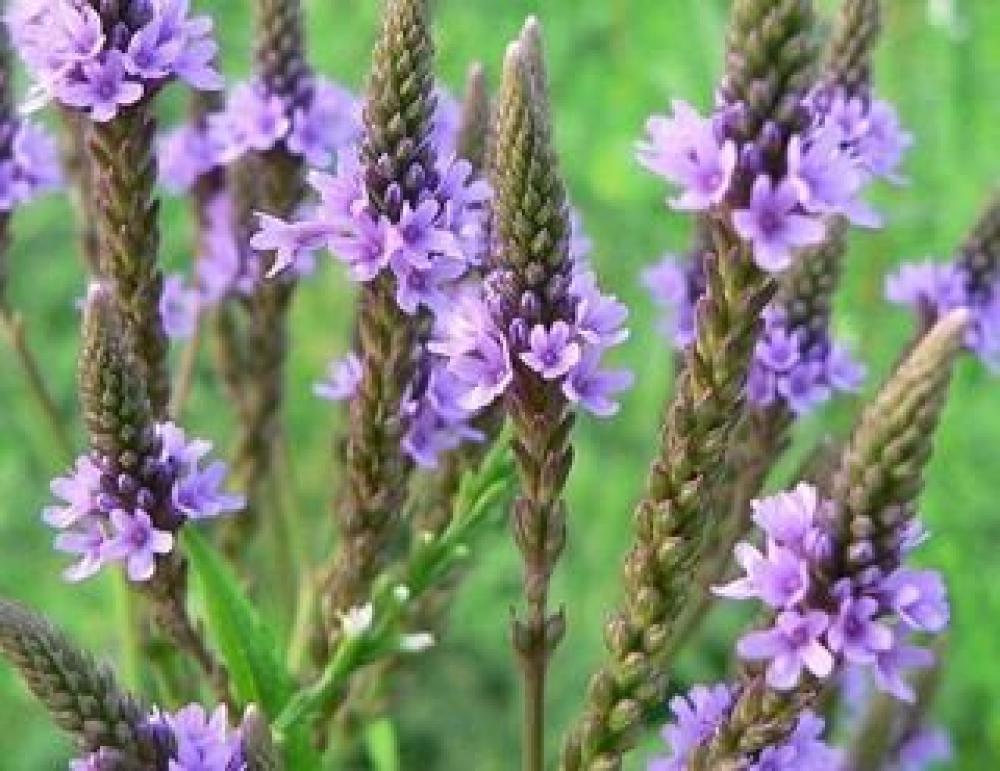
Field verbena