



cashew tree
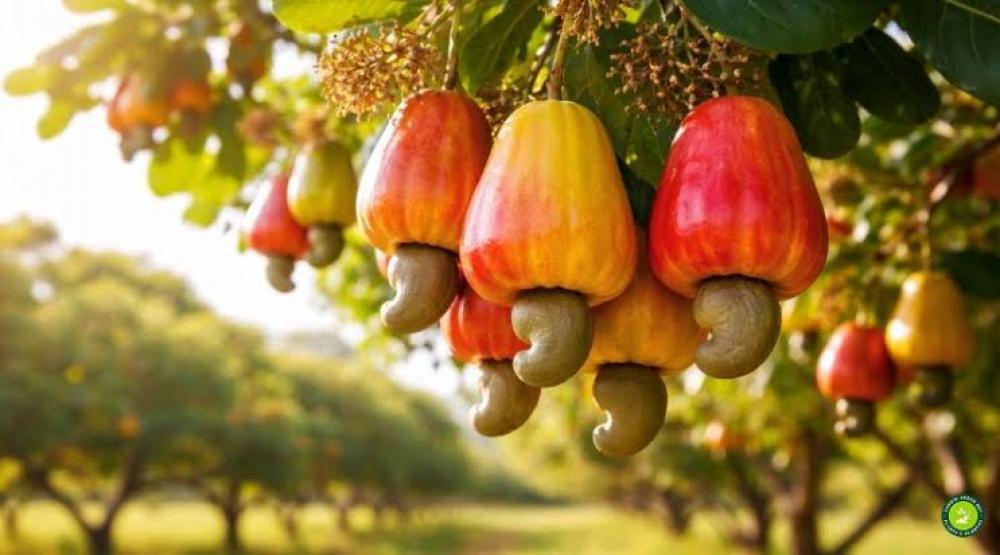
The cashew tree, scientifically known as *Anacardium occidentale*, is native to tropical America and is widely distributed and highly significant in Brazil, particularly in the Northeast and North regions. Belonging to the Anacardiaceae family, it is generally a small- to medium-sized tree capable of developing a broad, highly branched canopy. It is a species adapted to tropical environments and exhibits good resistance to dry spells—a characteristic that favors its cultivation in hot-climate regions.
Botanically speaking, the true fruit of the cashew tree is the cashew nut, while the fleshy, succulent part popularly known as the "cashew apple" is an accessory fruit, or a developed floral stalk. The cashew apple has a distinctive aroma and can range in color from yellow or orange to reddish. It is consumed fresh and used to produce juices, sweets, jellies, preserves, pulp, and other food products.
The cashew nut is of great nutritional and economic importance. It is a source of lipids, proteins, fiber, minerals, and bioactive compounds, making it widely used in the human diet. However, the raw nut extracted directly from the fruit contains irritants—specifically cashew nut shell liquid (CNSL), which is rich in phenolic compounds. Therefore, nuts intended for consumption must undergo appropriate processing.
The cashew apple is also of nutritional interest, providing vitamin C, fiber, and antioxidant compounds, although its composition varies depending on the variety and stage of ripeness. Vitamin C plays a role in normal immune system function and acts as an antioxidant. Thus, the cashew apple can be part of a diverse, fruit-based diet.
In the medical and scientific fields, various parts of the cashew tree are being studied due to the presence of phenolic compounds, flavonoids, tannins, and other bioactive components. Research is investigating the potential antioxidant, anti-inflammatory, and antimicrobial activities of extracts derived from the plant. However, experimental results do not mean that homemade preparations derived from the cashew tree can replace medications or medical treatments.
From an environmental perspective, the cashew tree is important for biodiversity and for the adaptation of vegetation to tropical environments. Its flowers provide resources for various visitors and pollinators, while the development of its fruit plays a role in local ecological relationships. The species is also highly significant for agricultural systems and for generating income for producer communities.
Botanically speaking, the true fruit of the cashew tree is the cashew nut, while the fleshy, succulent part popularly known as the "cashew apple" is an accessory fruit, or a developed floral stalk. The cashew apple has a distinctive aroma and can range in color from yellow or orange to reddish. It is consumed fresh and used to produce juices, sweets, jellies, preserves, pulp, and other food products.
The cashew nut is of great nutritional and economic importance. It is a source of lipids, proteins, fiber, minerals, and bioactive compounds, making it widely used in the human diet. However, the raw nut extracted directly from the fruit contains irritants—specifically cashew nut shell liquid (CNSL), which is rich in phenolic compounds. Therefore, nuts intended for consumption must undergo appropriate processing.
The cashew apple is also of nutritional interest, providing vitamin C, fiber, and antioxidant compounds, although its composition varies depending on the variety and stage of ripeness. Vitamin C plays a role in normal immune system function and acts as an antioxidant. Thus, the cashew apple can be part of a diverse, fruit-based diet.
In the medical and scientific fields, various parts of the cashew tree are being studied due to the presence of phenolic compounds, flavonoids, tannins, and other bioactive components. Research is investigating the potential antioxidant, anti-inflammatory, and antimicrobial activities of extracts derived from the plant. However, experimental results do not mean that homemade preparations derived from the cashew tree can replace medications or medical treatments.
From an environmental perspective, the cashew tree is important for biodiversity and for the adaptation of vegetation to tropical environments. Its flowers provide resources for various visitors and pollinators, while the development of its fruit plays a role in local ecological relationships. The species is also highly significant for agricultural systems and for generating income for producer communities.
Tree Catalog
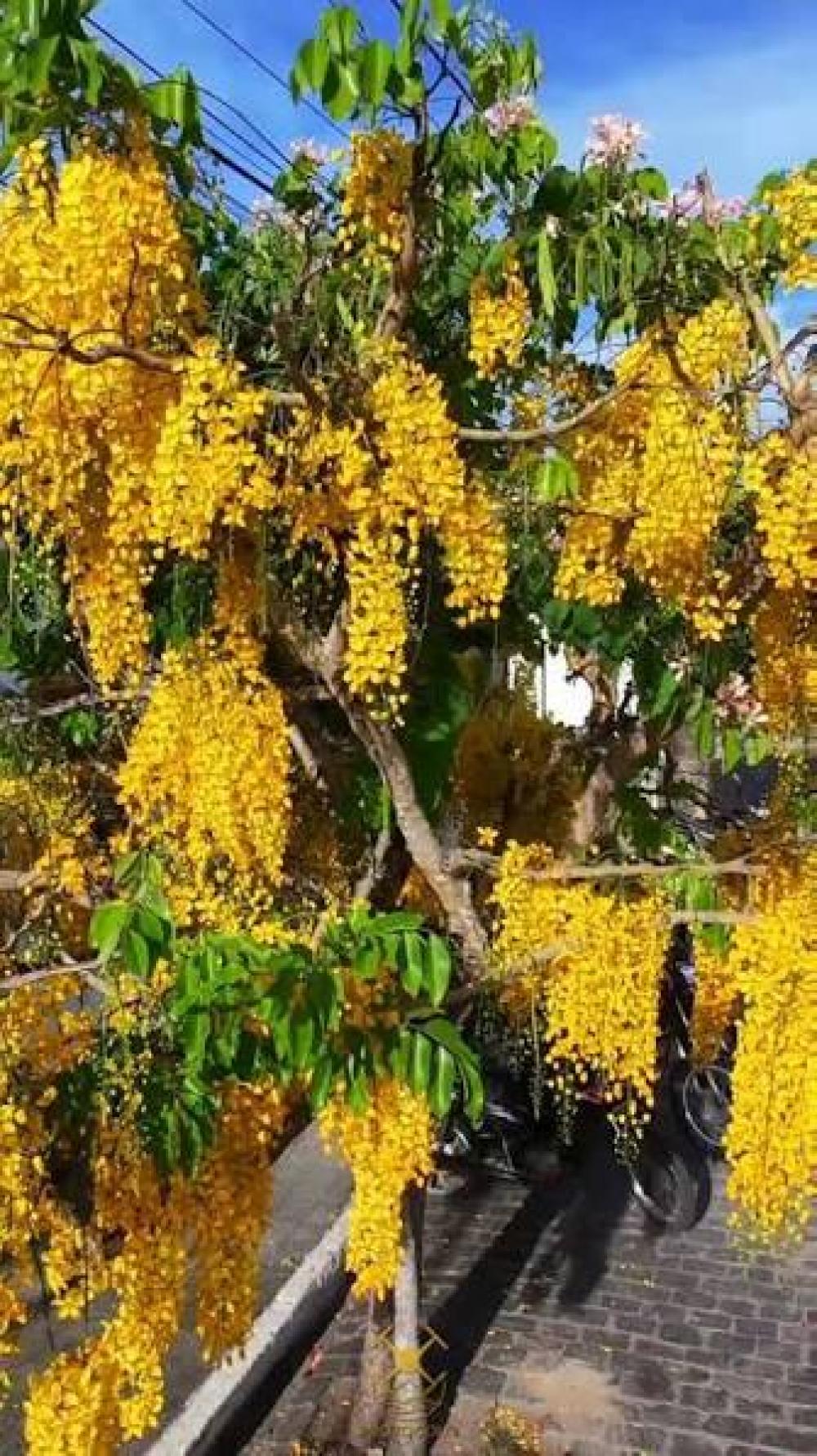
Imperial acacia
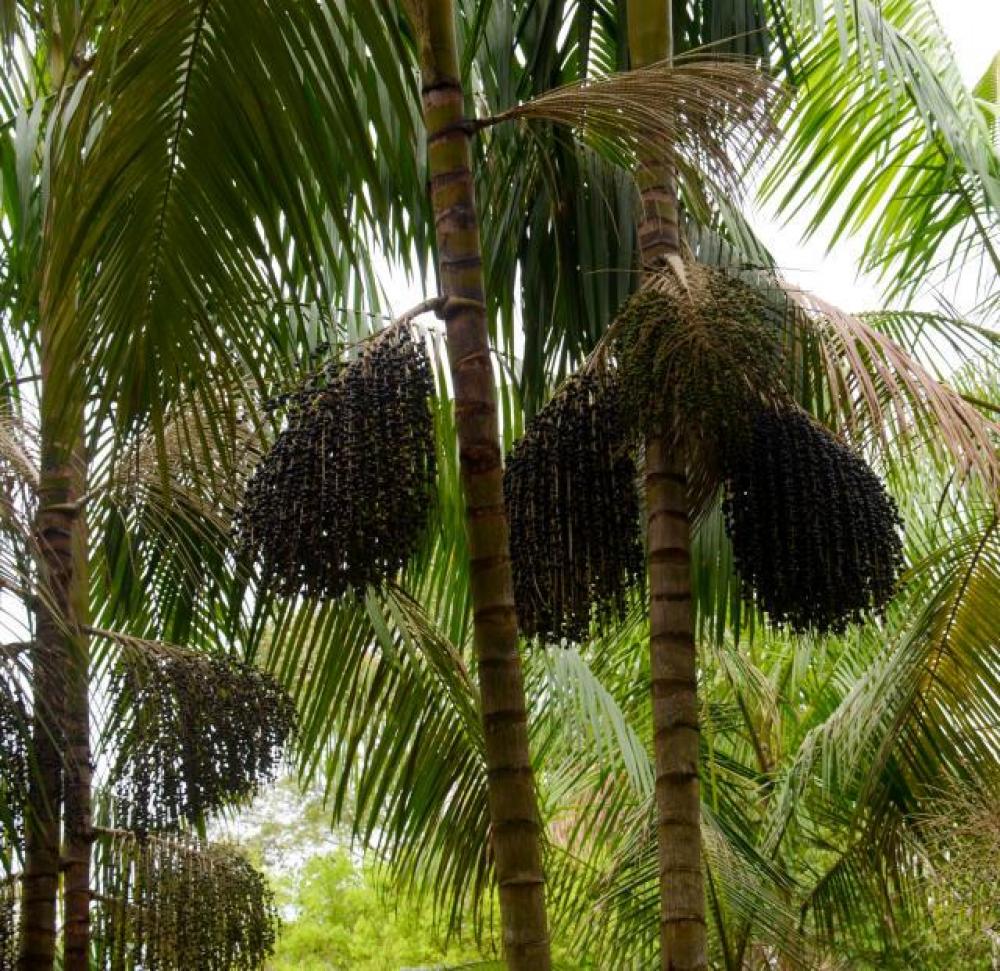
Açaí (Euterpe oleracea)
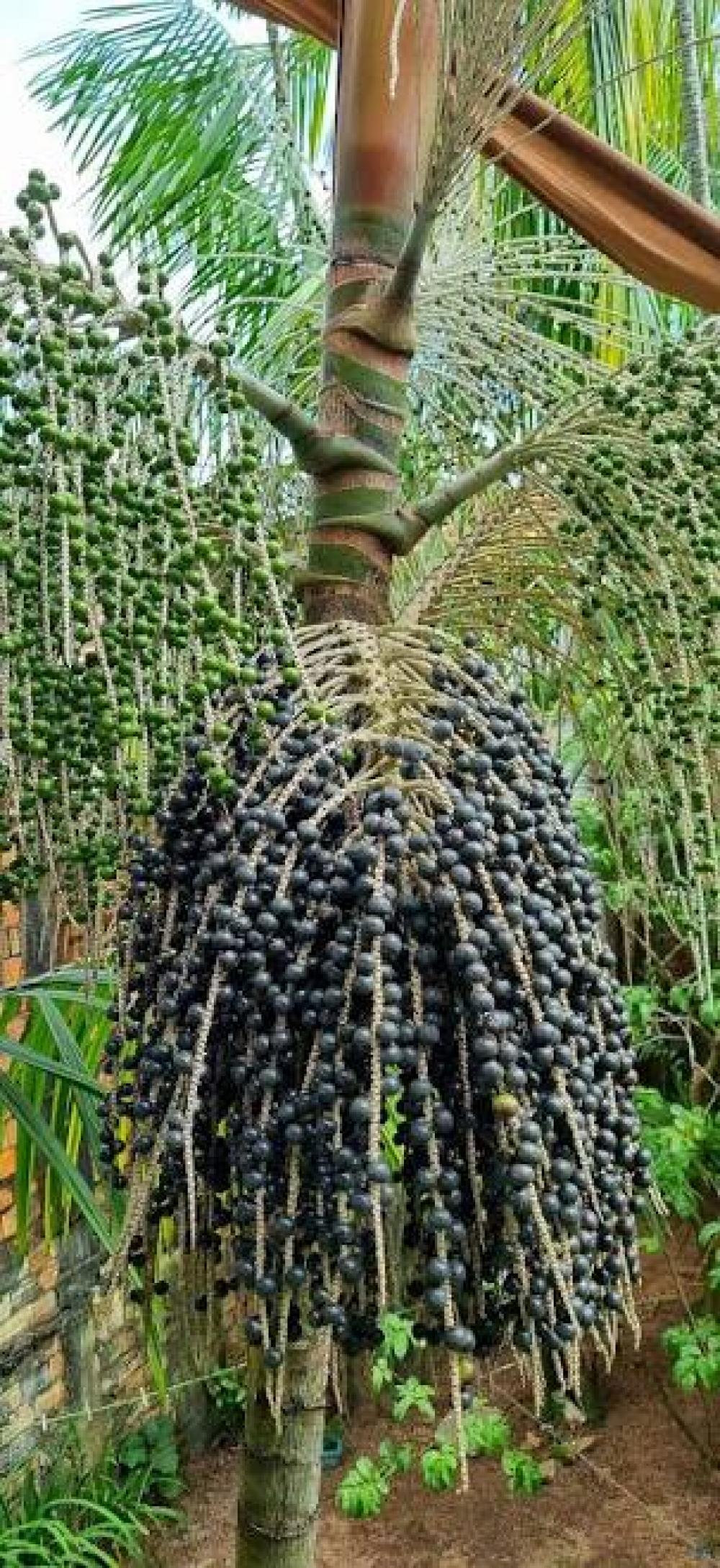
Açaí palm
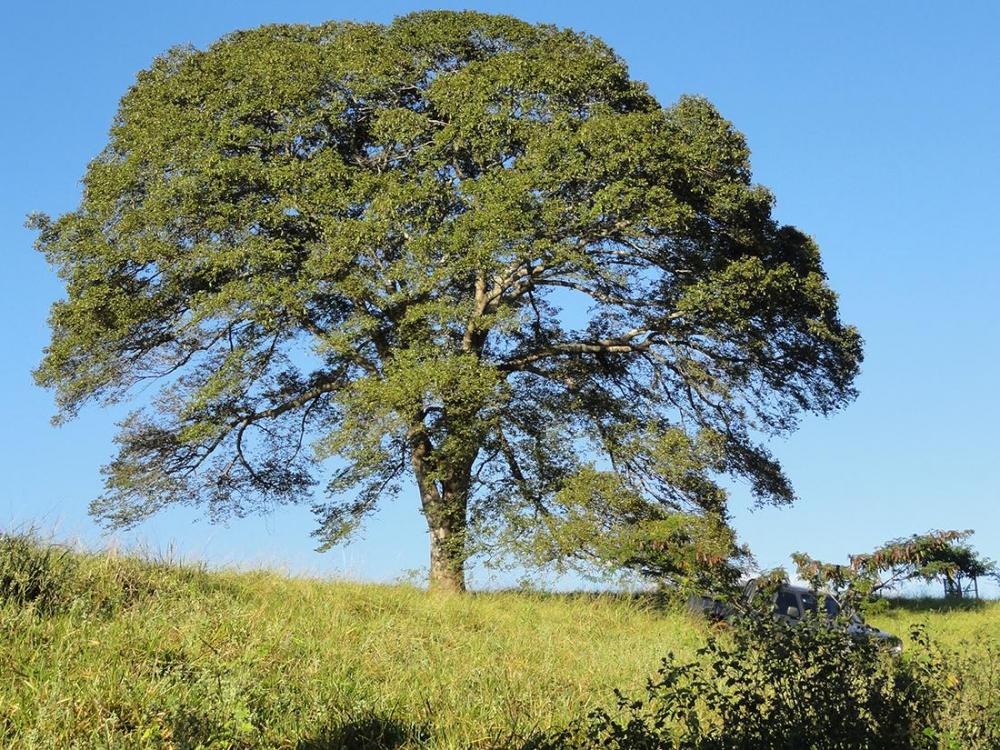

Red Angelim
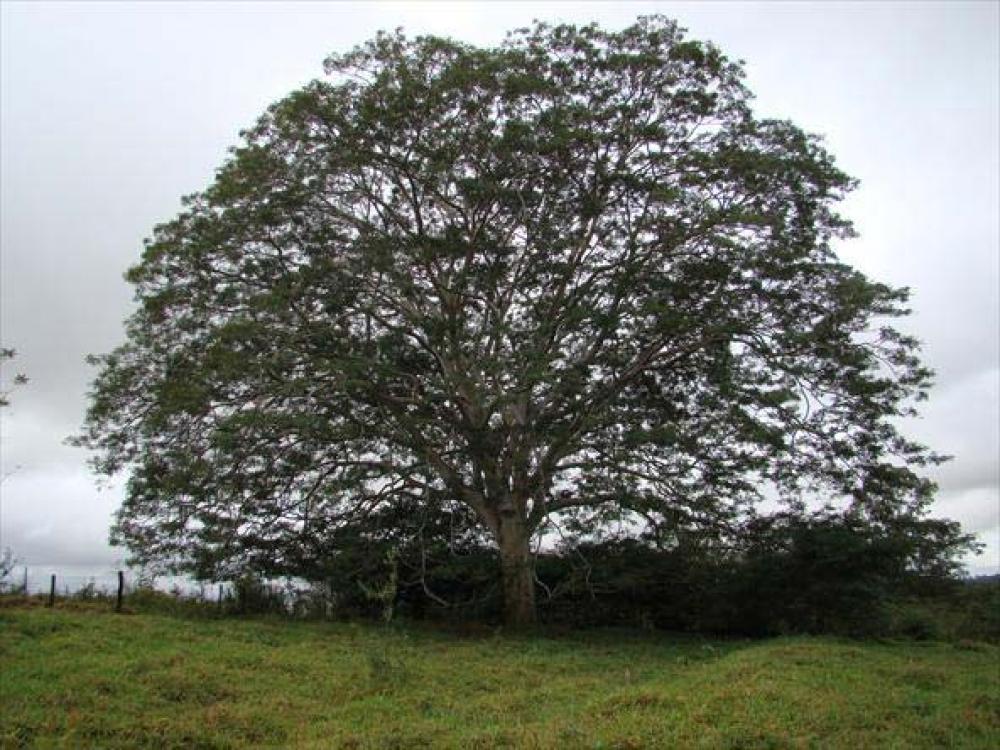
White Angico
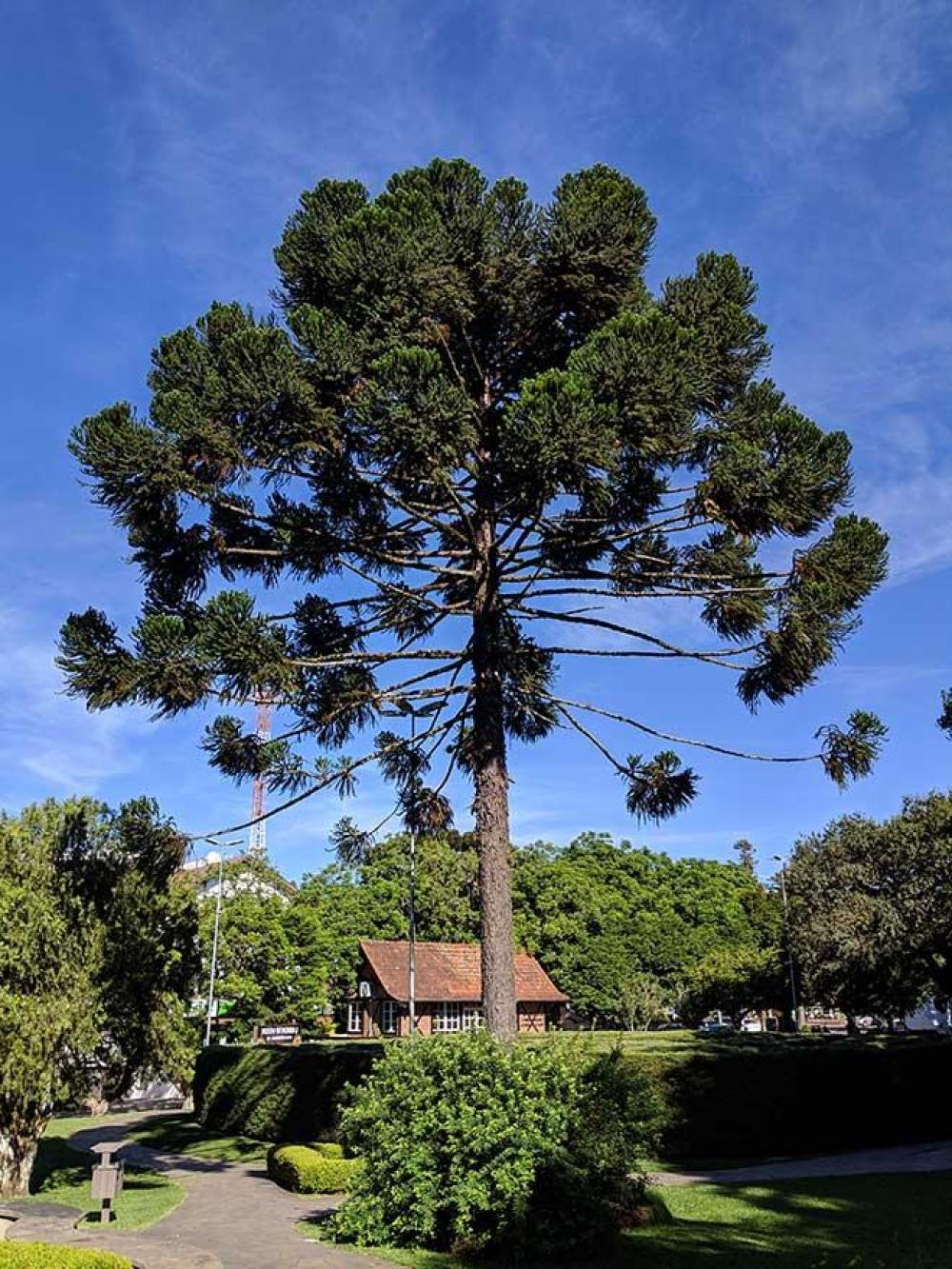
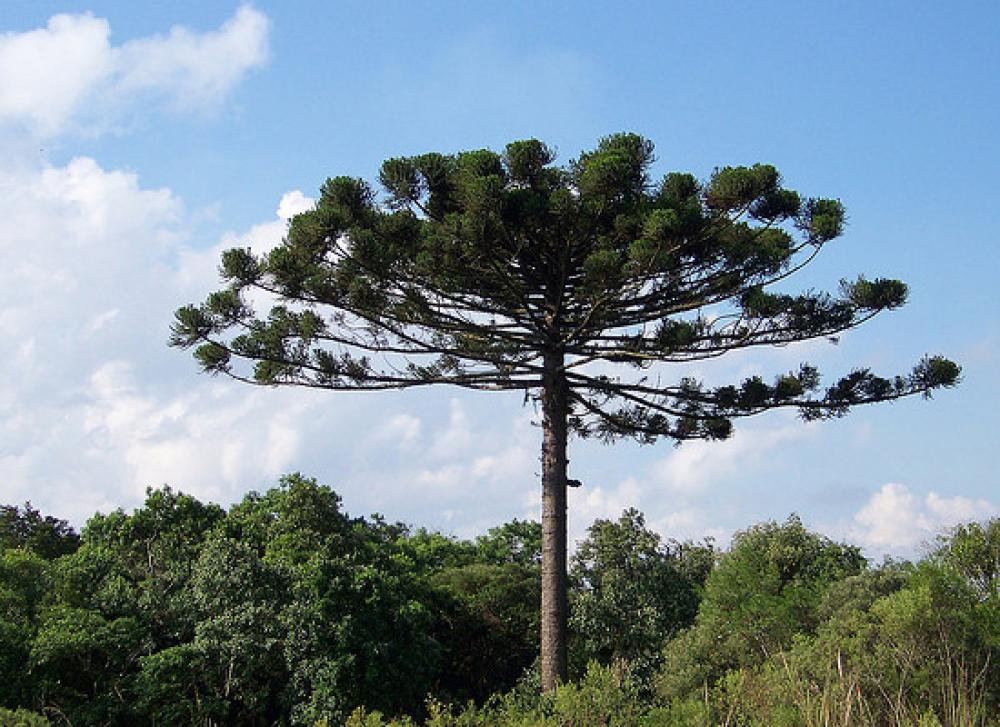
Araucaria, the Paraná pine
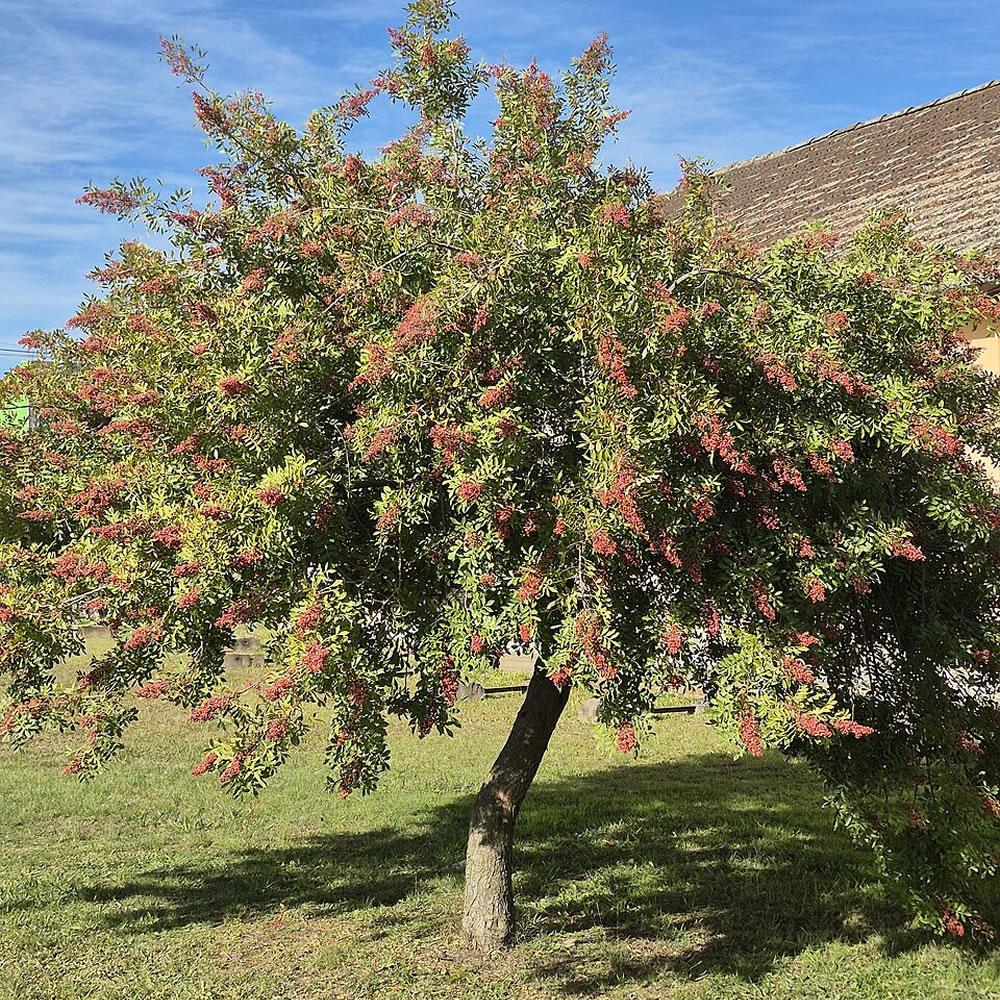
Brazilian peppertree
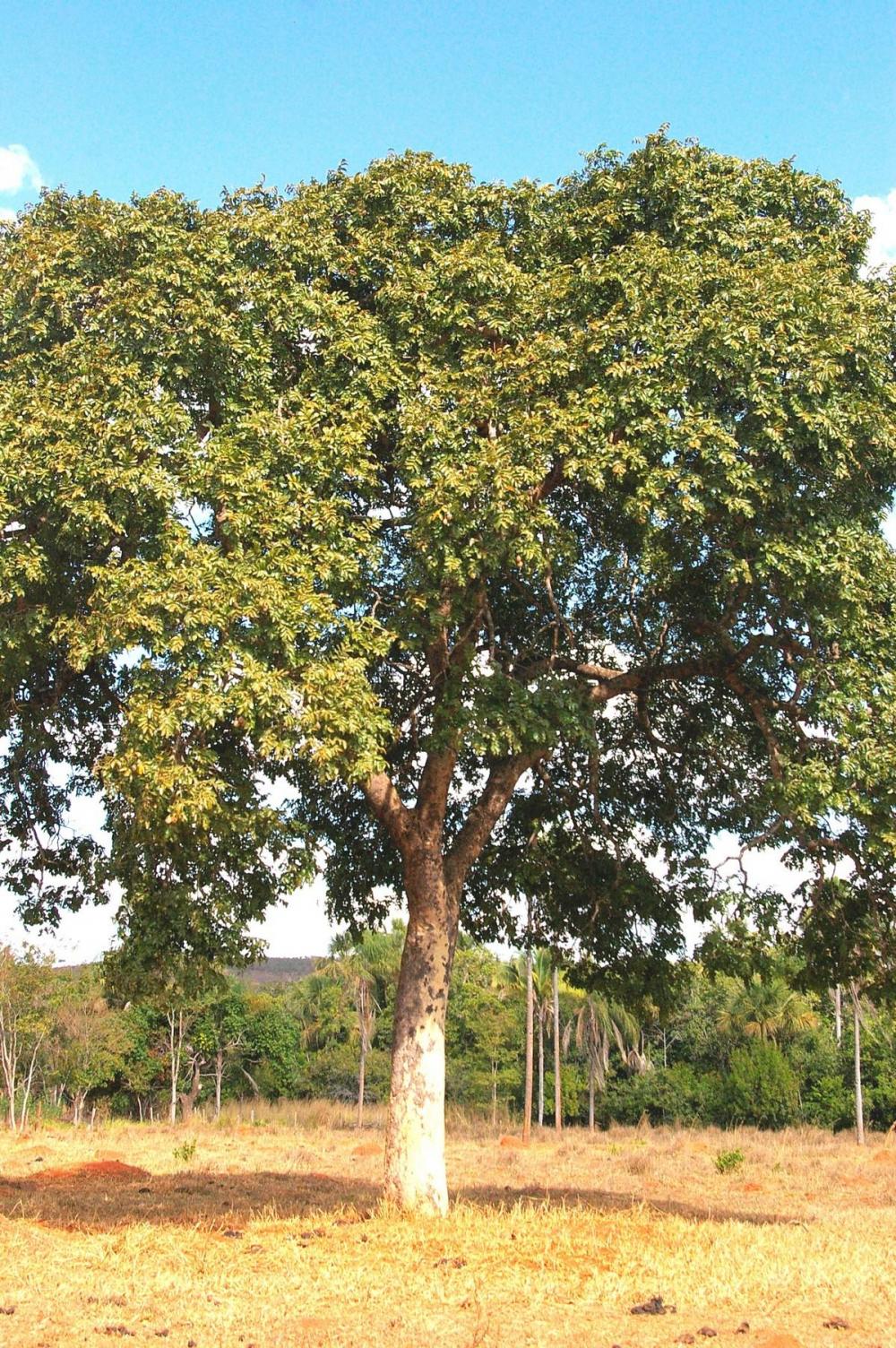
Baru
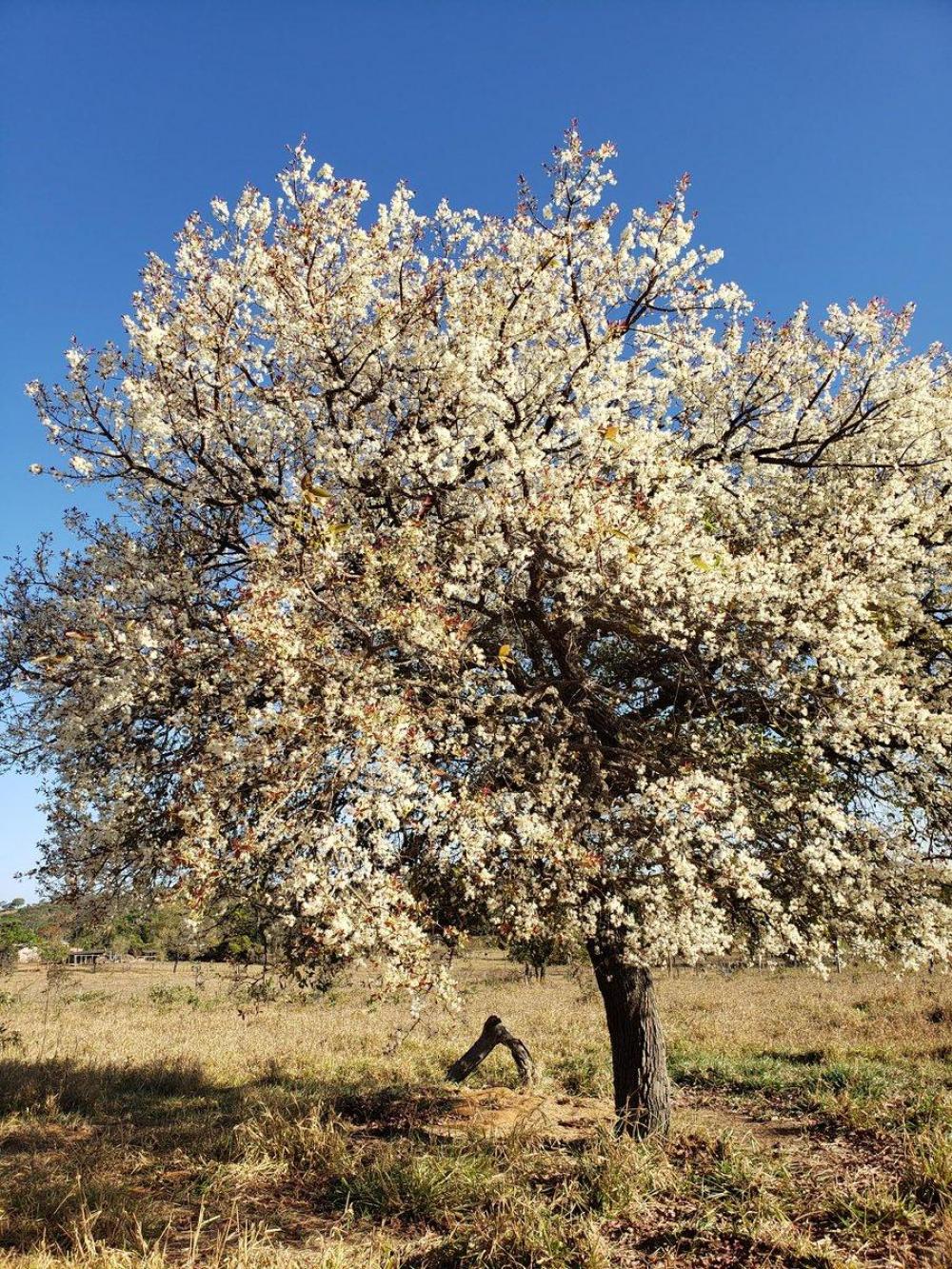
cashew tree
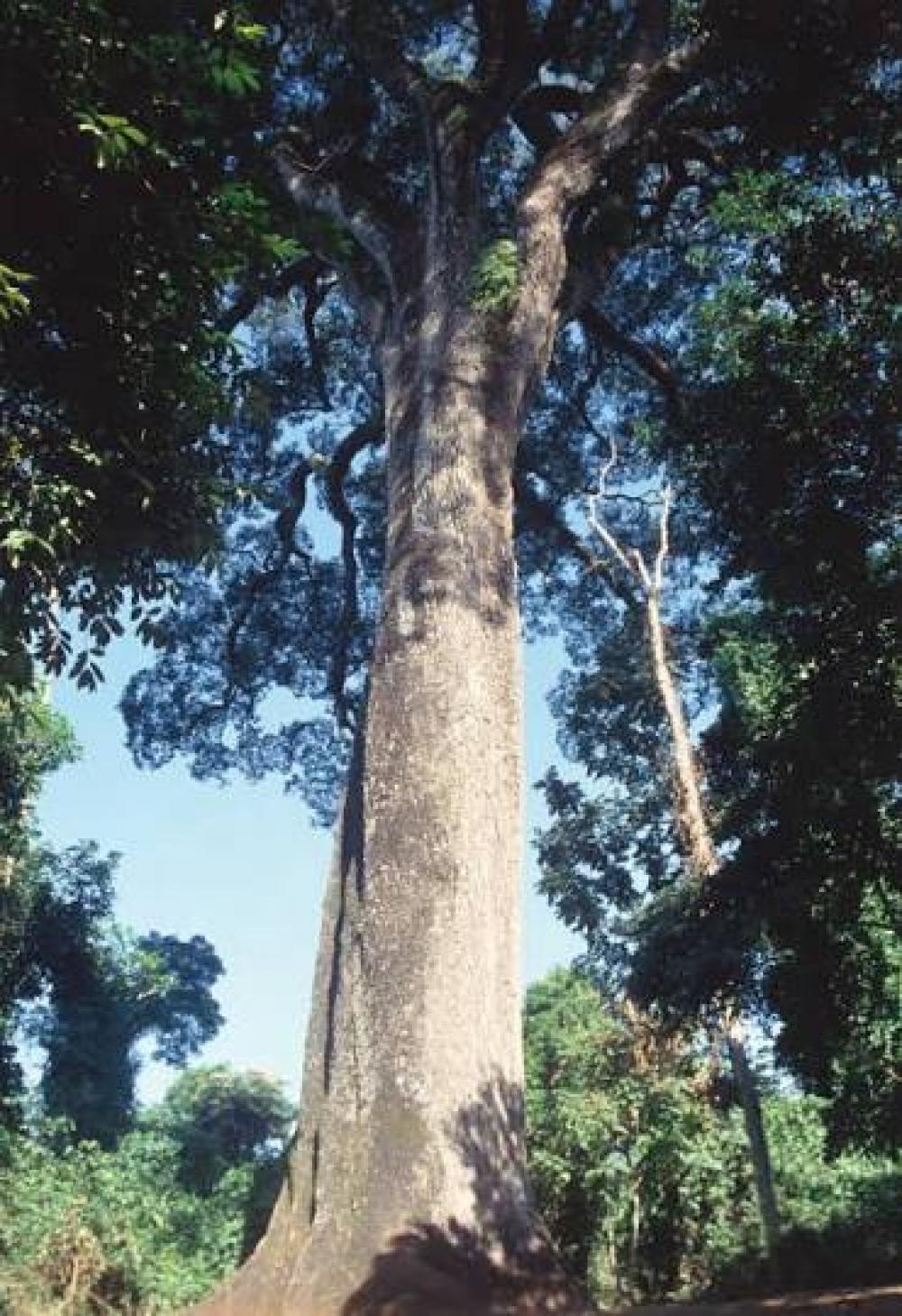
Black Cinnamon
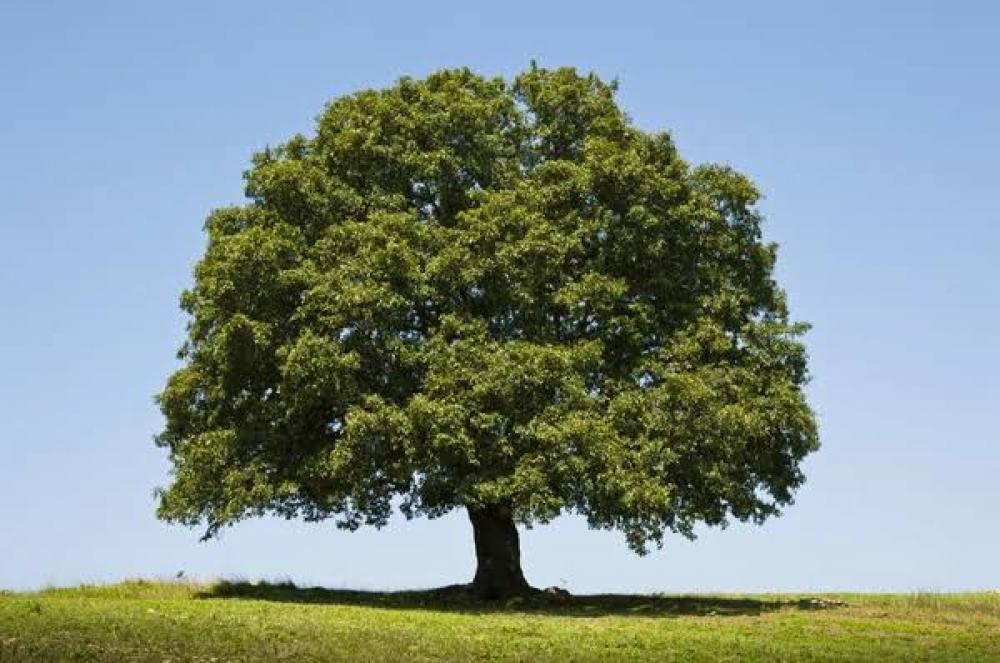
Oak tree
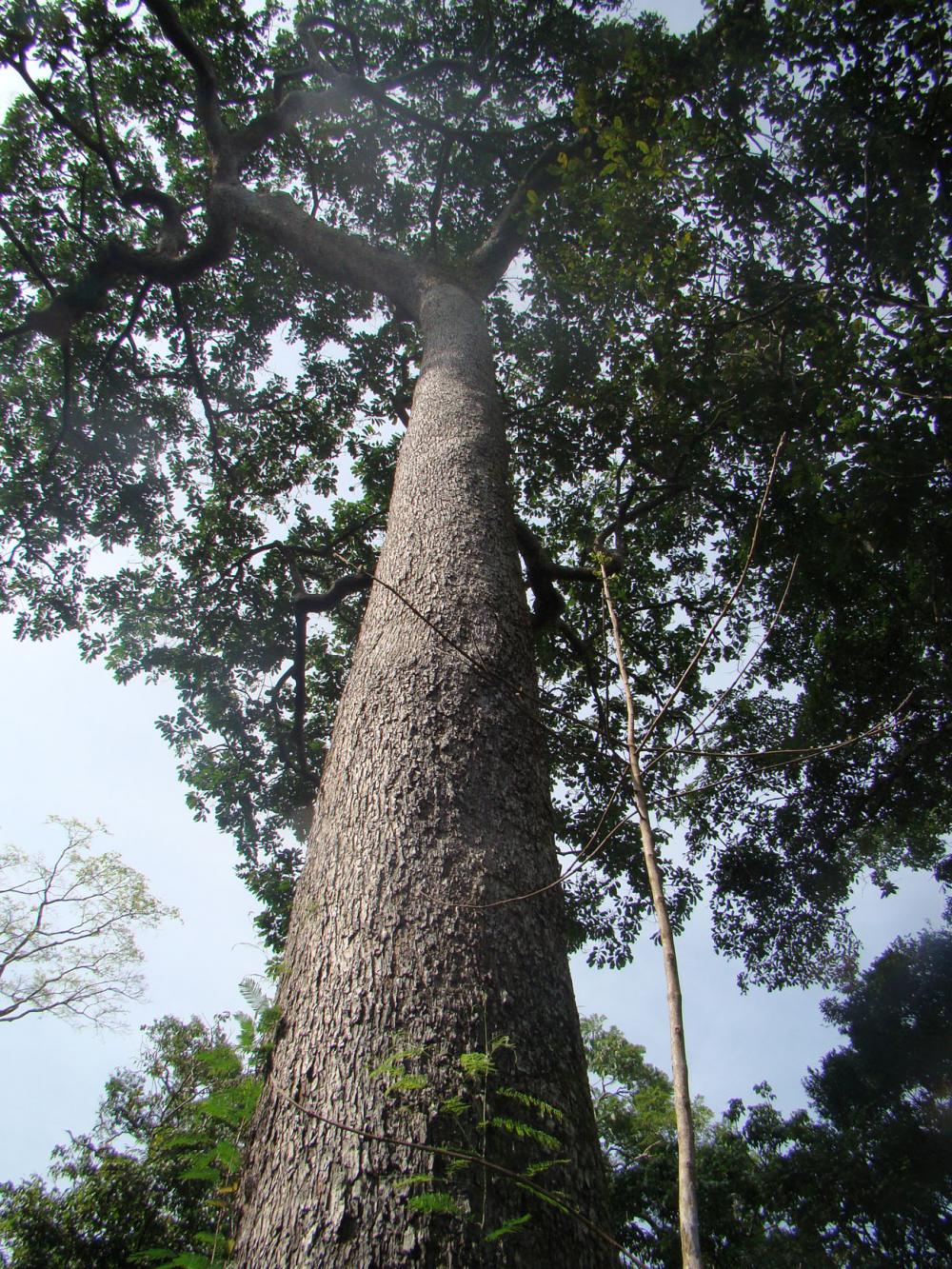
nuez de Brasil
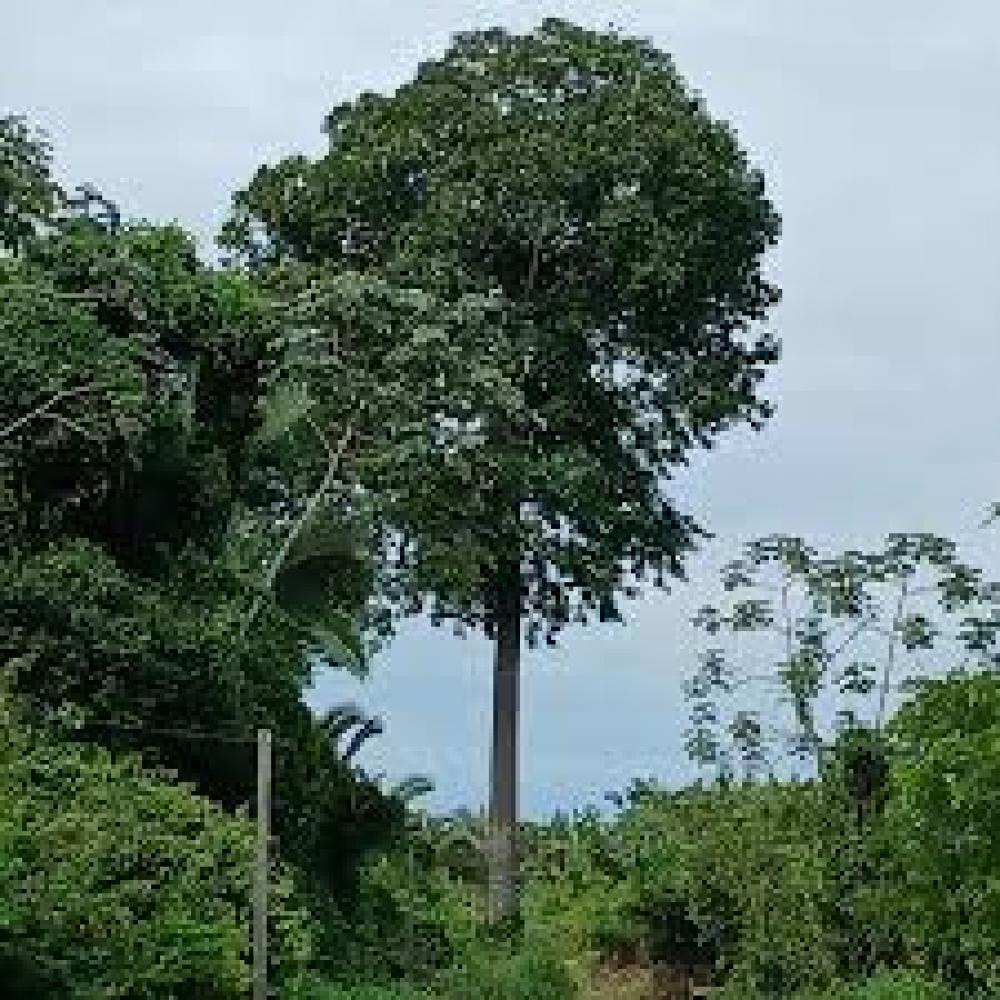
Brazil nut tree
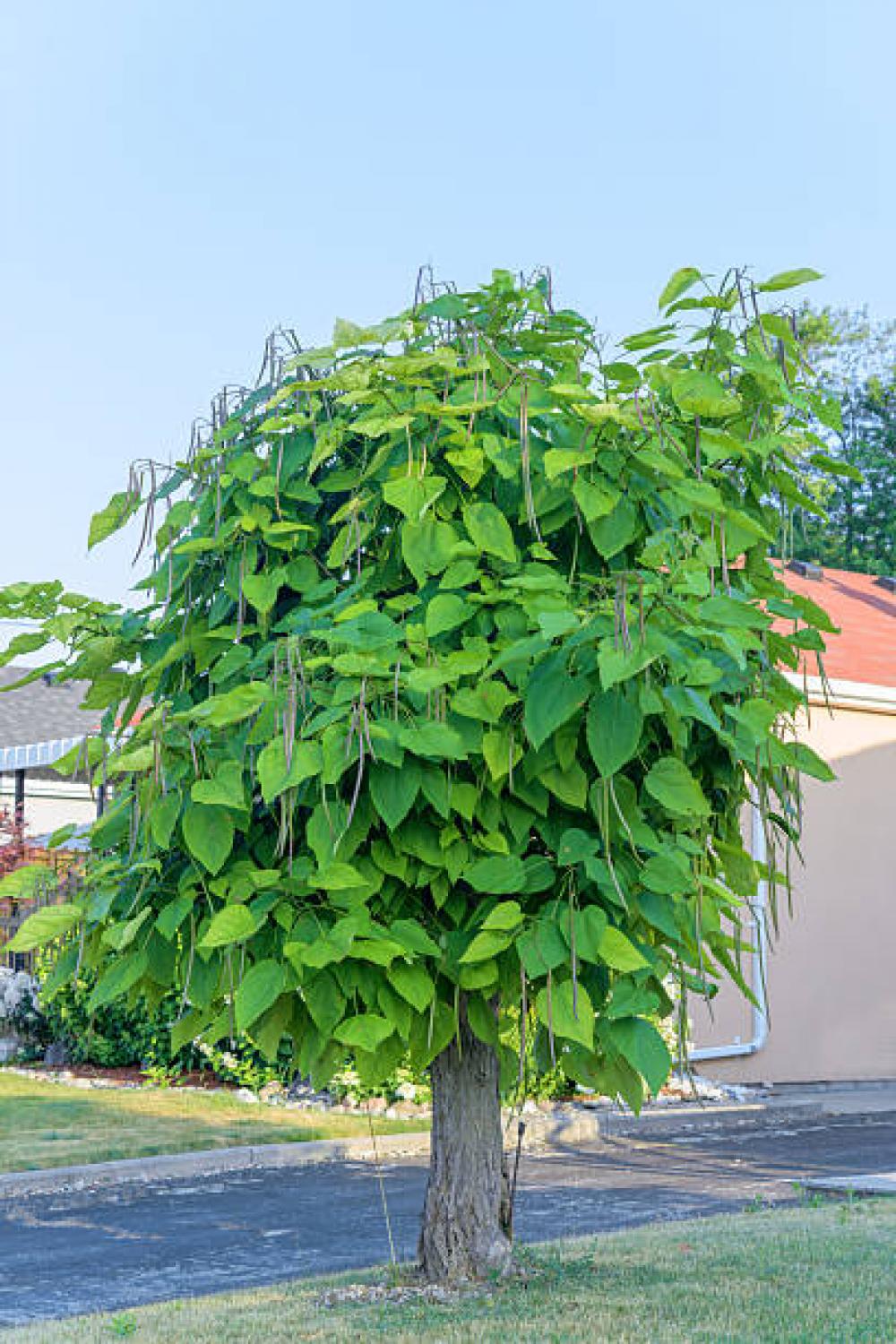
Catalpa
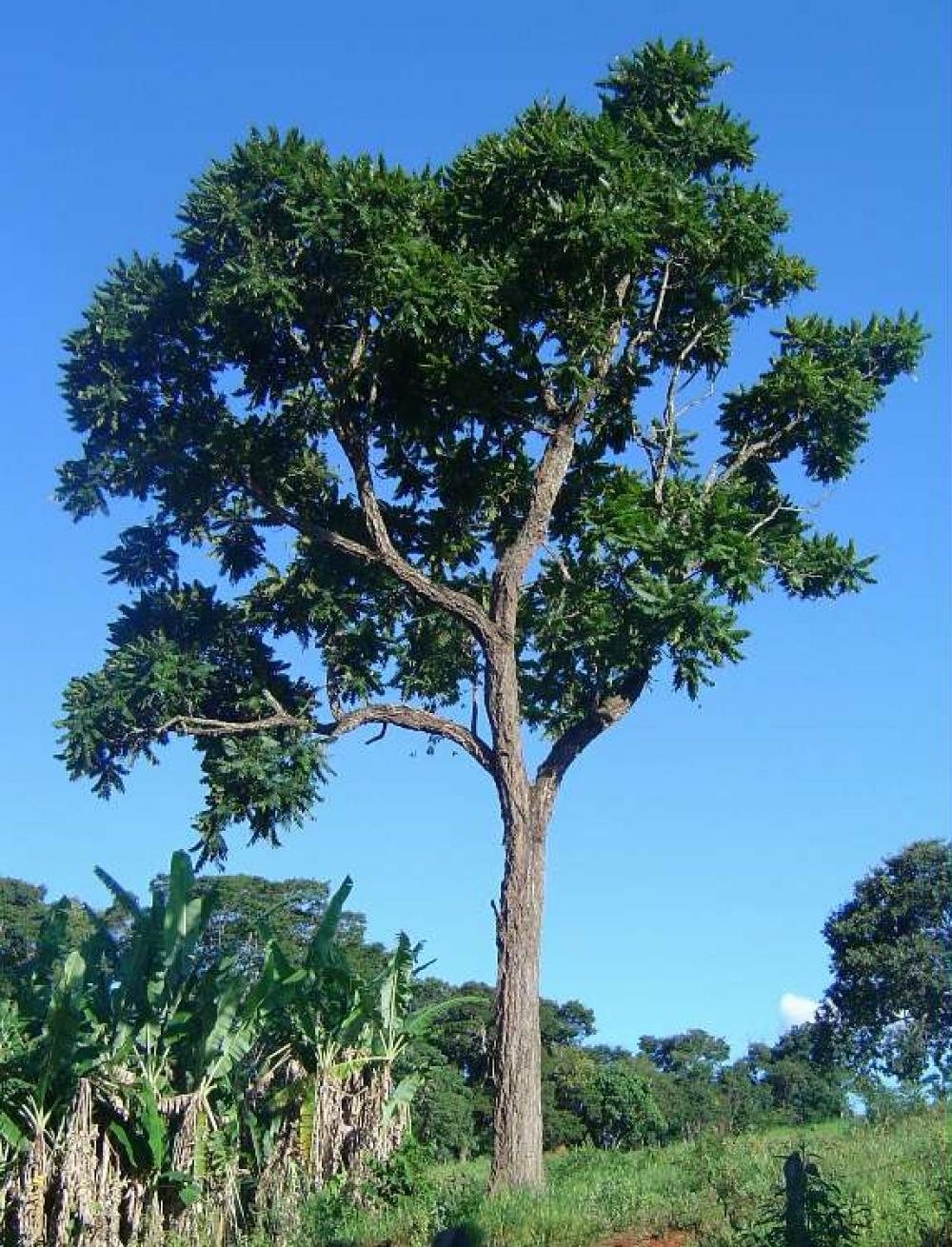
Pink cedar
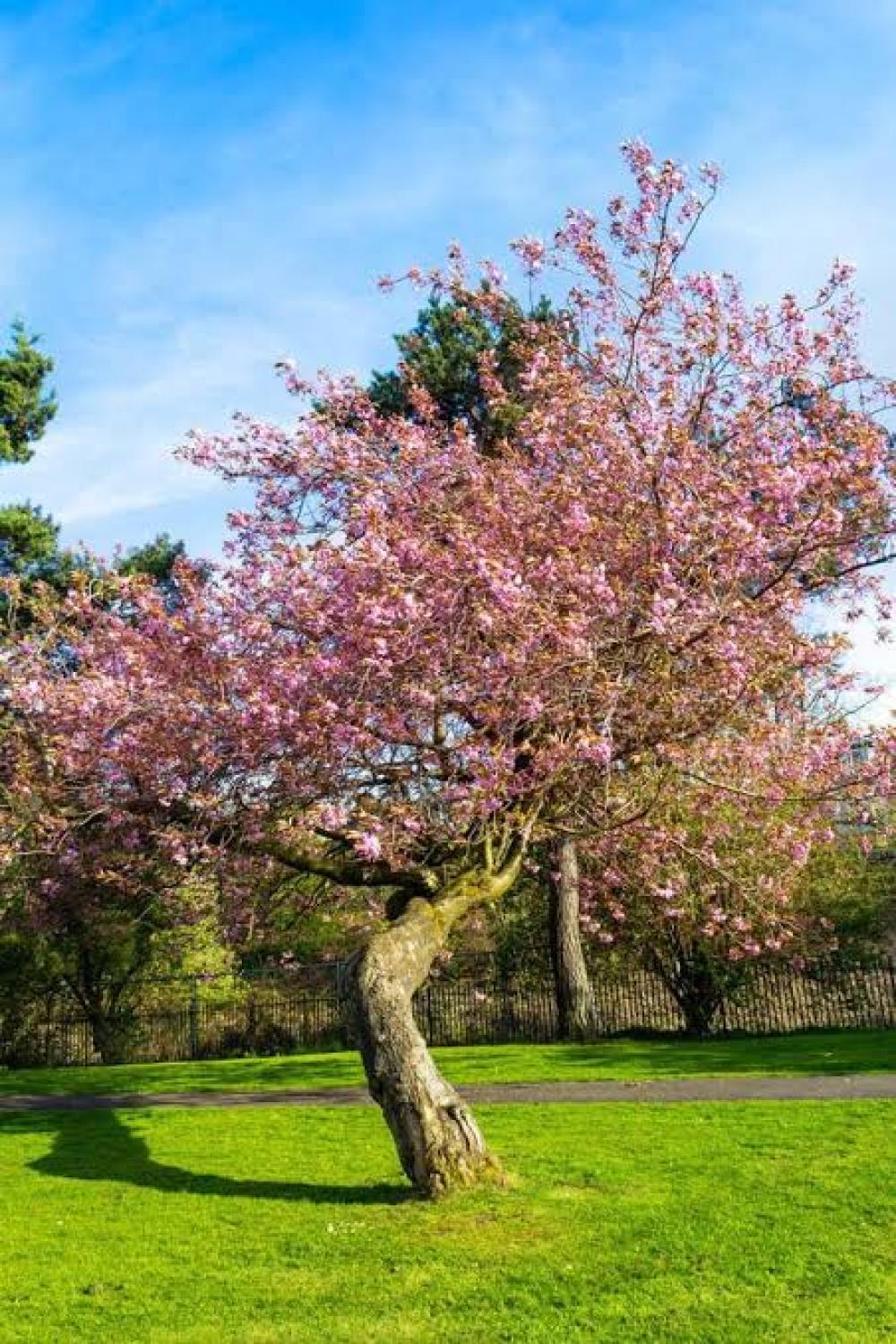
ornamental cherry tree
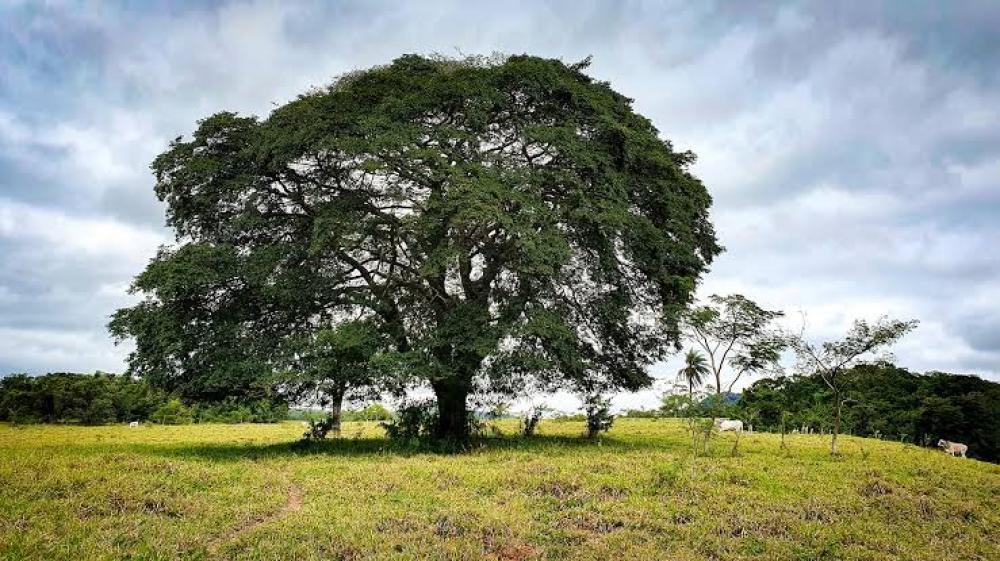
copaiba
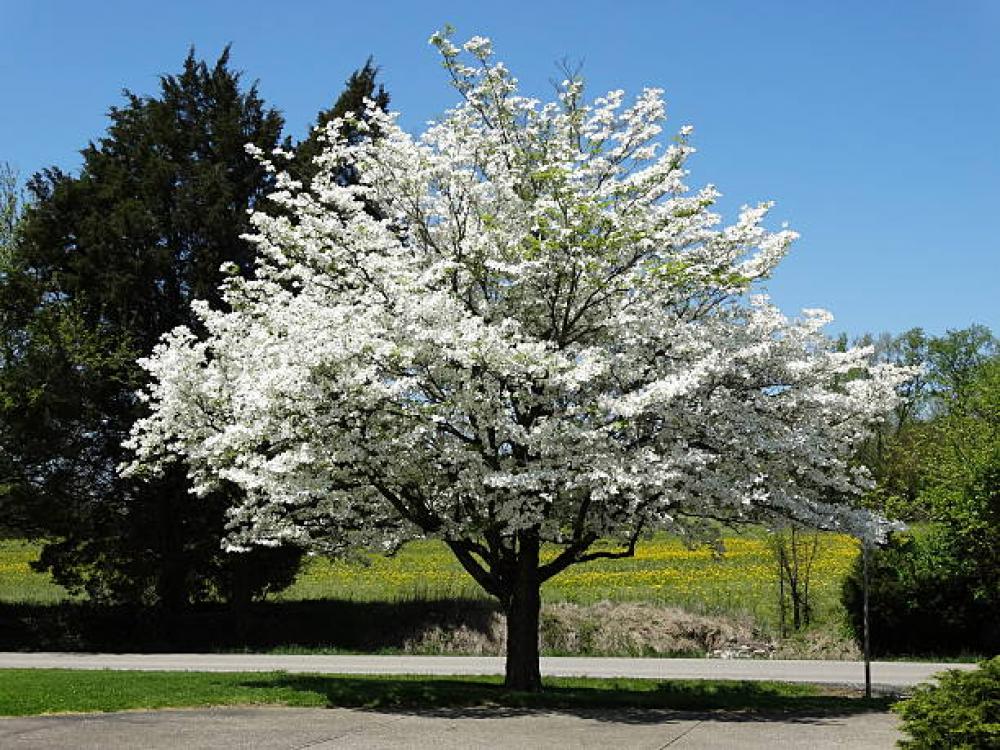
Trees of the genus Cornus
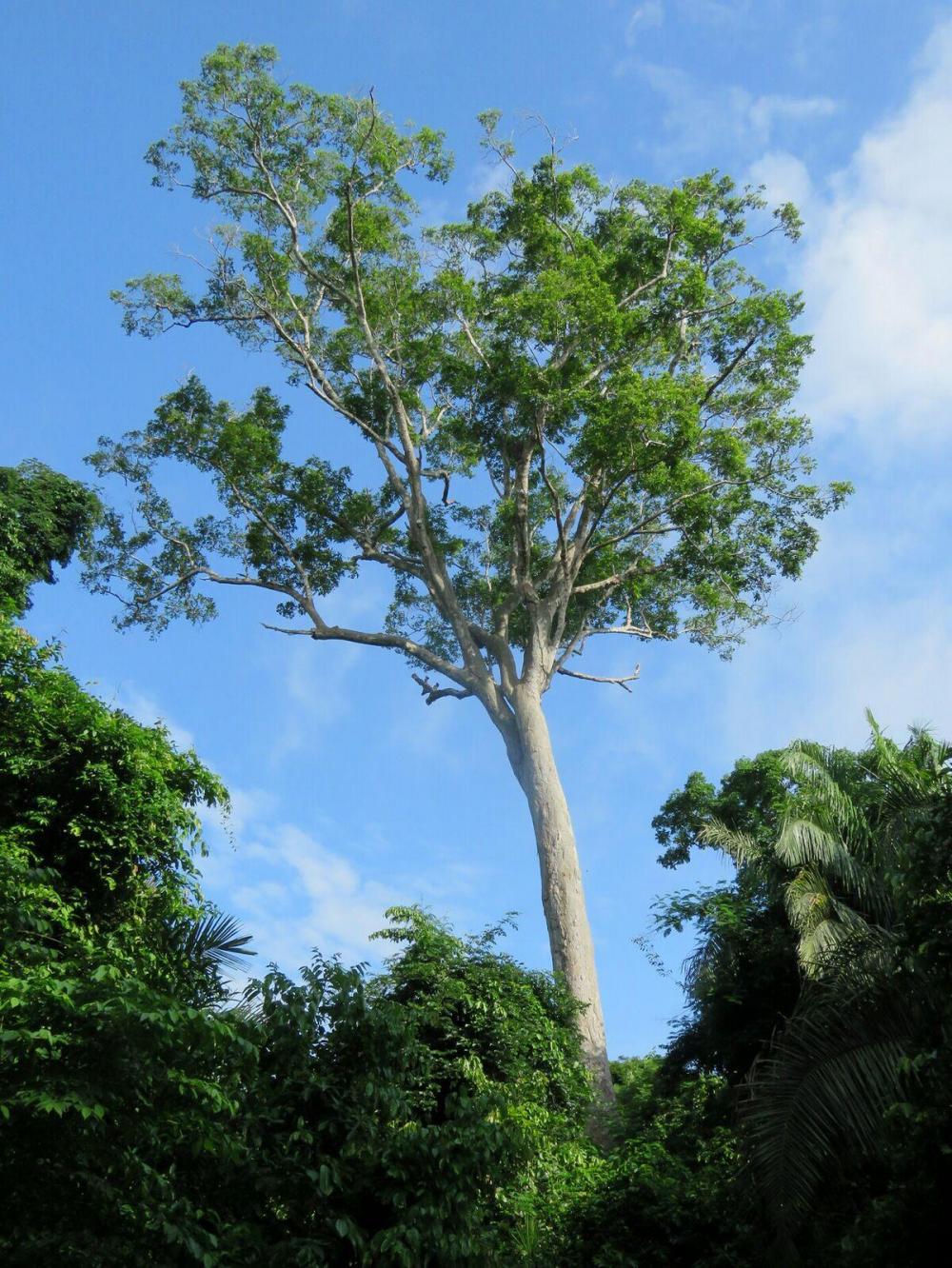
Cumaru
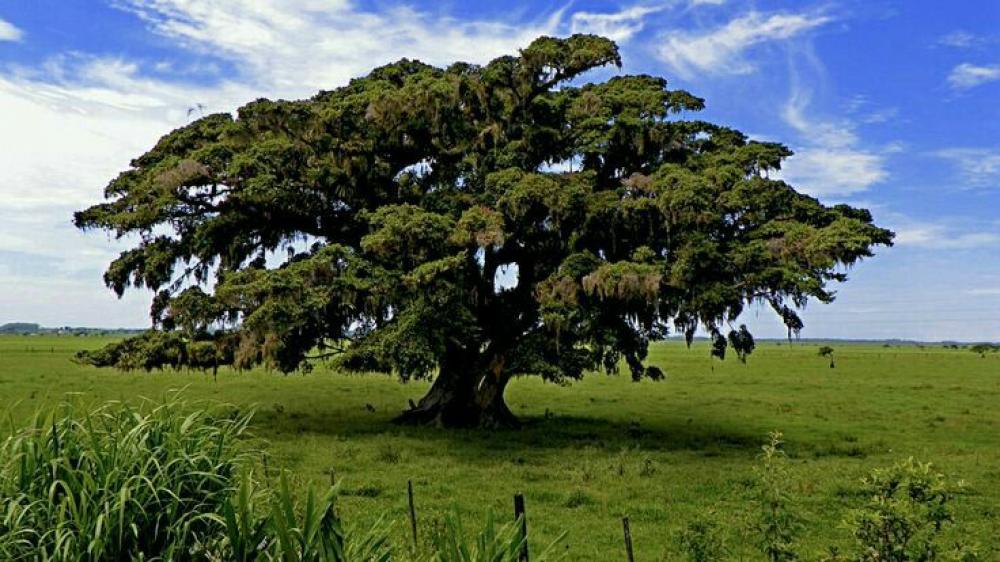
fig tree
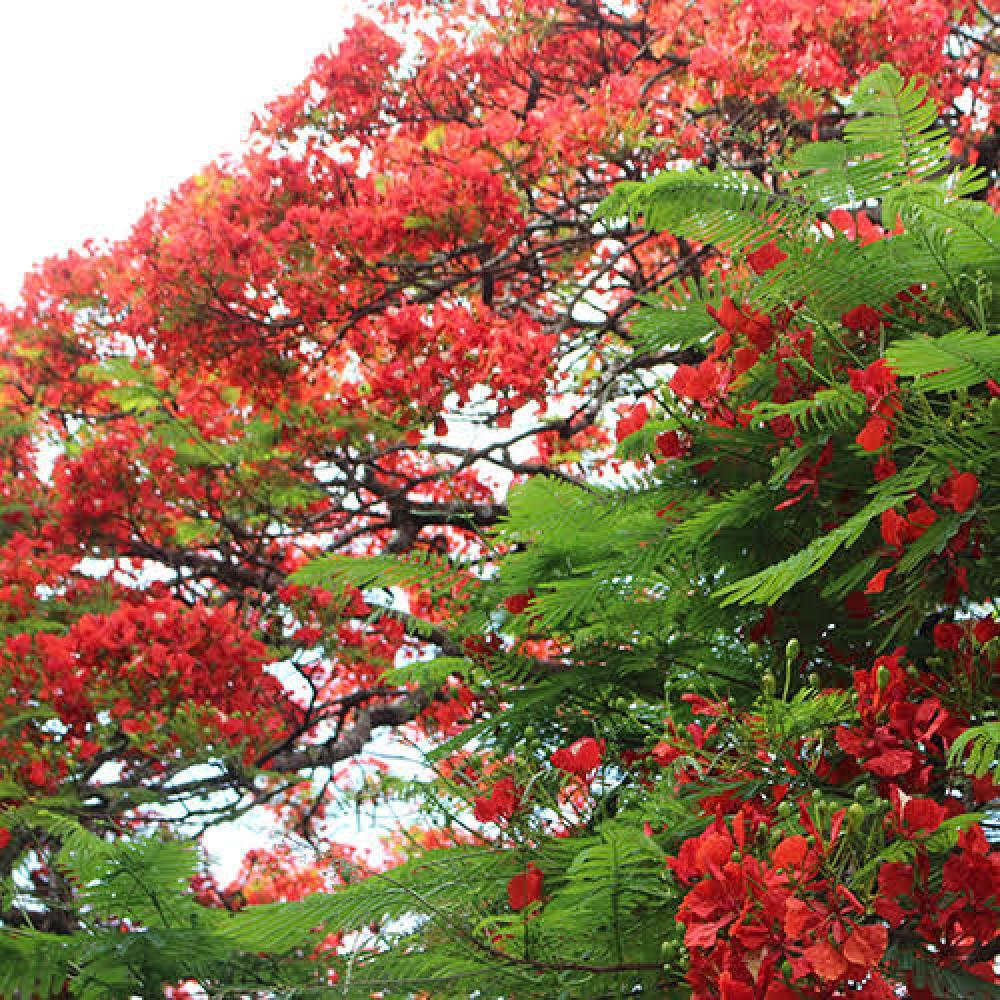
Flamboyant
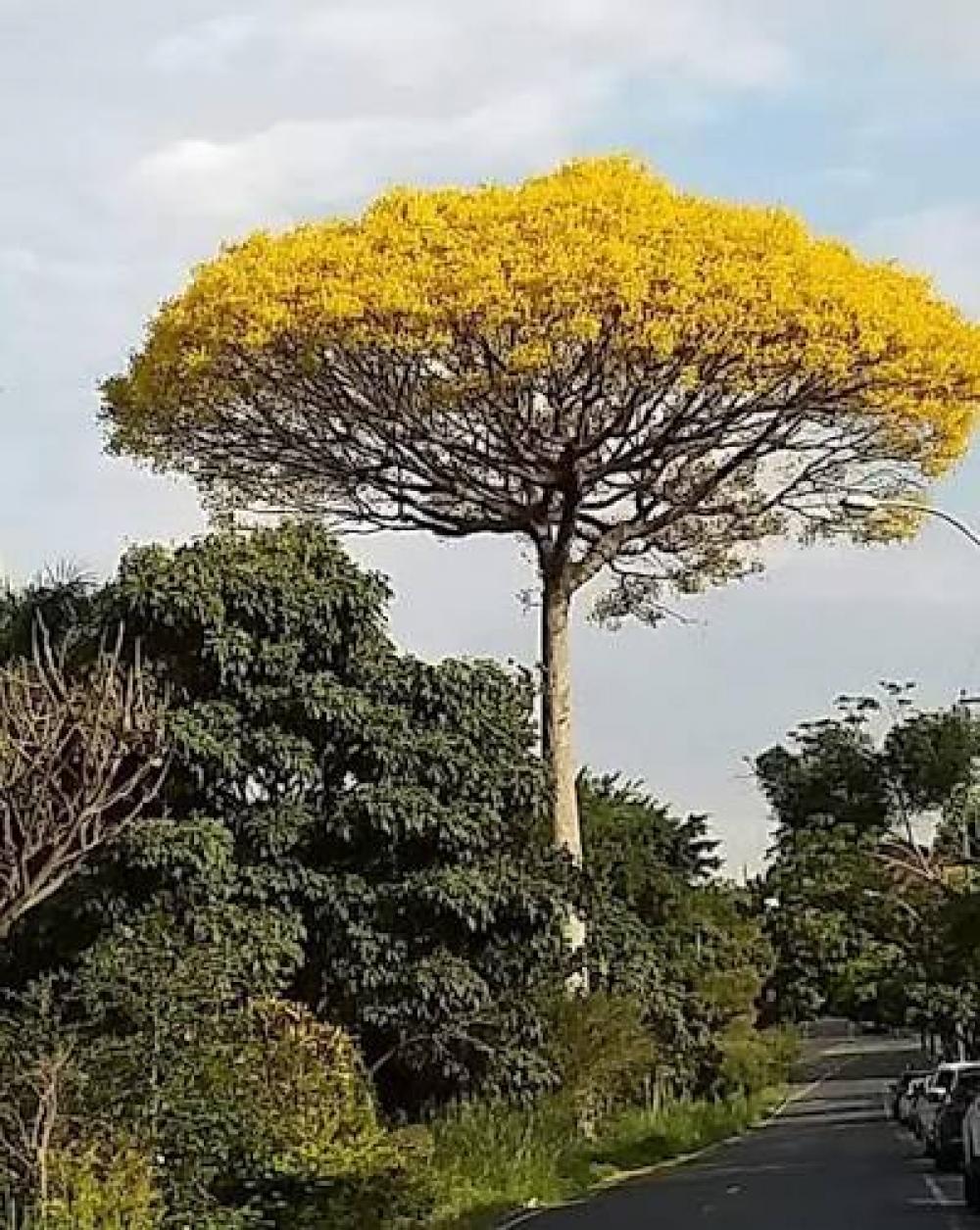
Guapuruvu
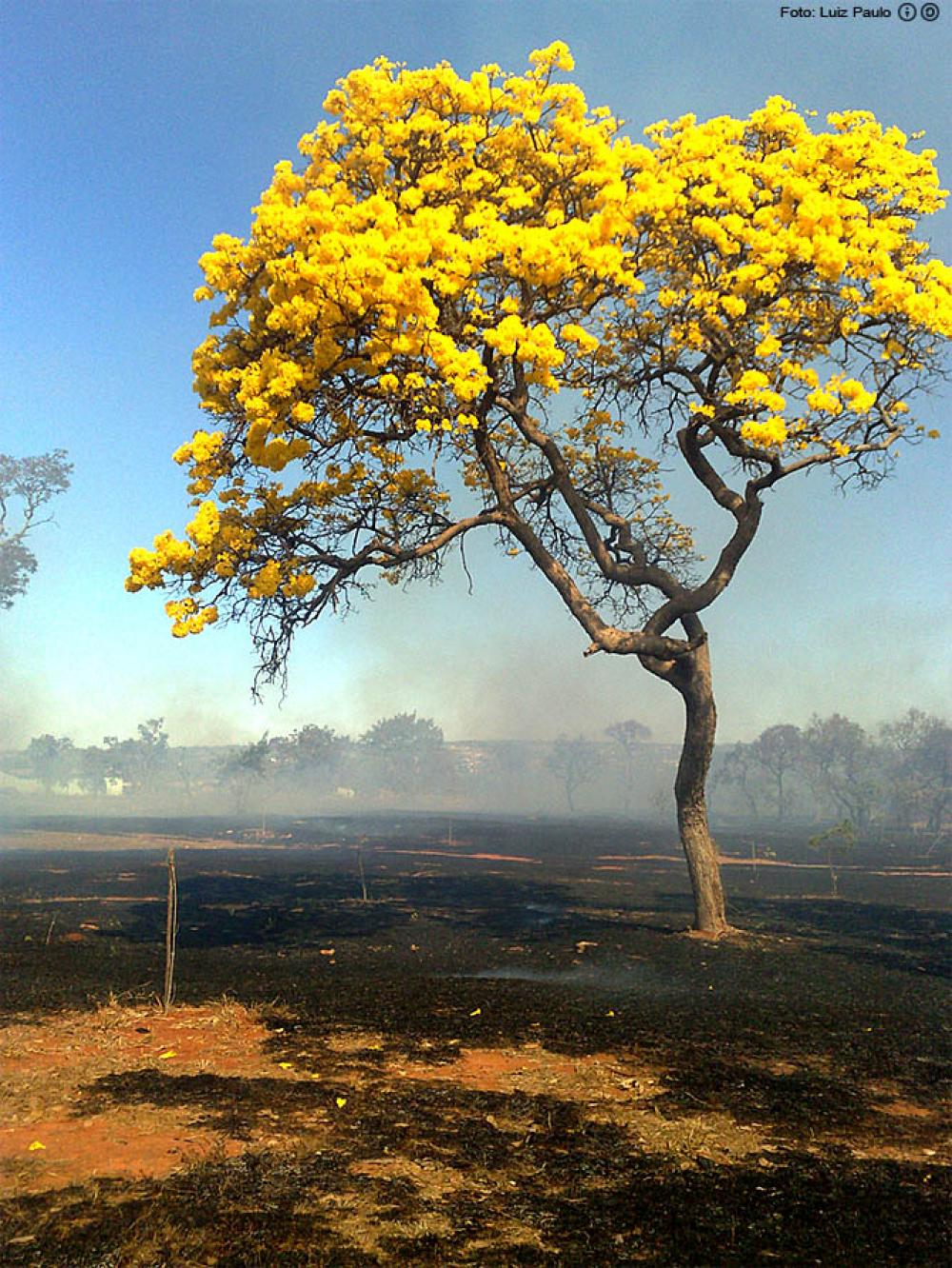
Yellow Ipê
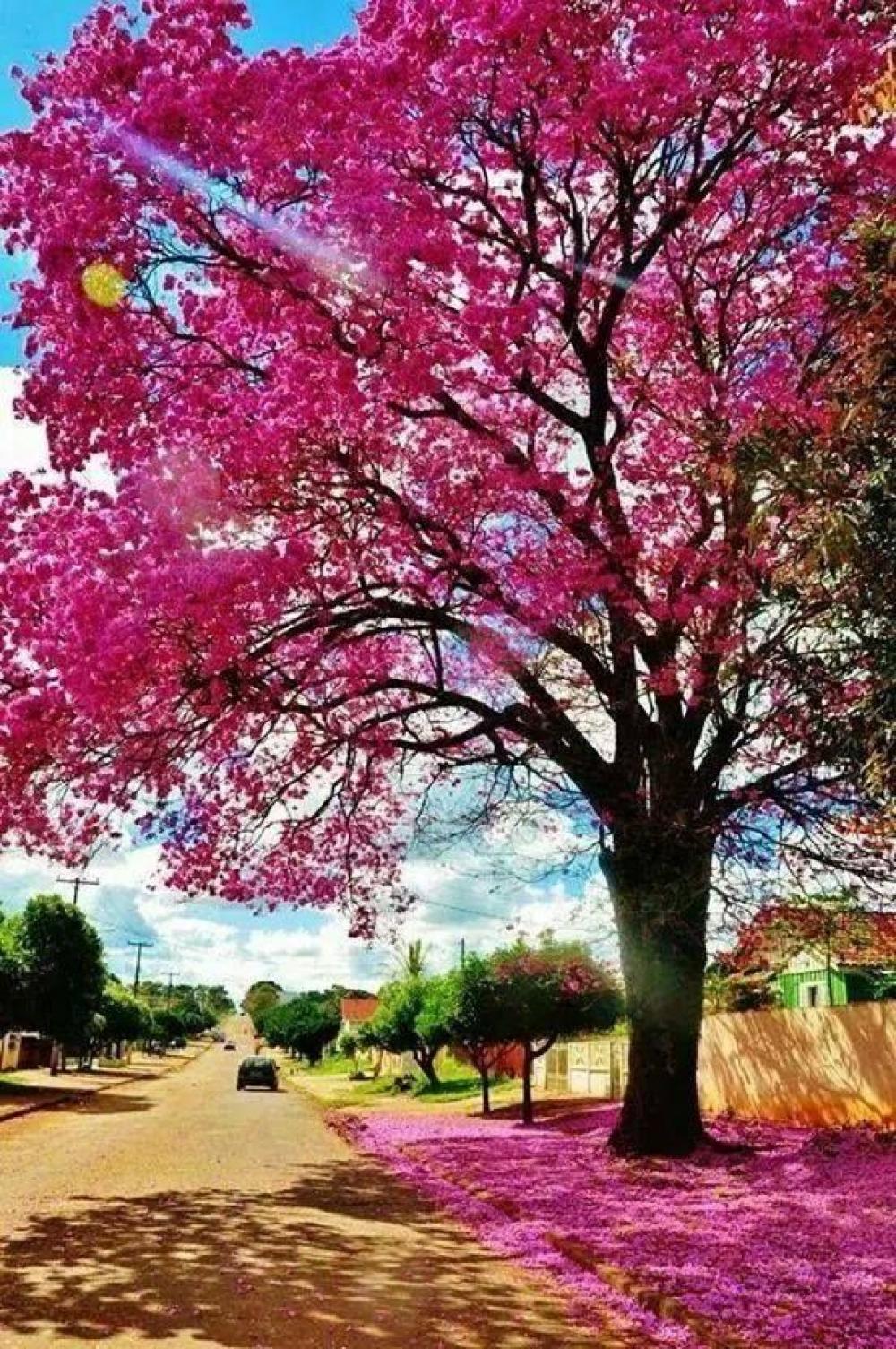
Purple Ipe
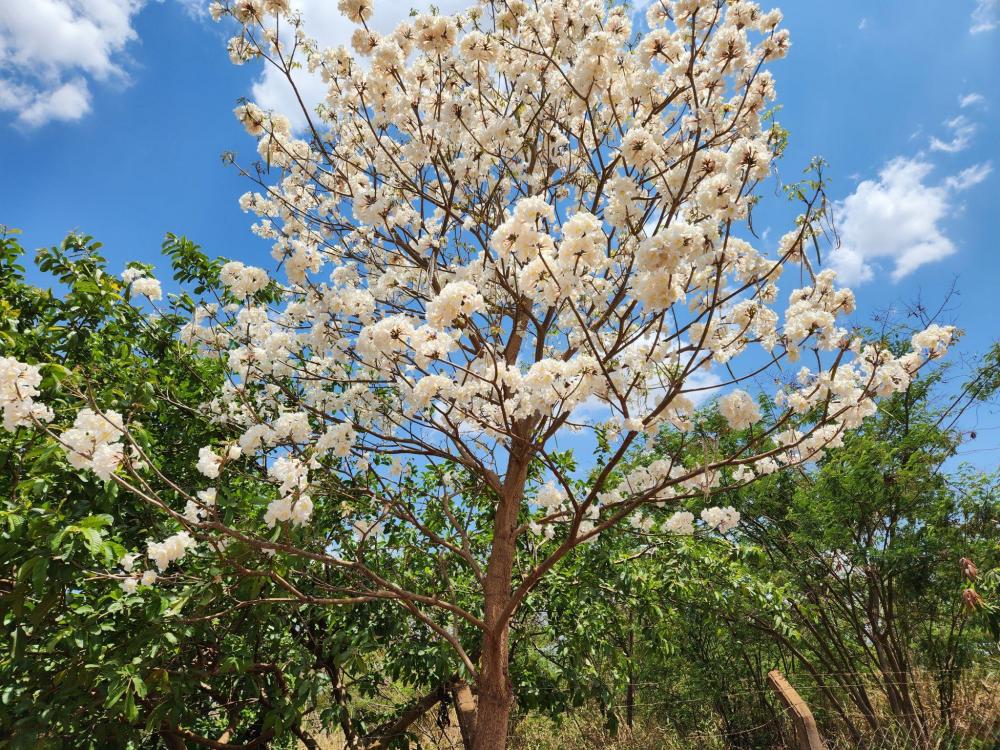
White Ipê
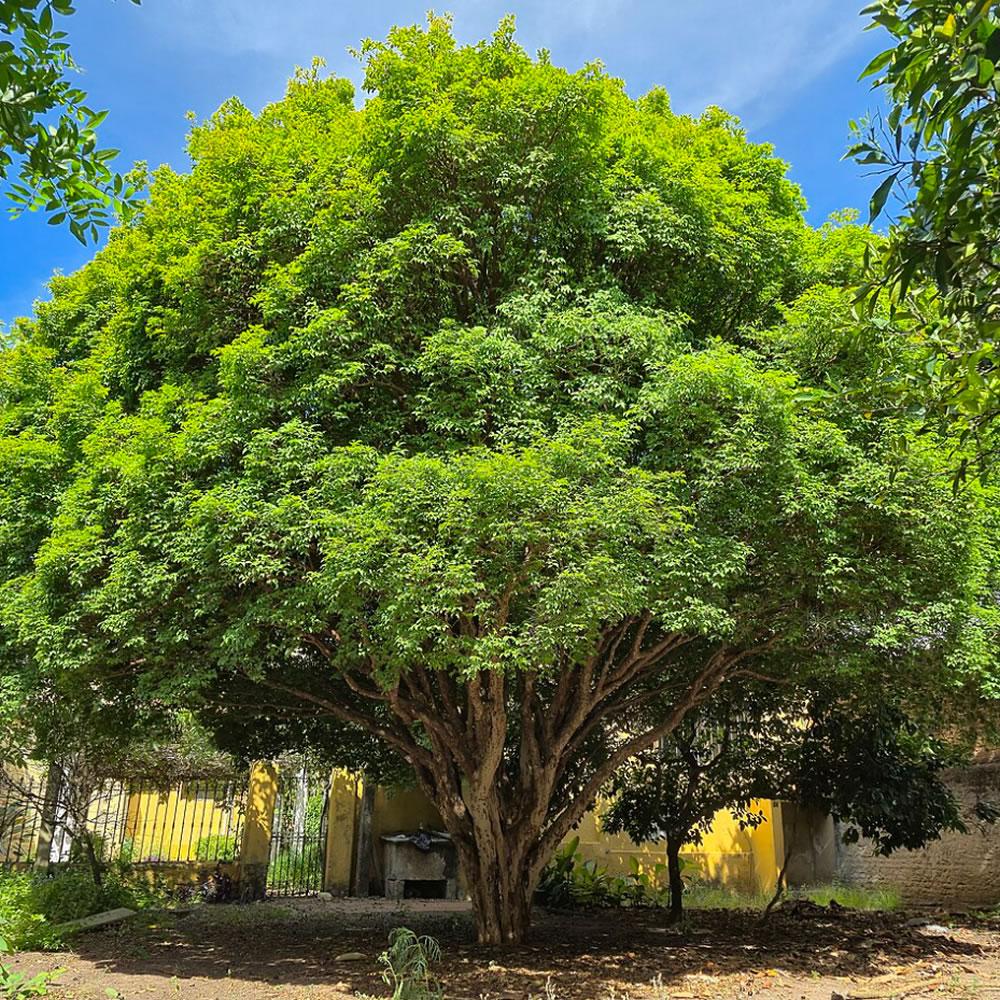
Jabuticaba
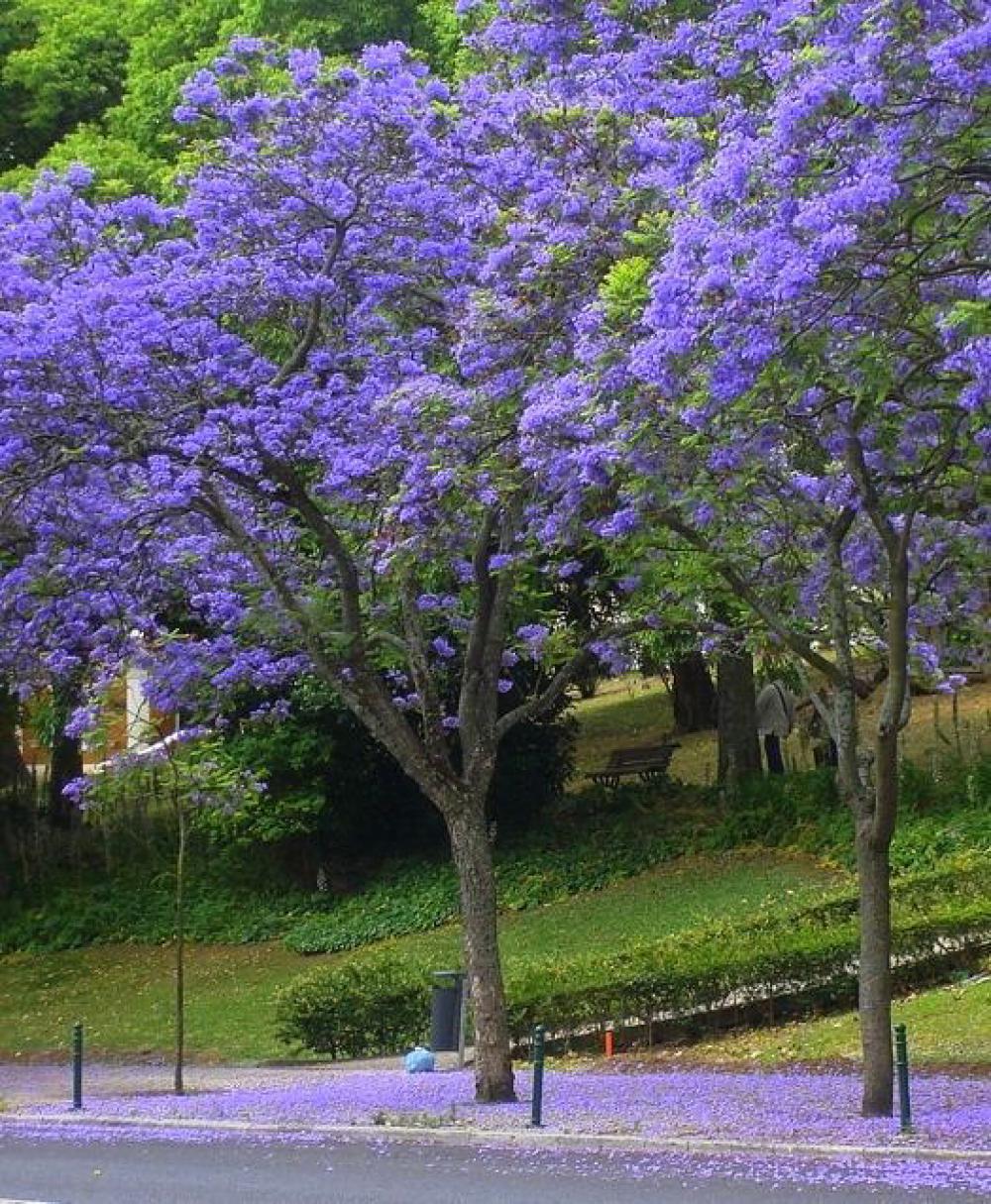
Blue jacaranda
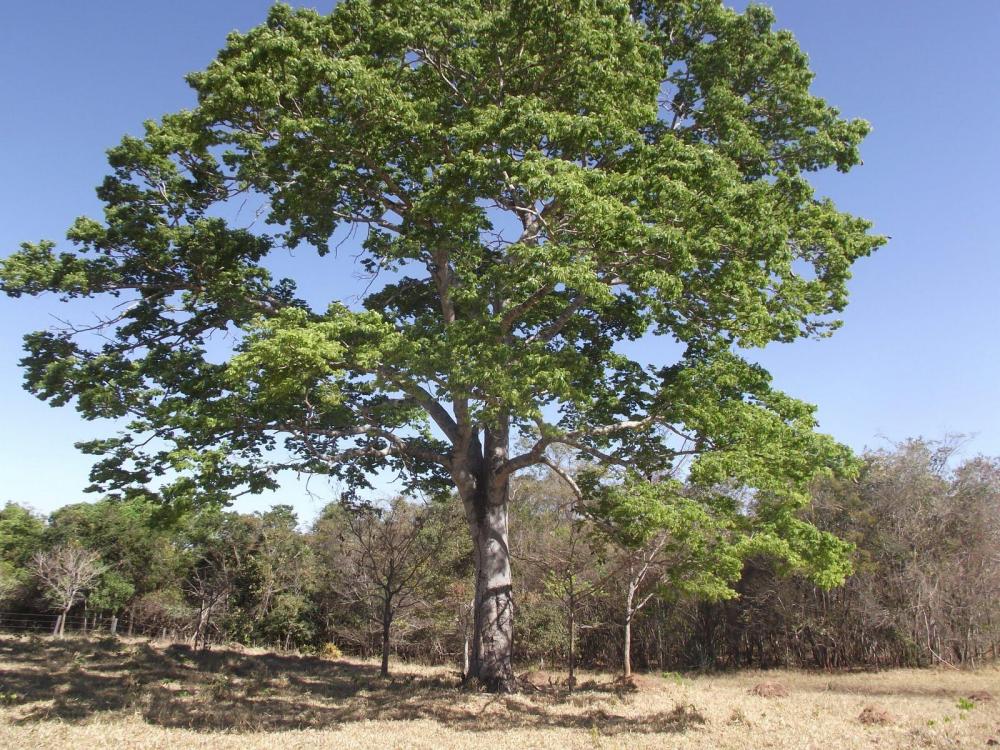
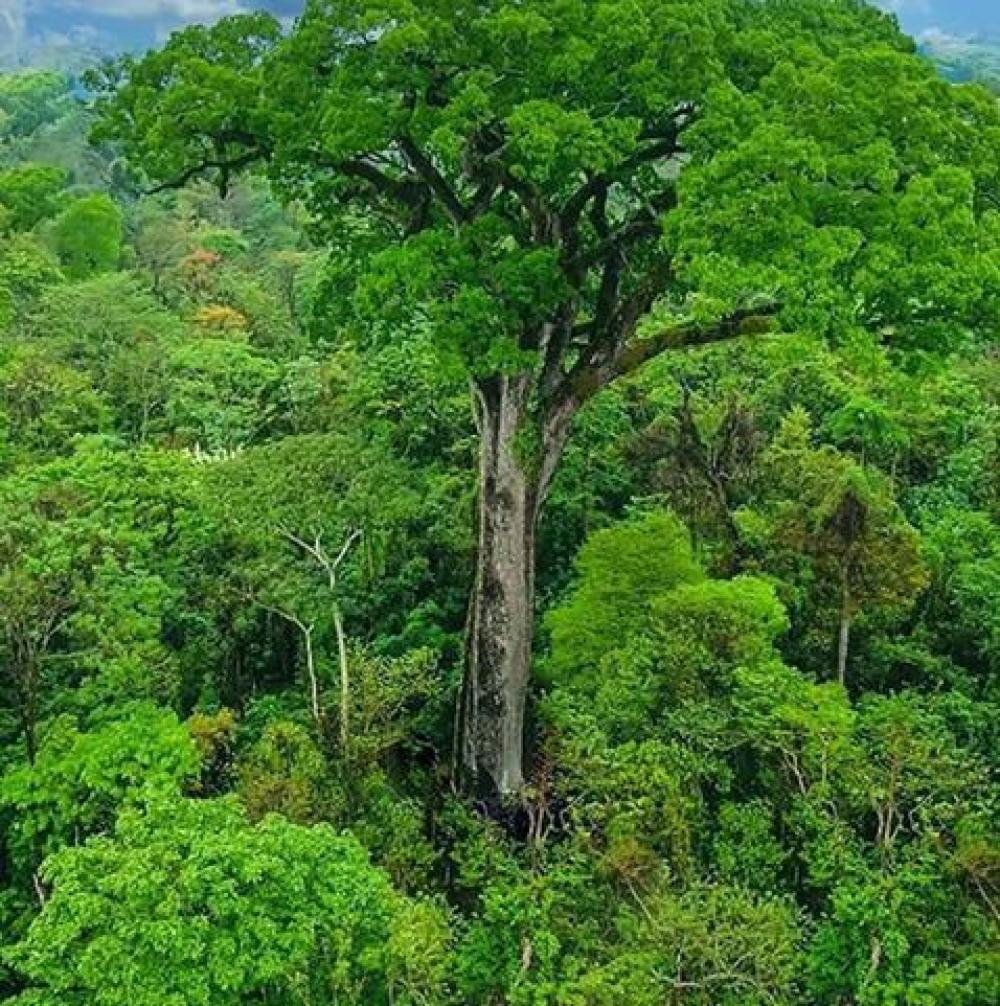
Pink Jequitibá (Cariniana legalis)
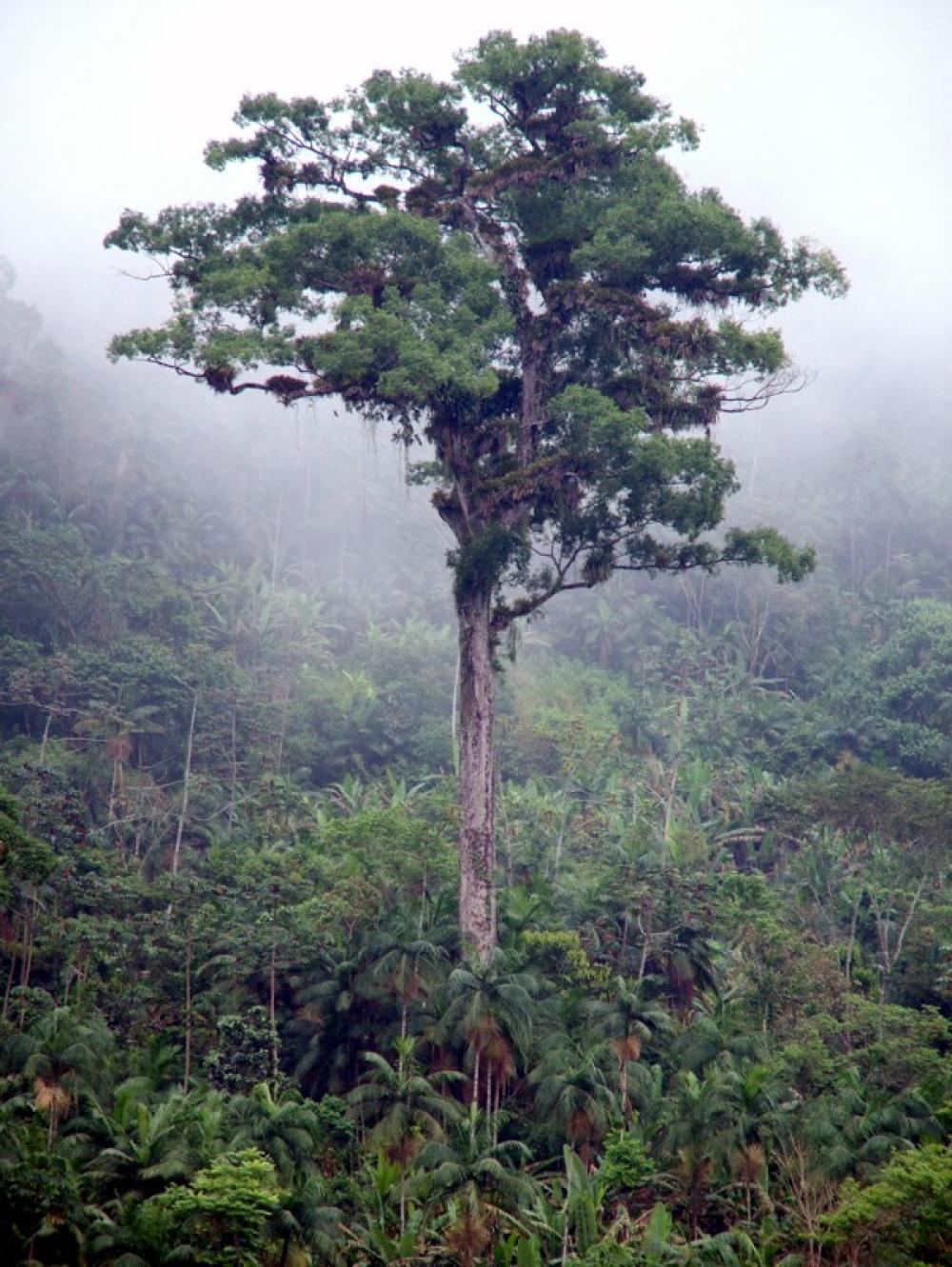
Pink Jequitibá
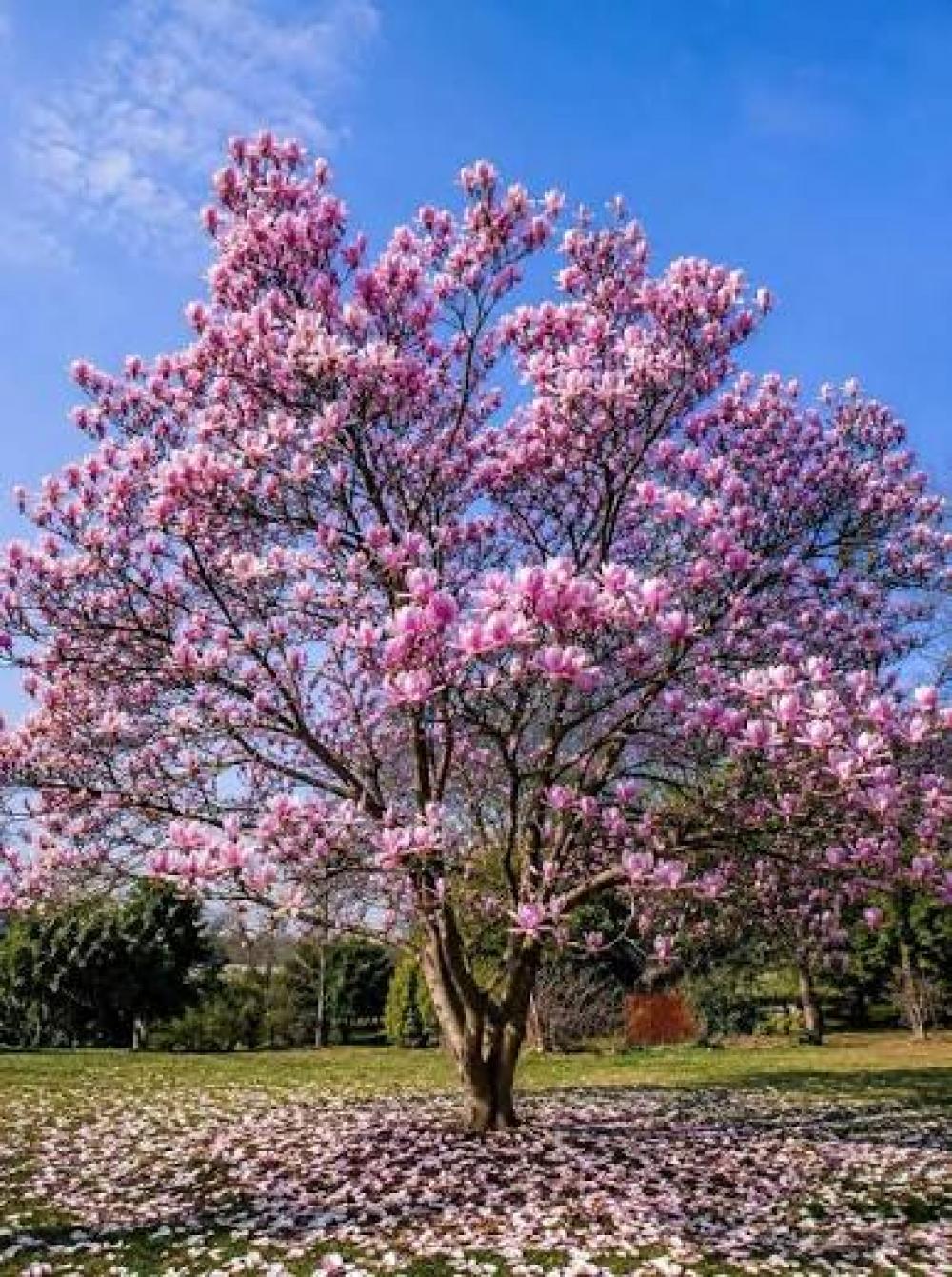
Magnolia
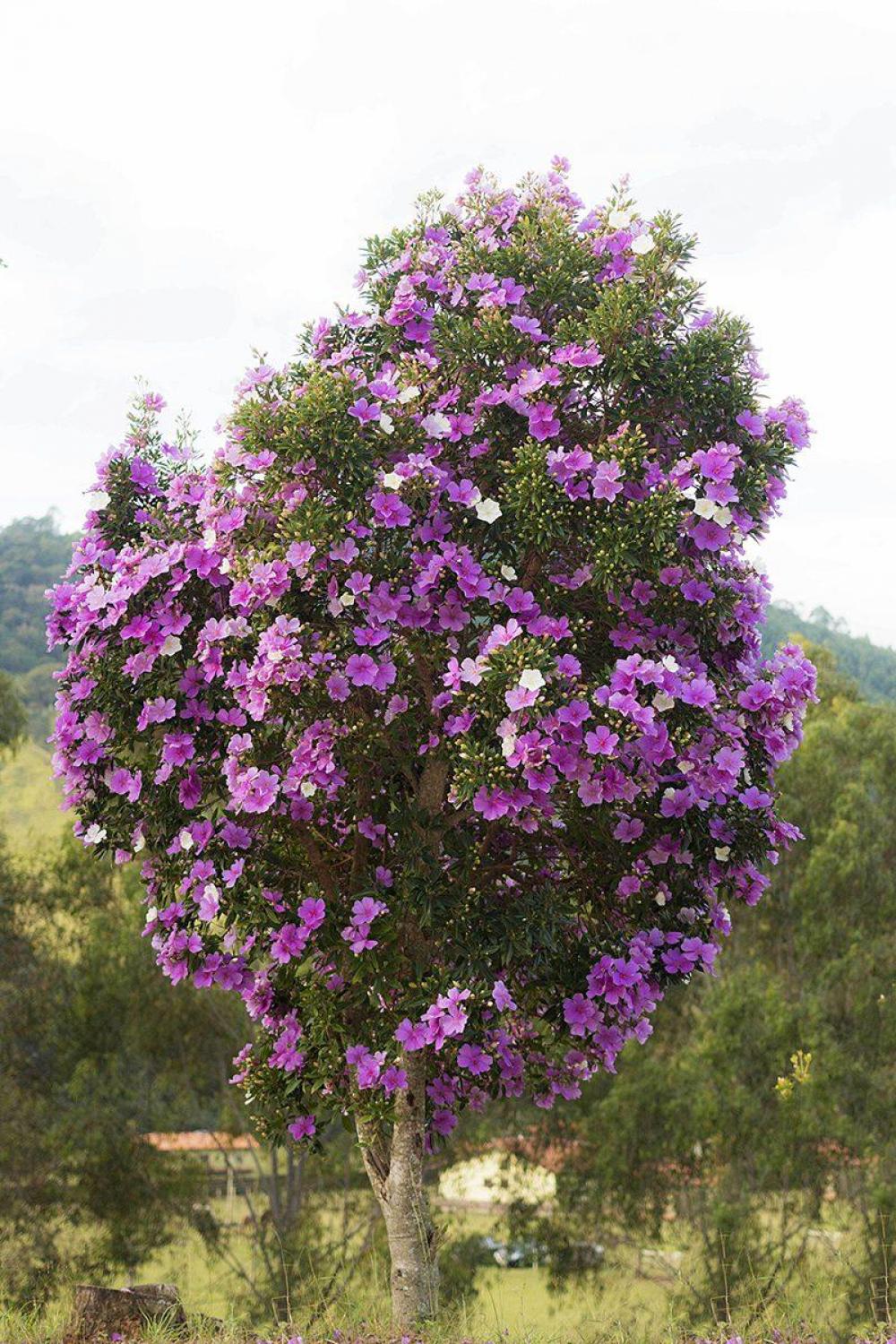
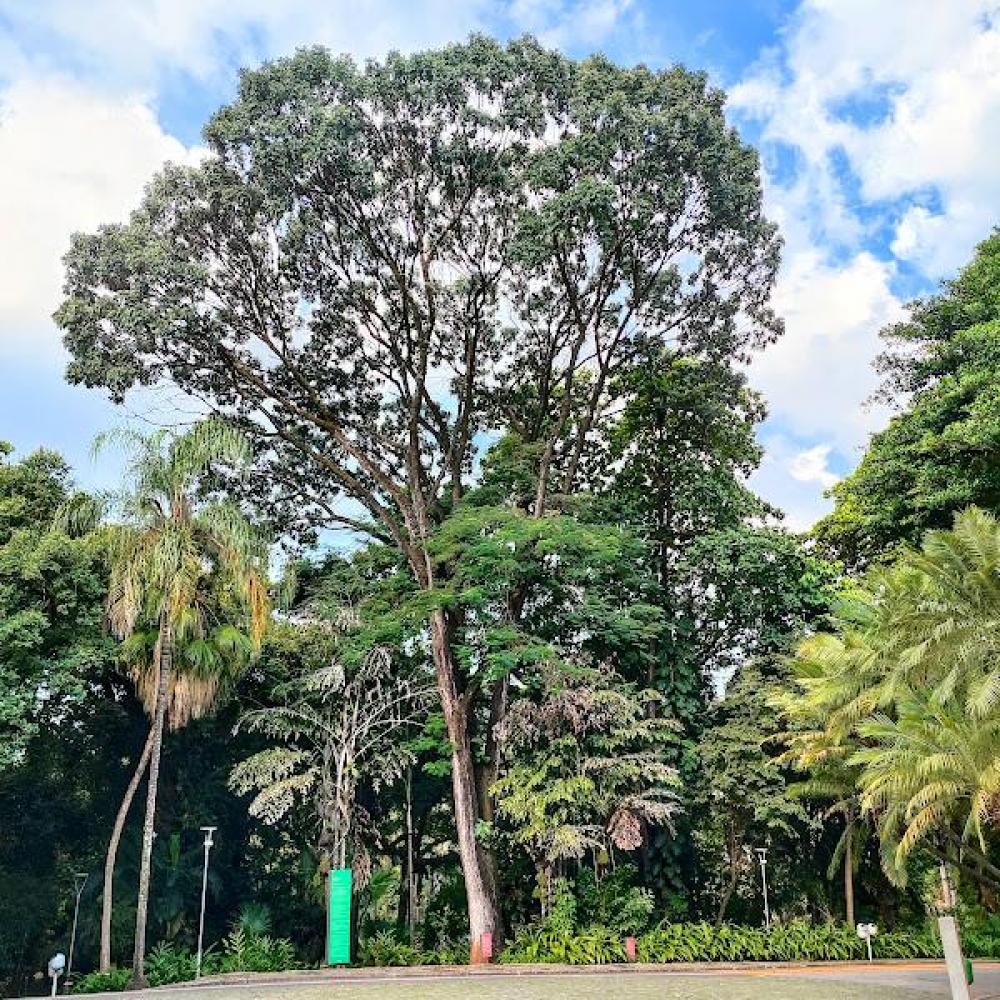
Brazilian Mahogany
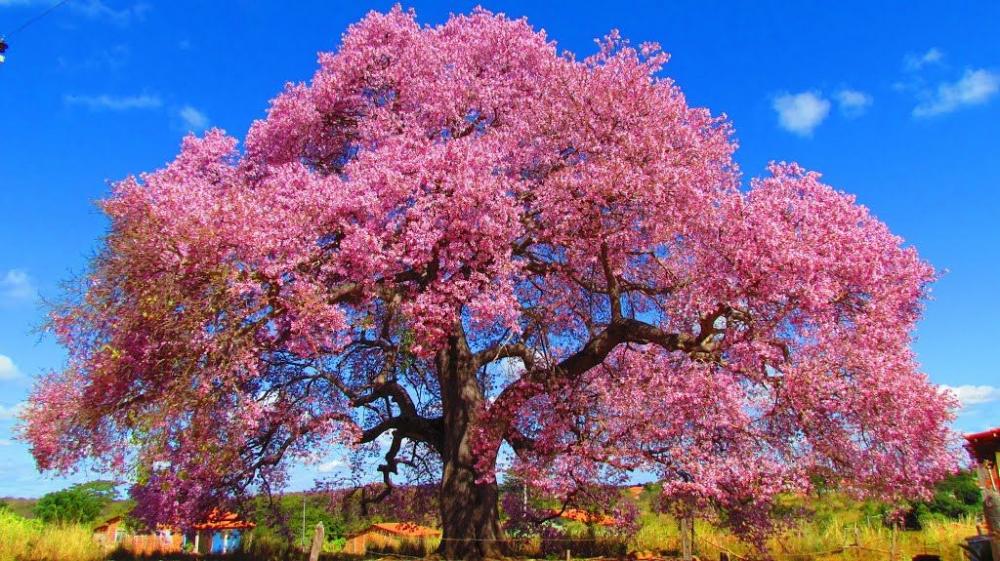
pink silk floss tree
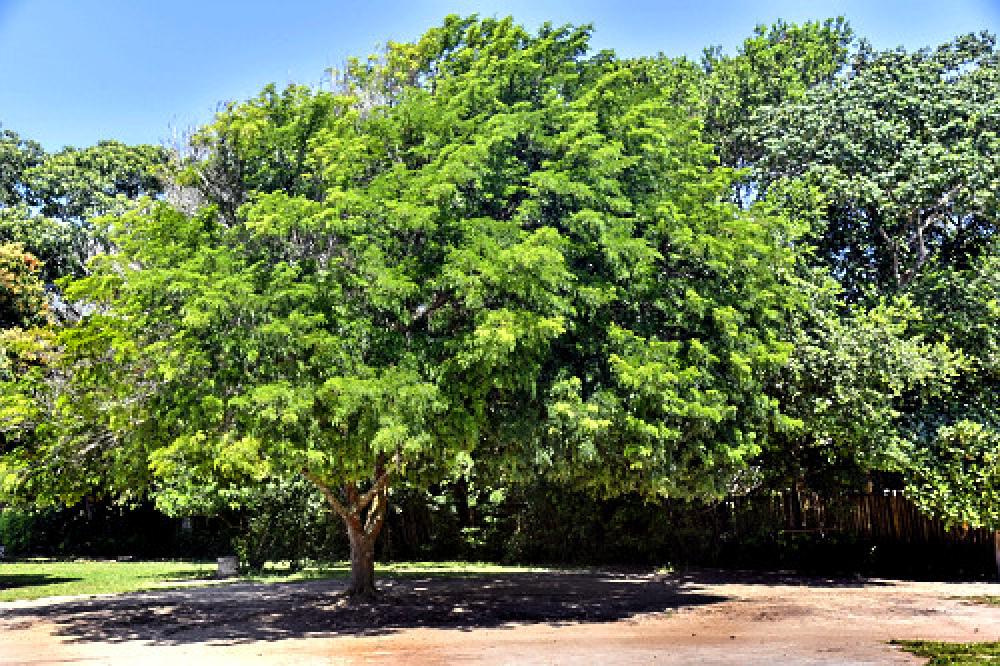
Brazilwood
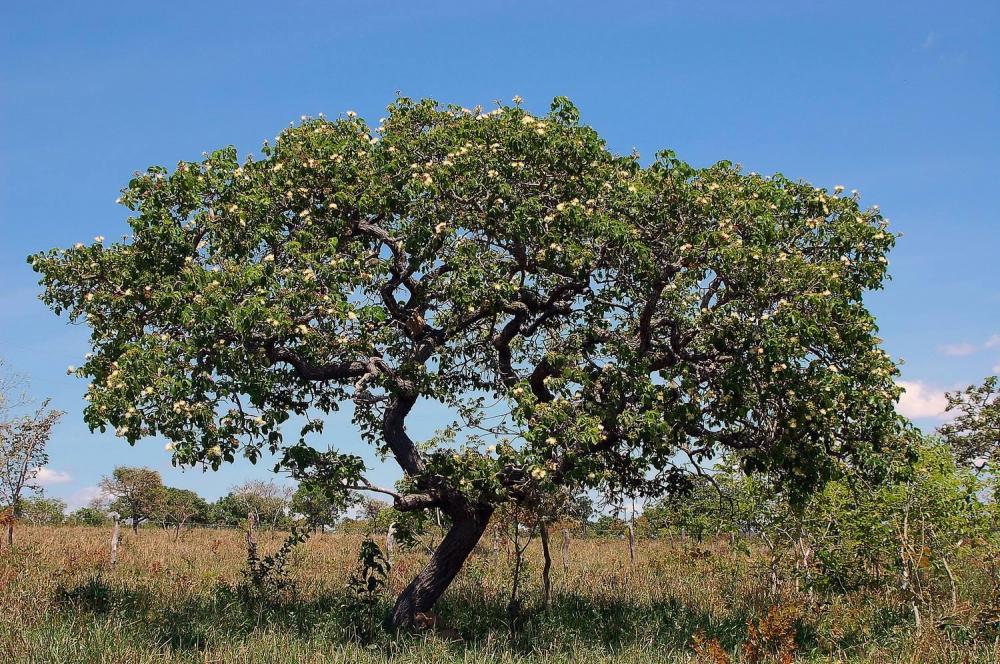
Pequi
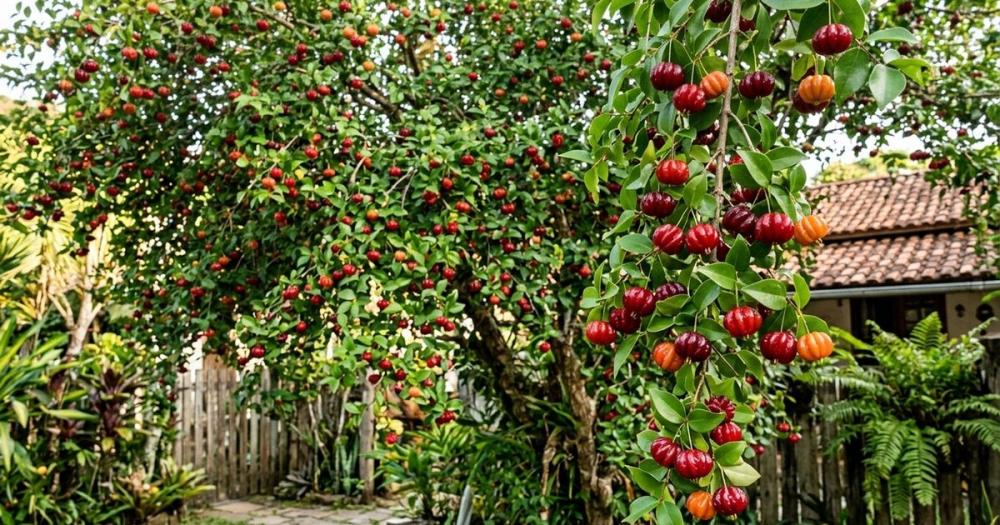
Surinam cherry
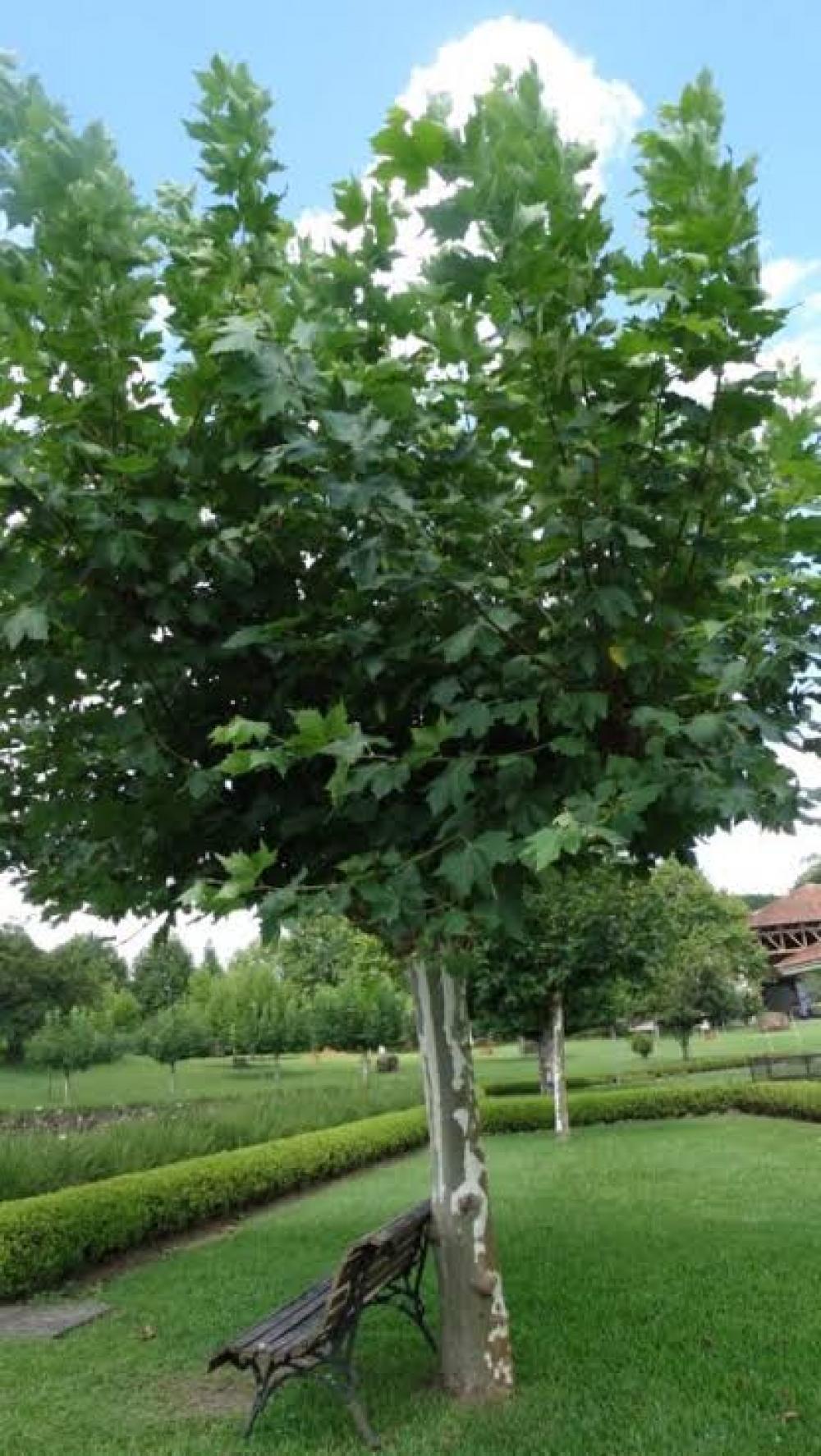
Plane tree
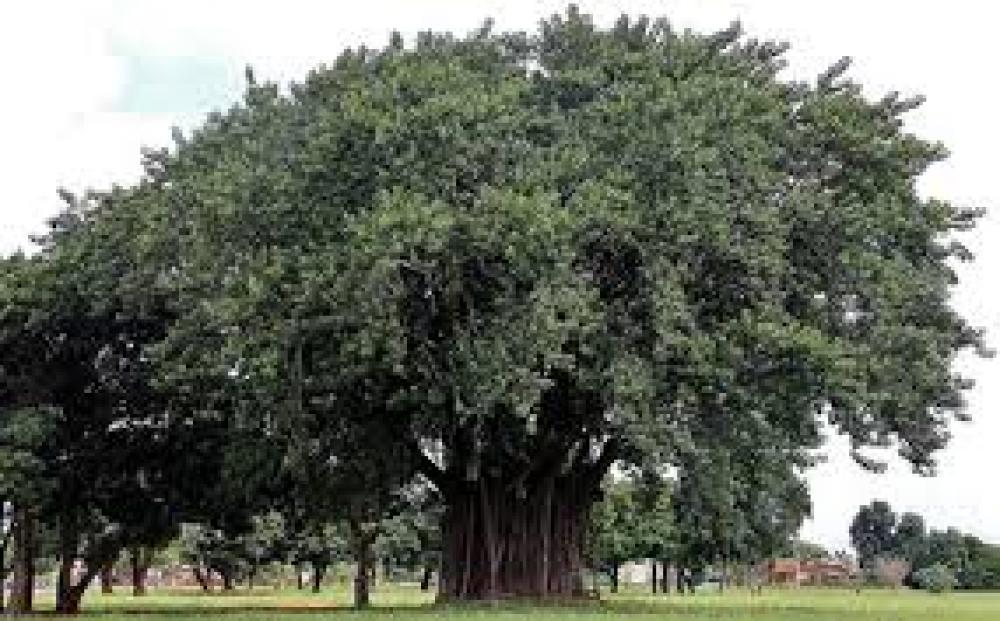
Rubber tree
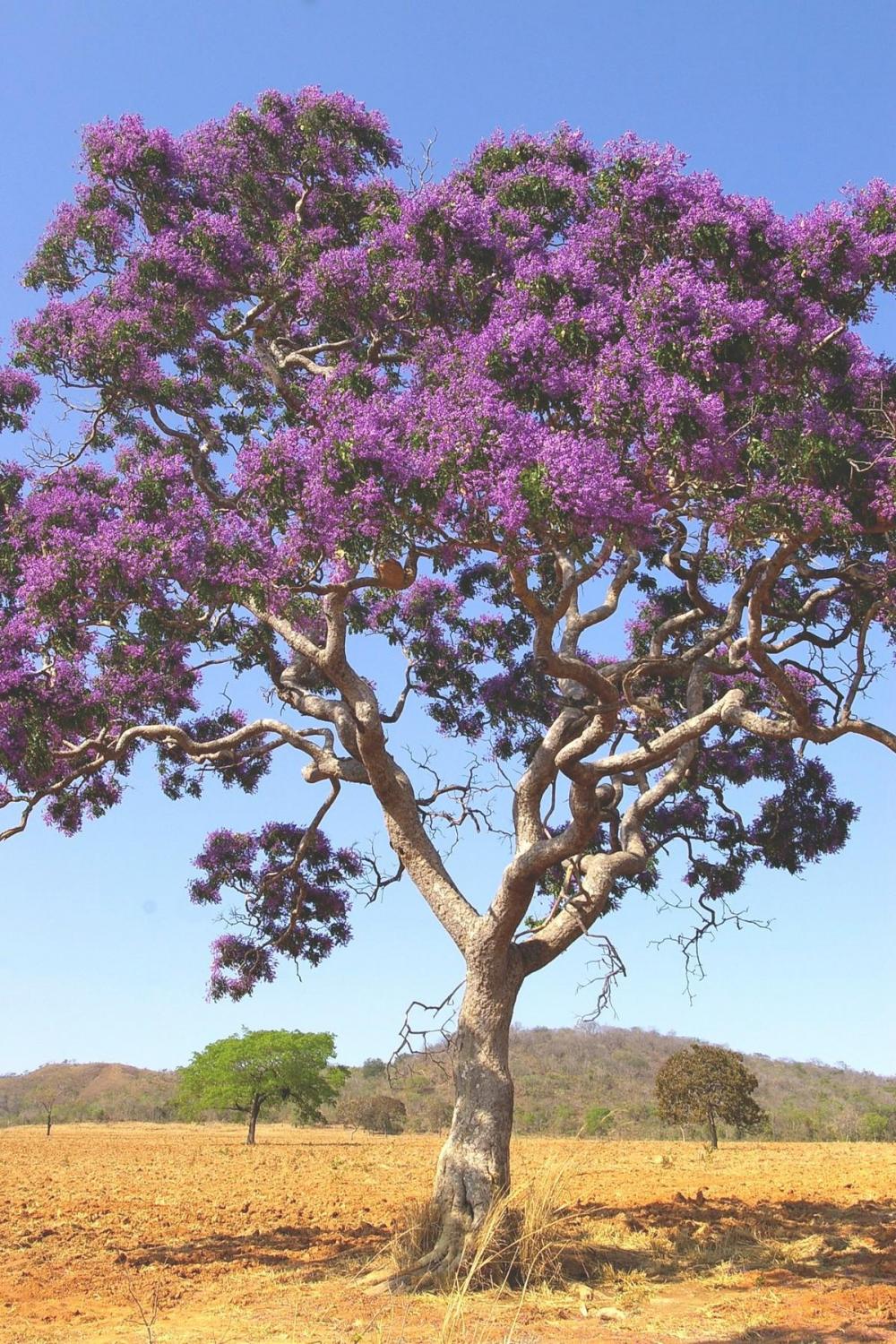
Sucupira
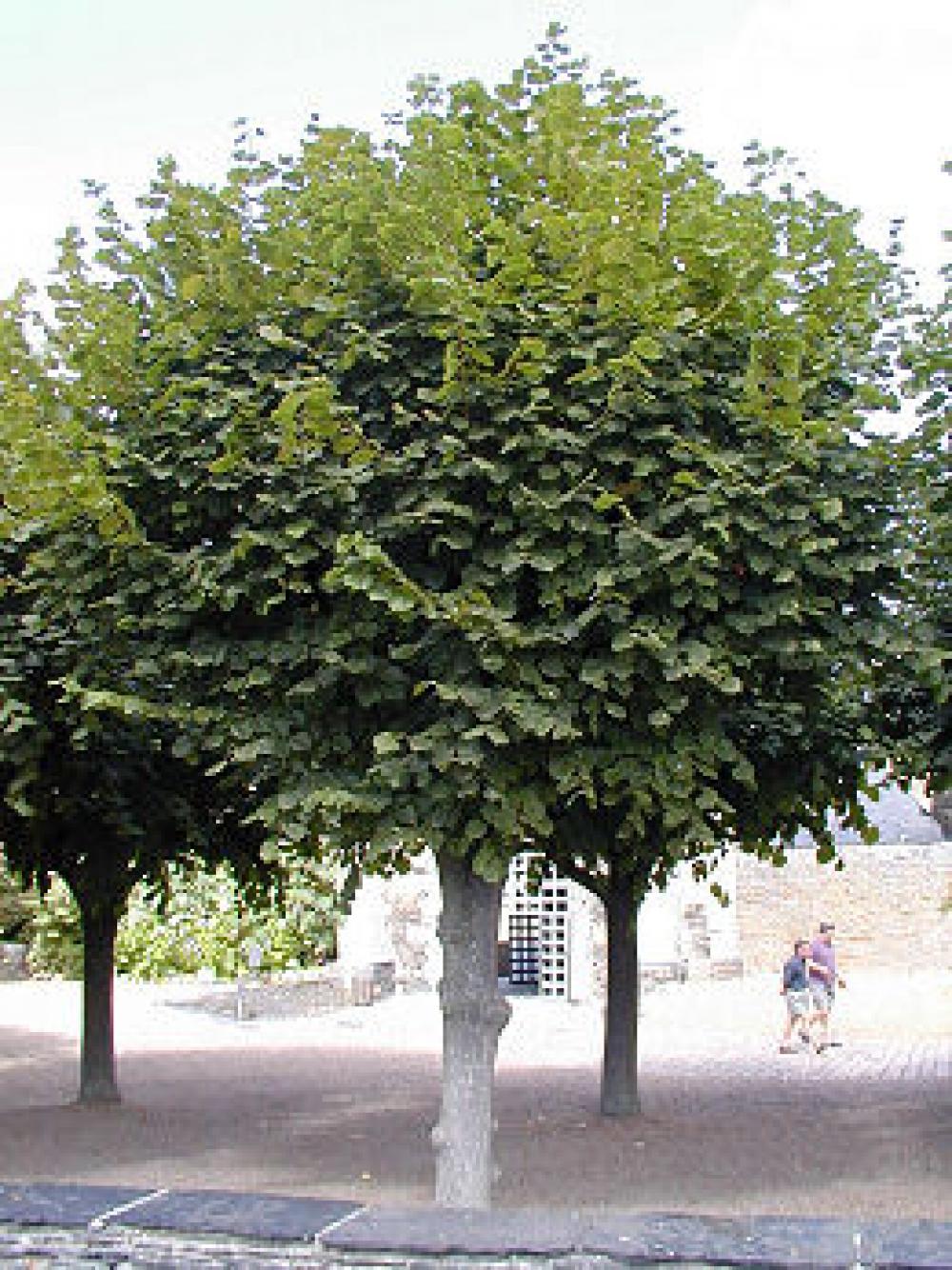
Linden