



Guarana
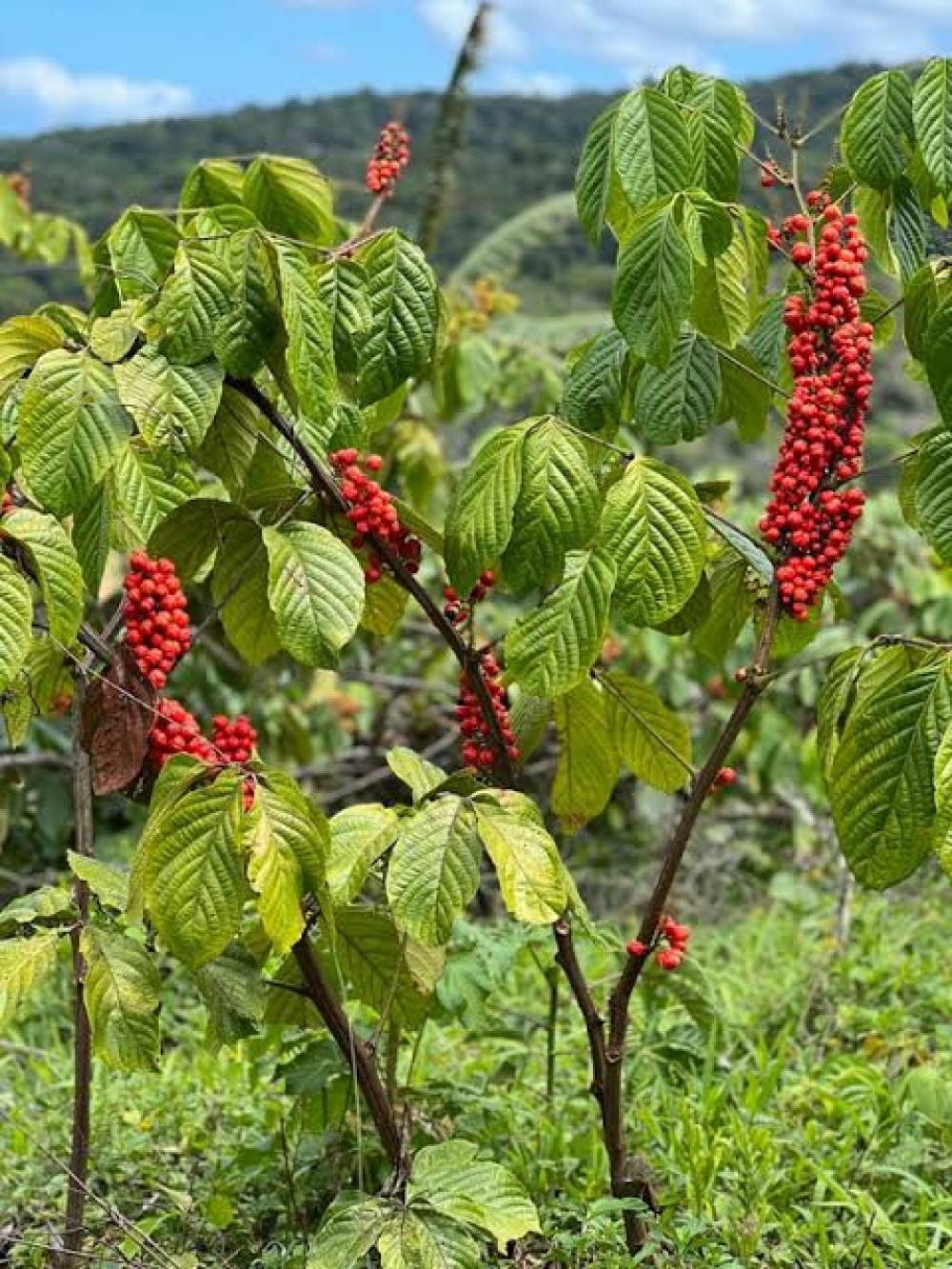
Guaraná, scientifically known as *Paullinia cupana*, is a plant native to the Amazon and a member of the Sapindaceae family. It is a perennial climbing species naturally found in tropical rainforest environments, capable of developing long branches that use surrounding vegetation for support. Its flowers are small and inconspicuous, while its fruit displays a striking characteristic: upon ripening, the fruit splits open to reveal dark seeds encased in light-colored pulp, creating an appearance resembling small eyes.
Guaraná seeds are particularly noted for their high caffeine content, as well as the presence of other bioactive compounds such as catechins and tannins. Consequently, the plant plays a significant role in food culture and the traditional production of guaraná-based beverages and preparations. Knowledge regarding its use dates back a long time and is deeply intertwined with the traditional populations of the Amazon, who regard the plant as a vital part of their cultural and natural heritage.
From an ecological perspective, guaraná is an integral part of the Amazon rainforests diversity, participating in the complex web of interactions among plants, animals, and other organisms within the ecosystem. Its cultivation also holds economic and social importance for producer communities—particularly in the Amazon region—where the species is incorporated into agricultural systems and traditional management practices.
Guaraná thus represents a significant link between biodiversity, traditional knowledge, science, and Brazilian culture. Valuing this plant means acknowledging the richness of Amazonian flora and the importance of knowledge accumulated over generations. Preserving its natural habitats and encouraging sustainable cultivation methods helps protect biodiversity while keeping alive one of the Brazilian Amazons most well-known and iconic plants.
Guaraná seeds are particularly noted for their high caffeine content, as well as the presence of other bioactive compounds such as catechins and tannins. Consequently, the plant plays a significant role in food culture and the traditional production of guaraná-based beverages and preparations. Knowledge regarding its use dates back a long time and is deeply intertwined with the traditional populations of the Amazon, who regard the plant as a vital part of their cultural and natural heritage.
From an ecological perspective, guaraná is an integral part of the Amazon rainforests diversity, participating in the complex web of interactions among plants, animals, and other organisms within the ecosystem. Its cultivation also holds economic and social importance for producer communities—particularly in the Amazon region—where the species is incorporated into agricultural systems and traditional management practices.
Guaraná thus represents a significant link between biodiversity, traditional knowledge, science, and Brazilian culture. Valuing this plant means acknowledging the richness of Amazonian flora and the importance of knowledge accumulated over generations. Preserving its natural habitats and encouraging sustainable cultivation methods helps protect biodiversity while keeping alive one of the Brazilian Amazons most well-known and iconic plants.
Plant Catalog
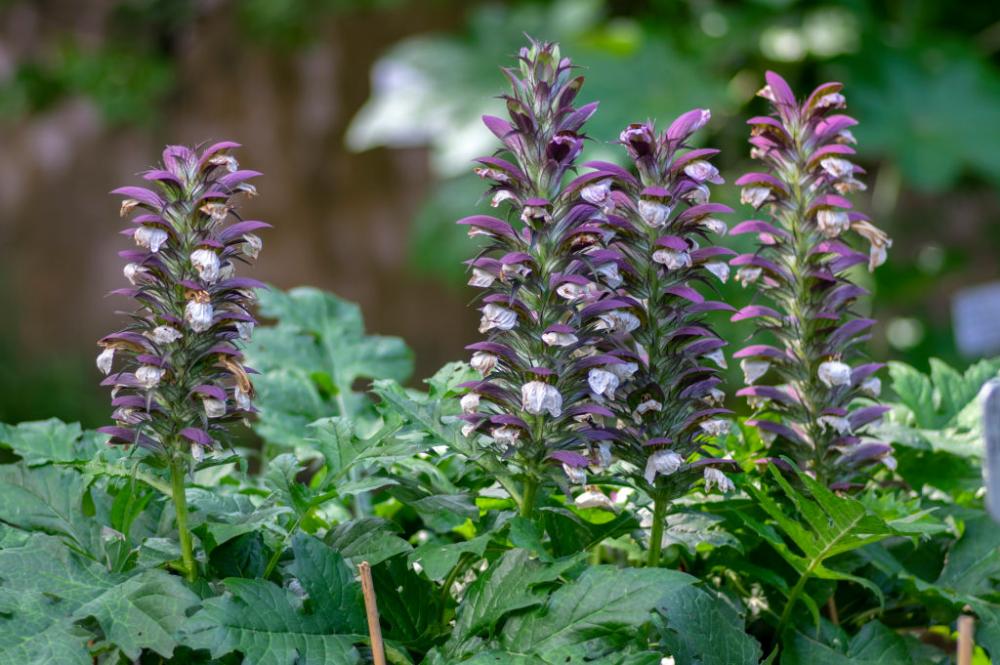
acanthus
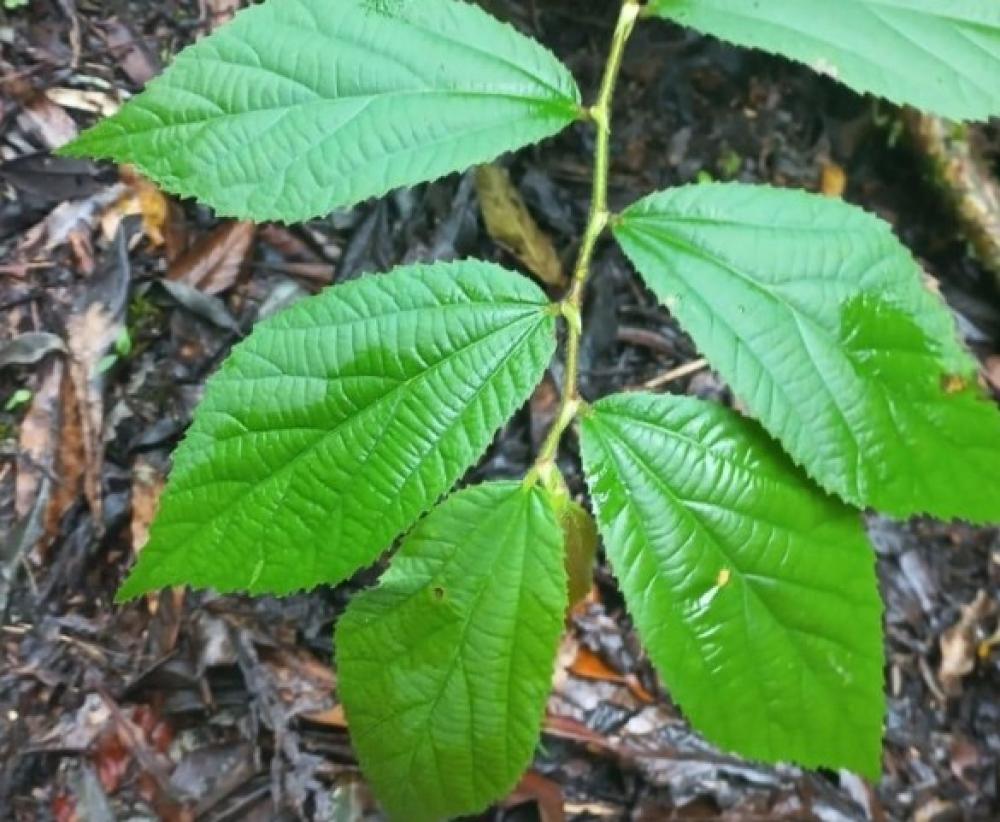
Horsewhip
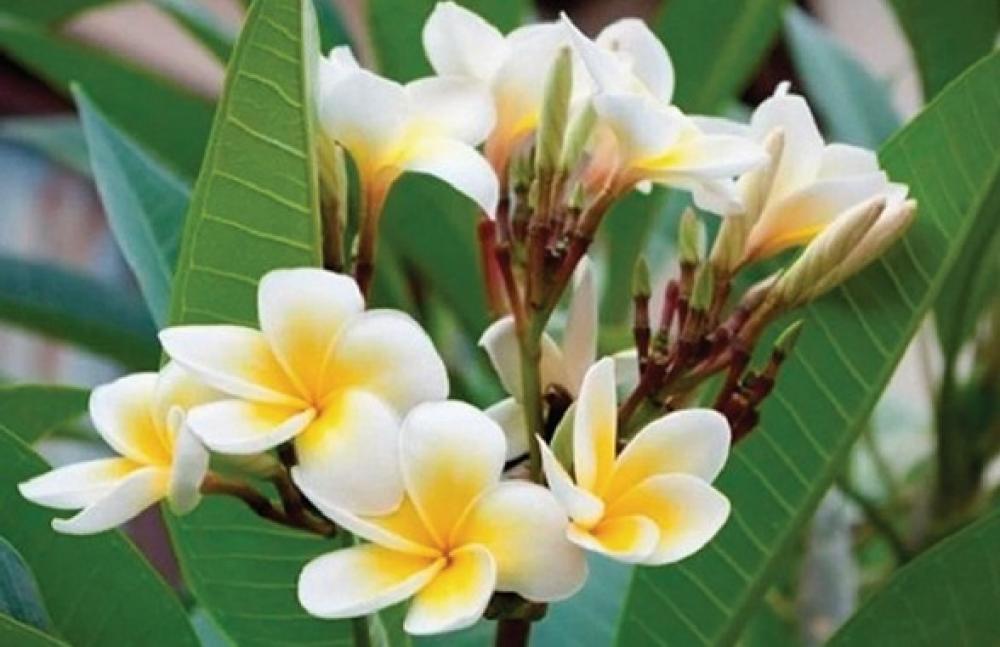
distressed
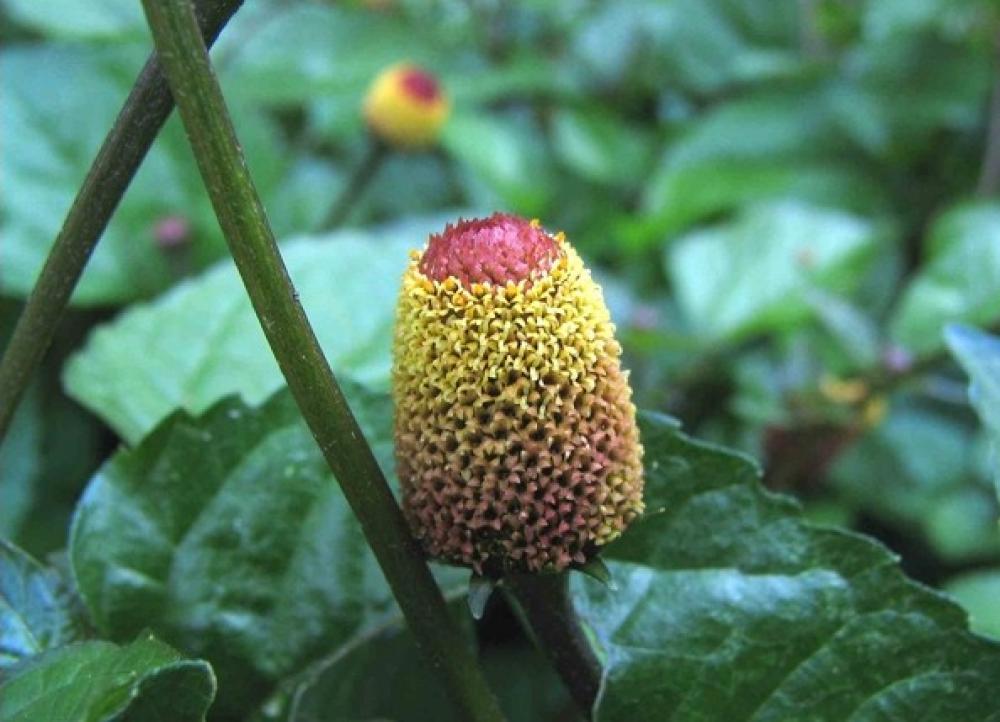
Pará cress or Jambu
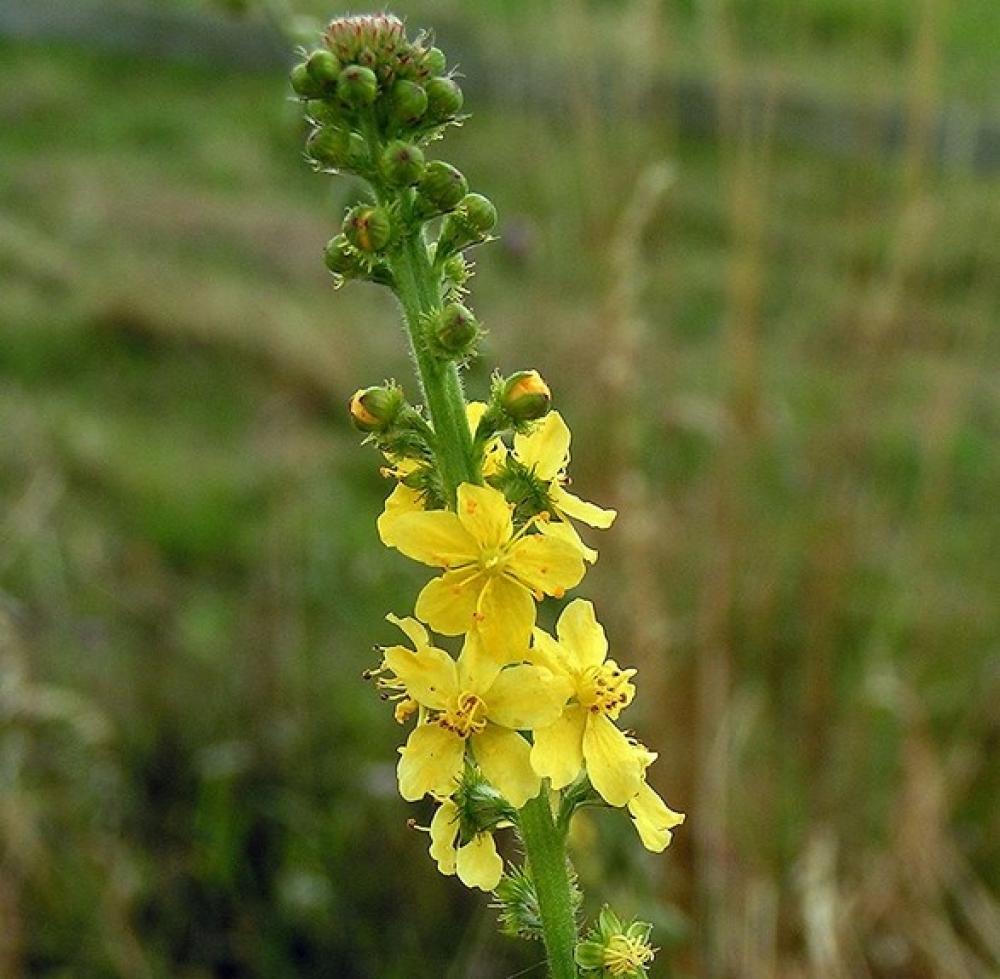
Agrimony
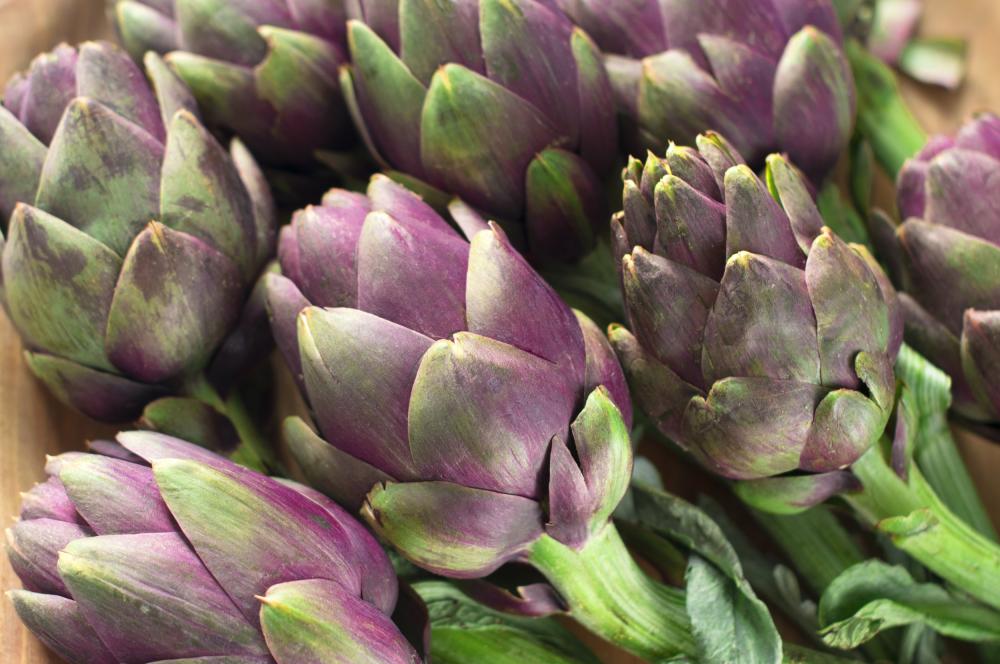
Artichoke
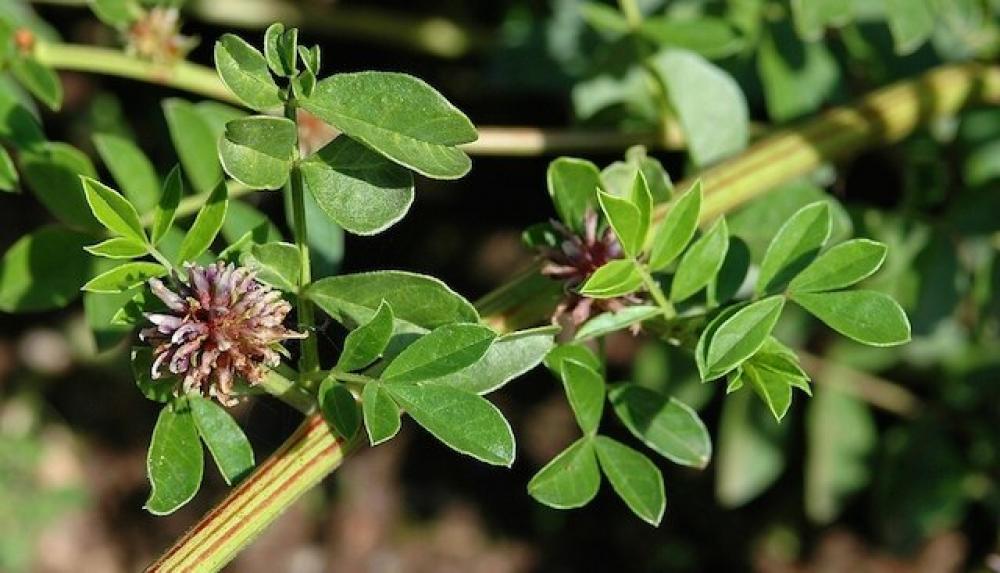
licorice
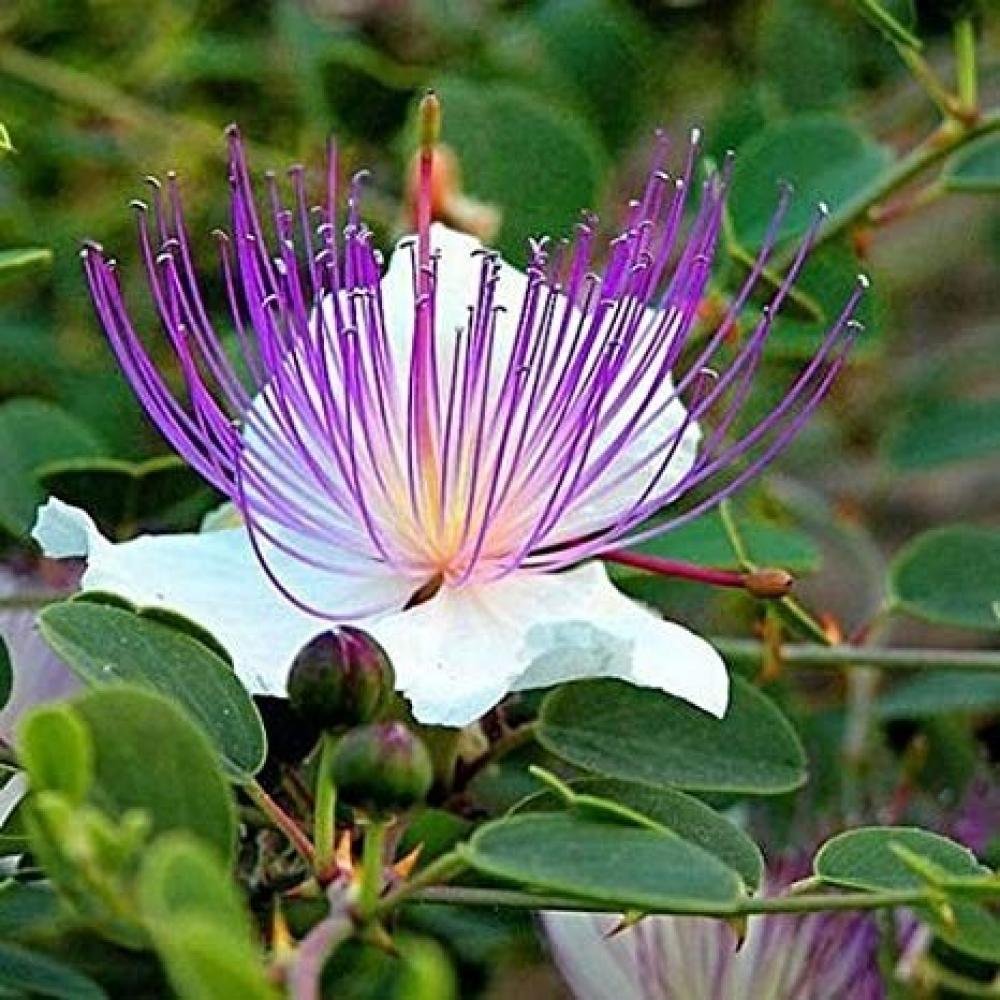
caper
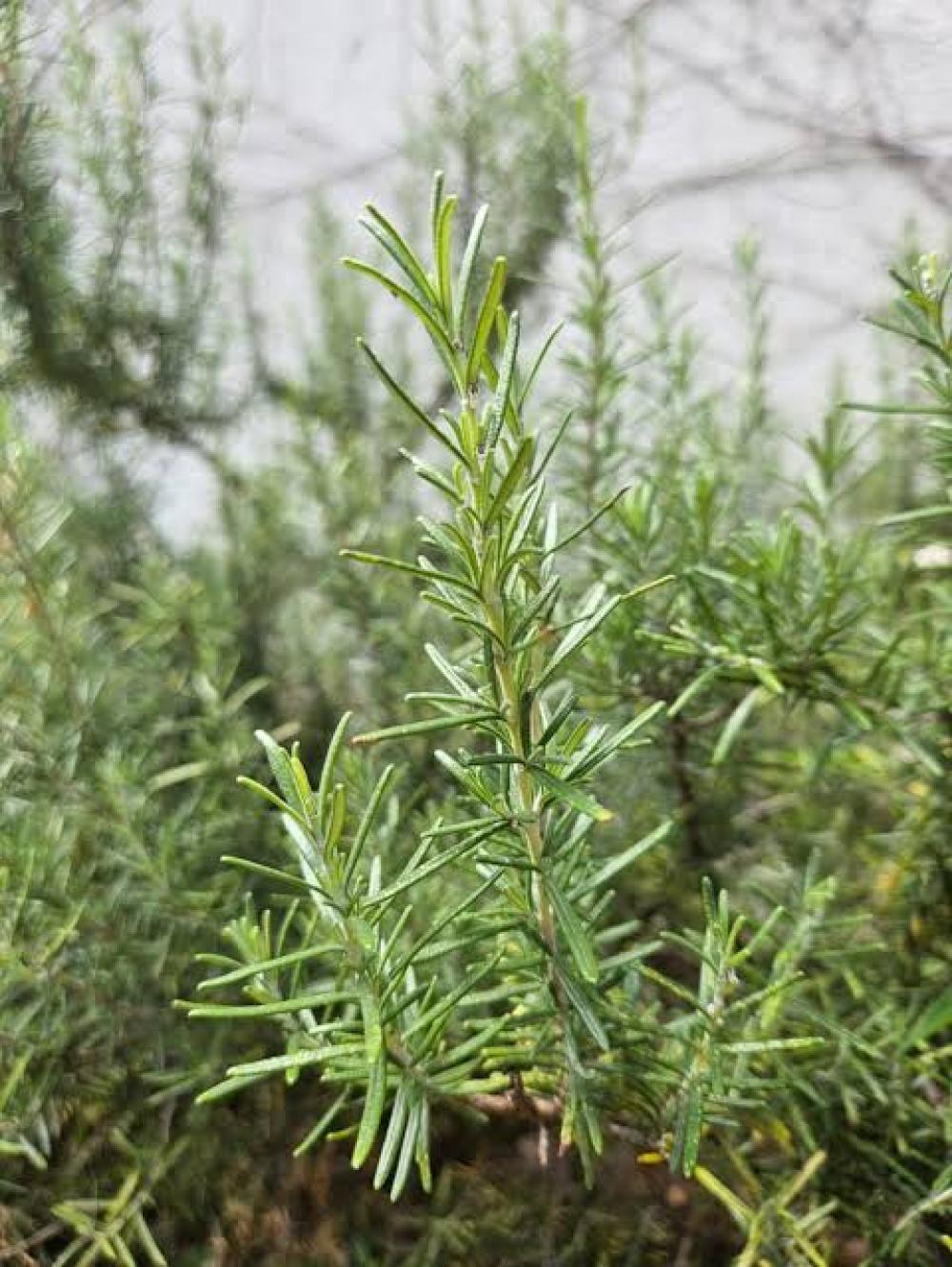
rosemary
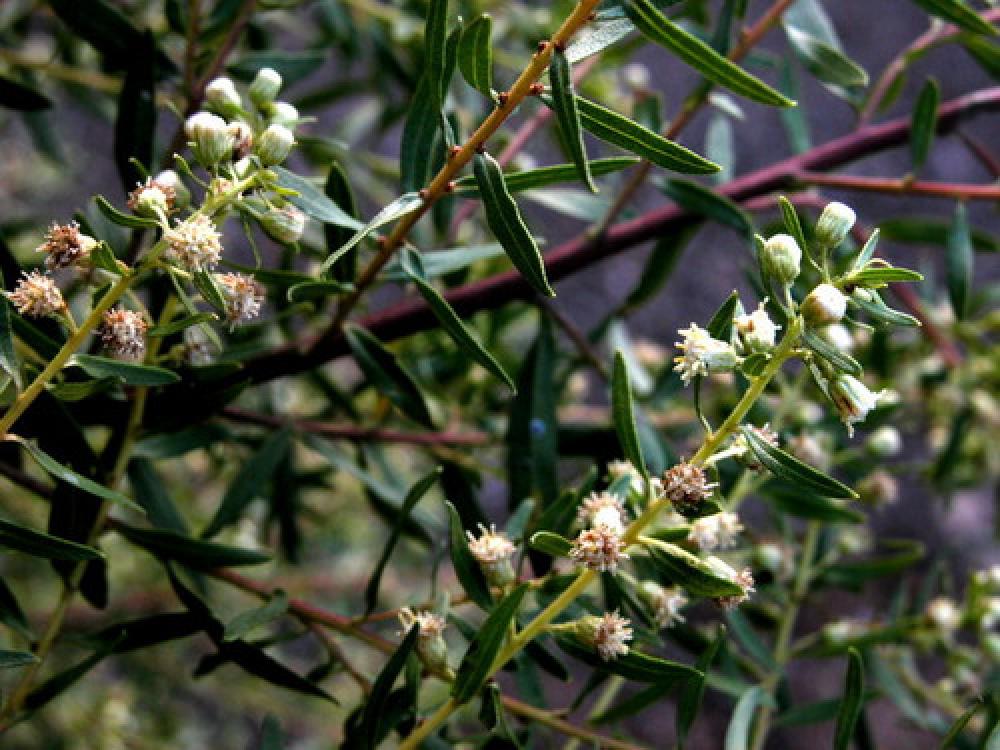
Field Rosemary
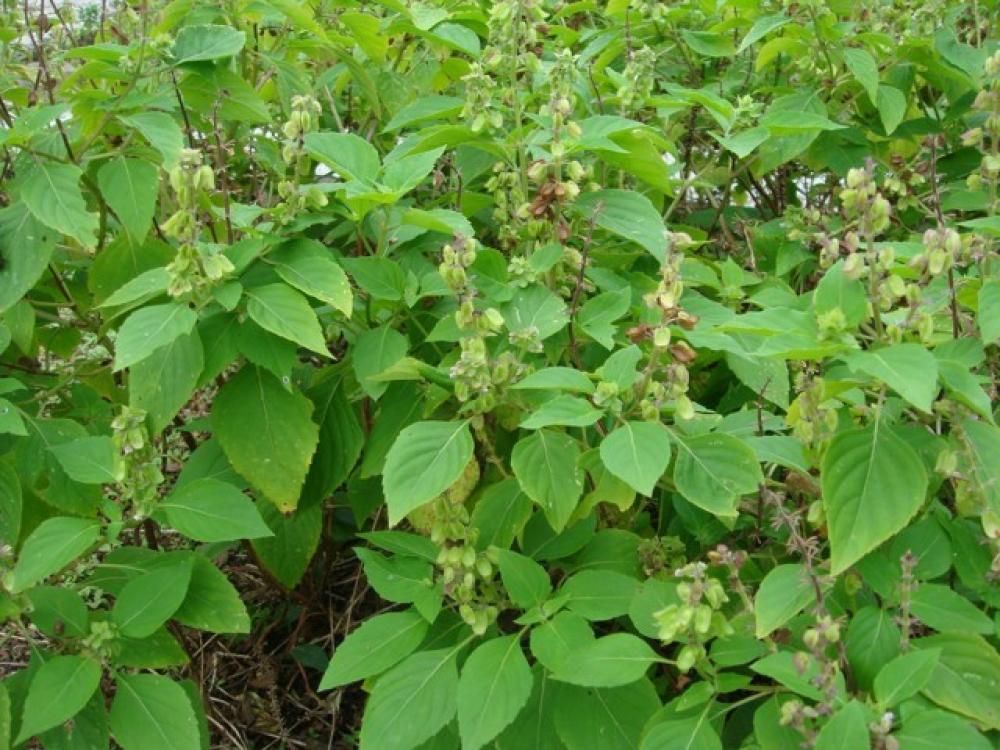
basil
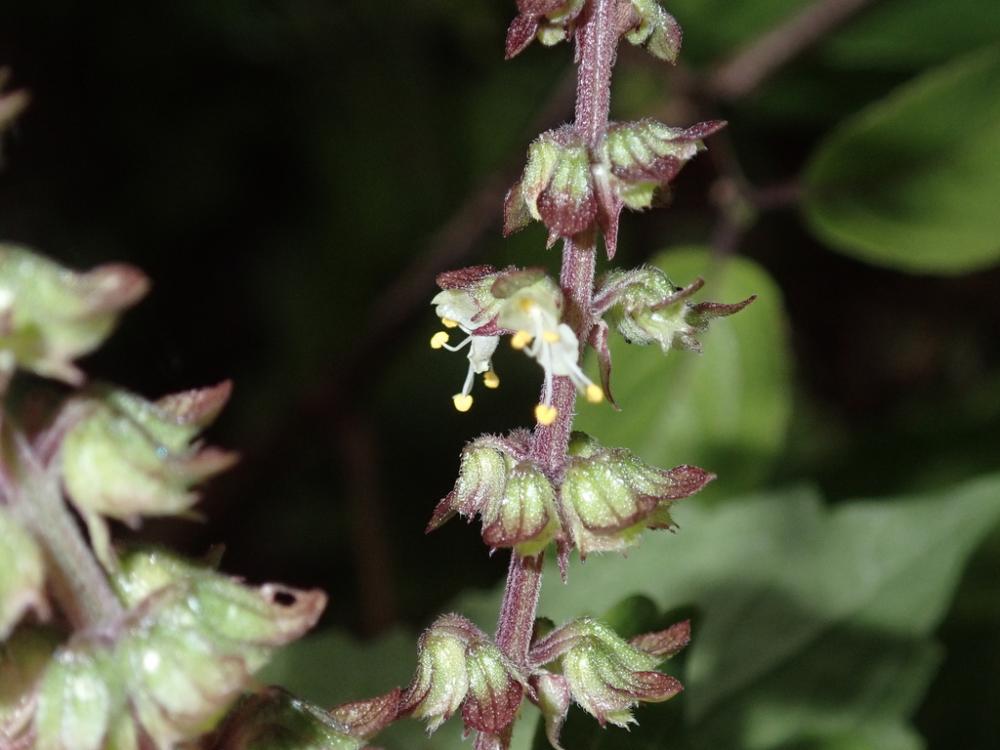
Clove Basil
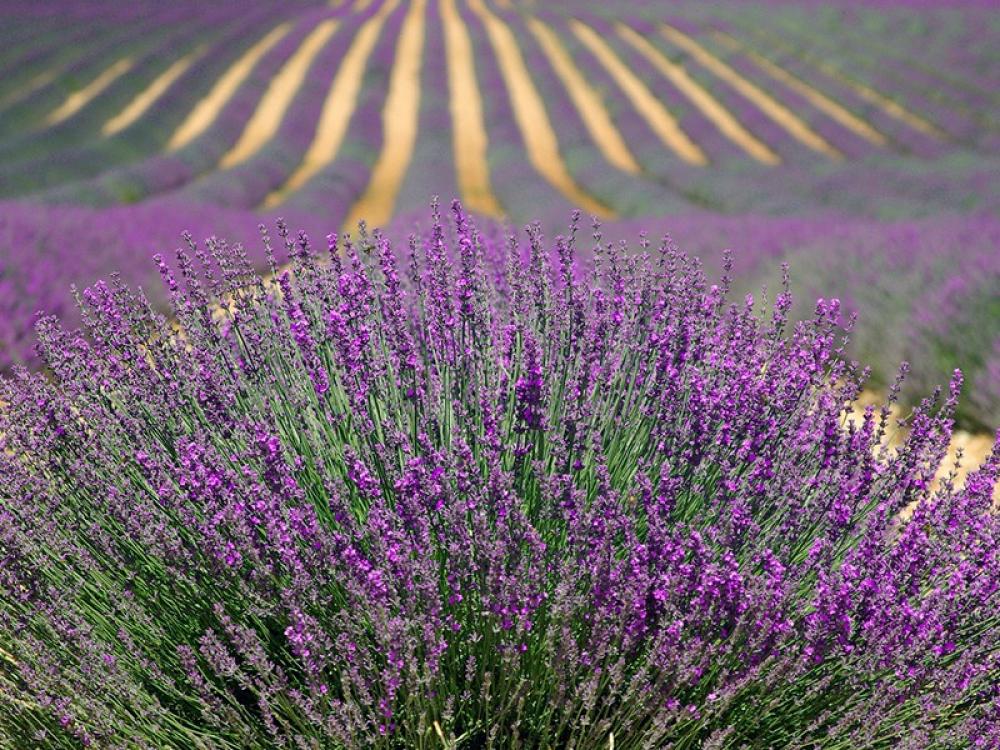
lavender
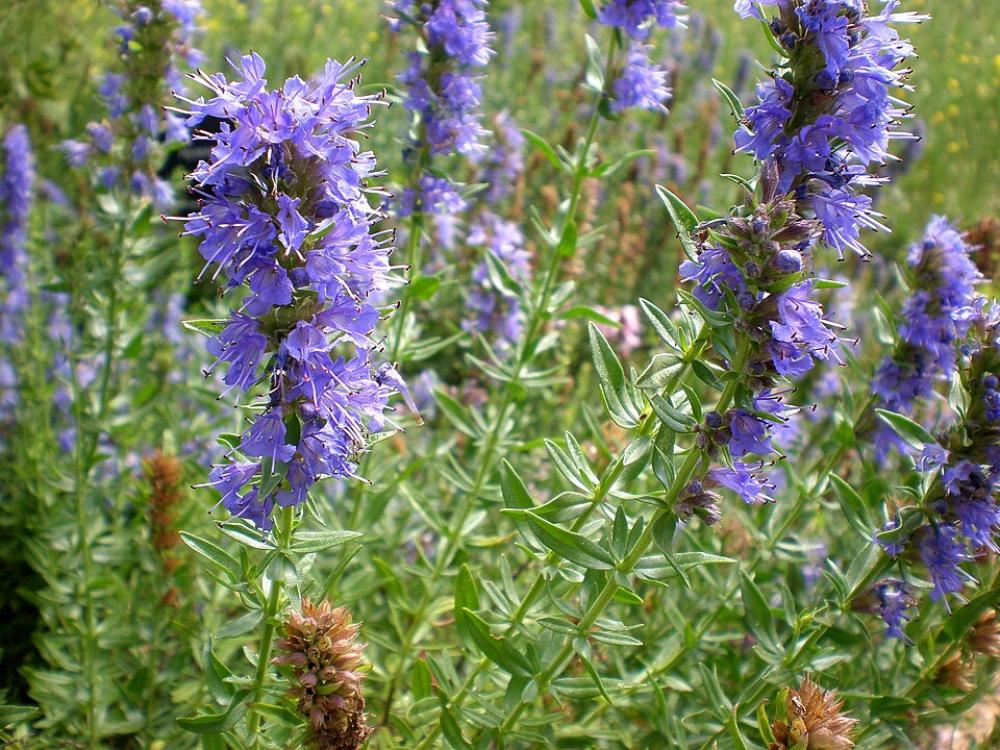
Caboclo Lavender
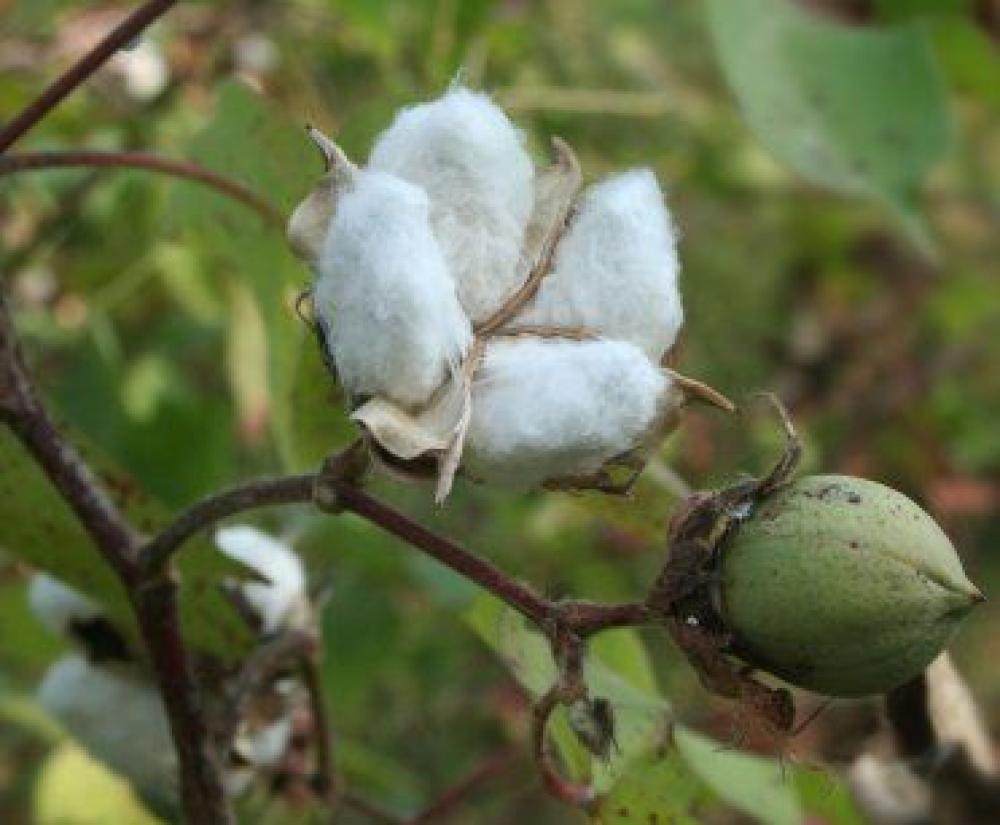
Cotton
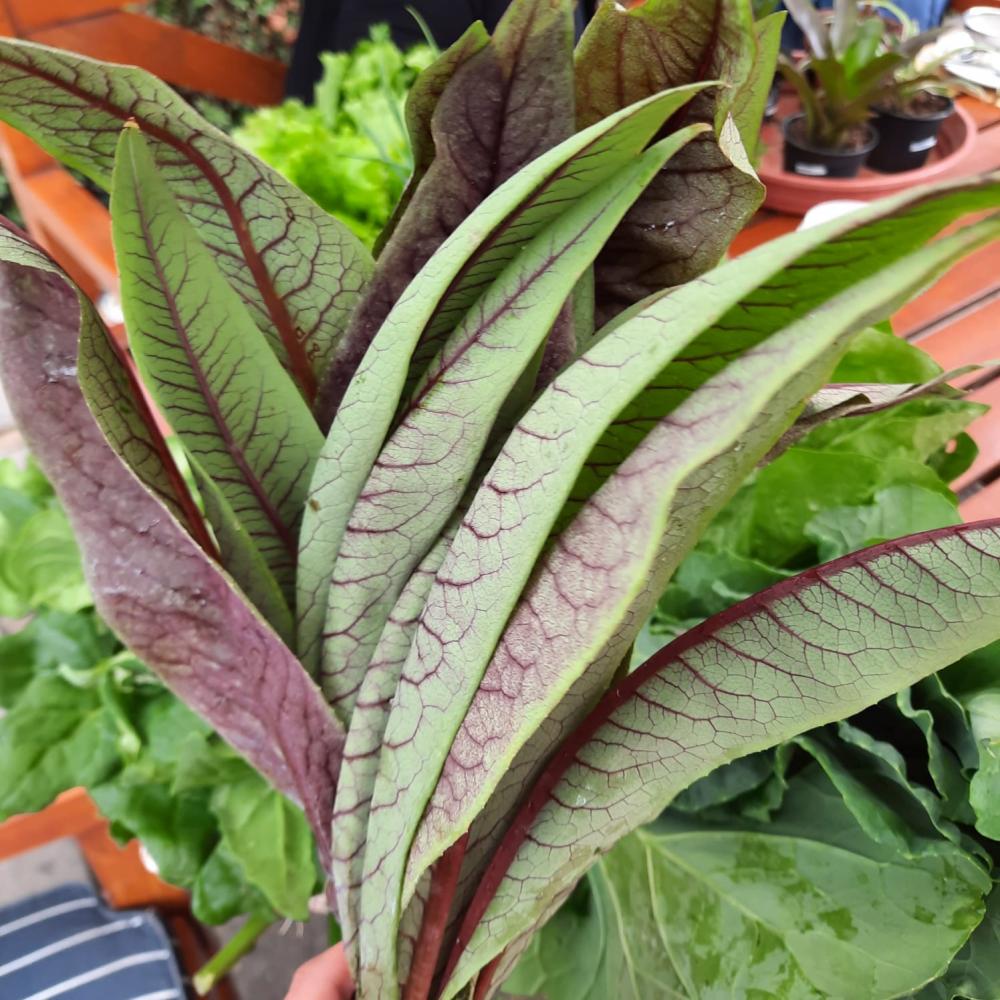
Cafezal Chicory
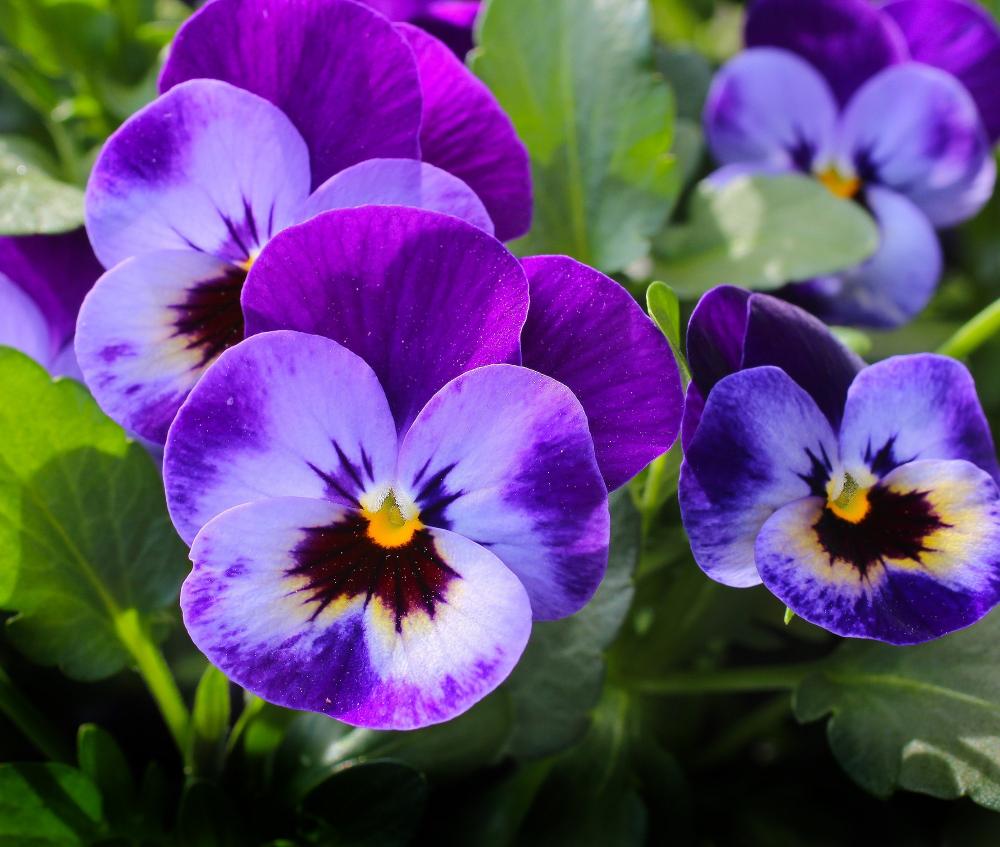
Perfect Love
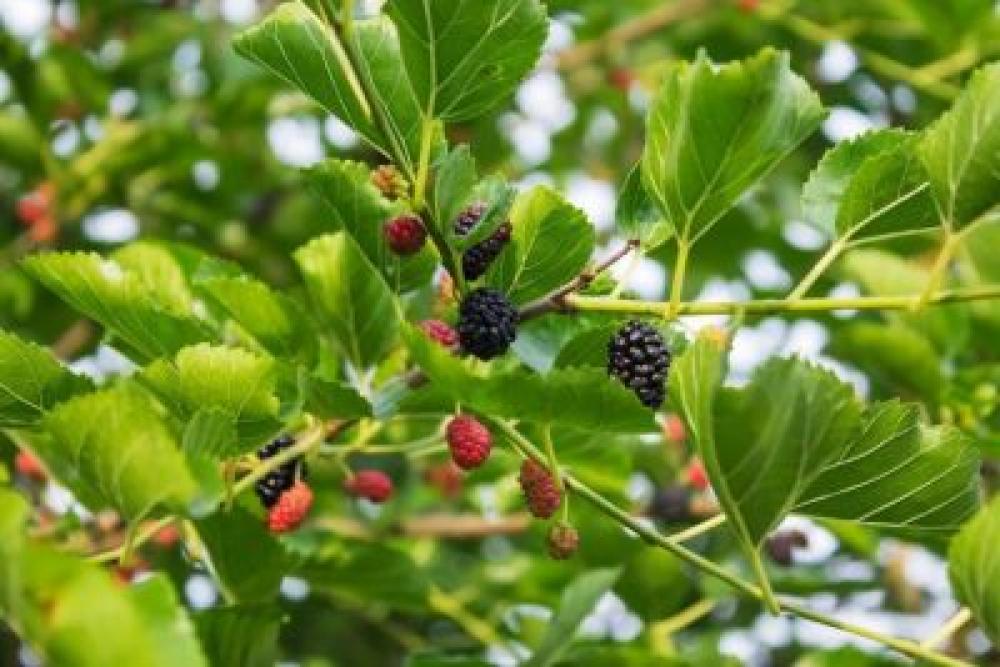
mulberry
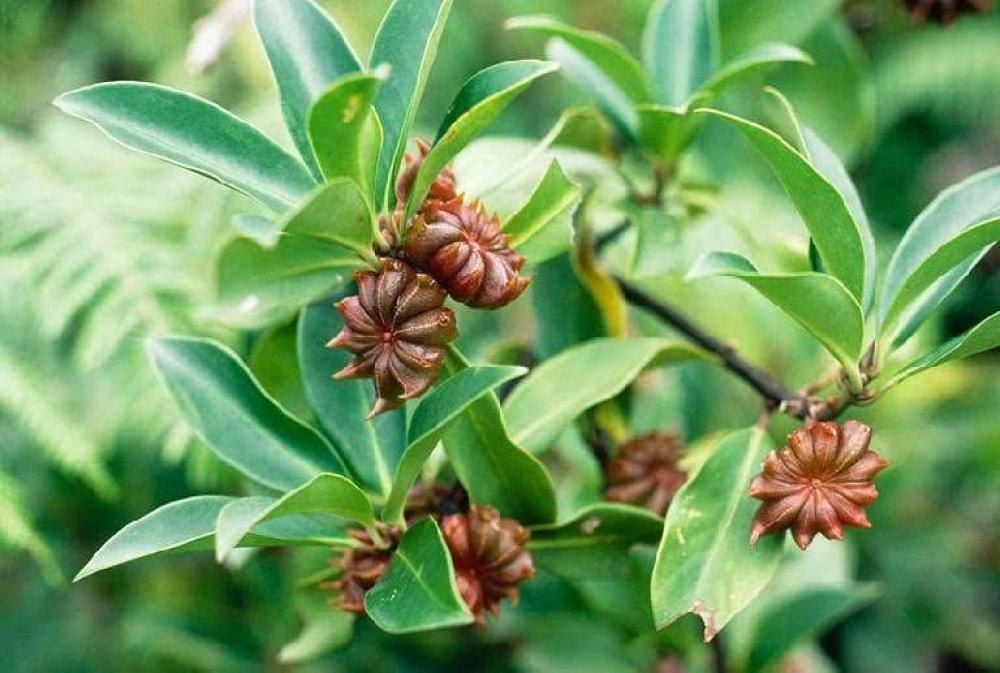
anise
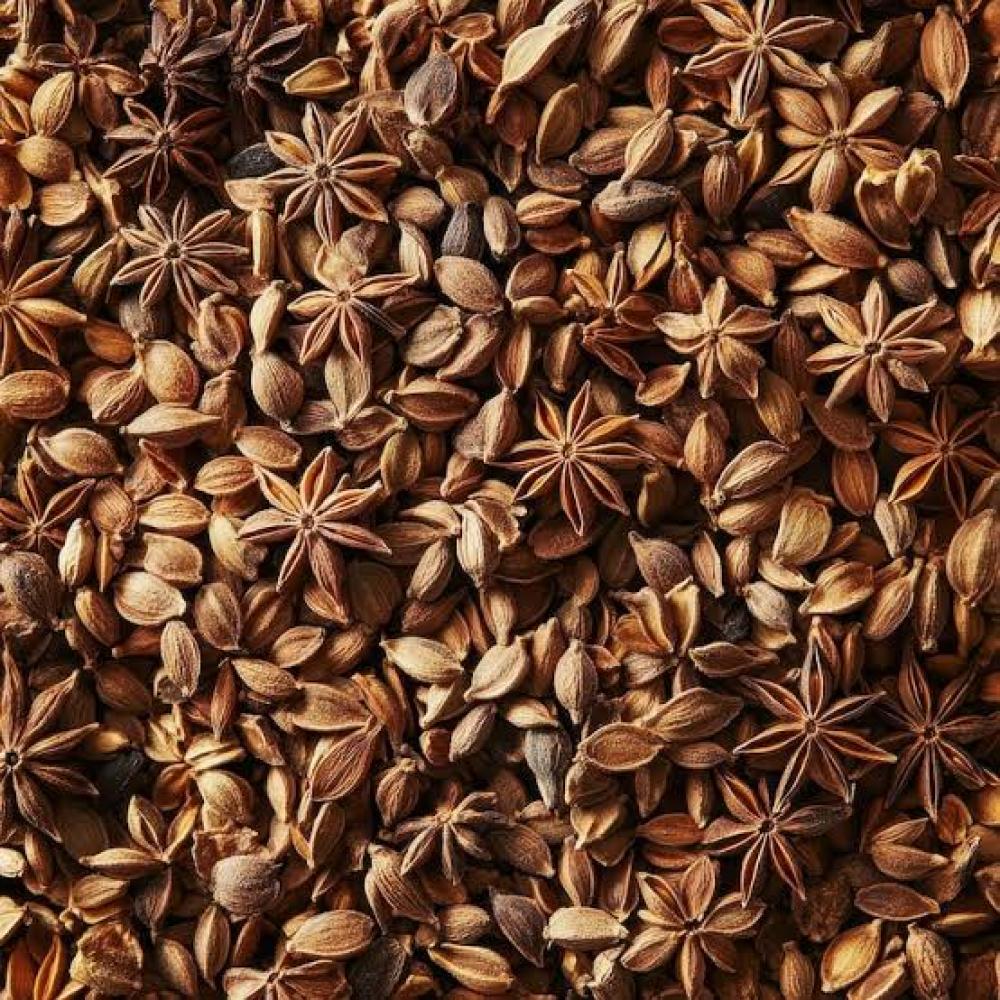
Star anise - Seeds
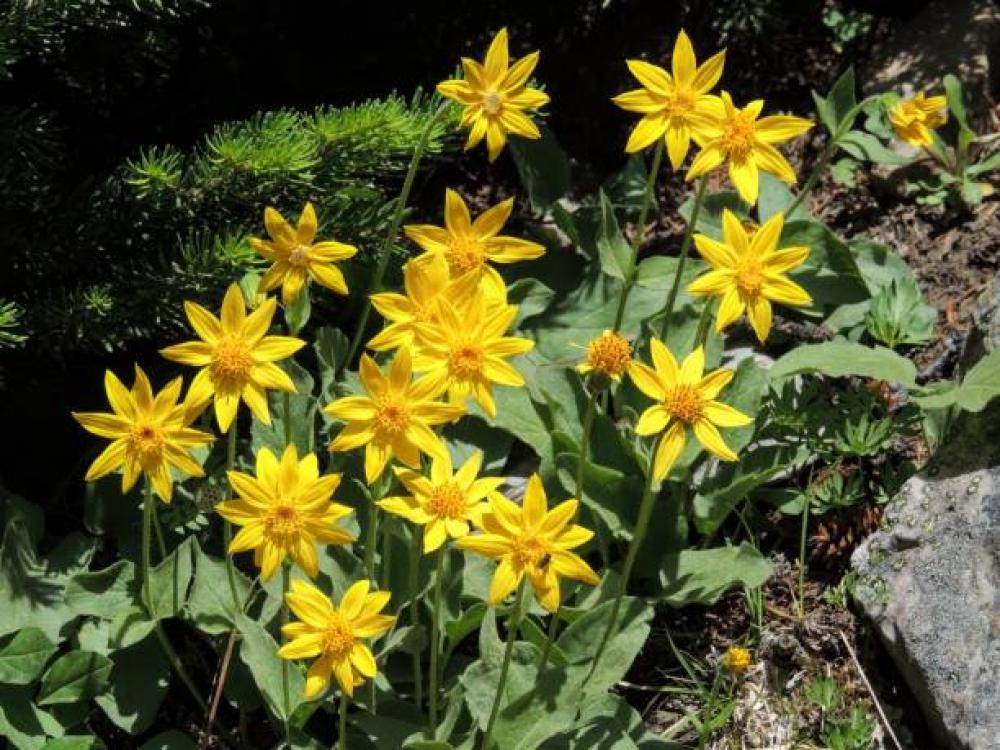
Arnica
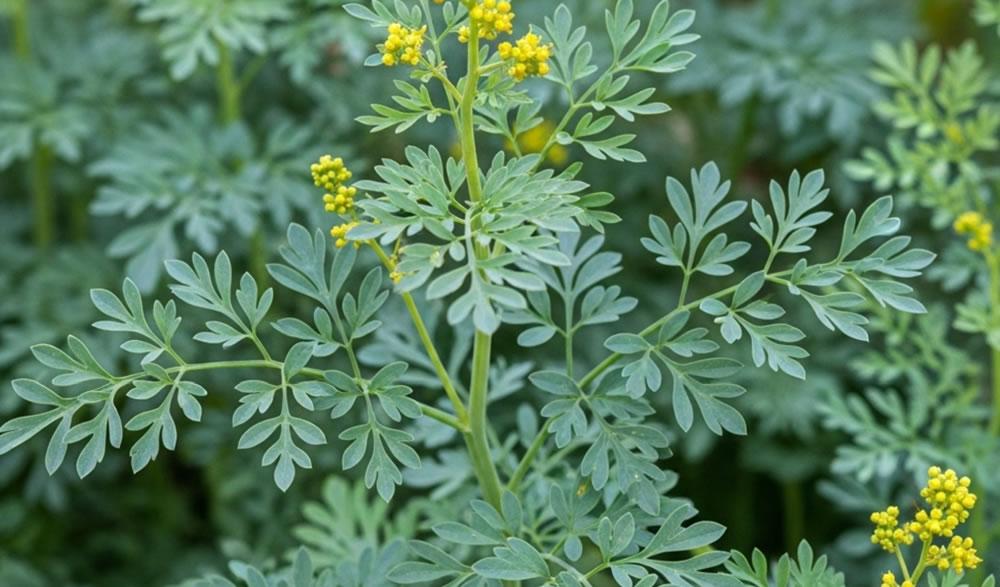
Rue
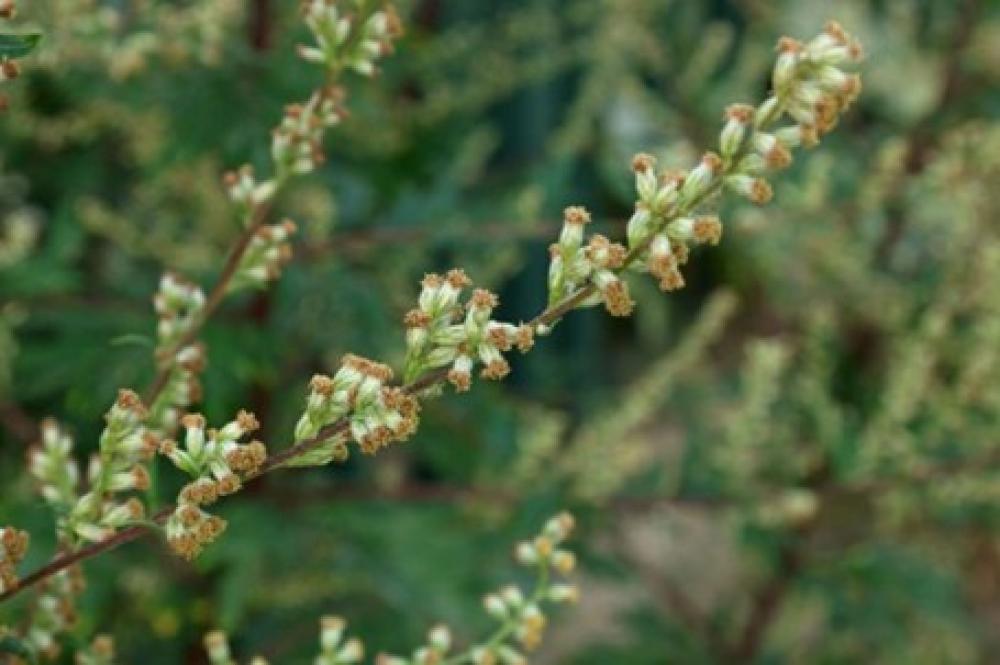
Artemisia
maidenhair fern
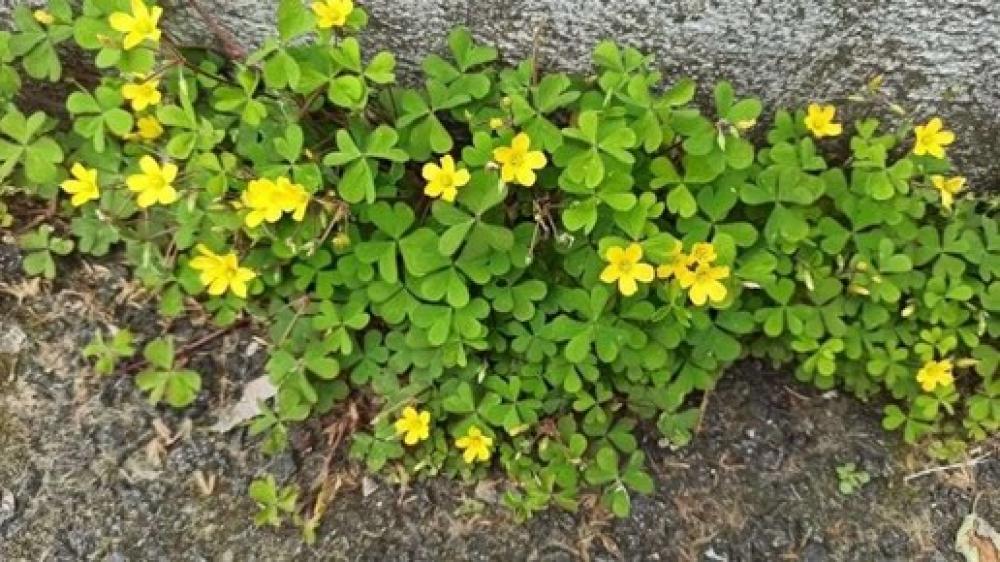
sourish
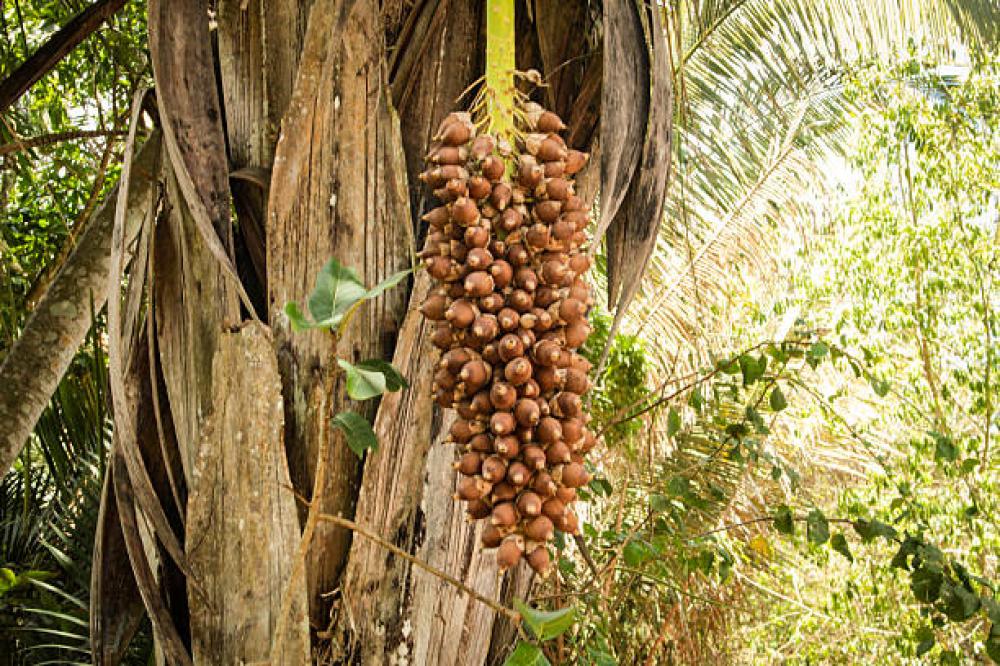
babassu
aloe vera
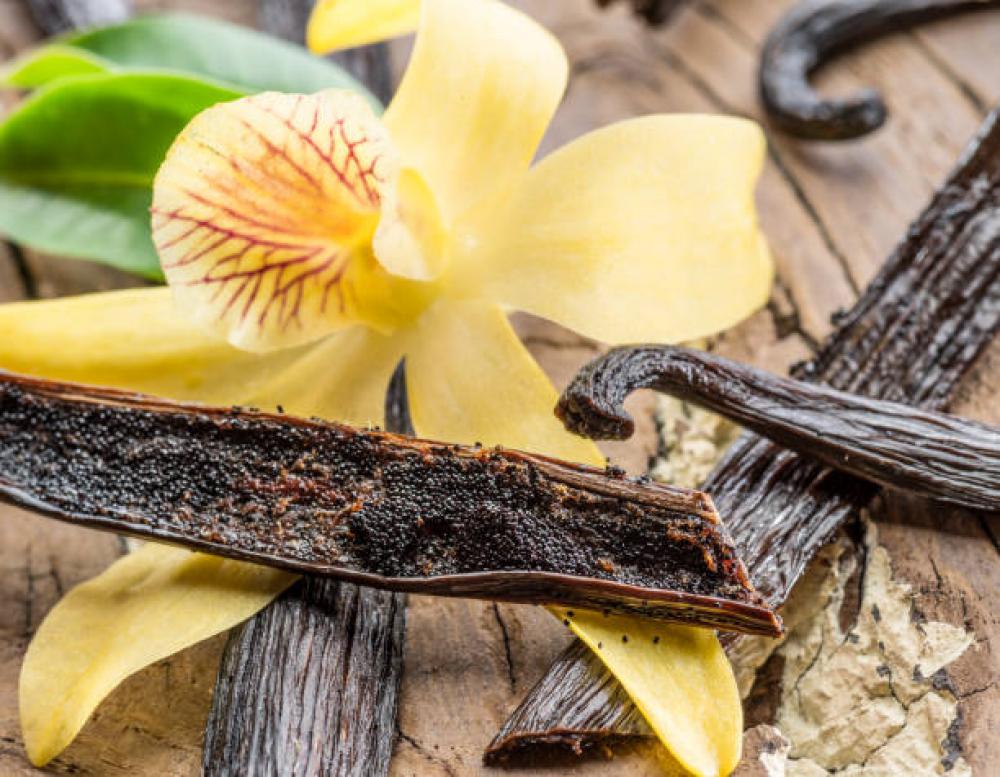
vanilla
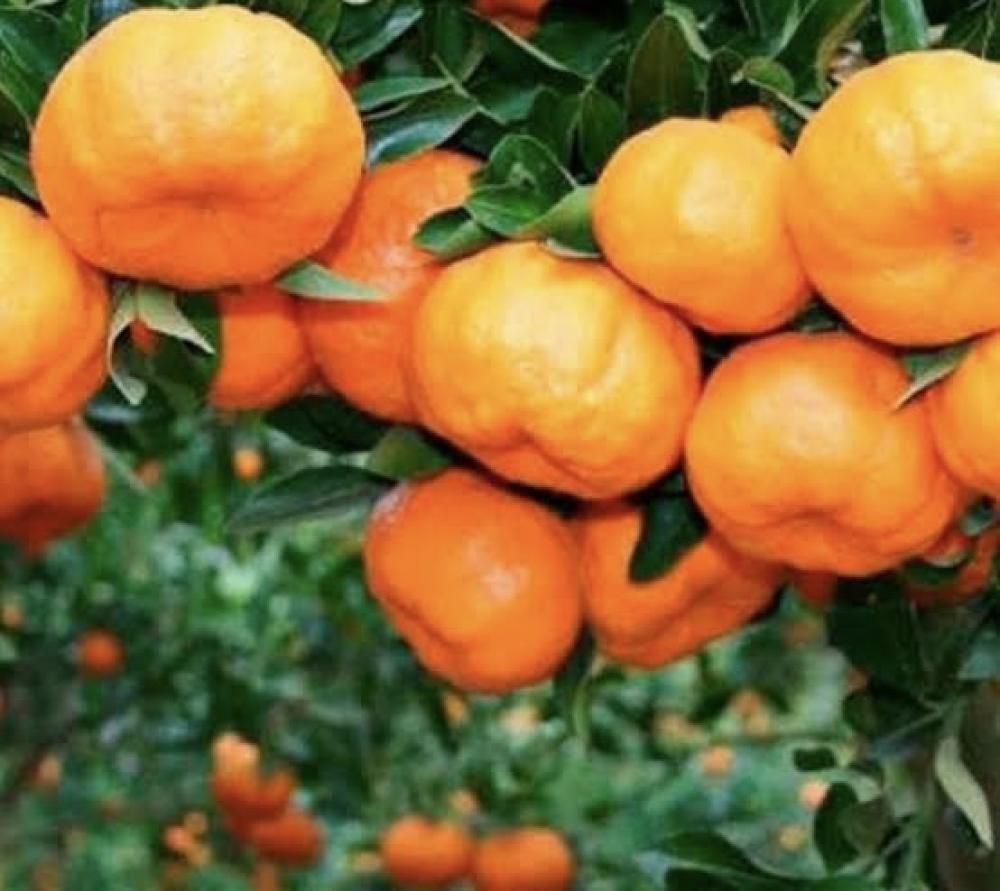
Bergamot
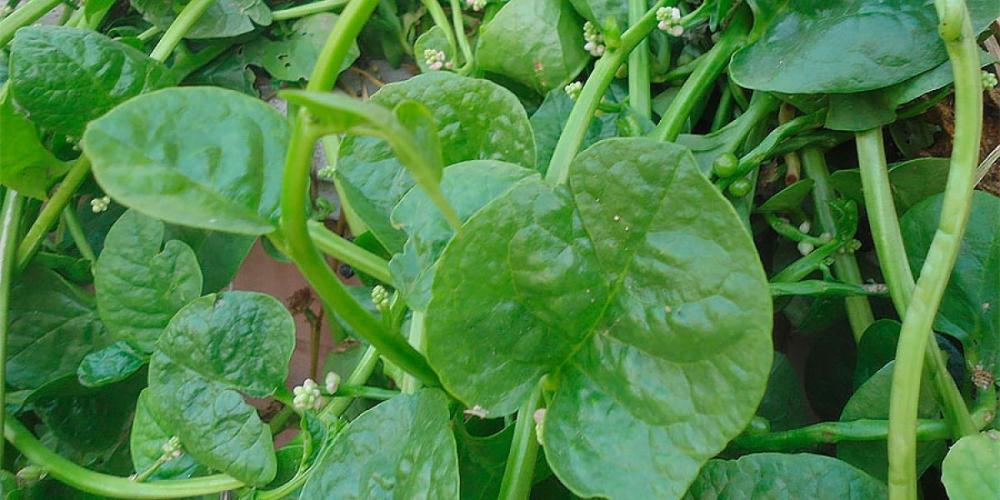
Malabar spinach
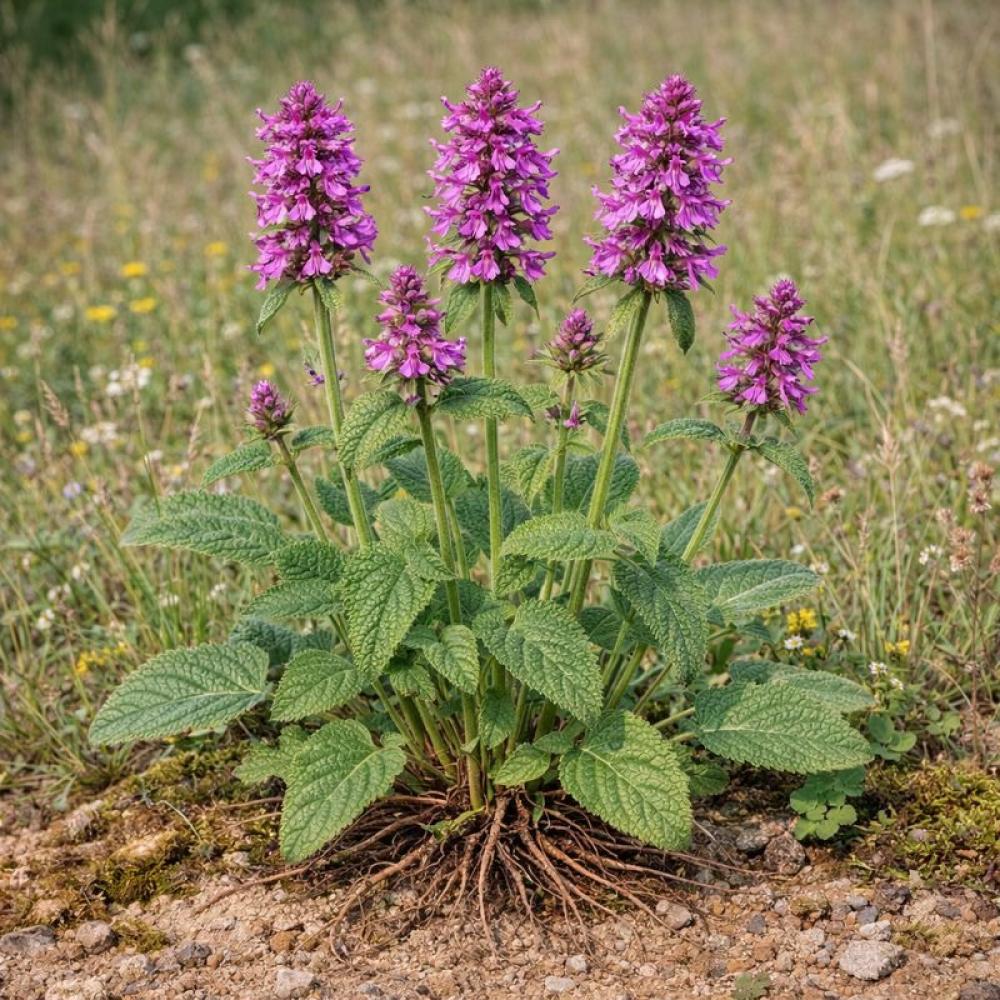
betony
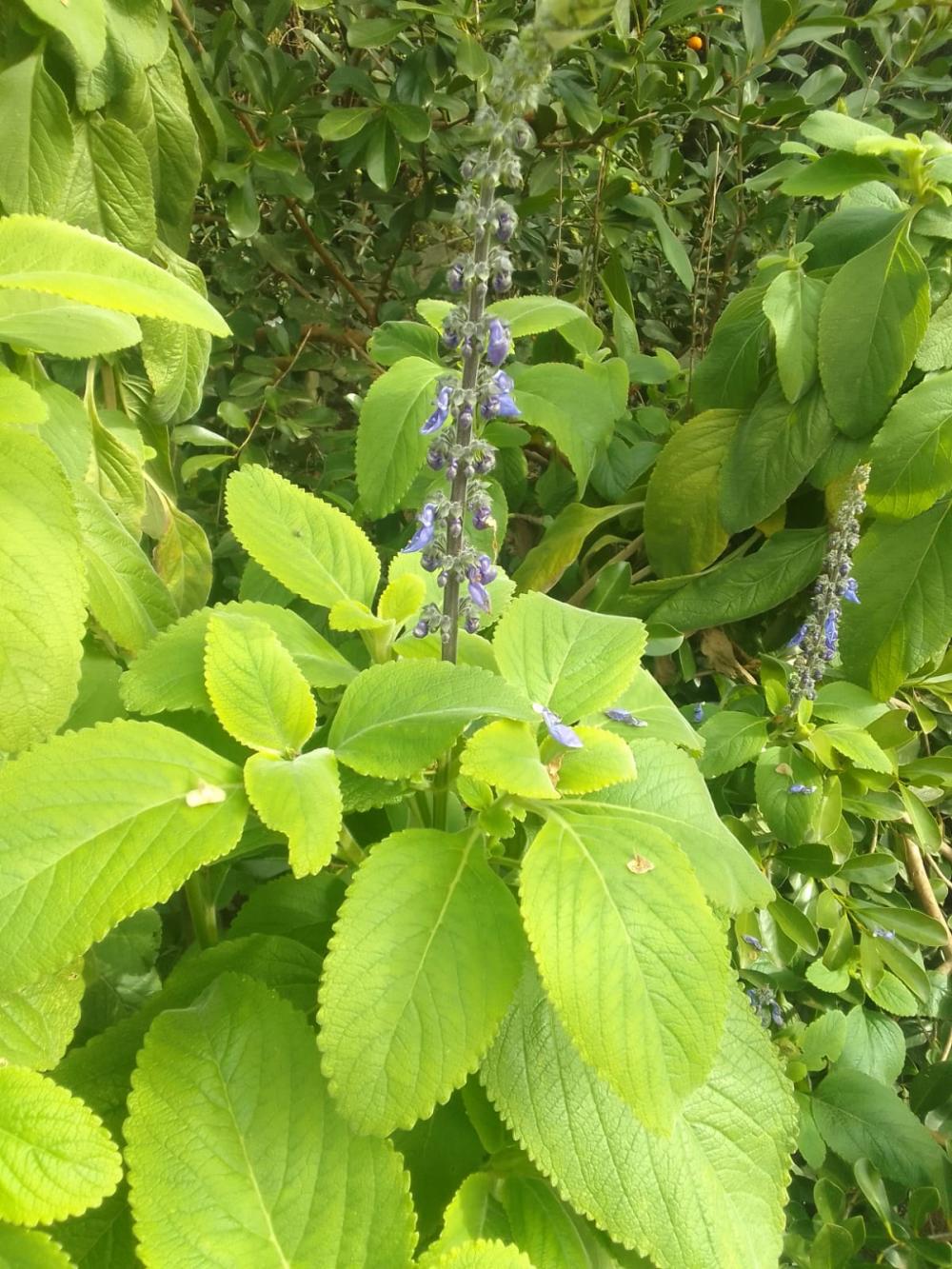
Boldo
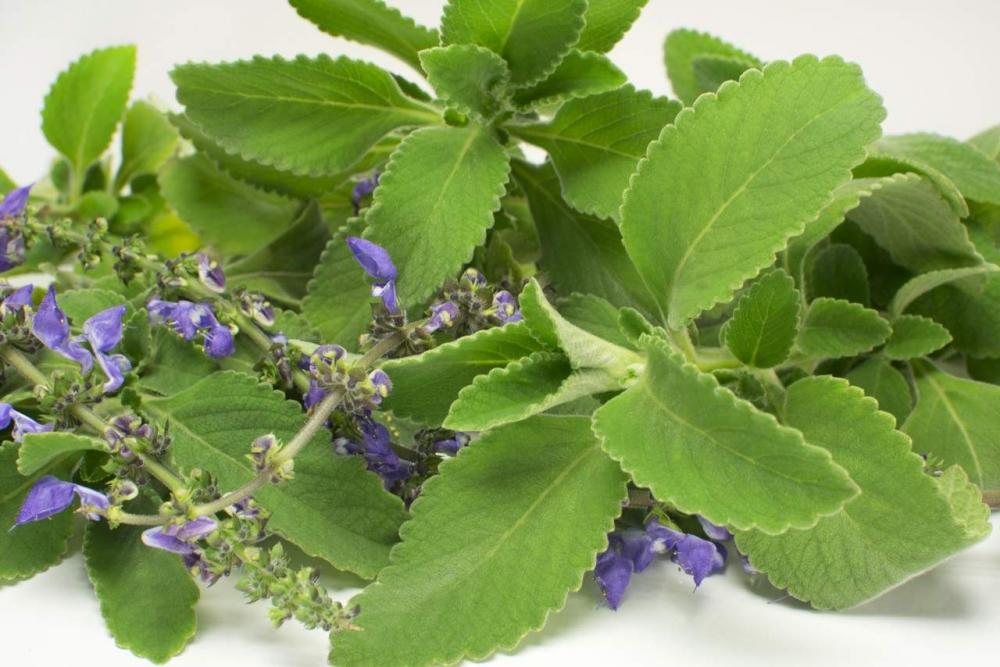
Chilean boldo
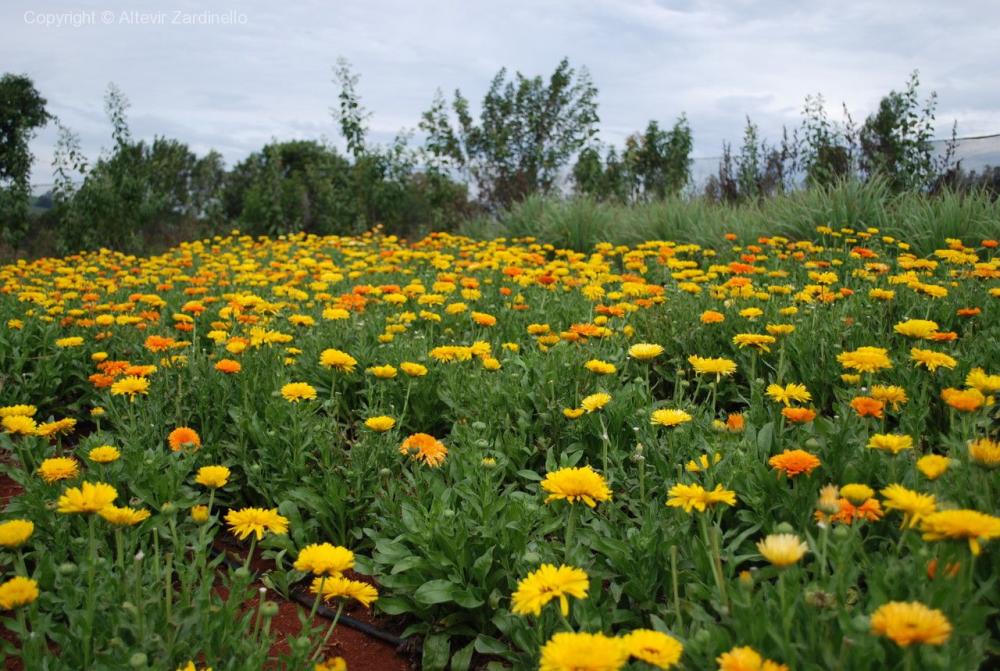
Calêndula
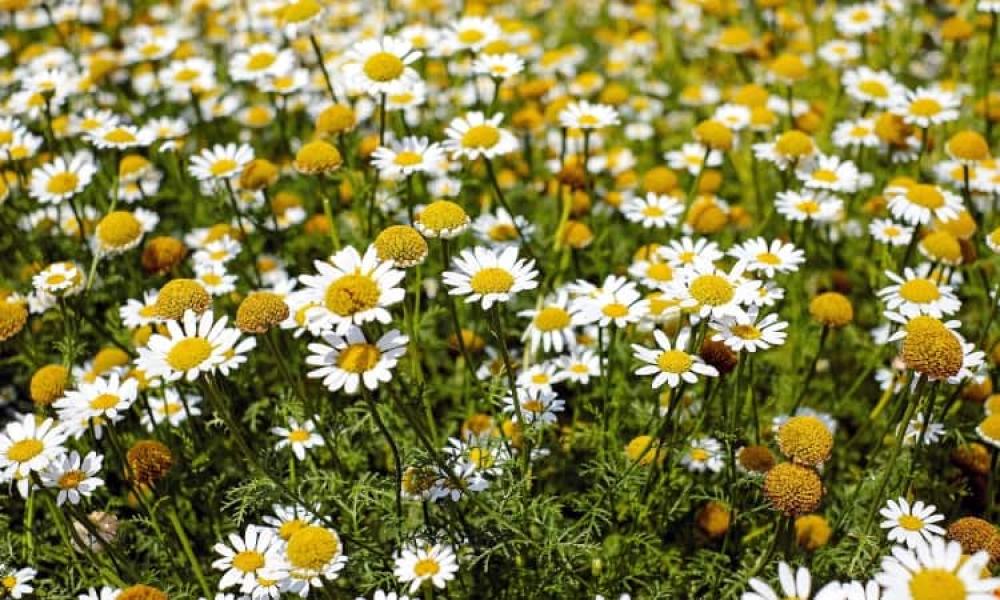
Chamomile
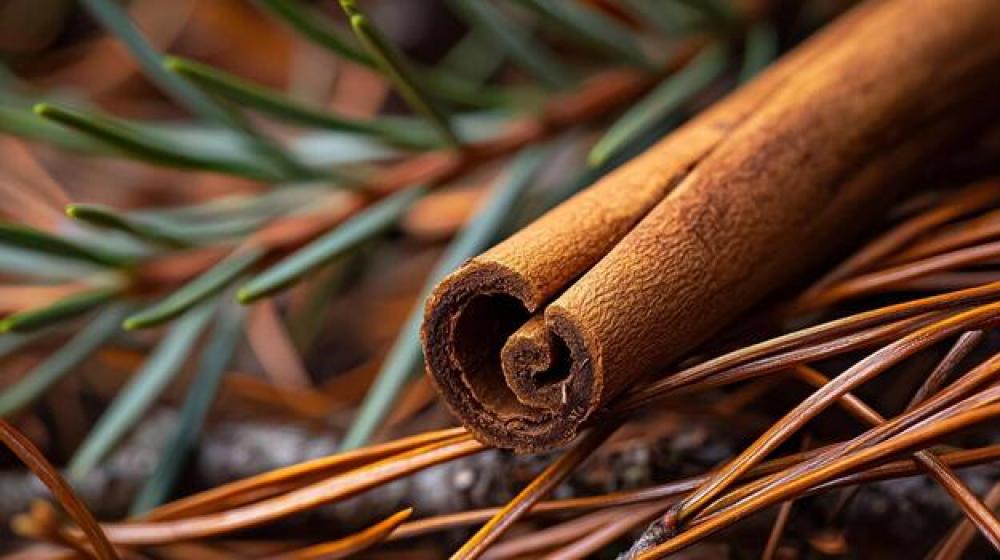
cinnamon
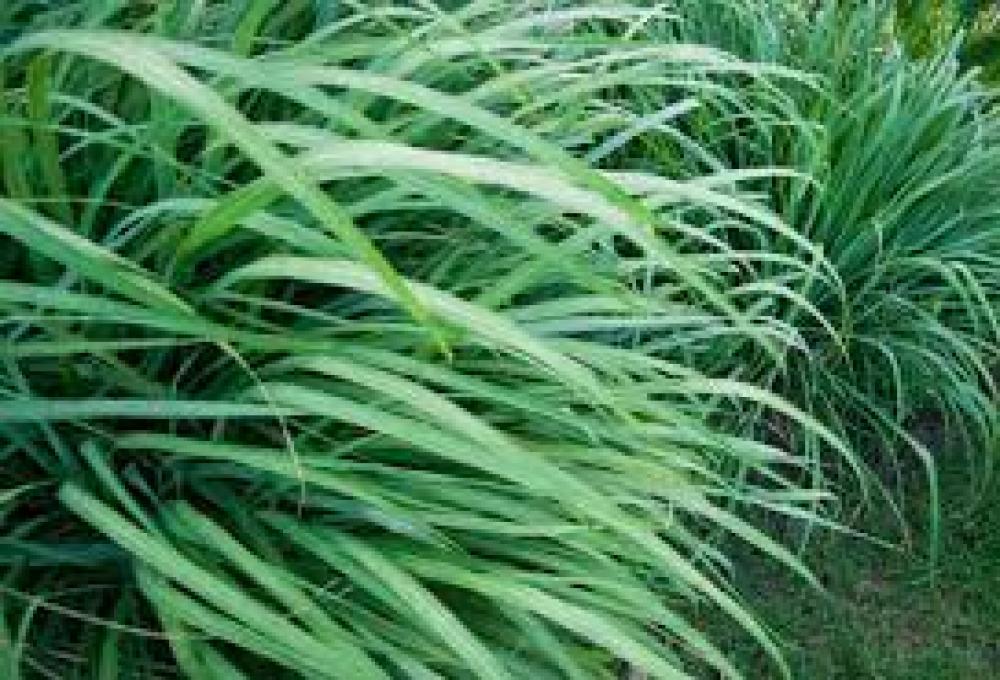
Scented Grass - Lemongrass
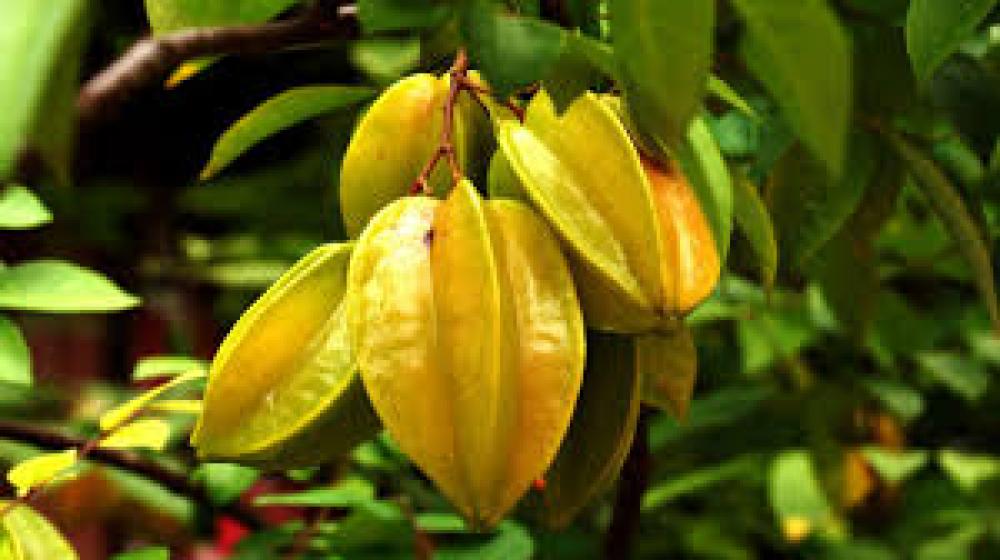
starfruit
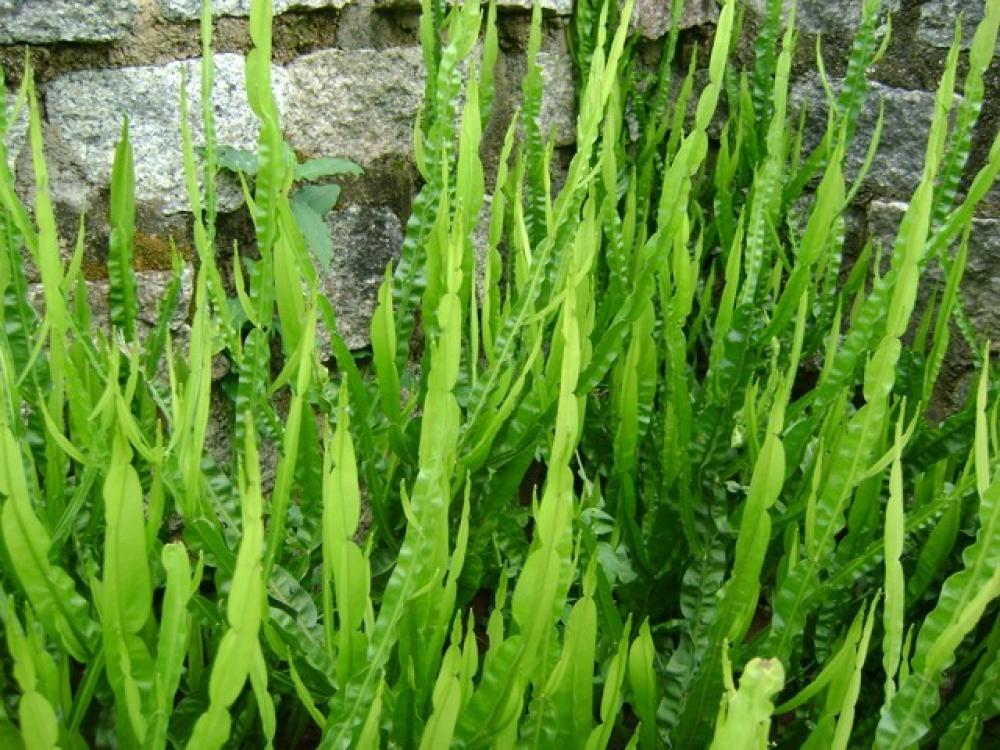
Carqueja
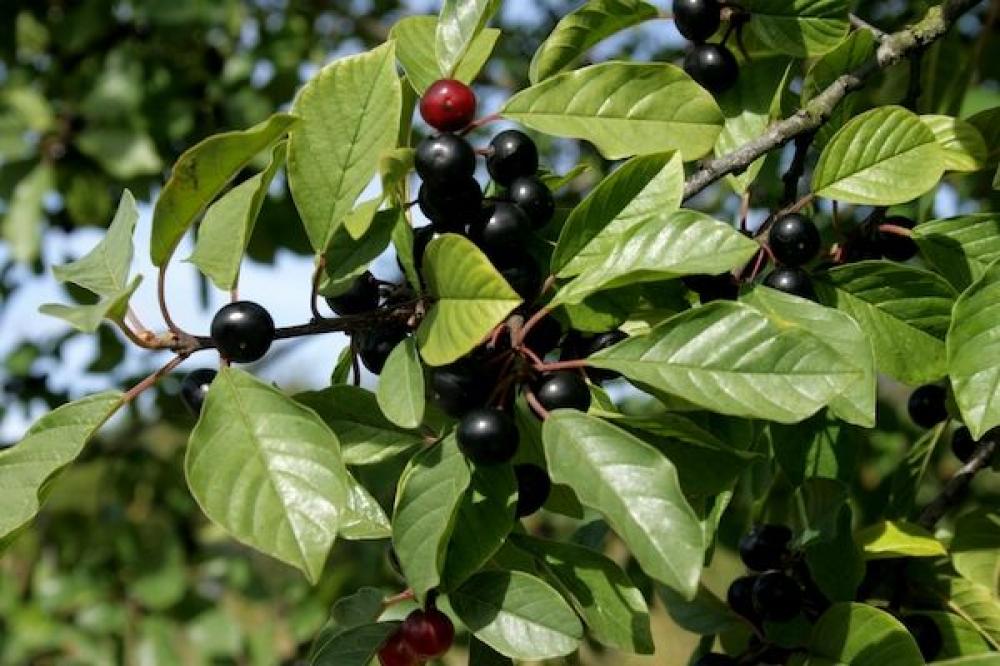
sacred waterfall
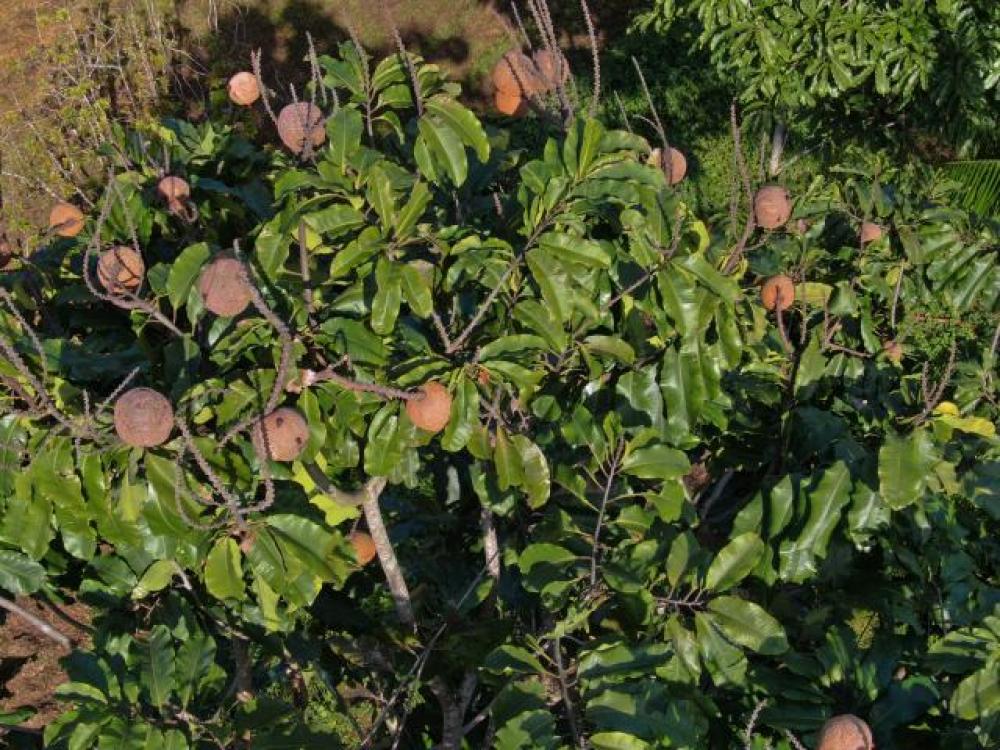
chestnut tree
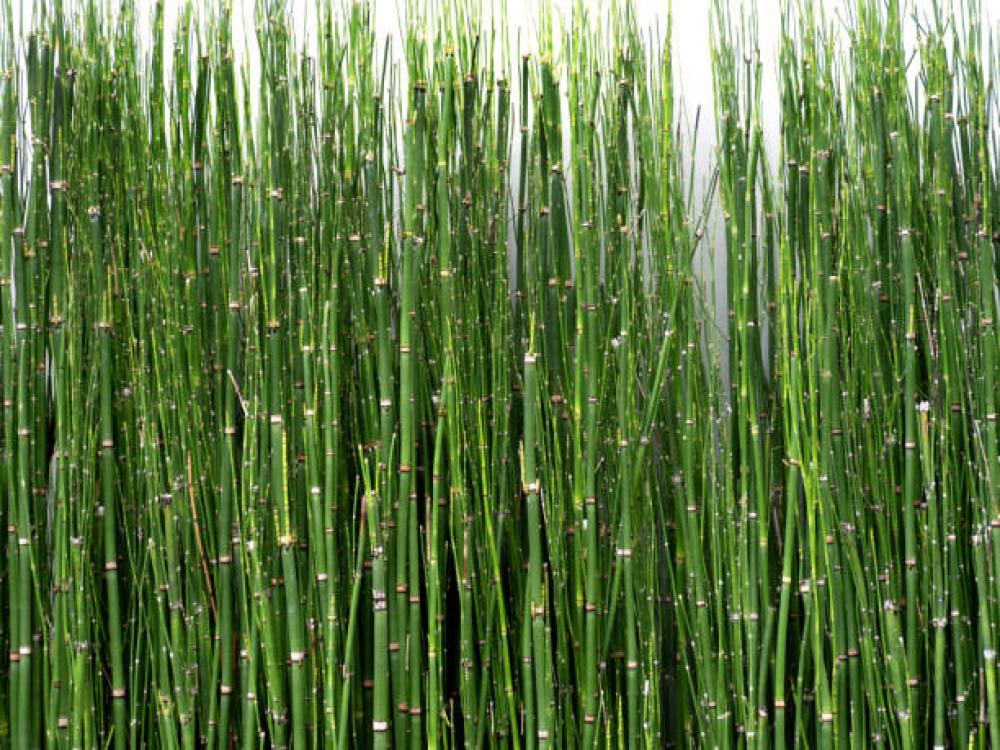
horsetail
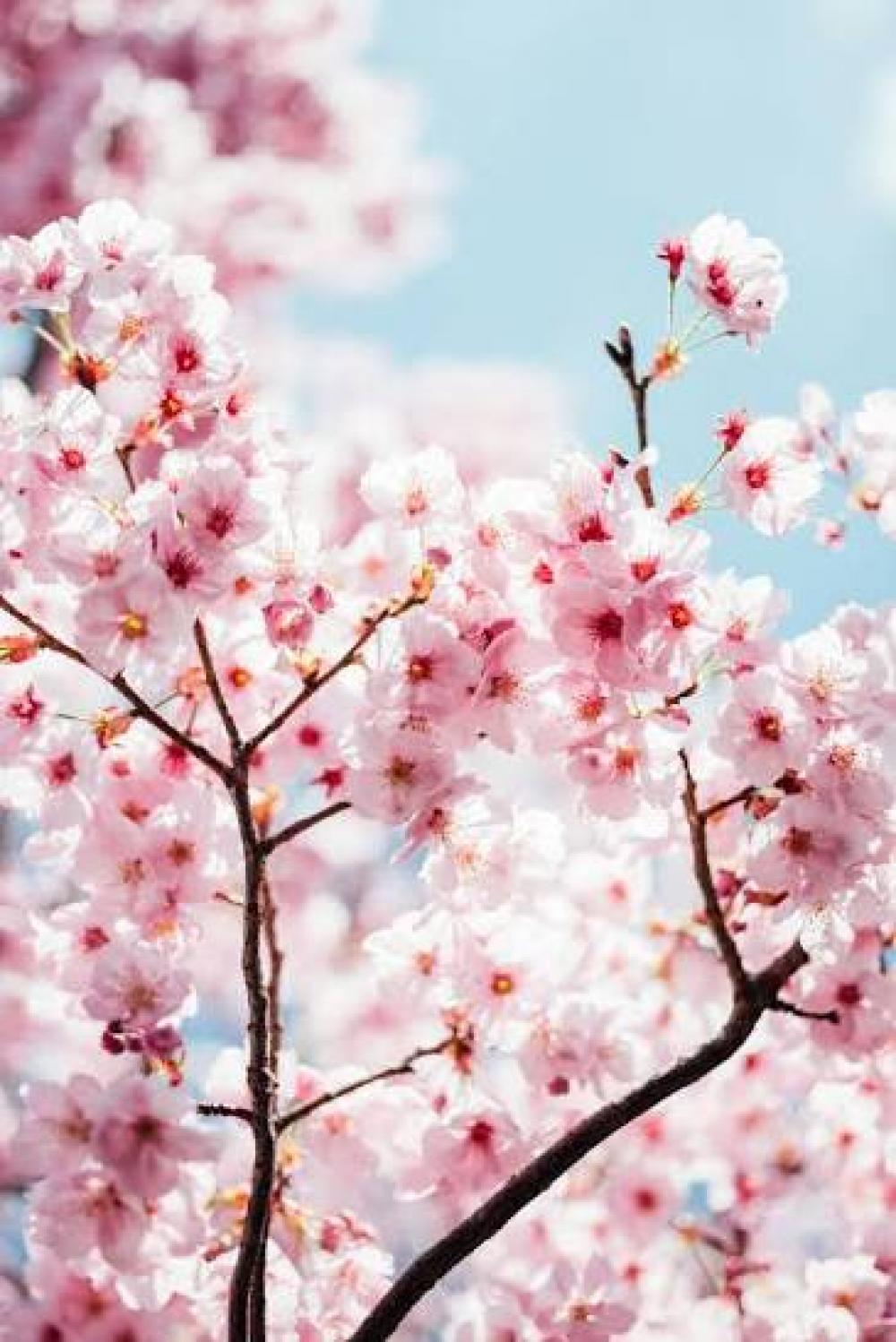
cherry
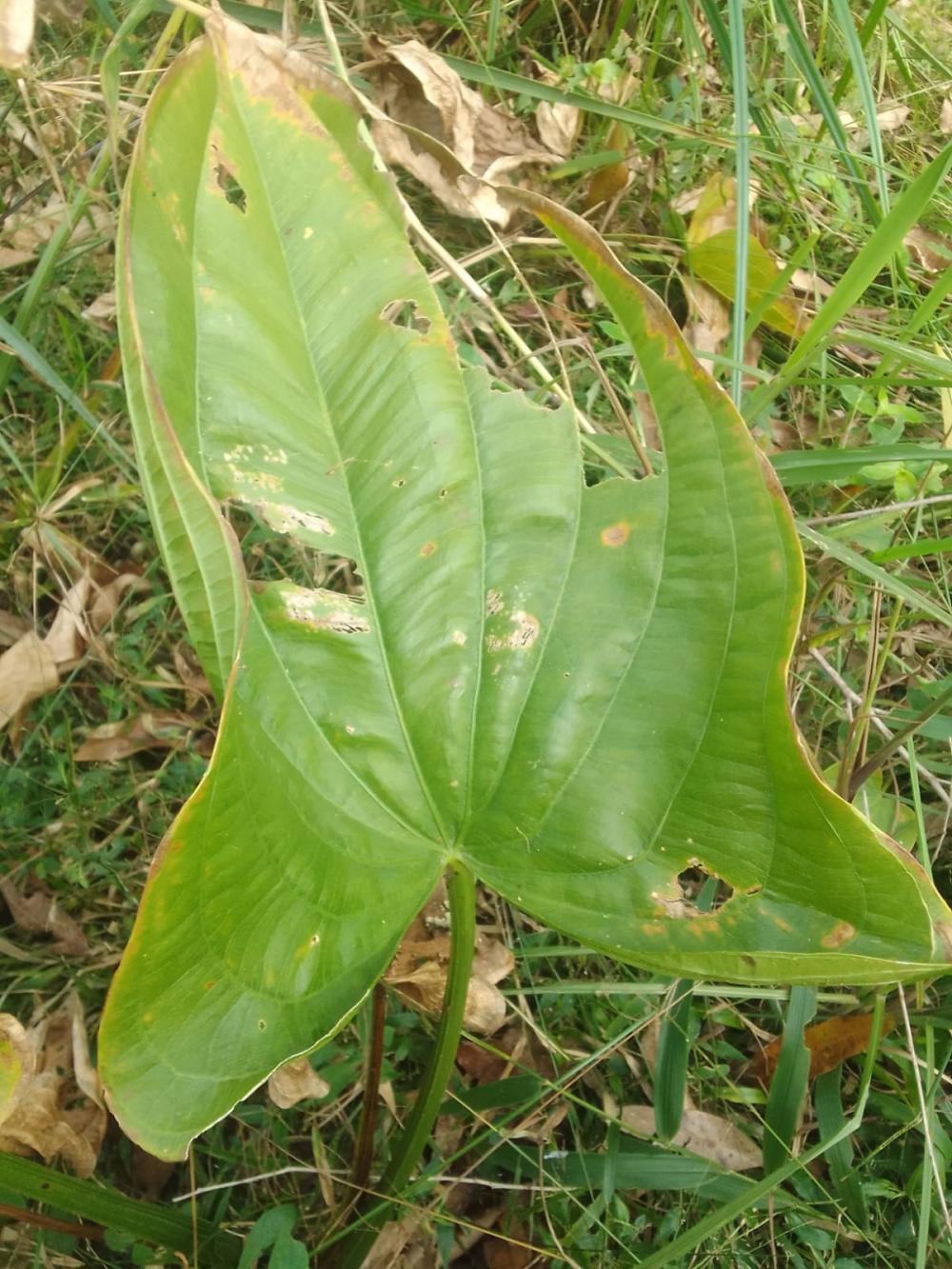
Leather Hat
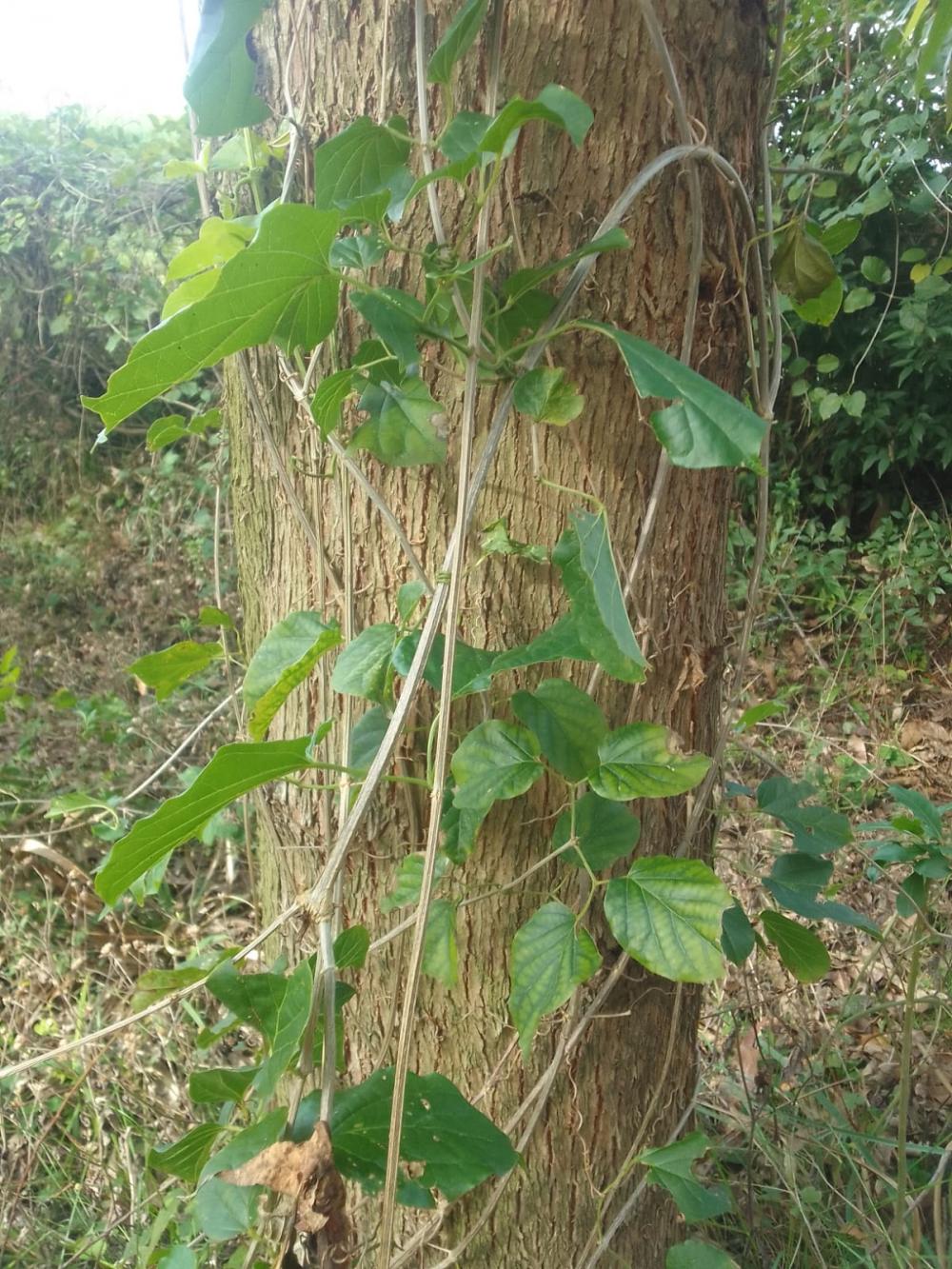
St. Johns Vine
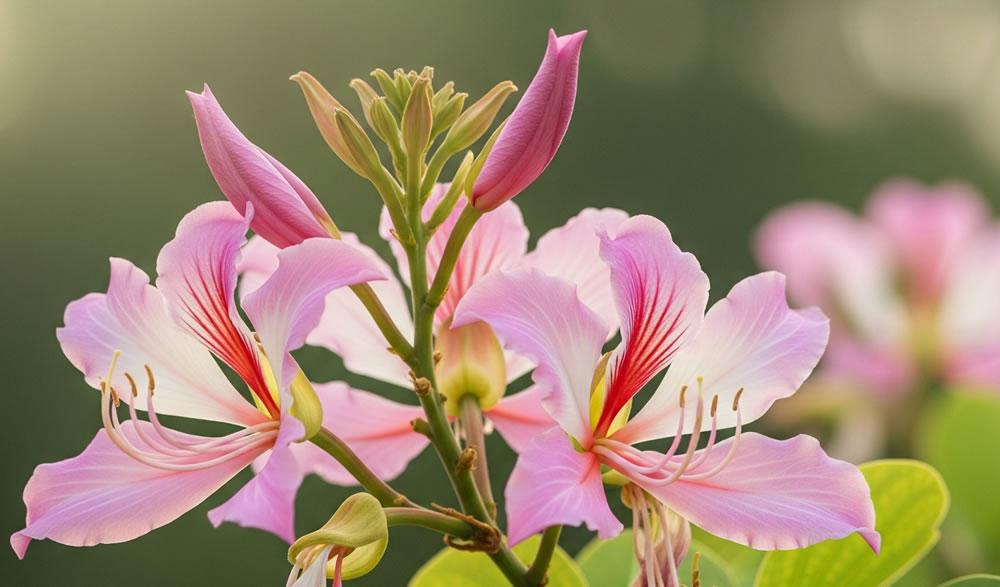
Cows foot vine
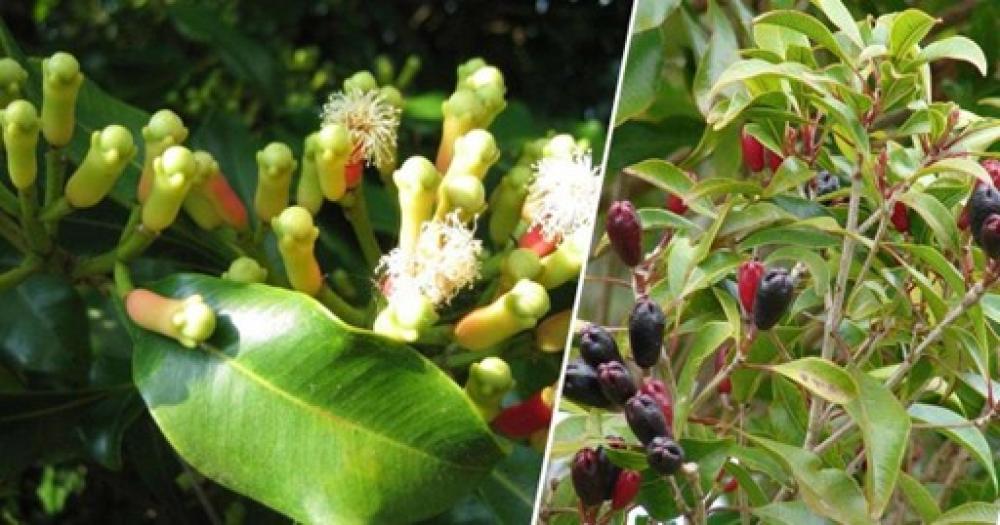
clove
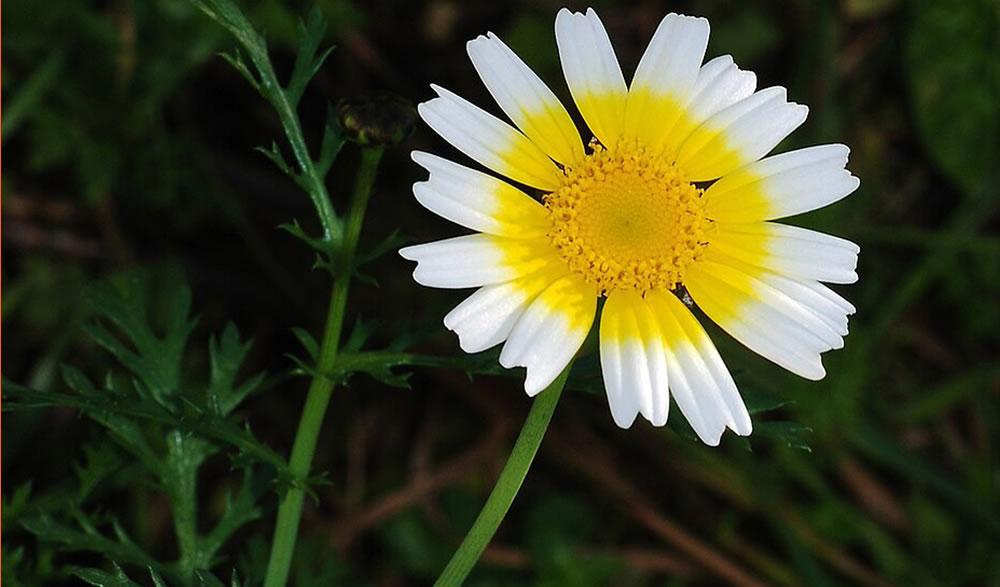
Chrysanthemum
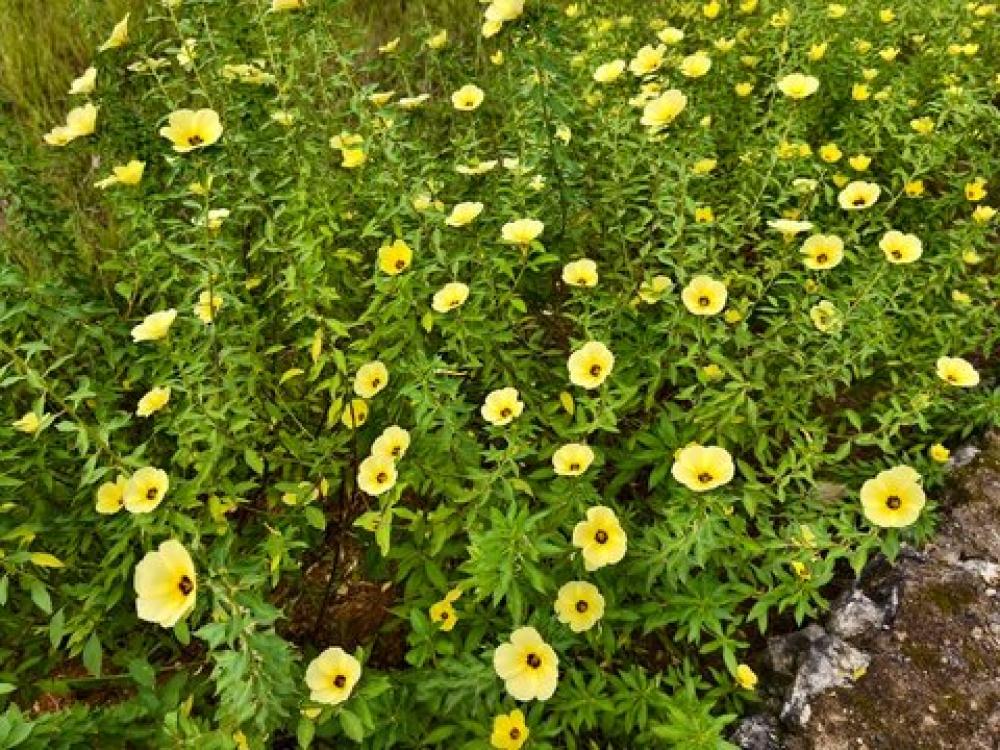
Damiana
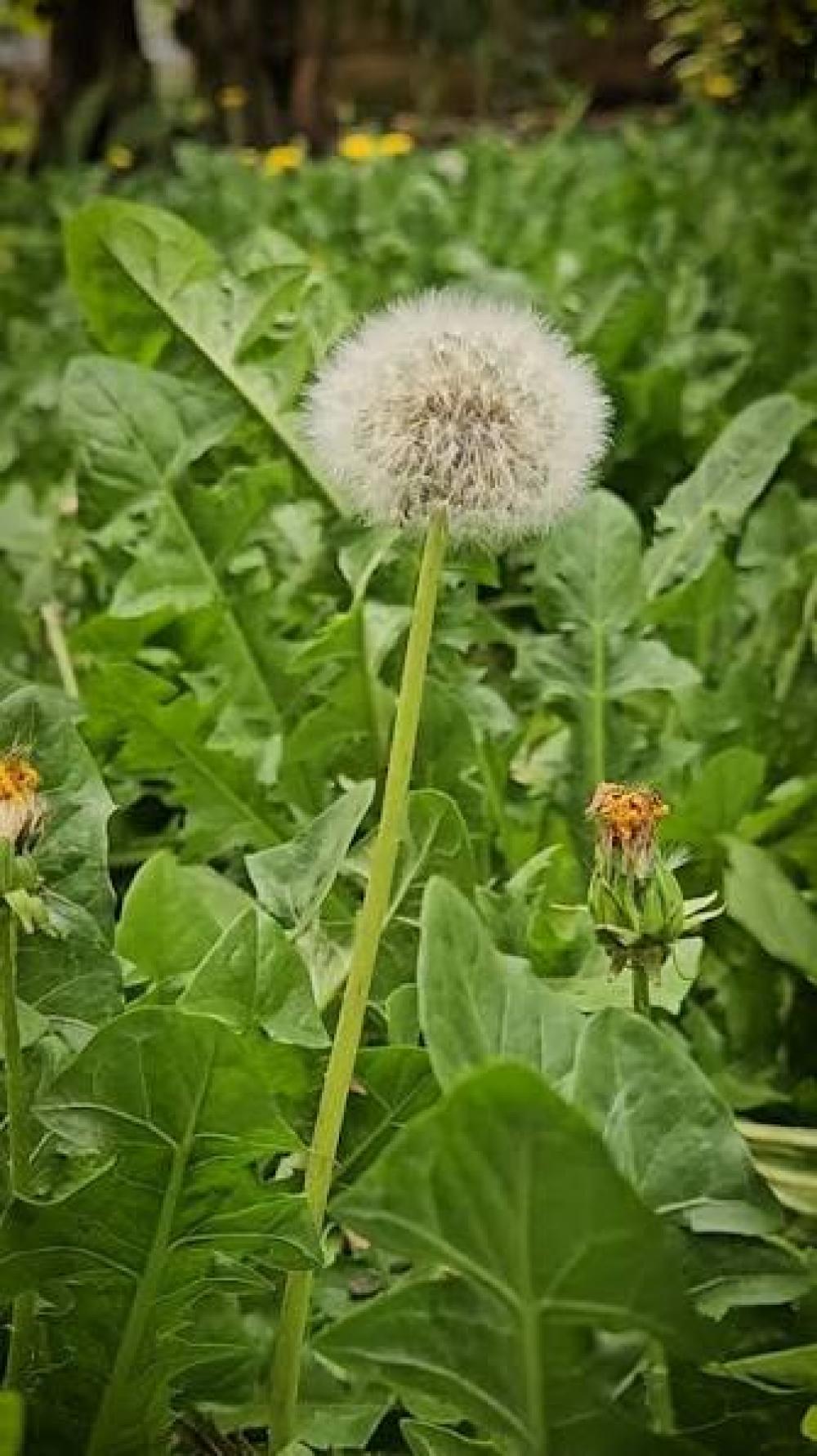
dandelion
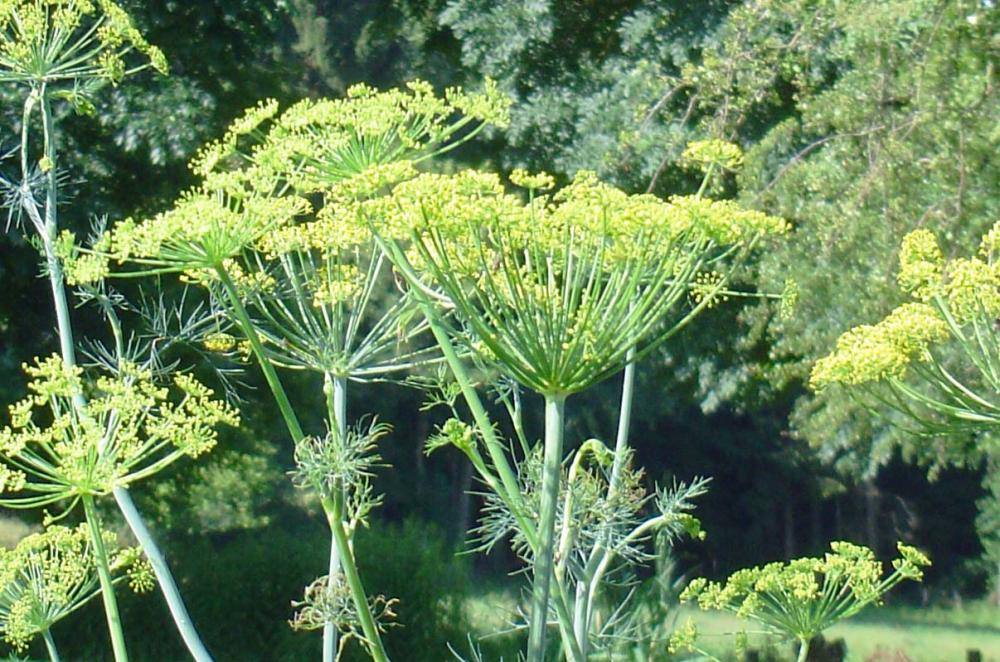
dill
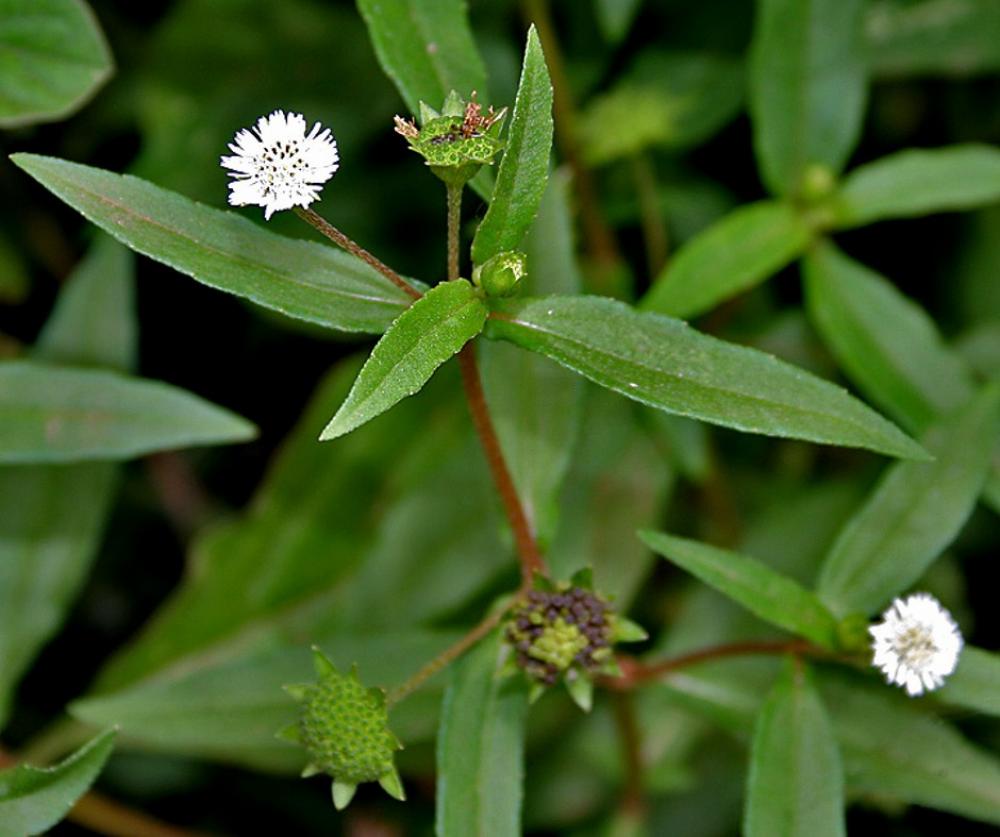
Button Herb
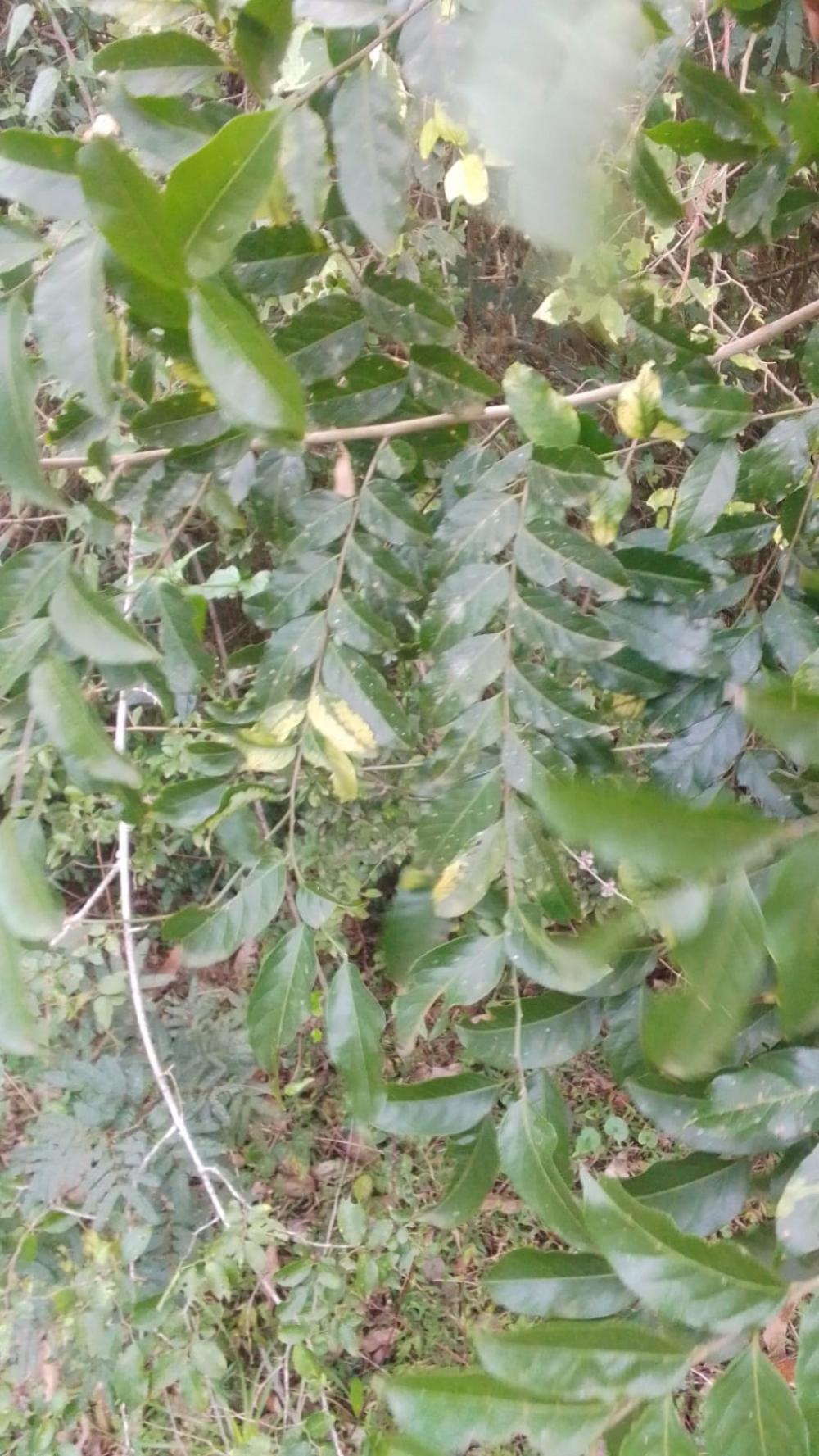
buggy grass
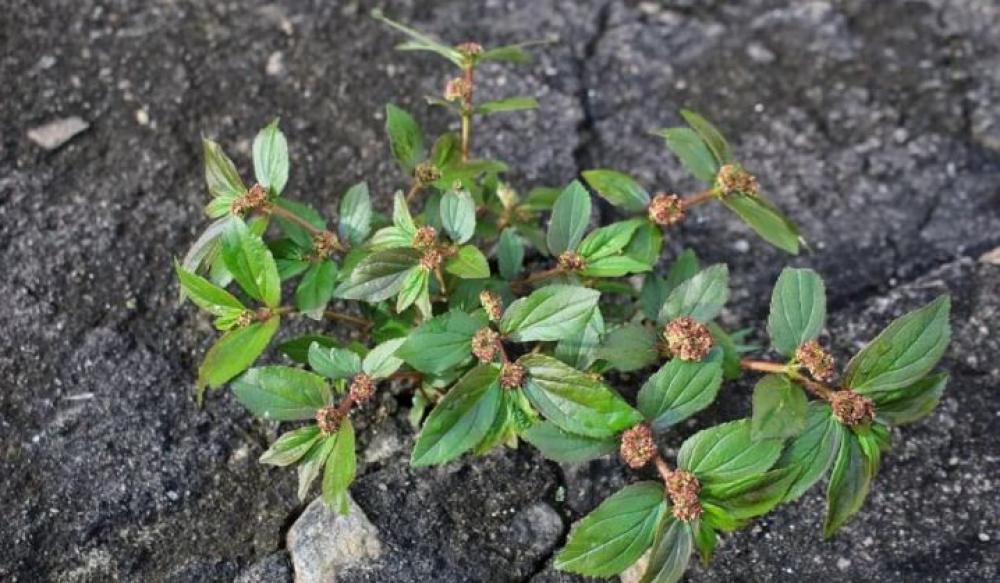
St. Lucias herb
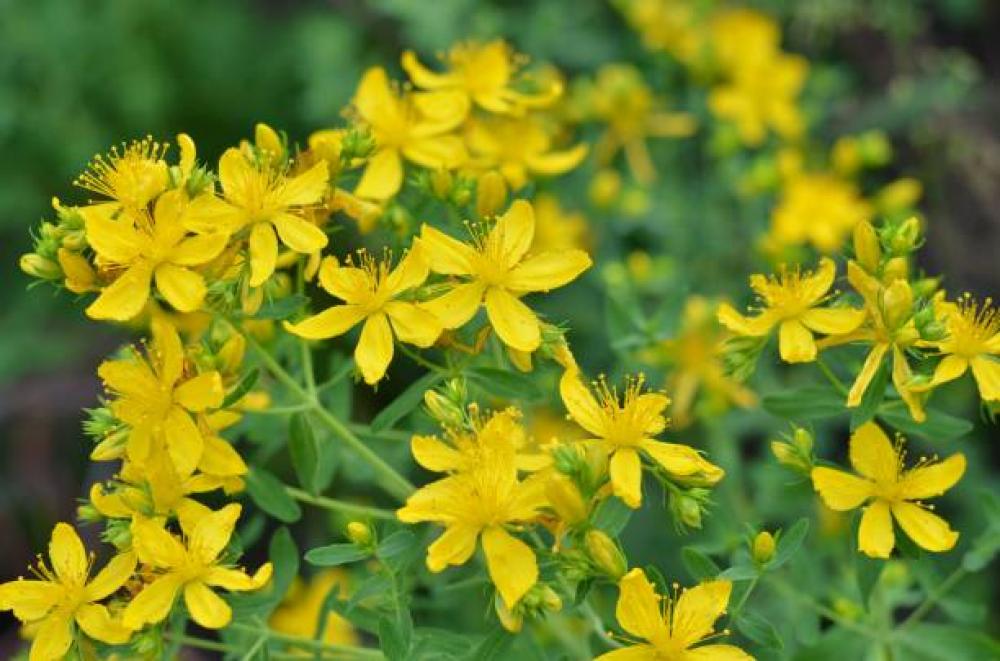
St. Johns wort
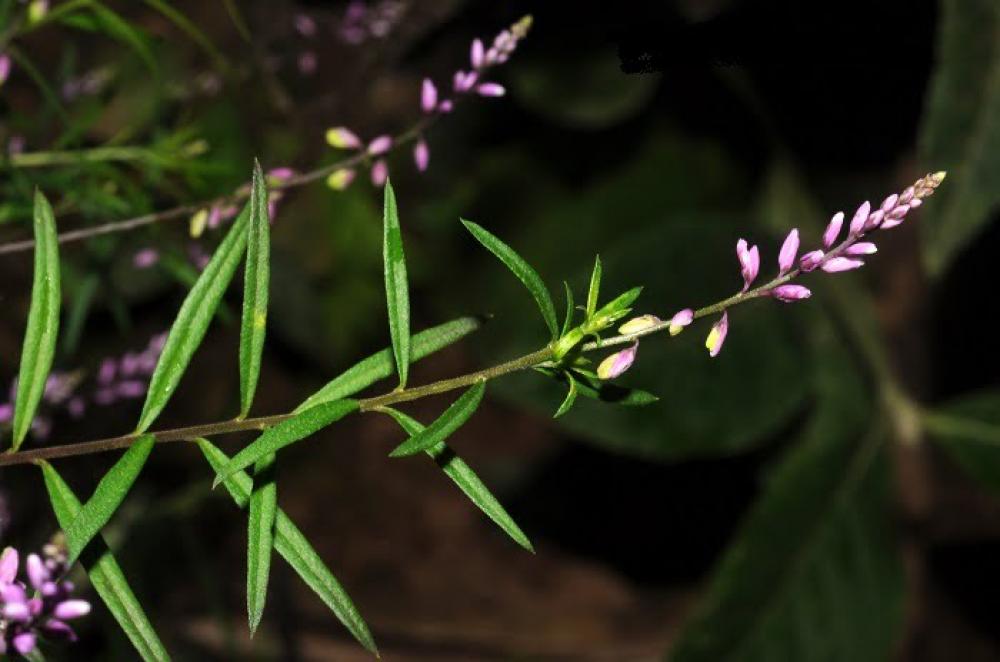
St. Peters wort
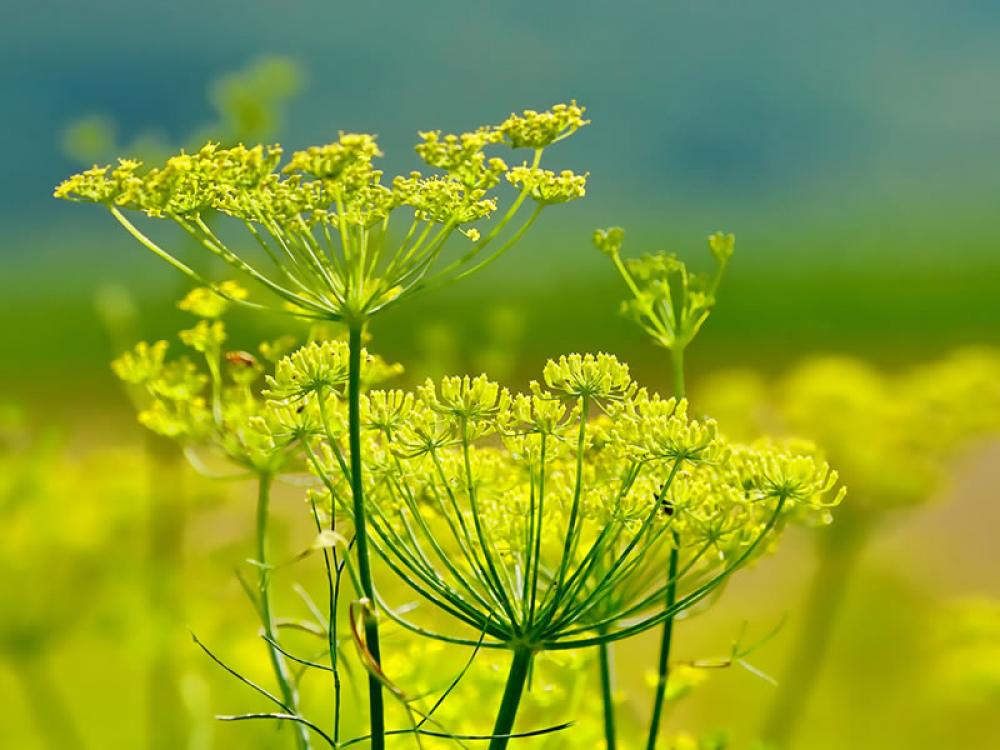
anise
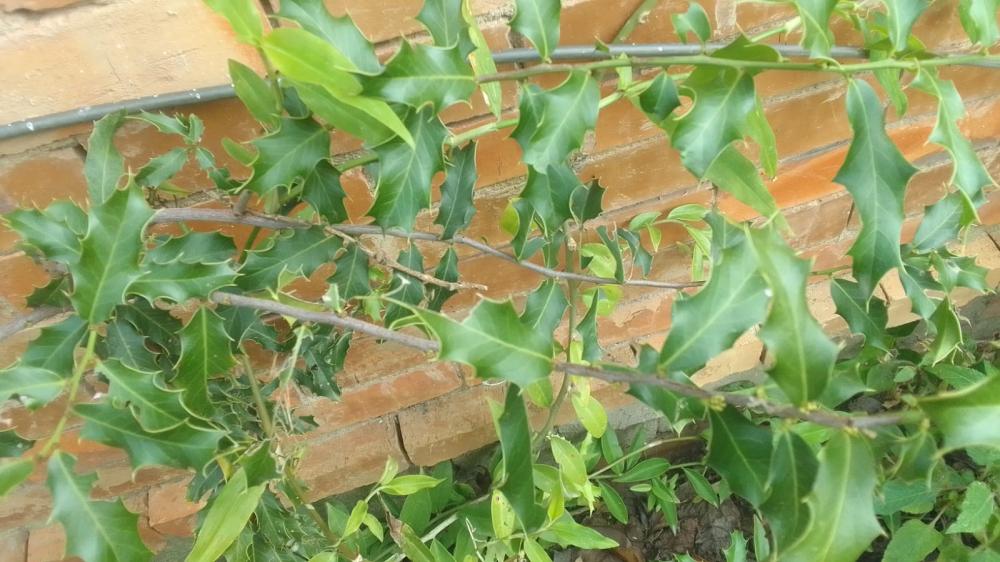
Espinheira - Santa
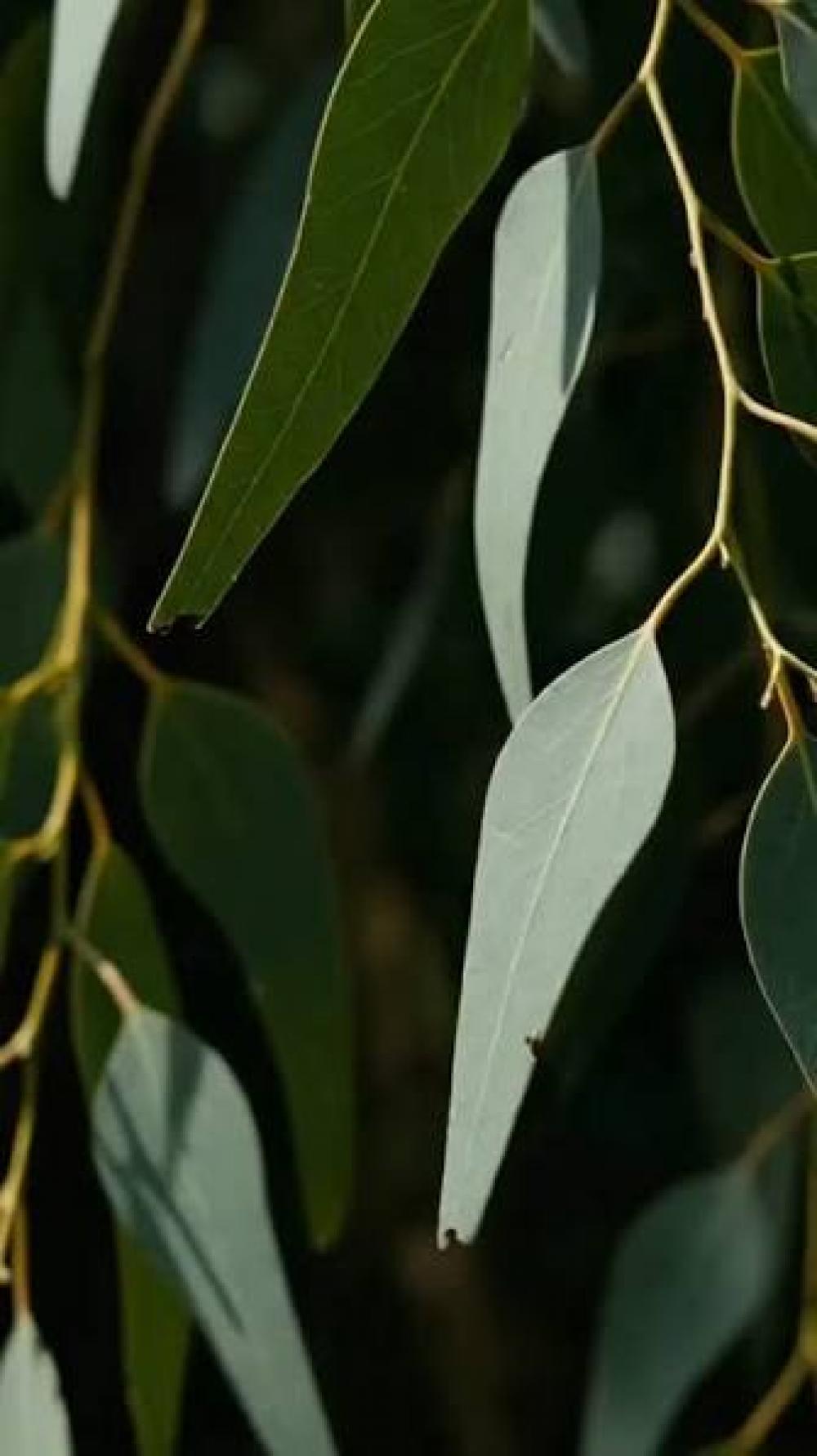
eucalyptus
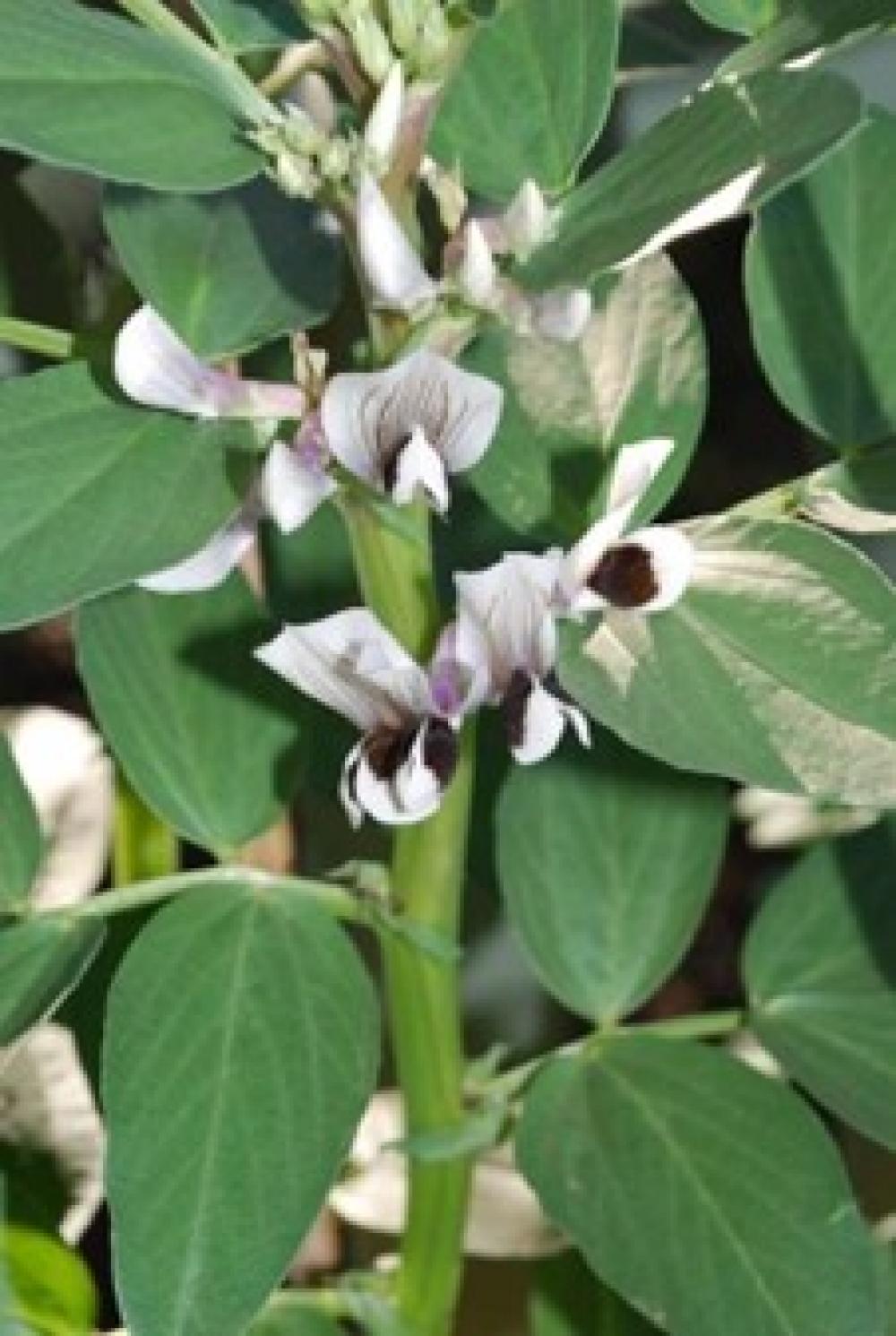
Fava
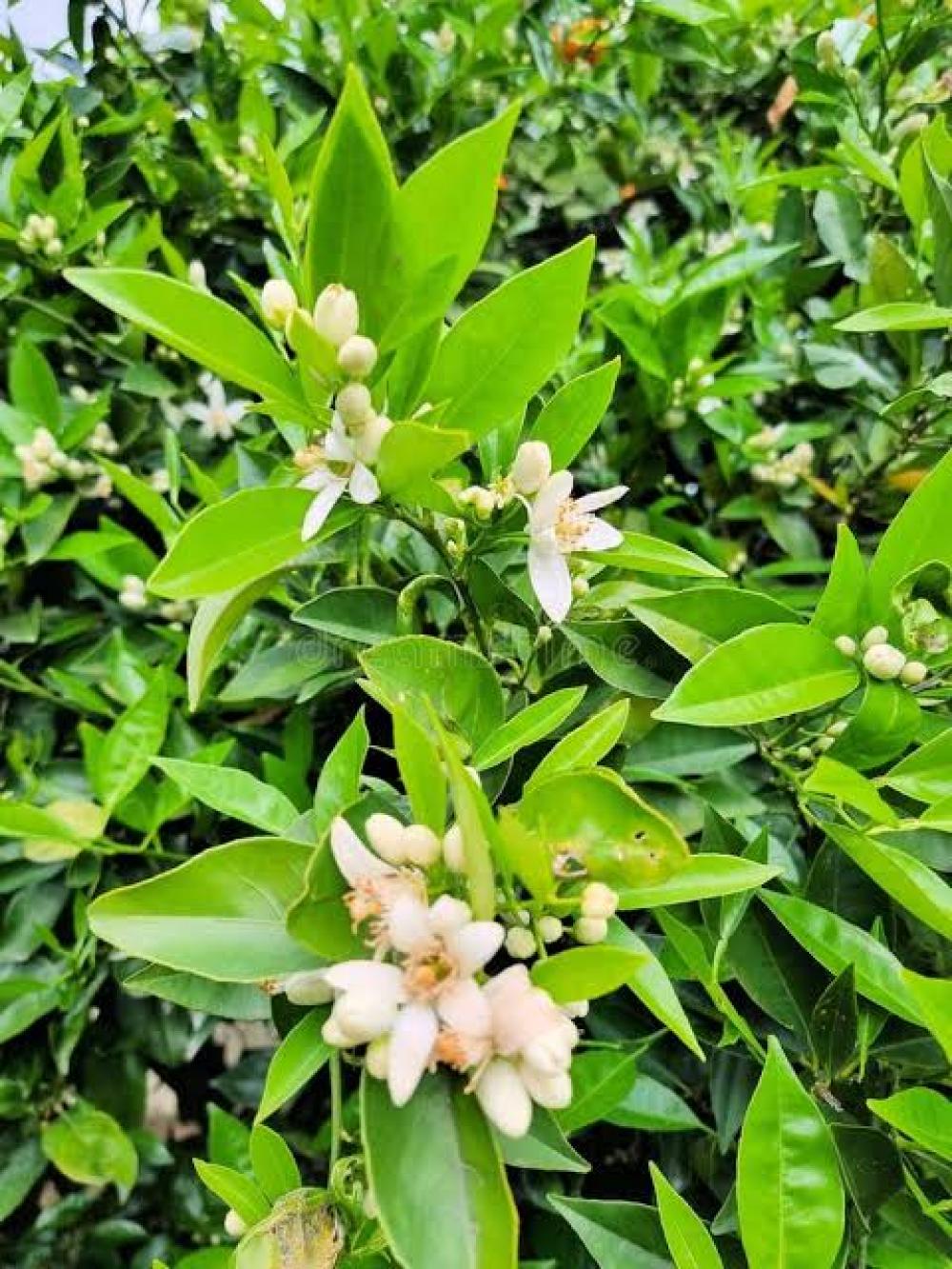
Orange Blossom
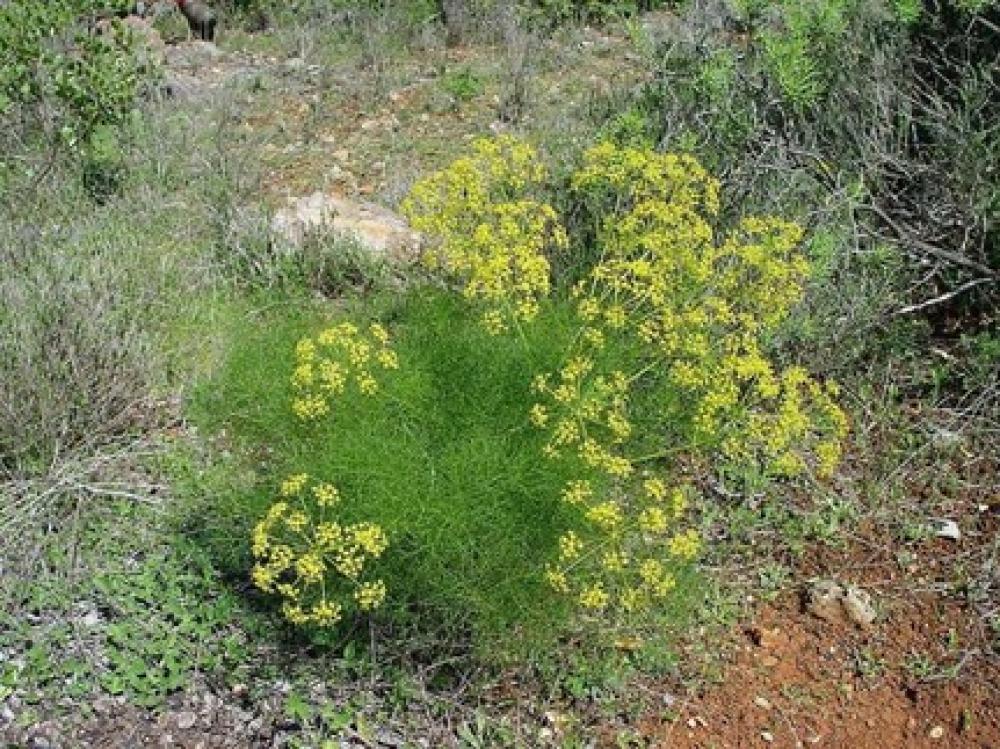
fennel
Scented Geranium
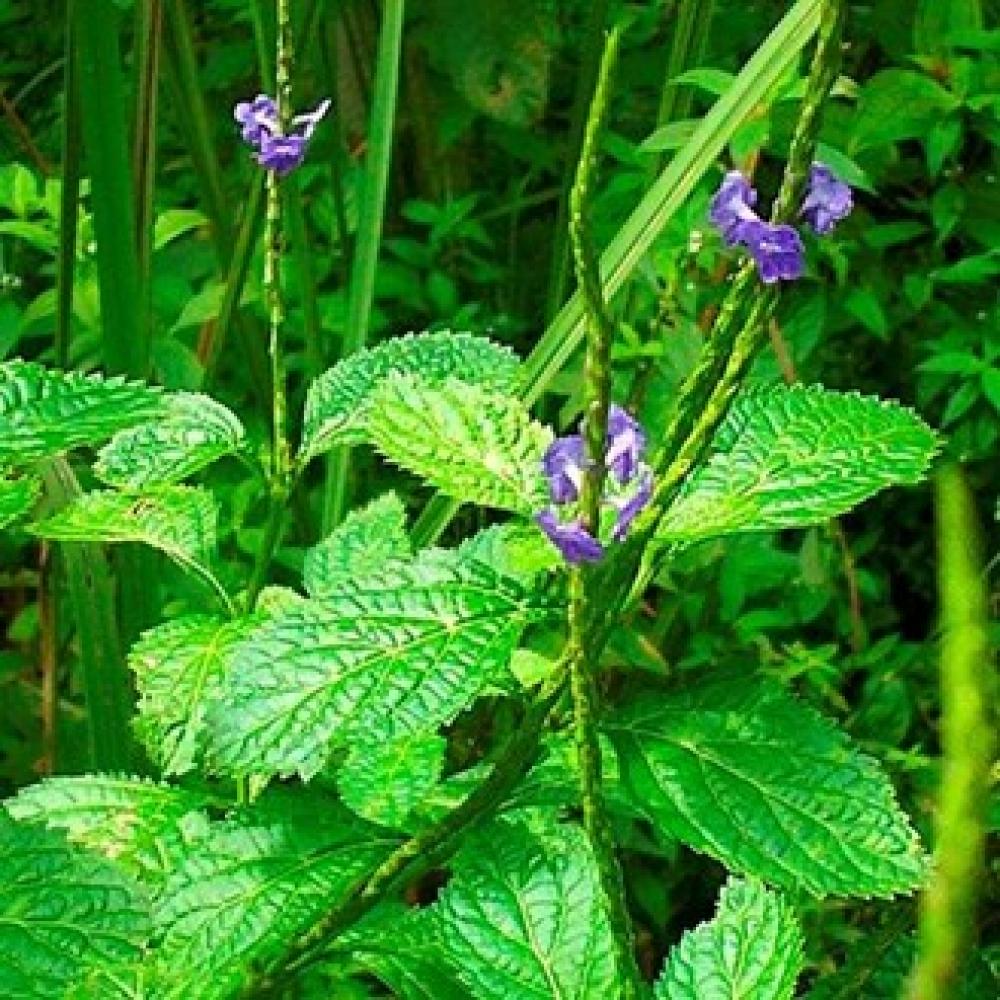
Gervão
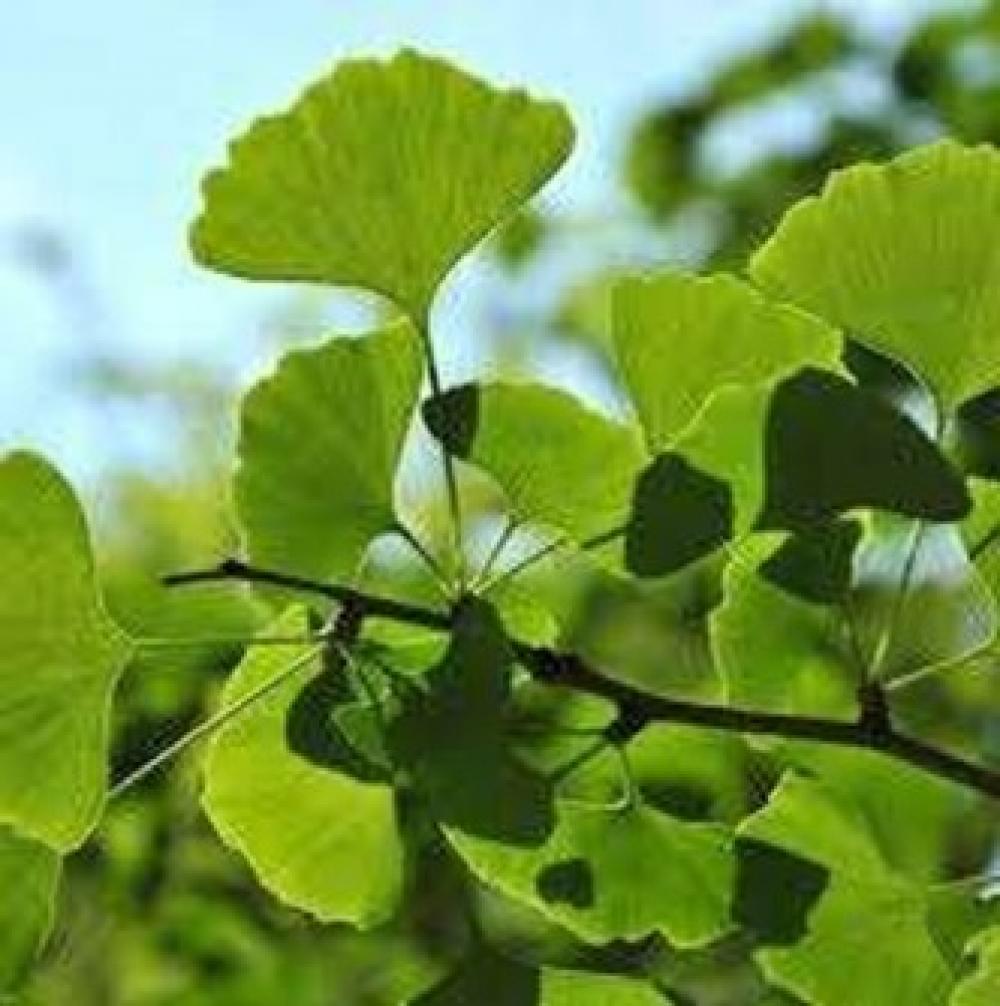
Ginkgo Biloba
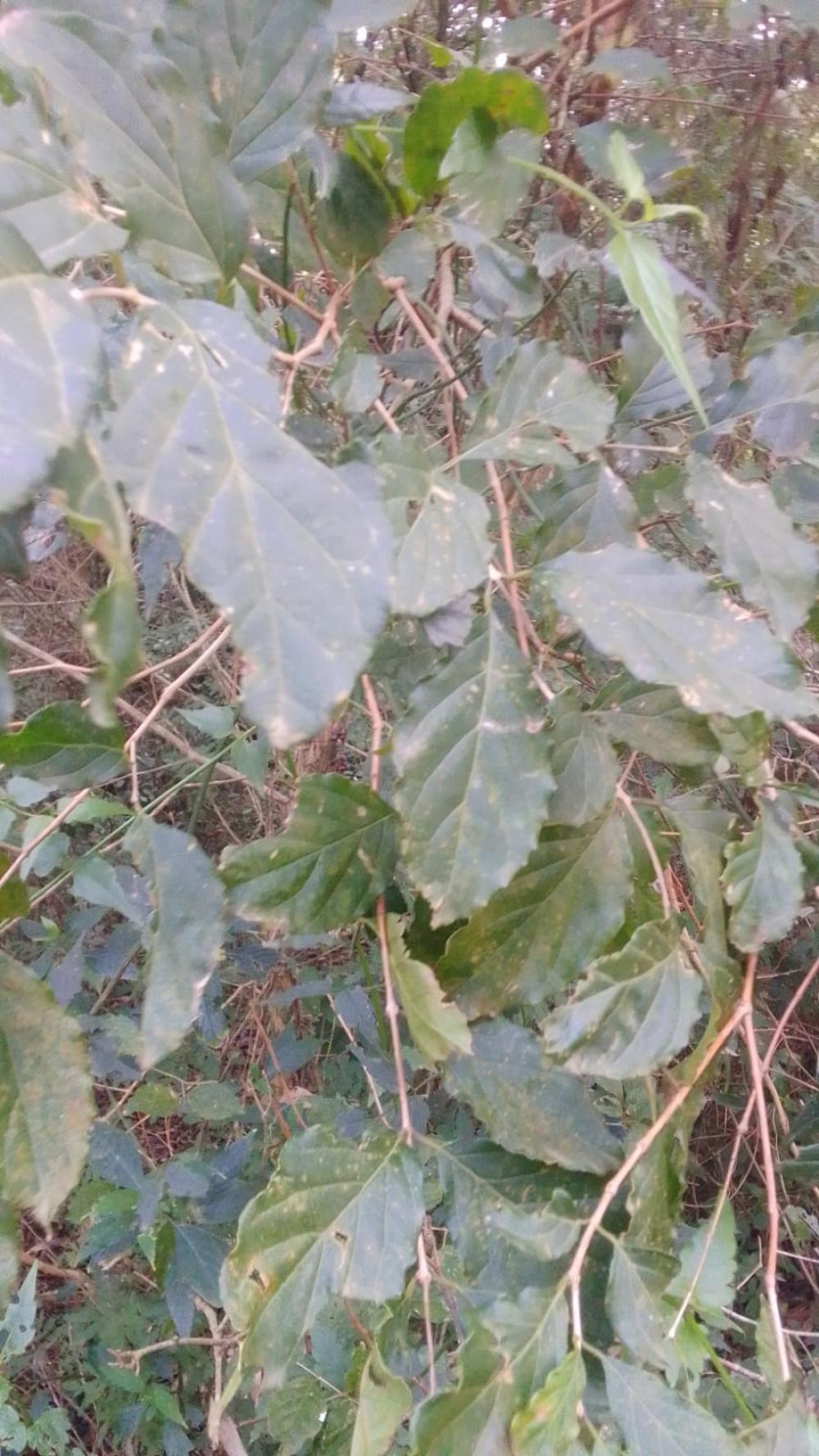
Guabiroba
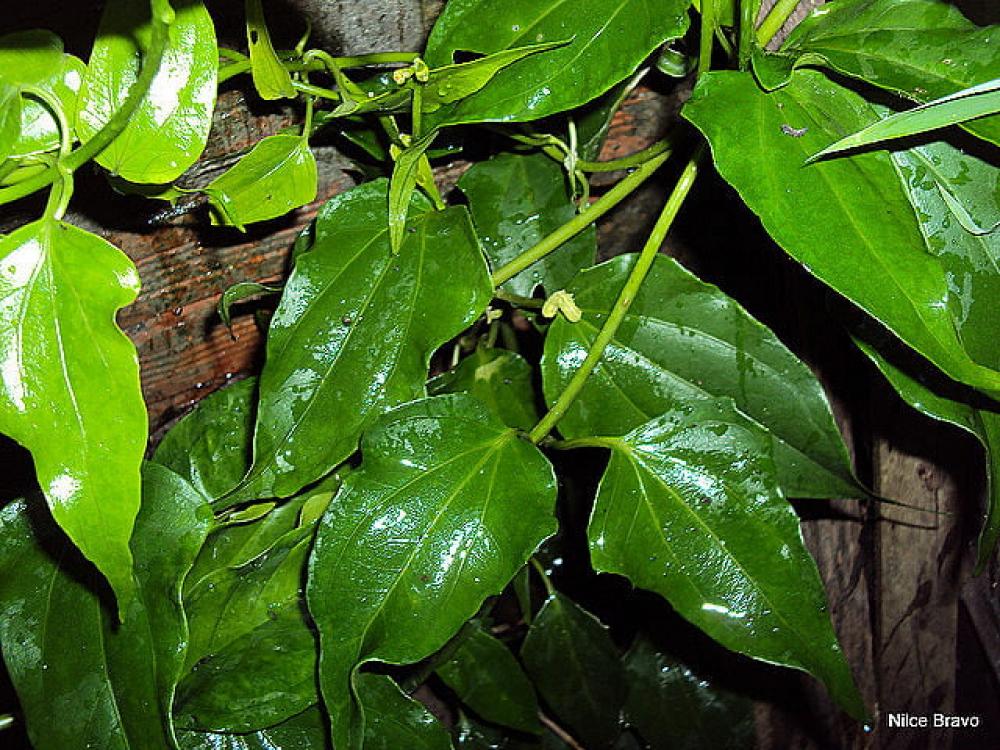
Guaco
Guarana
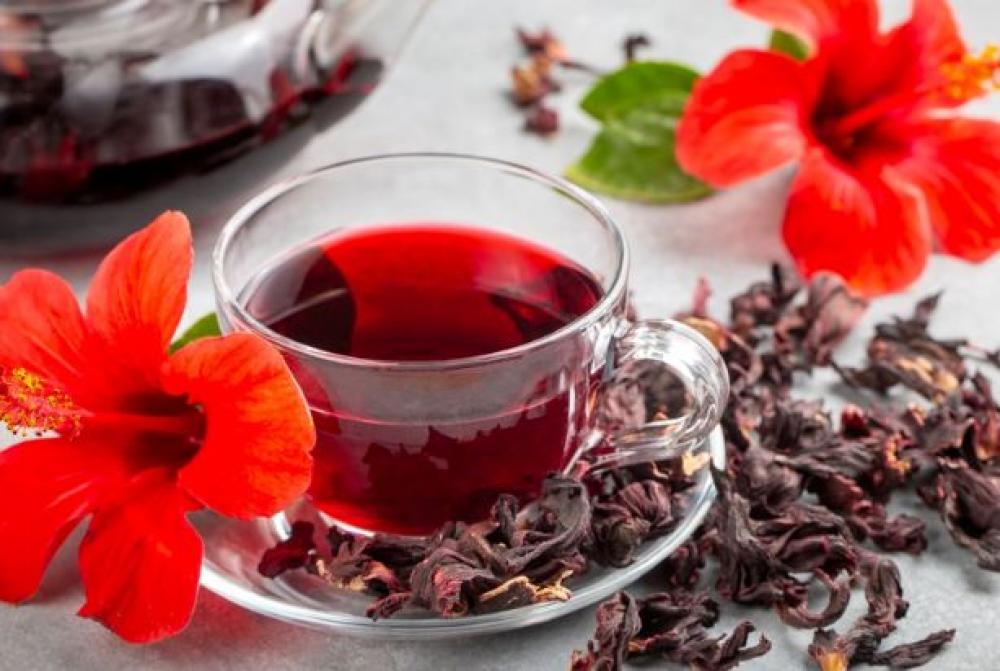
hibiscus
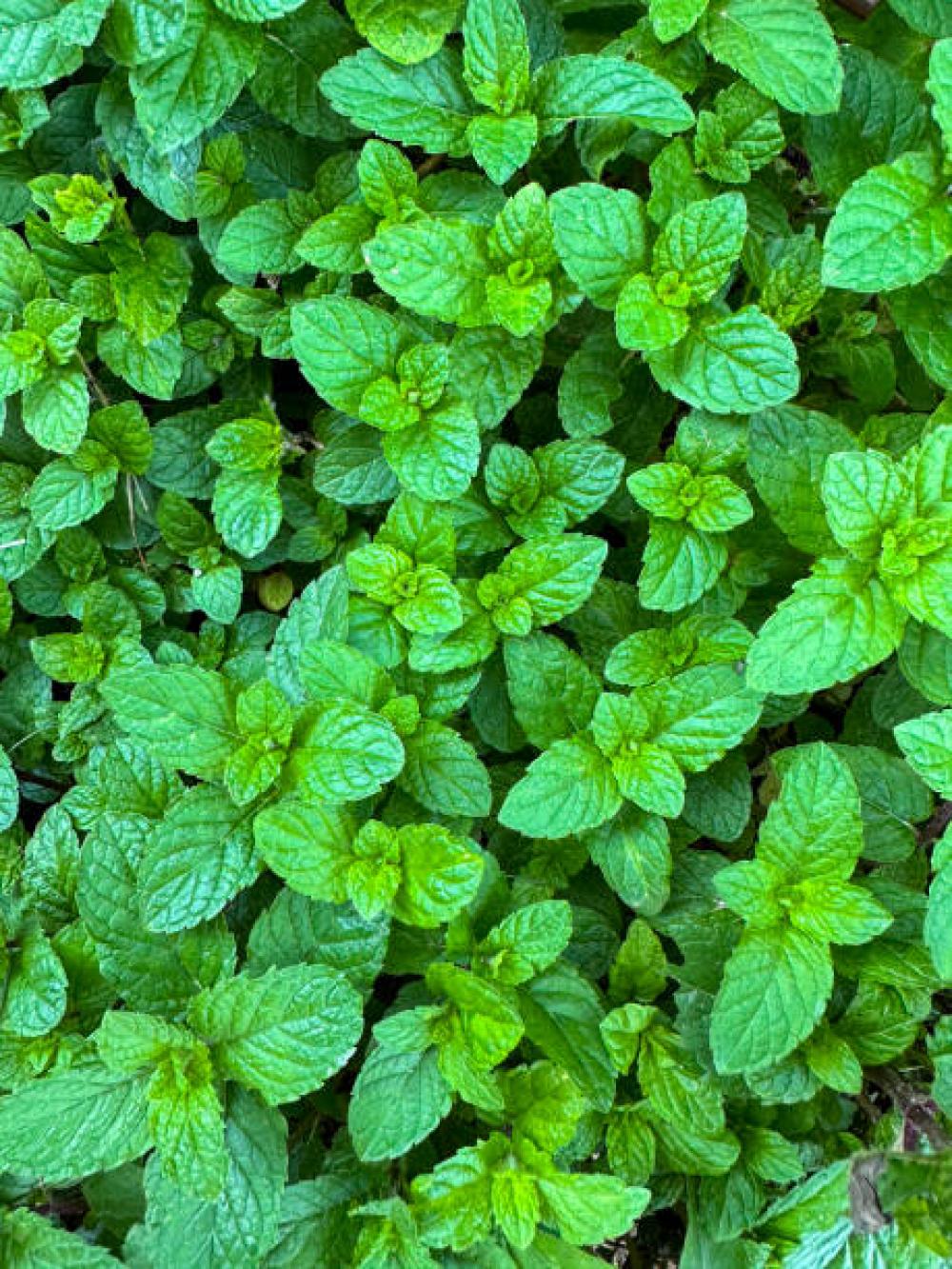
mint
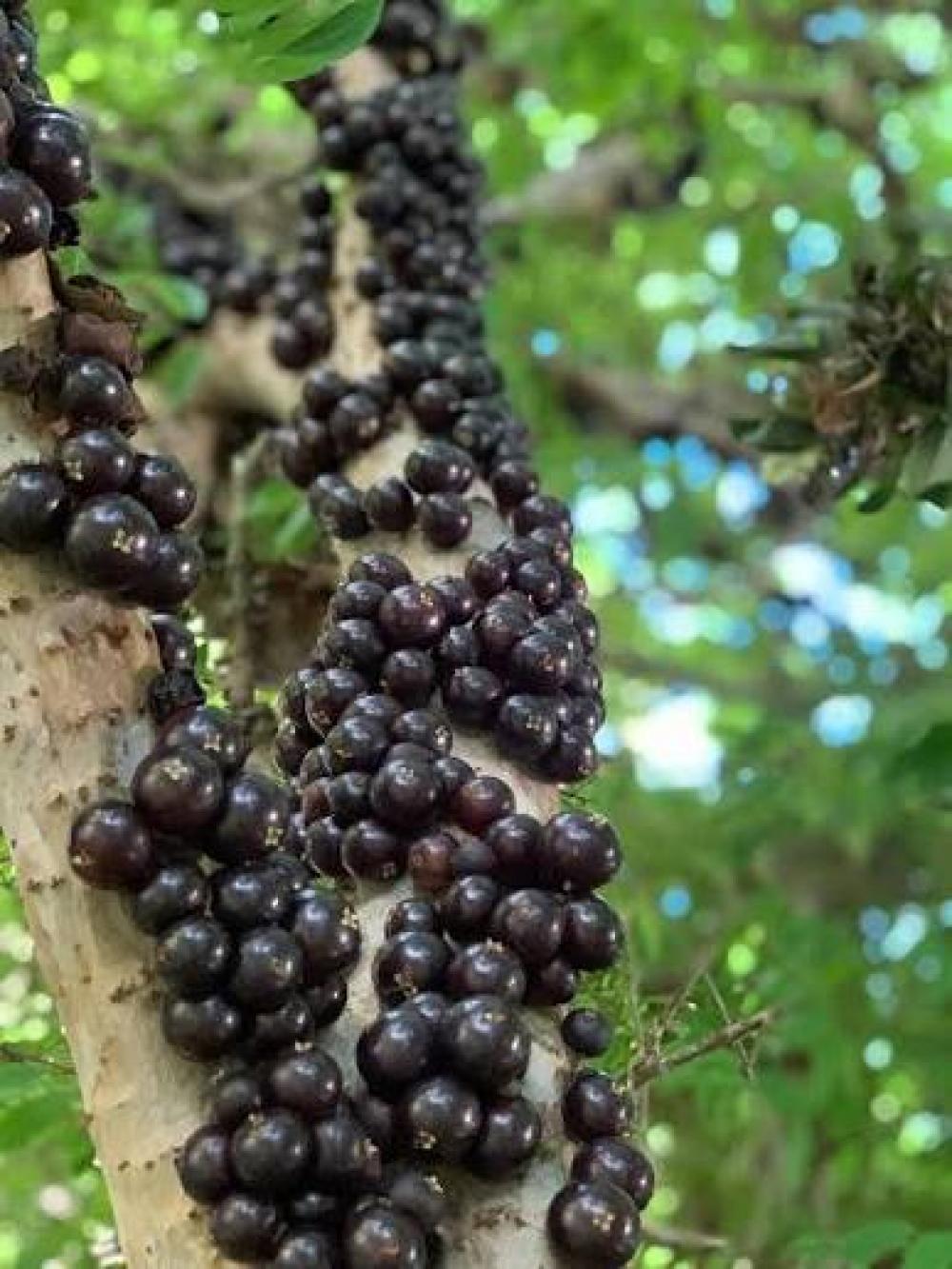
Jaboticaba
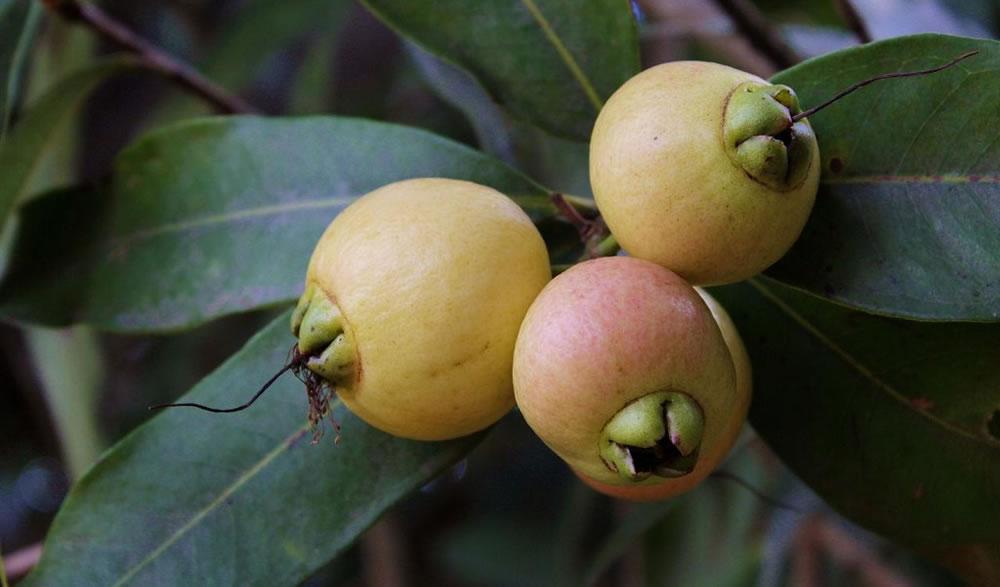
rose apple tree
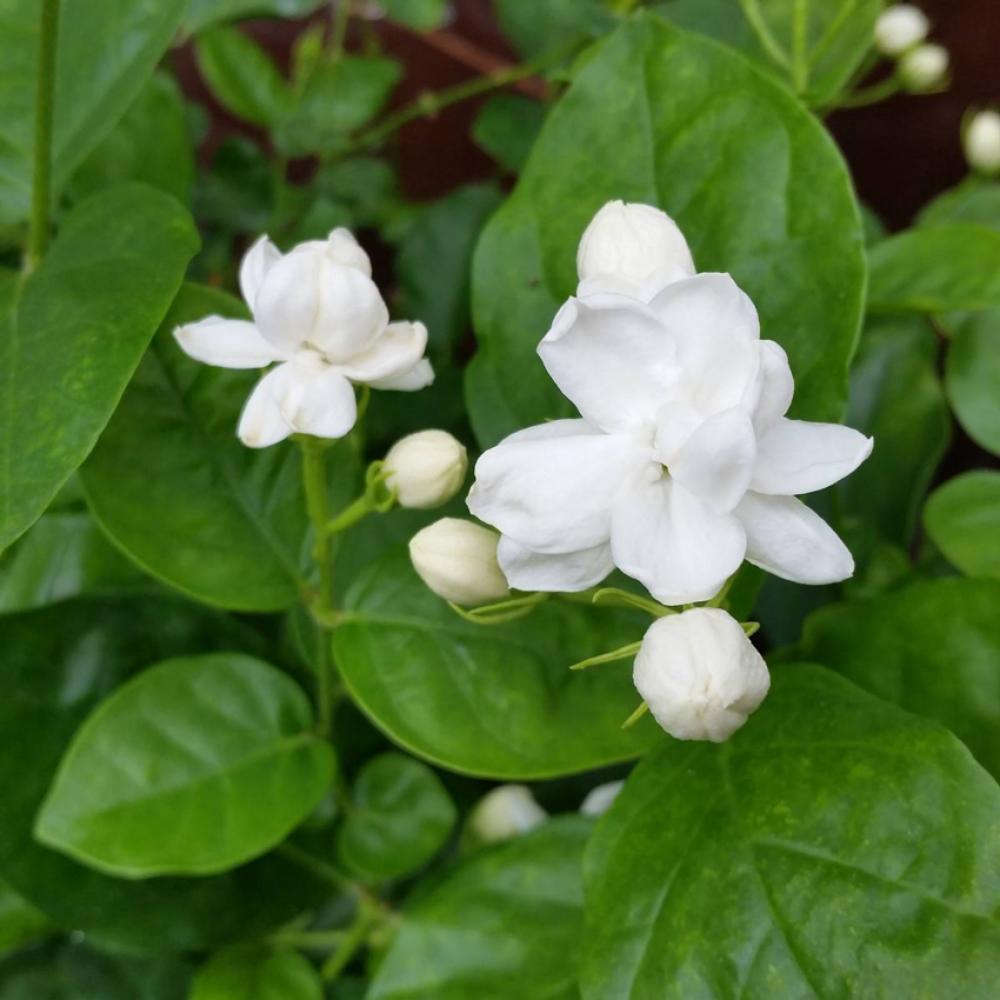
jazmin
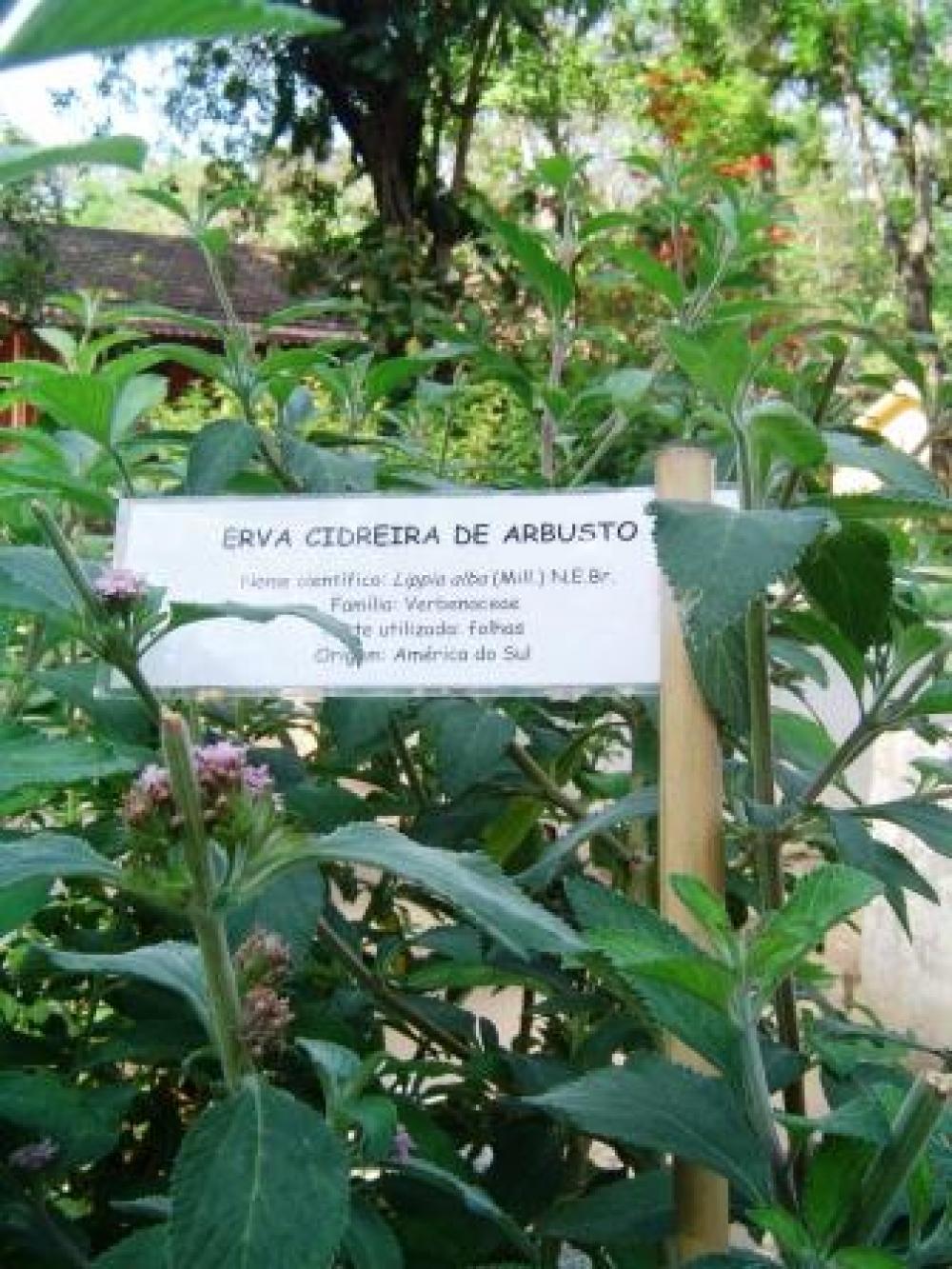
Lippia alba (Bushy Lemon Balm)
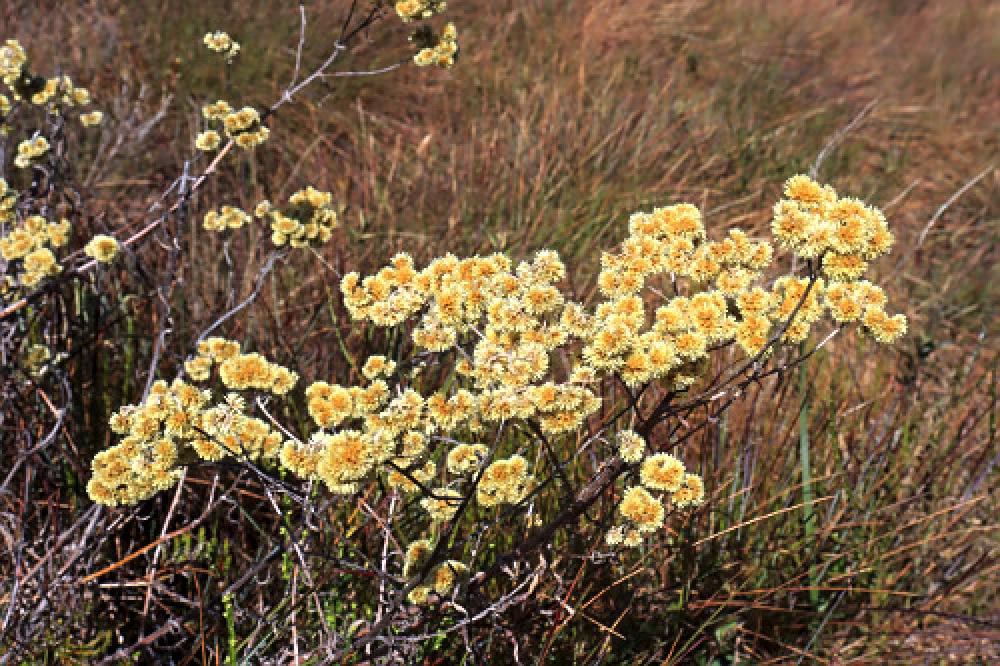
slaughterhouse
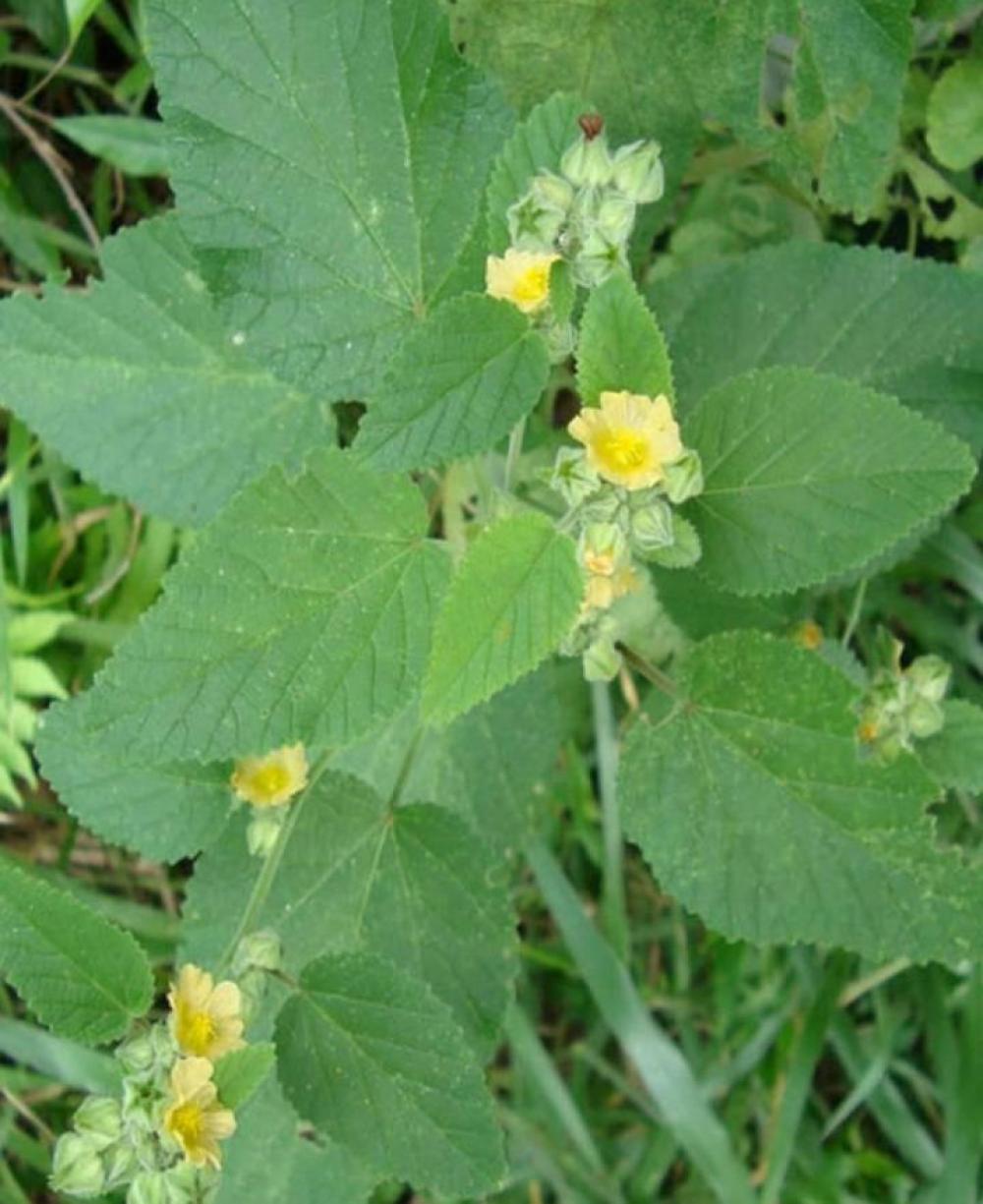
white mallow
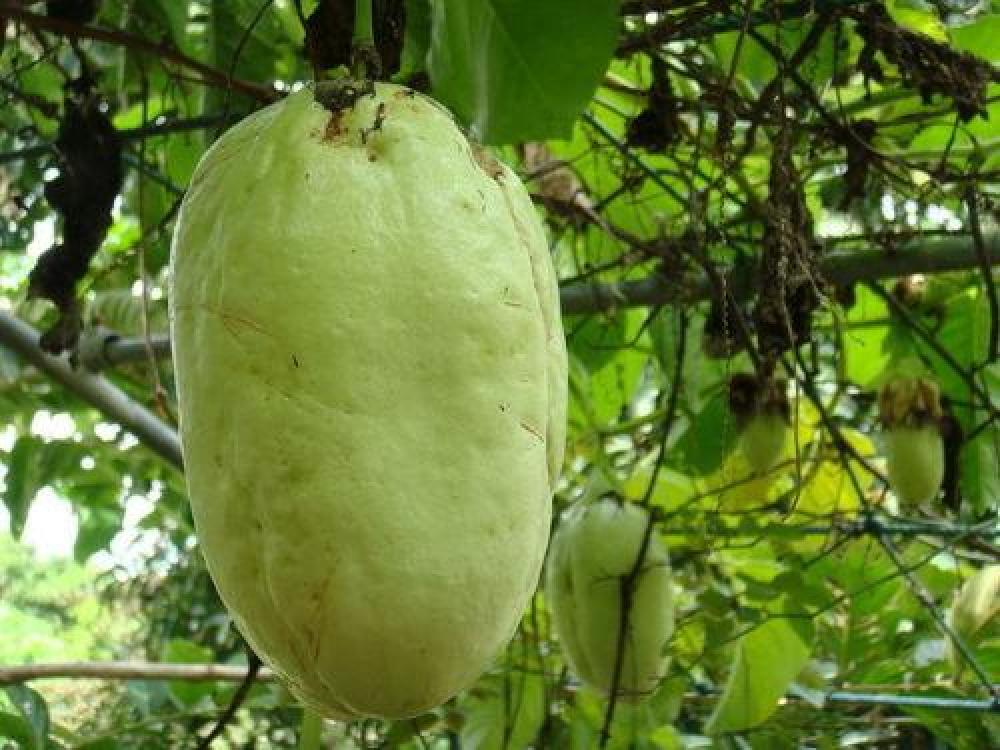
Giant Passion Fruit
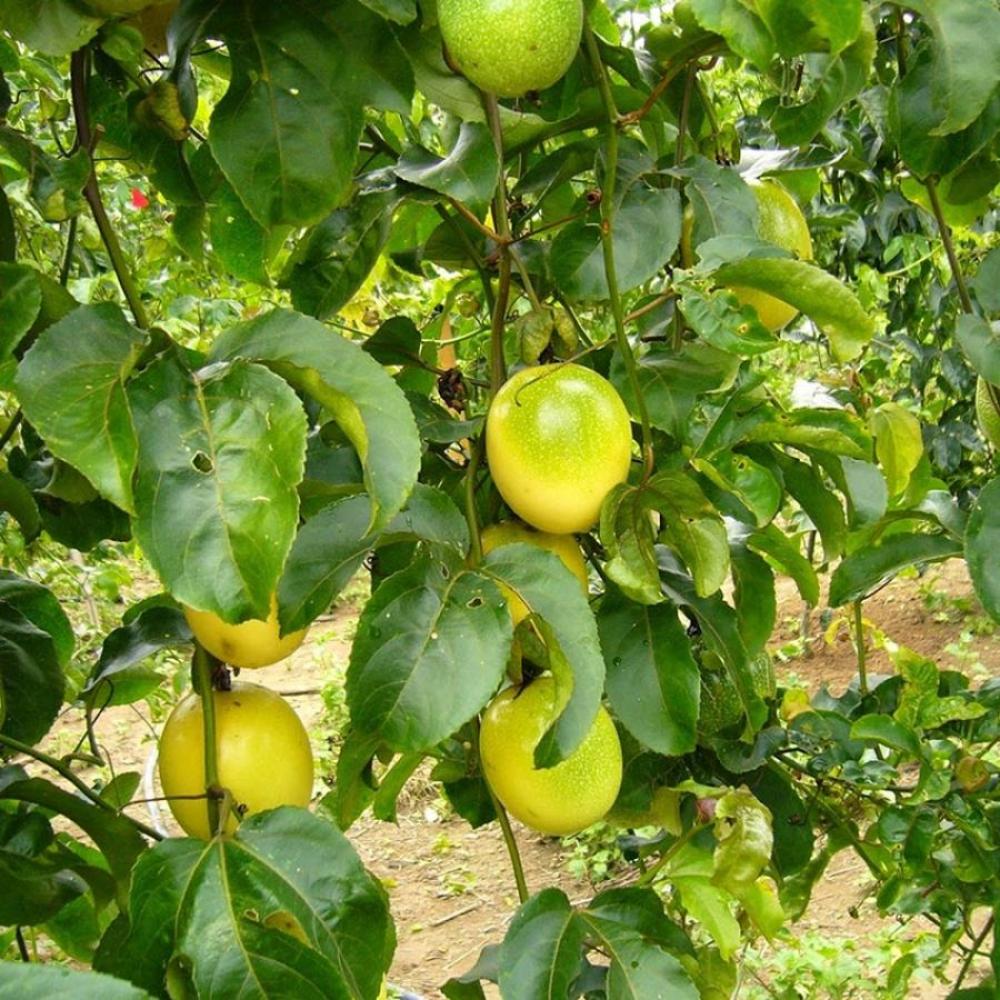
Sour Passion Fruit
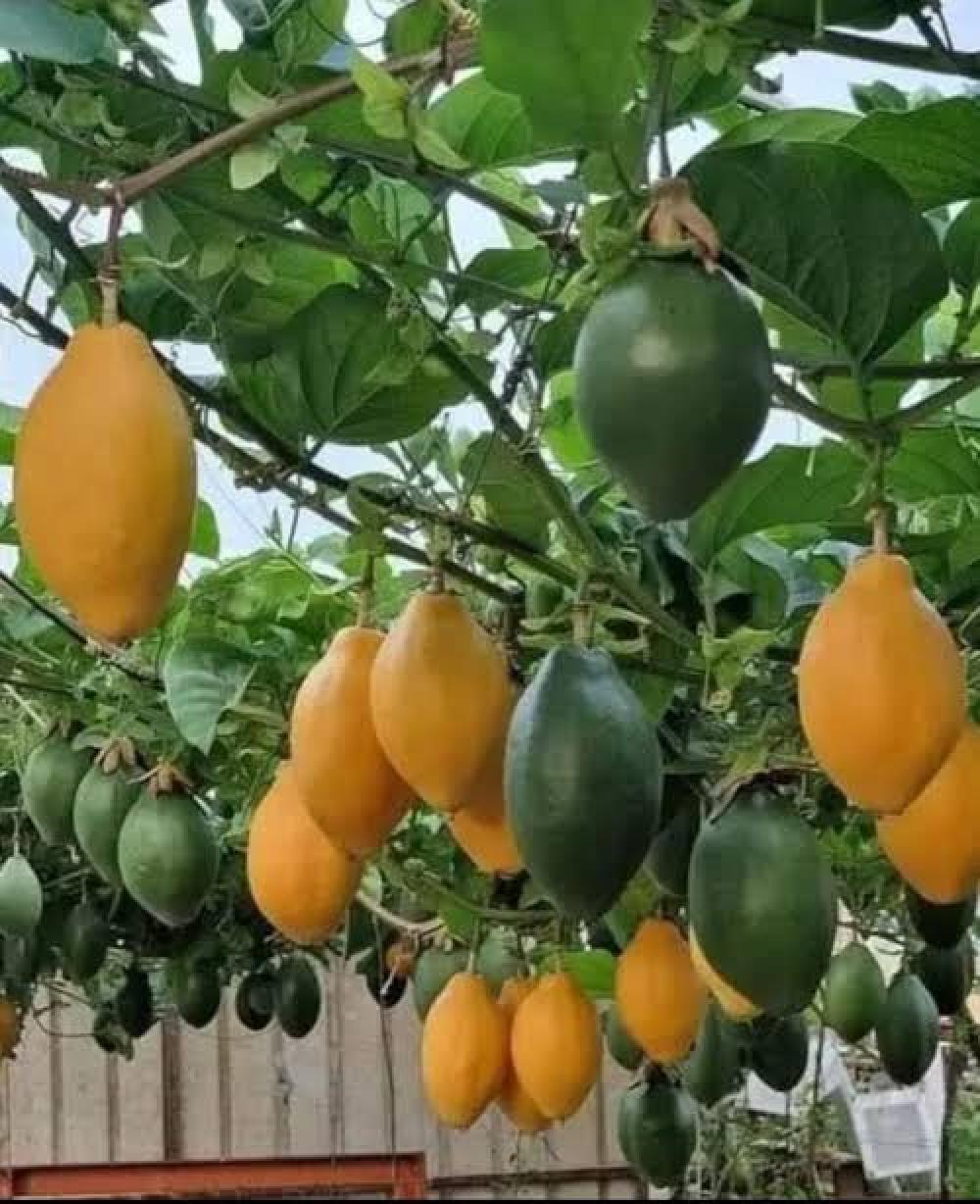
sweet passion fruit
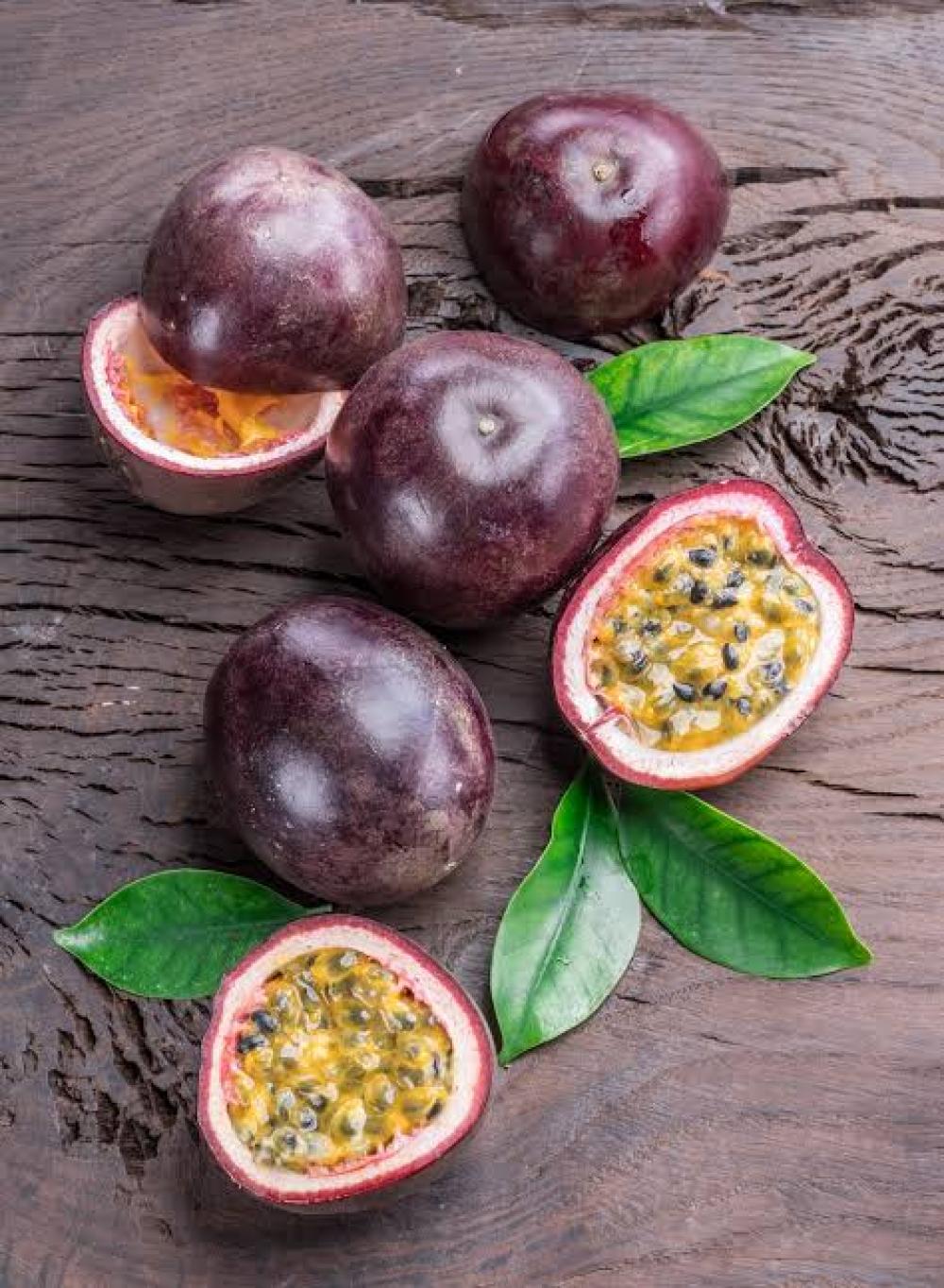
purple passion fruit
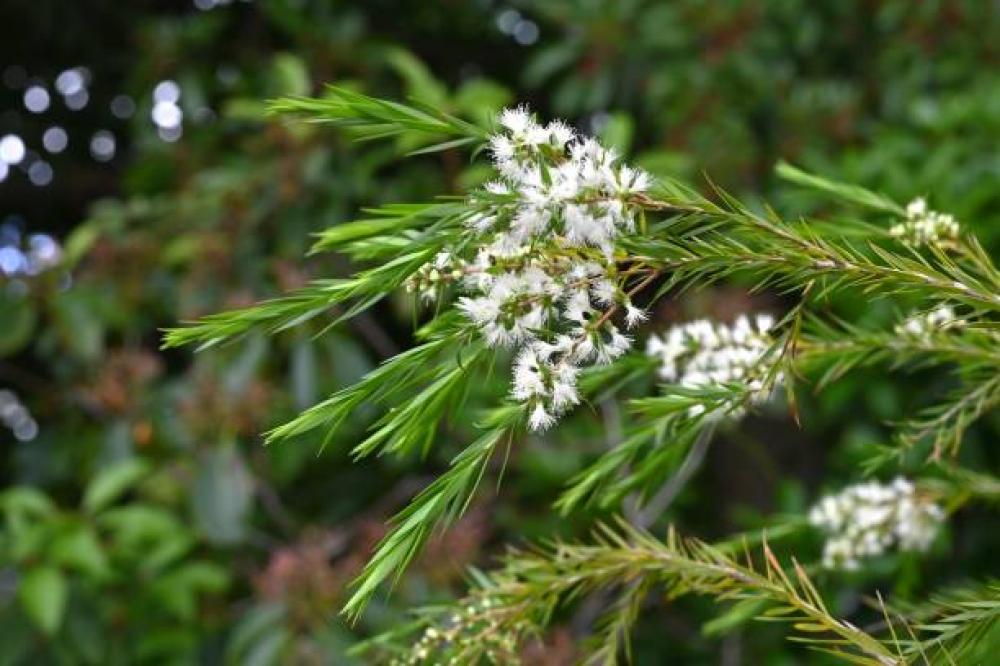
Melaleuca
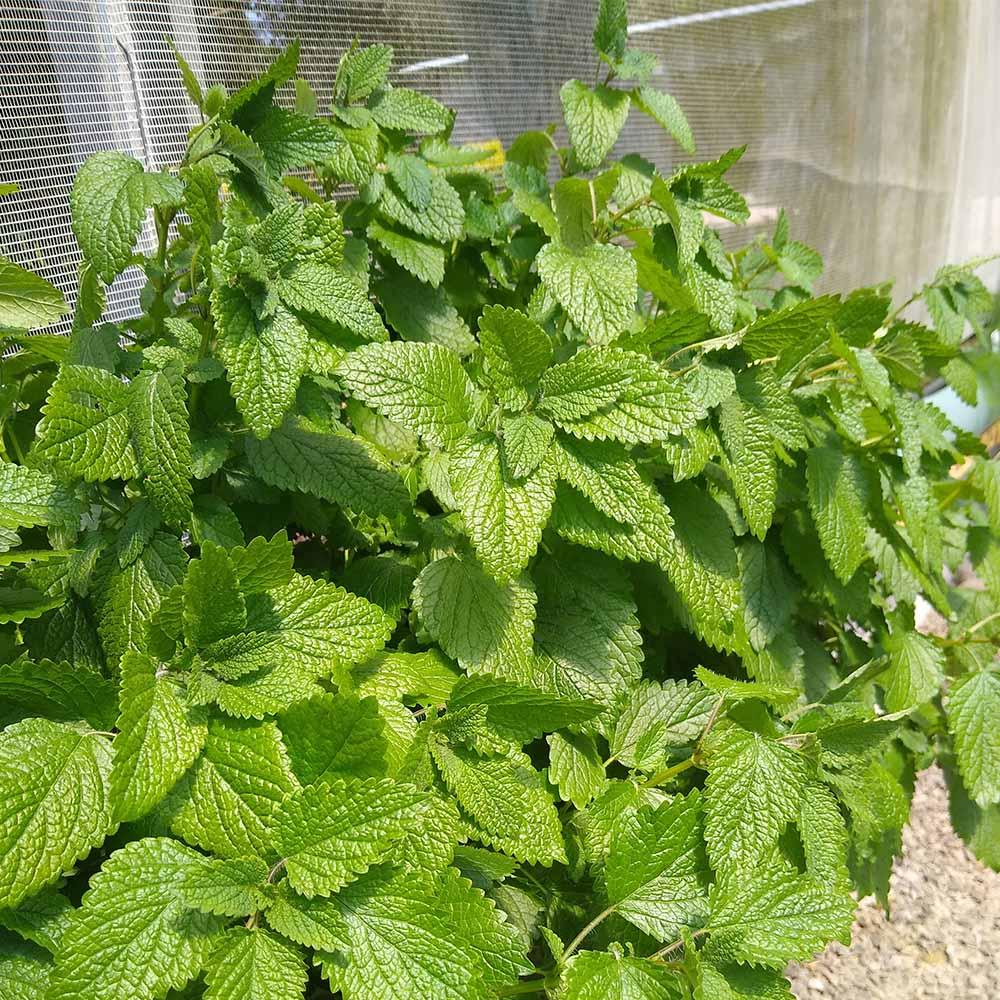
Melissa
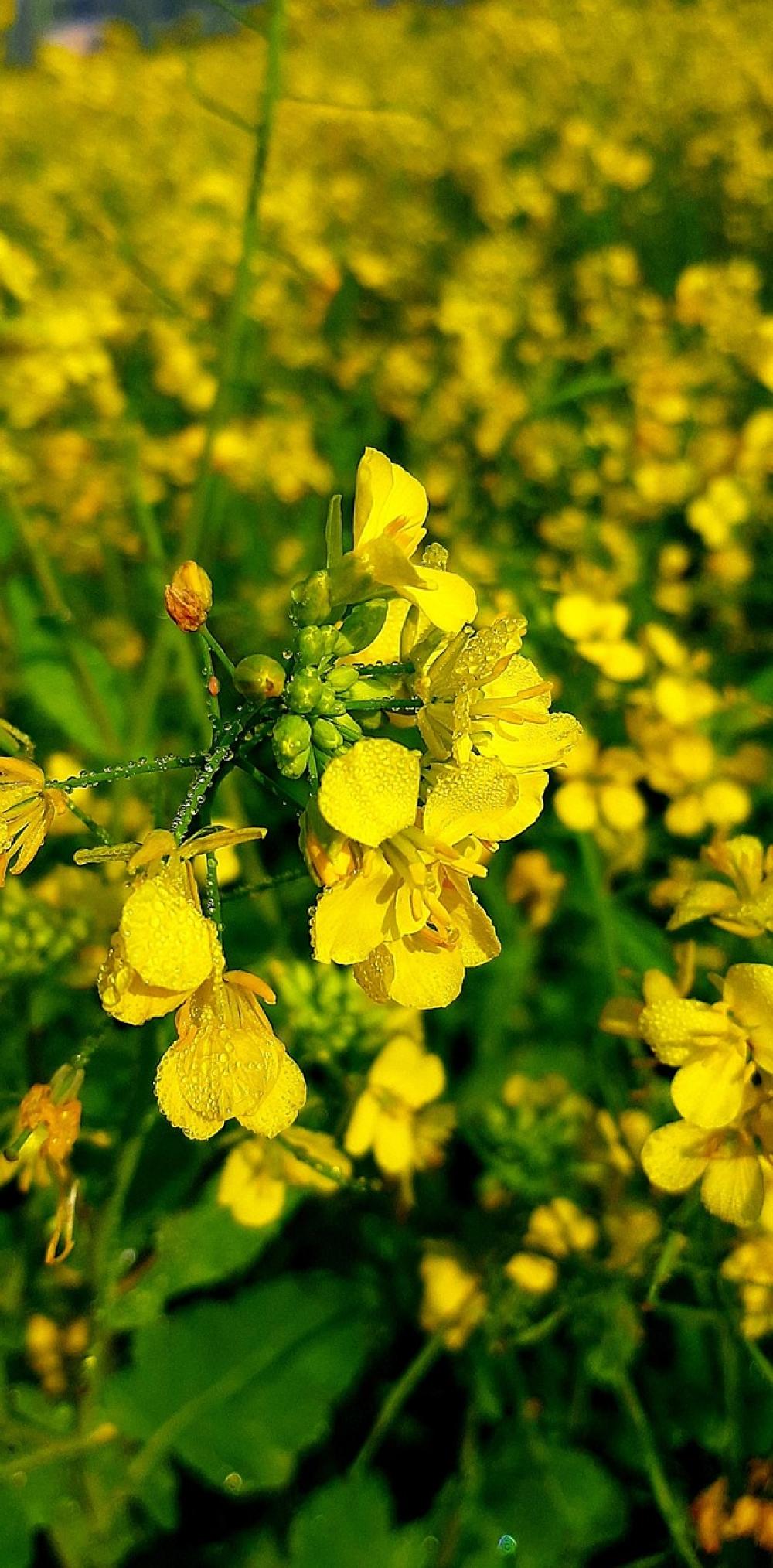
mustard
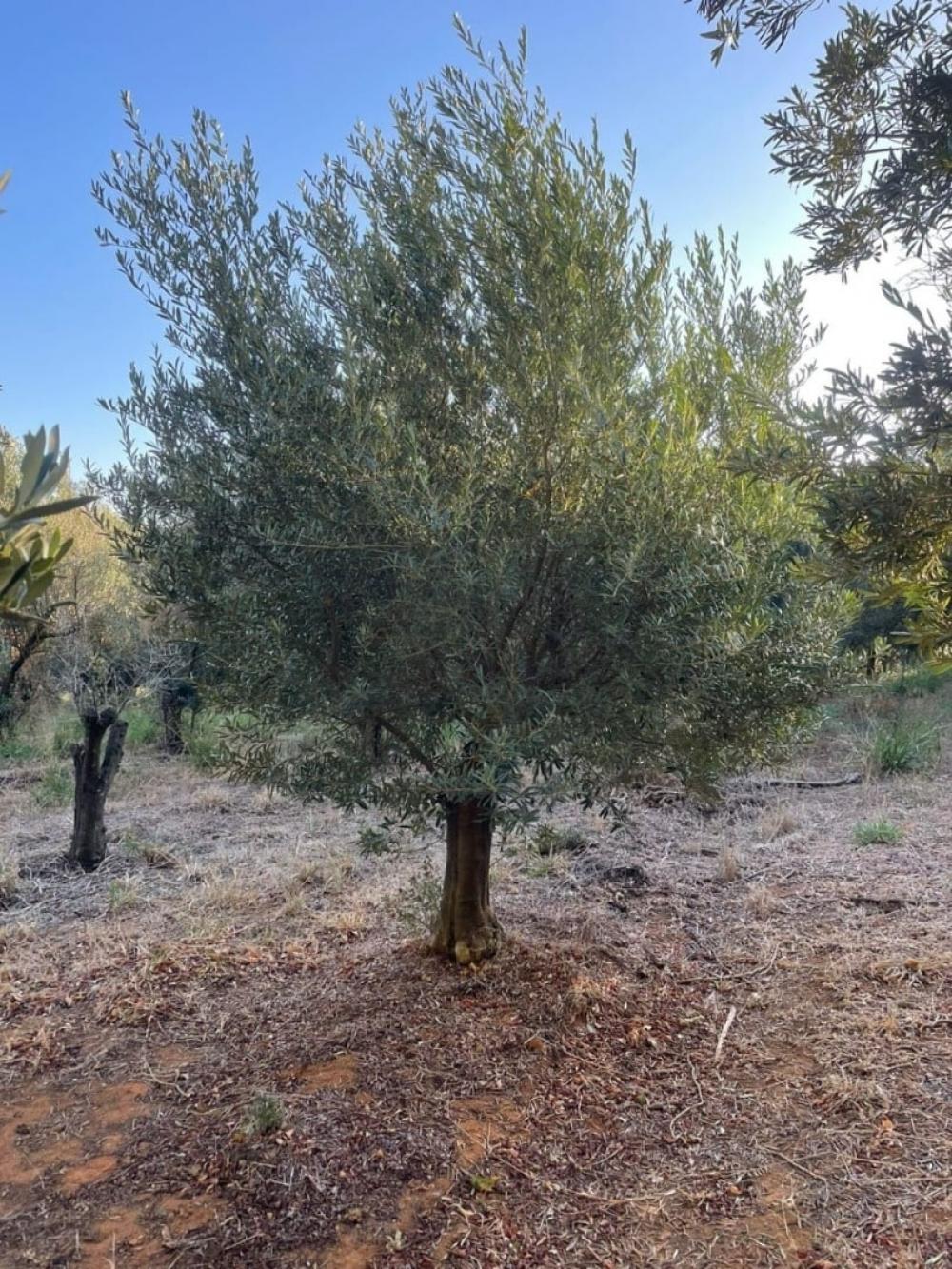
Oliveira
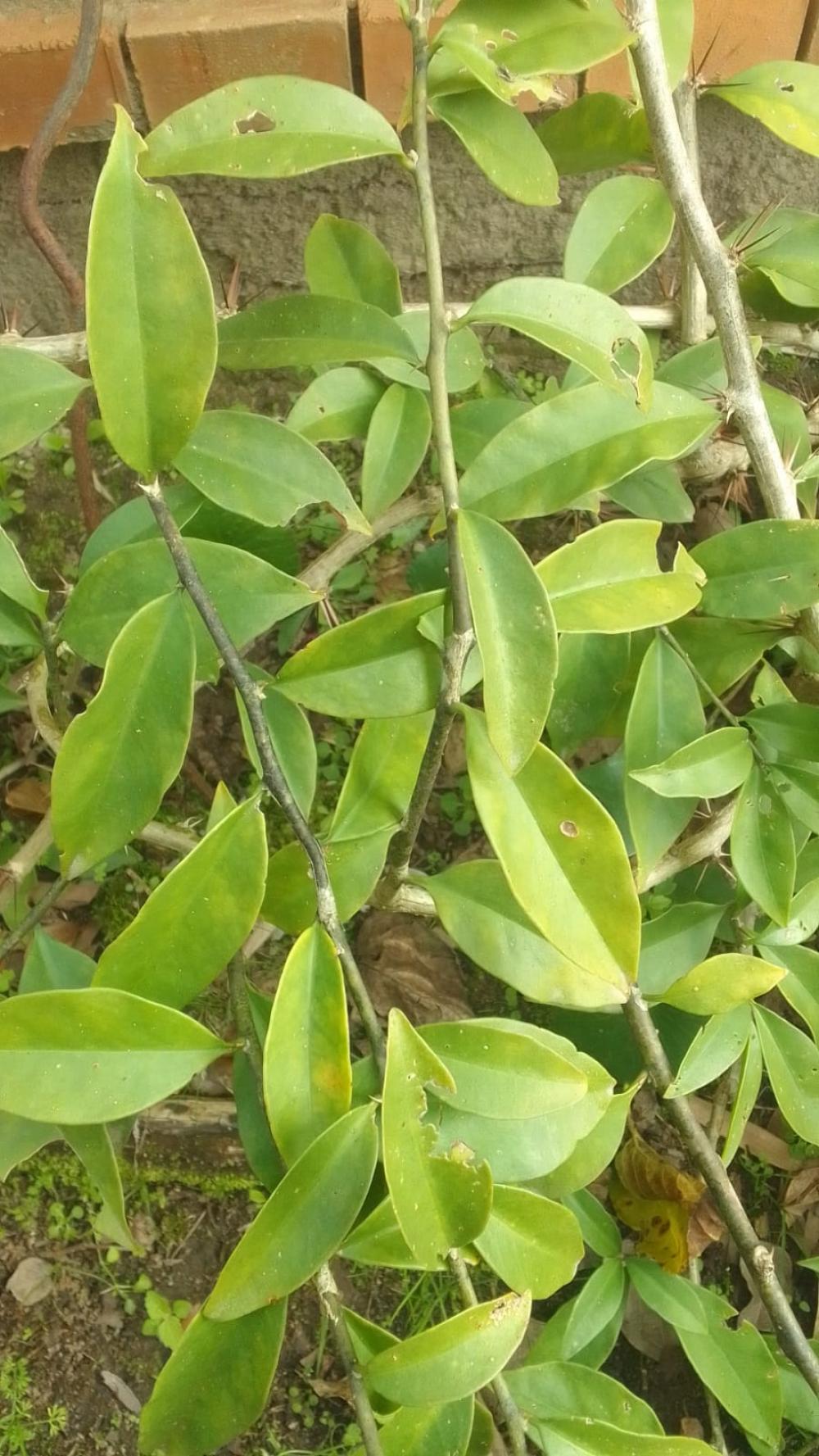
Ora Pro Nobis
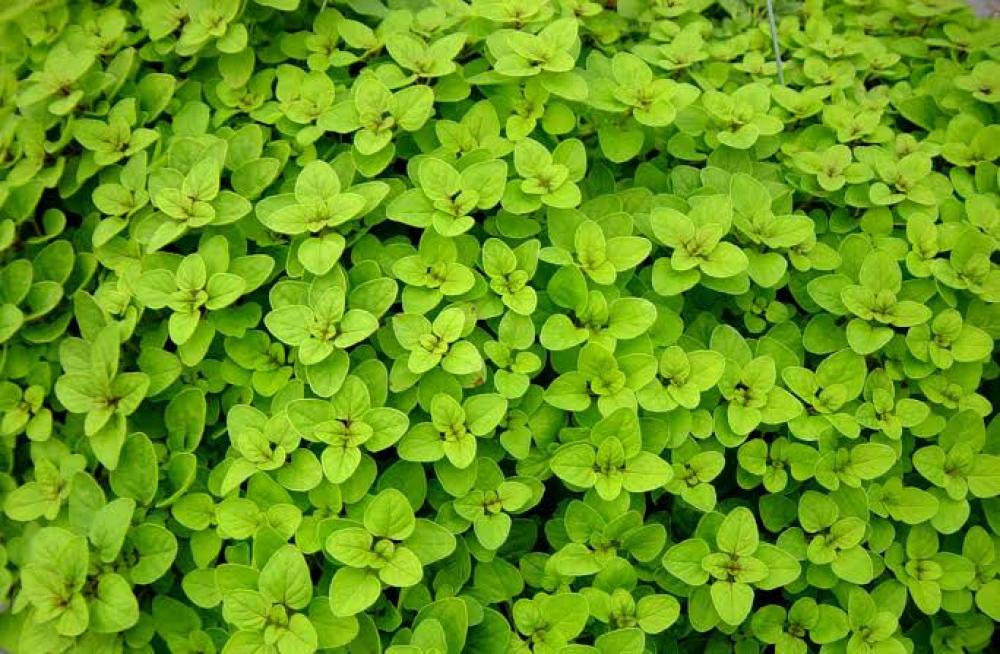
Oregano
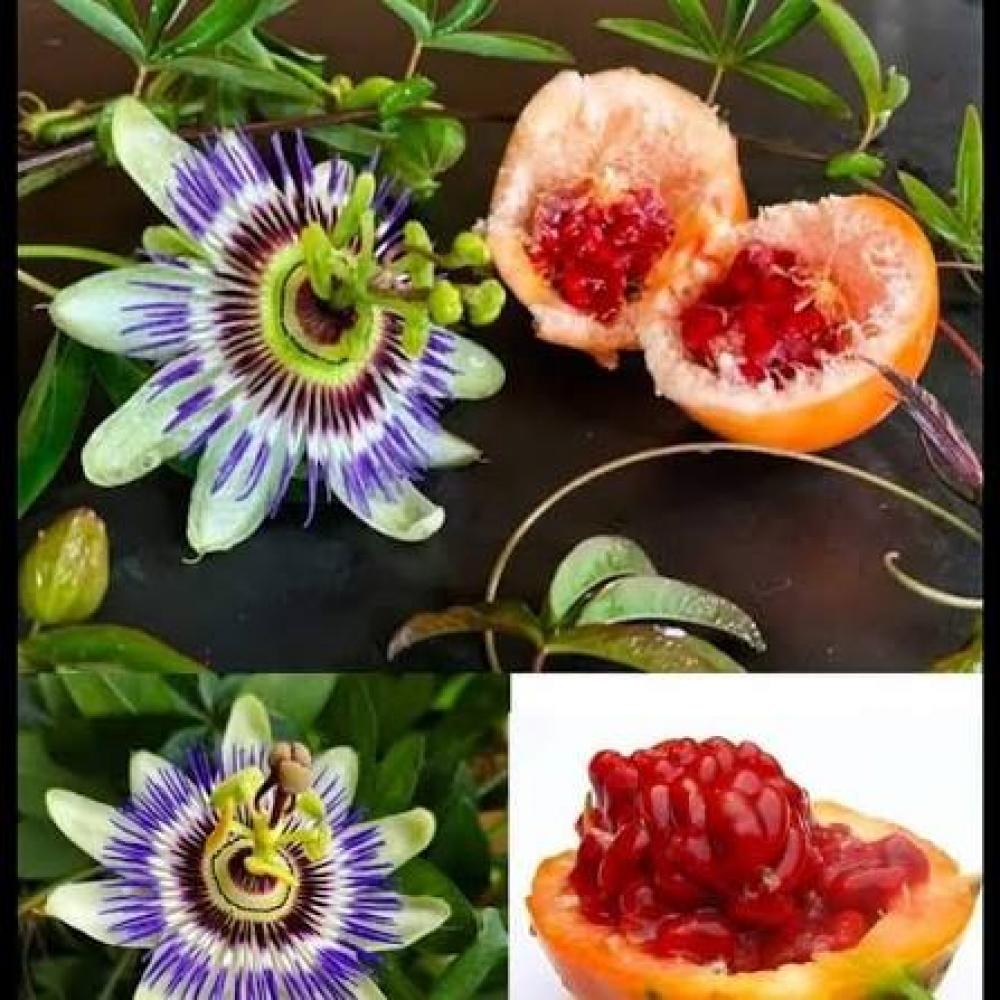
Passiflora or passion flower
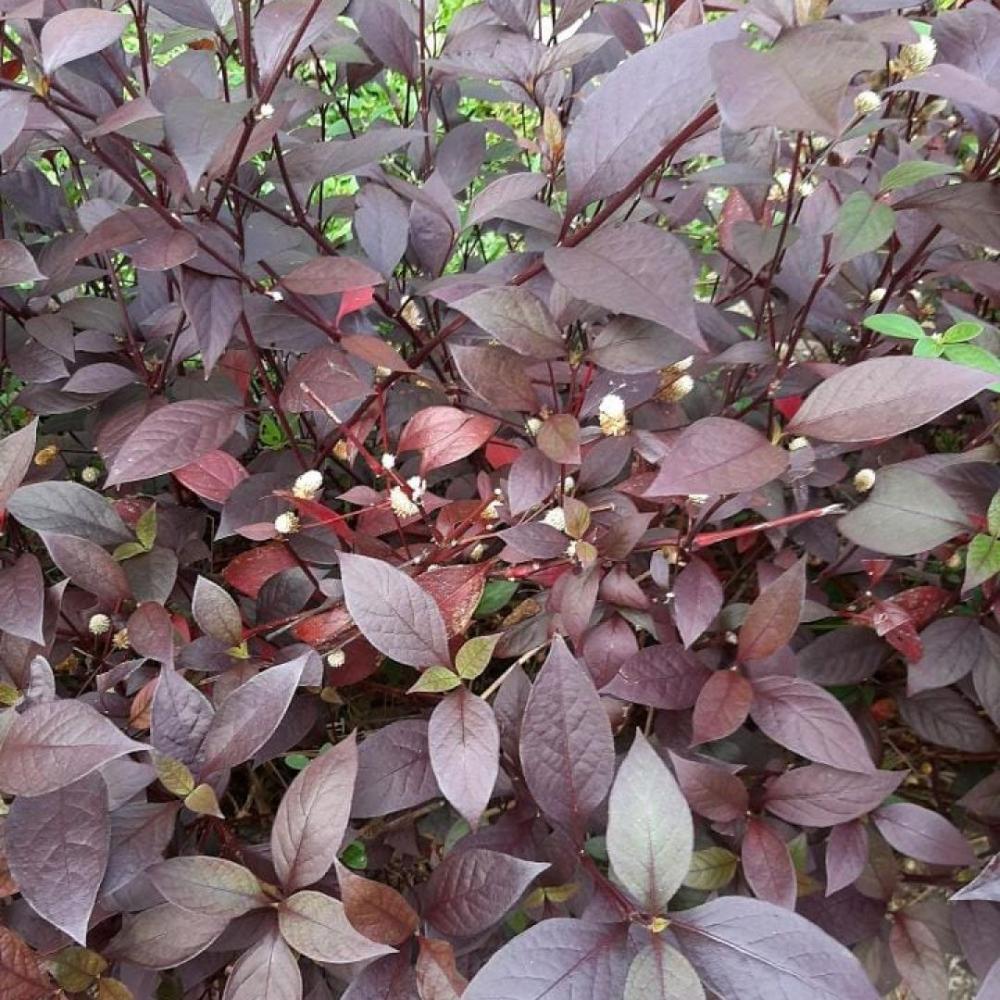
Penicillin or Parakeet
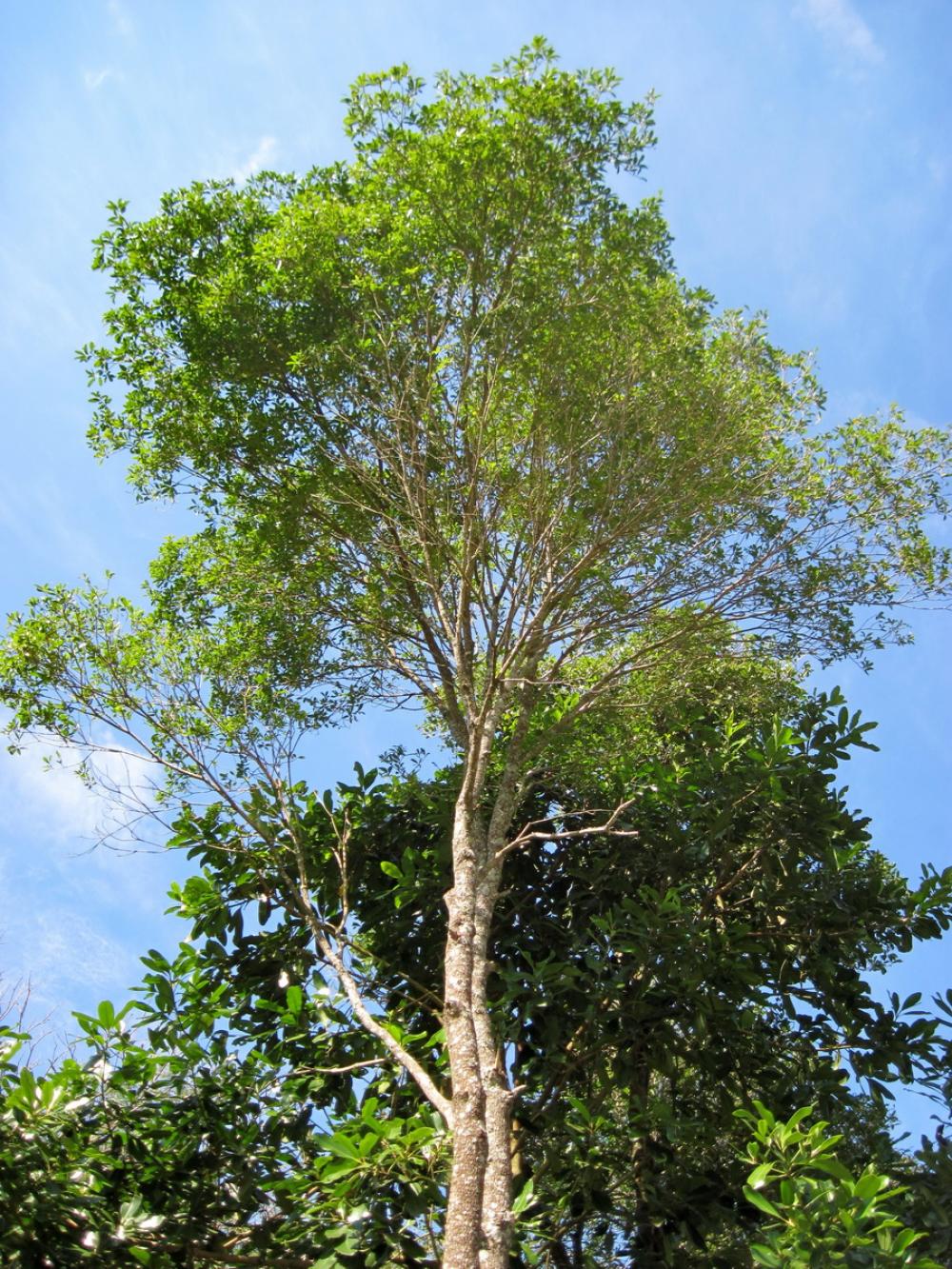
Peroba
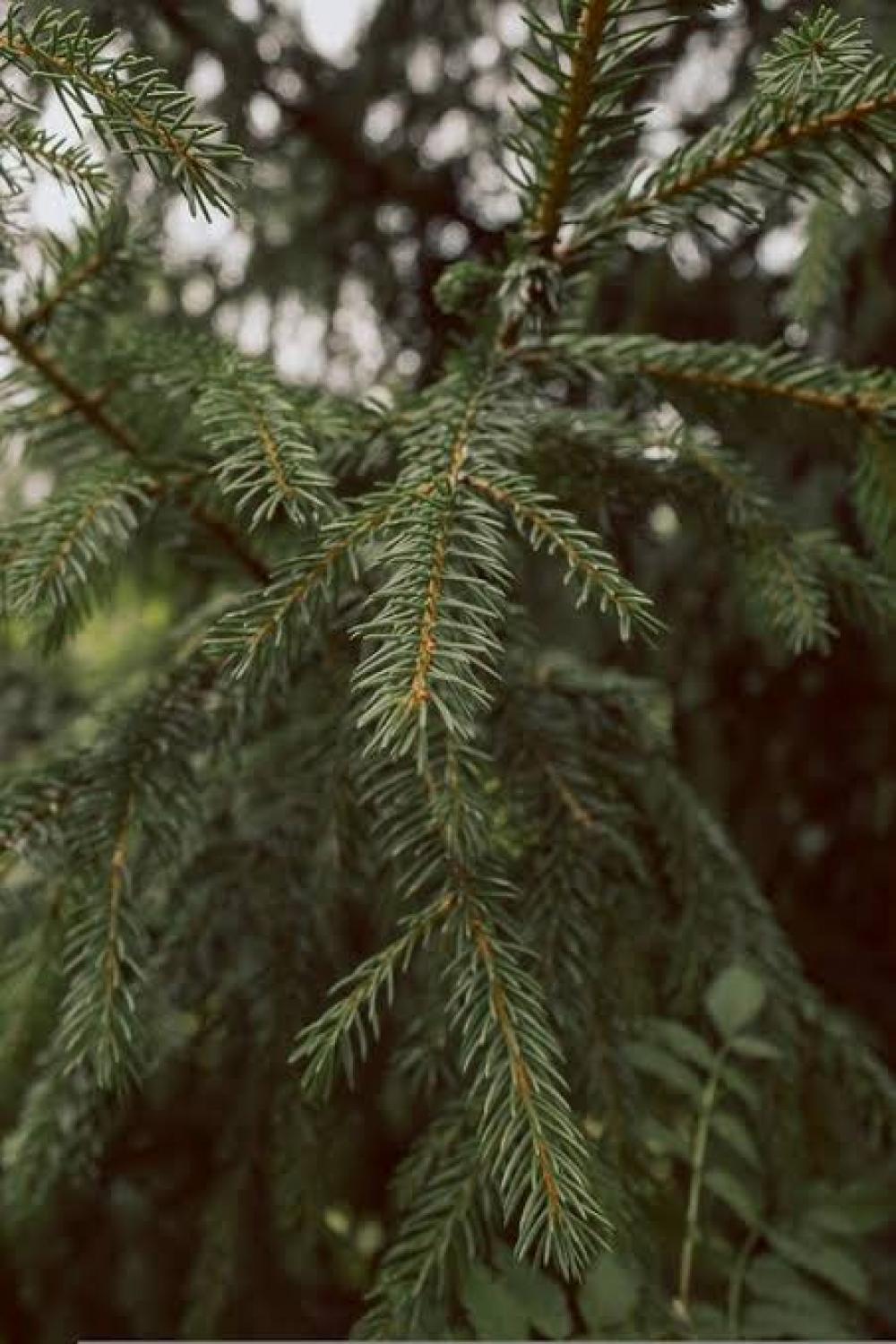
pine
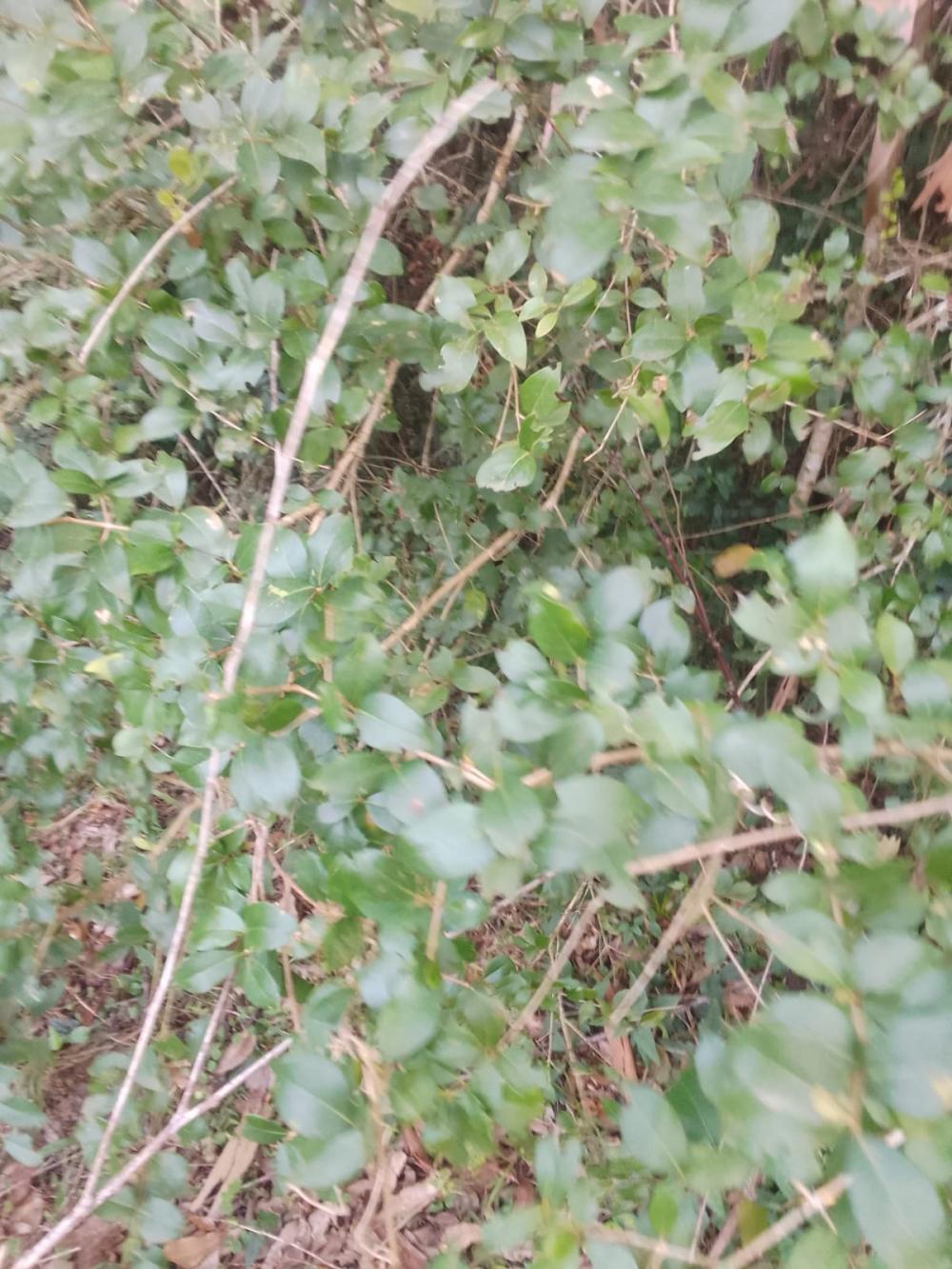
Surinam cherry tree
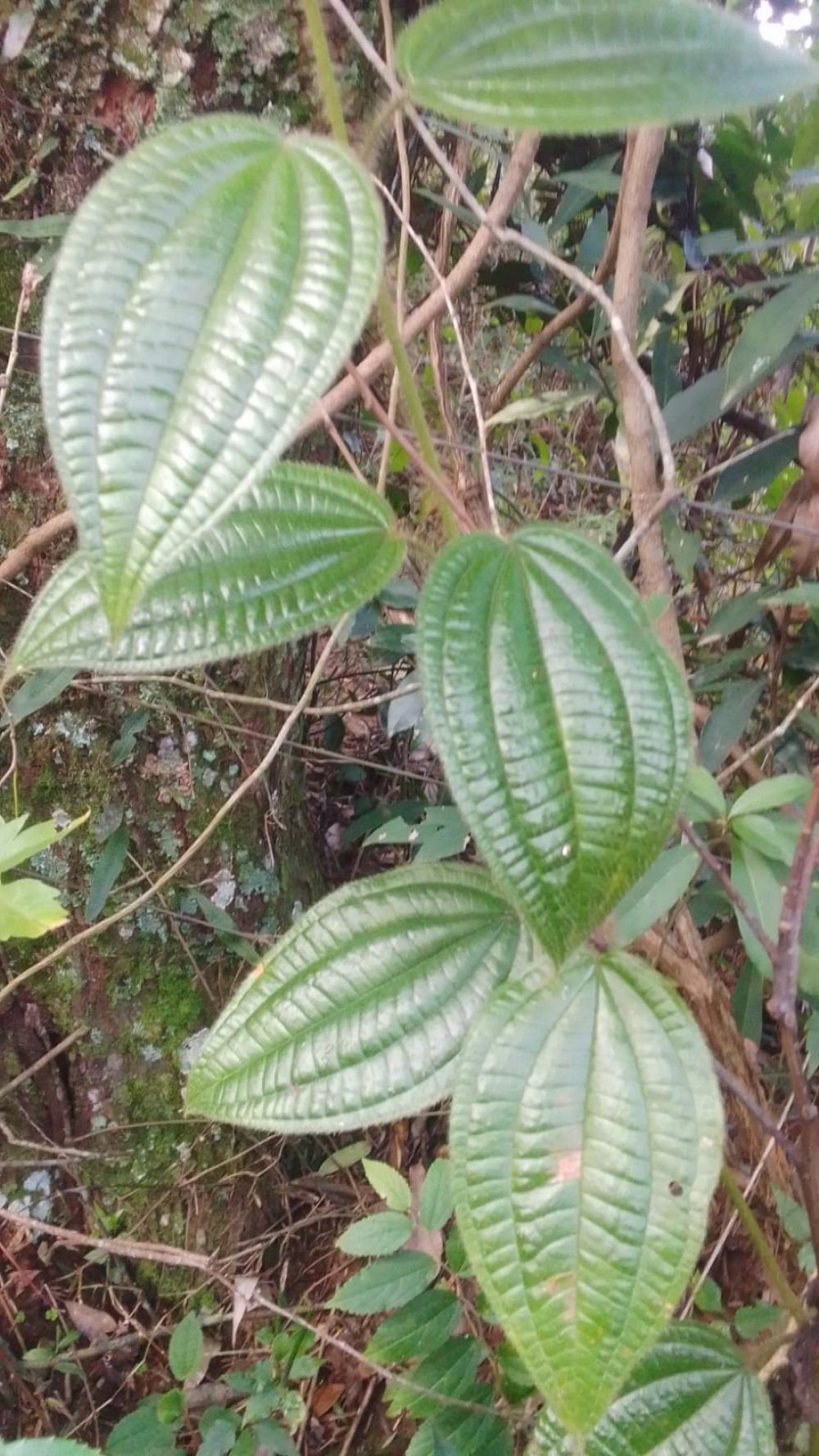
Pixirica
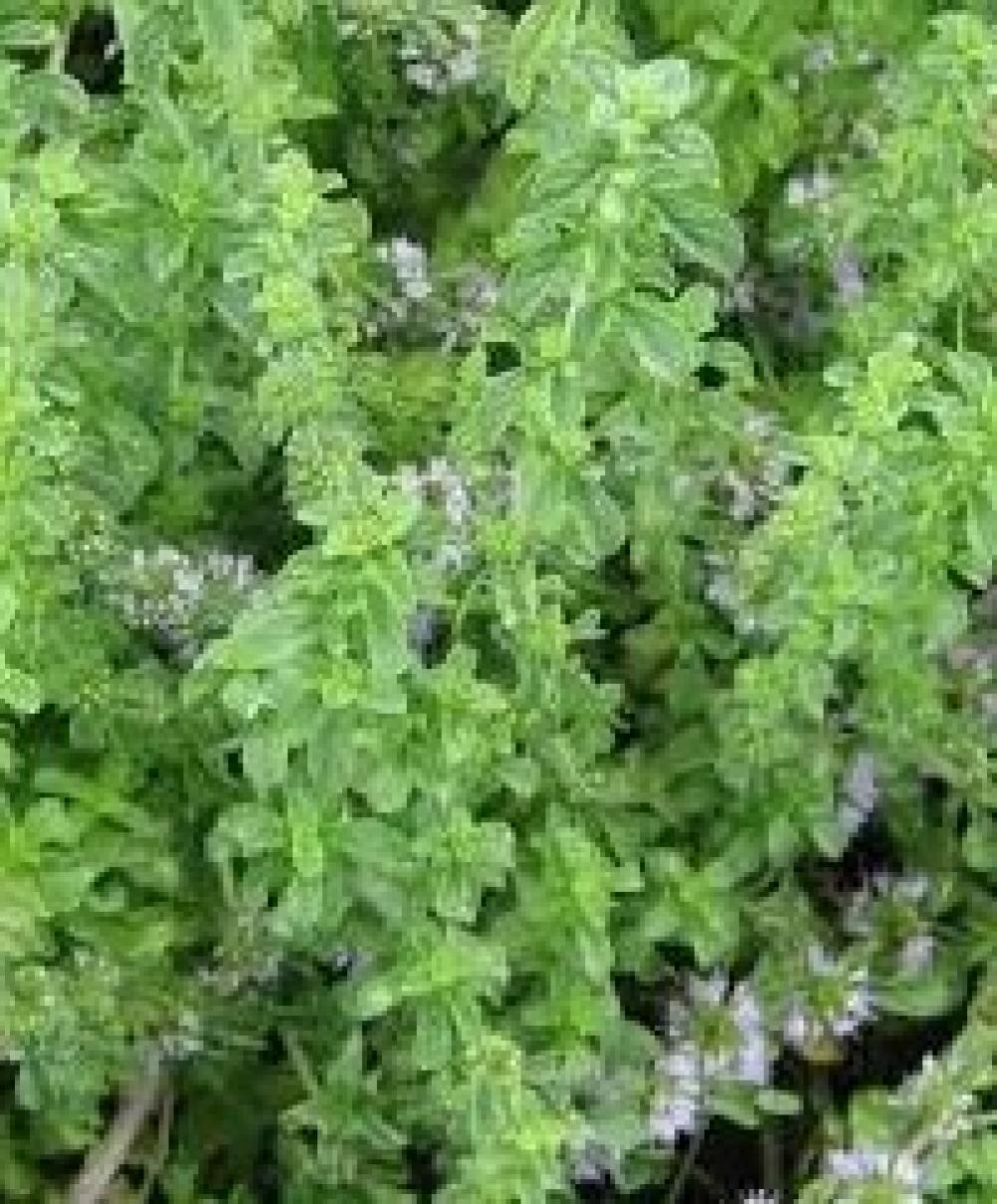
Pennyroyal
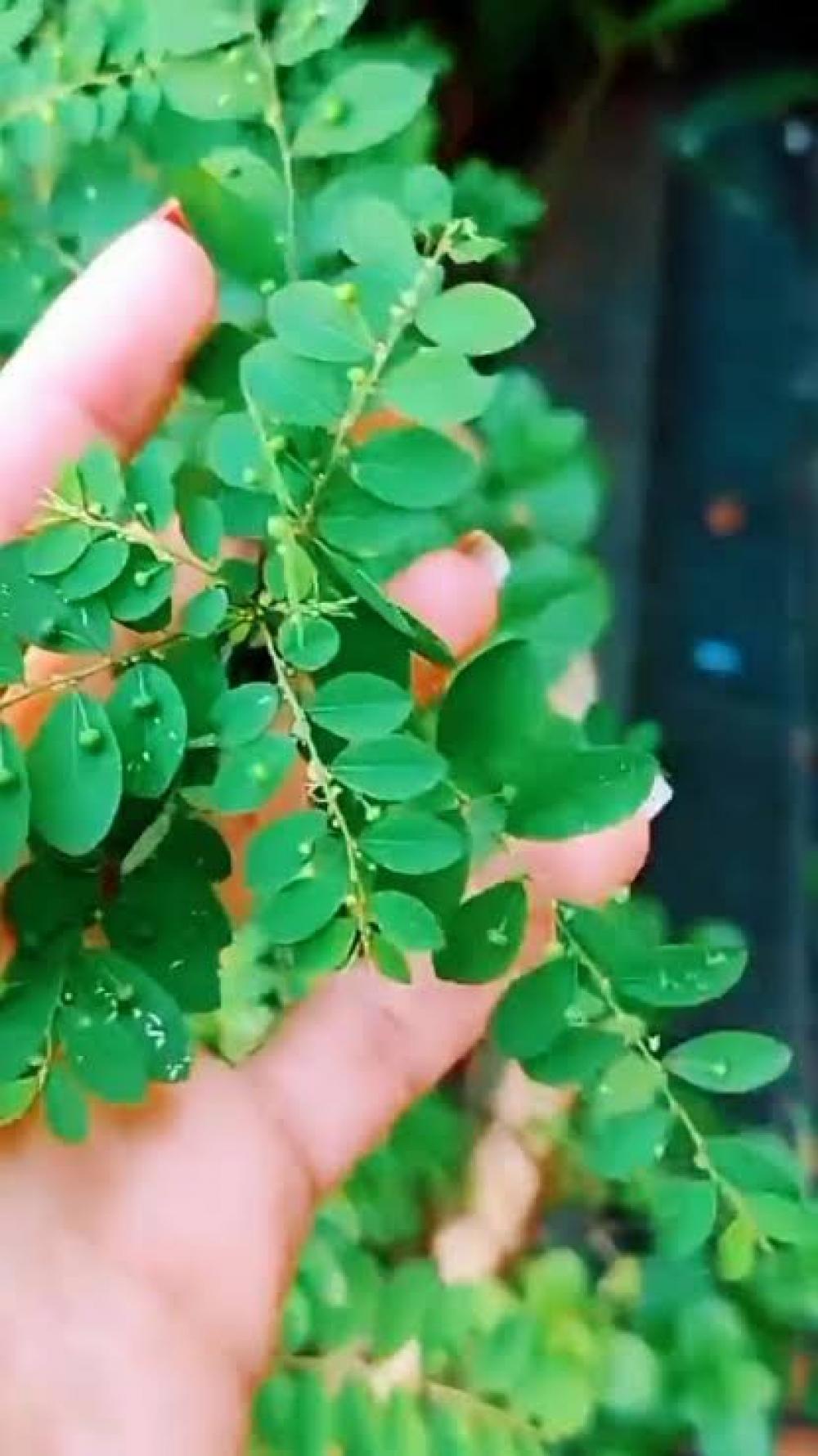
Stone-breaker
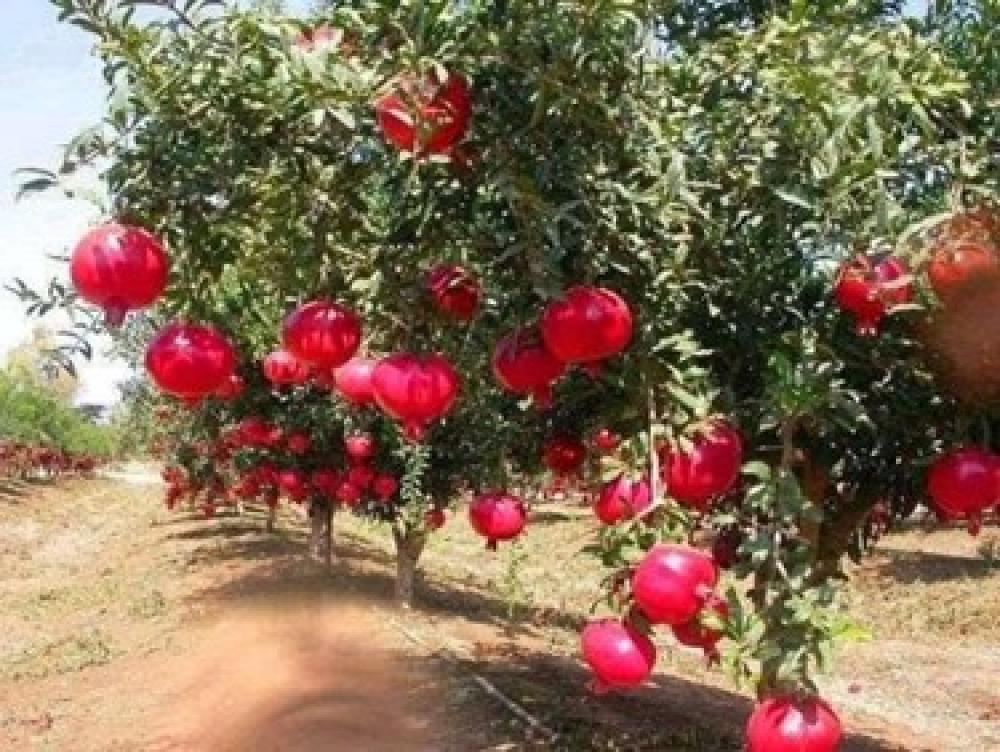
Pomegranate tree
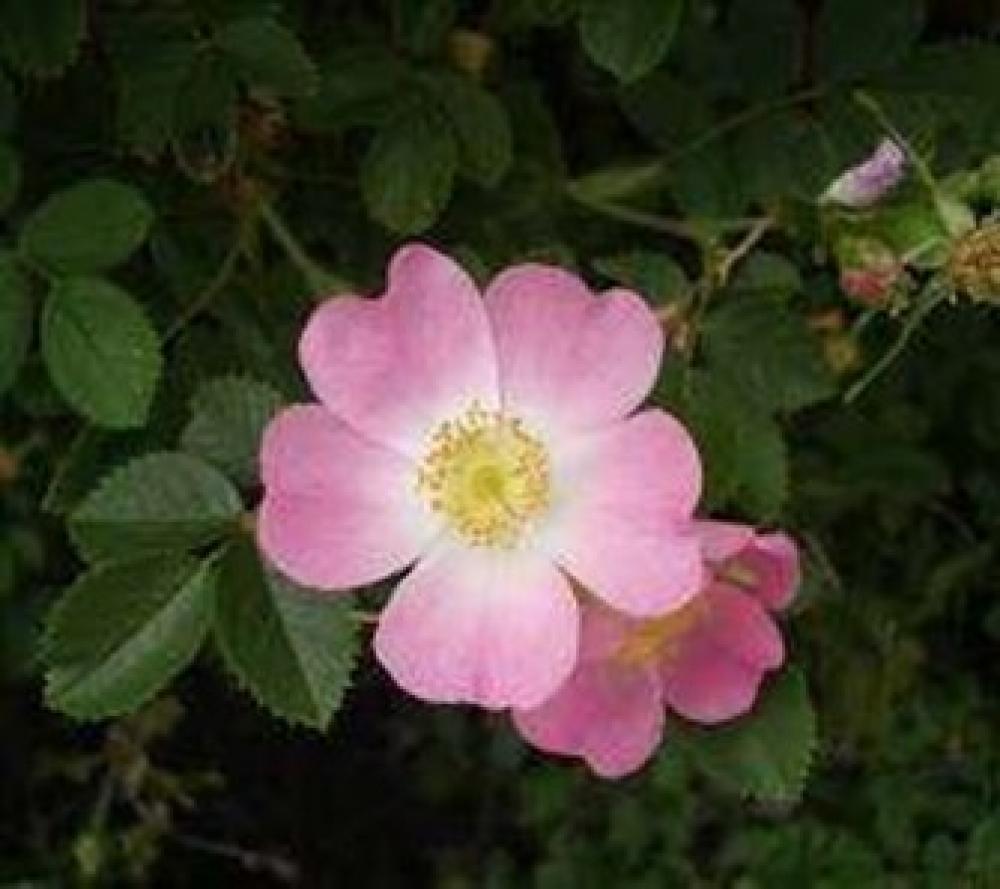
Rosa mosqueta
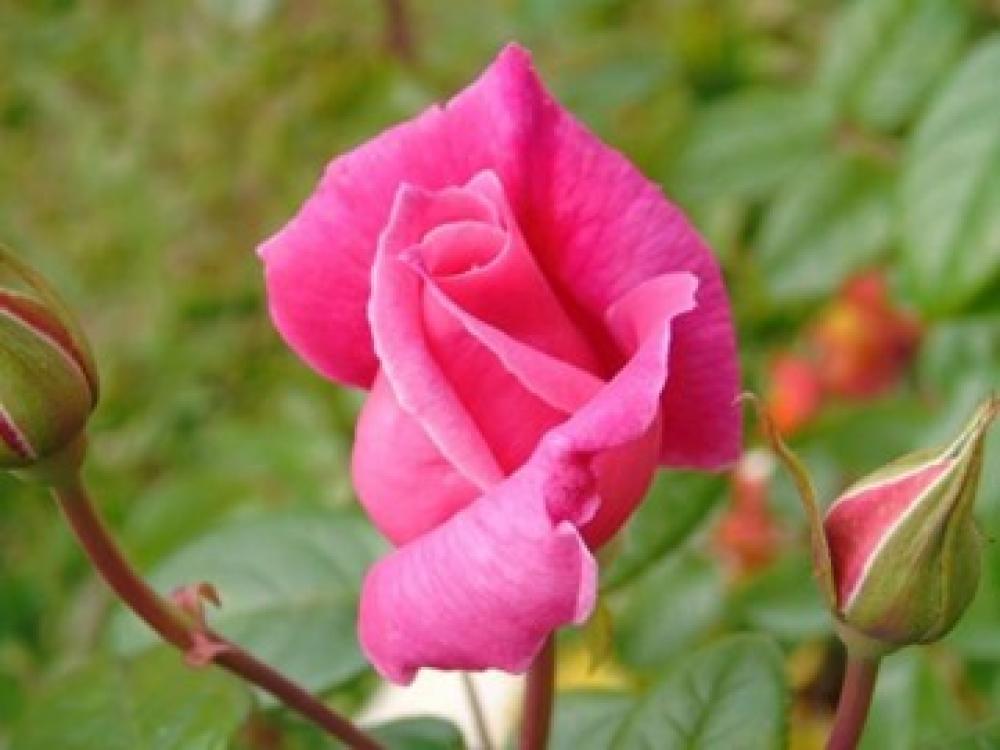
Rosebush
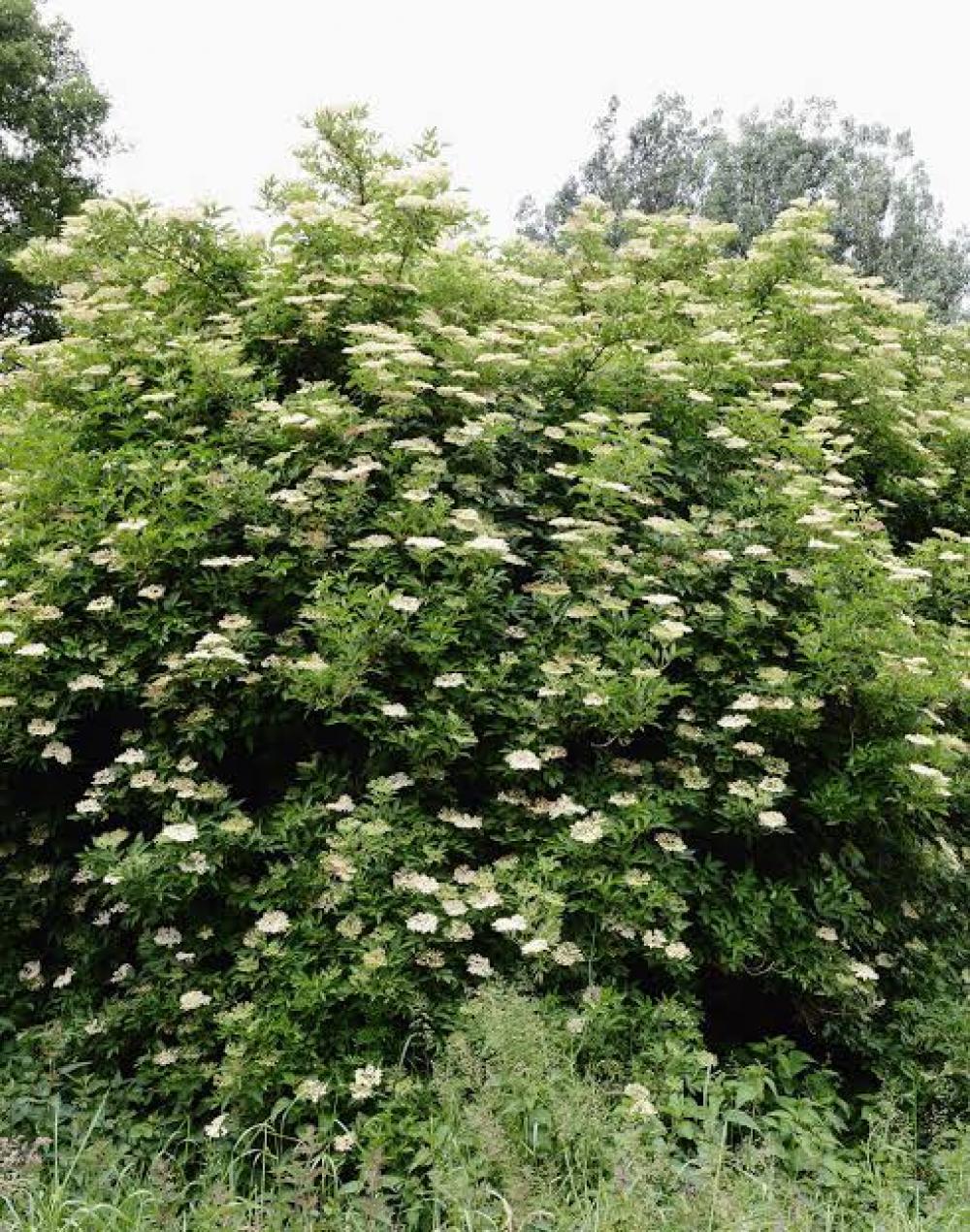
Elderberry
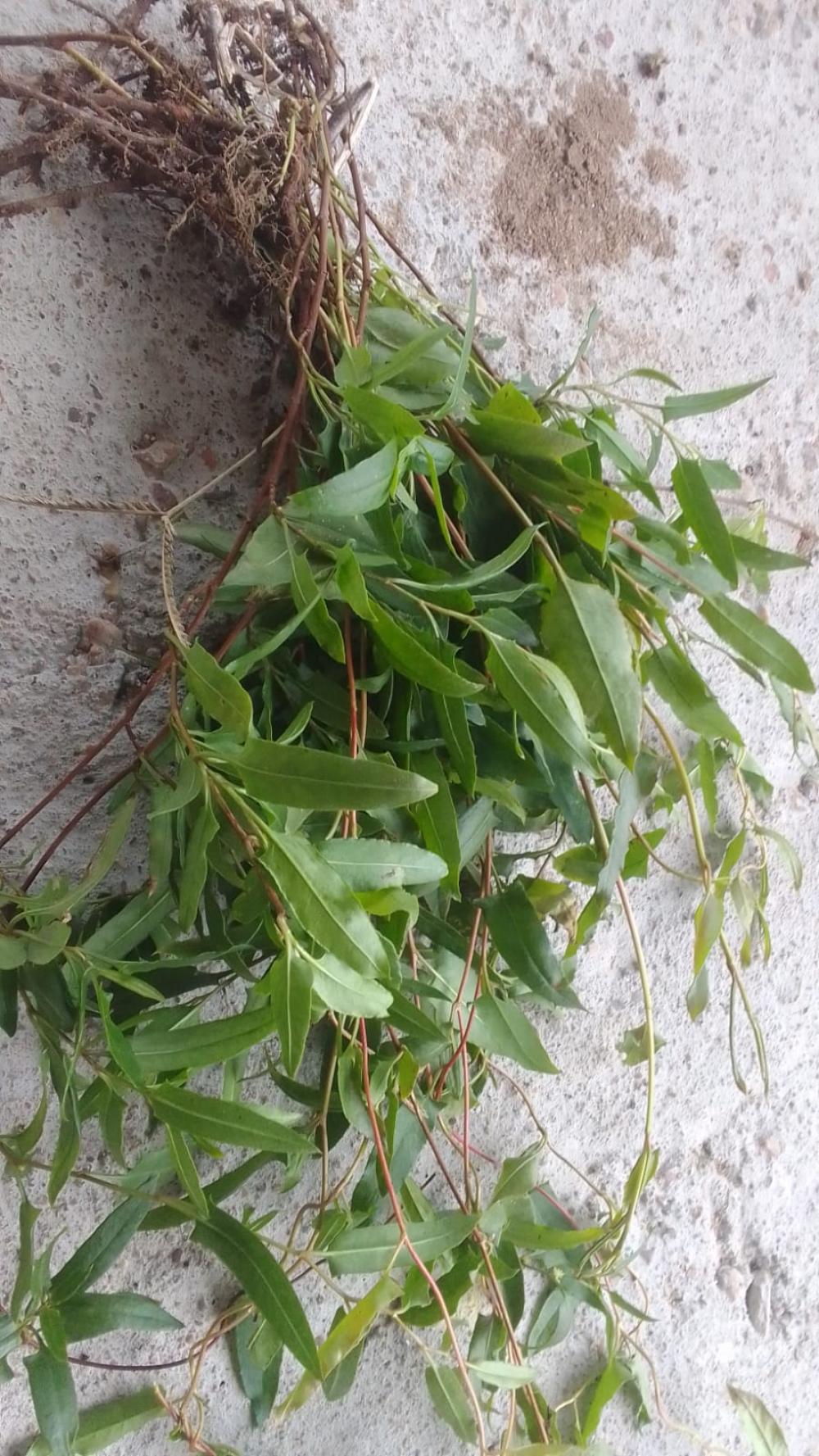
parilla parsley
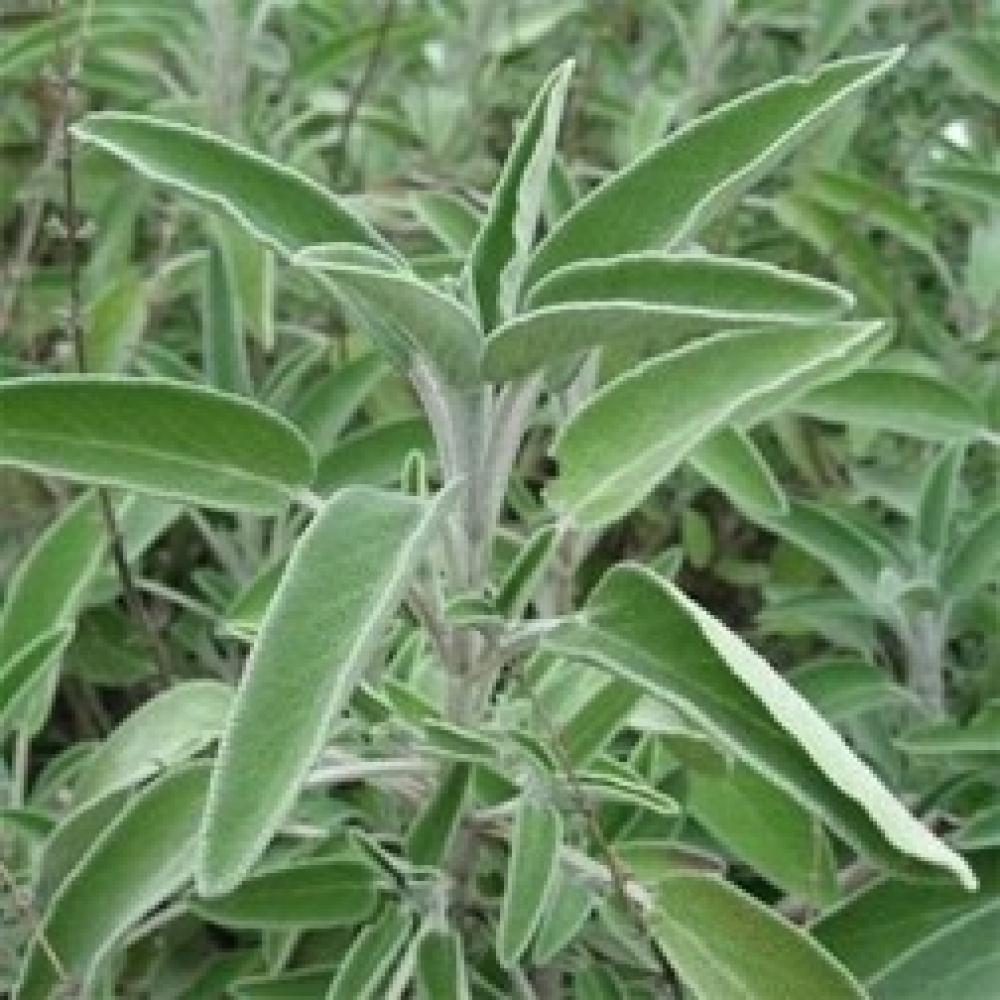
Sage
Sandalwood
senna
Stevia
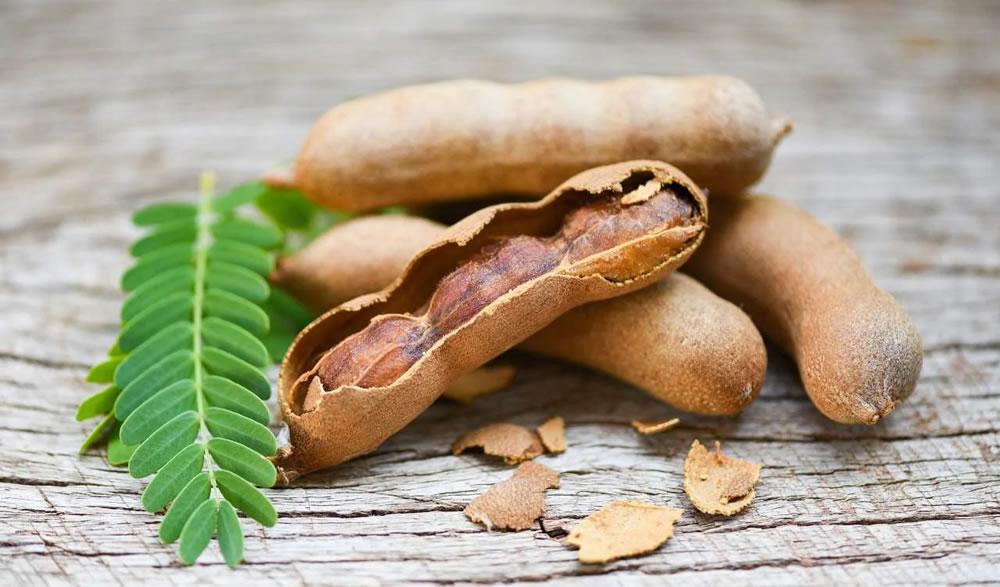
Tamarind
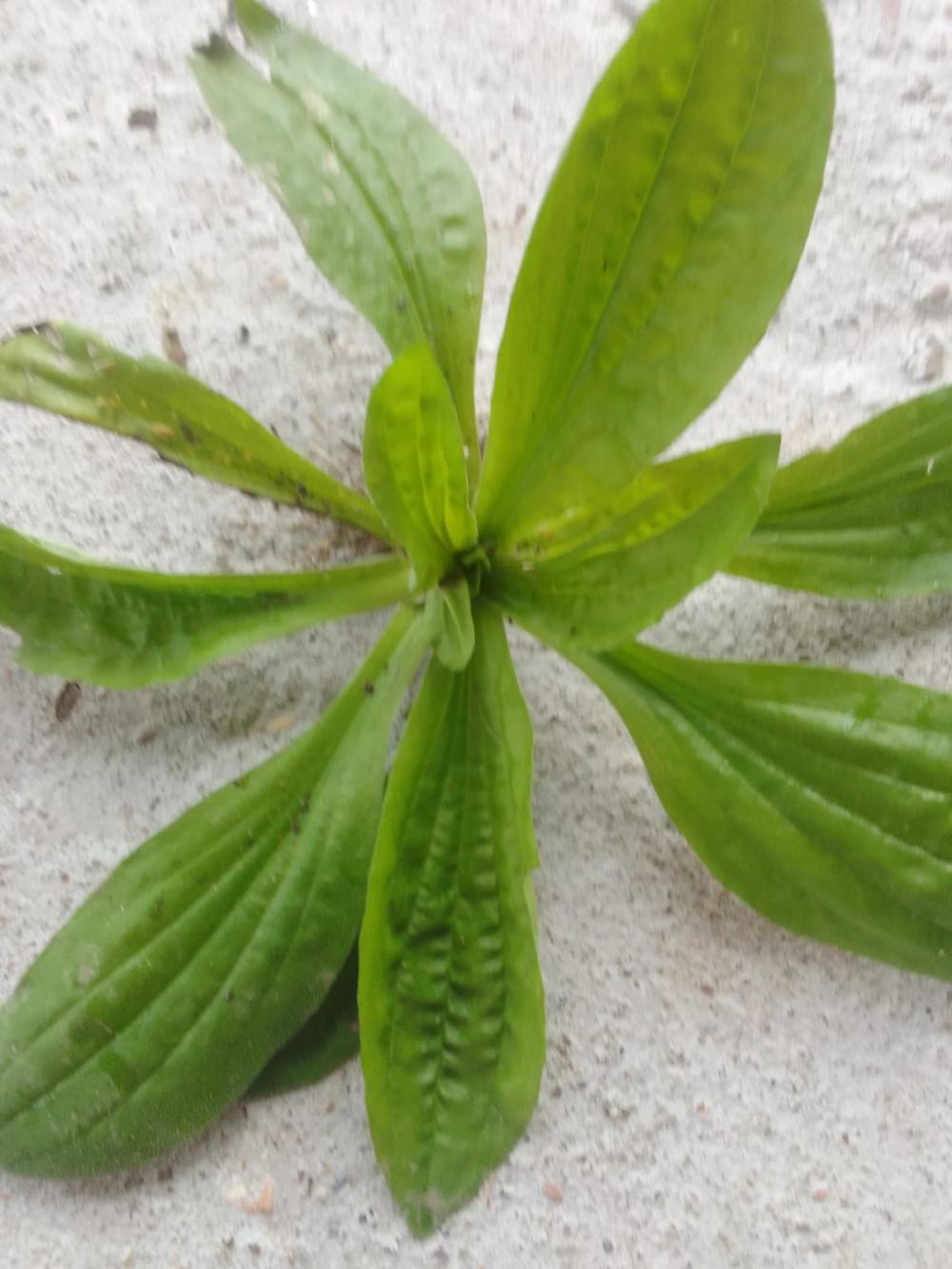
Plantain
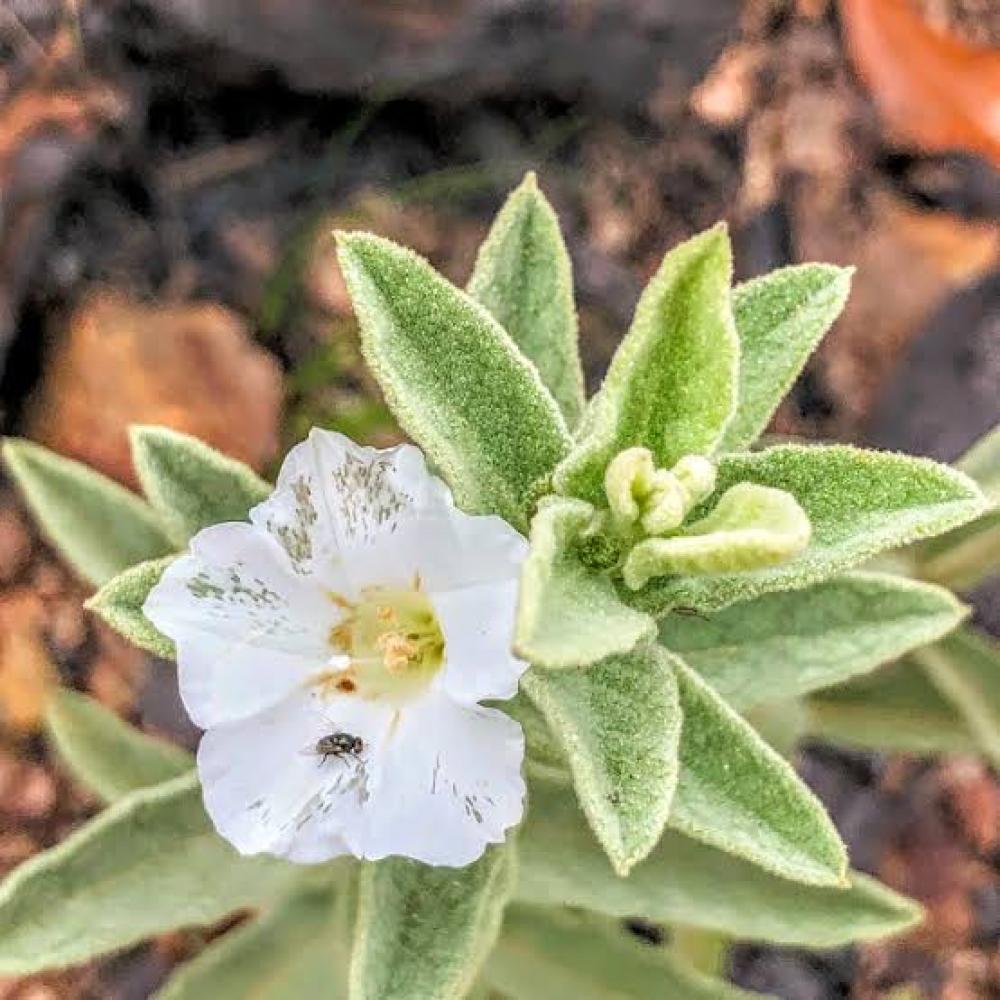
Velame-do-campo
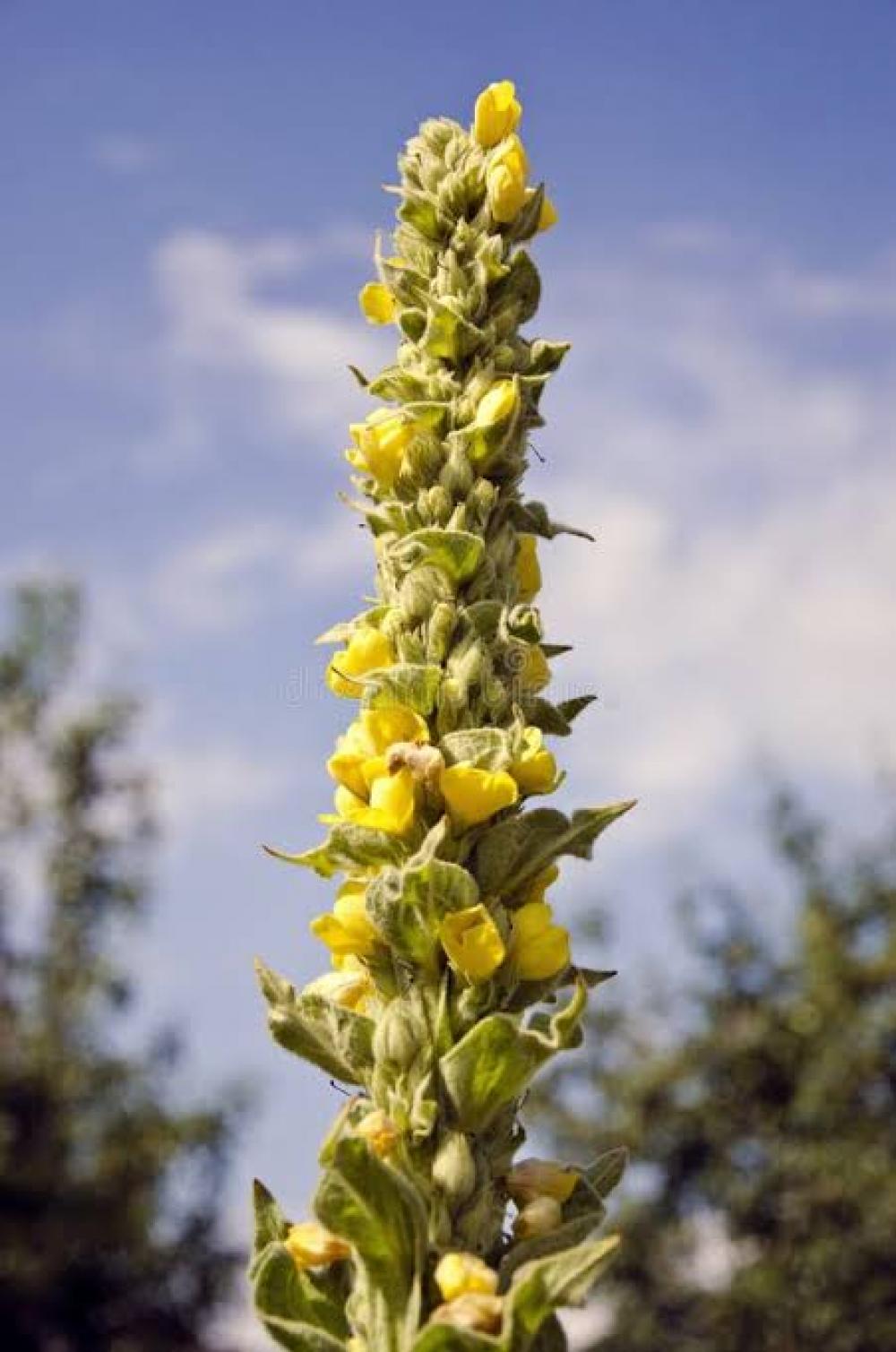
Brazilian mullein
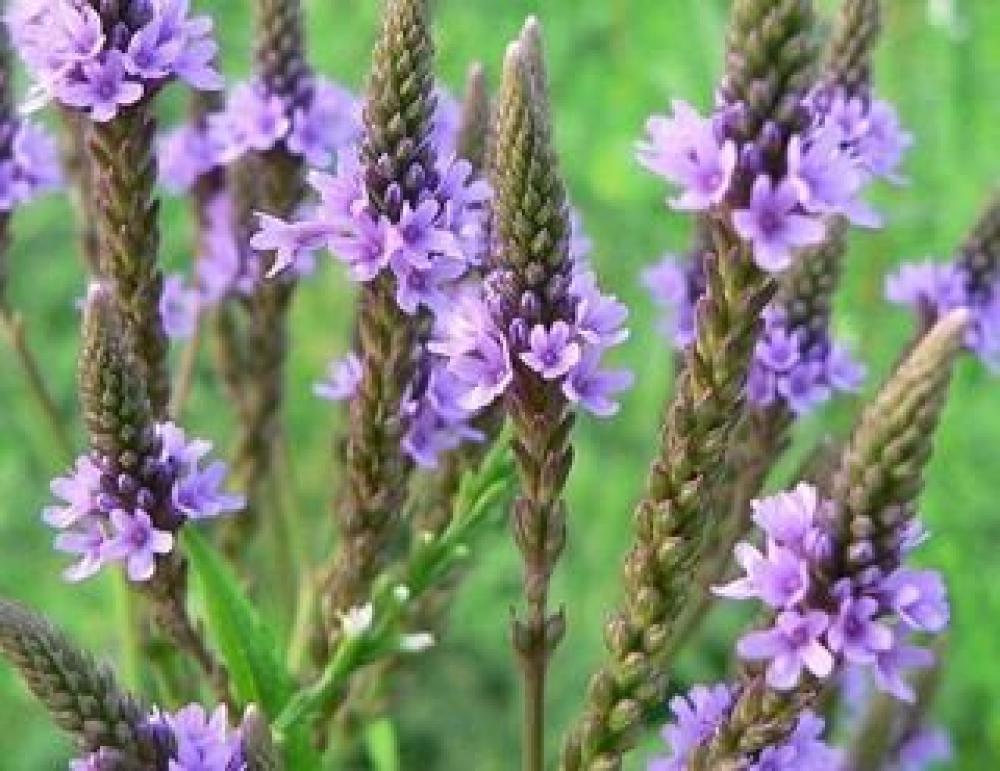
Field verbena